
Roof Inspection for Insurance Claims (2026)
By Skyridge Ricky • March 28, 2026 • 14 min read
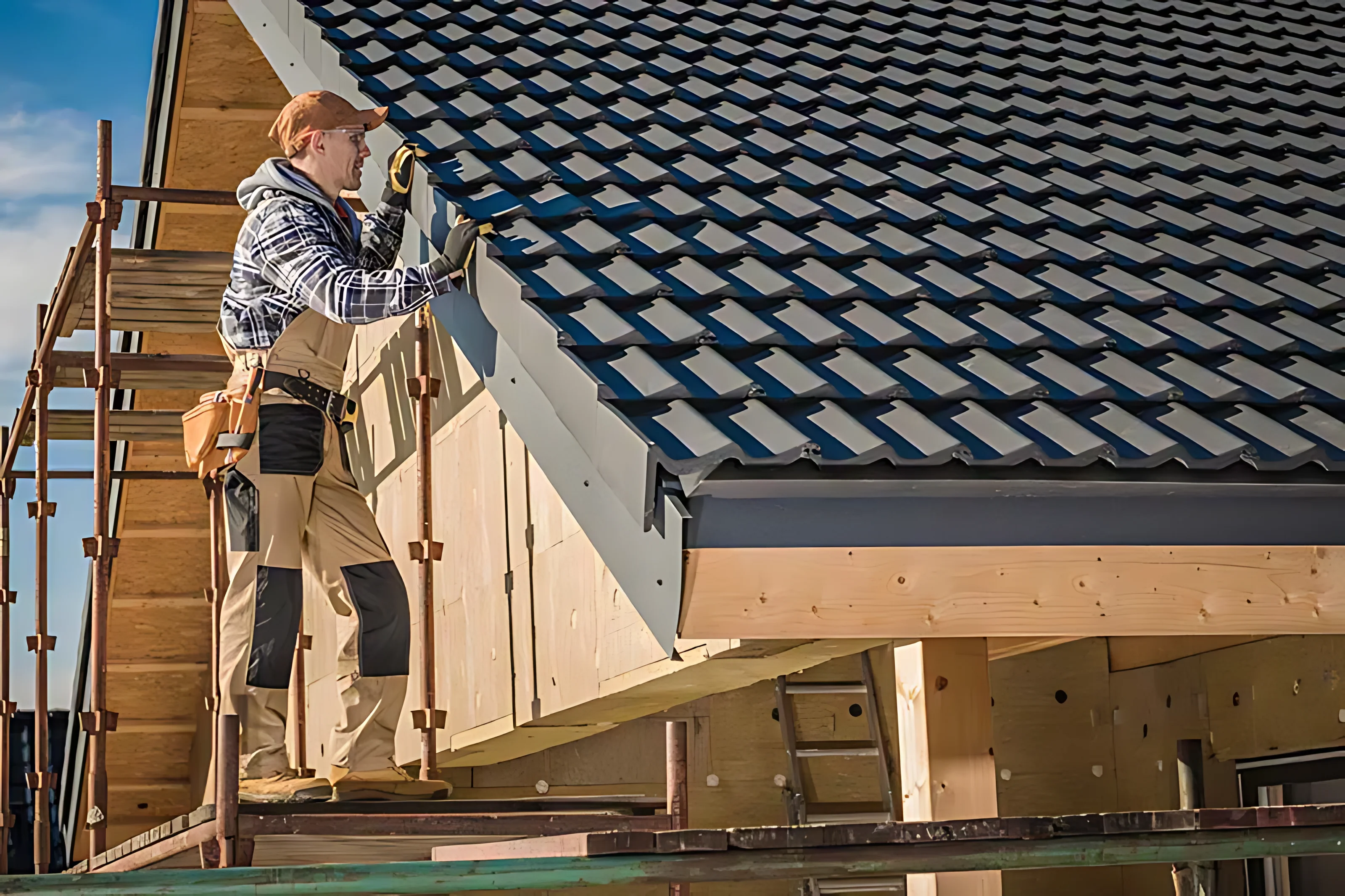
Quick Answer: When should you get a roof inspection for an insurance claim?
Get a professional inspection within 24-48 hours of a major storm event, and always before filing a formal claim.
Documenting hail hits or wind-lifted shingles with high-resolution photos first ensures you have the evidence needed to support your claim and avoid "unsupported loss" denials.
If you are looking for a roof inspection for insurance claim, the most important thing to understand is that this is not the same as a basic condition check. Claim-focused inspections are about documenting storm-related evidence clearly enough that a homeowner can decide whether filing makes sense and, if it does, support the claim with something stronger than guesswork. The roof may be damaged, but unless the damage is documented in a way the carrier can evaluate, the homeowner may still end up with a weak claim path.
This is where many people lose money. They either file too early with poor evidence, wait too long and lose visibility on the original storm condition, or let someone “inspect” the roof without creating the kind of photo record and scope logic that actually helps during the claim process. A good claim inspection should identify what happened, where it happened, how widespread it appears to be, and whether the observed damage is consistent with the kind of loss homeowners insurance typically responds to.
This guide explains what a claim-focused roof inspection should include in 2026, how it differs from underwriting or renewal inspections, what homeowners should do before filing, and how to tell whether the inspection in front of you is producing usable evidence or just a sales script. If the goal is clarity before paperwork, start here.
Inspection And Claim Paths
Inspection and claim guides should push readers into inspection, repair, and claim-ready service pages while the issue is still top of mind.
Next steps from this article should include roof inspection services, roof repair services, roof insurance claim help, emergency roof repair.
Schedule a roof inspection
Turn research into a documented next step.
Schedule a roof inspectionHow Claim Inspections Differ from Ordinary Roof Inspections
A general roof inspection asks whether the roof is in acceptable condition. A roof inspection for insurance claim asks a more specific set of questions: is there storm-related damage, what kind of storm-related damage is visible, how broad is it, and is the condition significant enough to justify a claim conversation? The difference sounds subtle, but it changes what the inspection needs to capture. A claim inspection is not just about roofing wear. It is about loss documentation.
That means the inspector should be looking for hail bruising, shingle impact marks, wind-lift creasing, missing or displaced shingles, accessory damage, soft-metal hits on vents and gutters, collateral indicators, and other evidence consistent with a specific weather event or weather pattern. The inspection should also separate storm effects from ordinary aging, maintenance neglect, and old repairs. If that distinction is not made, the homeowner may get pushed toward a claim that is not well supported or, worse, miss legitimate storm evidence because it was never documented correctly.
Claim inspections also need better photo logic. It is not enough to say “the roof has damage.” A useful report shows the roof elevations, close-up evidence, accessory hits, relevant patterns across the roof, and notes that explain why the observed damage matters. Good inspectors know that adjusters and carriers respond better to organized evidence than emotional language. They build the file so the homeowner can make a claim decision based on documentation rather than pressure.
This is why claim inspections should be treated as a technical exercise with financial consequences, not just a free roof check. The quality of the inspection often shapes the quality of the claim conversation that follows.
- Claim inspections focus on storm-loss evidence, not just general roof condition.
- They should separate storm damage from ordinary age-related wear or maintenance issues.
- Photos need to be organized by roof area, damage type, and supporting collateral evidence.
- A claim inspection is meant to support decision-making, not just generate roofing leads.
- Better evidence usually leads to a clearer and less chaotic claim process.

What the Inspector Should Document Before You File
A strong claim inspection starts with roof-wide context. The inspector should identify roof type, age if known, number of slopes, and whether damage appears isolated or widespread. From there, the documentation should move into detail: impact areas, creased tabs, missing shingles, damaged flashing, vent and gutter hits, and any interior signs that may relate to the same weather event. Collateral evidence matters because it helps connect the roof condition to a broader storm story rather than making the roof stand alone as an uncertain problem.
Timing matters too. A claim-focused inspection should note the approximate storm date if known, relevant recent weather history, and whether the observed conditions appear fresh, progressive, or previously repaired. This does not require the inspector to become a weather analyst, but it does require enough situational context to help the homeowner understand whether the roof evidence likely aligns with a recent insurable event. If the roof has been leaking for years with no clear storm trigger, that is a different conversation than a roof that took visible hail and wind effects two weeks ago.
The report should also identify whether emergency stabilization is needed before any claim decision is finalized. Active leaks, exposed underlayment, or major wind loss may require dry-in and protective action right away, but those measures should be documented before they change the appearance of the roof. Homeowners benefit most when the inspection captures the condition first and then clearly separates emergency mitigation from the later repair or replacement conversation.
In practical terms, the inspection file should answer a simple question: if you handed this evidence to someone who had never seen the roof, would they understand what happened and why the condition may support a claim? If the answer is no, the inspection probably needs more work.
- A claim inspection should document both roof-wide context and close-up damage evidence.
- Collateral hits on vents, gutters, and soft metals often strengthen the overall storm narrative.
- Approximate storm timing and condition history help clarify whether damage aligns with an insurable event.
- Emergency dry-in work should be documented before it alters the roof’s visible storm condition.
- The finished inspection file should be understandable to someone who has never seen the house before.
The Mistakes Homeowners Make Before and After a Claim Inspection
One of the most common mistakes homeowners make is filing first and documenting second. Once the claim exists, everyone is suddenly moving fast, and if the evidence file is weak at the start, the whole process can become reactive. Another common mistake is waiting too long after a storm. Shingles age further, temporary repairs happen, debris gets cleaned up, and the original condition becomes harder to reconstruct. Neither extreme is helpful. The best path is usually inspection first, claim decision second, with enough urgency to preserve the condition evidence while it is still fresh.
Homeowners also sometimes let contractors frame every storm mark as claim-worthy damage without enough explanation. That can backfire. A good inspector should be willing to say when the roof condition does not justify filing or when the evidence is too weak to make a claim a smart decision. That kind of honesty is valuable because an insurance claim is not just a roofing sales mechanism. It can affect deductibles, claim history, and future policy conversations. The inspection should help homeowners make an informed decision, not push them toward paperwork at all costs.
On the other side, some homeowners assume minor visible damage means there is nothing to document. Hail and wind effects are not always dramatic from the ground. Broken seal strips, functional damage, and accessory hits can be easy to miss without a close inspection. That is why an evidence-driven approach matters. The goal is not to exaggerate damage. It is to see it clearly enough to know what category of problem you actually have.
Once the inspection is done, homeowners should preserve the report, photographs, and any notes about emergency mitigation, prior repairs, or follow-up recommendations. Claim conversations are easier when the facts are assembled early instead of recreated under stress later.
- Filing a claim before strong documentation is assembled often weakens the homeowner’s position.
- Waiting too long can make the original storm condition harder to prove.
- Claim inspections should support a good decision, not automatically push every homeowner toward filing.
- Some storm-related roof damage is easy to miss without close inspection and organized photos.
- The full inspection file should be saved as part of the homeowner’s claim documentation package.

How to Use the Report When You Talk to the Carrier or Adjuster
The roof inspection should not replace the adjuster process, but it should make the homeowner far more prepared for it. A well-built report helps you explain what was found, where it was found, and why the roof may need more than a casual glance from the ground. It gives the adjuster a starting point and helps prevent important roof areas, accessory damage, and edge conditions from being overlooked. Most importantly, it gives the homeowner confidence that the claim conversation is grounded in observable facts rather than memory.
When reviewing the report, pay attention to whether the language is clear enough for a non-roofer to understand.
The best reports translate technical roofing conditions into plain, defensible statements.
They identify the damage without theatrical language and connect observations to the likely weather mechanism.
This is particularly useful when the adjuster meeting happens days or weeks after the inspection, because everyone involved needs a common reference point.
It is also wise to keep expectations realistic.
The report can support the claim, but the carrier still has its own review process. The inspection is strongest when it is precise, measured, and complete rather than inflated. Overstated inspections can create just as much friction as weak ones because they make it easier for the carrier to challenge the whole file. Precision is what gives the homeowner leverage.
In practice, the report works best when it is treated as evidence support, not as a substitute for the claim process itself. It gives structure to the conversation, and structure is exactly what many homeowners need when a storm has already created enough uncertainty.
- The inspection report should make the adjuster conversation more structured and evidence-based.
- Clear language helps homeowners understand and explain the observed damage.
- Precision is more valuable than exaggerated claims about storm effects.
- The report supports the claim process; it does not replace the carrier’s review.
- A strong file helps keep important roof areas from being overlooked during claim handling.
When a Claim Inspection Points to Repair, Replacement, or No Claim at All
Not every claim-focused roof inspection ends in the same recommendation, and that is exactly how it should be. Some inspections reveal isolated storm damage that supports targeted repair rather than full replacement. Some show broad wind or hail effects that make replacement the more realistic path. Some show condition problems that are real but not clearly tied to an insurable event, in which case the best recommendation may be repair or maintenance without filing a claim. The value of the inspection is in sorting those paths honestly before the homeowner commits to one.
This is why claim inspections should not be judged only by whether they produce a claim. A strong inspection can still save the homeowner money by preventing a weak filing. It can reveal that the roof issue is really a maintenance matter or that the building would be better served by a planned repair than by an insurance process with uncertain outcome. That honesty is part of good roofing guidance, not a failure of the inspection.
When the inspection does support a claim, it should also clarify whether emergency mitigation is needed right away and whether the roof is still safely serviceable while the claim process plays out. These practical considerations matter just as much as the paperwork. The homeowner needs to protect the house while also preserving enough evidence to support the file. Good claim inspections make room for both.
Ultimately, the strongest inspection is the one that makes the next step obvious. Repair, replacement, mitigation, or no claim at all are all reasonable outcomes when they are backed by real roof evidence.
- A claim inspection may support repair, replacement, mitigation, or a no-claim decision depending on the evidence.
- The success of the inspection is measured by clarity, not by whether it automatically leads to filing.
- Weak claims can sometimes be avoided entirely through honest roof documentation.
- Emergency mitigation planning may still be needed while a valid claim is being evaluated.
- The best inspections make the next decision easier rather than more chaotic.
What Homeowners Should Do Immediately After a Storm Before the Inspection
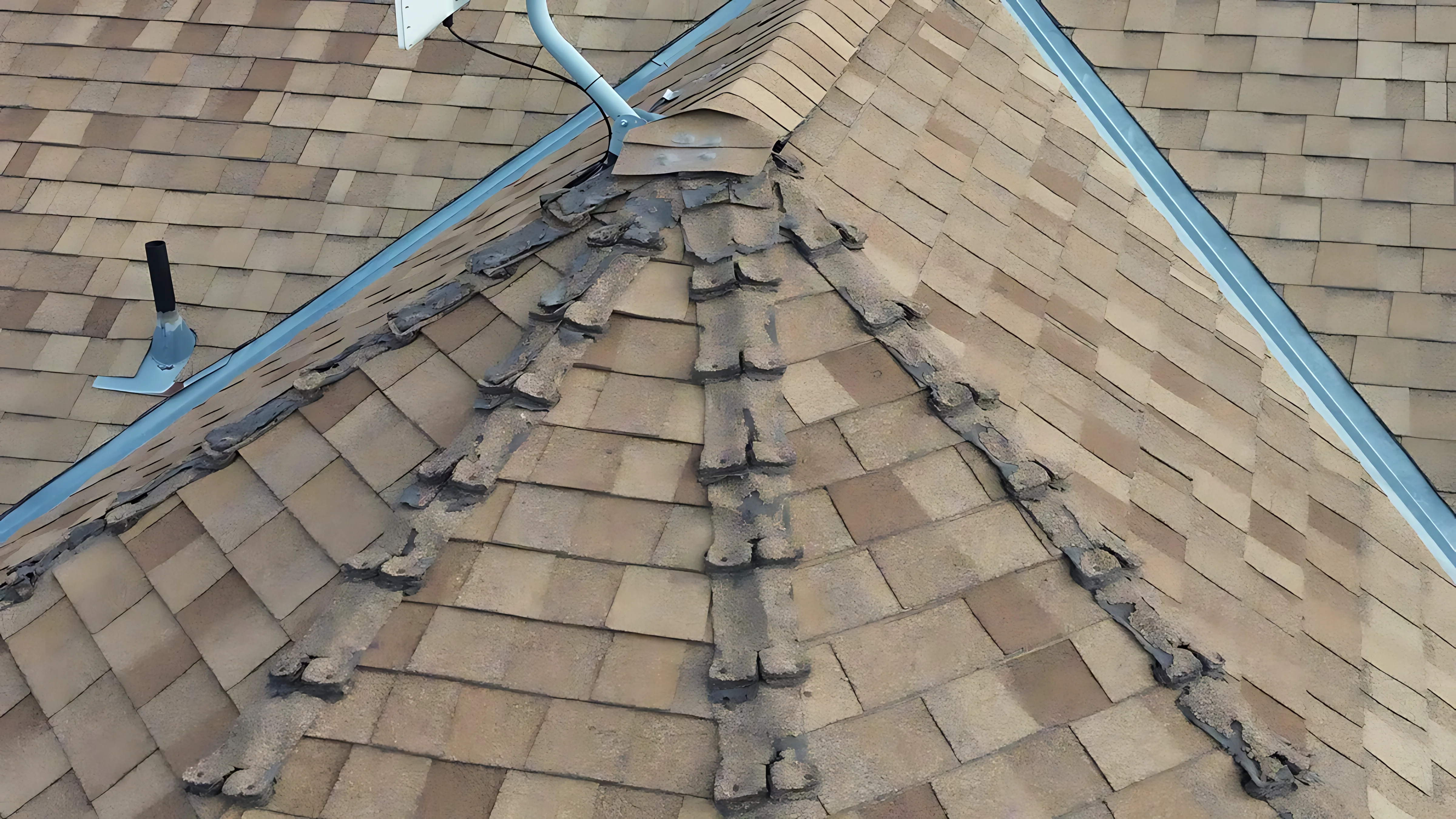
Homeowners can improve the quality of a future roof inspection for insurance claim by handling the hours after a storm carefully. Start with documentation. Photograph visible shingle loss, dents to vents or gutters, debris impacts, interior stains, and any water entry before conditions change. If neighbors also experienced damage, make note of that. Widespread local storm effects can provide useful context later even though every claim still depends on the condition of the individual roof. The key is to preserve evidence before cleanup, weathering, or emergency measures blur the picture.
If active leaking is occurring, protect the interior and arrange temporary mitigation safely, but document first whenever possible. Emergency tarping, containment, and moving furniture are sensible. Climbing onto a wet or storm-damaged roof without proper equipment is not. Homeowners often hurt themselves trying to “inspect” the roof before the professionals arrive, and they usually do not gain much evidence that a documented inspection could not provide more safely. Your job is to preserve the scene, not to become the scene.
It also helps to gather prior roof information. Old repair invoices, replacement records, and photos of the roof before the storm can all become relevant if the carrier later questions age, prior condition, or whether the observed damage is new. A claim inspection becomes much stronger when it can be placed in a timeline instead of treated as an isolated one-day event. The more context you can provide, the easier it is for the inspection to distinguish fresh storm-related damage from older roof history.
These early steps do not replace the inspection, but they support it. Good claim outcomes are often built on good evidence habits in the first 24 to 72 hours after the storm, long before the adjuster appointment is ever set.
- Early storm documentation helps preserve evidence before cleanup or mitigation changes the roof condition.
- Interior protection matters, but unsafe self-inspection on a wet roof does not.
- Prior roof records can help clarify what damage is new versus pre-existing.
- The first few days after a storm often shape the quality of the later claim inspection.
- Strong evidence habits support stronger insurance decisions even before filing begins.
Why Better Inspection Evidence Leads to Better Claim Decisions
Homeowners often assume the value of a claim inspection is simply whether it “finds damage.” The bigger value is whether it helps you make a better claim decision. Strong evidence can support filing with confidence, but it can also save you from filing weakly or too early. Both outcomes matter. A poor claim decision can affect deductibles, claim history, and the amount of time and stress a homeowner invests in a process that may not have been supported well enough from the start.
Better evidence also improves the quality of later contractor and adjuster conversations. If the report identifies specific slopes, accessory hits, visible shingle effects, and mitigation needs clearly, everyone is working from the same picture. That reduces the chance that important conditions get missed or minimized. It also helps the homeowner understand whether a repair-only path still makes sense or whether the damage pattern is broad enough that replacement may become the realistic outcome.
In some cases, the strongest claim inspection is the one that tells a homeowner to wait, document more, or choose a non-claim repair path. That honesty is valuable because it protects the homeowner from using the insurance process where it may not actually help them. Good inspections are not pro-claim or anti-claim. They are pro-evidence. The inspection should support the right next move, whatever that move turns out to be.
This is why claim inspections deserve to be evaluated by the quality of the documentation, not by the aggressiveness of the sales pitch attached to them. Better evidence usually produces better decisions, and better decisions usually save homeowners money and friction in the long run.
- The best claim inspections support good decisions, not just dramatic damage narratives.
- Strong evidence improves conversations with both contractors and adjusters.
- Sometimes the right outcome is a no-claim decision backed by good documentation.
- Claim inspections should be judged by evidence quality rather than sales intensity.
- Better documentation often reduces stress and confusion later in the claim process.
Wrapping it up
Roof inspection for insurance claim is about evidence first and paperwork second. When the inspection is organized, technically sound, and honest about what it does and does not show, the homeowner gets a much stronger foundation for deciding whether to file and how to support the file if they do.
That is the real advantage of doing the process in the right order. Instead of guessing from the ground or reacting after the claim is already in motion, you get a documented view of the roof condition and a clearer path forward. In storm-related roofing decisions, that kind of structure is worth a lot.
Questions this guide answers
Quick answers tied to roof inspection for insurance claim.
Storm Damage & Insurance Hub
Expert assistance with roofing insurance claims, hail damage audits, and storm restoration across the Wasatch Front.
Emergency Support
Utah Roof Inspection Hub
Get a comprehensive photo-audit and forensic roof assessment. We provide the documentation you need for insurance, real estate, or peace of mind.