
Sky Ridge Roofing
Ice Dam Roof Repair and Prevention for Utah Homes
Ice dam roof repair in Utah for leaks, damaged eaves, attic ventilation issues, and prevention planning. Get a roof-system inspection and clear repair scope.
The Sky Ridge Standard
Ice dams can damage shingles, soak decking, stain interiors, loosen gutters, and create repeated leak paths even after the snow is gone. We inspect the roof edge, attic evidence, drainage pattern, and vulnerable transitions together so the final recommendation addresses the cause of the problem instead of only the visible symptoms.
That matters in Utah, where snow retention patterns can vary sharply from one neighborhood to another. A real ice-dam scope should explain what failed, why it failed, what needs urgent repair, and what will reduce the chance of seeing the same issue next winter. Sky Ridge Roofing keeps that scope practical: repair the roof damage, document hidden risk, and route insulation or electrical items to the right specialist when they fall outside the roofing repair.
Ice Dam Repair Guide
Why Ice Dams Happen on Utah Roofs
An ice dam forms when upper roof snow melts, runs toward a colder eave, and refreezes before it can drain. The roof edge becomes a frozen curb. More meltwater collects behind it and can travel sideways or backward under shingles. In Utah, this can show up after mountain storms, freeze-thaw swings, shaded roof planes, clogged gutters, or attic heat loss that warms one part of the roof while the eave stays frozen.
- Warm attic air melting snow from below
- Blocked soffit intake or weak roof exhaust
- Uneven insulation near exterior walls and attic bypasses
- Low-slope valleys, dormers, skylights, and north-facing roof sections

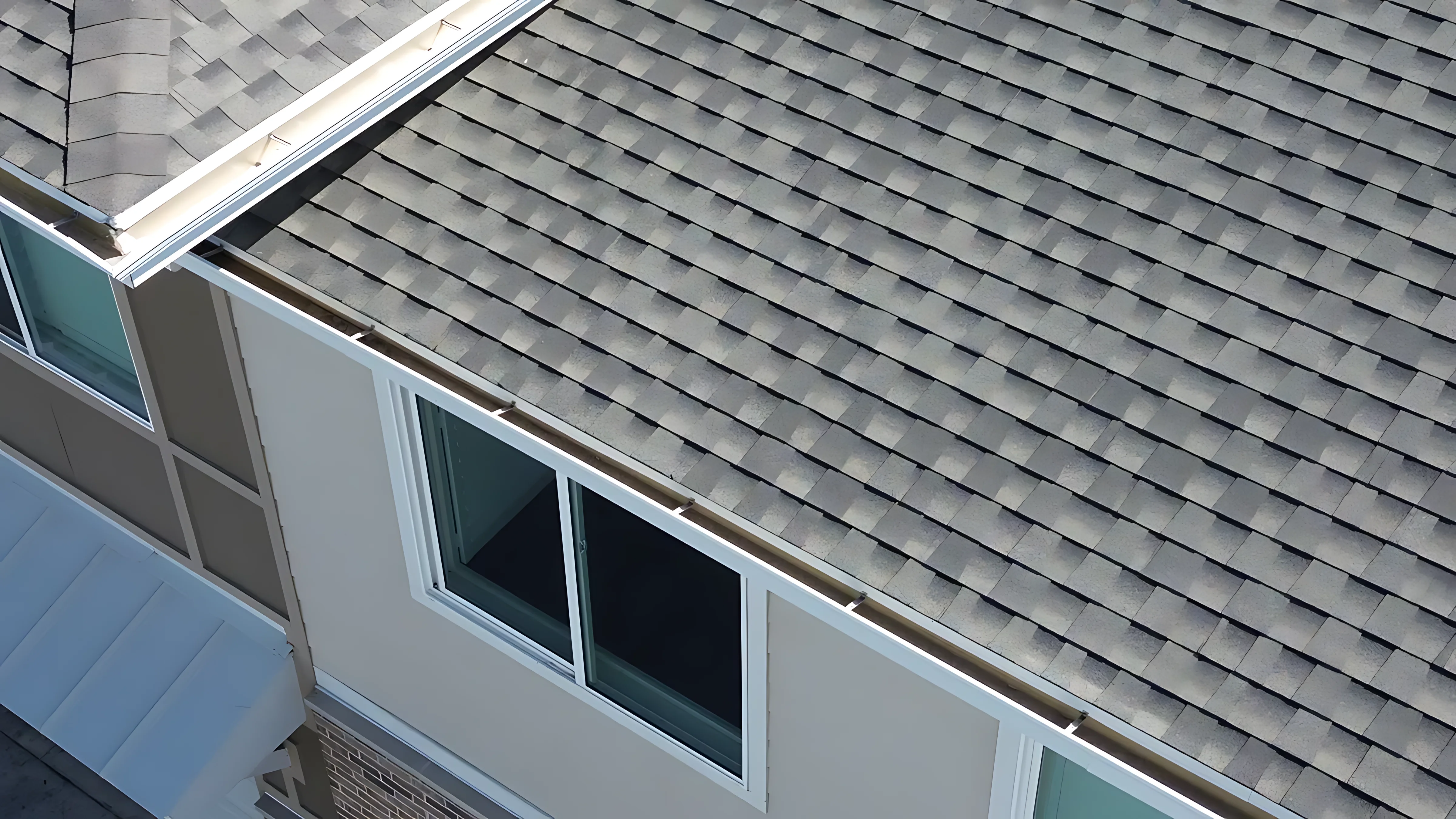
The Physics of a Utah Ice Dam
Warning Signs That Need a Roof Inspection
Long icicles alone do not prove the roof is leaking, but they are a useful warning sign when paired with staining, damp insulation, gutter movement, or repeated ice buildup in the same place. The most important question is whether meltwater has found a path beneath the roof covering or behind the fascia.
- Ceiling stains near exterior walls after snow events
- Wet soffit, fascia, or siding below a roof edge
- Ice buildup below valleys, skylights, chimneys, or wall transitions
- Gutters pulling loose or holding standing ice

Critical Vulnerability Zones
How We Scope Ice Dam Repair
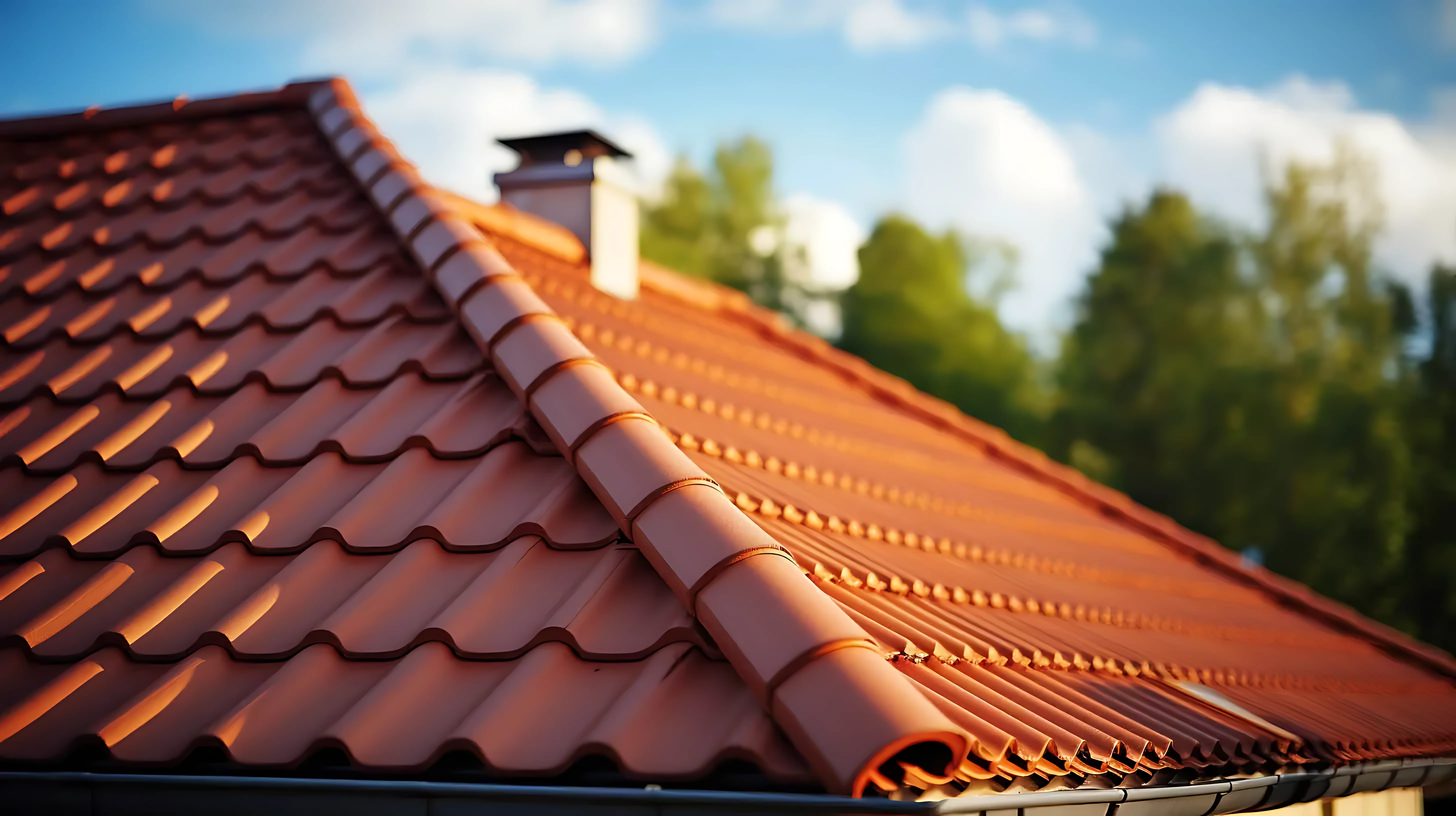
A useful repair scope should not jump straight to shingles. We start by tracing the leak path, checking roof-edge and valley details, looking for soft decking or damaged underlayment, and reviewing ventilation conditions that may be feeding the ice cycle. Then we divide the recommendation into immediate stabilization, roof repair, and prevention work.
- Photo documentation of roof, attic, eaves, and leak evidence
- Targeted repair for damaged shingles, flashing, decking, or edge metal
- Recommendations for ice-and-water shield when roof-edge protection is inadequate
- Ventilation corrections when poor airflow is contributing to repeat problems
Forensic Leak Tracing
Prevention That Actually Reduces Repeat Ice Dams
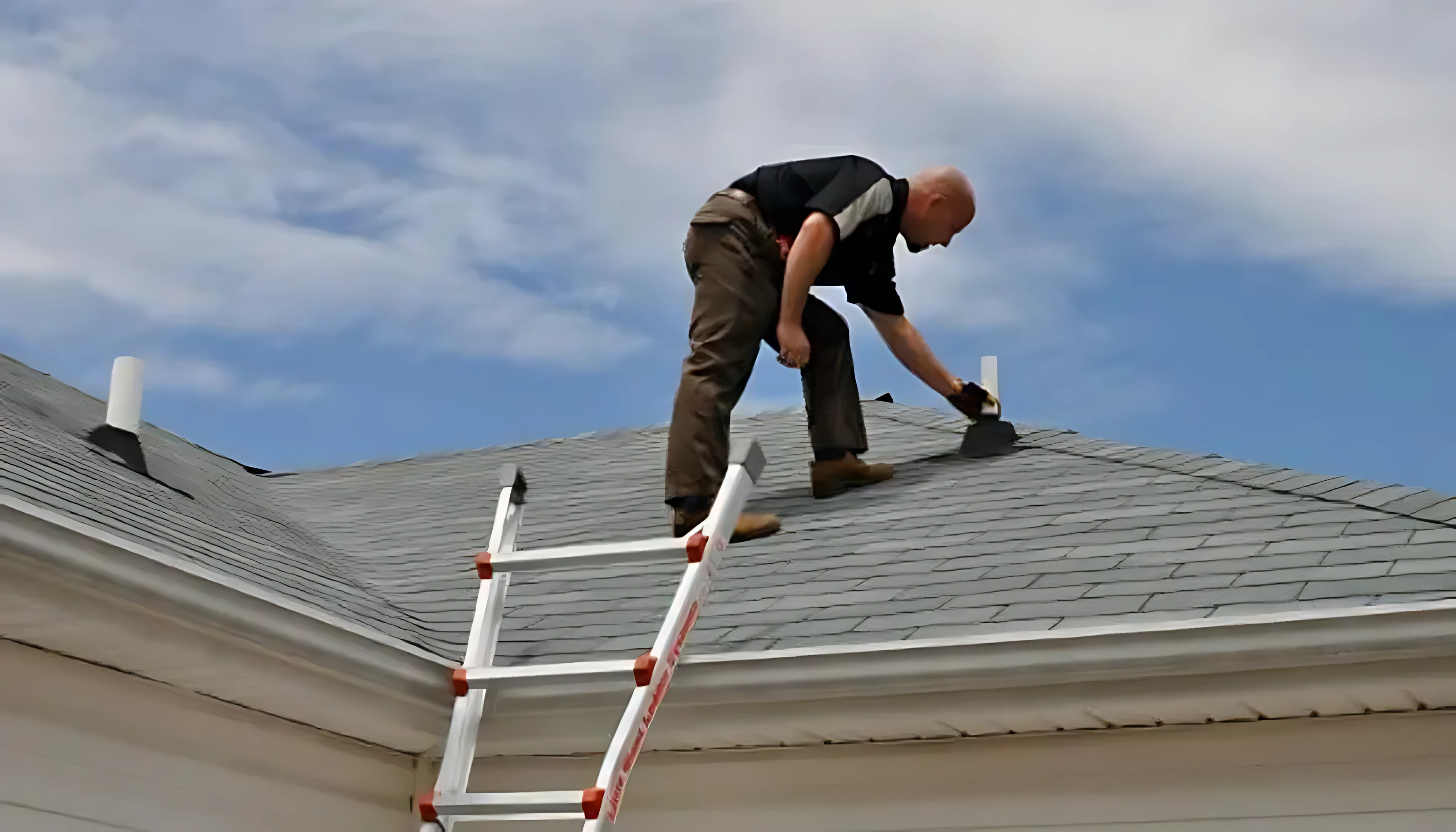
Prevention is about keeping the roof deck closer to outdoor temperature and giving meltwater a durable drainage path if backup occurs. That often means air sealing and insulation work by the right trade, balanced intake and exhaust ventilation, clear gutters, and correct underlayment at vulnerable roof edges. Heat cable can be a management tool in limited areas, but it should not be treated as the only fix for a roof-system problem.
The Prevention Audit
Frequently Asked Questions
Can an ice dam cause a roof leak even if the shingles look fine?
Yes. Ice dams can force meltwater backward under shingles at the eave, valley, wall, or skylight area. The visible shingles may look intact while water reaches underlayment, decking, soffit, insulation, or interior drywall.
Should I chip ice off my roof myself?
No. Chipping ice can break shingles, puncture underlayment, damage gutters, and create fall risk. If water is actively entering the home, the safer first step is leak stabilization and a roof inspection that identifies the entry path.
Do heat cables fix ice dams permanently?
Heat cables can help manage a vulnerable roof edge, but they do not fix the underlying cause by themselves. Recurring ice dams usually require checking attic air leaks, insulation, intake and exhaust ventilation, roof-edge details, and ice-and-water protection.
When does ice dam damage require roof replacement instead of repair?
Replacement becomes more likely when the roof has widespread aging, repeated eave leaks, rotted decking across multiple areas, failed underlayment, or chronic ventilation problems that cannot be corrected with a targeted repair.