
Roofing Coverage Across Utah Cities
Precision local service areas for residential and commercial roofing in 2026.
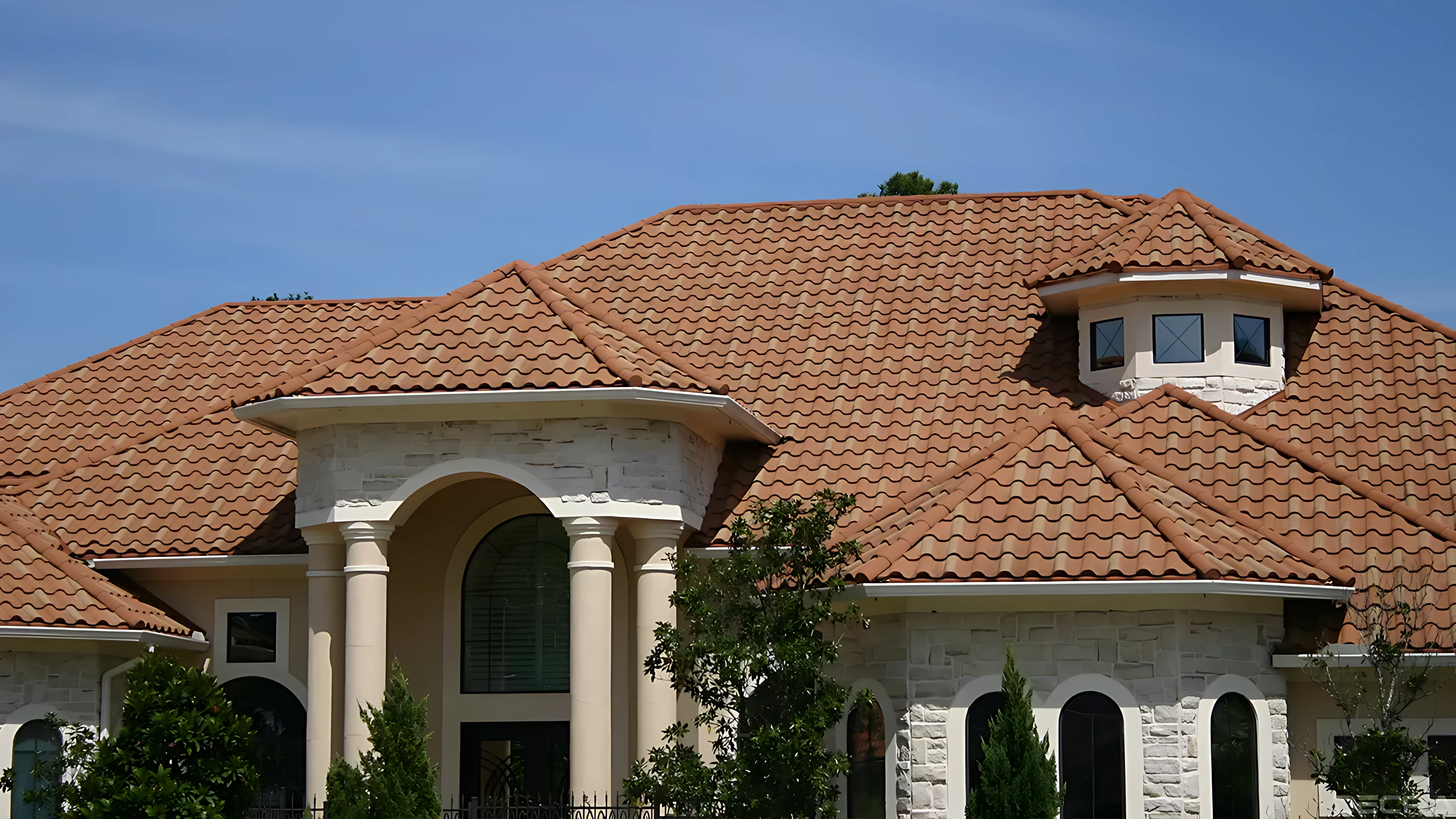
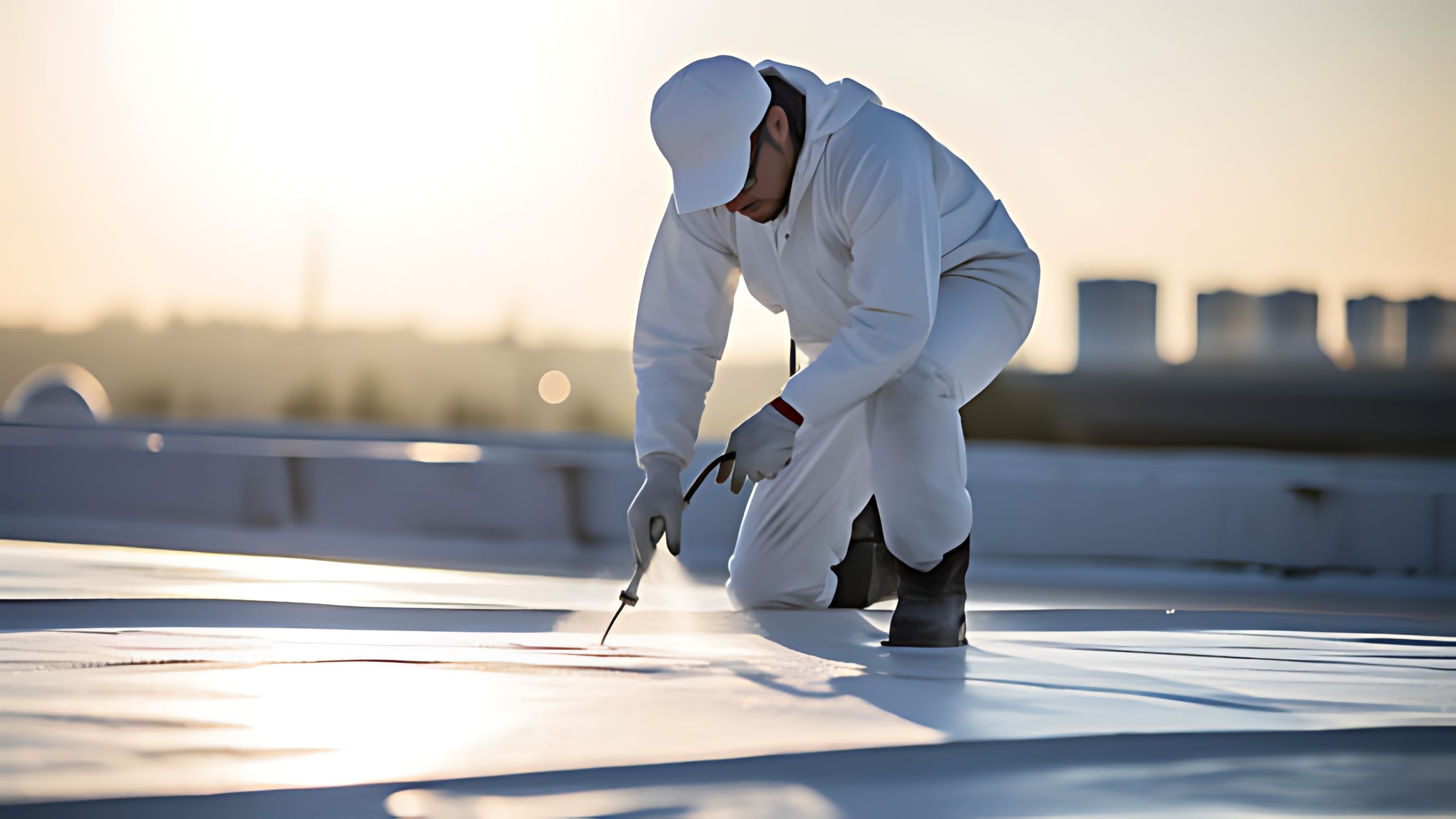
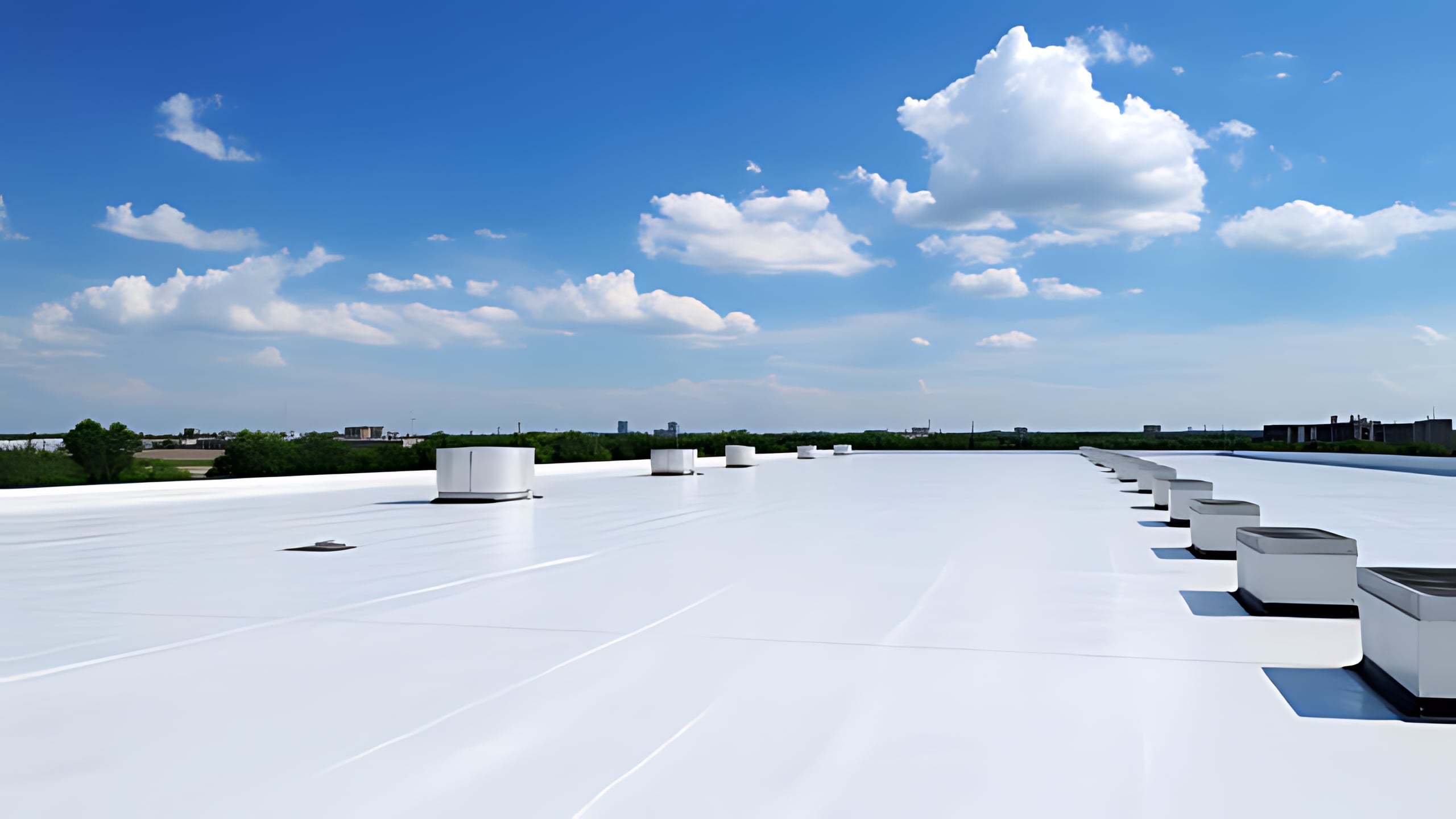
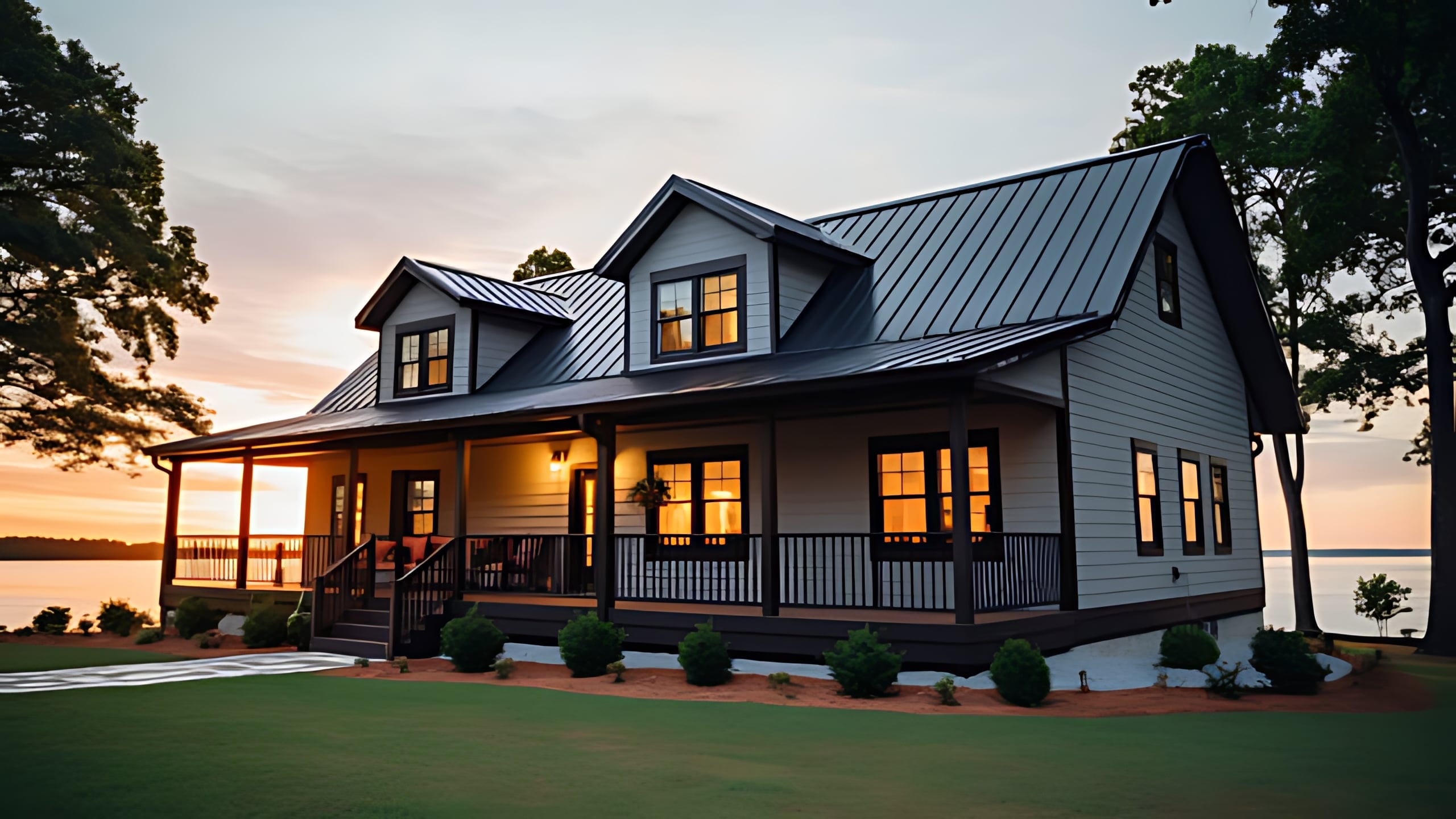
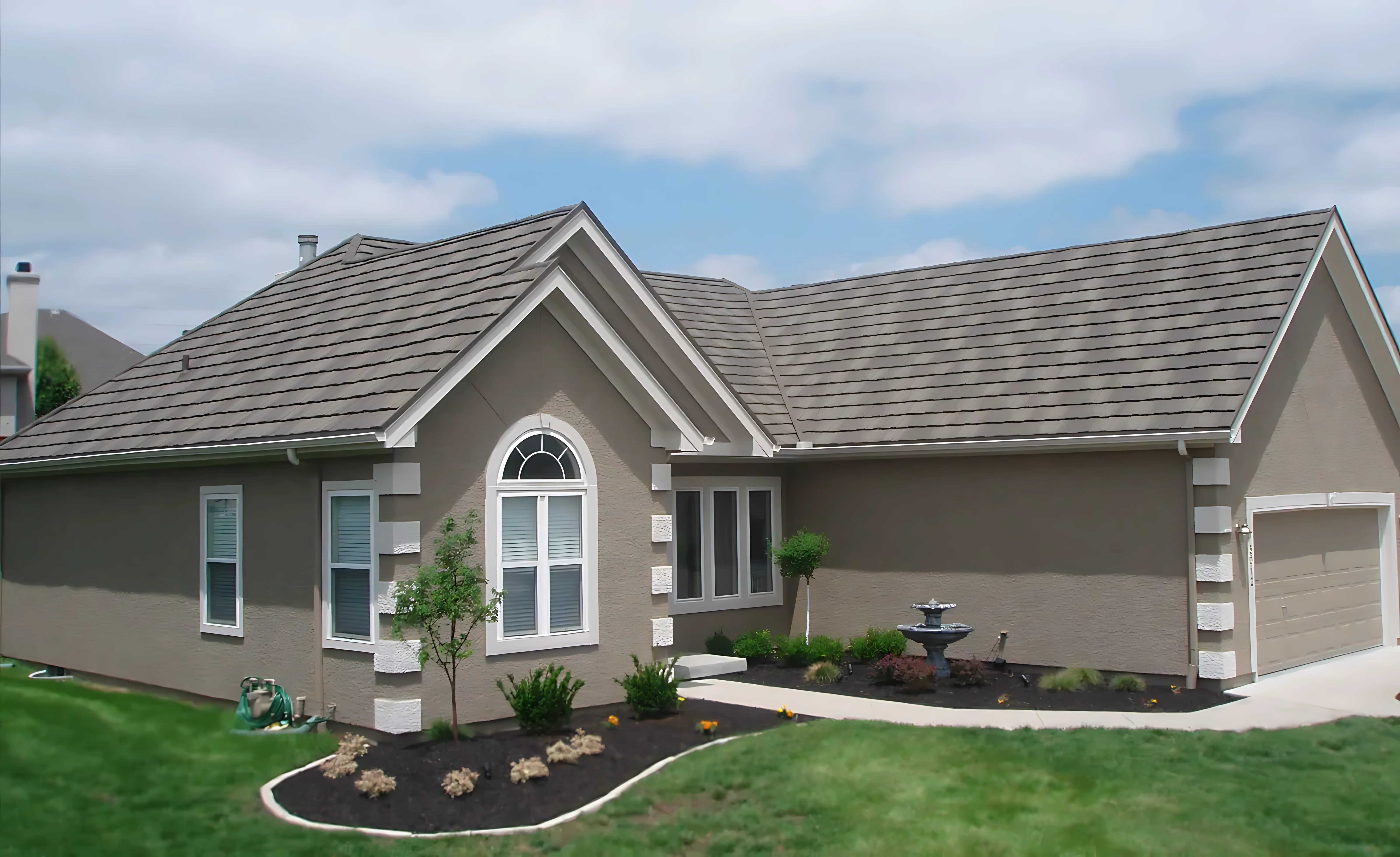
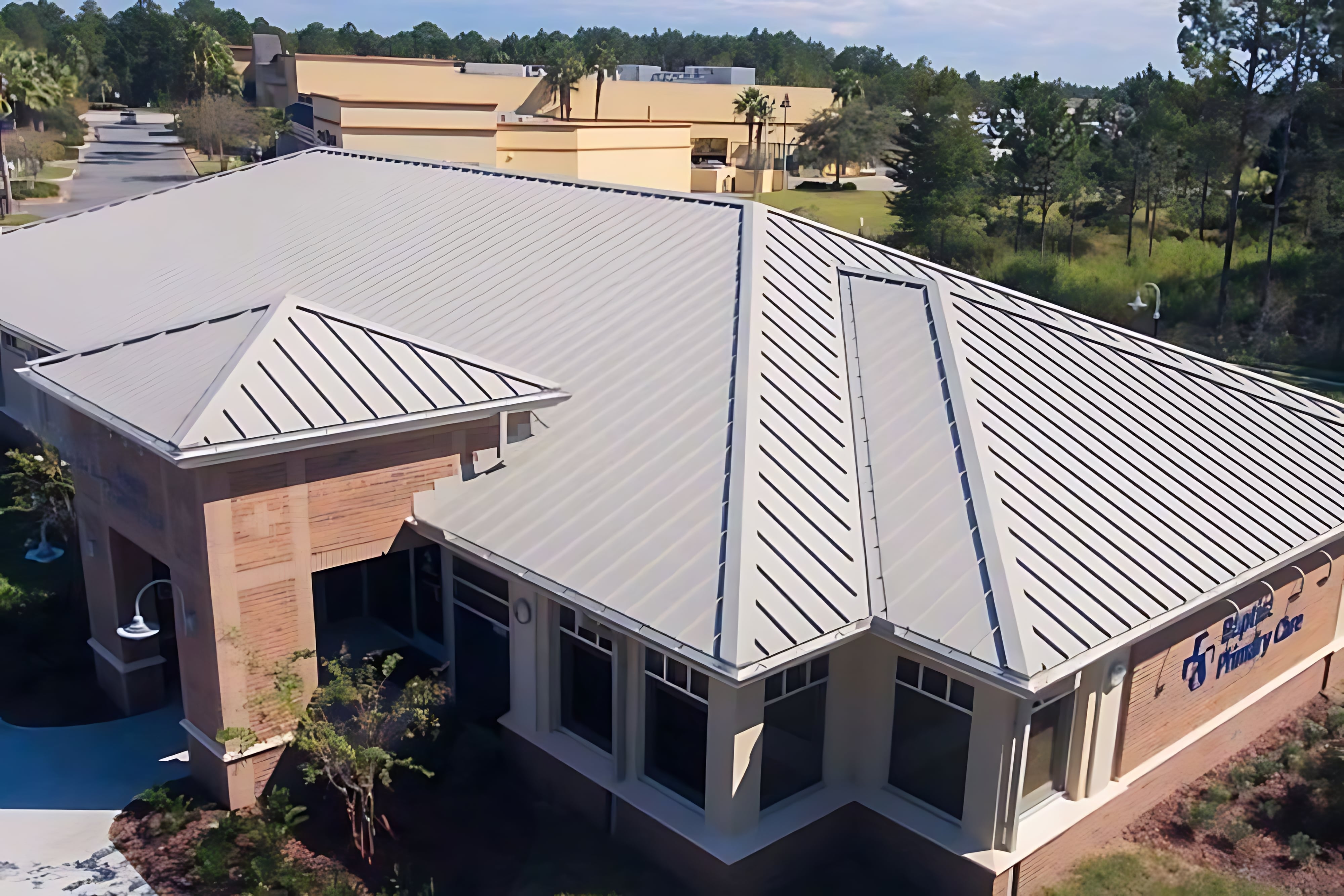
City-Wide Roofing Projects
Browse more project photos before drilling into the city page that matches your neighborhood.
Nationwide Expansion
Skyridge is going nationwide
Currently serving all of Utah. Expanding to 48 states — drag the globe, scroll to zoom, or select a state to explore coverage.
Selected state
Utah
Cities we serve in Utah
Active coverage
Coming soon — 47 states
Drag to rotate · Scroll or pinch to zoom
Browse our Service Areas
Use the city hub first, then drill into the service page that matches the roof problem. Each city page is separate from its city-service pages so the local context and the service scope stay clear.
We provide forensic-level inspections, precision repairs, and full-system replacements for residential and commercial properties throughout the Wasatch Front.
American Fork
American Fork roofs deal with lake-effect moisture and wasatch front thermal cycling and long seasonal wear cycles. Sky Ridge Roofing provides inspections, repairs, and roof replacement planning built for the specific conditions found across Utah County.
Beaver Mountain
Beaver Mountain roofs deal with extreme alpine snow and high-altitude uv and long seasonal wear cycles. Sky Ridge Roofing provides inspections, repairs, and roof replacement planning built for the specific conditions found across Cache County.
Bountiful
Roofing in <strong>Bountiful, Utah</strong> is defined by two major factors: the steep slopes of the <strong>East Bench</strong> and the powerful down-canyon winds. Sky Ridge Roofing provides Davis County homeowners with "Wasatch-Proof" roofing systems designed to withstand the unique weather patterns of <strong>Bountiful Heights</strong> and <strong>Val Verda</strong>.
Cottonwood Heights
Roofing in <strong>Cottonwood Heights, Utah</strong> requires a specialized "Mountain-Proof" approach. From the steep-slope custom estates of <strong>Old Mill</strong> to the established homes in <strong>Butlerville</strong>, Sky Ridge Roofing provides expert solutions built for the heavy snow and canyon winds of the Wasatch interface.
Draper
From the extreme alpine heights of <strong>SunCrest</strong> to the high-wind corridors of <strong>Point of the Mountain</strong>, roofing in <strong>Draper, Utah</strong> requires specialized engineering. Sky Ridge Roofing provides Draper homeowners with forensic audits and "Wasatch-Proof" installations tailored to our city's diverse elevations.
Eagle Mountain
Eagle Mountain roofs deal with exposed valley winds and high-desert heat and long seasonal wear cycles. Sky Ridge Roofing provides inspections, repairs, and roof replacement planning built for the specific conditions found across Utah County.
Fairview
Fairview roofs deal with high-elevation mountain interface and long seasonal wear cycles. Sky Ridge Roofing provides inspections, repairs, and roof replacement planning built for the specific conditions found across Sanpete County.
Helper
Helper roofs deal with carbon county canyon weather and long seasonal wear cycles. Sky Ridge Roofing provides inspections, repairs, and roof replacement planning built for the specific conditions found across Carbon County.
Herriman
Roofing in <strong>Herriman, Utah</strong> requires a specialized approach due to the city's high elevation and foothill location. From the exposed ridges of <strong>Rosecrest</strong> to the modern developments in <strong>Herriman Towne Center</strong>, Sky Ridge Roofing provides weather-hardened solutions designed for the Oquirrh Mountain interface.
Holladay
Holladay roofs deal with east bench snow patterns and canyon wind exposure and long seasonal wear cycles. Sky Ridge Roofing provides inspections, repairs, and roof replacement planning built for the specific conditions found across Salt Lake County.
Layton
Roofing in <strong>Layton, Utah</strong> is defined by the city's proximity to the Wasatch Mountains and the powerful winds of Weber Canyon. Sky Ridge Roofing provides Layton homeowners with "Wasatch-Proof" roofing systems designed to withstand the unique weather patterns of <strong>Layton Hills</strong> and <strong>East Layton</strong>.
Lehi
As one of Utah's fastest-growing cities, <strong>Lehi roofing</strong> needs vary from historic downtown restorations to modern, high-wind installations on <strong>Traverse Mountain</strong>. Sky Ridge Roofing provides Lehi homeowners and businesses with forensic expertise tailored to the specific conditions of the <strong>Silicon Slopes</strong> corridor.
Logan
Logan roofing requires a focus on Northern Utah's extreme winter conditions. From the historic bungalows in the Adams neighborhood to the high-exposure homes in Cliffside, Logan properties face heavy snow loads, intense winter inversions, and aggressive freeze-thaw cycles. Sky Ridge Roofing builds Logan scopes around "Alpine-Spec" standards, including extra ice and water shield, reinforced structural audits, and balanced ventilation that prevents ice dams before they start. Whether you are a homeowner in the University District or managing a commercial facility in the valley, we provide roofing solutions engineered for Logan's unique climate.
Manti
Manti roofs deal with sanpete valley exposure and thermal shifts and long seasonal wear cycles. Sky Ridge Roofing provides inspections, repairs, and roof replacement planning built for the specific conditions found across Sanpete County.
Midvale
When you need a professional residential roof repair in Midvale, UT, Sky Ridge Roofing provides the precision and local expertise your home deserves. From Fort Union to Historic Midvale, we specialize in identifying hidden leak paths and delivering same-day tarping response.
Millcreek
Millcreek roofs deal with salt lake valley thermal cycling and moisture and long seasonal wear cycles. Sky Ridge Roofing provides inspections, repairs, and roof replacement planning built for the specific conditions found across Salt Lake County.
Moroni
Moroni roofs deal with sanpete valley high-desert cycles and long seasonal wear cycles. Sky Ridge Roofing provides inspections, repairs, and roof replacement planning built for the specific conditions found across Sanpete County.
Murray
Murray roofs deal with valley weather patterns and urban heat and long seasonal wear cycles. Sky Ridge Roofing provides inspections, repairs, and roof replacement planning built for the specific conditions found across Salt Lake County.
Ogden
Roofing in <strong>Ogden, Utah</strong> requires a deep understanding of northern weather patterns and historic architecture. From preserving the character of <strong>railroad-era bungalows</strong> to protecting <strong>East Bench mountain estates</strong> from canyon winds, Sky Ridge Roofing provides Weber County with expert, localized service.
Orem
Whether you are managing a <strong>multi-family property near UVU</strong> or protecting a custom estate in <strong>Canyon View</strong>, roofing in <strong>Orem, Utah</strong> requires expert planning. Sky Ridge Roofing provides Orem homeowners and property managers with forensic audits and "Wasatch-Proof" installations designed for our city's unique mountain-interface climate.
Pleasant Grove
Roofing in <strong>Pleasant Grove, Utah</strong> is a battle against the winds of <strong>Battle Creek Canyon</strong>. From preserving the character of <strong>Monkey Town</strong> to protecting <strong>Manila bench estates</strong> from heavy snow, Sky Ridge Roofing provides Utah County with "Wasatch-Proof" solutions.
Provo
Provo roofs have to handle two pressures at once: canyon wind exposure and the heavy winter loads common across Utah County. Homes near the mouth of Provo Canyon, the Foothills, Edgemont, and older central neighborhoods do not wear the same way, so the right roofing scope depends on more than age alone.
Richfield
Richfield roofs deal with sevier valley weather and uv exposure and long seasonal wear cycles. Sky Ridge Roofing provides inspections, repairs, and roof replacement planning built for the specific conditions found across Sevier County.
Riverton
When it comes to <strong>Riverton roofing</strong>, homeowners need a contractor who understands the unique wind and weather patterns of the South Salt Lake Valley. Sky Ridge Roofing provides expert repair and replacement services for established neighborhoods like <strong>Old Farm</strong> and rapidly growing areas like <strong>Monarch Meadows</strong>.
Salt Lake City
When you need professional <strong>roof repair Salt Lake City</strong> homeowners can trust, Sky Ridge Roofing provides the forensic expertise your property deserves. Salt Lake City roofs deal with one of the widest ranges of conditions in Utah—from the historic Victorians in <strong>The Avenues</strong> to the mid-century bungalows of <strong>Sugar House</strong>. We build Salt Lake City scopes around 2026 climate realities, focusing on drainage, ventilation, and material performance that fits your specific neighborhood.
Sandy
Sandy roofs have to perform in one of the tougher residential environments along the Wasatch Front. Homes near canyon mouths and east-bench neighborhoods deal with wind uplift and snow retention.
South Jordan
Whether you are maintaining a modern colonial in <strong>Daybreak</strong> or a classic ranch home near <strong>Glenmoor</strong>, roofing in <strong>South Jordan, Utah</strong> requires a local touch. Sky Ridge Roofing understands the specific building codes and HOA requirements that define South Jordan residential standards.
Spanish Fork
Roofing in <strong>Spanish Fork, Utah</strong> is a battle against the elements, specifically the notorious winds of <strong>Spanish Fork Canyon</strong>. Sky Ridge Roofing provides South Utah County homeowners with "Wasatch-Proof" roofing systems designed to stay put when the canyon winds kick up.
St. George
St. George roofing requires a different playbook than the Wasatch Front. In Southern Utah, the primary enemy is not snow, but the relentless 100-degree summer heat and high UV intensity. Homes in Little Valley, Bloomington, and the surrounding Red Rock areas face thermal stress that can dry out asphalt shingles and crack tiles prematurely. Sky Ridge Roofing builds St. George scopes around high-reflectivity materials, advanced attic ventilation, and durable underlayment systems that can handle the desert sun. Whether you need a tile repair or a full cool-roof replacement, we deliver solutions engineered for the St. George climate.
Tooele
Tooele roofs deal with oquirrh mountain wind and lake-effect patterns and long seasonal wear cycles. Sky Ridge Roofing provides inspections, repairs, and roof replacement planning built for the specific conditions found across Tooele County.
West Jordan
As one of Utah's largest residential communities, <strong>West Jordan roofing</strong> needs are diverse. From the established neighborhoods of <strong>Copper Hills</strong> to the newer developments in <strong>Sycamores</strong>, Sky Ridge Roofing provides expert repair and replacement services built for the Salt Lake Valley climate.
West Valley City
As Utah's second largest city, <strong>West Valley City roofing</strong> needs span from dense residential blocks in <strong>Hunter</strong> to sprawling industrial corridors. Sky Ridge Roofing provides WVC homeowners and businesses with forensic expertise built for the specific thermal and structural stresses of the central Salt Lake Valley.
Don't See Your City?
We can sometimes review larger projects outside our core city list, but our primary focus is the Wasatch Front. Contact us to confirm whether your property fits our current service area.