
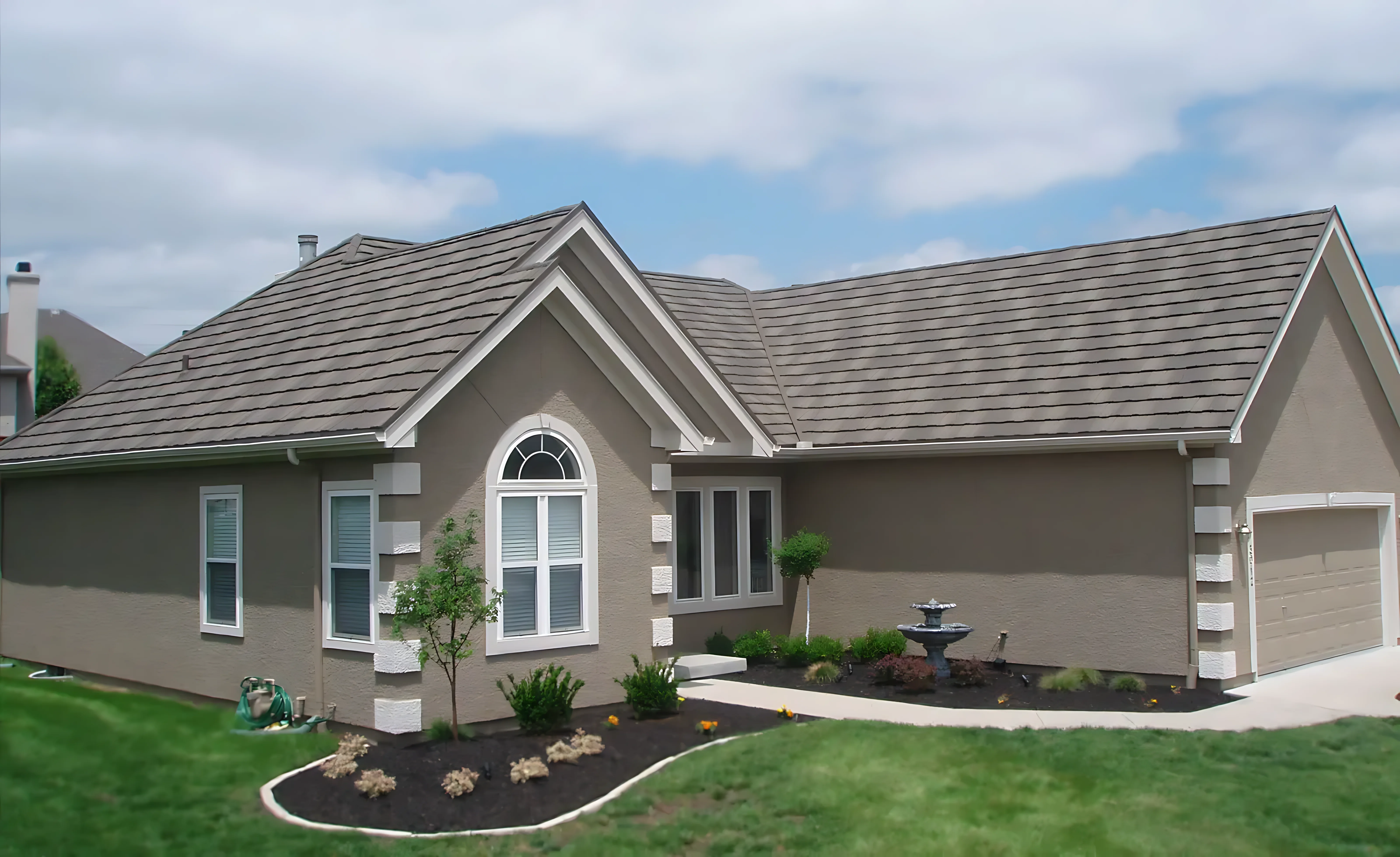
Shingle
Calculator
Estimate bundles and ridge cap requirements in real-time.
Skyridge Ricky's Pro Tip: The Waste Warning
* Most Utah homes require a minimum of 15% waste to account for starter rows and ridge caps.
Project Shingle Needs
How Many Shingle Bundles Do You Need?
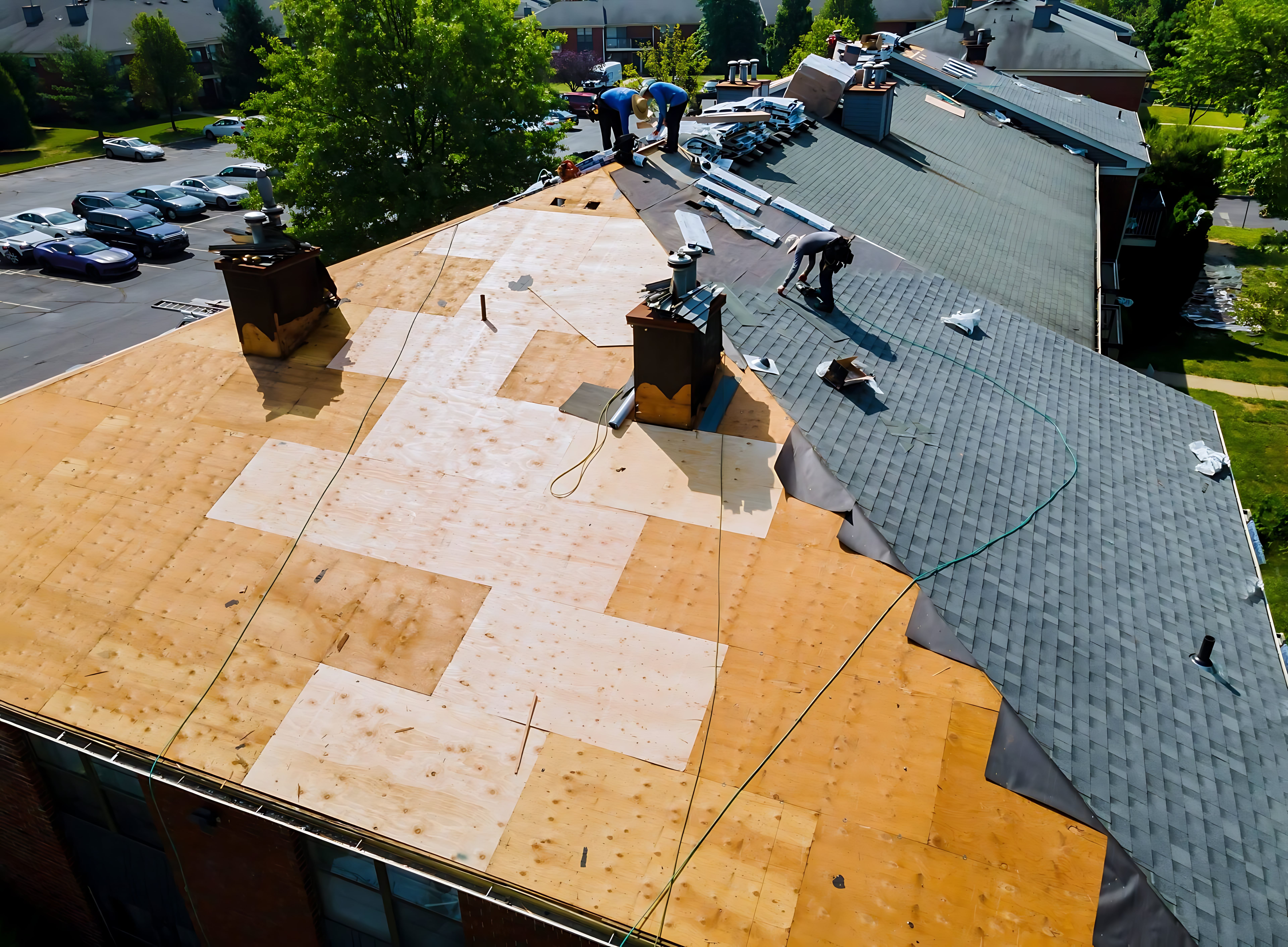
Buying shingles can be confusing because the industry uses "squares," but stores sell by the "bundle." This shingle calculator bridge the gap by calculating your roof area and providing the exact number of bundles required, including a safety margin for waste.
The "Standard Square" Rule:
One roofing square equals 100 square feet. For most architectural shingles:
- 1 Square = 3 Bundles
- 1 Bundle ≈ 33.3 Square Feet
Types of Shingles for Utah Homes
While 3-tab shingles were common in the past, Sky Ridge Roofing recommends Architectural (Dimensional) shingles for all Utah projects. They offer superior wind resistance and a much longer lifespan under the intense Wasatch sun.
Shingle Calculation FAQ
Do I need different shingles for the ridge?
Yes. Ridge caps are specialized shingles designed to fold over the peak of your roof. Do not use standard shingles for this, as they will crack over time.
Should I buy extra bundles?
Yes, it's always wise to keep 1-2 extra bundles for future repairs. Matching shingle colors years later can be extremely difficult due to manufacturing changes and sun fading.
How to use calculator results the right way
Every roofing calculator on this site is meant to give you a planning number, not a final contract price. Real roofing scopes change when a contractor verifies the roof geometry, checks how many layers need tear-off, looks at ventilation, and confirms whether flashing, skylights, gutters, or decking repairs are part of the work.
The best use of these tools is to narrow your range before you request an estimate. Once you know whether you are closer to a repair, a replacement, or a ventilation problem, you can compare bids with a much stronger understanding of the variables that actually move price and scope.
What usually changes the final number
- Actual roof complexity, especially valleys, dormers, transitions, and steep sections.
- Existing roof condition, including soft decking, old flashing, ventilation defects, or previous patchwork.
- Material availability, manufacturer requirements, permit needs, and cleanup/disposal costs.
- Whether the project includes related work like gutters, skylights, insulation, or storm documentation.
Need a Precise Material List?
Our drone audits provide measurement reports accurate to within 1%. Skip the guesswork and get a verified forensic estimate today.