

Storm Roof Repair Guide (2026)
By Skyridge Ricky • March 28, 2026 • 14 min read
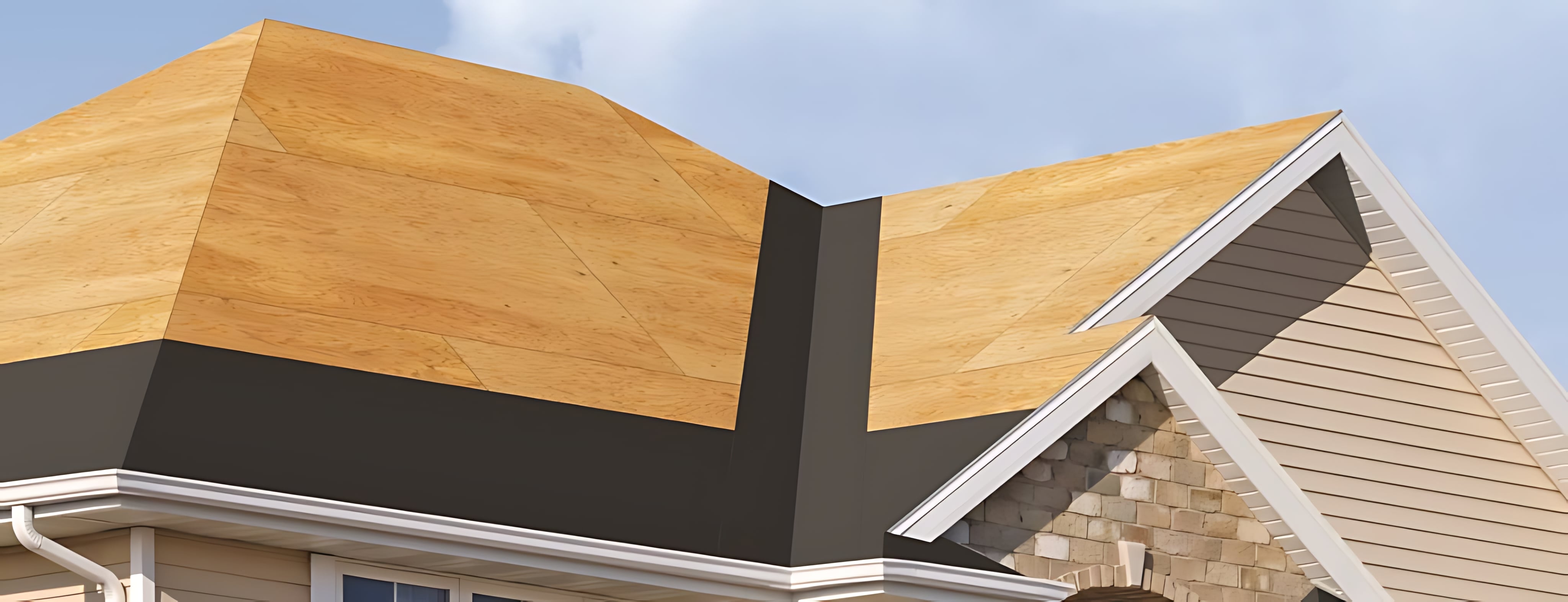
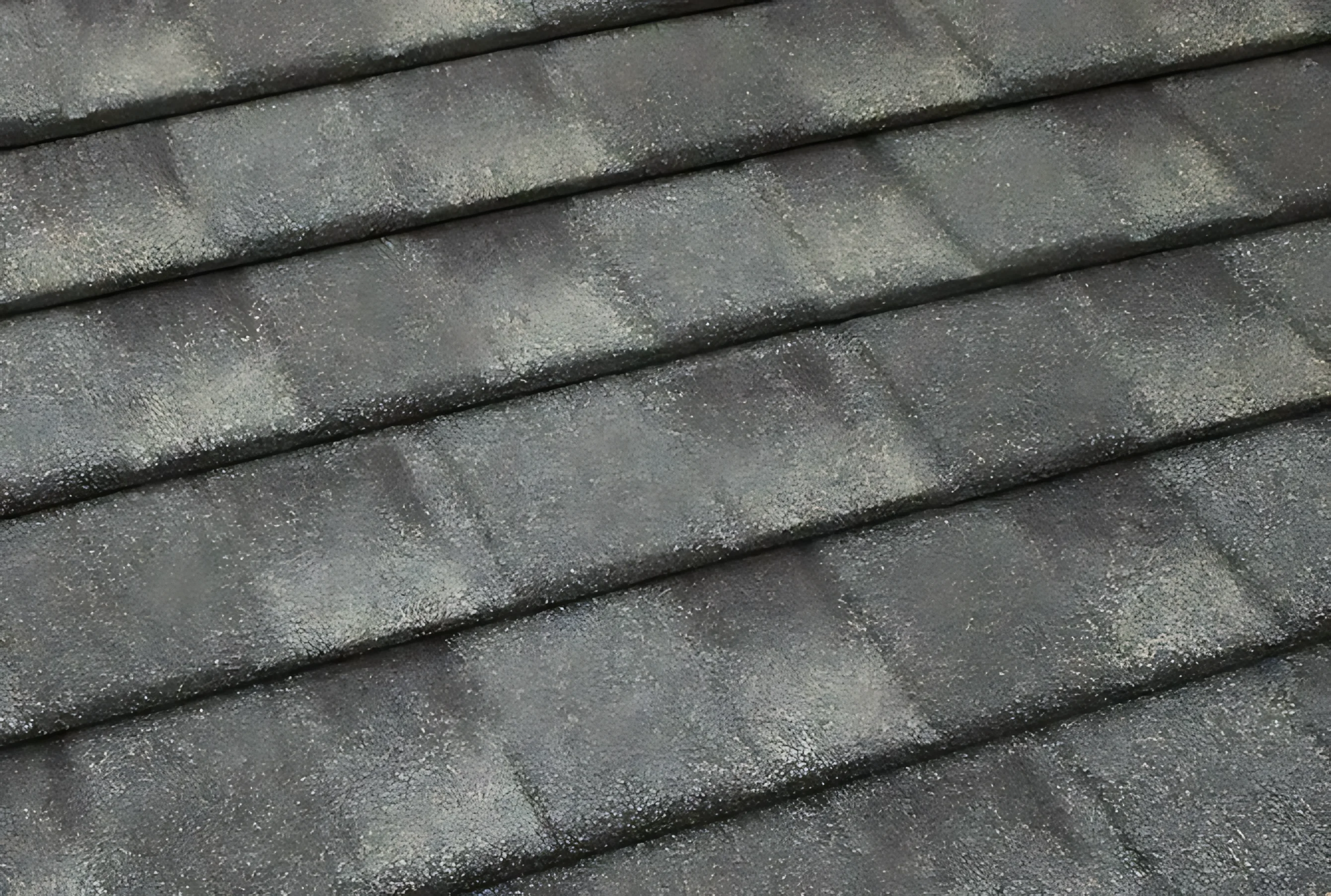
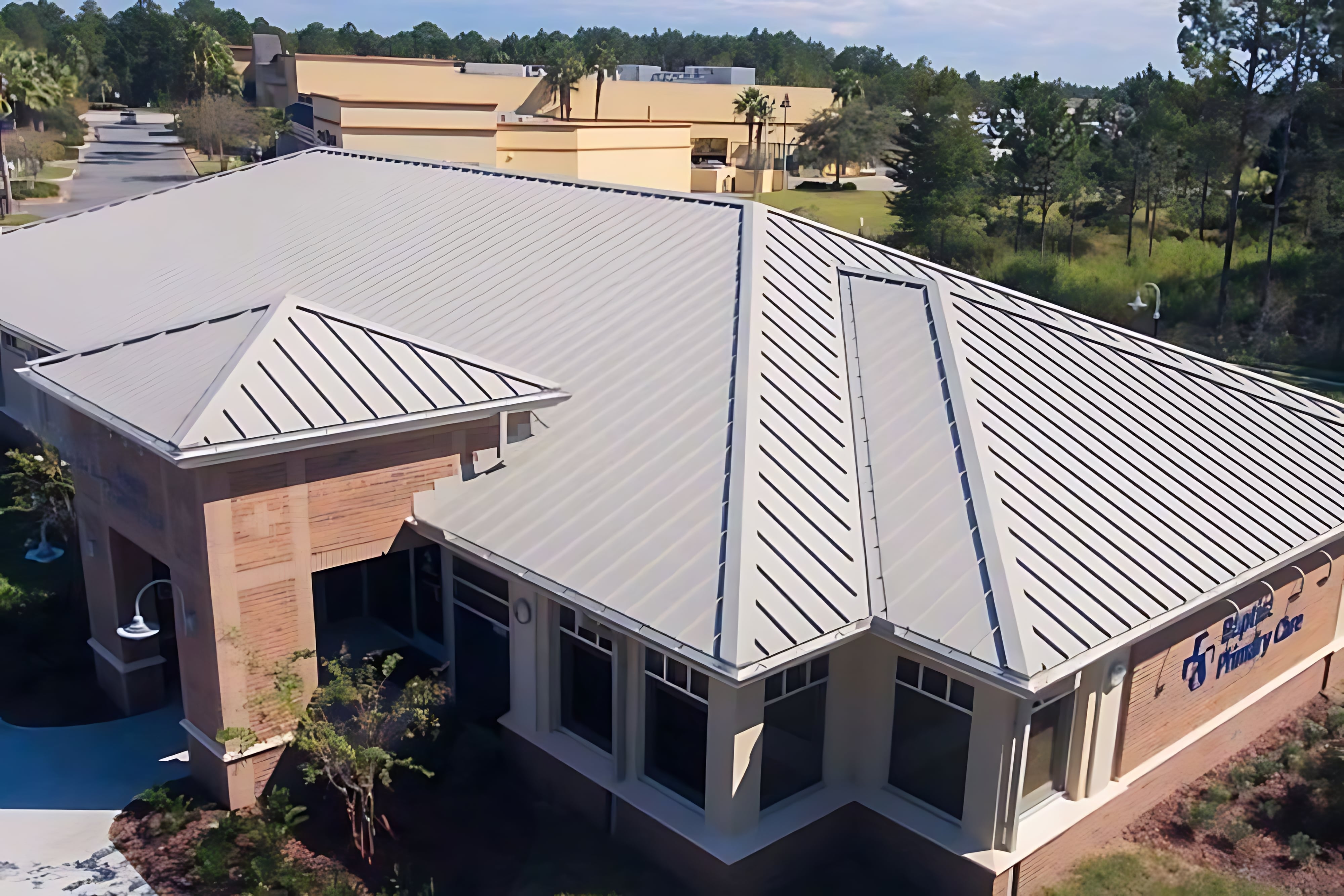
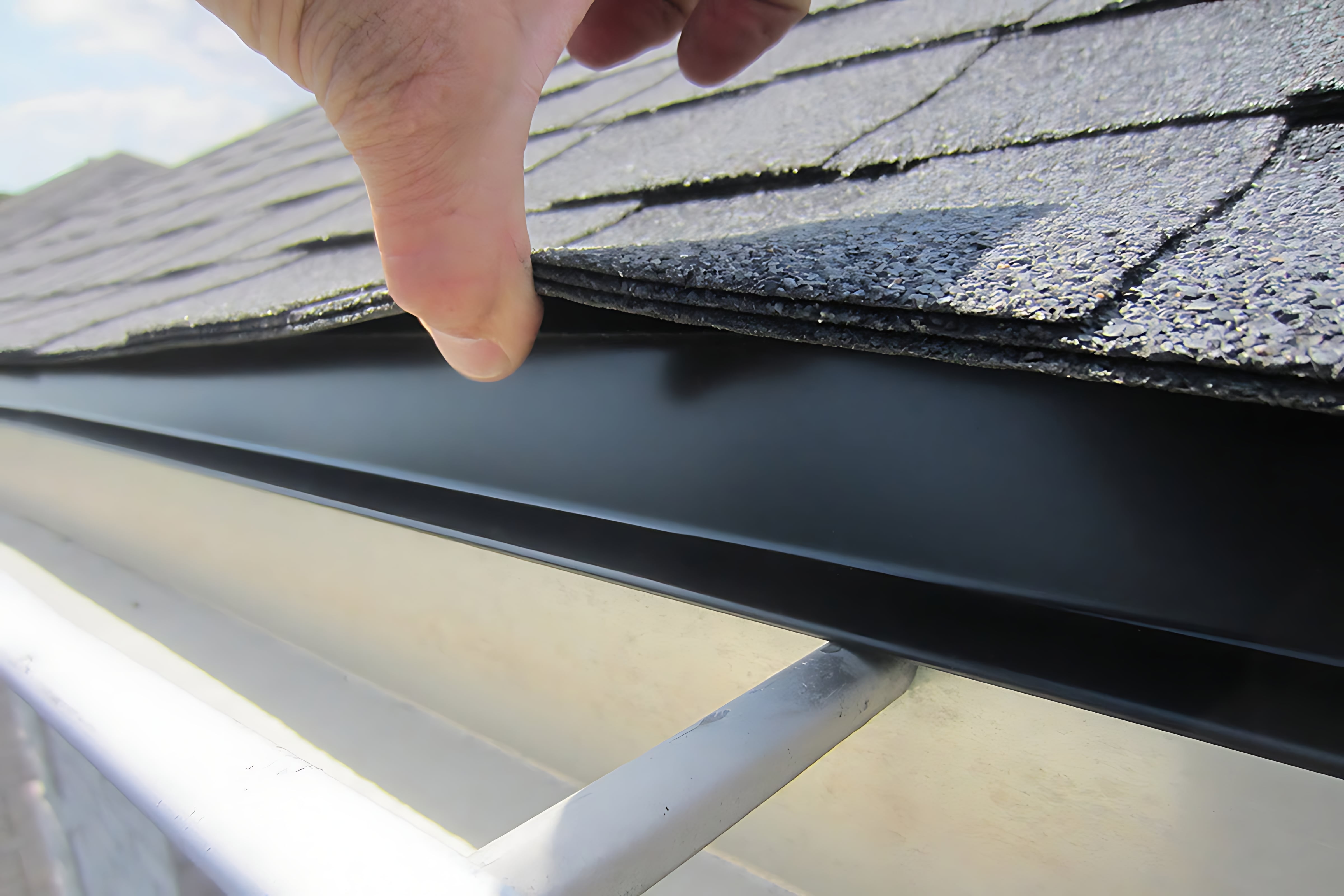
If you are searching for storm roof repair, there is a good chance weather just created a problem that feels urgent, messy, and hard to evaluate from the ground. Maybe shingles blew off overnight, hail hit hard enough to leave debris in the yard, or wind-driven rain found a weak point and sent water into the house. In that moment, homeowners usually want one fast answer. But strong storm roof repair decisions happen in stages, not in panic. First the roof has to be stabilized. Then the damage has to be documented. Then the roof has to be evaluated honestly to see whether targeted repair is enough or whether the storm exposed a larger problem.
This is where a lot of bad decisions happen. Temporary dry-in gets mistaken for a permanent fix. Obvious damage gets repaired while hidden damage goes undocumented. Homeowners compare bids that are not even solving the same problem. And sometimes the storm becomes the moment when an already aging roof finally crosses out of repair-first territory. None of those issues are unusual. Storm work is difficult precisely because it mixes urgency with uncertainty.
This guide explains what a real storm roof repair process should look like in 2026. We will cover the first steps after a storm, what to document before evidence disappears, how roofers differentiate emergency stabilization from permanent correction, and how to tell when a storm repair should become a replacement conversation instead. If the goal is a dry house and a smarter decision, start here.
Repair And Maintenance Paths
Repair and maintenance articles should keep feeding service pages that solve the issue, not just answer the question.
Next steps from this article should include roof repair services, roof inspection services, emergency roof repair, preventative roof maintenance.
Book a roof repair inspection
Capture repair-intent readers directly.
Book a roof repair inspectionWhat to Do Immediately After Storm Damage Hits the Roof
The first priority after a storm is safety and water control, not diagnosis from a ladder. If the roof is actively leaking, if there are downed branches, or if electrical systems may be involved, the homeowner should focus on protecting the interior and staying off the roof until the conditions are safe. Move valuables away from active drips, capture water where possible, and document visible interior staining or ceiling damage before emergency cleanup changes the evidence.
Outside, take ground-level photos of missing shingles, debris, dented gutters, bent metal, displaced ridge caps, and anything else visible without climbing. If the storm was severe enough to affect siding, fences, or windows, document that too because the broader property pattern can help tell the story of what the roof likely experienced. Time matters here. Granules wash away, neighbors clean up debris, and temporary tarps change what can be seen later. Early documentation helps whether the roof ends up needing a small repair, an insurance conversation, or a more involved restoration plan.
It is also smart to write down the date and approximate time of the event, along with whether the problem involved hail, wind, heavy rain, or a mix. Storm roof repair gets easier when the roof story is documented before opinions start stacking up. The first photos and notes usually become the baseline everyone refers back to later.
Prompt action is important, but prompt action is not the same as rushed approval. The best first step is to preserve the evidence and protect the house, not guess at the final scope while the weather is still moving through.
- Protect the interior first if active leakage is present.
- Document roof and property damage from the ground before evidence changes.
- Write down the storm date, type, and any immediate symptoms you observed.
- Do not climb the roof in unsafe conditions just to confirm what already appears damaged.
- Early photo documentation helps every later repair or claim conversation.

Emergency Dry-In Is Not the Same Thing as Final Storm Roof Repair
One of the most important distinctions in storm roof repair is the difference between emergency stabilization and final corrective work. If water is entering the house, the roof may need tarping, exposed areas may need to be covered, or a temporary seal may need to be installed at a compromised detail. That work matters because secondary interior damage can become more expensive than the original storm event if the home sits open to weather.
But homeowners should not confuse a dry-in visit with the final repair scope. Temporary stabilization is often done quickly, with the goal of buying time until the roof can be inspected fully in safe conditions with the correct materials and documentation. A tarp may stop water today while still leaving the homeowner with a repair, replacement, or claim decision to make next week. That is not a failure of the contractor. It is part of a sensible storm workflow.
The risk comes when temporary measures are sold as if they resolved the entire damage pattern. A patched shingle area may not address broken seals on nearby tabs, displaced flashing, or underlayment damage hidden beneath the visible break. Storms rarely damage only the exact point where the leak finally appeared indoors. Water and wind stress work across the whole roof system. That is why emergency work should be treated as a first phase, not as proof that deeper inspection is unnecessary.
Good contractors explain this clearly. They tell homeowners what was done to stabilize the roof, what still needs inspection, and what conditions could expand the final scope later. That clarity prevents a lot of disappointment and helps homeowners understand why the first invoice is not always the last roofing decision tied to the storm.
- Emergency dry-in is about stopping water quickly, not finalizing the complete storm scope.
- Temporary repairs are often necessary but should not be mistaken for the final fix.
- Storm damage often extends beyond the exact spot where interior leaking shows up.
- A contractor should explain what was stabilized and what still requires full inspection.
- Homeowners make better decisions when they treat storm work as a staged process.

What a Proper Storm Roof Inspection Should Document
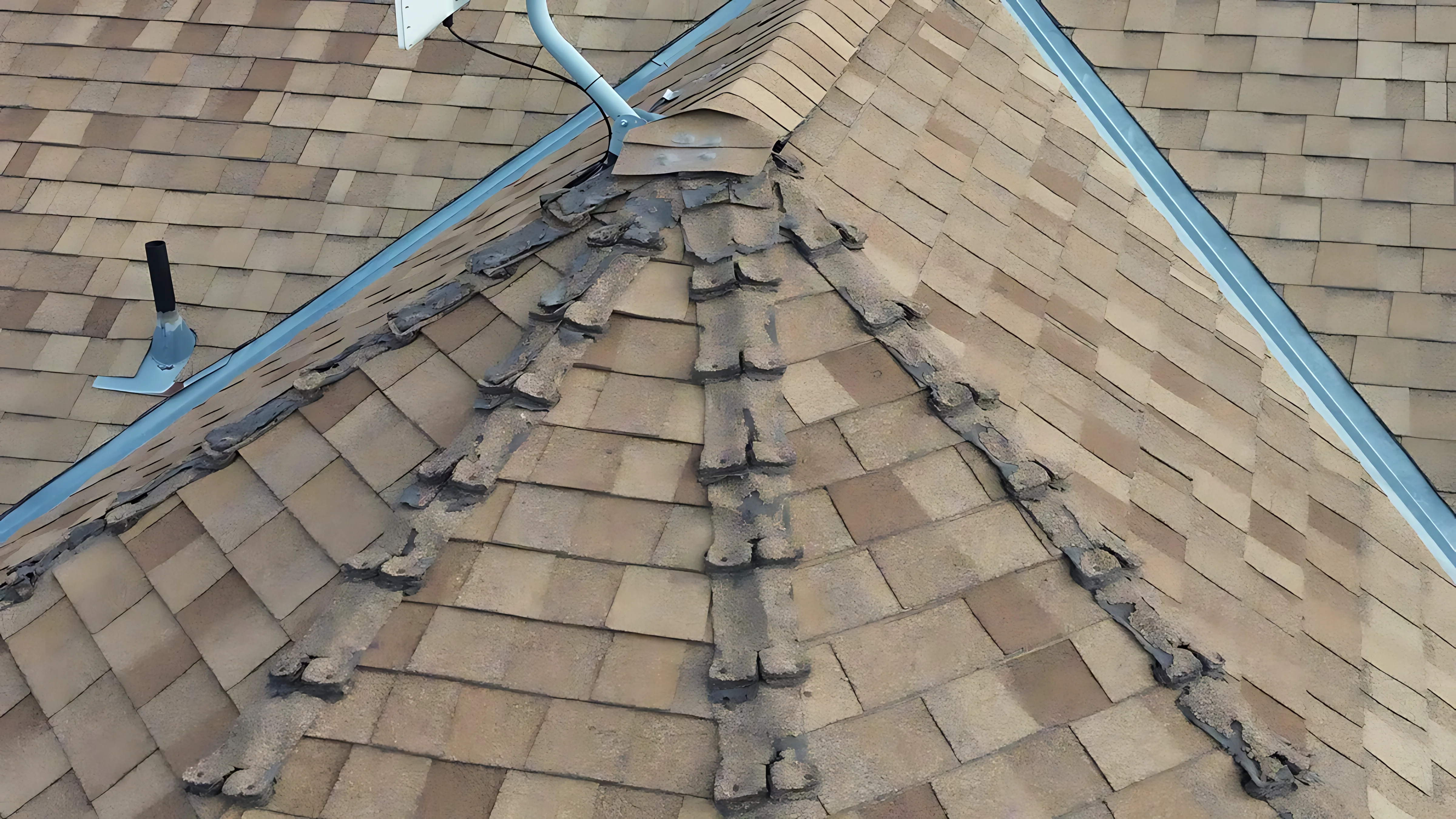
A strong storm inspection should document more than the obvious torn shingle or visible puncture. On asphalt roofs, inspectors should check for creased tabs, broken seal strips, granule displacement, ridge damage, exposed fasteners, flashing movement, and collateral clues such as impact marks on vents and gutters. On metal roofs, they should assess panel movement, fastener integrity, trim conditions, and any evidence that wind or debris stressed the attachment system. On low-slope roofs, they should look for membrane punctures, seam stress, edge metal movement, and ponding areas made worse by storm debris.
Interior and attic observations matter too. Water rarely falls in a straight line from the exact point of entry to the spot where it shows on drywall. A contractor who inspects only the exterior may miss how the leak traveled or how widespread the moisture became. Photo documentation from both inside and outside helps create a more complete repair picture and gives the homeowner something concrete to compare between proposals.
It is also important for the contractor to separate repairable storm damage from broader age-related wear. A healthy roof that lost a few shingles in one event is a very different repair project from an older roof where the storm simply exposed how fragile the whole system had already become. Homeowners need that distinction because it changes whether they should expect a targeted repair, a larger replacement conversation, or a claim path that includes more than the visible damaged section.
When the inspection is done well, the storm story gets clearer. Instead of the roof leaked after the storm, the homeowner gets a documented explanation of what failed, where the weather stress concentrated, and what the next logical step should be.
- Storm inspections should document uplift, impact, flashing movement, and hidden water paths.
- Interior and attic evidence help explain how storm-driven leaks actually traveled.
- Different roof types require different storm inspection priorities.
- A good inspection separates isolated storm damage from broader aging roof conditions.
- Strong documentation makes repair bids and claim decisions easier to compare.
When Storm Roof Repair Is Enough and When Replacement Makes More Sense
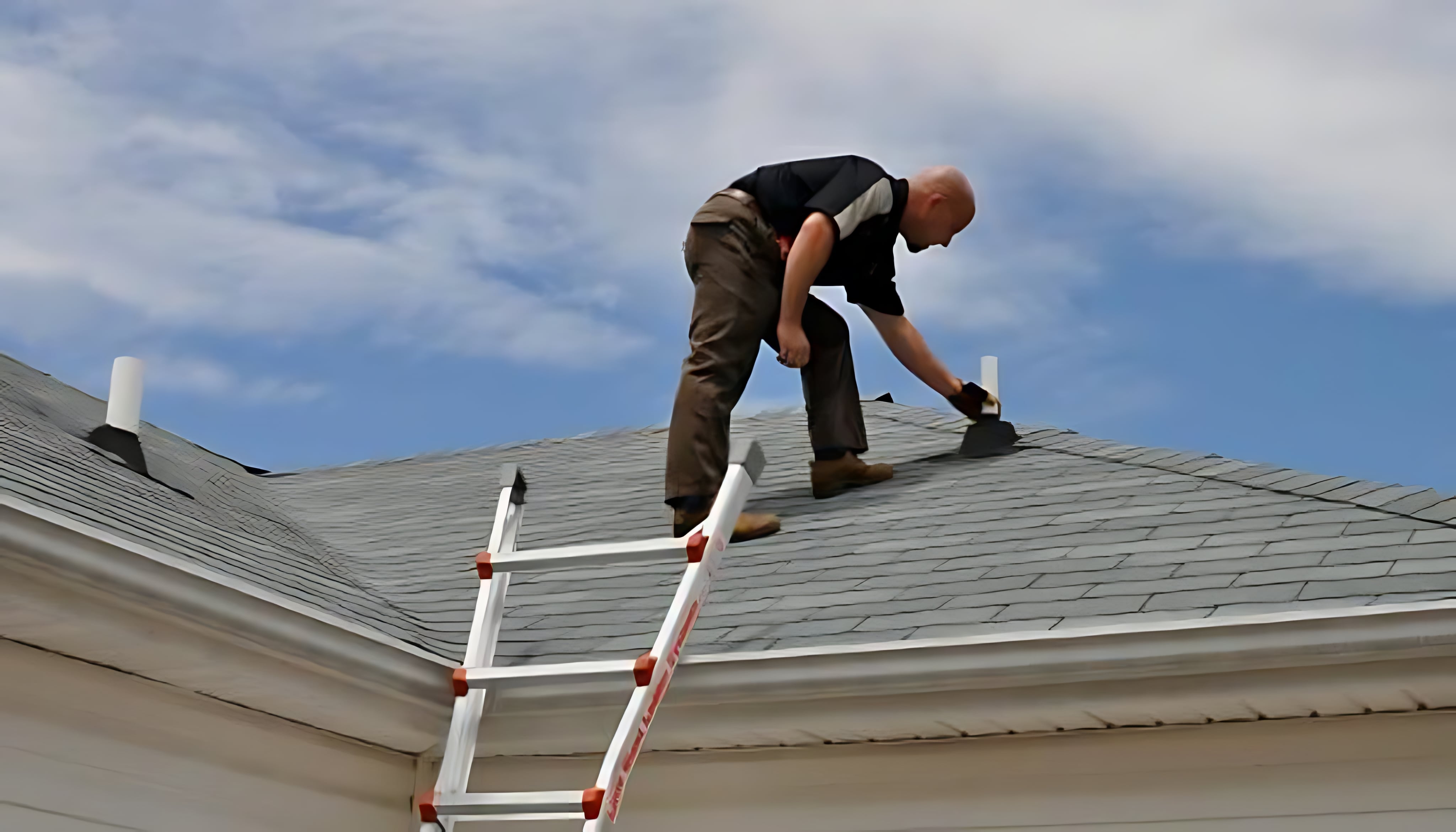
Targeted storm roof repair is usually the right path when the damage is localized and the surrounding roof still has enough life to support a durable fix. Missing shingles on one slope, one torn ridge section, one flashing detail opened by wind, or one puncture caused by debris may all be repairable if the roof is otherwise in good shape. In those cases, a disciplined repair restores the roof without forcing the homeowner into unnecessary capital spend.
Replacement enters the conversation when the storm damage pattern is broader or when the roof was already losing repairability before the weather event. Older shingles that have become brittle may not integrate cleanly with repair work. Repeated storm exposure across several slopes, widespread creasing, major granule loss, or a long history of patches can all turn just fix the damaged area into a short-lived answer.
The roof may still be patchable in a narrow technical sense, but patchable is not always the same thing as sensible.
Homeowners should also think about confidence and timing.
If one more storm is likely to send the same roof back into active leaking, a low repair invoice can be misleading.
A larger replacement may be the more stable financial decision if it resets the roof rather than extending uncertainty.
That is especially true when the storm has already forced the homeowner to open ceilings, move insulation, or deal with interior damage that makes repeated future leaks far more disruptive.
The strongest contractors explain both paths with evidence. They do not turn every storm into a replacement sale, and they do not patch failing roofs just to keep the first number low. The quality of that judgment is one of the most important parts of storm roof repair.
- Localized storm damage on a healthy roof usually supports repair-first planning.
- Older brittle roofs may technically be patchable but still make poor long-term repair candidates.
- Widespread uplift, granule loss, and multi-slope damage can push the roof toward replacement.
- The true cost question is not only repair price but future confidence and repeat risk.
- A strong contractor should explain repair and replacement honestly rather than forcing one answer.
How to Compare Storm Repair Bids Without Guessing
Storm repair bids often vary because contractors are not always pricing the same scope. One estimate may include temporary dry-in, permanent repair, flashing replacement, and deck allowance. Another may price only visible shingle replacement. Another may assume the roof really needs a replacement but still present a repair number because that is what the homeowner asked for. Without comparing assumptions, the totals become misleading fast.
Ask each contractor to explain the damage pattern they observed, whether they think the roof is truly repairable, what hidden conditions could change the scope, and whether their quote reflects temporary work, final work, or both. Strong bids will also identify material compatibility issues. On older roofs, matching shingles and integrating new work into aged material can be part of the repair risk. If one contractor discusses that and another ignores it, the bids are not equally complete no matter how similar the totals appear.
Documentation quality matters too. The better proposals usually show photos, marked problem areas, or written explanations tied to actual findings. That is especially helpful when insurance, property managers, or future buyers may later ask what happened. A contractor who can explain the damage clearly is often the same contractor who can execute the scope more reliably because they understand what they are trying to solve.
The best comparison is not who is cheapest after a storm. It is who best documented the problem, explained the repair logic, and defined what outcome this scope is supposed to deliver. Once those questions are answered, the price discussion becomes much more useful.
- Storm bids often differ because they are pricing different assumptions and phases of work.
- Ask whether the quote covers dry-in, final repair, or a combination of both.
- Material compatibility and hidden-condition risk are important on older roofs.
- Well-documented bids are easier to compare and usually reflect better inspection quality.
- The strongest storm bid explains the problem, the scope, and the expected outcome clearly.
Why Documentation Matters for Claims, Resale, and Future Repairs
Storm roof repair decisions do not only affect the roof today. They also shape future insurance discussions, maintenance planning, and even resale conversations later. Good photo records, dated inspection notes, temporary stabilization records, and a clear description of the final repair all make it easier to explain what happened to the property and what was done about it. That kind of documentation reduces uncertainty for everyone who touches the house afterward.
Claims conversations are one obvious reason. If the roof damage later becomes part of a supplement or a broader coverage question, the homeowner benefits from having organized evidence instead of trying to reconstruct the event from memory. But resale matters too. Buyers and inspectors often react very differently to the roof had storm damage at some point versus the roof had a documented storm event on this date, was inspected, stabilized, and repaired according to this scope. One statement sounds vague. The other sounds managed.
Documentation also helps if the roof leaks again. The contractor, the homeowner, and any future consultant can review what was damaged, what was repaired, and what part of the roof history is new versus old. That saves time and often saves money because the next decision starts with evidence instead of guesswork.
For homeowners, this is one of the easiest quality tests. Contractors who document storm work well are usually thinking beyond the first invoice. They are thinking about whether the homeowner will still understand the roof story six months from now, which is exactly how storm work should be handled.
- Clear storm documentation helps with claims, resale, and future maintenance decisions.
- Organized records make repaired storm damage easier to explain than vague property history.
- Photo logs and dated notes help distinguish new issues from older roof conditions later.
- Documentation quality is often a strong signal of overall contractor discipline.
- Storm roof repair should leave behind a clear record, not just a receipt.
What a Real Storm Repair Timeline Usually Looks Like
Homeowners often expect storm roof repair to move in one straight line, but most projects unfold in phases. Phase one is emergency response and dry-in if the home is taking on water. Phase two is fuller inspection and documentation once the roof can be reviewed safely and more completely. Phase three is scope alignment, which may include material sourcing, insurance coordination, or deciding whether the roof is actually a repair candidate. Phase four is final corrective work, followed by closeout documentation. Understanding that sequence helps homeowners stay grounded when the process feels slower than the emergency itself.
Weather and material availability can shape the timeline more than people expect. Temporary protection may happen immediately while the permanent repair waits on matching shingles, accessory parts, or a break in the forecast. That is not necessarily a sign of poor contractor performance. Often it is the disciplined way to avoid opening more of the roof under unstable conditions. The important thing is that the homeowner understands which phase the project is in and what would cause the timeline to change.
Older roofs can extend the timeline because material matching and repair feasibility are less straightforward. Some storm jobs also expand after tear-off reveals hidden deck damage or underlayment failure. Good contractors prepare homeowners for that possibility instead of presenting the initial scope as if it can never change. That expectation-setting is part of competent storm work because weather damage often exposes issues the roof had been hiding for years.
When the process is explained this way, homeowners can judge progress more intelligently. The job is not stuck just because the final repair has not happened yet. The important question is whether the roof is protected, the damage is being documented, and the next phase is clearly defined. That is what a healthy storm repair timeline usually looks like.
- Storm roof repair usually moves through dry-in, inspection, scope alignment, and final correction.
- Matching materials and weather windows often affect permanent repair timing.
- Hidden conditions can expand storm scopes once the roof is opened.
- Clear phase-by-phase communication helps homeowners judge progress realistically.
- A protected house and a defined next step matter more than a rushed final invoice.
Wrapping it up
Storm roof repair works best as a process, not a single reaction. Stabilize the house, document the event, inspect the full roof system, and then decide whether the damage supports a targeted repair or whether the storm exposed replacement-level risk on an aging roof. Those steps are what turn urgency into a smart roofing decision instead of a rushed patch that only buys a little time.
For homeowners, the practical takeaway is straightforward. Do not confuse emergency dry-in with final scope, do not compare bids without comparing assumptions, and do not assume visible damage tells the whole story. The better the documentation and the better the inspection, the more likely the final repair will actually restore confidence instead of simply delaying the next problem.
That is the real goal after a storm: not just getting the water to stop today, but making the next roof decision with enough evidence that the house is better protected when the weather turns again.
Questions this guide answers
Quick answers tied to storm roof repair.
Utah Roof Repair Hub
Compare repair costs, local pros, and professional guidance to ensure your Utah roof is restored correctly and efficiently.
Core Repair Pages
Priority Local Pages
Storm Damage & Insurance Hub
Expert assistance with roofing insurance claims, hail damage audits, and storm restoration across the Wasatch Front.