
Roof Inspection for Homeowners Insurance (2026)
By Skyridge Ricky • March 28, 2026 • 14 min read
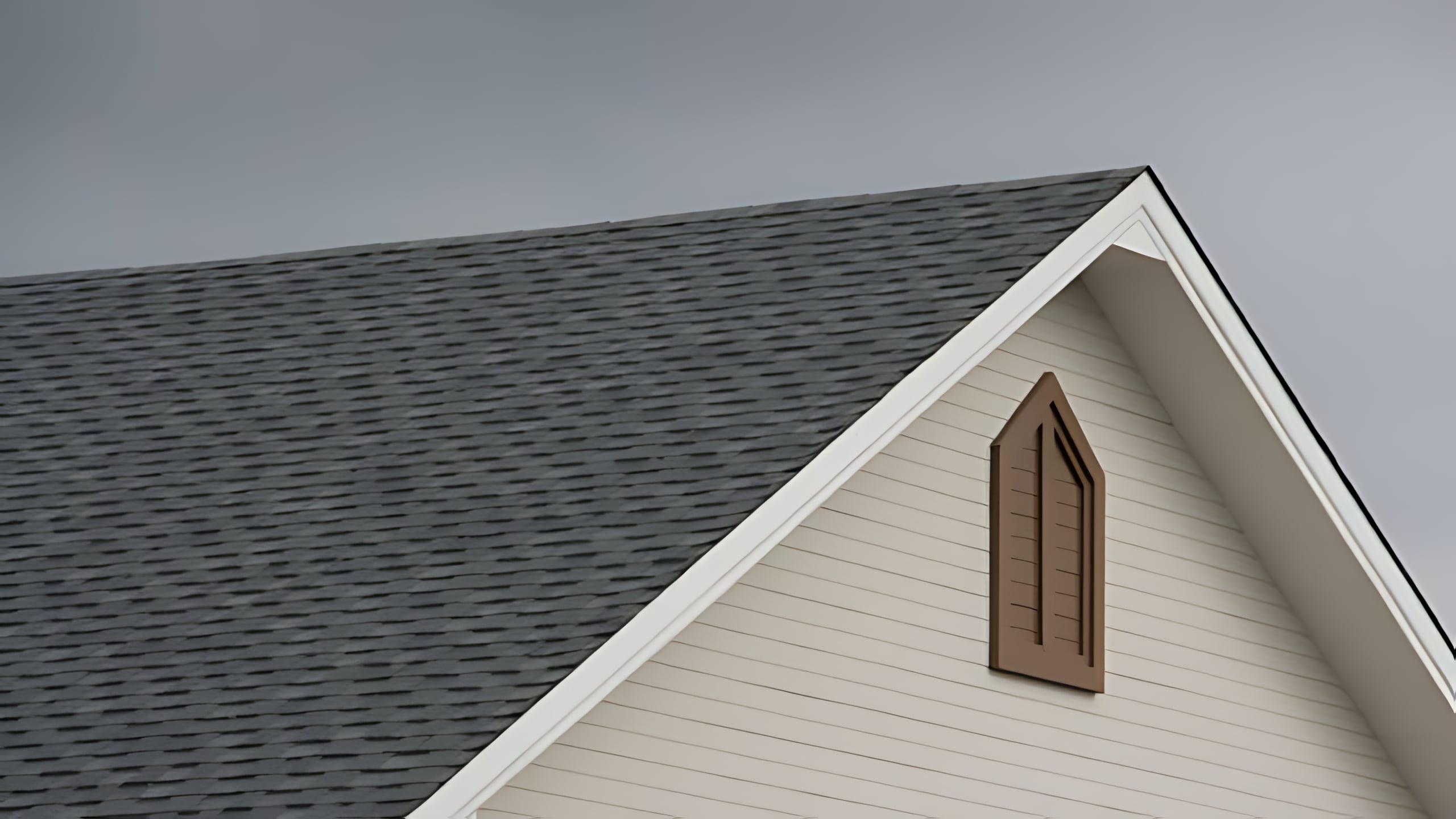
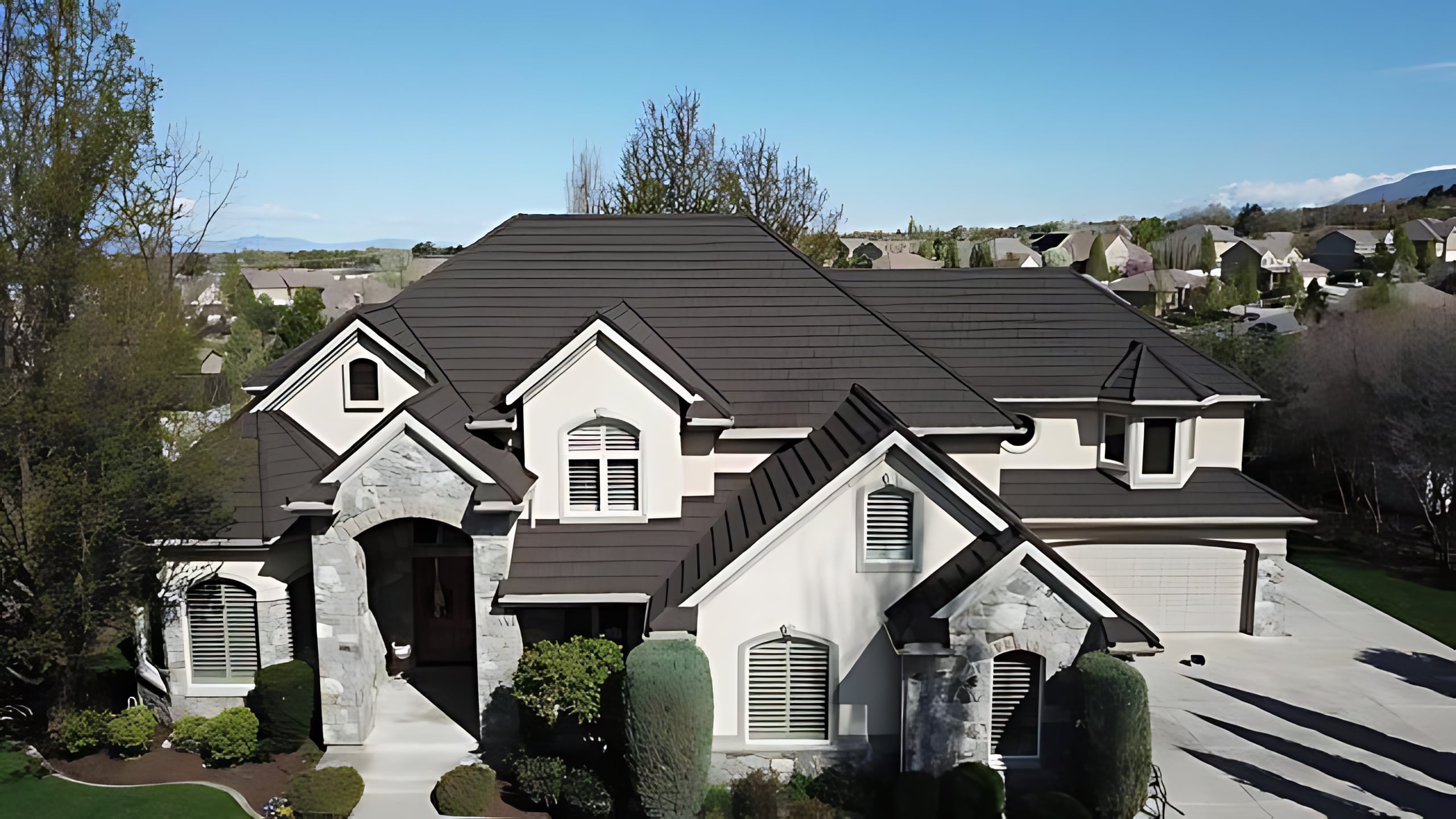
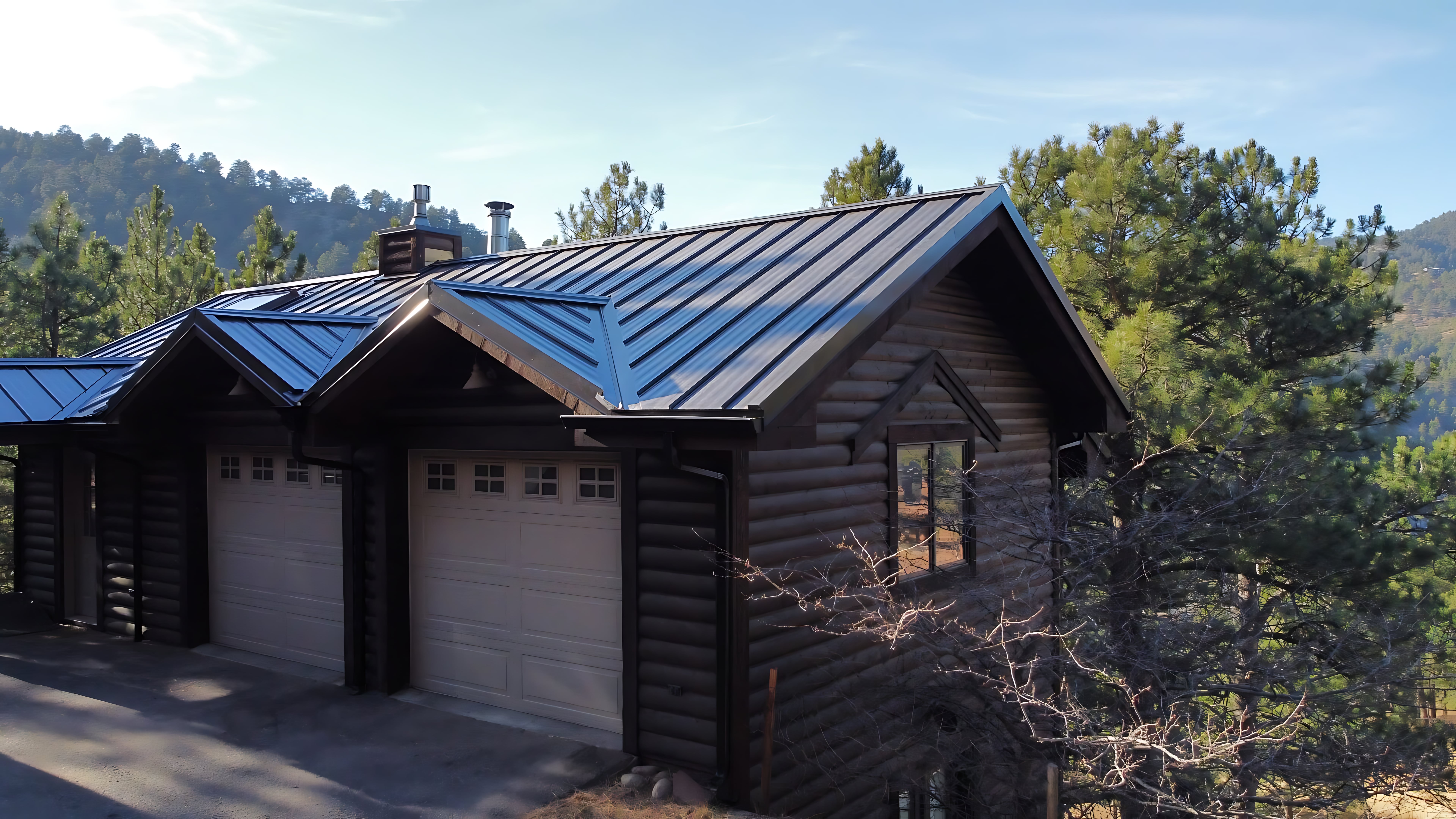
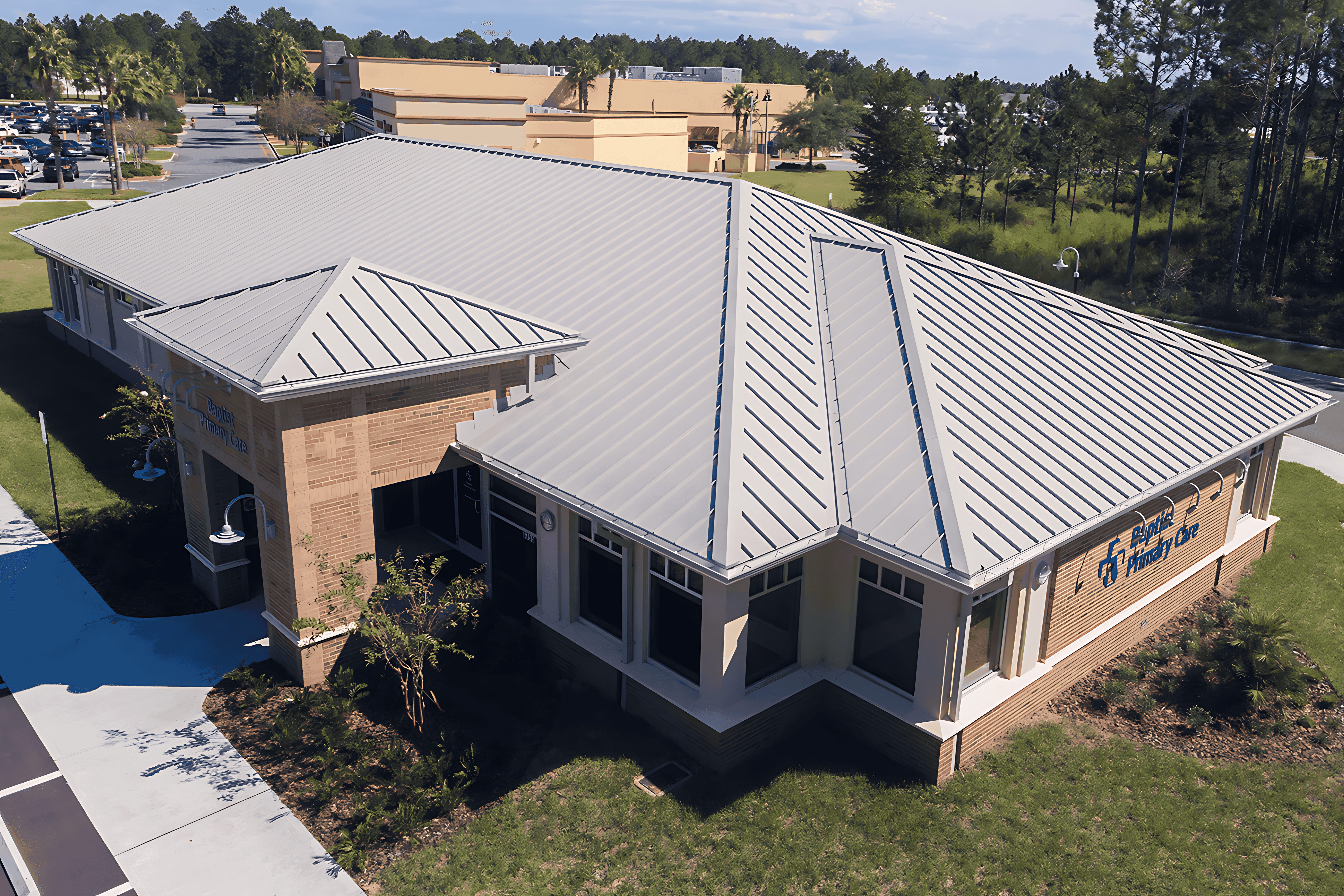
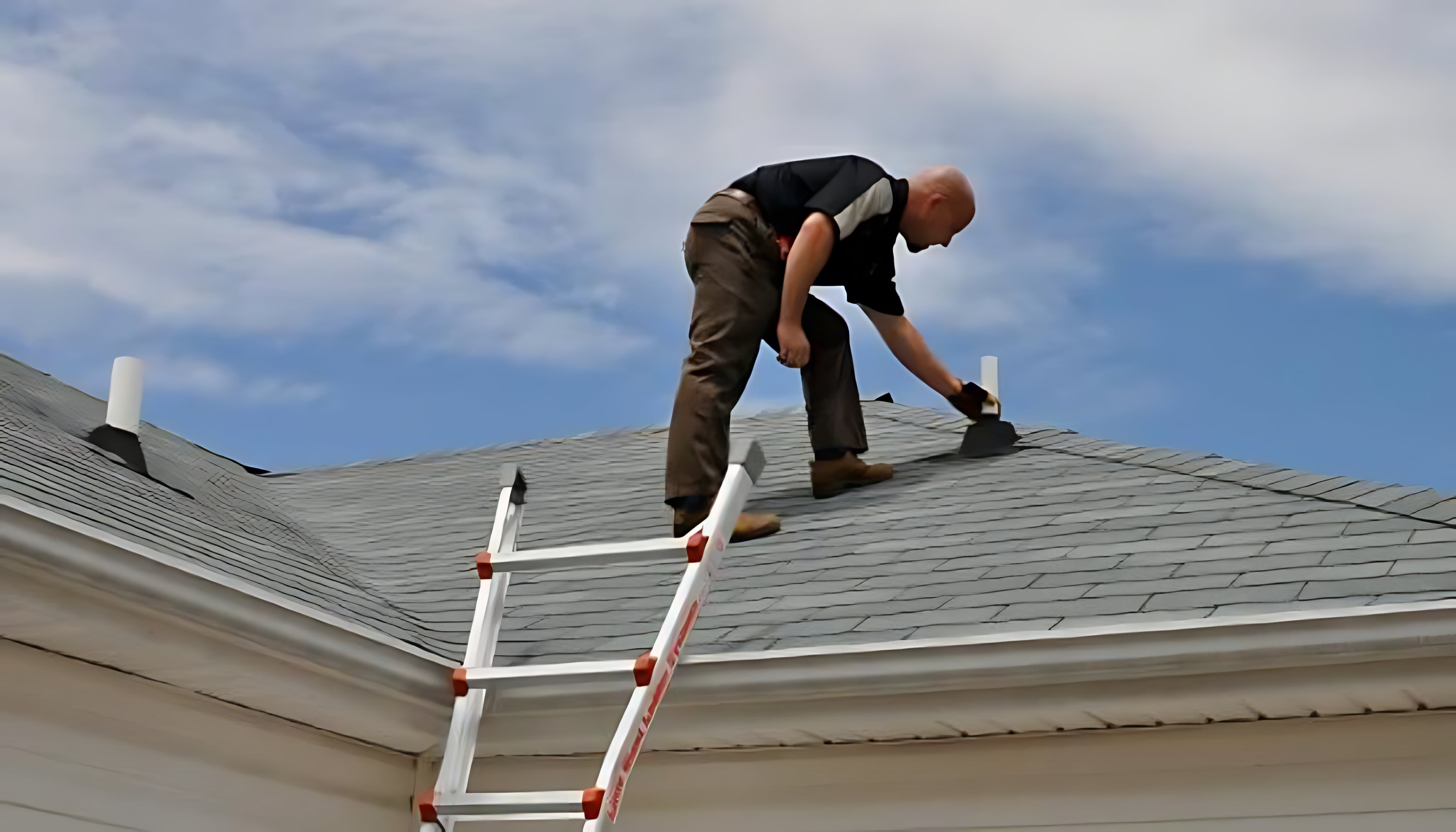
If you are searching for a roof inspection for homeowners insurance, you are usually dealing with something more administrative than a leak but potentially just as important. Maybe your carrier requested documentation at renewal, your broker warned that the roof age may become an underwriting problem, you are shopping for a new policy, or you received a notice that the insurer wants to review the roof condition before continuing coverage. In all of those cases, the inspection is not about filing a storm claim. It is about proving the roof is still an acceptable insurance risk.
That distinction matters because homeowners often assume all roof inspections serve the same purpose. They do not. An underwriting or renewal inspection is focused on condition, remaining life, visible defects, prior damage, and whether the roof shows signs of deferred maintenance or elevated leak risk. Insurance carriers are not just asking, “Is there a leak today?” They are asking, “How likely is this roof to become our problem soon?” The documents, photos, and repair recommendations generated by the inspection should answer that question clearly.
This guide explains how a homeowners-insurance roof inspection works in 2026, what carriers usually want to see, which red flags create underwriting friction, and how homeowners can use an inspection to protect renewability and avoid preventable coverage issues. If you want to get ahead of the insurance conversation instead of reacting to it late, start here.
Inspection And Claim Paths
Inspection and claim guides should push readers into inspection, repair, and claim-ready service pages while the issue is still top of mind.
Next steps from this article should include roof inspection services, roof repair services, roof insurance claim help, emergency roof repair.
Schedule a roof inspection
Turn research into a documented next step.
Schedule a roof inspectionWhy Insurance Companies Ask for Roof Inspections
Insurance companies care about roofs because roofs sit at the top of a long chain of potential losses. A worn roof can lead to interior water damage, mold, insulation saturation, decking deterioration, ceiling claims, and sometimes disputes about whether damage was sudden or the result of poor maintenance. From the carrier’s perspective, the roof is one of the clearest indicators of near-term claim risk on a home. That is why a roof inspection for homeowners insurance often appears at policy renewal, new underwriting, or after age-related flags are triggered in a carrier review.
Age alone is not always the whole story, but it gets attention because many carriers use roof age as a screening tool. An older roof may still be insurable if its condition is strong, materials are performing, and repairs have been handled well. A younger roof may still raise concern if the shingles are deteriorating early, flashing is failing, or visible storm and maintenance issues suggest claim potential. In other words, carriers are not always asking for perfection. They are asking for evidence that the roof still has insurable life and is not trending toward avoidable failure.
Some homeowners first hear about this when shopping policies after a home purchase or refinance. Others hear about it when a carrier sends a notice asking for updated roof information or corrective action. In both cases, the inspection becomes a tool for clarity. It can show that the roof is in acceptable condition, identify repairs that would resolve the concern, or document that the roof is near replacement and should be addressed before the next policy cycle.
That is why the inspection should be treated seriously even if the roof seems fine from the ground. The underwriting conversation is really about documented condition and risk, not just personal impression.
- Carriers use roof inspections to assess leak risk, remaining life, and underwriting exposure.
- Roof age matters, but condition often matters just as much as the date of installation.
- Underwriting inspections are different from storm claim inspections because the intent is renewal and risk review.
- The inspection can confirm insurable condition or identify corrective work before the next policy issue escalates.
- A roof that looks acceptable from the ground may still present underwriting red flags on closer review.
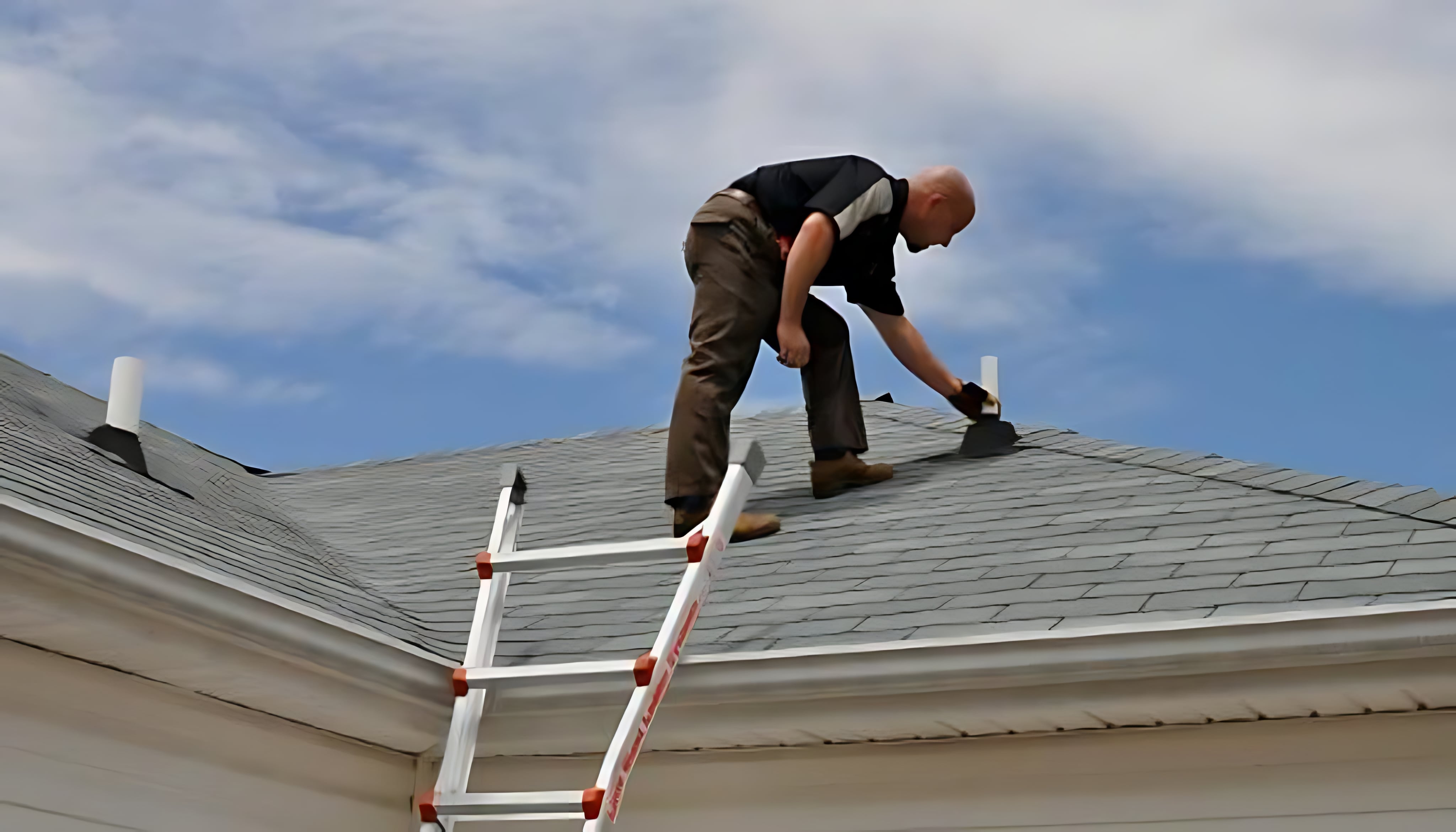
What Inspectors and Carriers Usually Look For
Most insurance-oriented roof inspections focus on visible condition indicators that correlate with future loss potential. That includes shingle wear, granule loss, lifted or creased tabs, exposed fasteners, flashing failure, ponding on low-slope sections, soft decking indicators, drainage issues, and signs that previous repairs were performed poorly. Inspectors also pay attention to gutters, fascia staining, and roof-edge conditions because those details often reveal how the system has been shedding water over time. The carrier wants to know whether the roof has normal aging or actionable deterioration.
Storm history can matter, but not in the same way it matters during a claim inspection. On a homeowners-insurance review, hail bruising, wind damage, or prior patching may be documented as condition concerns even if no active claim is being pursued. Carriers may also care about moss, debris accumulation, or branch contact because these conditions suggest deferred maintenance or elevated wear. If the roof has obvious issues a homeowner reasonably could have addressed, that can weigh against underwriting confidence.
Inspectors should also document material type and approximate remaining life, not just defects. A carrier deciding whether to continue or bind coverage wants to know whether the roof likely has years left or whether the home is entering a high-risk window soon. Strong documentation includes photographs, notes on the location of deterioration, an honest assessment of whether repairs are feasible, and, when appropriate, a replacement recommendation with reasoning behind it.
The value of a good inspection is that it translates roof condition into language an insurance company can actually use. That is what helps homeowners move the discussion from vague concern to concrete next steps.
- Carriers typically look for visible wear, storm damage, edge issues, flashing problems, and drainage concerns.
- Poor prior repairs can raise underwriting concern because they suggest unresolved leak risk.
- Remaining service life is often as important as the list of visible defects.
- Photo documentation and clear location notes make underwriting reviews easier to resolve.
- A strong inspection turns general roof concern into specific evidence and action items.

The Most Common Red Flags That Create Renewal Problems
The biggest renewal and underwriting issues usually come from roofs that combine age with visible condition decline. Widespread granule loss, cupping or curling shingles, multiple patch areas, damaged flashing, soft or stained roof-edge wood, and clear storm damage that has never been addressed are all common red flags. Even if the roof is not actively leaking, those issues suggest the probability of near-term loss is rising. Insurance companies do not need a disaster to become concerned. They often only need enough visible evidence to believe a disaster is more likely than it should be.
Roofs can also trigger problems because of maintenance neglect rather than material age alone. Debris-clogged valleys, overhanging limbs, gutters that are forcing runoff behind fascia, and visible biological growth all send a message that the roof may not be receiving the attention it needs. Some carriers react more strongly to these maintenance-related cues than homeowners expect because they suggest the roof’s future condition may continue worsening without intervention.
Another red flag is a mismatch between the homeowner’s understanding and the roof’s real age or condition. For example, a homeowner may believe the roof was “replaced not too long ago,” but the inspection may show old accessories, reused flashing, or partial reroof work rather than a full system replacement. Carriers care about actual roof condition and system integrity, not just the reassurance of a past invoice. This is one reason independent inspections are so helpful before a policy review becomes contentious.
The good news is that many red flags can be managed if they are identified early. Minor repairs, documentation updates, and clear evidence of maintenance can sometimes resolve concerns before a carrier escalates to non-renewal pressure or restrictive coverage options.
- Widespread wear, poor patch history, and visible storm damage are common insurance red flags.
- Maintenance neglect can create underwriting problems even before active leaks develop.
- Carriers care about actual system condition, not just the homeowner’s impression of roof age.
- Independent documentation helps clarify whether the roof needs repair, replacement, or simply clearer records.
- Early inspection gives homeowners more options than waiting for a renewal deadline notice.
How to Use the Inspection Before the Carrier Forces the Timeline
The best time to get a homeowners-insurance roof inspection is before the insurance company turns it into a deadline. If the roof is older, if you know there has been prior weather exposure, or if you are shopping insurance on a home with uncertain roof history, an independent inspection gives you leverage. You can fix manageable issues on your own schedule, document the roof condition before questions arise, and decide whether repairs or replacement make more sense before underwriting pressure narrows your options.
Once the inspection is complete, the next step is matching the findings to the insurance problem.
Sometimes the answer is simple: the roof is fine, and the inspection report gives the carrier what they need.
Sometimes the answer is a short repair list that addresses specific underwriting concerns.
Sometimes the report shows the roof has entered replacement territory, and the homeowner is better off planning that project than trying to squeeze one more cycle out of a system the carrier no longer trusts.
The important thing is that the decision becomes evidence-based instead of emotional.
Homeowners should also keep the report and photos organized. If they change carriers, challenge a non-renewal decision, or complete corrective repairs, that documentation becomes useful again. A strong inspection is not just a one-time insurance formality. It is part of the property record. It can support renewal discussions, future claims context, resale conversations, and even contractor bid comparisons if corrective work becomes necessary.
That is why a roof inspection for homeowners insurance is more valuable than many people realize. Done early and documented well, it can protect options before the insurance company starts limiting them.
- Early inspection gives homeowners time to respond before underwriting pressure becomes urgent.
- Reports can support repair planning, replacement planning, or proof that the roof is still insurable as-is.
- Photos and written findings should be kept as part of the home’s permanent documentation file.
- A proactive inspection often preserves more options than a last-minute carrier deadline.
- Insurance inspections are most useful when they are treated as planning tools, not just compliance tasks.
Repair, Replacement, and Communication After the Report
Once the inspection report is in hand, homeowners usually need to decide whether to repair, replace, or simply submit the documentation and move on. The right answer depends on condition severity, remaining roof life, and what the carrier is actually asking for. If the report identifies isolated issues on an otherwise strong roof, targeted repairs plus updated photographs may be enough. If the roof shows systemic wear, broad storm damage, or multiple aging indicators, replacement may be the cleaner solution for both the home and the insurance conversation.
Communication matters here. If repairs are completed, homeowners should keep invoices, before-and-after photos, and any contractor notes that show the work resolved the conditions raised in the inspection. If replacement becomes necessary, they should make sure the new roof documentation is equally organized. Insurance conversations get easier when the evidence trail is clean. They get harder when everyone is working from memory and vague statements like “we had someone look at it.”
It is also useful to understand what the inspection is not. It is not the same thing as a storm claim scope, a public-adjuster service, or a guarantee that the carrier will write the policy exactly as hoped. It is condition evidence. Its value is that it gives homeowners a solid factual base from which to respond. That alone is often enough to reduce friction, avoid misunderstandings, and make a difficult insurance conversation much more manageable.
The strongest outcomes usually come when homeowners treat the inspection as the start of a clear documentation process rather than a one-time obstacle. That is what turns roof condition from an insurance risk into a solvable property decision.
- Some insurance roof inspections lead to simple repair lists, while others reveal the need for replacement.
- Before-and-after photos and invoices are valuable if corrective work is completed.
- The inspection report is evidence of condition, not a substitute for a storm claim process.
- Clear documentation makes renewal and underwriting conversations easier to resolve.
- The homeowner’s goal is not just passing review today, but preserving roof and insurance options going forward.
How to Respond When the Carrier Wants More Information or Repairs
One of the most stressful parts of a homeowners-insurance roof inspection is what comes next when the carrier responds with a request for more documentation, a corrective-action deadline, or a warning that coverage may be affected. This is the moment when organized homeowners gain a real advantage. If you already have the inspection report, photos, repair recommendations, and contractor estimates in one place, it becomes much easier to respond calmly instead of scrambling under a deadline. The issue is no longer vague. It is documented.
Start by clarifying exactly what the carrier is asking for. Some insurers simply want proof of condition. Others want specified repairs completed. Others are really signaling that the roof is too close to end-of-life for comfort and want replacement or a stronger justification for continued coverage. The inspection report helps separate those scenarios. Without it, homeowners often overreact or underreact because they do not know whether the carrier is asking for maintenance, repair, or a much bigger change in roof status.
If corrective work is required, the response should be equally documented. Keep before-and-after photos, contractor invoices, written scope notes, and any communication that ties the completed work back to the concerns in the inspection. This creates a clean chain of evidence showing that the homeowner addressed what the carrier flagged. It also helps if a different insurer or agent reviews the property later. Organized roof documentation tends to stay useful beyond the immediate policy cycle.
Most importantly, treat time seriously but not chaotically. Deadlines matter, but rushing into the wrong repair or an under-scoped replacement just to say something was done can create a second round of problems. The inspection is there to support better decisions, even under pressure. If the response remains evidence-based, homeowners usually come out of the process with more control than they expected.
- Organized reports and photos make it much easier to respond to carrier requests without scrambling.
- Homeowners should clarify whether the carrier wants proof of condition, repairs, or broader corrective action.
- Completed work should be documented just as carefully as the inspection findings themselves.
- Roof documentation often remains useful across future policy and resale conversations.
- Deadlines matter, but evidence-based decision-making still matters more than panic.
How This Inspection Helps When You Shop for New Coverage
Homeowners often think about insurance roof inspections only in the context of keeping an existing policy, but the same documentation can be extremely helpful when shopping for new coverage. If a prospective carrier asks about roof age, condition, or prior issues, a recent independent inspection gives you something stronger than memory. It lets you show what the roof looks like today, what work has already been done, and whether the system still has reasonable service life left. That can make the underwriting conversation cleaner and reduce uncertainty when different carriers evaluate the home differently.
This matters especially when the roof is older but still serviceable. Without documentation, age alone may dominate the conversation. With documentation, the homeowner can show that visible condition, repairs, and maintenance are supporting a stronger risk profile than a simple age number suggests. The inspection is not a magic pass, but it often improves the quality of the discussion because it replaces vague assumptions with actual roof evidence.
It also helps brokers and agents give better advice. Instead of guessing which carrier is likely to resist an older roof, they can work from a documented condition report and a clearer understanding of what the property may need in the next policy cycle. For homeowners, that means the inspection can support not just current coverage stability, but smarter future insurance shopping as well.
That extra value is one reason these inspections are worth treating as part of the property record. The roof report may solve one renewal issue today and still be useful in entirely different insurance conversations later.
- Independent roof documentation can strengthen conversations with prospective new carriers.
- Condition evidence helps homeowners move the discussion beyond roof age alone.
- Agents and brokers can give better coverage guidance when they have a current roof report.
- The report can support both policy retention and smarter policy shopping later.
- A good insurance roof inspection often remains useful beyond the immediate renewal cycle.
Wrapping it up
Roof inspection for homeowners insurance is really about reducing uncertainty for both the homeowner and the carrier. It documents whether the roof still presents an acceptable risk, highlights the issues that matter most for underwriting, and gives you a path to respond before the insurance company starts limiting your choices.
When handled early, the inspection becomes a planning advantage instead of a renewal problem. That is the best reason to treat it seriously: it helps you protect coverage, protect the house, and make the next roofing decision with actual evidence instead of guesswork.
Questions this guide answers
Quick answers tied to roof inspection for homeowners insurance.
Storm Damage & Insurance Hub
Expert assistance with roofing insurance claims, hail damage audits, and storm restoration across the Wasatch Front.
Emergency Support
Utah Roof Inspection Hub
Get a comprehensive photo-audit and forensic roof assessment. We provide the documentation you need for insurance, real estate, or peace of mind.