Utah Roof Inspection Checklist 2026 | Save Your Home from Leaks
By Skyridge Ricky • April 15, 2026 • 12 min read


Did you know that nearly 85% of roof leaks in Utah don't start with a missing shingle? It’s true!
I was helping a fellow teacher up in Bountiful just last week—let’s call her Sarah—who thought her roof was 'totally fine' because she didn't see any shingles sitting on her lawn. We got up there with my ladder, and man, it was a different story. The flashing was so rusted and pitted it looked like a piece of Swiss cheese.
One more heavy lake effect snow storm and her living room would have turned into a literal swimming pool. She would have been grading papers in a raincoat!
The Wasatch Front Factor
Look, I get it. Nobody wants to spend their precious Saturday morning thinking about asphalt and fiberglass. But in our neck of the woods—especially along the Wasatch Front—the weather is basically a professional roof-wrecker. It's relentless.
Between the canyon winds that try to peel your house like a banana and the freeze-thaw cycles that turn tiny cracks into massive canyons overnight, your roof is under constant, 24/7 attack. This Utah roof inspection checklist for 2026 is your first line of defense.
It's the 'homework' you actually need to do to avoid a $20,000 tuition bill in emergency repairs. Let's walk through what you actually need to look for, teacher-style. No fluff, just the facts that will save your wallet.
Inspection And Claim Paths
Inspection and claim guides should push readers into inspection, repair, and claim-ready service pages while the issue is still top of mind.
Next steps from this article should include roof inspection services, roof repair services, roof insurance claim help, emergency roof repair.
Schedule a roof inspection
Turn research into a documented next step.
Schedule a roof inspectionExternal Shingle Health: Beyond the Visible Missing Tabs
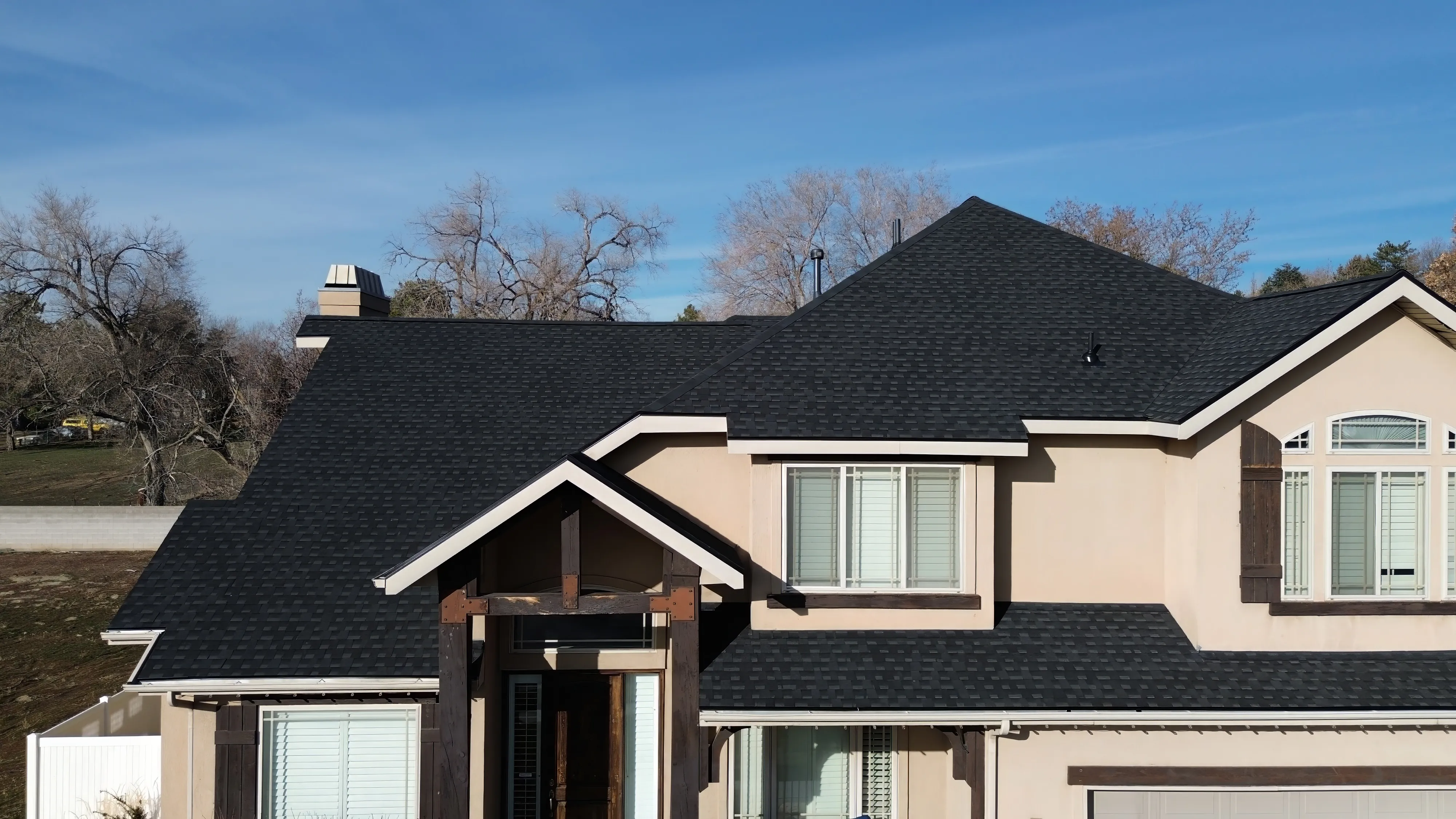
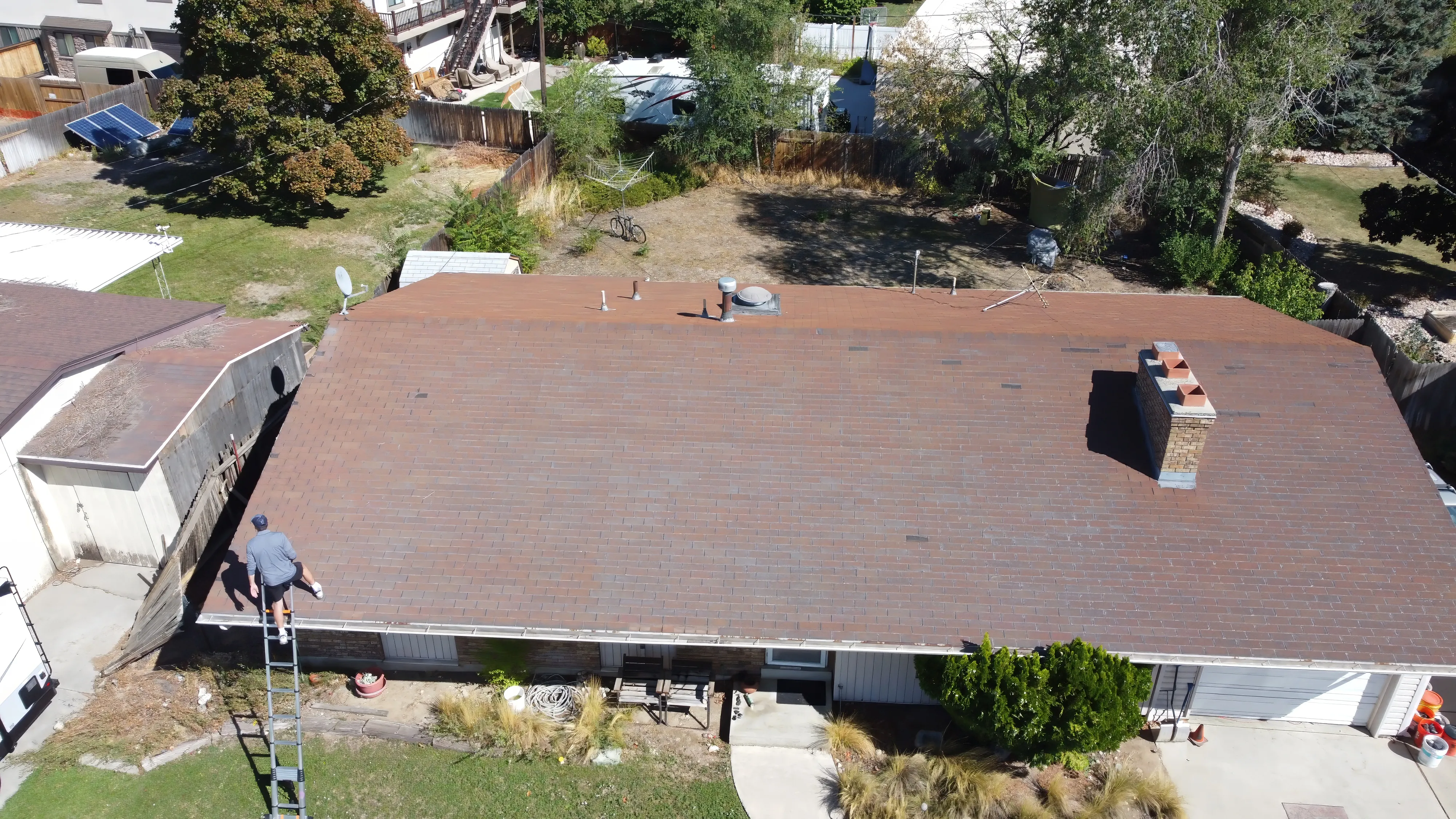
When most folks think of a roof inspection, they just stand in the driveway and look for missing shingles. That's like checking if a car has all four tires and saying it's ready for a cross-country road trip! In Utah, the real damage is often much more subtle and way more sneaky.
UV Degradation in 2026
Our high-altitude sun in 2026 is absolutely brutal on asphalt. We've seen UV indexes hitting record highs this summer, and that UV radiation literally bakes the essential oils right out of your shingles. It makes them brittle, like an old cracker.
Once they lose that flexibility, they are essentially toast. They can't handle the movement of the house anymore.
The Gutter Grit Warning
I remember my very first house in Orem back in the day. I was young and, frankly, pretty clueless about home maintenance. I ignored the 'sand' I kept seeing in my gutters for three straight years. I just figured the wind was blowing dirt up there! Big mistake. HUGE.
That sand was actually the protective granules washing away from my shingles. Think of granules like the sunscreen for your roof. Without them, the raw asphalt is exposed to those 2026 UV rays, and it starts to crack faster than a dry desert lakebed in July. If you see piles of granules at the bottom of your downspouts, your roof is basically sunburnt and losing its life expectancy by the day.
Temperature Swing Damage
Now, I want you to grab some binoculars—or a ladder if you're feeling brave—and look for something we call 'fish-mouthing.' That's when the edges or the middle of the shingles start to curl upward.
It happens a lot here because of the extreme temperature swings we get. One minute it’s 95 degrees and sunny, the next we have a mountain downpour that drops the temp by thirty degrees. This thermal shock makes the shingles expand and contract violently until they just give up. If you see curling, those shingles are no longer shedding water properly.
- Check for 'fish-mouthing' or curling at shingle edges and centers
- Identify excessive granule loss (look for 'sand' or grit in the gutters)
- Spot hail 'bruising' - look for dark, circular indentations on the surface
- Test the shingle seal for wind lift damage (the 'one-finger' test)
- Look for 'bald spots' where the black asphalt is showing through the granules
The Attic Audit: Checking for Structural Integrity and Airflow
Alright, class, put on your headlamps and maybe a dust mask! We’re heading into the attic.
I know, I know—it’s hot, it’s dusty, and it’s probably full of old holiday decorations you forgot you even owned.
But the attic is the 'brain' of your roofing system.
It tells you exactly what’s going wrong on the outside before the water ever even touches your expensive living room drywall.
The biggest mistake I see homeowners make is thinking they only need to look at the shingles. If your attic isn't breathing properly, your roof is basically a giant slow-cooker. In the middle of a July heatwave in Salt Lake, an unventilated attic can easily hit 160 or 170 degrees. That trapped heat bakes your shingles from the inside out, shortening their lifespan by 30% or more. It's like leaving your car running in a closed garage—bad things are going to happen.
The first thing I do when I perform an attic audit is a 'light check.' I turn off my flashlight and look up at the ridge. If I see 'stars'—tiny pinpricks of daylight coming through the roof deck—we have a major problem. Those are holes, my friend! Even if they aren't dripping right this second, it’s only a matter of time before a wind-driven rain or a heavy snowmelt finds that opening. Next, take a look at the nails sticking through the plywood. Are they shiny? Or are they covered in rust? If the nails are rusty, it means you have a serious moisture problem. It might not even be a leak from the outside! It could be 'attic rain.' That's when warm, moist air from your bathroom or kitchen gets trapped in the attic because of poor ventilation, hits the cold underside of the roof, and turns into liquid water. It literally rains inside your house, and it’ll rot your rafters faster than you can say 'remodel.'
- Check for 'daylight' pinpricks through the roof deck (the 'star' test)
- Look for rusty nails or signs of 'attic rain' (condensation buildup)
- Identify dark water stains or white, fuzzy mold on the plywood sheathing
- Ensure all soffit vents are completely clear of insulation blockage
- Check for sagging, bowing, or 'soft' spots in the roof deck wood
Gutters and Perimeter: Why Drainage is 50% of the Battle
I tell my students all the time that a roof is really just a giant, expensive umbrella for your home's foundation. If that umbrella has holes, or if the water just pours straight off the edge and pools right at your feet, it's not doing its job properly. Your gutters and downspouts are the most underrated and ignored part of your entire roofing system. In Utah, we deal with that 'lake effect' snow that can dump two feet of heavy, wet slush in just a few hours. If your gutters are full of gunk, leaves, and old shingle granules, that slush turns into a giant, solid block of ice. This is how the dreaded 'ice dams' start. The ice blocks the water, the water backs up under your shingles, and suddenly you have a drip-drip-drip on your bedroom ceiling. It’s a total mess, and the best part? It’s 100% preventable with a little bit of elbow grease.
First, let's talk about the 'pitch' of your gutters. They aren't supposed to be perfectly level. They should lean slightly—about a quarter inch for every ten feet—toward the downspouts. If you see standing water in your gutters a few hours after a rain storm, they aren't draining correctly. And standing water is incredibly heavy! A single gallon of water weighs about 8.3 pounds. If you have a twenty-foot run of gutter full of water and soggy leaves, that’s hundreds of pounds of extra weight pulling on your fascia boards. I’ve seen entire gutter systems rip right off the side of the house because they were too heavy for the hangers to hold. Check the 'spikes' or the hidden hangers that hold the gutters to the house. If you see them pulling away or if the gutter is sagging, you're in the 'danger zone.' Don't wait for them to fall off in the middle of a January blizzard!
- Verify gutters are completely clear of debris and 'sand' (granule buildup)
- Check gutter pitch to ensure water flows freely toward the downspouts
- Confirm all downspouts extend at least 5-10 feet away from the foundation
- Look for pulling, loose, or sagging gutter hangers and spikes
- Test the drip edge to ensure water enters the gutter and not behind it
Wrapping it up
Alright, class dismissed! I know that was a lot of information to take in, but remember: your roof is the single most important part of your home's defense system. It’s what stands between your family and the wild Utah elements. A little bit of 'homework' and a quick afternoon inspection today can save you a massive, painful 'tuition bill' in emergency repairs down the road. In 2026, with our Utah weather getting more unpredictable and the storms getting more intense, being proactive isn't just a good idea—it's an absolute necessity for every homeowner along the Wasatch Front.
Don't feel like you have to tackle all of this by yourself. If climbing a tall ladder makes your knees shake, or if you're just not 100% sure what you're looking at, give us a shout! At Sky Ridge Roofing, we do this every single day, and we've seen it all. We'll come out, perform a proper, professional photo-audit of your entire roof system, and show you exactly what's going on with your own eyes. No high-pressure sales tactics, no nonsense—just honest, expert advice from one neighbor to another. Keep those shingles tight, keep those gutters clear, and stay dry out there, Utah!
Utah Roof Repair Hub
Compare repair costs, local pros, and professional guidance to ensure your Utah roof is restored correctly and efficiently.
Core Repair Pages
Priority Local Pages
Utah Roof Inspection Hub
Get a comprehensive photo-audit and forensic roof assessment. We provide the documentation you need for insurance, real estate, or peace of mind.