

Roofing Appraisal Process Guide (2026)
By Skyridge Ricky • March 28, 2026 • 13 min read


If you are searching for roofing appraisal, there is a good chance you are not talking about a home value appraisal at all. In roofing, the phrase usually comes up when a homeowner and insurance carrier disagree about the amount of loss after hail, wind, or another covered event. The insurer may be acknowledging some damage but pricing the scope too low, limiting replacement where the contractor sees broader functional damage, or disagreeing about line items like code upgrades, matching, steep charges, accessories, or waste. That is where the insurance appraisal clause often enters the conversation.
This is one of the most misunderstood parts of roof-claim handling. Homeowners hear “appraisal” and assume it means someone decides everything about the claim. Usually it does not. In most roofing disputes, appraisal is a process used to resolve the amount of loss, not every legal question surrounding coverage. That distinction matters because appraisal can be powerful in the right dispute and disappointing in the wrong one.
This guide explains how roofing appraisal works in 2026, what it usually decides, when it makes sense to consider it, what evidence matters most, and how homeowners should prepare before invoking the clause. If your roof claim feels stuck between a low insurance number and a much larger real-world scope, this is the framework you need.
Replacement And Buying Paths
Buying guides and replacement articles should route readers into the service pages, pricing tools, and quote path that convert research into projects.
Next steps from this article should include roof replacement services, roof inspection services, shingle roofing services, metal roofing systems.
Request a roofing estimate
Turn buying research into a real estimate.
Request a roofing estimateWhat Roofing Appraisal Usually Means
In roof-claim disputes, appraisal usually refers to the insurance-policy mechanism that lets each side select an appraiser and, if needed, an umpire to resolve disagreements about the value or scope of the loss. It is not the same thing as a real-estate appraisal. The roof is not being priced for resale. Instead, the dispute is being narrowed to a structured question such as how much storm-related roof damage exists, what the appropriate repair or replacement scope is, and what that scope should cost under the policy framework.
This process can be extremely useful when both sides agree there is covered damage but disagree on how big the roofing problem really is. Maybe the carrier wrote for a repair while the contractor documented broad wind creasing and discontinued shingles. Maybe the insurer omitted code-driven line items, starter, ventilation accessories, steep charges, or detach-reset items that materially affect the roof build. In those situations, roofing appraisal can move the dispute out of a circular back-and-forth and into a more formal valuation path.
What homeowners need to understand, though, is that appraisal usually is not designed to decide every dispute. Coverage denials, fraud allegations, late-notice arguments, and some causation fights may fall outside what appraisal is intended to settle. The clause is strongest when the disagreement is about how much covered roof loss exists and what it is worth, not whether the policy applies at all.
That is why good roofing appraisal strategy starts with defining the dispute accurately. If you misunderstand the question, you can invoke the right process at the wrong time.
- Roofing appraisal usually means the insurance appraisal-clause process, not a home value appraisal.
- It is commonly used when there is disagreement about roof scope, quantity, or pricing after covered damage.
- The process is strongest for amount-of-loss disputes rather than broad coverage battles.
- Appraisal can be helpful when repair-versus-replacement or omitted scope items are the main issue.
- The first step is identifying exactly what the dispute is really about.

What the Appraisal Process Can and Cannot Decide
This is the part homeowners need to get right early. Appraisal can often help determine the amount of roof damage, whether the scope should reflect repair or replacement logic, and what a reasonable roof build should cost based on the facts and policy context. It can also help resolve disputes over roofing line items that the carrier left out or undervalued, such as accessories, code items, steep and high charges, starter, ridge, ventilation components, drip edge, detach and reset work, and waste assumptions.
What appraisal often cannot cleanly solve is a pure coverage denial where the insurer says there is no covered event at all. It may also struggle when the main fight is a legal interpretation rather than a roofing valuation issue. Every policy and jurisdiction handles this differently, so homeowners should not treat appraisal like a universal magic button. It is a tool for a certain category of dispute, not an all-purpose override for every insurance conflict.
That is why documentation and communication matter before invoking the clause. If the carrier has acknowledged covered roof damage but is pricing it unrealistically low, appraisal may fit well. If the carrier is saying the roof problem is entirely wear and tear and therefore not covered, the situation may require a different response or at least a more careful analysis before appraisal is used. Knowing that distinction prevents wasted time and false expectations.
The practical rule is simple: use appraisal when the claim seems stuck on the amount and scope of a covered roofing loss, not when the entire existence of coverage remains unresolved.
- Appraisal often helps with scope, quantity, pricing, and repair-versus-replacement disputes.
- It may not resolve a total coverage denial or every legal dispute in a policy claim.
- Homeowners should define whether the fight is about amount of loss or about coverage itself.
- The better the dispute is framed, the more useful appraisal becomes.
- Appraisal is powerful, but it is not a universal solution for every claim problem.

When Roofing Appraisal Makes Sense
Roofing appraisal usually makes the most sense when the claim has already moved beyond initial inspection and the disagreement has become structural rather than incidental. Common examples include hail claims where the carrier wrote for a light repair while the contractor documented functional damage across multiple slopes, wind claims where the insurer omitted broad reseal or replacement logic, and cases where discontinued shingles or matching issues make the scope more complex than a simple patch. It also comes up when the carrier has acknowledged enough damage to open the door but still produced a number that cannot realistically restore the roof.
Another common use case is under-scoped line items. Roof claims often get written with missing accessories, limited waste, omitted code items, and optimistic assumptions about what can be repaired cleanly. A homeowner may spend weeks supplementing the file only to keep running into small corrections on a fundamentally low valuation. When that happens, appraisal can create a more structured path than endless incremental negotiation.
It also helps when both sides have meaningful roofing evidence but interpret it differently. Appraisal is often strongest when the disagreement is not about whether anyone has proof, but about what that proof means for the build. That could involve brittle materials, matching limitations, roof geometry, steep access, collateral indicators, or whether multiple small issues add up to a replacement-level scope in practice.
If the claim still lacks basic documentation, appraisal is usually premature. But if the file is well developed and the valuation fight is what remains, roofing appraisal can be one of the most useful escalation tools available.
- Appraisal is often appropriate when both sides acknowledge damage but disagree on scope or price.
- Repair-versus-replacement, matching, and omitted-line-item disputes are common appraisal triggers.
- It can be more efficient than endless supplements when the core valuation problem is not changing.
- Strong documentation should exist before appraisal is invoked.
- Appraisal works best when the dispute has matured into a true amount-of-loss issue.

How the Roofing Appraisal Process Usually Works
While policy language varies, the broad structure is usually similar.
One side invokes appraisal under the policy.
The homeowner selects an appraiser, the carrier selects its appraiser, and those two appraisers then choose an umpire if they cannot agree.
The appraisers review the roof evidence, estimate logic, policy context, and disputed scope items.
If they agree, that often resolves the amount-of-loss issue without needing the umpire. If they do not agree, the umpire helps decide the dispute, and a signed award by the required number of participants becomes binding for that valuation issue under the policy terms.
In roofing claims, the quality of the evidence package can strongly influence how effective this process is. Photos, inspection reports, material availability issues, measurements, code documentation, prior estimates, weather context, and clear explanations of why repair is or is not practical all matter. Roofing appraisal is not just about who argues louder. It is about which side presents a cleaner, more defensible roof story tied to a coherent build scope.
Homeowners should also expect the process to take time. Appraisers need to review the file, inspect if necessary, communicate with each other, and narrow the disputed issues. That is usually still more structured than drifting through repeated supplements, but it is not instantaneous. Costs matter too. Each side generally pays its own appraiser, and the umpire cost is often shared. That does not make appraisal a bad option. It just means homeowners should approach it as a serious claim step, not a casual escalation.
The good news is that roofing disputes often benefit from structure. Once the claim moves into a defined appraisal path, the conversation becomes less about noise and more about the actual roof evidence.
- Most appraisal processes involve two appraisers and, if needed, an umpire.
- Roof evidence quality often matters more than raw volume of paperwork.
- Measurements, photos, code references, and repair-versus-replacement logic can materially affect the outcome.
- Appraisal takes time and usually carries direct cost for the homeowner’s chosen appraiser.
- The main advantage is structure when a roof claim has become stuck in valuation conflict.

What Evidence Helps in a Roofing Appraisal
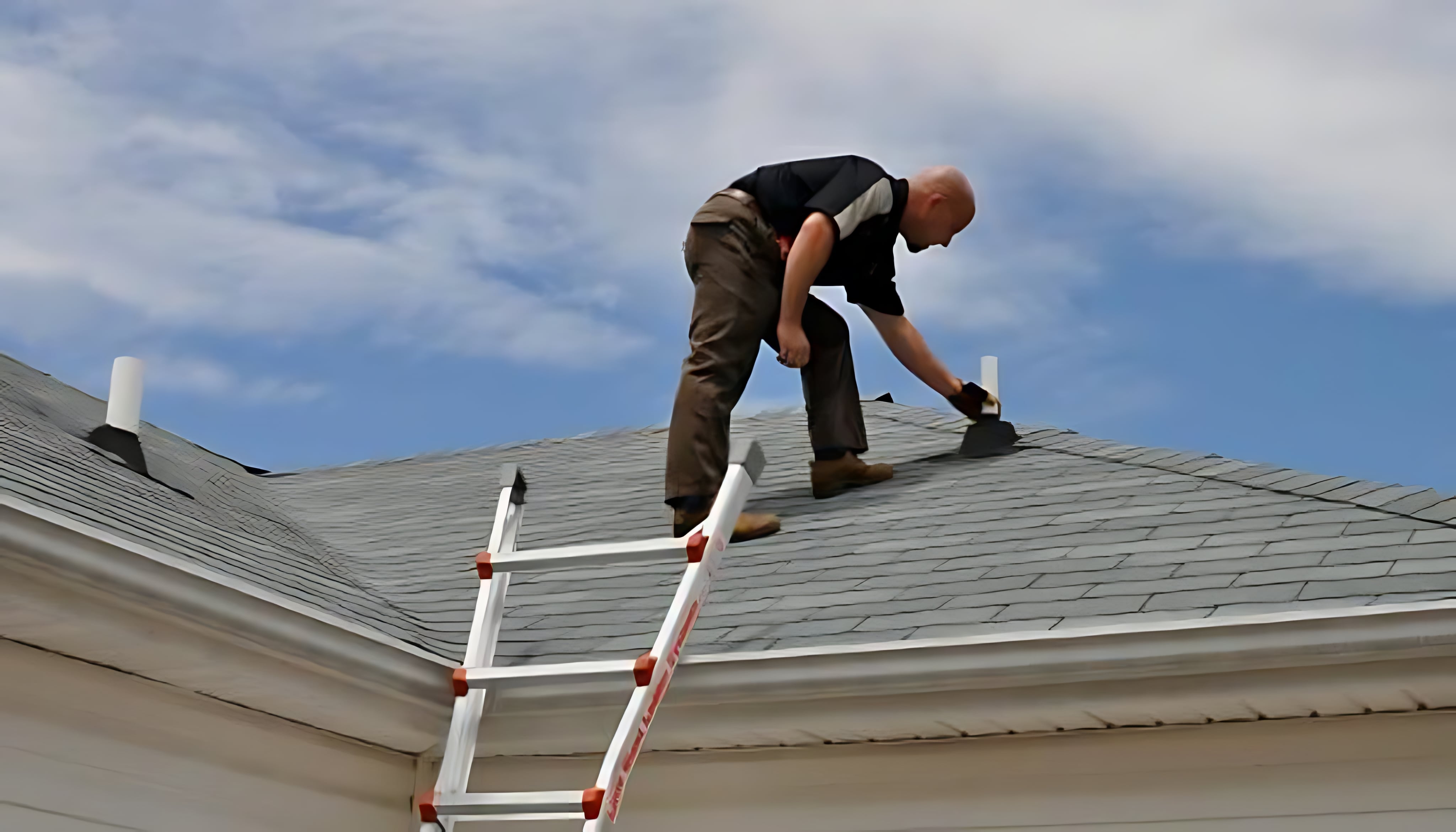
The strongest roofing appraisal files usually combine clear condition evidence with practical scope logic. That means roof photos by slope and detail area, evidence of hail or wind damage where relevant, notes on brittle materials, documentation of discontinued products or matching limits, measurements, accessory counts, code and manufacturer requirements, and realistic explanations of what a proper build requires. Appraisers do not just need to know that the carrier number feels low. They need to see why the roof cannot be restored correctly at that number.
Inspection quality matters a lot here. A general statement like “the whole roof is bad” is weak. A file showing damage patterns, repair limitations, accessory omissions, and pricing logic tied to the actual roof geometry is much stronger. If the issue involves code-driven items, those should be documented. If the dispute involves matching or unavailable materials, that should be documented. If the fight is about whether repair would create a patchwork result or functional weakness, the file needs to explain that precisely.
Homeowners also benefit from keeping the claim timeline organized. When was the loss noticed? When was the first inspection? What did the carrier acknowledge? What was omitted? Which supplements were already attempted? A clean chronology helps the appraisal process stay focused on the live disagreement instead of wasting time reconstructing the file from fragments.
In roofing appraisal, a disciplined evidence package often matters as much as the formal appraisal demand itself.
- Strong appraisal files connect roof condition evidence to a clear, defensible scope.
- Photos, measurements, code items, material-availability issues, and accessory counts all matter.
- Matching and repairability disputes should be documented specifically, not described vaguely.
- A clean claim timeline helps appraisers understand what remains disputed.
- The goal is to prove why the roof cannot be restored correctly at the carrier’s number.
What Homeowners Should Ask Before Invoking Appraisal
Before invoking appraisal, homeowners should ask a few blunt questions. Has the carrier clearly acknowledged covered roof damage, or is coverage itself still unsettled? Is the dispute mainly about amount of loss, or are there bigger legal issues mixed in? Is the evidence package strong enough to support the broader roofing scope being argued? Has normal supplementing already been attempted, or is appraisal being considered too early because everyone is frustrated? These questions matter because they help determine whether appraisal is the right escalation or just the next emotional move.
Homeowners should also ask who will help present the roofing side of the case. A capable appraiser matters, but so does the quality of the underlying roof file. If the claim hinges on repairability, matching, code, material brittleness, or omitted accessories, those issues should be framed clearly before the process begins. Appraisal is not a good place to discover for the first time that the file was thin all along.
Finally, think about the economics. Appraisal can be worth it when the gap between the carrier number and a realistic roof scope is large enough to justify the time and direct cost. It can be less appealing when the dispute is small or the evidence is still too weak to support a meaningful change. The right decision is rarely about principle alone. It is about whether the process is likely to move the claim toward a materially better roofing outcome.
When those questions are answered honestly, homeowners can use roofing appraisal strategically instead of reactively.
- Confirm whether the dispute is really about amount of loss before invoking appraisal.
- Make sure the roof file is strong enough to support the scope you are arguing for.
- Ask whether normal supplement efforts have been exhausted or whether appraisal is being rushed.
- Consider whether the expected claim improvement justifies the cost and time of the process.
- Strategic appraisal decisions usually produce better outcomes than frustration-driven ones.
Wrapping it up
Roofing appraisal is usually best understood as a structured insurance-dispute tool for resolving the amount and scope of a covered roof loss when normal negotiation has stalled. It is not a cure-all, and it does not replace the need for a strong roof file. But when the carrier and the homeowner fundamentally disagree about what it takes to restore the roof correctly, appraisal can provide a disciplined path forward.
The homeowners who use it best are usually the ones who define the dispute accurately, document the roof carefully, and treat appraisal as a serious strategic step rather than a reflex. When that happens, the process becomes less about noise and more about the actual roof that needs to be built back correctly.
Questions this guide answers
Quick answers tied to roofing appraisal.
Utah Roof Repair Hub
Compare repair costs, local pros, and professional guidance to ensure your Utah roof is restored correctly and efficiently.