Manhattan Roofing Companies: 2026 Guide
By Skyridge Ricky • March 28, 2026 • 14 min read
If you are comparing Manhattan roofing companies, you are likely dealing with more than a simple material decision. Dense urban roofing work usually brings tighter access, more building complexity, stricter logistics, and less room for vague project management than a straightforward suburban reroof. That means the right contractor is not just the one with the best tagline or the fastest quote. It is the one who can explain the roof, the access plan, the disruption risk, and the scope logic clearly enough that the owner can trust the project before it starts.
This matters because urban roofs often involve more transitions, more rooftop equipment, more neighboring structures, and more sensitivity around staging, noise, and occupant impact. One contractor may be perfectly capable on a simple detached house but weak on a building that requires disciplined coordination. Another may write a higher bid because they actually accounted for access, protection, and project sequence instead of treating those details as afterthoughts. Without a framework, owners often end up comparing numbers that are not solving the same project.
This guide explains how to compare Manhattan roofers intelligently in 2026. We will cover the most common decision points, how to evaluate inspection quality, why urban access planning matters so much, how to compare bids and warranties, and what kind of documentation strong contractors provide before, during, and after the job.
Replacement And Buying Paths
Buying guides and replacement articles should route readers into the service pages, pricing tools, and quote path that convert research into projects.
Next steps from this article should include roof replacement services, roof inspection services, shingle roofing services, metal roofing systems.
Request a roofing estimate
Turn buying research into a real estimate.
Request a roofing estimateWhy Urban Roofing Markets Need Different Contractor Judgment
Urban roofing projects often demand a different level of contractor discipline because the roof is only one part of the job. Access, staging, pedestrian safety, neighboring property protection, material handling, and schedule coordination all shape whether the project runs well. A contractor who can install shingles or membranes competently may still struggle if they cannot manage tight logistics, rooftop congestion, and communication with owners or occupants during the work.
This is one reason bids in dense markets vary more than homeowners expect. One company may have priced only the visible roof work. Another may have priced access restrictions, debris management, limited staging windows, and extra protection requirements. The lower number can look attractive until the project starts and those missing realities become urgent change-order conversations. Strong urban roofers usually identify those constraints early because they know the logistics are part of the waterproofing project, not separate from it.
Building type matters too. A small townhouse, a brownstone-style property, a mixed-use building, and a multifamily roof all create different coordination problems even if the roof areas are similar. Contractors who understand urban roofing usually ask questions about occupancy, neighboring buildings, access timing, and rooftop equipment before they even begin final scope discussions. Those questions signal that they are pricing the real job rather than a simplified version of it.
For owners, this means the best roofing company is often the one that understands the building context as clearly as the roof covering itself. In dense markets, those two things cannot really be separated.
- Urban roofing requires logistics planning as well as technical roofing skill.
- Access, staging, protection, and coordination often explain why bids vary so much.
- Different urban building types create very different project constraints.
- Strong city roofers usually ask operational and access questions early.
- The best roofing company understands the building context, not just the roof material.
How to Judge Inspection and Leak-Diagnosis Quality
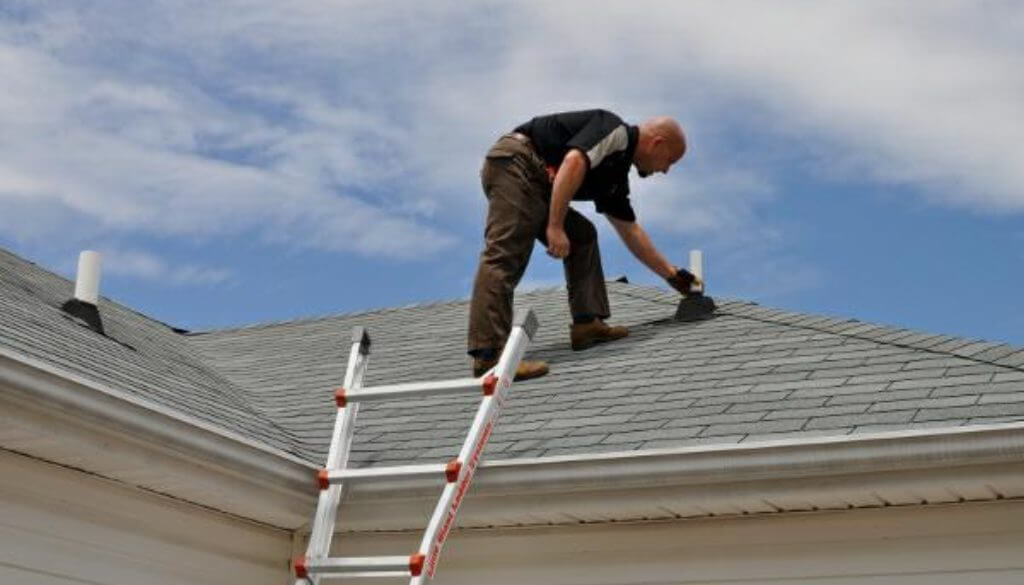
The inspection is still the best first filter, even in a dense city market. Owners should ask whether the contractor documented the roof thoroughly, looked beyond the most visible symptom, and explained how the issue may relate to drains, flashings, parapets, neighboring walls, roof penetrations, or prior rooftop work. Urban roof leaks are often detail-driven. That means the contractor should be able to explain whether the issue appears isolated, recurring, or tied to a larger drainage or maintenance pattern.
Photos are especially important. In city settings, owners may not access the roof easily themselves, so the contractor’s documentation becomes the evidence base for every later decision. Strong roofers provide clear images of problem areas, transitions, edge conditions, rooftop equipment details, and any visible substrate or drainage concerns that support the recommendation. If the contractor speaks in broad conclusions without showing what they mean, the owner has less ability to compare proposals intelligently.
Good contractors also separate confirmed findings from hidden-condition possibilities. If the roof likely has moisture in the assembly, weak parapet details, or irregular prior repairs that could expand the scope later, that should be discussed before the work begins. Urban buildings often have more history layered into the roof than it appears from the first walk. Contractors who acknowledge that usually manage projects better once the roof is opened.
The practical test is simple: after the inspection, do you understand the roof problem more clearly? If you do, the company is probably doing useful work. If you only understand their price, keep comparing.
- Inspection quality is still the best early filter when comparing city roofing companies.
- Urban leak diagnosis often depends on transitions, parapets, drains, and rooftop details.
- Photos are especially important when owners have limited roof access themselves.
- Good contractors distinguish confirmed findings from hidden-condition risk.
- If the inspection does not improve your understanding of the roof, it is not enough.
Why Access Planning and Project Sequence Belong in the Bid
In a dense market, project sequence is part of the roof scope. Owners should ask how materials will arrive, where debris will go, how occupants or neighboring properties will be protected, and what happens if weather interrupts the project midstream. Those are not side questions. They affect labor efficiency, safety, disruption, and how likely the project is to remain orderly once the roof is open.
Strong roofing companies explain access assumptions in writing or at least verbally before the contract is signed. They define where staging will happen, whether there are limited work hours, whether rooftop equipment or neighboring structures create access complications, and how cleanup will be handled. This is especially important on buildings where operations continue during the work. A contractor who ignores those issues in the estimate stage often ends up discovering them only after the owner has already committed.
Sequence also affects roof quality. If the job needs to be phased because of weather, occupancy, or building shape, the contractor should explain how temporary waterproofing and transitions will be managed between phases. City projects often succeed because the planning was disciplined, not just because the membrane or shingles were premium materials.
Owners benefit from treating logistics as part of roofing competence. The roofer who can explain how the project will physically happen is often the roofer who understands the actual complexity of the building.
- Urban roofing bids should account for staging, debris handling, safety, and work-hour constraints.
- Access planning affects both project cost and project quality.
- Contractors should explain how weather interruptions and phased work will be handled.
- Logistics competence is part of roofing competence in dense markets.
- Owners should not treat access assumptions as optional details after the contract is signed.
How to Compare Warranties, Communication, and Documentation
Warranties in urban roofing work should be read carefully because building complexity often changes what is actually being covered. Owners should know whether the contractor is warranting a repair area, an entire roof section, or the full roof system, and they should know what limitations apply around existing conditions or related components that are outside the scope. Material and workmanship warranties are not the same, and in complex buildings that distinction matters even more than usual.
Communication quality is often the bigger differentiator.
Urban projects involve more coordination with tenants, occupants, building managers, and neighboring conditions.
Contractors who communicate clearly about scheduling, hidden conditions, delays, and temporary waterproofing usually create less friction and fewer misunderstandings.
That clarity is worth real money because confusion on a city roof job can quickly become operational disruption below.
Documentation should continue after the estimate as well.
Before-and-after photos, notes about hidden conditions found during the work, and clear closeout records give owners a usable roof history. That matters for maintenance, resale, future repairs, and proving what the project actually corrected. The company that documents well is often the company thinking most clearly about long-term ownership value rather than just project turnover.
For owners comparing Manhattan roofers, this is one of the strongest filters available. Good roofers do not just build the roof. They leave a clean record of what was done and why.
- Warranties should be read against actual scope boundaries and existing-condition limits.
- Urban building complexity makes communication quality especially valuable.
- Project documentation should continue through the whole job, not stop after the inspection.
- Clear closeout records improve future maintenance and ownership clarity.
- The best roofers usually leave both a better roof and a better roof history behind them.
How to Compare Repair Versus Replacement Recommendations
Many owners comparing Manhattan roofing companies are really comparing diagnosis quality around one question: does this roof need repair or replacement? Good contractors can explain that difference with evidence. A localized flashing issue, one failing transition, or a repairable membrane problem may support targeted corrective work. A roof with repeated leak history, multiple failing details, widespread moisture, or weak drainage design may be a replacement candidate even if only one leak is active right now.
The difficult part is that city buildings often carry a lot of repair history. Temporary patches, prior penetrations, changed rooftop equipment, and layered older work can all make the roof look more fixable or less fixable than it really is depending on how carefully the contractor studies it. Owners should ask not only what the contractor recommends, but what they expect the recommendation to accomplish. How much certainty does the repair buy? How much unresolved risk remains? What signs suggest the roof is crossing into heavier capital territory?
That is where inspection evidence, moisture review, and project history all matter. The stronger the contractor, the more clearly they can describe whether the next dollar should buy a repair or a reset. They should not need to hide behind generic phrases like bad roof or needs replacement without showing why.
In most cases, owners benefit from the recommendation that is best explained, not the one that sounds most decisive. Clarity usually beats confidence theater in roofing decisions.
- Repair-versus-replacement decisions should be tied to evidence, not just sales certainty.
- Urban roofs often have layered history that complicates simple recommendations.
- Owners should ask what a proposed repair is actually expected to achieve.
- The more unresolved risk remains after repair, the stronger the replacement case becomes.
- Well-explained recommendations are usually more trustworthy than confident vague ones.

How Owners Should Make the Final Choice
The final choice usually comes down to inspection quality, documentation, access planning, communication, and how convincingly the contractor connects the recommended scope to the real building. Price still matters, but price belongs after those questions, not before them. In urban roofing, a contractor who ignored access, staging, building constraints, or hidden-condition risk is often not actually cheaper. They are just leaving more of the real project out of the proposal.
Owners should also ask themselves which company made the roof easier to understand. Did the contractor explain the problem in a way that felt coherent? Did they document enough that you can defend the decision to yourself or to other stakeholders? Did they show how the project will be executed, not just what product they want to install? Those are usually stronger signs of value than a polished marketing pitch.
In city markets, the best roofing company often looks like the best project manager as much as the best installer. That is not a distraction from quality. It is part of quality. Complex buildings reward contractors who think in systems, logistics, and documentation all at once.
That is what owners should be trying to buy: not only a roof scope, but a contractor who can manage the complexity around that roof without creating new problems in the process.
- Final contractor choice should weigh project management quality as well as roofing skill.
- Low bids can be misleading if logistics and hidden conditions were not priced honestly.
- The strongest contractor usually makes the roof and the project easier to understand.
- Urban roofing quality includes coordination, communication, and execution discipline.
- Owners should choose the company best equipped to manage roof complexity without adding more of it.
Why Building Type and Occupancy Should Change the Contractor Choice
One reason urban roofing contractor comparison gets difficult is that building type changes everything. A townhouse roof, a multifamily property, a mixed-use building, and a rooftop over active commercial space may all need very different communication habits and project controls. Owners should ask whether the contractor has worked on buildings with similar occupancy pressure and whether they understand what cannot be disrupted below the roof while the work is happening above it.
This matters because the “best roofer” is not always the same as the “best project fit.” A contractor who is perfectly competent on a straightforward detached home may be a poor fit on a building with tenants, rooftop equipment congestion, constrained staging, or sensitive operational hours. The stronger city roofing companies are usually the ones that can explain how their process changes based on building use. They know that access planning, safety barriers, material movement, and communication rhythm all have to adjust to the property rather than staying fixed across every job.
Occupancy sensitivity also changes what risk looks like. On some buildings, a little schedule drift is tolerable. On others, one poorly managed exposure window or one bad debris-control decision can create tenant conflict, business interruption, or safety issues that far outweigh a small difference in bid price. Owners should therefore treat building-use fit as a formal contractor-comparison category, not as an afterthought once the contract is signed.
For Manhattan-style roofing work, that often becomes one of the clearest separators between contractors. The companies that ask detailed building-use questions early are usually the companies that understand how to keep the project contained and predictable once real complexity shows up on the roof.
- Urban roofing contractors should be judged partly by how well they fit the building type and occupancy.
- Different property types require different levels of project control and communication.
- Operational sensitivity can make contractor fit more important than small bid differences.
- Strong city roofers usually adapt their process to the building instead of forcing a standard template.
- Building-use awareness is one of the clearest signals of mature urban roofing judgment.
Wrapping it up
Manhattan roofing companies is a high-intent search because owners in dense urban settings usually need more than material advice. They need a contractor who can diagnose the roof carefully, plan access and project sequence intelligently, communicate clearly, and document the work in a way that makes sense long after the job is done.
For owners, that means comparing companies by how well they explain the roof, the logistics, and the expected outcome, not just by who produces the fastest number. Once those factors are made visible, the strongest contractor usually becomes much easier to identify and the risk of choosing the wrong one drops sharply.
That is what turns a crowded roofing market into a manageable decision rooted in evidence instead of noise.
Questions this guide answers
Quick answers tied to Manhattan roofing companies.
Utah Roof Replacement Hub
Explore our comprehensive guides, local pricing, and service area details to help you plan your next roofing project with confidence.
Pricing & Vetting Guides
Priority Local Pages
Utah Roofing Services Directory
Access our full suite of residential and commercial roofing services, local service area pages, and specialized material guides.