

How to Walk on a Shingle Roof Safely (2026)
By Skyridge Ricky • March 28, 2026 • 13 min read
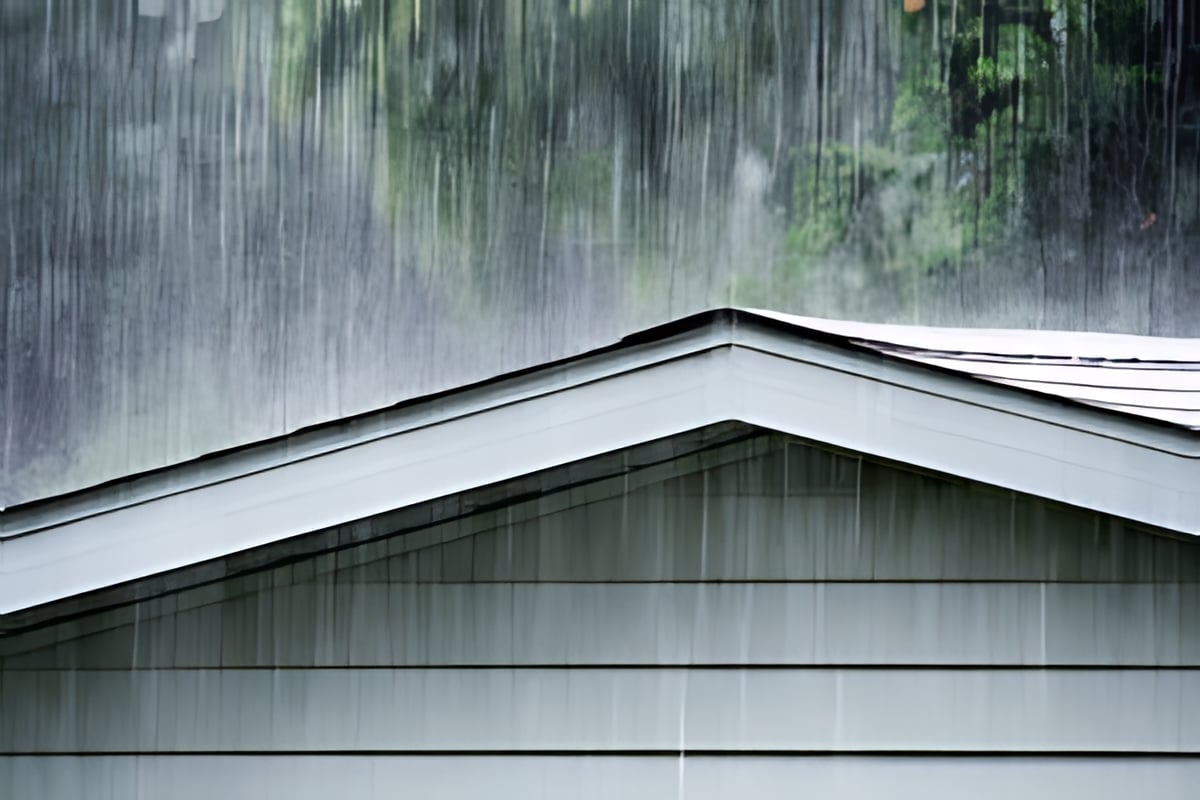
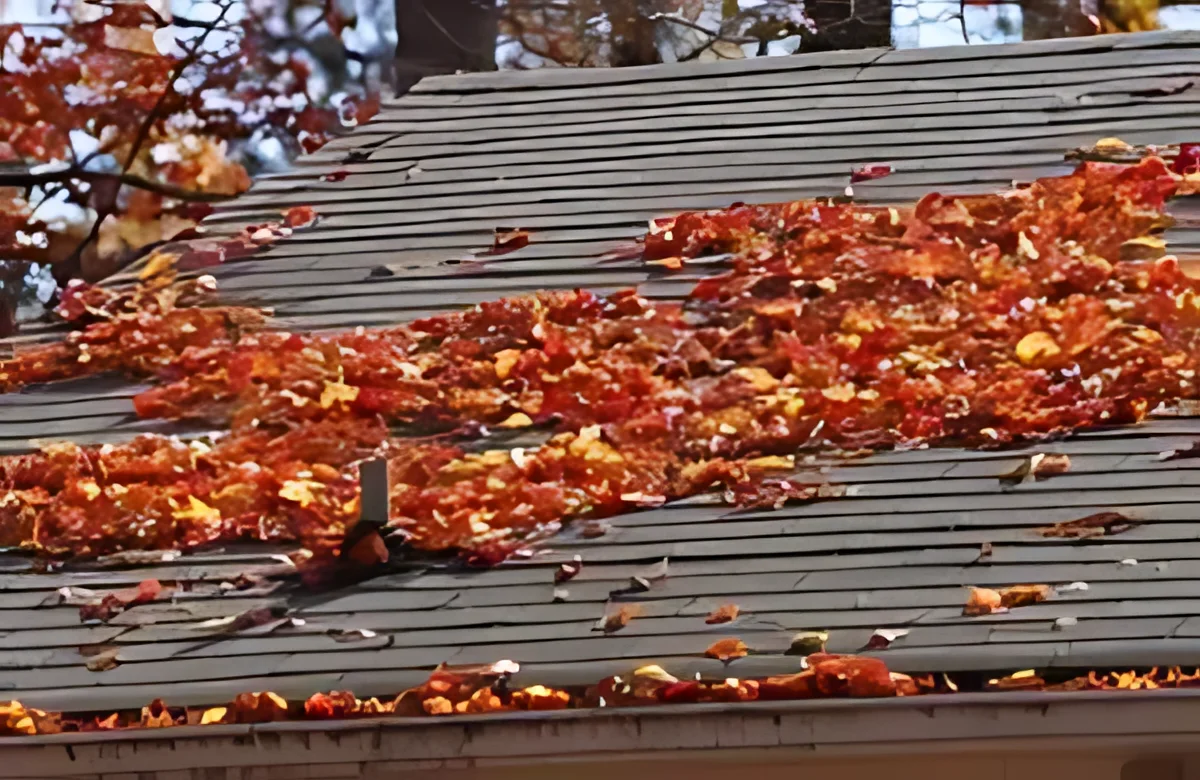
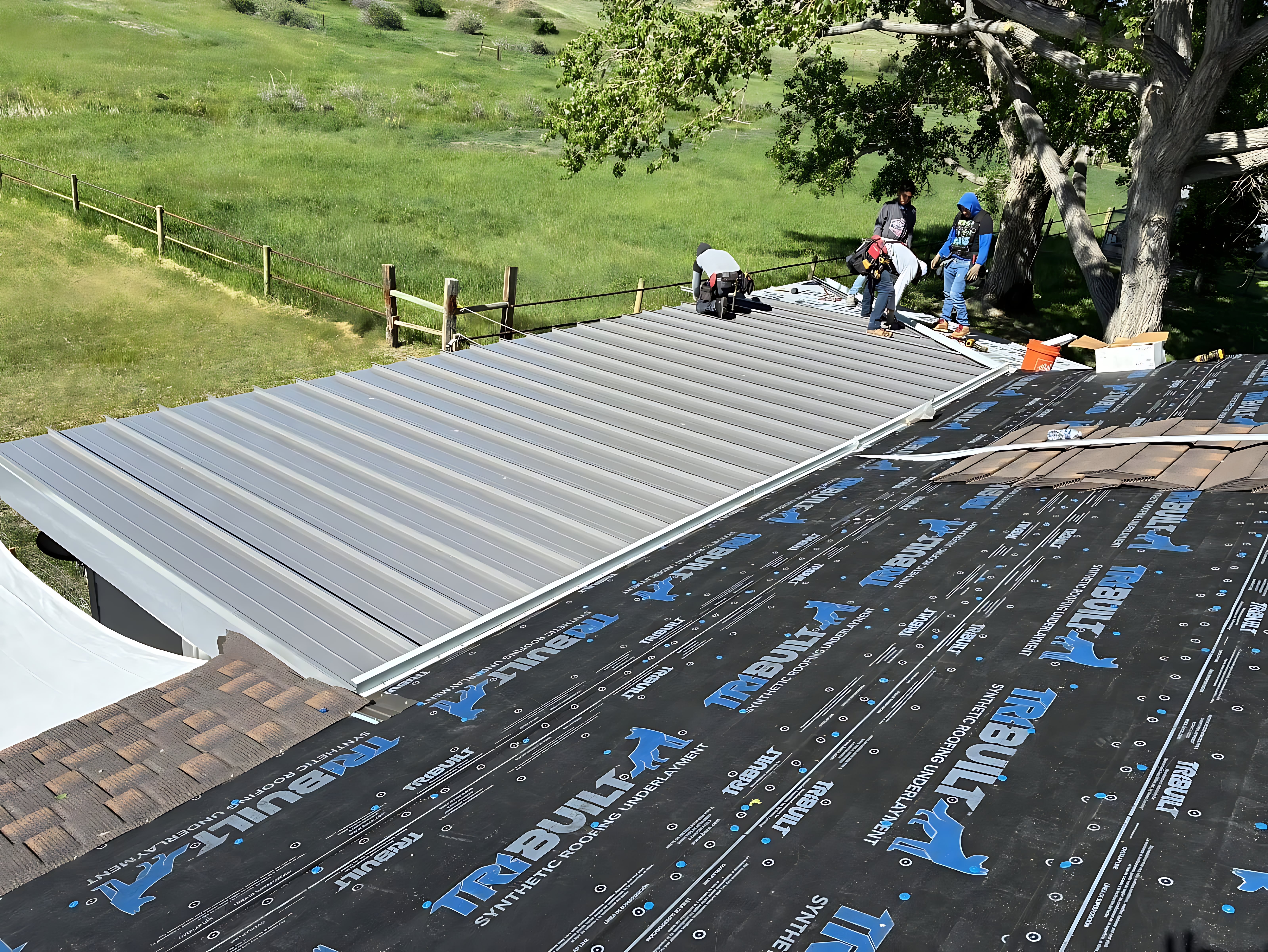
If you are searching for how to walk on a shingle roof without damaging it, there is one important place to start: sometimes the safest answer is not to walk on it at all. Asphalt shingle roofs are built to shed water and handle weather, not to serve as a convenient walking surface for casual maintenance. Foot traffic can loosen granules, crease tabs, break seal lines, and create damage that may not be obvious until wind or rain exposes the problem later.
That does not mean every step automatically ruins a roof. Roofers, inspectors, and installers walk shingle roofs all the time. The difference is that they know when conditions are safe, how the shingles are supported, where the roof is vulnerable, and when a roof is too steep, too hot, too cold, too brittle, or too wet to risk it. Homeowners usually get into trouble when they assume “being careful” is enough without understanding how asphalt shingles actually behave under foot.
This guide explains what causes foot-traffic damage on shingle roofs in 2026, when homeowners should stay off entirely, what conditions and body positioning reduce risk, and how to tell when the smarter move is hiring a roofer instead of testing your luck. If the goal is protecting both the roof and yourself, start with that mindset and work from there.
Replacement And Buying Paths
Buying guides and replacement articles should route readers into the service pages, pricing tools, and quote path that convert research into projects.
Next steps from this article should include roof replacement services, roof inspection services, shingle roofing services, metal roofing systems.
Request a roofing estimate
Turn buying research into a real estimate.
Request a roofing estimateThe First Rule: Know When Not to Walk the Roof
The biggest mistake homeowners make is assuming roof access is just a balance question. In reality, it is a safety and material-condition question at the same time. If the roof is steep, wet, frosty, dusty, covered in debris, visibly aging, or already damaged, walking it can be a bad idea even if you think you can keep your footing. The problem is not only falling. It is also breaking a shingle tab, crushing a brittle edge, or shifting material that was already close to failure.
Temperature matters more than many people realize. On very hot days, asphalt shingles soften and become easier to scuff, compress, or tear under twisting foot movement. On very cold days, they become more brittle and more likely to crack when flexed. Older roofs are even less forgiving because seal strips weaken over time and the shingle mat loses flexibility. A roof that “looked fine” from the ground may still be a poor candidate for foot traffic if the materials are dry, aged, or fragile.
Pitch matters too. Many homeowners underestimate how quickly a roof becomes unsafe as slope increases. Even if you are comfortable on a ladder, that does not mean you should be moving around on a 7/12 or 8/12 shingle roof. Add dust, pollen, or morning moisture and the risk jumps again. If you have any doubt about the roof’s condition, traction, or slope, the safer answer is to keep your weight off it and call a professional instead.
That is the real starting point for preventing roof damage: avoid walking on a shingle roof when the conditions make damage or injury likely before your first step even lands.
- Do not walk a shingle roof when it is wet, frosty, debris-covered, or visibly damaged.
- Hot shingles are easier to scuff and tear, while cold shingles are easier to crack.
- Older roofs are less forgiving because seal strips and shingle mats become more fragile over time.
- Steeper roofs increase both slip risk and the chance of abrupt, damaging weight shifts.
- If the roof feels questionable from the ladder, it is usually smarter not to step onto it.

Why Shingle Roofs Get Damaged by Foot Traffic
Asphalt shingles are layered products with granules on the surface, asphalt beneath, and a reinforcing mat that gives the shingle structure. They are durable in the way roofing materials are supposed to be durable, but they are still vulnerable to concentrated force in the wrong place or under the wrong conditions. A careless step can scrape off granules, bend a tab beyond its tolerance, weaken the bond where the shingles seal together, or create a crease that later becomes a wind-failure point.
One reason foot traffic causes trouble is that not every part of a shingle is equally supported. Unsupported edges, tab cutouts, transitions, ridge areas, and roof details all behave differently under weight. If your foot lands where the shingle flexes instead of where the layered assembly is better backed up, the material takes more stress than it was designed to absorb. That is especially true near older repairs, roof penetrations, valleys, and eaves where water movement and thermal cycling already put extra demand on the system.
Twisting is often worse than stepping. A soft-soled shoe placed carefully can still damage shingles if the person pivots sharply, drags grit across the surface, or shifts weight suddenly to catch balance. That grinding motion can strip granules and scar the surface. Homeowners usually notice obvious cracked shingles. They rarely notice the subtle scuffing and seal disruption that shows up months later when wind starts lifting tabs more easily than it should.
Understanding this helps explain why roofers move in a controlled way and why random, unplanned roof traffic is a bigger problem than people expect.
- Foot traffic can remove granules, break seal lines, and crease shingle tabs.
- Some parts of a shingle roof are better supported than others, which affects damage risk.
- Twisting and dragging your feet often damage shingles more than a careful planted step.
- Older repairs, penetrations, ridges, valleys, and eaves are especially vulnerable areas.
- Many foot-traffic problems do not look serious until wind and weather expose them later.
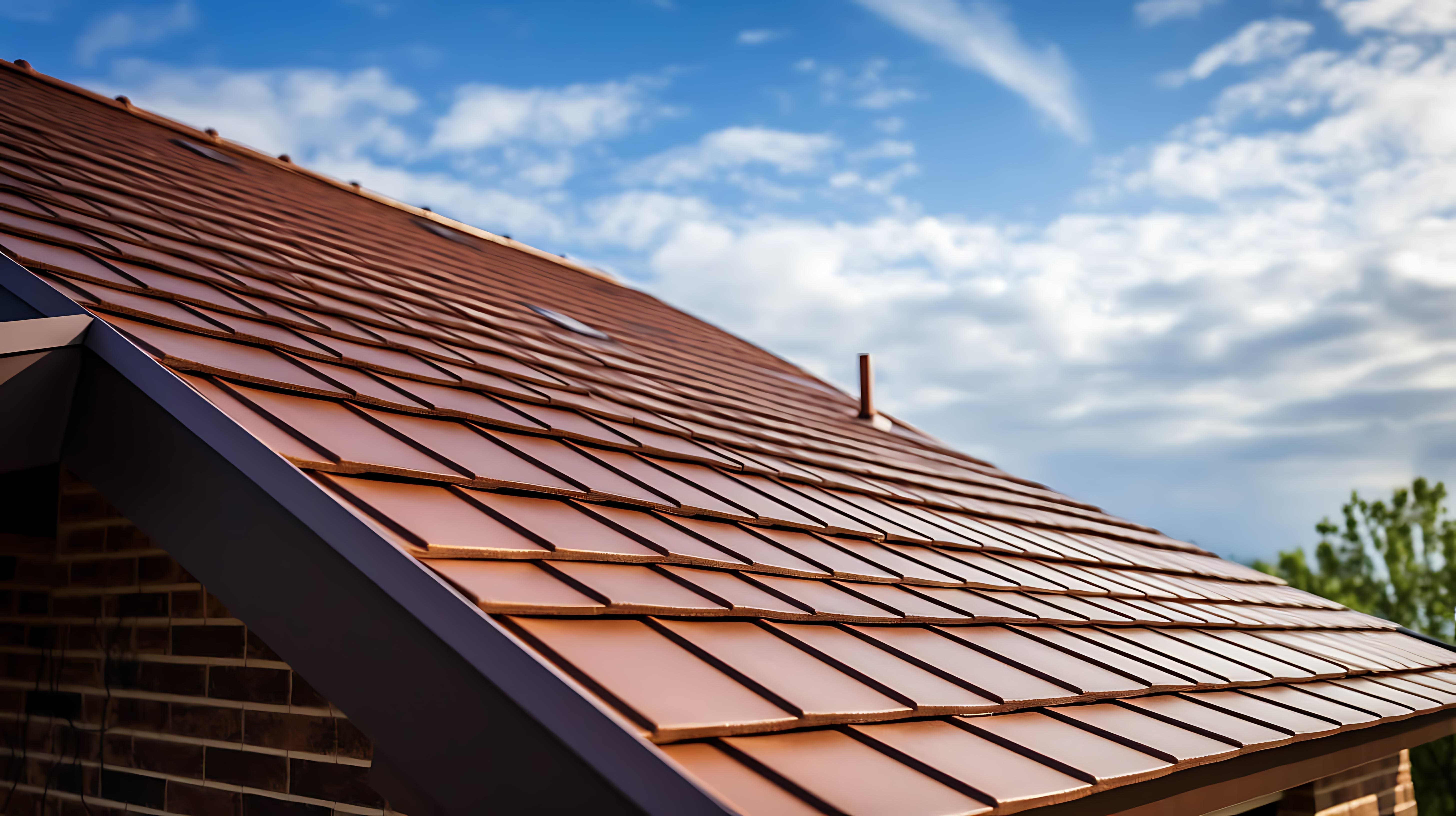
If You Must Walk It, Timing and Conditions Matter
If the roof absolutely must be accessed, choose the conditions as carefully as the route. A dry day with mild temperatures is usually the least risky window for asphalt shingles. You want the surface dry enough for traction, cool enough that the shingles are not soft, and warm enough that the material is not brittle. Mid-morning or late afternoon is often better than peak heat, though the right window depends on season, roof color, and sun exposure.
Preparation matters too. Clean the bottoms of your shoes so grit is not ground into the shingles. Use soft-soled footwear with traction rather than hard, aggressive soles that can dig into the surface. Make sure the ladder is set properly and extends safely above the eave so you are not making a risky transition at the edge. If you need tools, carry only what you can manage without compromising balance. Overloaded hands turn careful movement into hurried movement fast.
Before stepping out, take a moment to study the roof layout. Identify valleys, skylights, vents, satellite mounts, low-slope transitions, brittle areas, and the route back to the ladder. Roof damage often happens when people improvise once they are already on the surface. A planned path is gentler on the roof and much safer for the person moving across it.
In other words, the best time to walk a shingle roof is not when it becomes convenient. It is when the conditions are controlled enough that you are not forcing either your balance or the shingles to do something they should not do.
- Choose a dry, moderate-temperature window instead of hot midday or brittle cold conditions.
- Wear clean, soft-soled shoes with traction rather than heavy or abrasive footwear.
- Set the ladder correctly so roof entry and exit are stable and controlled.
- Plan your route before stepping onto the roof to avoid improvising around vulnerable details.
- Carry only what you can manage without sacrificing balance or careful movement.
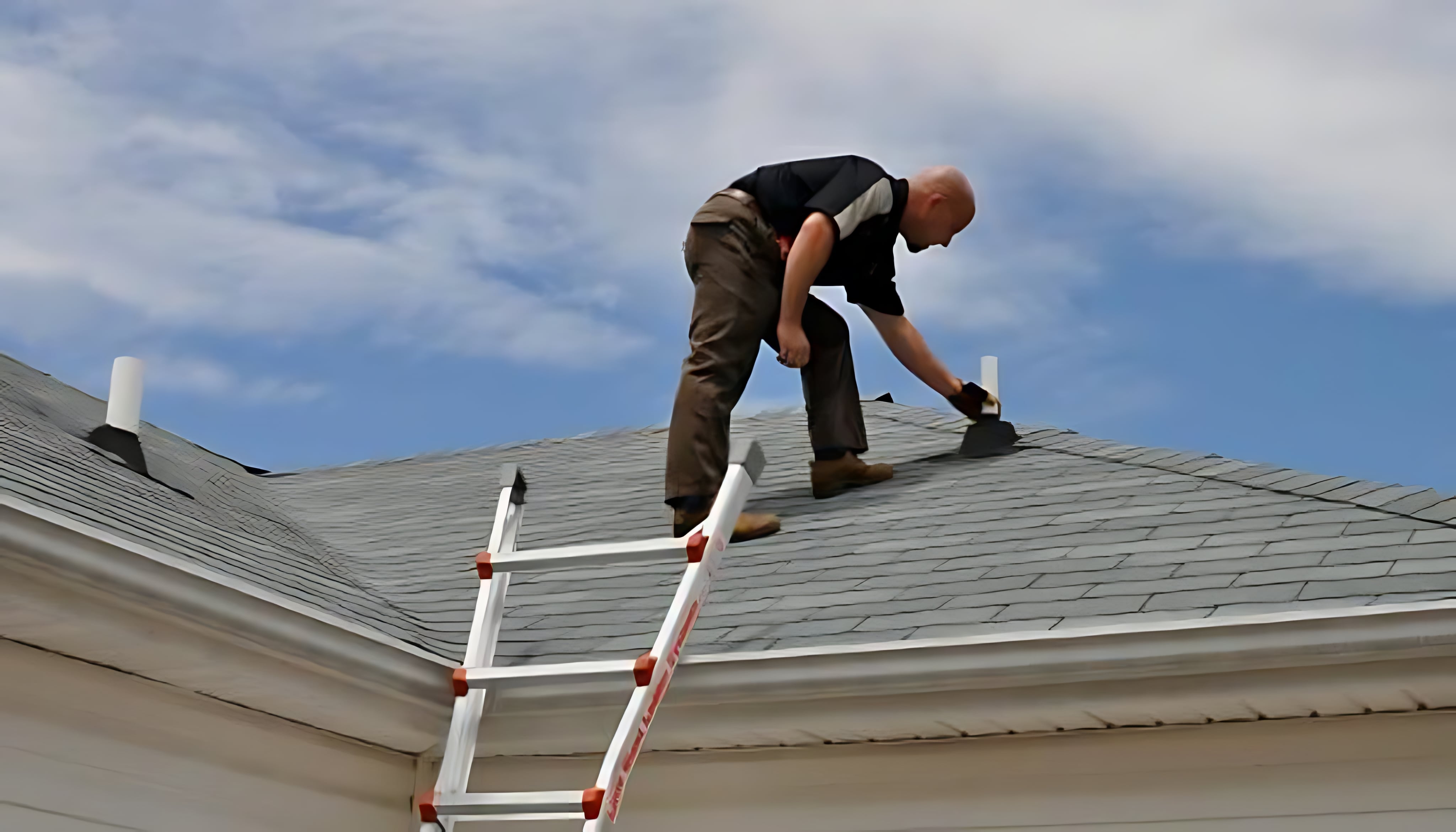
How to Place Your Weight Without Beating Up the Shingles
When moving on asphalt shingles, the goal is to keep weight controlled and distributed rather than sharp, sudden, or concentrated at unsupported edges.
Step gently and deliberately.
Keep your feet flat as much as possible, avoid stomping, and do not pivot hard on one planted foot.
Short, balanced steps are usually safer for both traction and material protection than long reaches that force you to twist or overcorrect.
It also helps to stay aware of where the shingle assembly is better supported.
The lower portion of the shingle course where layers overlap is generally more stable than exposed tab corners or edges. Even then, the exact support can vary with roof age, product type, installation quality, and deck condition, which is why experience matters. The practical homeowner version is simpler: avoid edges, cutouts, ridges, brittle tabs, and roof details unless absolutely necessary, and keep your center of gravity low and steady.
If the roof has a slope that makes you tense, that tension alone is a warning sign. People who feel unstable tend to make fast corrections, grab at whatever is nearby, or twist their shoes abruptly to recover balance. That is when both roof damage and falls happen. It is better to back off early than to keep moving once you are uncomfortable. No gutter check or quick photo is worth turning a manageable task into a repair bill or emergency-room trip.
Careful foot placement is not about moving like a stunt performer. It is about staying controlled enough that neither the shingles nor your body take a sudden shock load.
- Use short, deliberate steps and avoid stomping or sudden weight shifts.
- Do not pivot sharply on one foot or drag grit across the shingle surface.
- Stay off unsupported edges, tab corners, ridges, and delicate roof details when possible.
- Keep your center of gravity low and controlled instead of overreaching.
- If the slope makes you tense or unstable, treat that as a stop signal rather than pushing through it.

The Areas Most Likely to Get Damaged
Not every part of a shingle roof tolerates traffic the same way. Valleys collect water and debris, making them risky both for slipping and for grinding abrasive material into the shingle surface. Ridge caps can be more fragile than field shingles, especially on older roofs or during colder weather. Pipe boots, flashing transitions, skylights, satellite mounts, and other penetrations create awkward body positioning that often leads to poor steps and accidental damage.
Eaves and edges deserve special caution too. People often feel “closer to the ladder” and therefore safer near the edge, but those are exactly the areas where a misstep can crush shingle edges, damage drip-edge transitions, or shift balance in a dangerous direction. On roofs with existing repairs, patched areas may not react the same way as the surrounding field. A homeowner stepping on a previously repaired section can reopen a weak detail without realizing it.
Old, brittle roof zones are another common problem. South- and west-facing slopes often age faster because of sun exposure, and roofs near trees may have hidden moisture, algae, or debris issues that change traction and material condition. If the roof has any history of hail, wind, patching, or prior leakage, assume there may be more fragile zones than you can identify from a standing position.
The safest approach is to treat the roof as a surface with weak points, not as one uniform walking plane. That mindset alone prevents a lot of avoidable damage.
- Valleys, ridge caps, penetrations, and patched areas are especially vulnerable to foot-traffic damage.
- Edges and eaves are risky for both balance and shingle-edge integrity.
- Sun-exposed slopes often age faster and may be more brittle than shaded areas.
- Previously repaired sections may not tolerate weight the same way as the surrounding roof field.
- Assume vulnerable zones exist even when they are not obvious from the ladder.
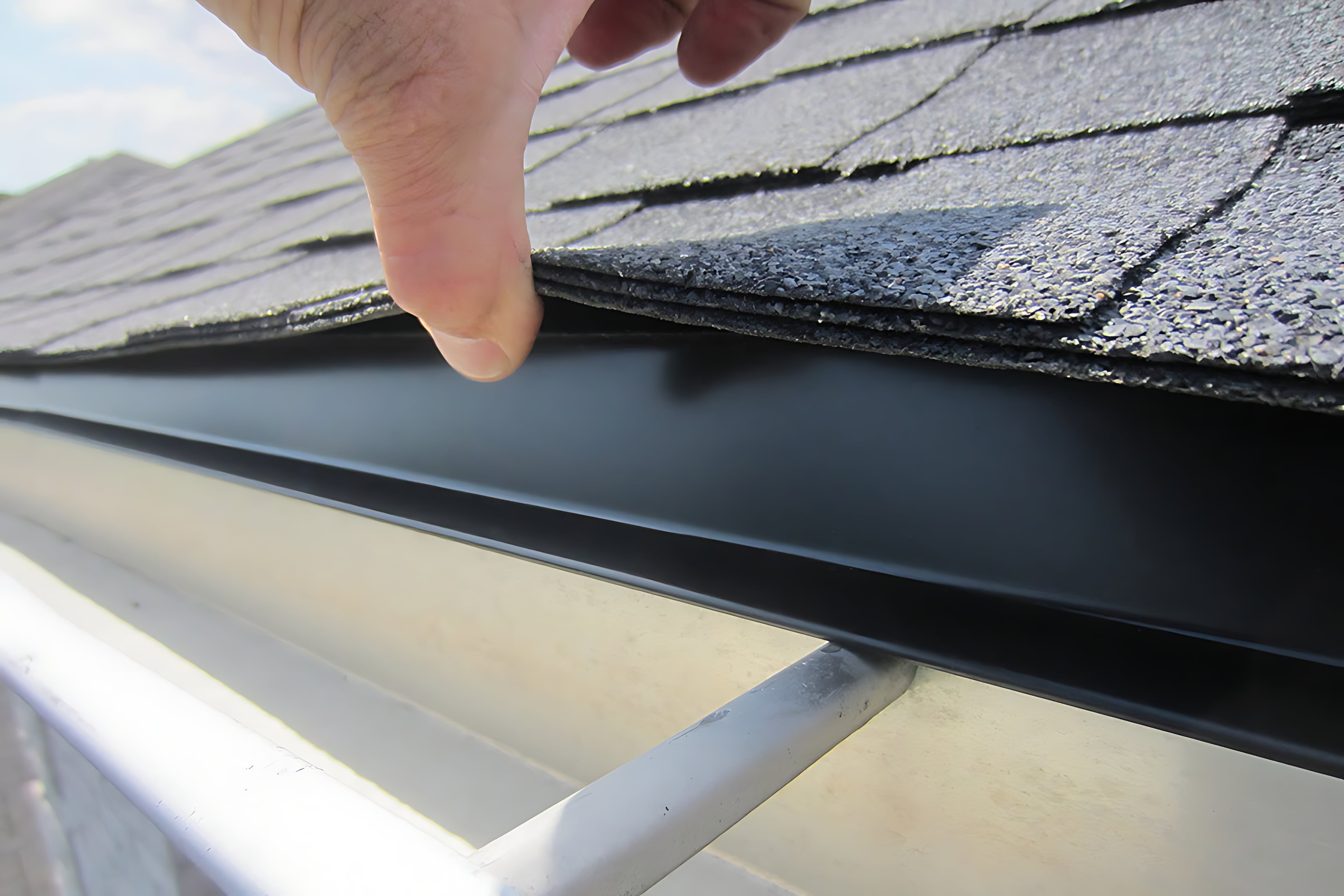
When Calling a Roofer Is the Better Decision
Many homeowners search this topic because they want to check something simple: a vent, a gutter, a branch impact area, or a suspicious spot after a storm. In a lot of those cases, the cheapest long-term move is still calling a roofer. A professional can access the roof more safely, document what is there, and avoid turning a small concern into a larger leak path through accidental foot-traffic damage. That is especially true on older roofs, steep roofs, roofs above one story, and roofs with known storm exposure.
There is also a planning advantage. A roofer does not just walk the roof differently. A roofer usually knows what to look for once they are up there. If you step on the roof yourself and see “something weird,” you may still not know whether it is normal wear, functional damage, or just a cosmetic mark. A proper inspection can answer the question and create photos you can actually use for maintenance, insurance, or repair planning if needed.
Homeowners sometimes frame the decision as “free if I do it myself, expensive if I call someone.” That is only true if your own roof access carries zero risk to the shingles and zero risk to you, which is rarely the case. One cracked tab or one slip changes that math instantly. Professional roof access is not always necessary, but it is often the smarter trade when the roof is anything less than easy and forgiving.
That is why the best answer to how to walk on a shingle roof without damaging it is often this: know when your goal can be solved better by someone who belongs on the roof in the first place.
- Older, steeper, taller, and storm-exposed roofs are strong candidates for professional access instead of DIY.
- A roofer can usually inspect, photograph, and diagnose the issue more efficiently once on the roof.
- One accidental cracked shingle can erase the savings of trying to check the roof yourself.
- Professional access is especially valuable when you are unsure what you are looking for once you get up there.
- The smartest roof-protection move is often deciding not to create unnecessary foot traffic at all.
Wrapping it up
How to walk on a shingle roof without damaging it starts with recognizing that damage prevention and personal safety are the same decision more often than homeowners think. If the roof is steep, aged, wet, brittle, hot, or simply uncertain, staying off it is usually the smartest call. When access is truly necessary, controlled timing, soft-soled footwear, careful weight placement, and respect for vulnerable roof areas all reduce the odds of creating damage.
But the bigger lesson is that asphalt shingles are not casual foot-traffic surfaces. Treat them like roofing material first, walking surface second, and you will make better decisions about when to climb up, when to back off, and when to let a roofer handle the job instead.
Questions this guide answers
Quick answers tied to how to walk on shingle roof without damaging it.
Utah Roof Repair Hub
Compare repair costs, local pros, and professional guidance to ensure your Utah roof is restored correctly and efficiently.
Core Repair Pages
Priority Local Pages
Utah Roof Inspection Hub
Get a comprehensive photo-audit and forensic roof assessment. We provide the documentation you need for insurance, real estate, or peace of mind.