Metal Roofing
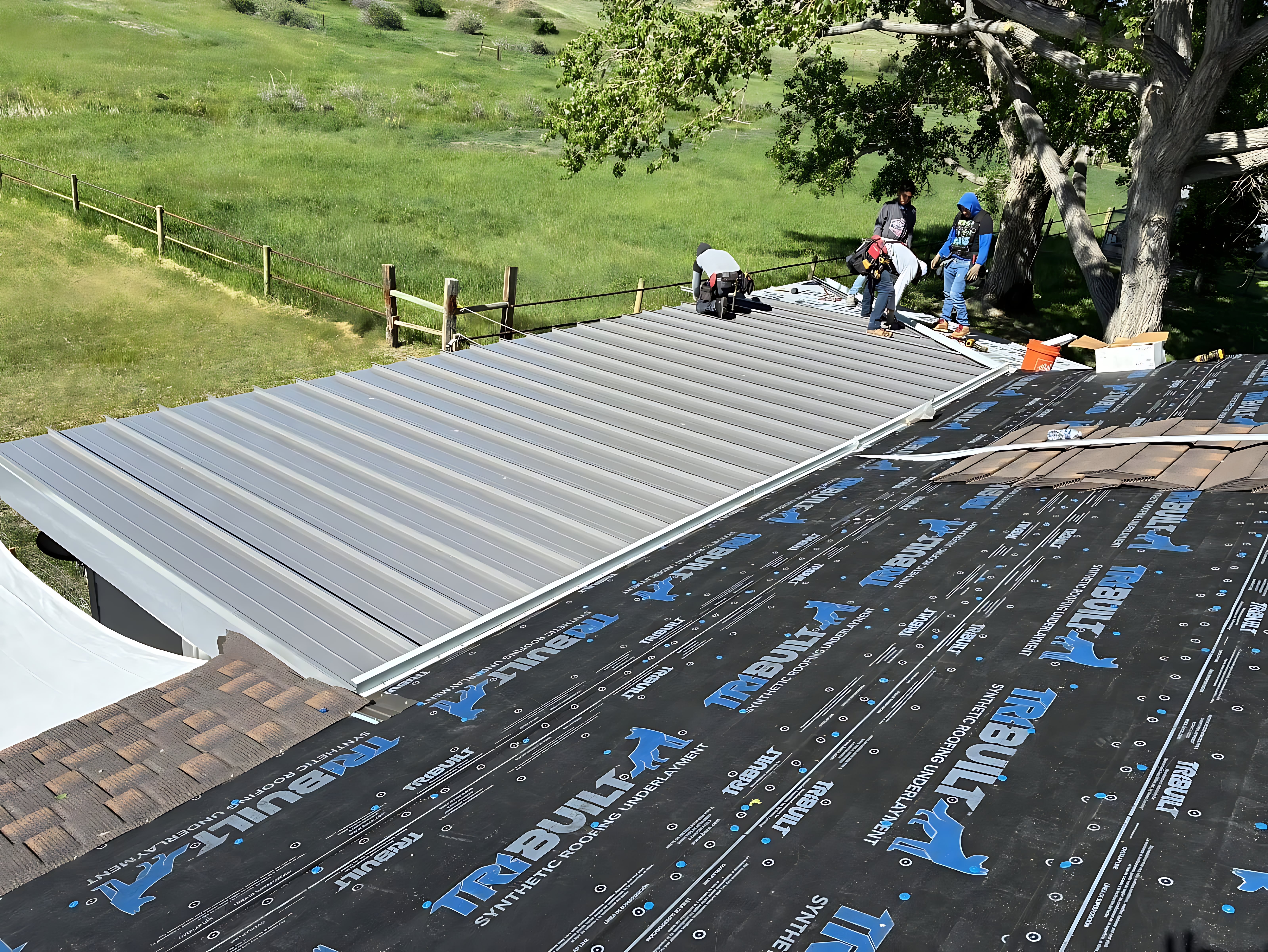
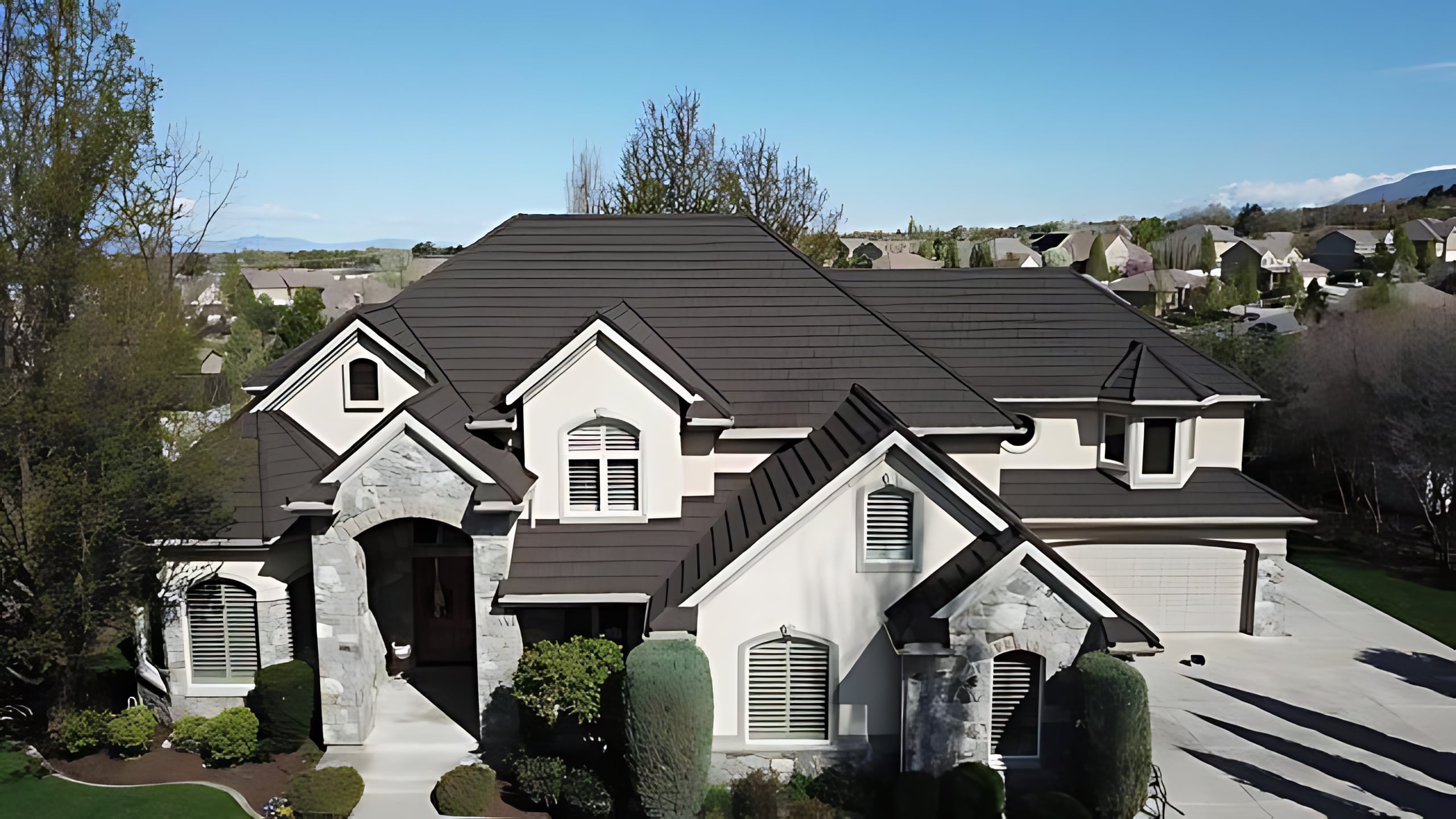
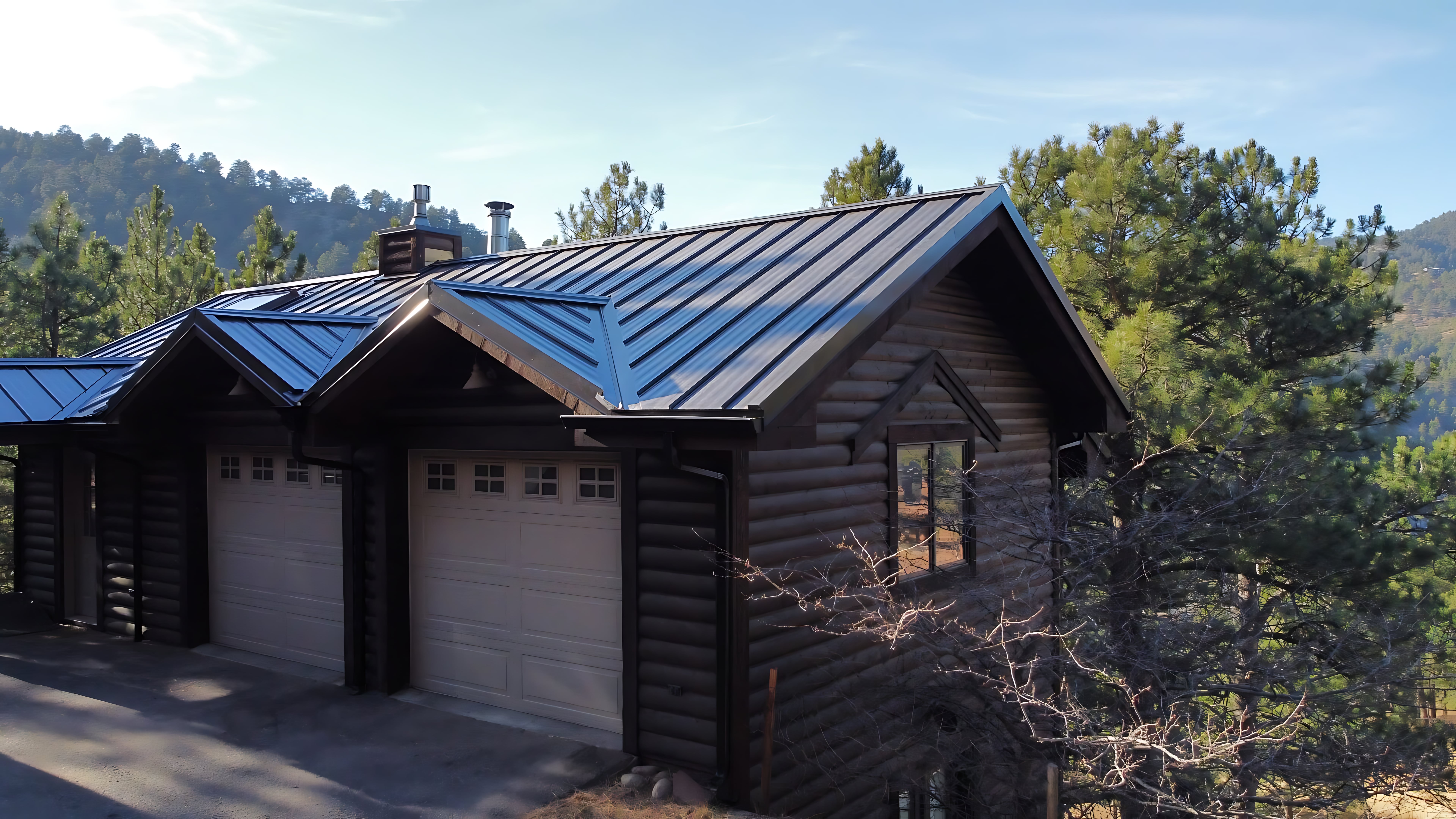
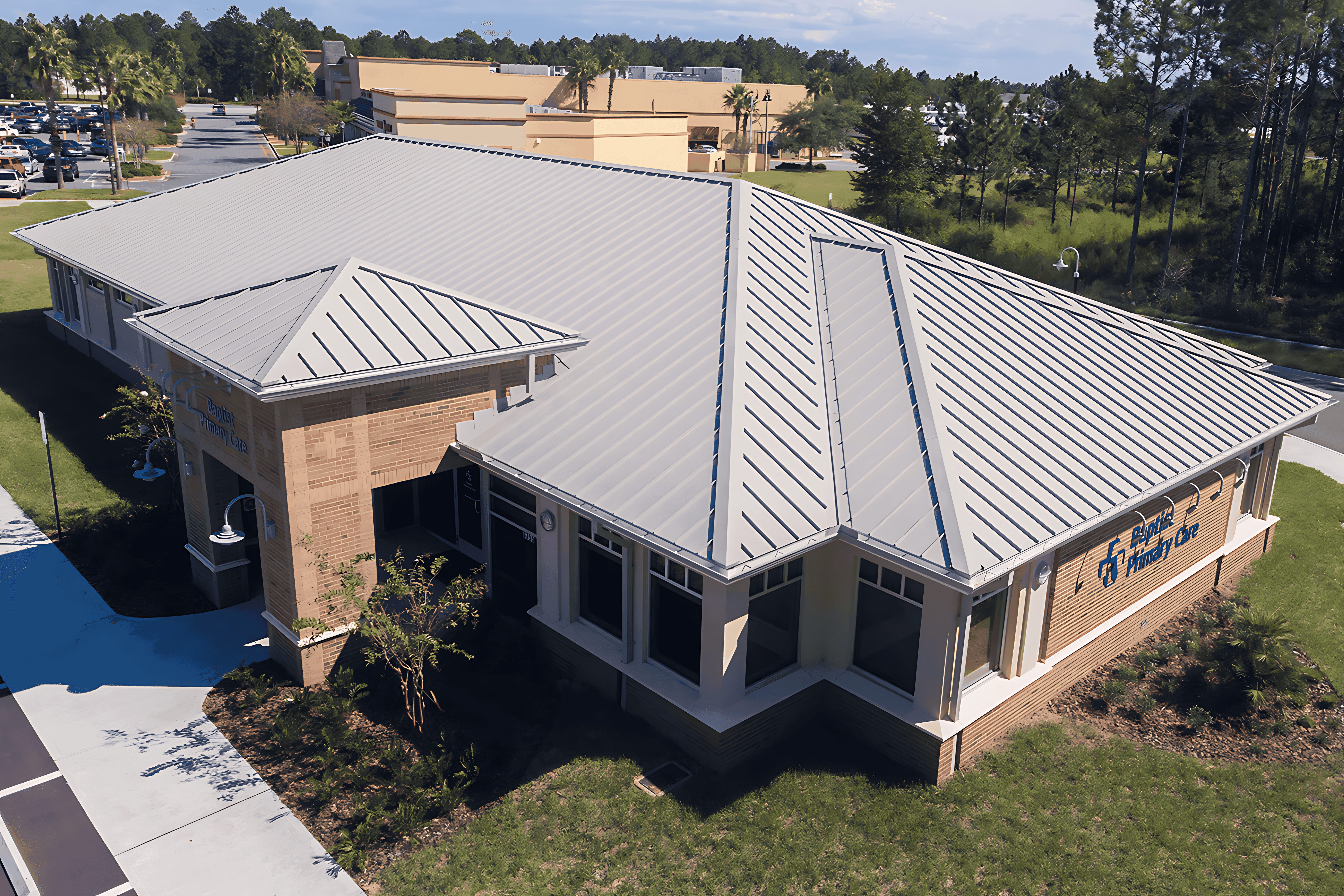
Metal roofing is a top choice for Utah homeowners who want long service life, strong snow shedding, and modern curb appeal.
Best for
- Mountain and high-snow areas
- Homeowners who want a long-lasting roof system
- Modern and custom homes (standing seam)
Pros
- Long lifespan when installed correctly
- Excellent snow shedding and wind performance
- Low maintenance compared to many systems
Watch out for
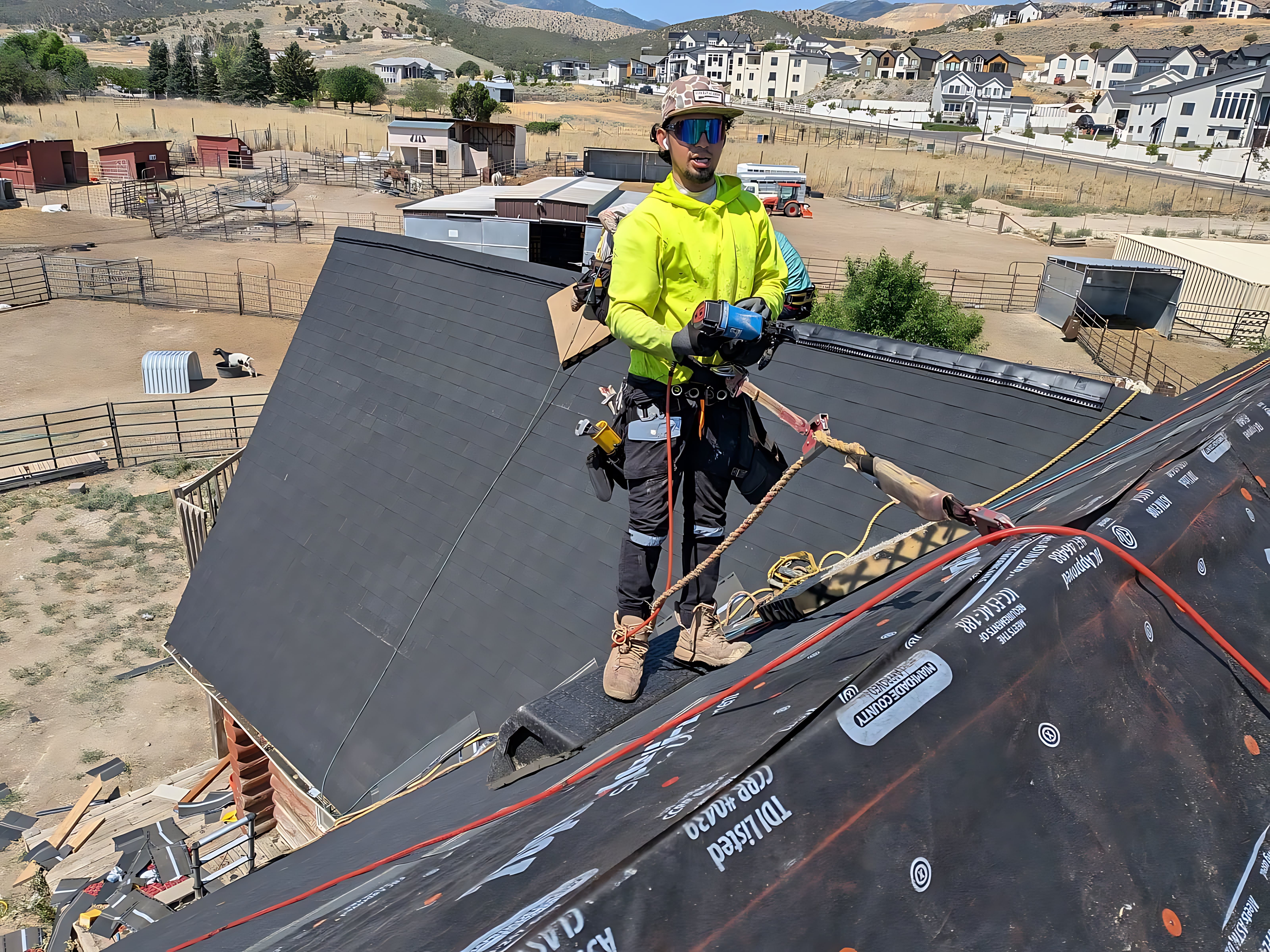
- Details matter: flashing, penetrations, and fasteners must be done right
- Noise perception (usually not an issue with proper decking/insulation)
- Upfront cost can be higher than shingles
Utah notes
- Metal systems can be a great fit for Utah’s snow loads and summer heat—especially with proper insulation and ventilation.
Common questions
Is metal roofing good for snow in Utah?
Yes. Metal roofs often shed snow efficiently, but snow retention may be recommended in certain situations to control sliding snow.
Do metal roofs rust?
Quality metal roofing materials are coated to resist corrosion. Proper installation and material selection are key.
How to compare this roof type
When homeowners compare roofing materials, the best question is usually not “which roof is best overall?” It is “which roof type makes the most sense for this structure, this climate exposure, and this budget horizon?” That is why these roofing-type pages focus on tradeoffs instead of pretending every material works equally well in every Utah situation.
Use the notes above to compare service life, maintenance expectations, structural demands, and the amount of detail work needed around penetrations, flashing, and ventilation. Those are the variables that usually decide whether a system performs well after install, not just how it looks on day one.