
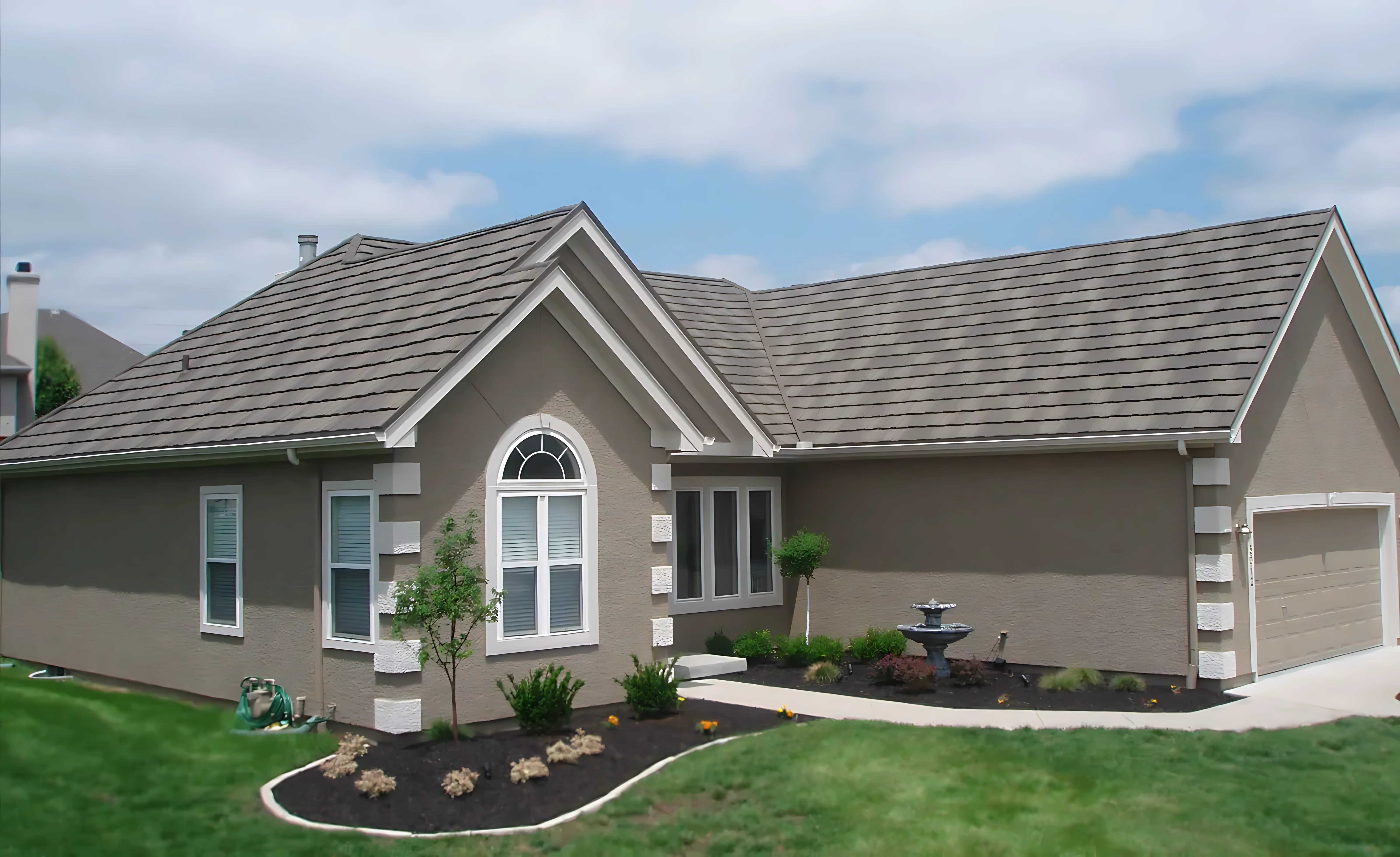
Architectural Shingles
Architectural (laminated) shingles offer a thicker profile, better dimensional look, and typically stronger wind ratings than basic shingles.
Best for
- Homeowners who want a premium look without jumping to metal or tile
- Better wind performance in exposed areas
- Longer-term ownership and resale value
Pros
- Improved durability and wind performance vs. entry-level shingles
- More dimensional appearance
- Wide range of colors and brands
Watch out for
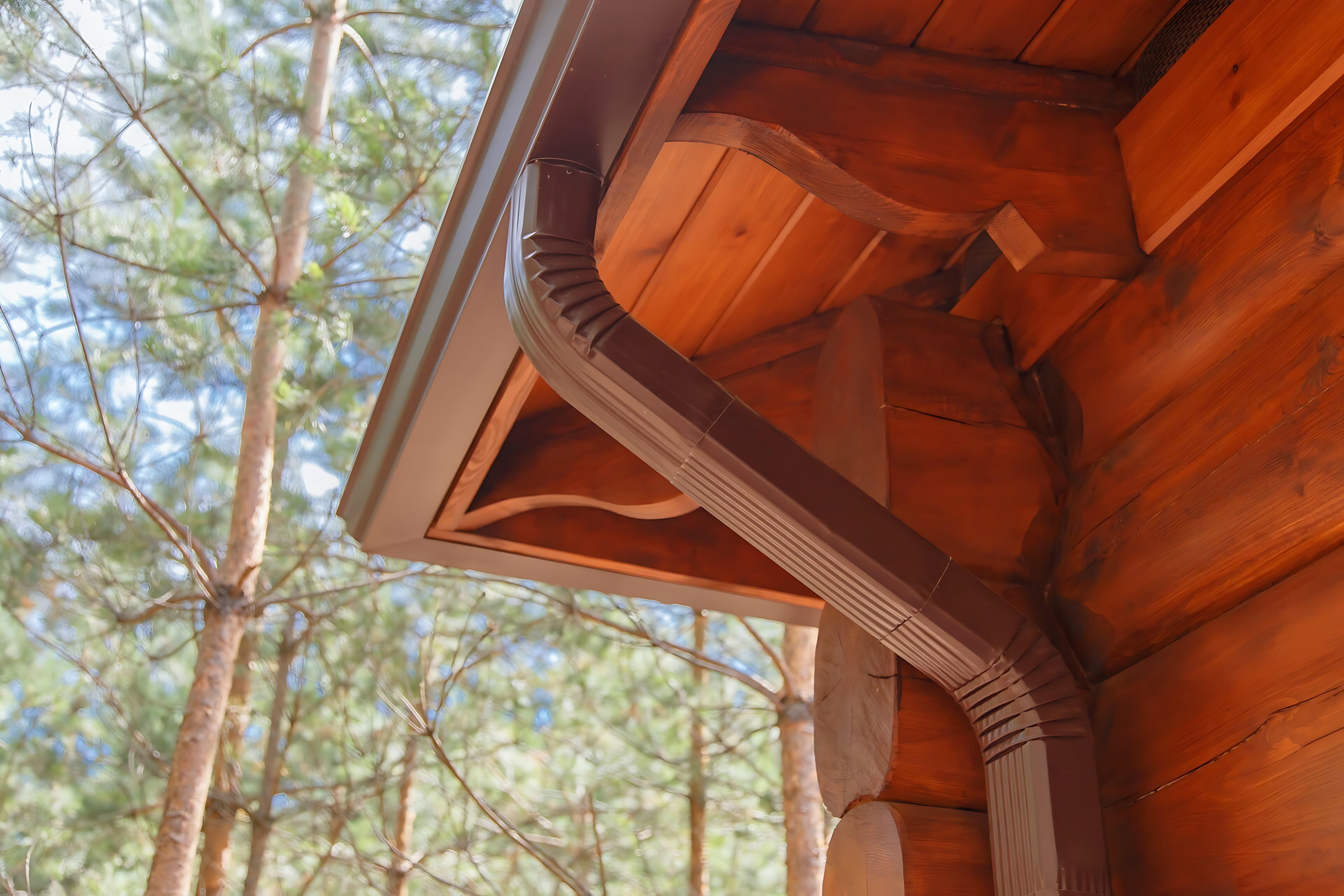
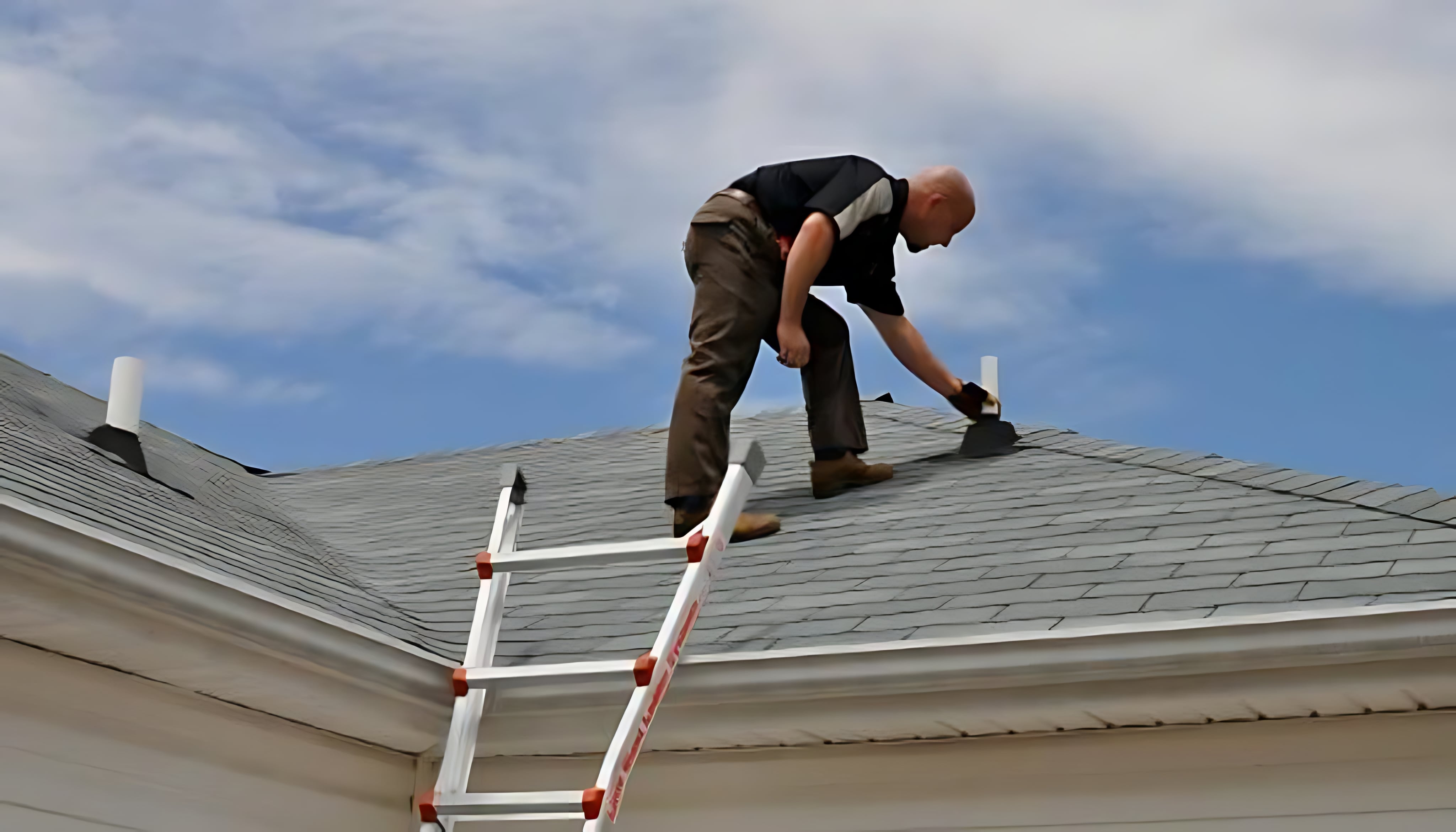
- Still needs correct ventilation and flashing details
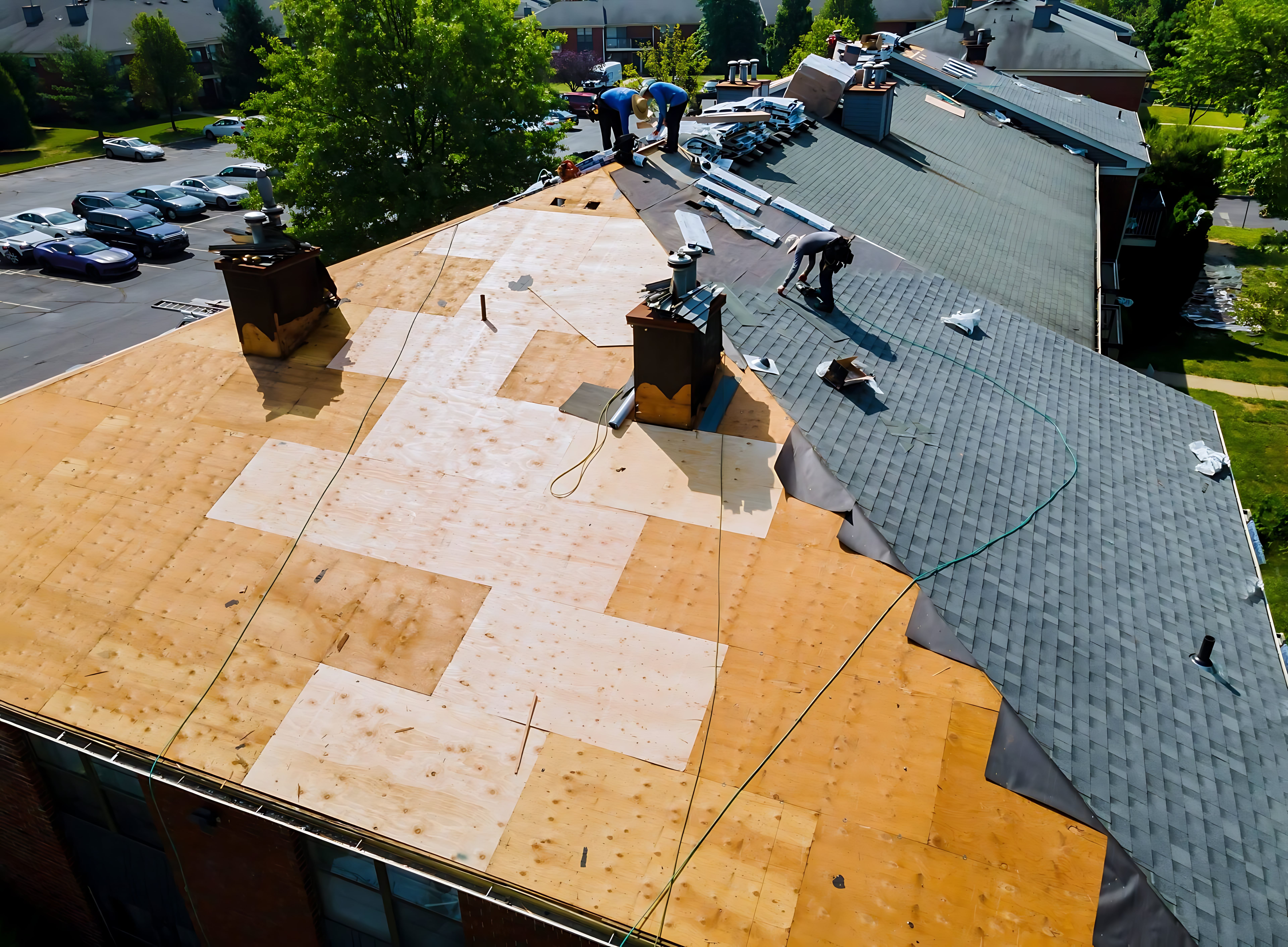
- Upgrades like ice & water shield and high-quality underlayment matter
Utah notes
- Architectural shingles pair well with Utah’s temperature swings when the roof system is properly ventilated and sealed.
Common questions
Are architectural shingles worth it?
In many Utah neighborhoods, yes. They often last longer than basic shingles and can improve curb appeal without a huge jump in cost.
Do architectural shingles work for steep roofs?
Yes. They’re commonly installed on both moderate and steep slopes when installed to manufacturer specs.
How to compare this roof type
When homeowners compare roofing materials, the best question is usually not “which roof is best overall?” It is “which roof type makes the most sense for this structure, this climate exposure, and this budget horizon?” That is why these roofing-type pages focus on tradeoffs instead of pretending every material works equally well in every Utah situation.
Use the notes above to compare service life, maintenance expectations, structural demands, and the amount of detail work needed around penetrations, flashing, and ventilation. Those are the variables that usually decide whether a system performs well after install, not just how it looks on day one.