
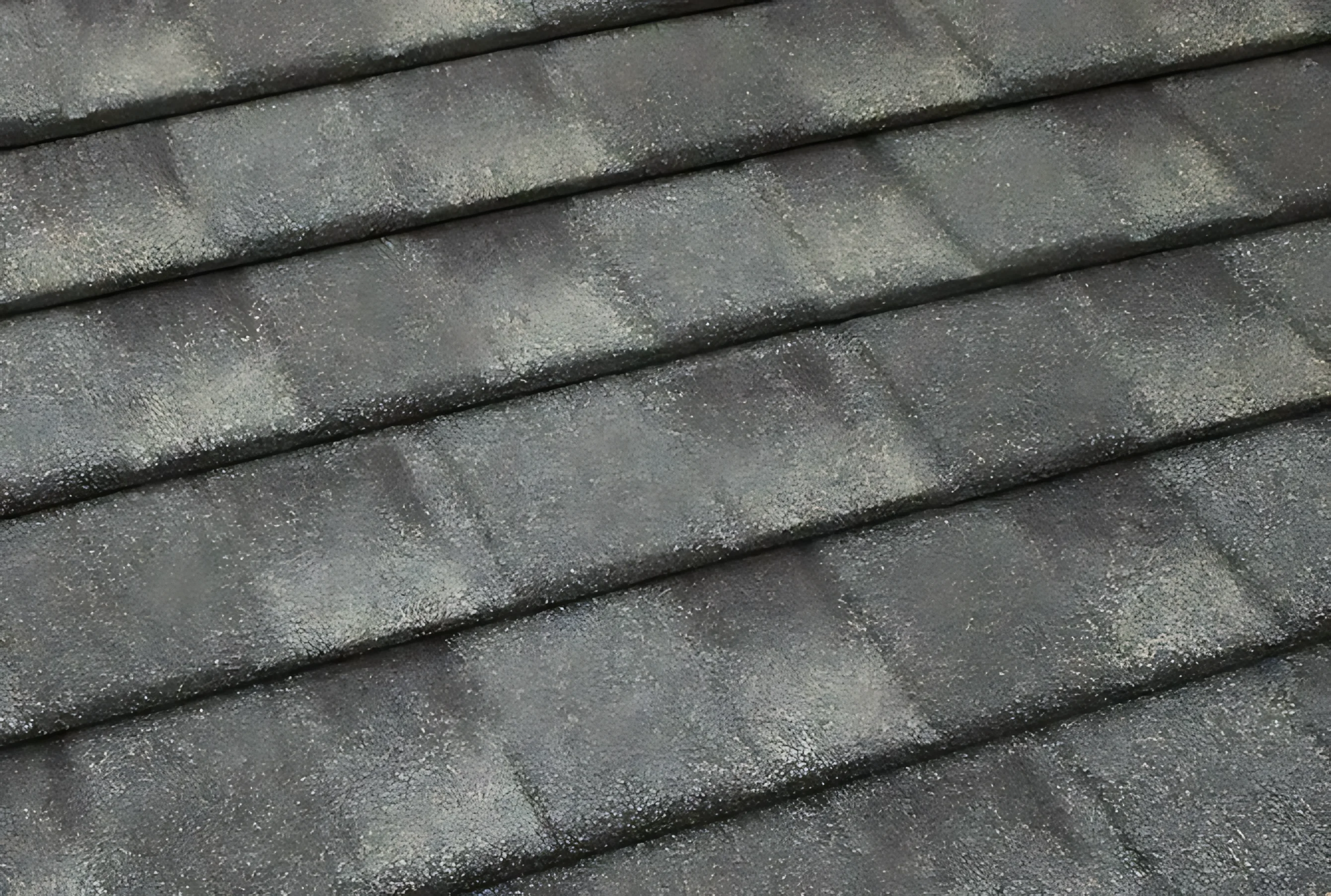
Asphalt Shingle Roofing
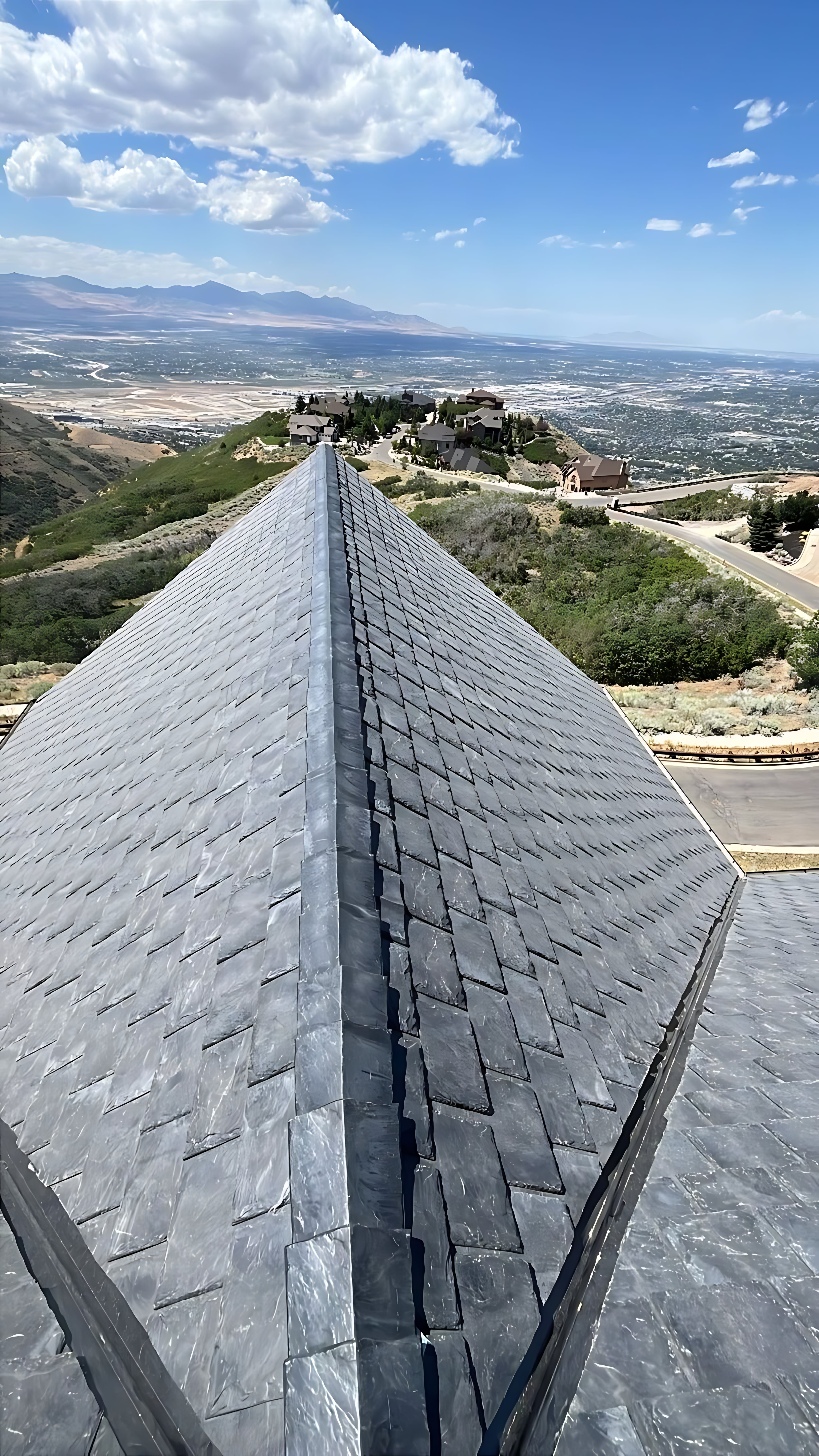
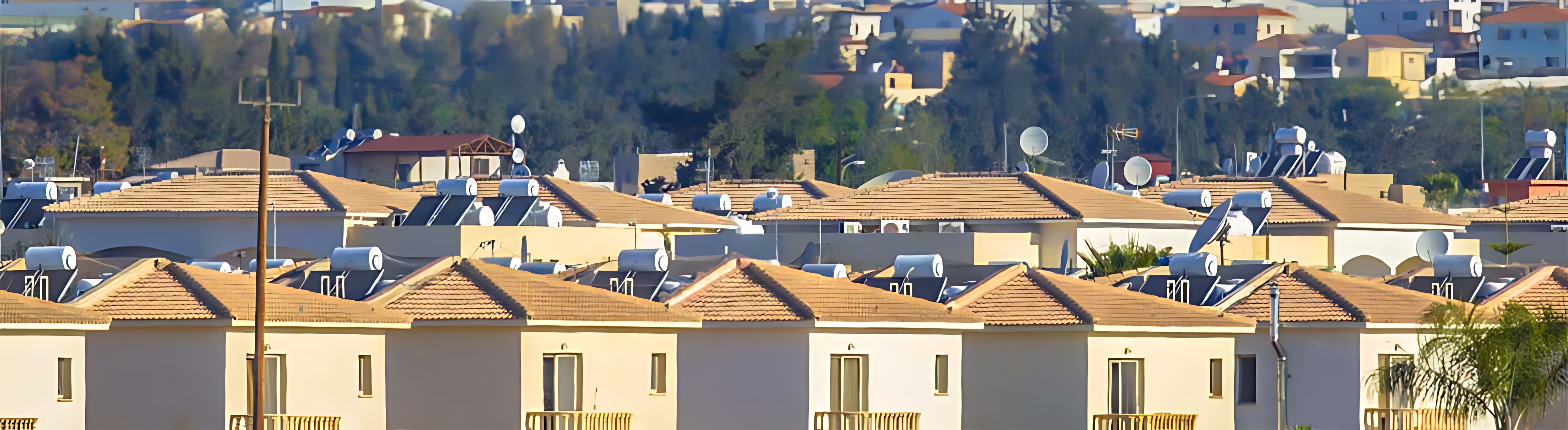
Asphalt shingles are the most common roof type in Utah for a reason: strong value, fast installation, and a wide range of colors and profiles.
Best for
- Most Utah homes looking for the best value per square
- Quick replacements and straightforward repairs
- Homeowners who want lots of style/color options
Pros
- Cost-effective and widely available
- Many wind- and impact-rated options
- Easy to repair and maintain
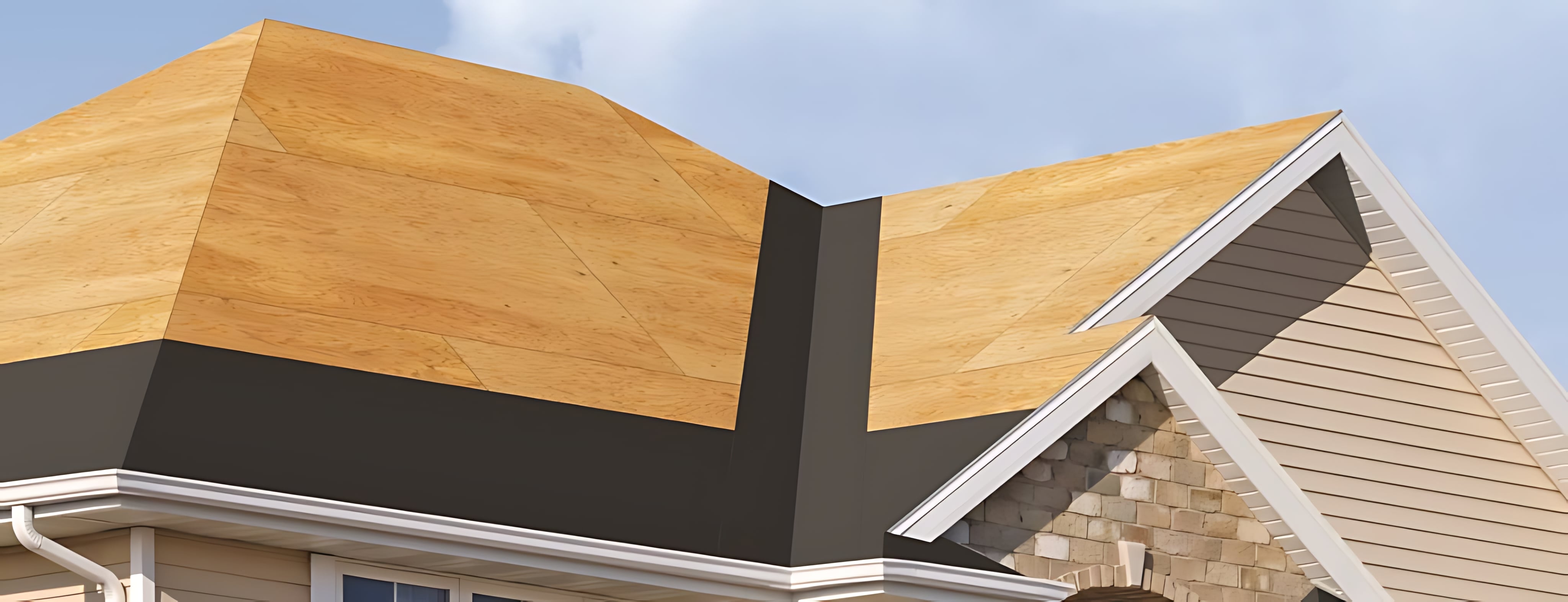
- Works well with proper ventilation and underlayment
Watch out for
- Cheaper 3-tab shingles have shorter lifespans
- Poor ventilation can shorten shingle life
- Storm damage can require spot repairs or full replacement
Utah notes
- Freeze/thaw cycles and UV exposure make good attic ventilation and quality underlayment especially important in Utah.
- If hail is common in your area, consider impact-resistant shingles (Class 4).
Common questions
How long do asphalt shingles last in Utah?
Many architectural asphalt shingles last 20–30+ years in Utah when installed correctly with proper ventilation and routine maintenance.
Can you repair a few shingles instead of replacing the whole roof?
Often yes—if the roof system is otherwise healthy and matching materials are available. If damage is widespread or the roof is near end-of-life, replacement may be more cost-effective.
How to compare this roof type
When homeowners compare roofing materials, the best question is usually not “which roof is best overall?” It is “which roof type makes the most sense for this structure, this climate exposure, and this budget horizon?” That is why these roofing-type pages focus on tradeoffs instead of pretending every material works equally well in every Utah situation.
Use the notes above to compare service life, maintenance expectations, structural demands, and the amount of detail work needed around penetrations, flashing, and ventilation. Those are the variables that usually decide whether a system performs well after install, not just how it looks on day one.