Wood Shake & Shingle Roofing
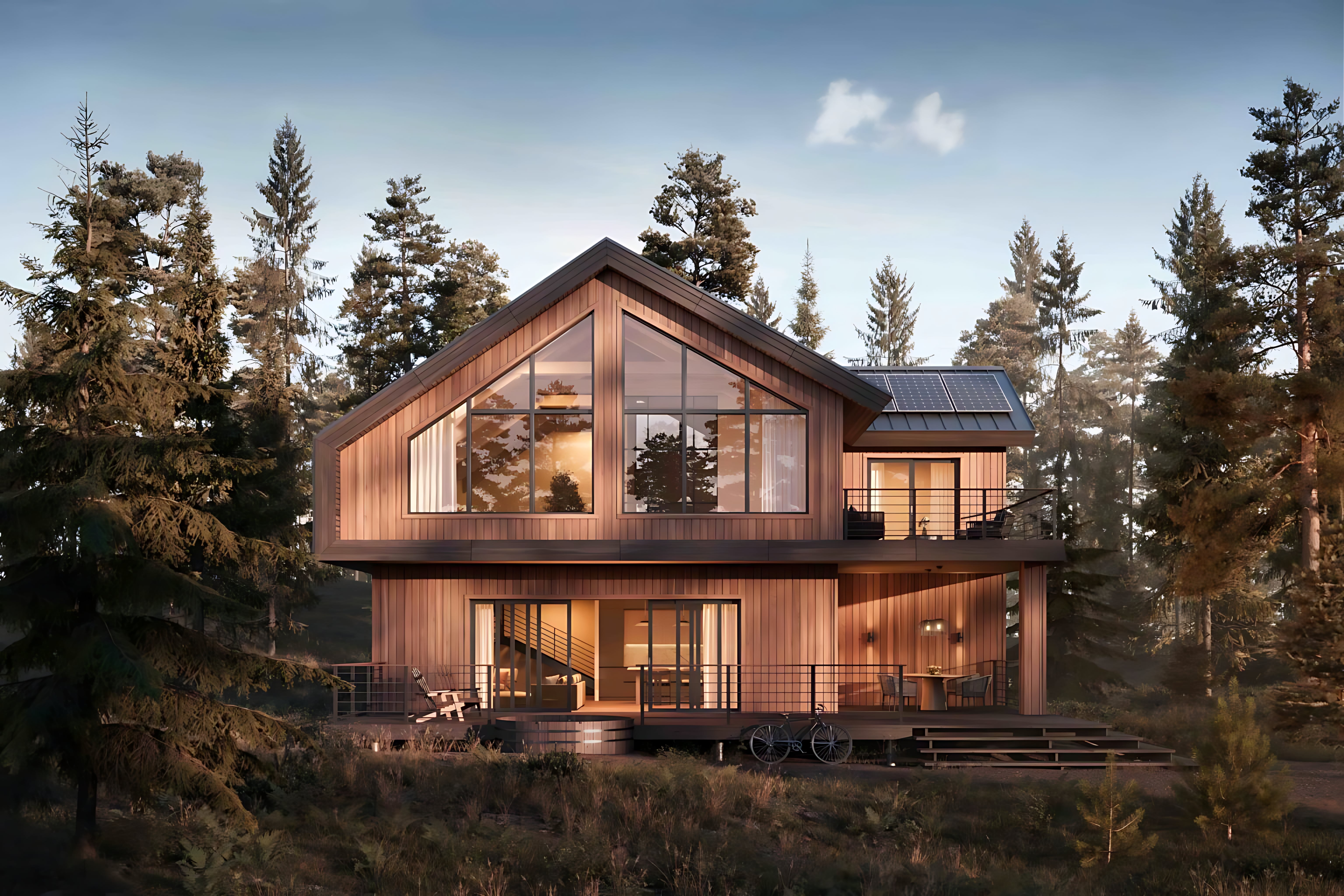
Wood shake roofing has a classic, high-end look. In Utah, it’s important to consider fire ratings, maintenance, and long-term performance expectations.
Best for
- Homes with architectural styles that fit shake
- Owners committed to routine maintenance
- Projects where fire-rating requirements are addressed
Pros
- Distinctive curb appeal
- Natural material aesthetics
Watch out for
- More maintenance than many modern systems
- Local code and fire-rating requirements may apply
- Moss/debris retention in shaded areas
Utah notes
- If you love the shake look but want less maintenance, synthetic shake-style roofing can be a strong alternative.
Common questions
Is wood shake roofing allowed everywhere in Utah?
Requirements can vary by municipality and specific conditions. We’ll help you understand local rules and choose an appropriate system.
How to compare this roof type
When homeowners compare roofing materials, the best question is usually not “which roof is best overall?” It is “which roof type makes the most sense for this structure, this climate exposure, and this budget horizon?” That is why these roofing-type pages focus on tradeoffs instead of pretending every material works equally well in every Utah situation.
Use the notes above to compare service life, maintenance expectations, structural demands, and the amount of detail work needed around penetrations, flashing, and ventilation. Those are the variables that usually decide whether a system performs well after install, not just how it looks on day one.