
Flat Roofing
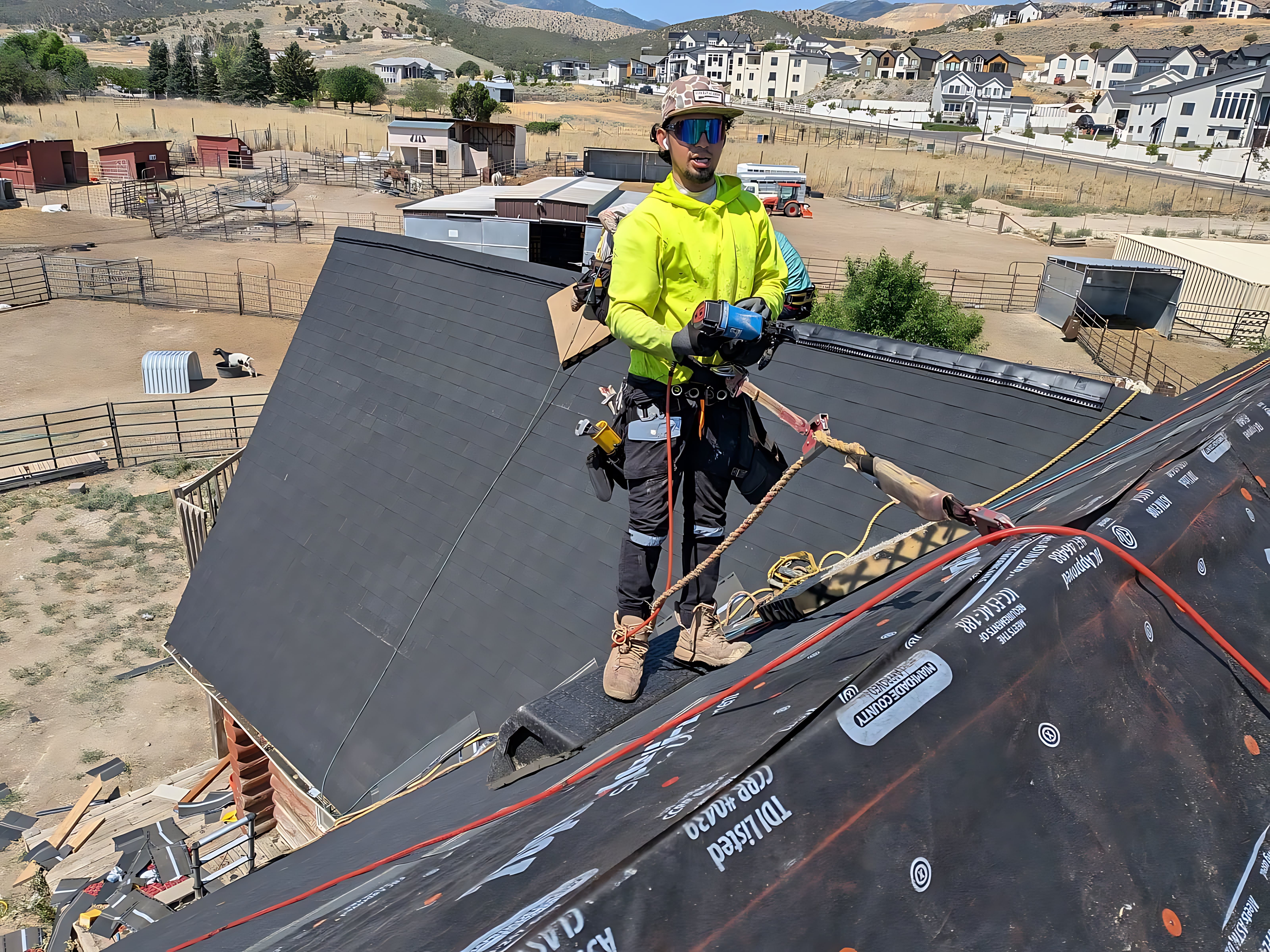
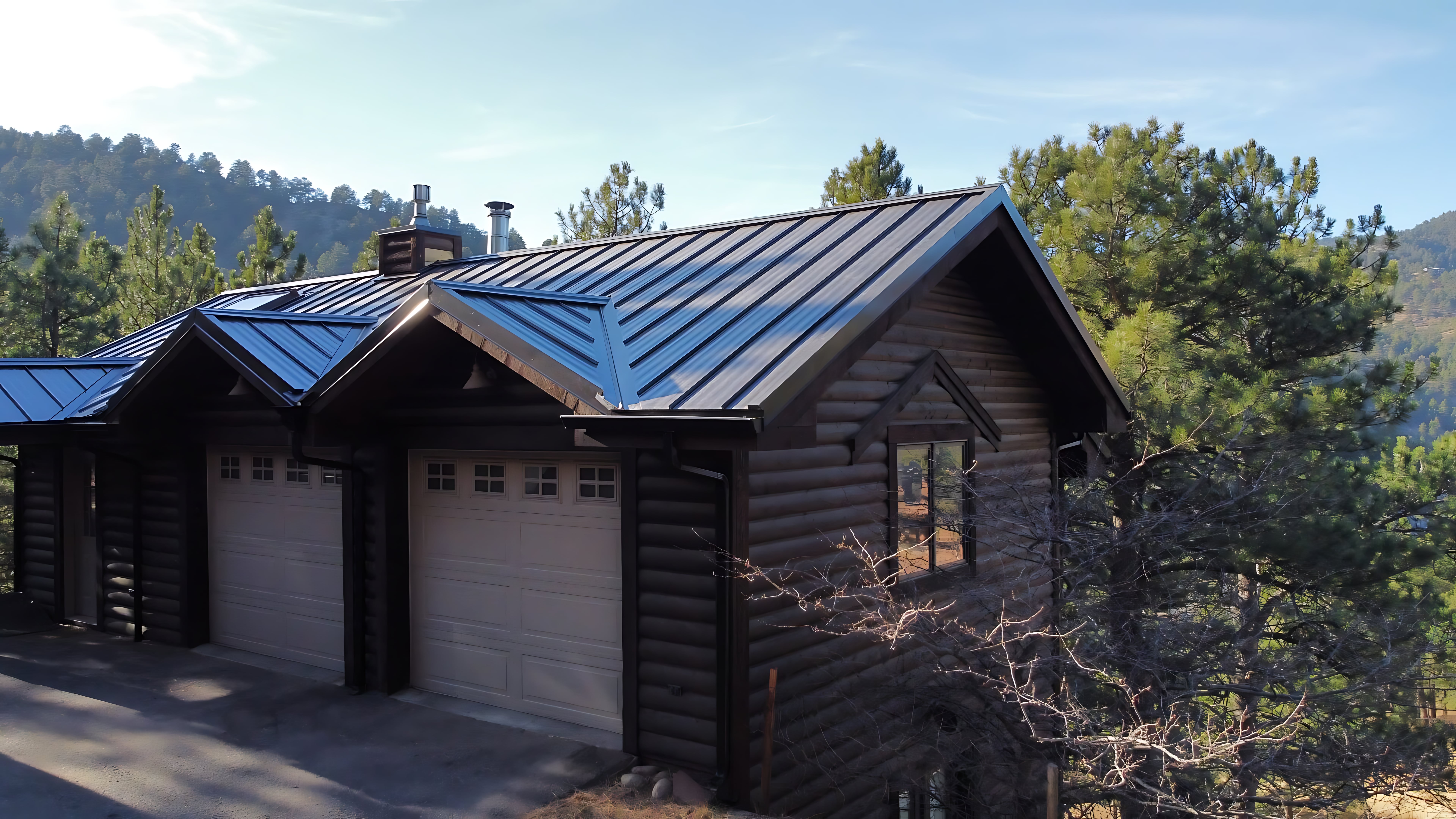
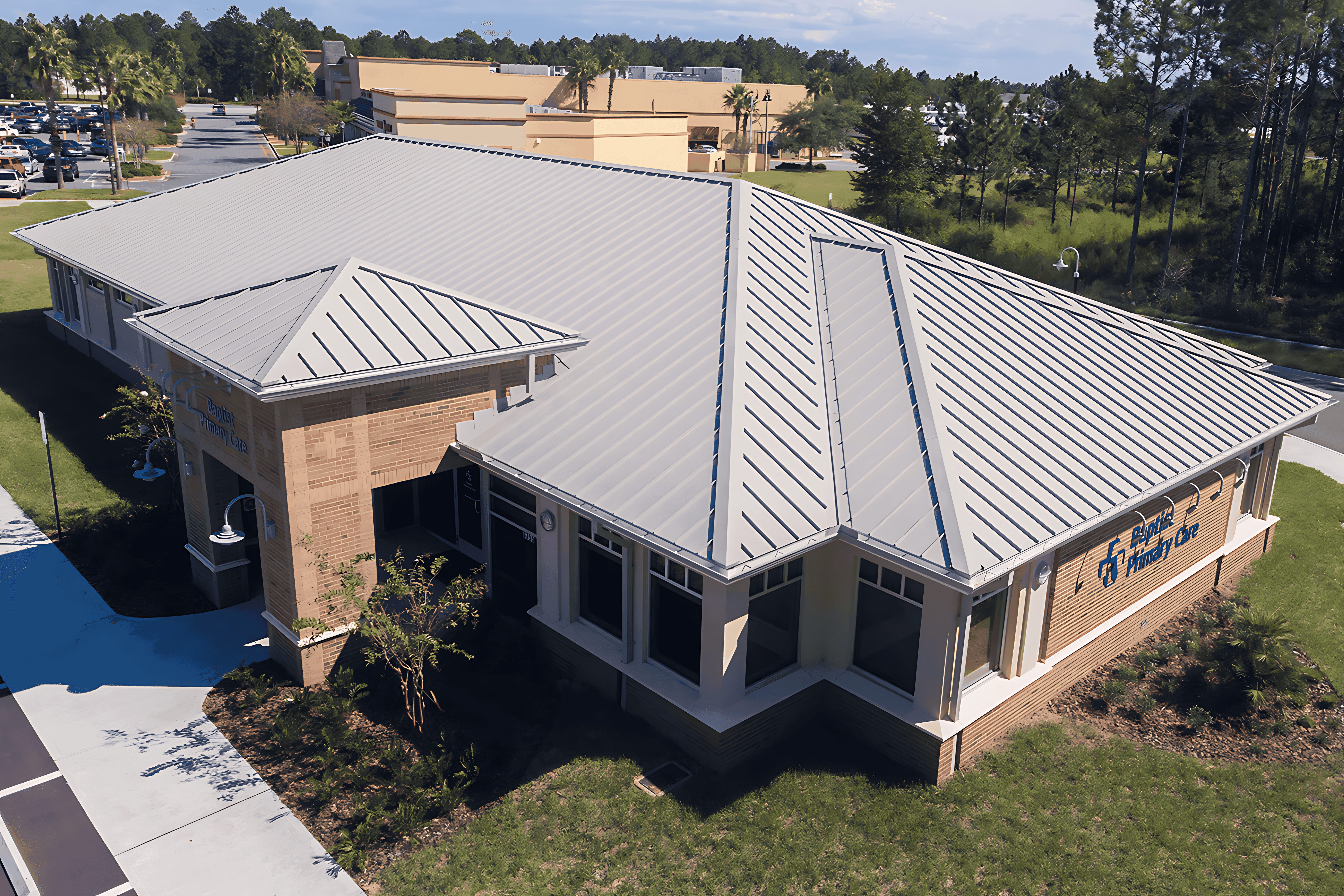
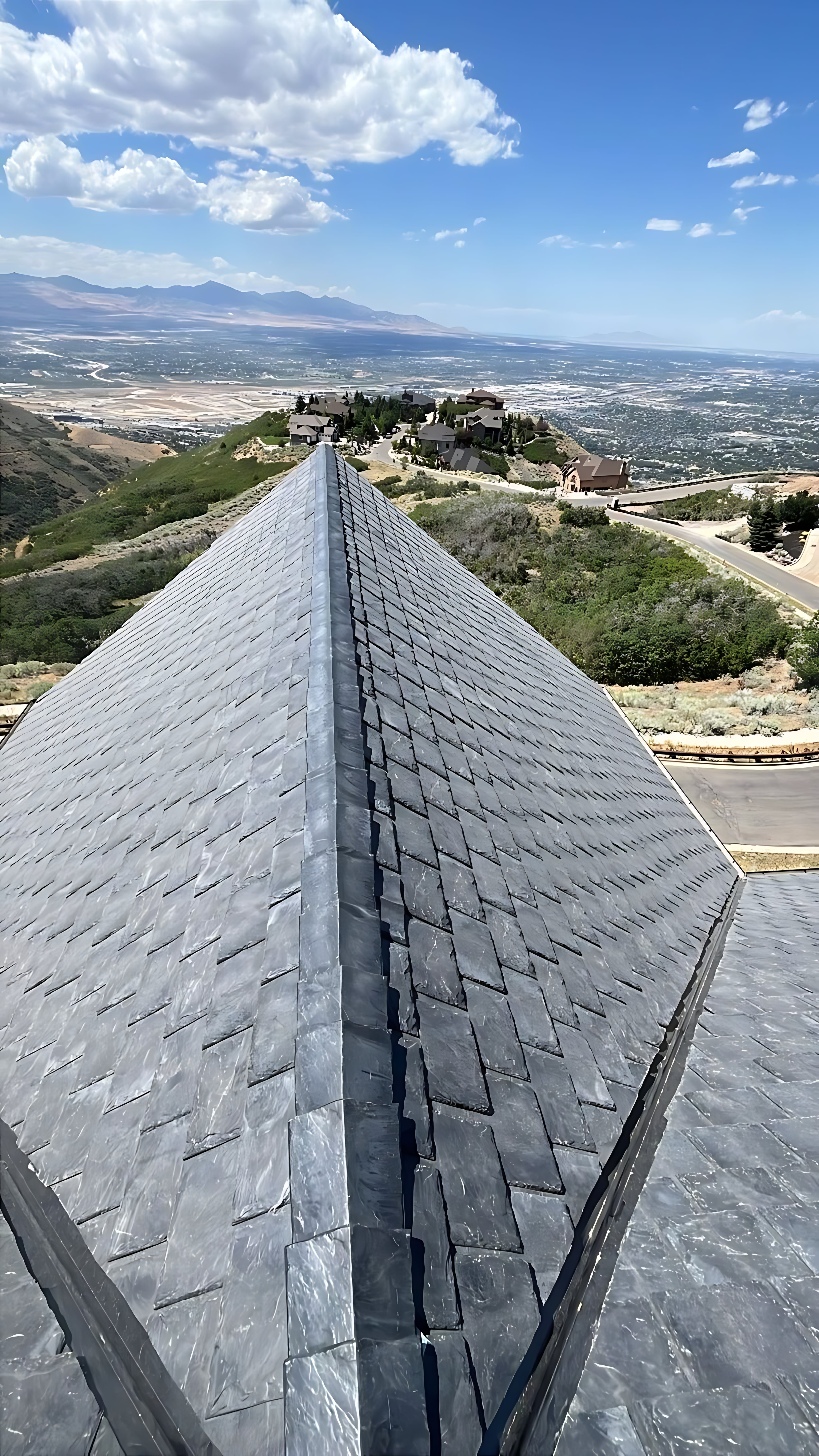
Flat and low-slope roofs require the right membrane and drainage details. We install and repair systems like TPO and other modern membranes.
Best for
- Commercial buildings and multi-family properties
- Modern homes with low-slope sections
- Coatings and restoration where replacement isn’t needed yet
Pros
- Modern membranes can be highly durable and reflective
- Often easier access for maintenance and inspections
- Good option for complex roof shapes and transitions
Watch out for
- Drainage is everything—ponding water leads to problems
- Penetrations must be detailed and maintained
- UV exposure and temperature swings require quality materials
Utah notes
- Utah’s sun and temperature swings can be tough on low-slope systems, so the right membrane, insulation, and detailing matter.
Common questions
Is a flat roof actually flat?
Not typically. Most “flat” roofs have a slight slope for drainage, even if it’s hard to see from the ground.
Can you repair a flat roof leak?
Often yes. A professional inspection can identify seam issues, flashing failures, or punctures and recommend targeted repairs.
How to compare this roof type
When homeowners compare roofing materials, the best question is usually not “which roof is best overall?” It is “which roof type makes the most sense for this structure, this climate exposure, and this budget horizon?” That is why these roofing-type pages focus on tradeoffs instead of pretending every material works equally well in every Utah situation.
Use the notes above to compare service life, maintenance expectations, structural demands, and the amount of detail work needed around penetrations, flashing, and ventilation. Those are the variables that usually decide whether a system performs well after install, not just how it looks on day one.