
My Shingles Are Missing — What Does That Mean? (Utah Guide 2026)
By Skyridge Ricky • May 26, 2026 • 8 min read
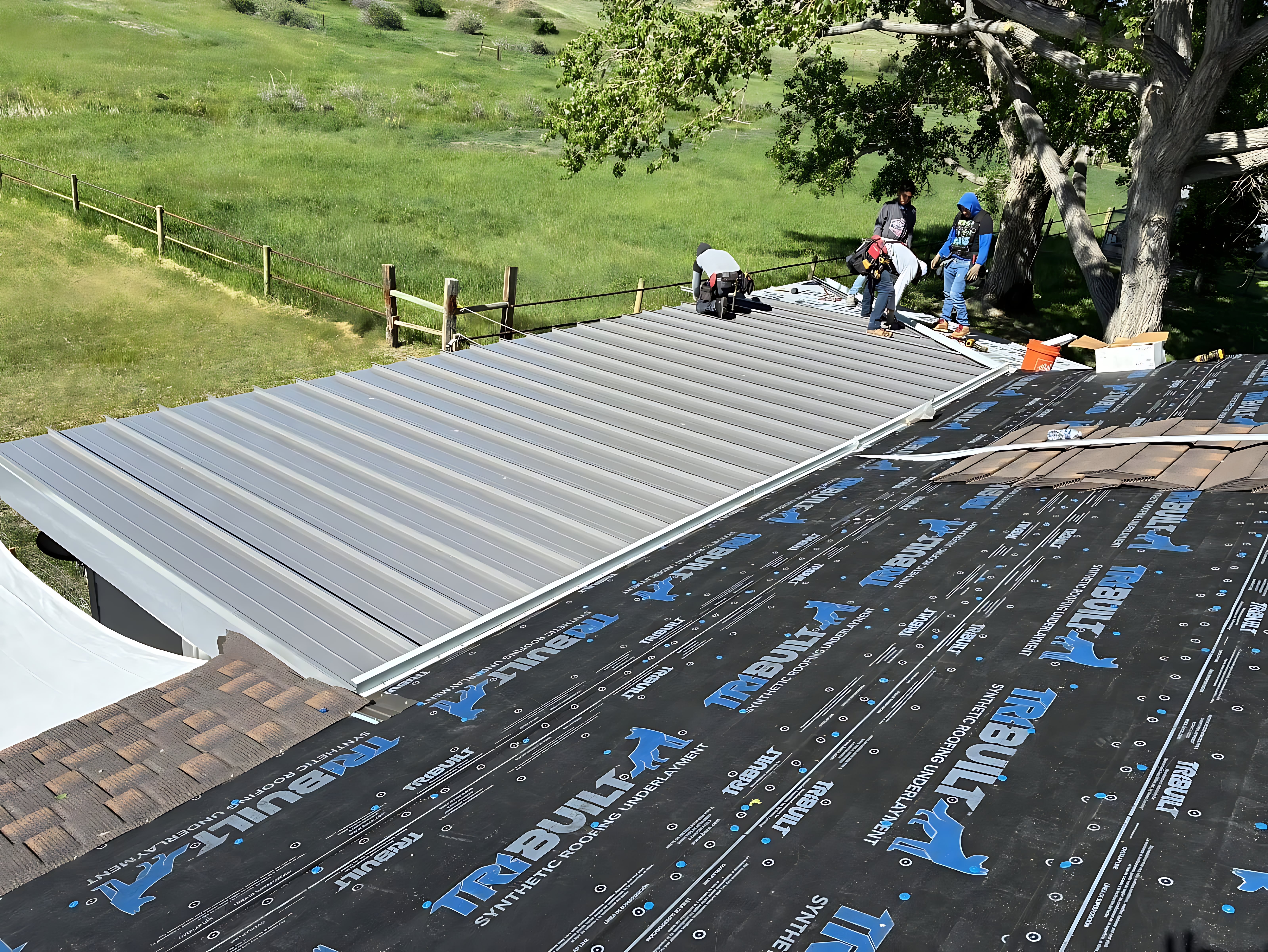
If you're asking, "My shingles are missing, what does that mean?" you're already looking at a real risk: exposed underlayment, exposed nail lines, and an easier path for wind-driven rain to get into the roof system. It might not be leaking yet, but missing shingles are a "system break"—the roof is no longer performing the way it was designed to.
At Sky Ridge Roofing, we treat missing shingles like a forensics problem. One missing tab might be a simple repair. But it can also signal bigger issues like broken seal strips, incorrect nailing, brittle aging shingles, or ventilation problems that cooked the asphalt until it cracked. This guide explains what missing shingles usually mean, what you can safely check from the ground, and when you should call a pro before the next storm turns a small problem into a structural one.
Replacement And Buying Paths
Buying guides and replacement articles should route readers into the service pages, pricing tools, and quote path that convert research into projects.
Next steps from this article should include roof replacement services, roof inspection services, shingle roofing services, metal roofing systems.
Request a roofing estimate
Turn buying research into a real estimate.
Request a roofing estimateWhat Missing Shingles Usually Means (In Plain English)
Shingles work as an overlapping water-shedding system. When one is missing, the roof isn't just "ugly"—it's open. Under that open spot are nail lines, underlayment seams, and sometimes raw decking. In Utah, wind-driven rain and freeze-thaw cycles make this worse because water can get pushed uphill and sideways under surrounding shingles.
In practice, missing shingles typically mean one of three things:
1) Wind uplift overcame the seal. The adhesive strip that bonds shingles together can fail with age, dust, poor installation, or cold-weather installs. Once a tab lifts, it can crease and tear in the next gust.
2) The shingle was fastened wrong. Too high, too low, too few nails, angled nails, or overdriven nails can all create a shingle that looks fine until the first serious wind event.
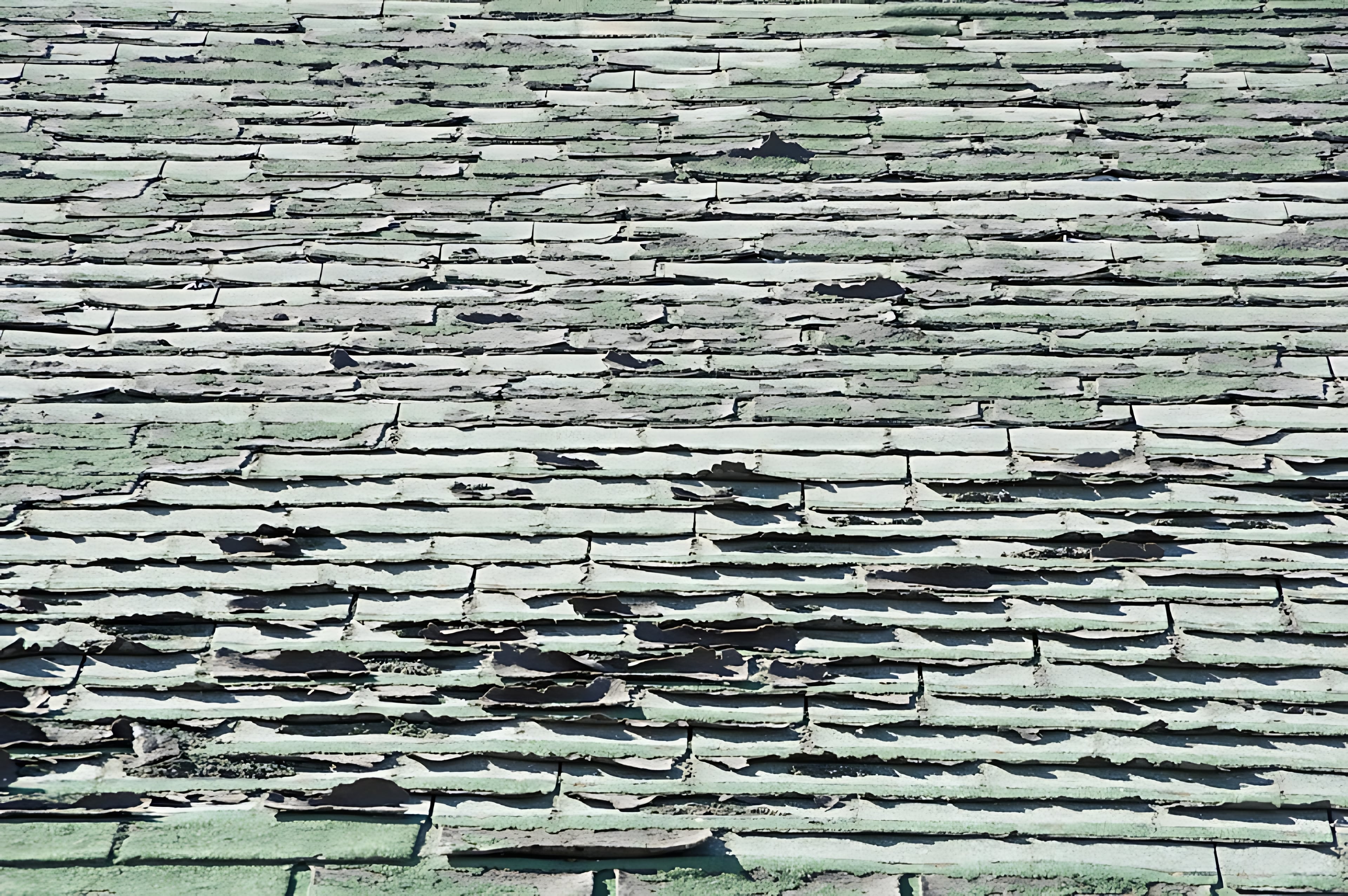
3) The roof is aging out. Brittle shingles crack instead of flex. Granule loss accelerates. A missing shingle in an old field often means the surrounding shingles are close behind.
- Missing shingles = a break in the roof system, not just cosmetic damage.
- Wind uplift + failed seals are the most common trigger.
- Incorrect nailing is a hidden cause that repeats until fixed.
- On older roofs, missing shingles often signal broad brittleness.
Is It an Emergency? When You Need Same-Day Help
Not every missing shingle requires a 2 a.m. tarp job—but some situations do. The danger isn't just rain. It's the chain reaction: exposed underlayment tears, fasteners back out, and water starts moving into insulation and decking.
Call for same-day help if:
- You see exposed plywood (decking), not just underlayment.
- The missing area is near a valley, ridge, or chimney (high-leak-risk zones).
- Rain or snow is forecast within 24–48 hours.
- You notice new ceiling stains, wet attic insulation, or a musty attic smell.
- Multiple shingles are missing or you see lifted/creased tabs nearby.
Safe Checks You Can Do From the Ground (No Roof Walking)
We don't recommend homeowners walk a pitched roof—especially with missing shingles. But you can gather useful information safely:
Look for a pattern. Are shingles missing in a line (suggesting an installation/nailing issue) or localized near an edge (suggesting wind edge-lift)?
Check the yard and gutters. If you have lots of granules in the gutter or downspout splash blocks, the roof may be wearing out fast.
Check the attic. Use a flashlight and look for dark staining on the underside of the decking near the missing area. If insulation is wet, act quickly.
- Use binoculars to inspect from the ground.
- Look for lifted tabs and exposed nail heads near the missing area.
- Check attic decking for dark stains or dampness.
- Granules in gutters often mean the shingle field is aging.
Repair vs Replacement: How We Decide at Sky Ridge Roofing
Homeowners usually want the same answer: "Can you just repair it?" Many times, yes. But the right answer depends on why the shingles went missing and whether the surrounding field is still healthy.
We typically recommend a targeted repair when the roof is structurally sound, the shingle field is still flexible, and the damage is isolated. We consider a full replacement when missing shingles are one symptom of broad failure—brittleness, widespread granule loss, repeated blow-offs, or failing accessories.
If this was storm-related, documentation matters. Photos of the missing area, the surrounding lifted tabs, and any collateral damage help establish whether it was a weather event or a pre-existing wear issue.
- Repair makes sense when damage is isolated and shingles are still pliable.
- Replacement makes sense when the field is brittle or blow-offs repeat.
- We document the cause (wind, nailing, age, ventilation) so the fix lasts.
- Storm documentation early can save a claim later.
Common Causes: Wind, Installation, Age, and Ventilation
When we inspect missing shingles, we're trying to answer: what force removed it, and what condition allowed it to happen?
Wind: Utah gusts can lift tabs at edges and ridges first. Once a tab lifts and creases, it rarely reseals correctly.
Installation: Nail placement is everything. A small error repeated across a roof becomes a big failure in the first high-wind season.
Age: Older shingles lose flexibility and adhesive strength.
Ventilation: Hot attic temps can cook shingles from below, accelerating brittleness and seal failure.
- Edge and ridge areas fail first in wind uplift.
- Incorrect nail placement is a repeat-offender root cause.
- Brittle shingles break instead of flexing under uplift.
- Poor ventilation accelerates shingle aging.
Wrapping it up
If your shingles are missing, it means the roof system is compromised—and the most important next step is to find out why before you pay for a fix that doesn't last. One missing shingle might be a clean repair. But if the surrounding field is brittle or the roof was nailed incorrectly, you'll see the same problem again after the next Utah wind event.
If you want a fast, evidence-based answer, Sky Ridge Roofing can document the cause, show you the real scope, and recommend the smallest fix that keeps the roof watertight.
Questions this guide answers
Quick answers tied to missing shingles what does that mean.
Utah Roof Repair Hub
Compare repair costs, local pros, and professional guidance to ensure your Utah roof is restored correctly and efficiently.