
How Do I Know If My Roof Needs Repairs? (Utah Checklist 2026)
By Skyridge Ricky • May 26, 2026 • 9 min read

If you're asking "How do I know if my roof needs repairs?" you're already doing the right thing: trying to catch problems early. Most expensive roof failures start as small, boring symptoms—one lifted tab, one rusty flashing edge, a little granule loss in the gutter—then the next storm turns it into interior damage.
At Sky Ridge Roofing, we run roof inspections like a field audit. We don't just look for a leak. We look for the cause (wind uplift, aging shingles, failed flashing, ventilation heat, nail placement) so the repair holds and you don't keep paying for the same issue every season. Use the checklist below to assess urgency, then decide whether you need a simple repair, a deeper inspection, or a replacement plan.
Repair And Maintenance Paths
Repair and maintenance articles should keep feeding service pages that solve the issue, not just answer the question.
Next steps from this article should include roof repair services, roof inspection services, emergency roof repair, preventative roof maintenance.
Book a roof repair inspection
Capture repair-intent readers directly.
Book a roof repair inspectionThe 60-Second Ground Check (Safe, Fast, and Useful)
You can spot many repair signals without getting on the roof. Walk around your home and use binoculars if you have them.
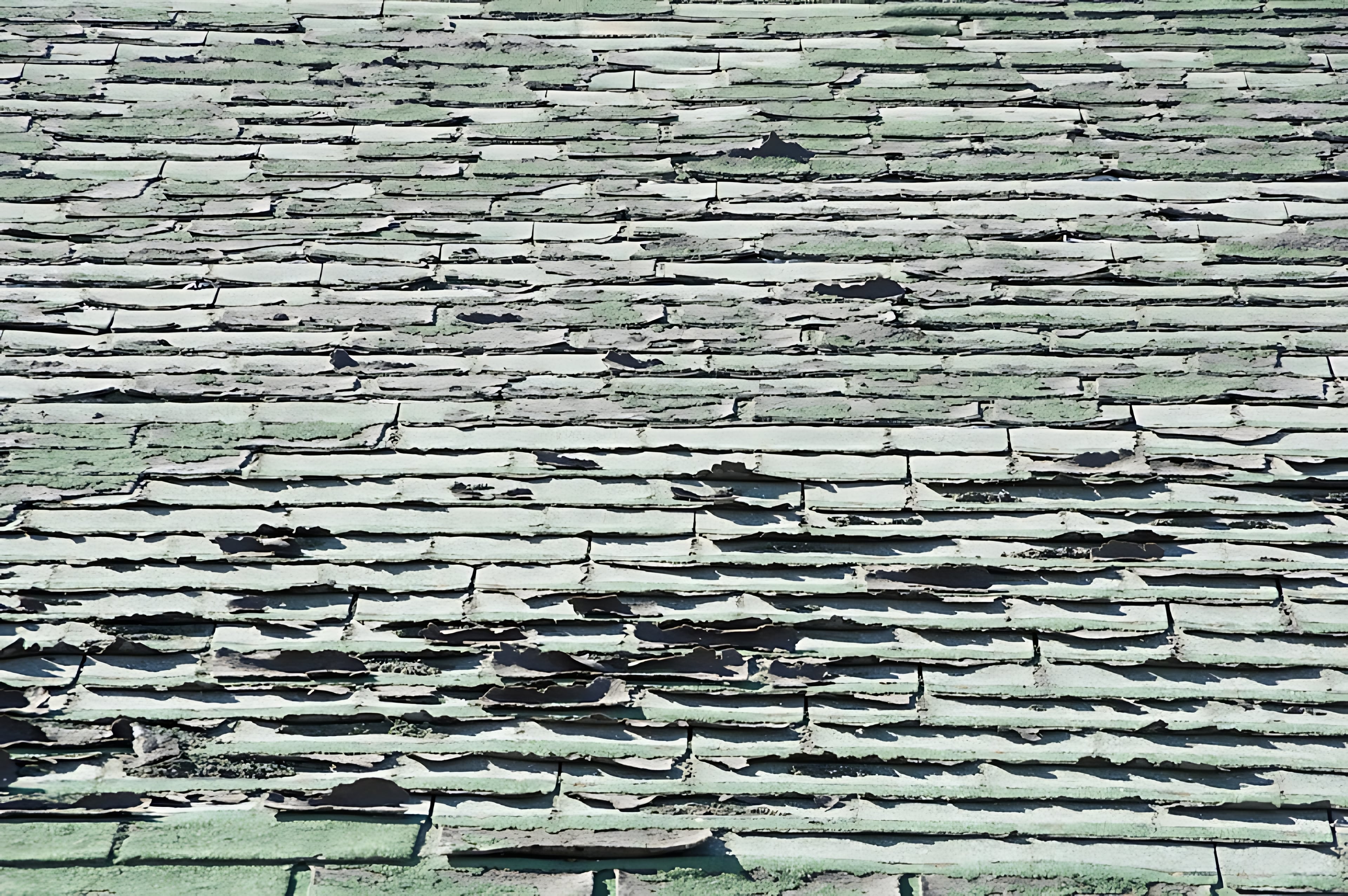
Look for: missing shingles, lifted corners, exposed nail heads, dark streaking, sagging lines, damaged ridge caps, and any debris piles that trap moisture.
- Missing, cracked, curled, or buckled shingles.
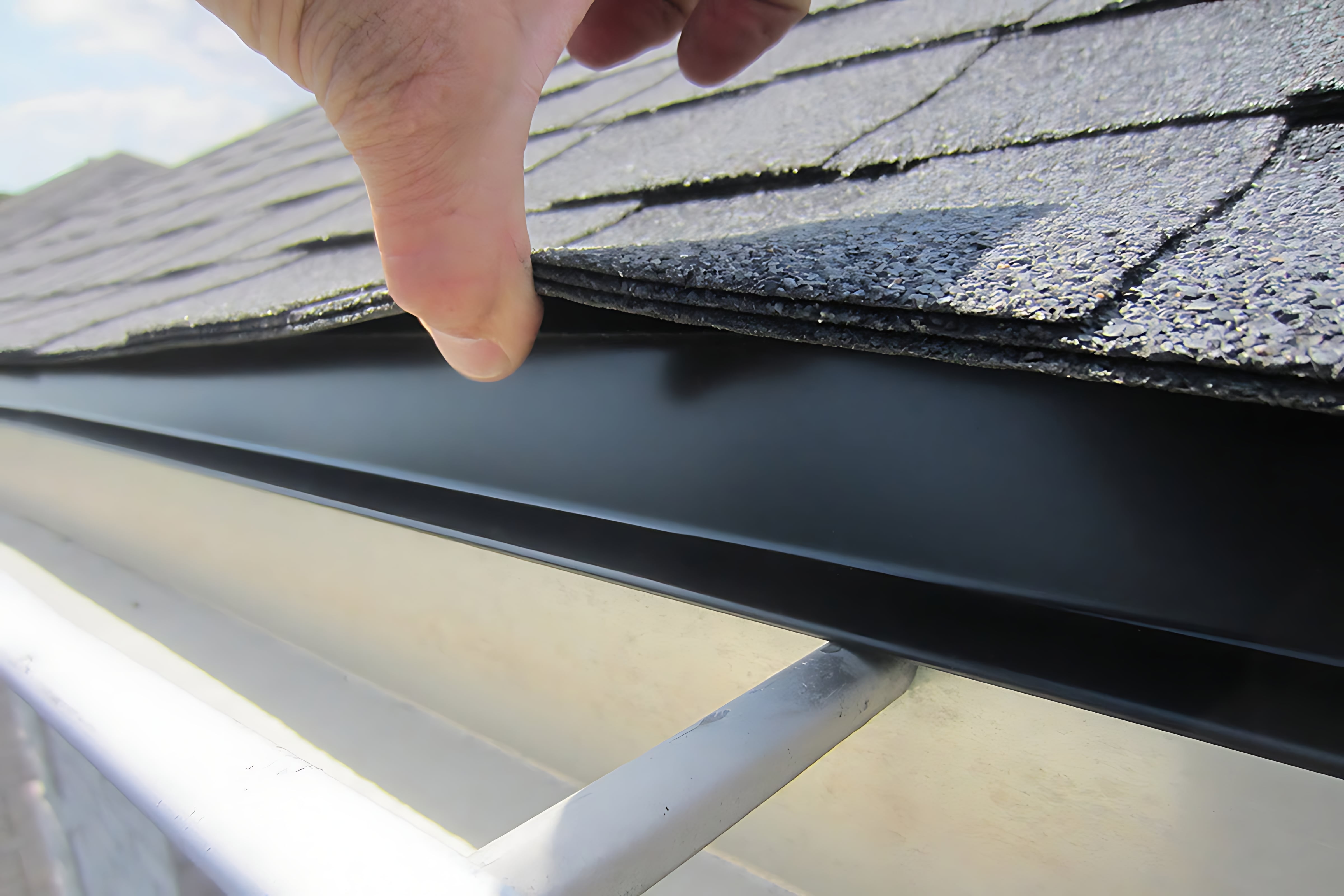
- Lifted tabs (wind uplift) or creased shingles.
- Exposed nail heads or blown-off ridge caps.
- Sagging roofline (structural concern).
- Debris buildup in valleys and behind chimneys.
The Gutter Test: Granules, Shingle Bits, and “Roof Sand”
One of the easiest signals is in your gutters. Asphalt shingles shed granules over time, but heavy granules or shingle fragments can be a sign the roof is aging fast or recently took wind/hail stress.
If you see what looks like coarse sand in the gutters or at downspout exits, it's worth a closer look—especially if your roof is older than ~10–12 years or you've had recent storms.
- Light granules are normal; heavy piles mean accelerated wear.
- Shingle chunks in the yard usually indicate wind or brittle aging.
- New granule loss after a storm suggests impact or uplift stress.
Attic Signs (Where Roof Leaks Often Show First)
If you can safely access your attic, you can learn a lot in five minutes.
Use a flashlight and look for dark staining on the underside of the roof decking, wet insulation, rust on nails, moldy smells, and sunlight peeking through. Many roof leaks don't show up on drywall until the problem has been active for a while.
- Dark stains on decking or rafters near penetrations (vents/chimneys).
- Wet insulation or compressed insulation (loss of R-value).
- Rusty nail tips or fasteners (moisture exposure).
- Musty odor or visible mold (needs fast action).
- Daylight visible through the roof deck (urgent).
High-Risk Leak Zones: Flashing, Valleys, Vents, and Chimneys
Roofs usually fail at transitions—not in the middle of a clean shingle field. Flashing is the metal and sealing system around chimneys, walls, skylights, and vents. Valleys concentrate water. Ridge and hip caps take the most wind.
If you've got staining around a chimney chase, bubbling paint near a bathroom fan vent, or repeated leaks that “move” location, it's commonly a flashing/penetration issue.
- Rust, gaps, or loose flashing edges.
- Cracked sealant at vent boots or pipe penetrations.
- Debris-packed valleys (water backup risk).
- Loose ridge caps (wind + rain entry point).
After Wind or Hail: What Damage Looks Like (Even Without Missing Shingles)
Storm damage is not always obvious. Wind can break seal strips without blowing shingles off. Hail can bruise shingles without a clean puncture. The roof may “look fine” from the ground but still be compromised.
If a storm just hit your neighborhood and you notice new granules, lifted tabs, dented gutters, or new interior staining after rain, schedule an inspection while evidence is fresh.
- Wind: lifted tabs, creases, broken seals, loosened ridge caps.
- Hail: soft bruising, granule loss, exposed mat, collateral dents (vents/gutters).
- Storm timing matters for documentation and insurance decisions.
Repair vs Replacement: A Practical Rule of Thumb
Many roofs only need repair—especially when the damage is isolated and the shingle field is still flexible. Replacement becomes the smarter economic move when damage is widespread, the roof is brittle, or repairs keep repeating.
At Sky Ridge Roofing, we typically lean repair-first when it's viable, then clearly explain when replacement is the only option that actually stops the cycle.
- Repair: localized damage, solid decking, shingles still pliable.
- Replacement: widespread brittleness, repeated blow-offs, major granule loss, multiple leak zones.
- If more than ~30% of the field is compromised, replacement often wins on total cost.
When to Call a Pro (and What to Ask)
If you see any interior moisture, sagging, or storm-related signs, a professional inspection is worth it. A good contractor should show you photos, explain the root cause, and give you repair options—not just a replacement pitch.
- Ask for photos of the exact failure points (not a generic diagnosis).
- Ask whether the issue is a one-off repair or a system-wide aging problem.
- Ask what would fail next if nothing is done (so you can prioritize).
- Ask for a written scope that includes flashing/vent details, not just “replace shingles”.
Wrapping it up
If you want the fastest answer to "Do I need roof repairs?" look for two things: evidence of water (stains, wet insulation, moldy odor) and evidence of system failure (missing shingles, lifted tabs, granules, failing flashing). Those are the signals that turn into expensive damage if ignored.
If you're in Utah and want a clean, photo-documented assessment, Sky Ridge Roofing can inspect the roof, explain the cause, and recommend the smallest fix that keeps it watertight.
Questions this guide answers
Quick answers tied to how do i know if my roof needs repairs.
Utah Roof Repair Hub
Compare repair costs, local pros, and professional guidance to ensure your Utah roof is restored correctly and efficiently.