Roof Shingle Buckling: Causes & Fixes (2026)
By Skyridge Ricky • March 28, 2026 • 14 min read
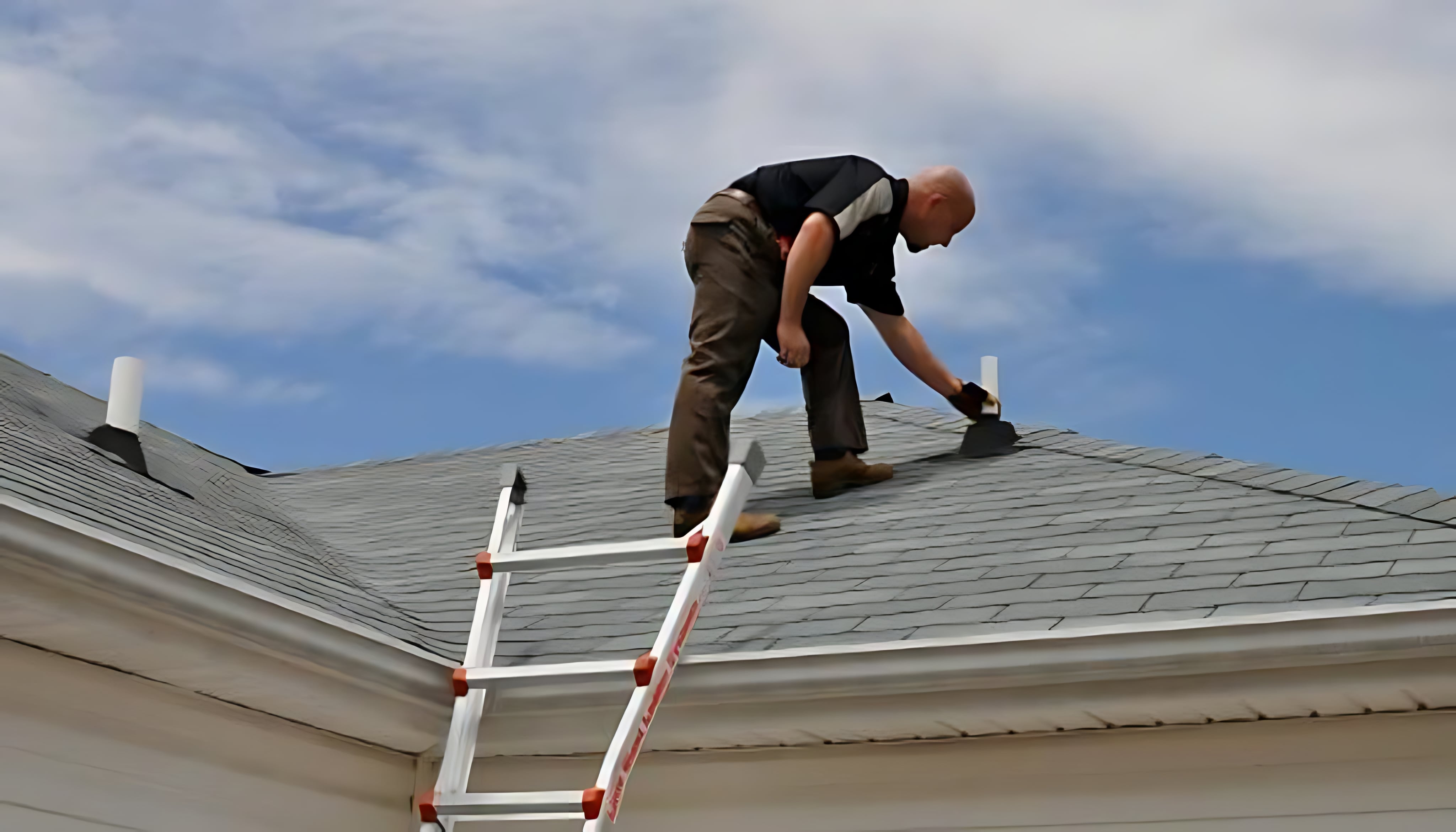
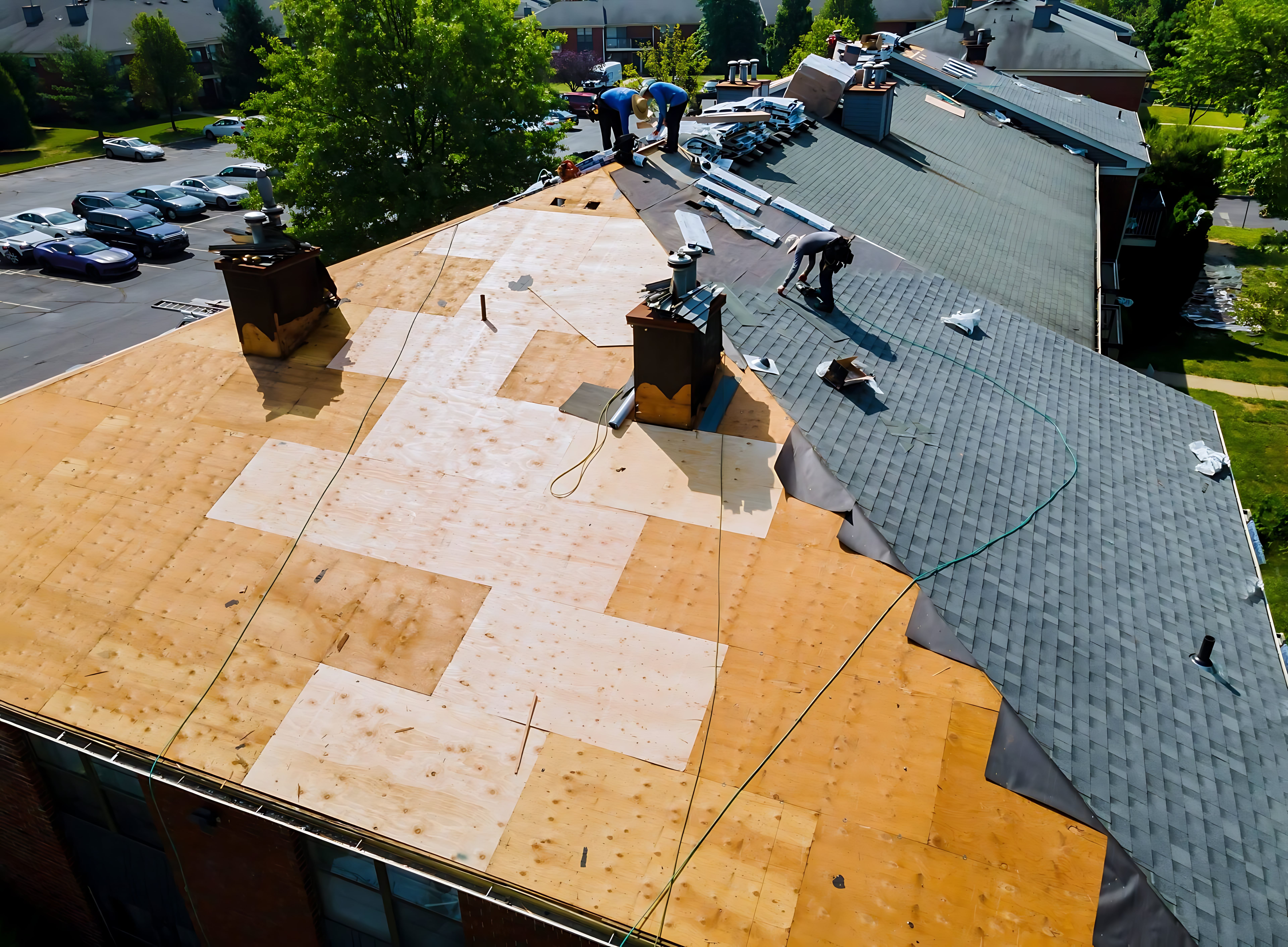
If you are searching for roof shingle buckling, you are probably looking at a roof that no longer lies flat the way it should. Maybe the shingles appear wavy. Maybe certain courses are lifting or deforming. Maybe a contractor mentioned buckling and you are trying to figure out whether that means a small repair, a ventilation problem, or a bigger replacement conversation. That uncertainty makes sense because buckling is one of those roof symptoms that looks simple but can come from multiple different causes.
The important thing to understand is that buckling is usually not the root problem. It is evidence that something in the roof assembly is moving, swelling, trapping moisture, or aging in a way the shingles cannot hide anymore. That can involve decking, underlayment, attic ventilation, fastening, roof geometry, or long-term wear. Sometimes the fix is targeted. Sometimes the buckling is a sign the roof has crossed into broader structural or lifecycle trouble.
This guide explains what roof shingle buckling looks like, what causes it most often, how to distinguish it from similar-looking problems, and how homeowners should compare repair versus replacement decisions in 2026. If the goal is to solve the condition behind the waves instead of only staring at them, start here.
Replacement And Buying Paths
Buying guides and replacement articles should route readers into the service pages, pricing tools, and quote path that convert research into projects.
Next steps from this article should include roof replacement services, roof inspection services, shingle roofing services, metal roofing systems.
Request a roofing estimate
Turn buying research into a real estimate.
Request a roofing estimateWhat Roof Shingle Buckling Actually Looks Like
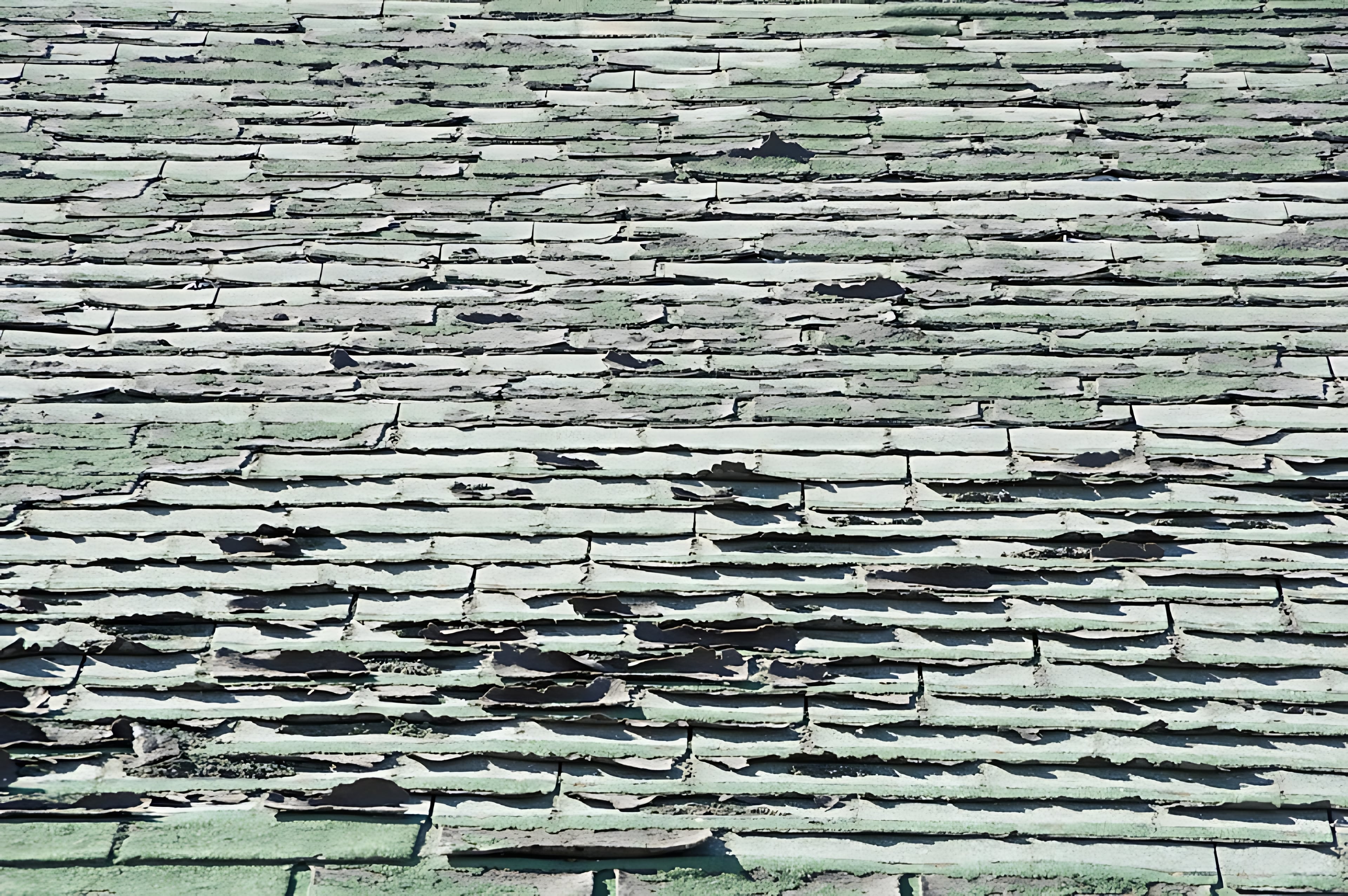
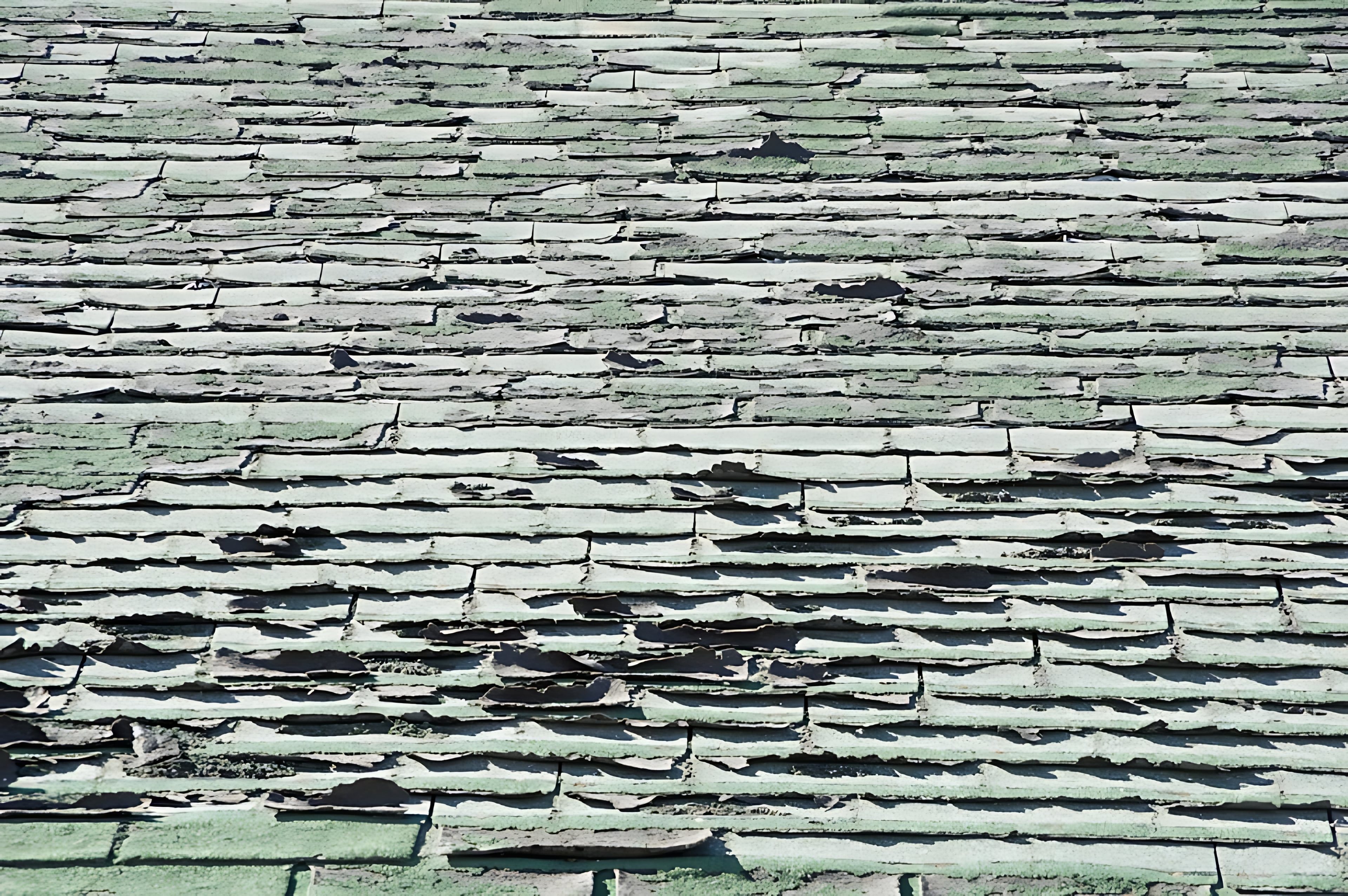
Roof shingle buckling usually appears as raised, warped, or rippled lines in the roof covering. Instead of lying flat and even, the shingles may look like they are tenting, lifting, or wavering along courses or sections of the roof. In some cases the buckling is localized to one slope or one band. In other cases it shows up in repeating patterns that suggest something below the shingles is influencing the whole assembly.
Homeowners sometimes confuse buckling with simple cosmetic unevenness, thermal movement, or minor surface aging. The distinction matters because true buckling often reflects stress from below, not just wear on the visible shingle surface. If the pattern follows deck joints, underlayment wrinkles, or moisture-affected areas, the shingle is essentially telegraphing that the substrate beneath it is not behaving normally.
Buckling can also be mistaken for curling, blistering, or uplifted tabs, which are different problems. Curling usually affects the edges or corners of aging shingles. Blistering involves small raised areas often related to heat and moisture in the shingle itself. Wind lift typically affects specific tabs or edges. Buckling, by contrast, often looks more like the roof plane itself has lost flatness over an area or line.
That is why visual diagnosis matters. The pattern, location, and relationship to the roof deck or roof geometry often reveal whether the homeowner is looking at a minor surface issue or a symptom of something more structural underneath the field shingles.
- Buckling usually appears as wavy, raised, or tented lines in the shingle field.
- It often suggests a substrate or assembly issue beneath the visible shingles.
- Buckling should be distinguished from curling, blistering, and isolated wind uplift.
- The location and pattern of the buckling help reveal the likely cause.
- Visual diagnosis is important because similar-looking roof defects are not solved the same way.
The Most Common Causes of Roof Shingle Buckling
The most common causes of buckling involve movement or instability in the layers below the shingles. Wrinkled underlayment is one classic trigger, especially if the roofing was installed over felt or synthetic material that did not lie flat. Deck movement is another. If the roof sheathing swells from moisture, shifts at joints, or was never properly secured, the shingles above it can start to show that movement visually.
Moisture and ventilation issues are also major contributors. A poorly ventilated attic can create excess heat and moisture cycles that stress both the decking and the roofing materials. Over time that can contribute to expansion, contraction, and uneven behavior that shows up as buckling. In some cases the roof covering itself may have been installed before the underlayment or deck had dried properly, locking moisture into the assembly from the start.
Installation shortcuts matter too. If shingles were fastened improperly, laid over irregular substrate conditions, or installed on a roof that should have had underlying issues corrected first, the finished surface may begin to deform as the system settles. That is why buckling is often a systems clue rather than a shingle-product clue. The roof may be telling you more about what is underneath than about the shingle brand on top.
Age plays a role as well. Older roofs lose flexibility and become less forgiving of substrate movement, which means conditions that once produced only mild unevenness can eventually show through as clear buckling patterns later in the roof’s life.
- Buckling often comes from wrinkled underlayment, deck movement, or trapped moisture.
- Ventilation imbalance can contribute to long-term movement and distortion in the roof assembly.
- Installation shortcuts can turn small substrate issues into visible shingle deformation later.
- Buckling is often more about the layers below the shingles than the shingles alone.
- Aging roofs become less forgiving when the substrate underneath them moves or swells.
Why Ventilation and Moisture Issues Show Up as Buckling
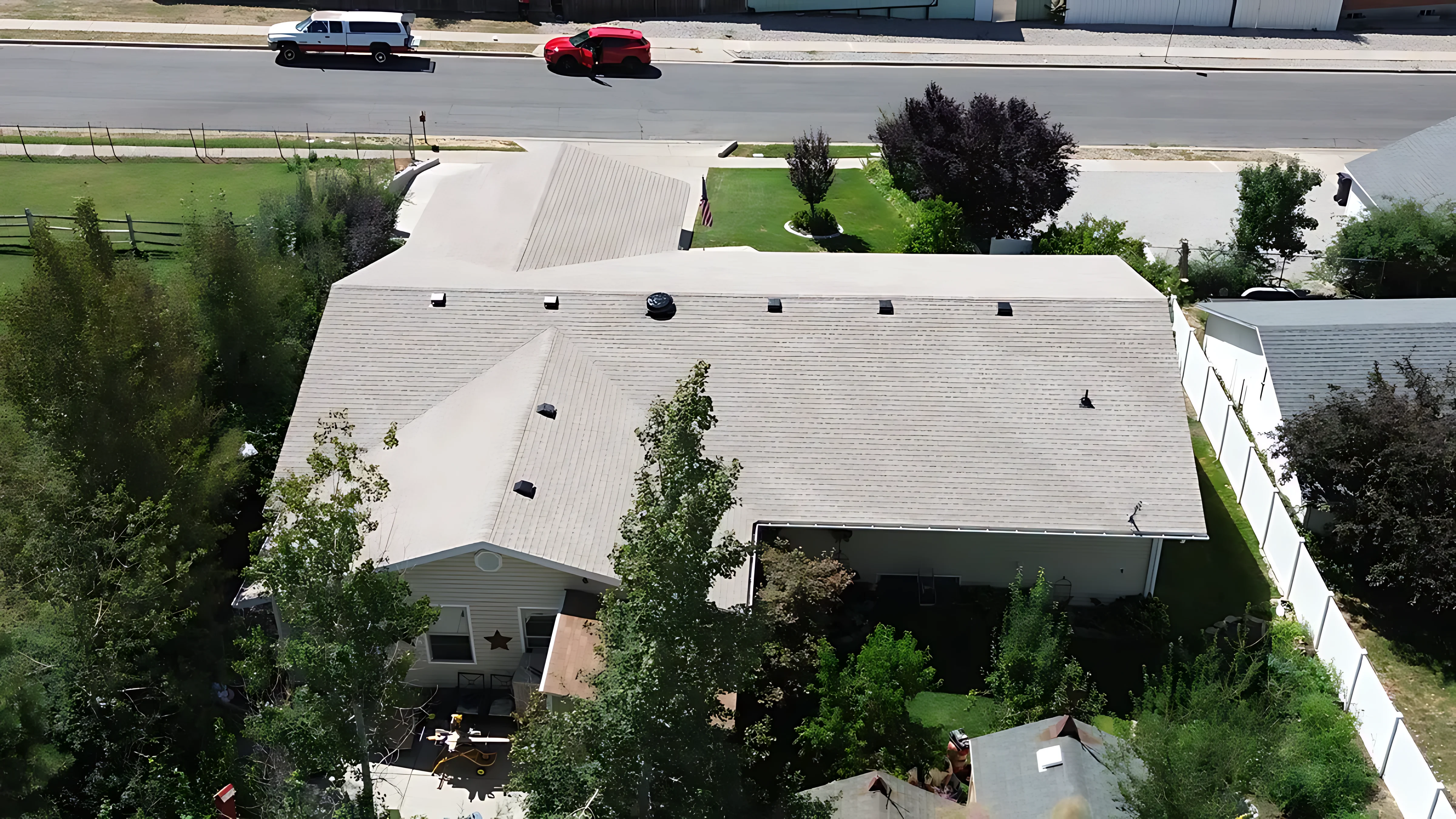
Attic ventilation problems are one of the most misunderstood causes of roof shingle buckling. Homeowners often think of ventilation only in terms of temperature comfort, but it is also a roof-health issue. When the attic traps excess heat and moisture, the roof deck and roofing components go through more aggressive expansion and contraction cycles. Over time that repeated stress can distort the substrate enough that the shingles start telegraphing the movement above.
Moisture is especially important because wood sheathing does not need to be visibly rotten to create trouble. If it repeatedly takes on moisture, swells, and dries, the surface plane can lose the flat consistency the shingles were relying on. The roof covering may still be attached, but it no longer has a stable, uniform base. That is often where buckled lines and uneven ridges start to appear.
Ventilation and moisture issues can also interact with seasonal weather. High heat, cold nights, snowmelt, and interior humidity all affect how much moisture moves into or through the roof assembly. That is why some roofs seem to worsen in waves rather than all at once. The movement pattern follows the climate stress acting on the assembly underneath the visible surface.
For homeowners, this means a cosmetic-looking roof issue may actually call for attic evaluation, airflow review, and deck-condition inspection. If the cause is moisture or ventilation related, replacing only the visibly buckled shingles may not keep the same thing from happening again.
- Ventilation problems can create heat and moisture conditions that distort the roof assembly.
- Sheathing can swell and move enough to cause buckling before it ever looks obviously rotten.
- Seasonal temperature and humidity swings often make buckling patterns worse over time.
- Buckling may require attic and deck evaluation, not just shingle replacement.
- Cosmetic repair alone may fail if ventilation or moisture remains unresolved.

How to Tell Whether Buckling Is Repairable or a Bigger Roof Problem
Repairability depends on the cause and how widely the condition is distributed. If buckling is limited to a small area tied to one known defect such as wrinkled underlayment, a localized deck issue, or one repairable transition, targeted corrective work may still make sense. But if the buckling pattern follows deck joints across multiple slopes, if ventilation and moisture issues are roof-wide, or if the roof is already nearing the end of its service life, repair may only buy a short pause before the same patterns return.
Age matters here. Older shingles are harder to lift, relay, and blend without causing additional damage. If the roof is already brittle, the contractor may not be able to correct the underlying issue cleanly without expanding the scope. That is one reason homeowners often hear both repair and replacement recommendations for the same roof.
The real disagreement is not always about whether the buckling is technically fixable.
It is about whether fixing it is still an efficient use of money on that specific roof.
Inspection quality again becomes critical.
The contractor should be able to show whether the issue appears isolated, whether the deck is affected, and whether there are signs of attic or moisture imbalance that would make isolated repair less dependable.
The more evidence there is that the roof is moving as a whole, the more likely replacement becomes the stronger long-term answer.
That does not mean buckling always requires a new roof. It means the roof has to be evaluated as a system before anyone decides whether correcting the visible symptom is enough.
- Localized buckling may be repairable when the cause is narrow and well defined.
- Widespread buckling often points to broader substrate, moisture, or lifecycle problems.
- Older brittle shingles reduce the practicality of isolated corrective work.
- Repair-versus-replacement decisions should be based on roof-wide evidence, not only appearance.
- The more systemic the movement looks, the stronger the replacement case usually becomes.

What Homeowners Should Ask a Contractor About Buckled Shingles
If a contractor points out roof shingle buckling, ask them what they believe is moving beneath the shingles and how they know. Ask whether they think the underlayment, deck, ventilation, or moisture history is part of the problem. Ask whether the issue appears isolated or repeated across other slopes. Those questions force the recommendation to connect to a cause, not just a visible symptom.
It is also worth asking what happens if the roof is opened and the deck condition is worse than expected. A strong contractor should define that possibility up front rather than treating it like a surprise. Homeowners should know whether the quoted scope includes deck repair allowance, whether attic or ventilation improvements may be needed, and whether the shingles are still flexible enough to support the proposed repair approach.
Ask for photos as well. Buckling diagnosis becomes much easier to compare when you can see whether the contractor is pointing to one localized raised band or a recurring pattern tied to deck joints, valleys, or broader roof geometry. The stronger the visual record, the easier it becomes to compare competing recommendations without guessing.
In most cases, the contractor who explains the movement pattern clearly is the contractor giving you the most useful information. Buckling should lead to a better understanding of the roof, not just to another unexplained estimate.
- Ask what the contractor believes is moving below the shingles and why.
- Clarify whether the cause seems isolated or roof-wide.
- Homeowners should know how hidden deck damage would affect the final scope.
- Photo documentation is very helpful when comparing buckling-related recommendations.
- Good contractors explain movement patterns clearly instead of only naming the symptom.
How to Prevent Buckling on the Next Roof
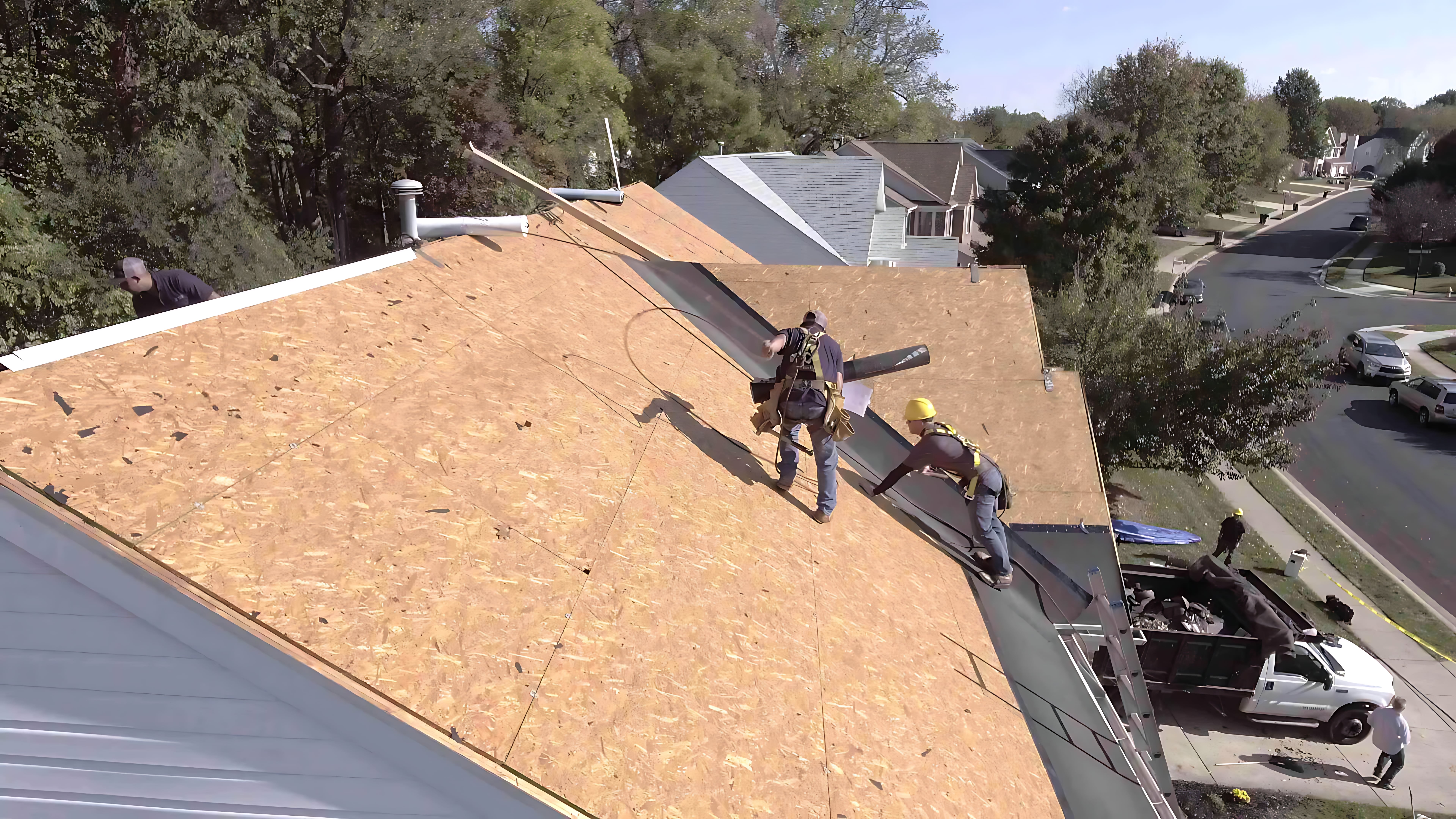
The best prevention strategy is to build the next roof over a stable, dry, and properly ventilated substrate. That means correcting deck issues before the new roof covering goes down, making sure underlayment lies flat, confirming attic intake and exhaust are balanced, and refusing to roof over conditions that are already telegraphing problems. Prevention also includes resisting the temptation to treat the visible shingle layer as if it can hide structural or moisture issues for long. It usually cannot.
Material quality still matters, but prevention is mainly about assembly discipline. A premium shingle over a moving deck is still a roof at risk. A well-installed shingle over a dry, stable, well-ventilated deck is far more likely to stay flat over time. That is one reason tear-off and deck review are so valuable on roofs with a history of buckling or irregularity. The next roof needs a clean baseline if the owner wants a different long-term result.
Maintenance plays a role too. Leaks, attic humidity issues, gutter overflow, and chronic roof-edge wetting should be addressed early so they do not start affecting the substrate below. Many buckling patterns take time to develop. Catching the moisture or movement source earlier can prevent the visible symptom from becoming widespread later.
For homeowners, the key takeaway is that buckling prevention starts under the shingles. The flatter and healthier the roof assembly is before installation, the less likely the roof is to start telegraphing hidden stress back through the finished surface later.
- Preventing buckling starts with a dry, stable deck and flat underlayment installation.
- Balanced attic ventilation helps reduce movement and moisture stress in the roof assembly.
- Premium shingles cannot compensate for unstable substrate conditions below them.
- Early maintenance helps prevent moisture-driven deck movement from becoming visible buckling.
- The next roof performs better when it starts from a corrected baseline instead of covering old problems.
Why Buckling Often Gets Misdiagnosed During Quick Inspections
Buckling is one of those roof issues that can be named quickly and understood poorly. A fast inspection may identify the symptom correctly but still miss the reason it is happening. That is because buckling can originate in the underlayment, the deck, the attic conditions, prior repairs, or the way the roof was installed years earlier. If the inspection never moves beyond the visible ripple, the homeowner may end up paying for a neat-looking repair that does not change the underlying movement pattern at all.
This is especially common when the roof is being evaluated from the ground or from a quick exterior walk only. Some roofs need attic review, moisture clues, or tear-off evidence before the contractor can say with confidence what is actually distorting the surface. That does not mean every buckled roof requires invasive work just to diagnose it. It means homeowners should be wary of overconfident recommendations that jump straight from visible waves to an exact scope without explaining what assembly issue is believed to be behind them.
Misdiagnosis also happens because buckling overlaps visually with other problems homeowners have heard of before. A roofer may call something curling, warping, heat damage, or just age when the pattern actually suggests deck movement or underlayment irregularity. The stronger contractors are usually the ones who take a little more time to map where the pattern occurs, whether it follows framing or deck lines, and whether there are nearby signs of moisture or ventilation imbalance that help explain it.
For homeowners, the lesson is straightforward: the buckling label is the start of the conversation, not the end of it. The value is in understanding what is causing the distortion and whether the proposed fix actually addresses that cause. Once that is clear, the decision about repair or replacement becomes much more defensible.
- Buckling is often diagnosed correctly as a symptom but incompletely as a cause.
- Quick exterior-only inspections may miss attic, deck, or underlayment conditions behind the problem.
- Visual overlap with curling or heat wear can lead to weak repair recommendations.
- Stronger contractors trace the buckling pattern instead of only naming it.
- Homeowners should expect the cause of the movement to be explained, not just the surface shape.
Wrapping it up
Roof shingle buckling is usually the roof’s way of showing that something underneath the visible surface is moving, swelling, wrinkling, or aging poorly. Sometimes that can be corrected in a focused way. Other times it signals a broader deck, moisture, ventilation, or lifecycle problem that makes replacement the smarter choice.
For homeowners, the most useful next step is not guessing from the ground. It is getting a clear diagnosis tied to the cause of the movement. Once you know whether the buckling is localized or systemic, the repair-versus-replacement question becomes much easier to answer and much less likely to turn into another short-lived patch later.
That is the real value of understanding buckling: it turns a worrying visual symptom into a clearer roof decision rooted in how the whole assembly is behaving.
Questions this guide answers
Quick answers tied to roof shingle buckling.
Utah Roof Repair Hub
Compare repair costs, local pros, and professional guidance to ensure your Utah roof is restored correctly and efficiently.