How to Clean a Shingle Roof Without Damaging It (2026)
By Skyridge Ricky • March 28, 2026 • 11 min read
People searching for how to clean a shingle roof are usually trying to solve a real appearance problem. Dark streaks, moss, lichen, dust, and algae can make a roof look older than it is, and nobody loves pulling into the driveway and seeing a roof that looks neglected. The issue is that asphalt shingles are not built to be blasted with high-pressure water. The granules on the surface are part of the protective system, and once they are stripped away, the shingle starts aging faster.
That is why roof cleaners and roofers do not always give the same answer. A pressure-washing company may focus on surface appearance. A roofing contractor is more likely to focus on what the cleaning method does to granule retention, seal strips, exposed edges, and the long-term weathering profile of the roof. On newer or mid-life shingle roofs, that distinction matters a lot. A roof can be made to look cleaner while also being made more vulnerable.
This article explains why power washing is usually the wrong approach on asphalt shingles, what safer cleaning methods are used instead, and how to tell when staining is cosmetic versus a sign of a bigger roof maintenance problem. If your goal is to improve appearance without shortening roof life, this is the decision framework to use in 2026.
Replacement And Buying Paths
Buying guides and replacement articles should route readers into the service pages, pricing tools, and quote path that convert research into projects.
Next steps from this article should include roof replacement services, roof inspection services, shingle roofing services, metal roofing systems.
Request a roofing estimate
Turn buying research into a real estimate.
Request a roofing estimateWhy Homeowners Want to Clean a Shingle Roof in the First Place
Most homeowners do not search for how to clean a shingle roof because they are excited about roof chemistry. They search because the roof looks dirty and they want a fast fix. Black streaks from algae, tree debris, moss growth in shaded areas, and general grime can make even a decent roof look tired. If the house is going on the market or the homeowner just invested in siding and landscaping, the roof becomes the last visibly tired surface and naturally gets attention.
There is also a common assumption that roofs should be cleaned the same way driveways, decks, and fences are cleaned. That assumption makes sense on the surface. High-pressure cleaning works well on a lot of hard exterior materials. The problem is that asphalt shingles are not a hard masonry surface. They are a layered roofing product with exposed mineral granules embedded in asphalt. Those granules protect the shingle from UV exposure and weathering. Once they are loosened or stripped, the roof is not just cleaner. It is less protected.
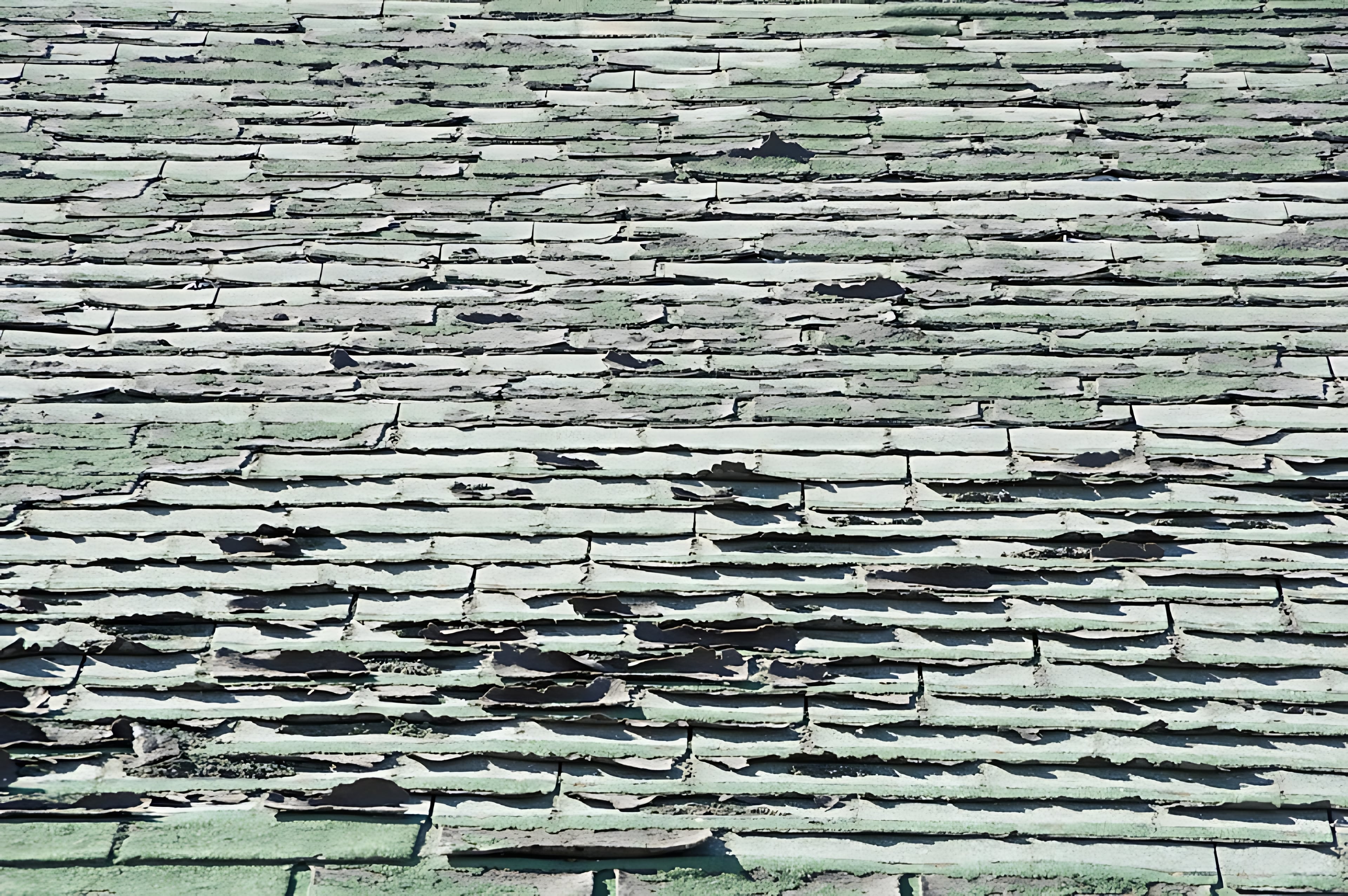
Appearance issues can also overlap with real maintenance issues. Streaking may indicate algae. Patchy green areas may indicate moss and trapped moisture. Heavy debris can hold water against the roof edge and gutter line. So the homeowner is not wrong to care about the appearance. The important distinction is that the roof may need treatment and cleaning, but it does not necessarily need aggressive pressure. In most cases, it needs the right method rather than the most forceful one.
That is where many bad decisions start. The homeowner sees a dirty roof, a cleaner offers a pressure solution, and nobody pauses to ask whether the cleaning method matches the material. On shingle roofs, that question matters more than the before-and-after photo.
- Homeowners usually consider power washing because of streaks, moss, or general roof discoloration.
- Shingle roofs are often mistaken for surfaces that can be cleaned like concrete or decking.
- Visual staining may be cosmetic, biological growth, or a symptom of trapped debris and moisture.
- The roof may need cleaning or treatment without needing high-pressure washing.
- Appearance goals should be balanced against preserving granules and service life.
What High Pressure Does to Asphalt Shingles
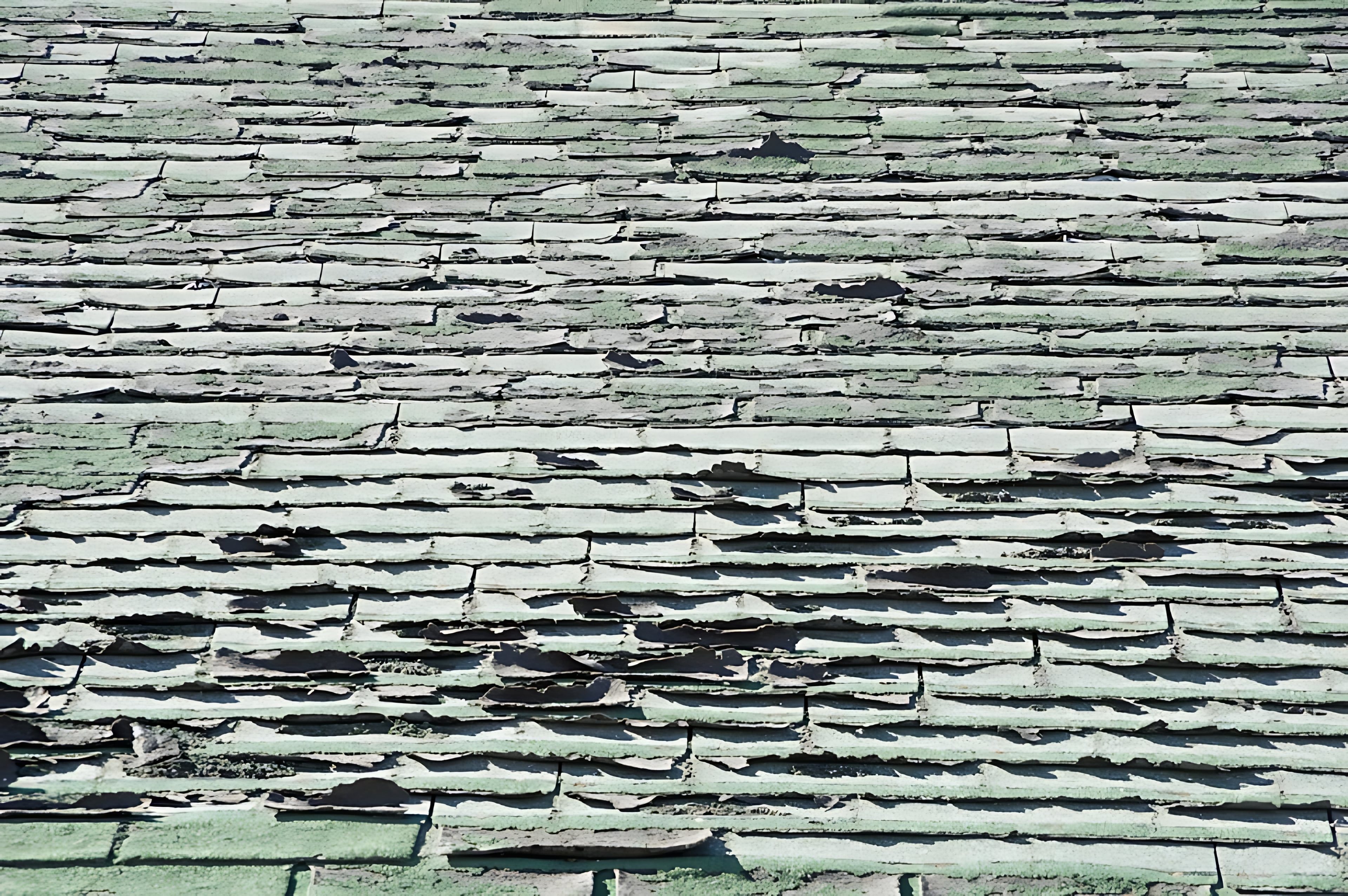
High pressure is rough on asphalt shingles because it attacks the exact surface meant to shield the roof from the elements. The stream can dislodge granules, especially on older shingles that already lost some bonding strength through heat and weathering. Once those granules are reduced, the asphalt beneath them takes more direct UV punishment. That speeds up drying, brittleness, and premature aging. The roof may look brighter for a moment while quietly losing some of the material that helps it last.
Pressure can also disturb the edges of shingles and break adhesive seals. On steeper roofs or older roofs, that can create future uplift points during wind events. A roof that looked stable before cleaning may end up with more vulnerable tabs afterward. If water is driven upward rather than downward, it can also be forced beneath the shingle courses or into weak flashing details. That does not happen every time, but it happens often enough that it should not be treated as a minor risk.
The danger is even greater when someone treats the roof like a speed-cleaning job. Close nozzle spacing, wrong spray angle, and repeated passes over one area can do visible mechanical damage fast. Homeowners may not recognize it until the next storm or until the gutters fill with loose granules weeks later. By then the roof cleaning company is usually gone and the repair question falls on the roofer.
This is why many manufacturers and roof professionals steer people toward soft-wash methods instead. The goal is to kill organic growth and lift staining without turning the cleaning process itself into a wear mechanism. If the cleaning method shortens the life of the roof, the roof was not really cleaned wisely in the first place.
- Pressure washing can remove the granules that protect shingles from UV and weathering.
- Aggressive spray angles can lift shingle edges and weaken seal strips.
- Water driven upward can enter weak roof details instead of simply rinsing the surface.
- Older shingles are especially vulnerable because the granule bond is already weaker.
- A cleaner roof is not a win if the cleaning process accelerates roof aging.
What to Do Instead of Power Washing a Shingle Roof
The safer alternative on most asphalt roofs is low-pressure or soft-wash cleaning paired with roof-safe treatment chemistry. The purpose is not to blast material off the roof. It is to loosen biological growth and staining while leaving the granular surface intact. Different contractors use different solutions, but the general principle is the same: kill the growth, allow the treatment to do the work, and rinse or weather it away with minimal mechanical force.
Soft-wash cleaning should also be paired with basic roof maintenance. Gutters should be cleared if they are backing water or holding debris. Overhanging tree limbs should be evaluated if they keep large portions of the roof damp and shaded. Moss-heavy sections may need more than one treatment cycle if the roof has been left alone for years. And if the roof is nearing end of life, it may be smarter to tolerate mild discoloration than to spend money chasing cosmetic perfection on a system that is already heading toward replacement.
Some homeowners also benefit from preventive measures rather than repeated cleaning. Zinc or copper strips, improved sun exposure, and debris control can help reduce repeat staining in the right setting. None of these are magic fixes, but they address why the roof keeps getting dirty instead of only treating the symptom. That is usually the smarter long-term maintenance posture.
It is also worth separating cleaning from repair. If algae streaks are the only issue, soft treatment may be enough. If staining is concentrated around one roof area because water is backing up or flashing is failing, the roof may need correction first and cleaning second. The method should follow the cause, not just the appearance.
- Soft-wash methods are usually safer on asphalt shingles than high-pressure washing.
- Cleaning works better when paired with gutter clearing and debris management.
- Preventive steps like tree trimming and metal strips may reduce repeat staining.
- Some older roofs are better left lightly stained than aggressively cleaned near end of life.
- If staining is tied to a roof defect, correction should happen before cosmetic cleaning.
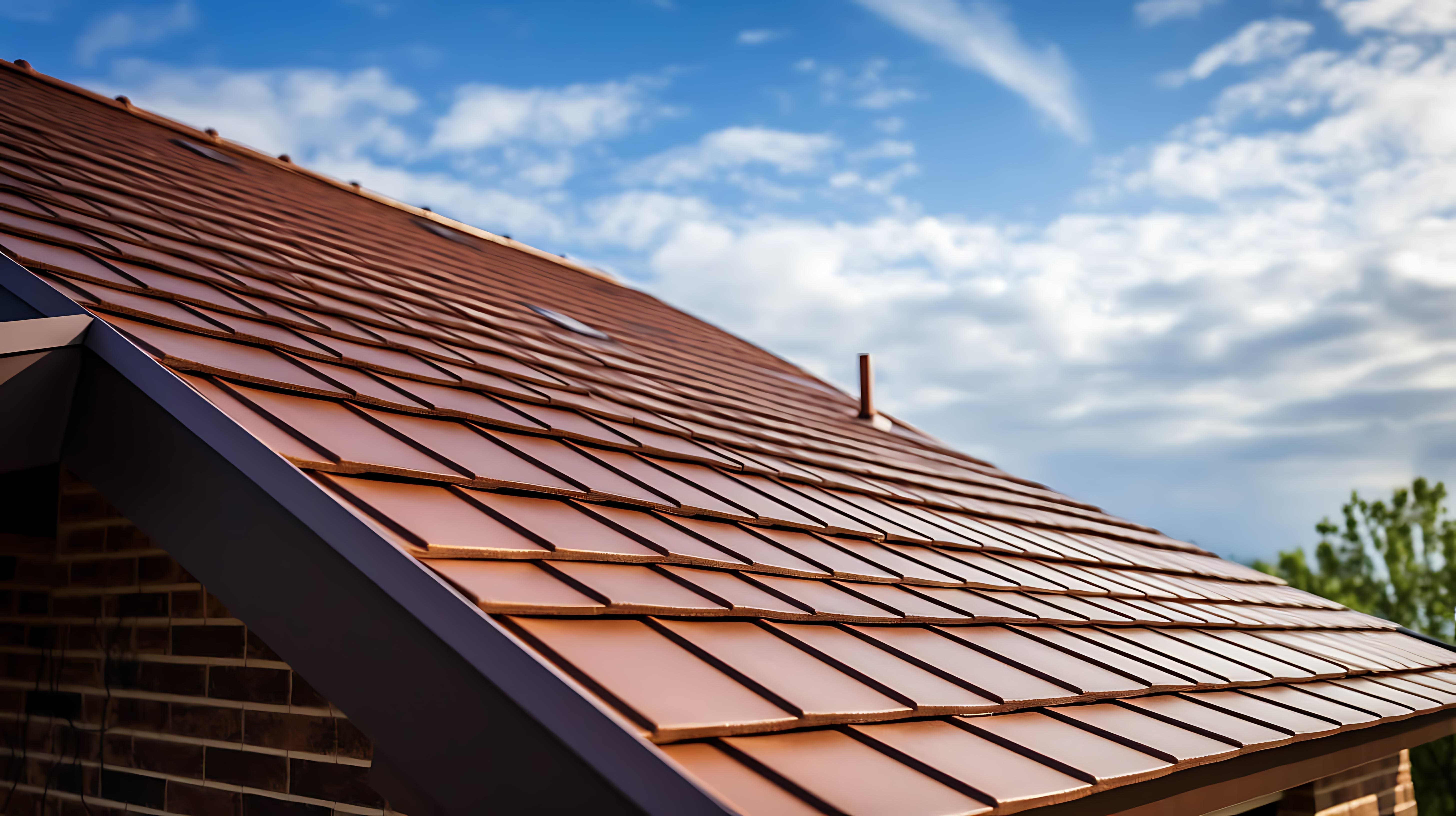
When Dark Streaks, Moss, or Debris Point to Bigger Roof Problems
Not all roof discoloration is just an appearance issue.
Persistent moss in one area can signal trapped moisture, bad drainage, heavy shade, or a low-slope section that dries slowly.
Granule loss beneath the staining can mean the roof is already aging out.
Dark streaks on their own are often cosmetic algae, but if they appear alongside lifted tabs, exposed nails, or repeated gutter overflow, the roof may need more than a cleaning estimate.
Tree cover plays a big role here.
Roofs that stay shaded and damp retain organic growth longer, and the debris that collects around valleys and lower edges can accelerate wear. On some houses, the right answer is not “wash the roof.” It is “change the conditions that keep the roof wet and dirty.” That may mean pruning trees, adjusting maintenance schedules, or improving drainage along eaves and gutters.
This is also where homeowners should be cautious about cosmetic urgency before a home sale. A roof that looks dirty but is structurally fine can sometimes be treated gently or disclosed honestly. A roof that looks dirty because it is also wearing out should not be disguised with aggressive cleaning just to freshen the photo set. Buyers and inspectors will care more about the condition of the roof than whether the algae streaks were recently blasted away.
The practical takeaway is simple: if the staining is localized, persistent, or paired with visible wear, get the roof inspected before approving a cleaning approach. Cleaning and maintenance should support roof life, not just mask its condition for a season.
- Persistent moss or streaking can point to moisture retention, shade, or drainage problems.
- Debris-heavy roof sections often need maintenance changes as much as surface treatment.
- Localized discoloration may reveal a roof issue rather than just a cleaning issue.
- Cosmetic cleaning should never be used to hide an aging roof before sale or inspection.
- Inspection is smart when staining appears alongside visible wear or repeated moisture problems.
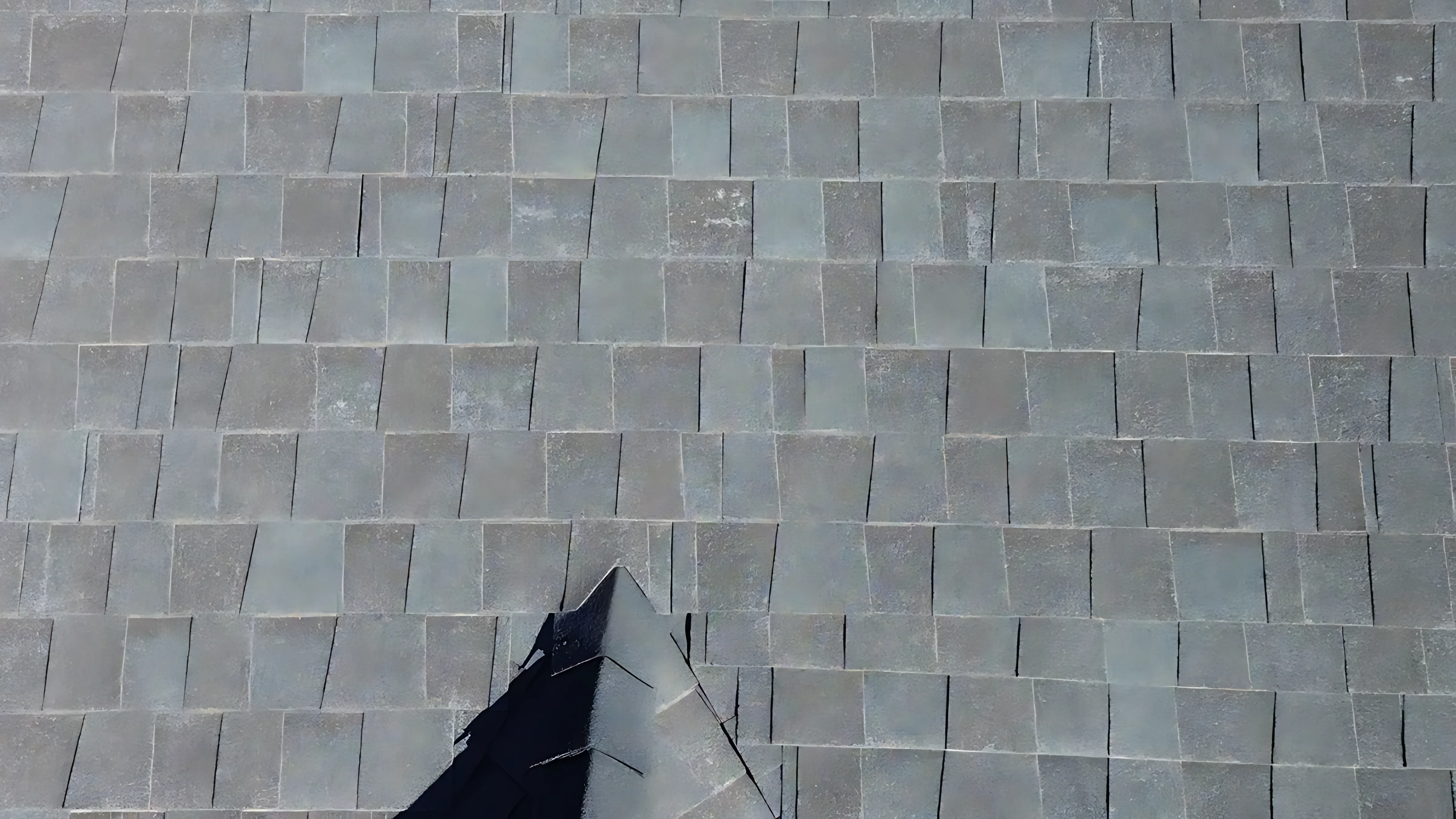
How to Hire the Right Roof Cleaner or Roofer for the Job
If you are hiring someone to deal with a stained shingle roof, ask the method question first. What pressure level will be used? What treatment chemistry is applied? How is overspray handled around landscaping? Has the company worked specifically on asphalt shingles, or do they mainly clean hardscape and treat the roof as one more washable surface? Those questions matter more than the sales pitch because they reveal whether the contractor understands the material they are touching.
Ask what the company will do if they see brittle shingles, broken tabs, or damaged flashing. A good answer is usually some version of “we stop, document it, and tell you.” A bad answer is “we can probably seal that while we are up there.” Roof cleaning and roof repair are different scopes, and the homeowner should know which one is being sold. If the roof already has age or storm wear, it may be better to involve a roofing contractor before any cleaning is approved.
Insurance, references, and roof-specific photos are helpful here as well. The cleaner should understand runoff control, shingle handling, and fall safety. The homeowner should also review expectations honestly. A safe cleaning method may not produce the instant bright result that a high-pressure blast produces in a marketing video, but it is usually far kinder to the roof. On shingles, preserving the roof should beat chasing the most dramatic same-day cosmetic transformation.
That is the right standard in 2026. Choose the method that solves the appearance issue while protecting the roof system underneath it. If the contractor cannot show how their process does both, keep looking.
- Ask roof cleaners exactly what pressure level and treatment process they use on shingles.
- Make sure the contractor understands asphalt roofing specifically, not just exterior washing generally.
- Separate cleaning scope from repair scope so roof defects are not improvised on the fly.
- Roof-safe cleaning may look less dramatic in the short term but is usually better for roof life.
- Preserving the roof system should matter more than chasing the sharpest before-and-after photo.
How Often to Clean a Shingle Roof and What to Avoid Between Cleanings
Homeowners often assume roof cleaning should be done on a fixed schedule, but the better approach is condition-based. Some roofs stay fairly clean for years because they get strong sun, have limited tree cover, and shed debris well. Others collect algae, needles, and damp organic buildup much faster because the roof stays shaded or the gutters and valleys trap material. The question is not how often everyone should clean a roof. It is how often your roof actually develops conditions that justify gentle treatment.
Between cleanings, the most useful maintenance steps are simple. Keep gutters clear so runoff does not back up at the eaves. Remove heavy debris from valleys and low areas before it stays damp long enough to support growth. Trim back branches that hold shade and drop material on the roof. Schedule an inspection if one roof section keeps looking worse than the others because that can signal a localized moisture or drainage issue instead of a cleaning issue alone.
What homeowners should avoid is just as important. Avoid aggressive pressure washers, stiff brushing, and store-bought experiments that are not designed for asphalt roofing. Avoid walking the roof casually if you do not know how to move on shingles without damaging them. Avoid letting one dramatic before-and-after marketing video convince you that force equals quality. On an asphalt roof, force is often what shortens the life of the system.
The safest maintenance rhythm is usually inspect first, clean gently when needed, and fix the conditions that keep the roof dirty in the first place. That approach protects appearance while still treating the roof like a weathering system instead of a hardscape surface. Over time, that is what helps homeowners keep a shingle roof looking better without sacrificing the years they still need from it.
- Roof cleaning frequency should be based on actual staining and debris conditions, not a rigid calendar.
- Gutter clearing, branch trimming, and debris removal often reduce the need for aggressive cleaning.
- Repeated staining in one area can point to a drainage or moisture issue worth inspecting.
- Homeowners should avoid pressure, stiff brushing, and improvised cleaning methods on shingles.
- Gentle cleaning works best when paired with maintenance that removes the cause of repeat buildup.
Wrapping it up
How to clean a shingle roof starts with choosing the right method, not the strongest one. High-pressure cleaning is usually the wrong tool for asphalt because it can remove protective granules, disturb shingle seals, and create more roof wear while trying to fix an appearance problem. Safer roof cleaning usually means soft treatment, low pressure, and attention to the conditions that keep the roof stained in the first place.
If the roof only looks dirty, treat it gently. If the roof looks dirty and also looks worn, inspect it before spending money on cleaning. That is the difference between cosmetic maintenance and accidentally shortening the life of the roof you were trying to improve.
Questions this guide answers
Quick answers tied to how to clean a shingle roof.
Utah Roof Repair Hub
Compare repair costs, local pros, and professional guidance to ensure your Utah roof is restored correctly and efficiently.
Core Repair Pages
Priority Local Pages
Utah Roof Inspection Hub
Get a comprehensive photo-audit and forensic roof assessment. We provide the documentation you need for insurance, real estate, or peace of mind.