
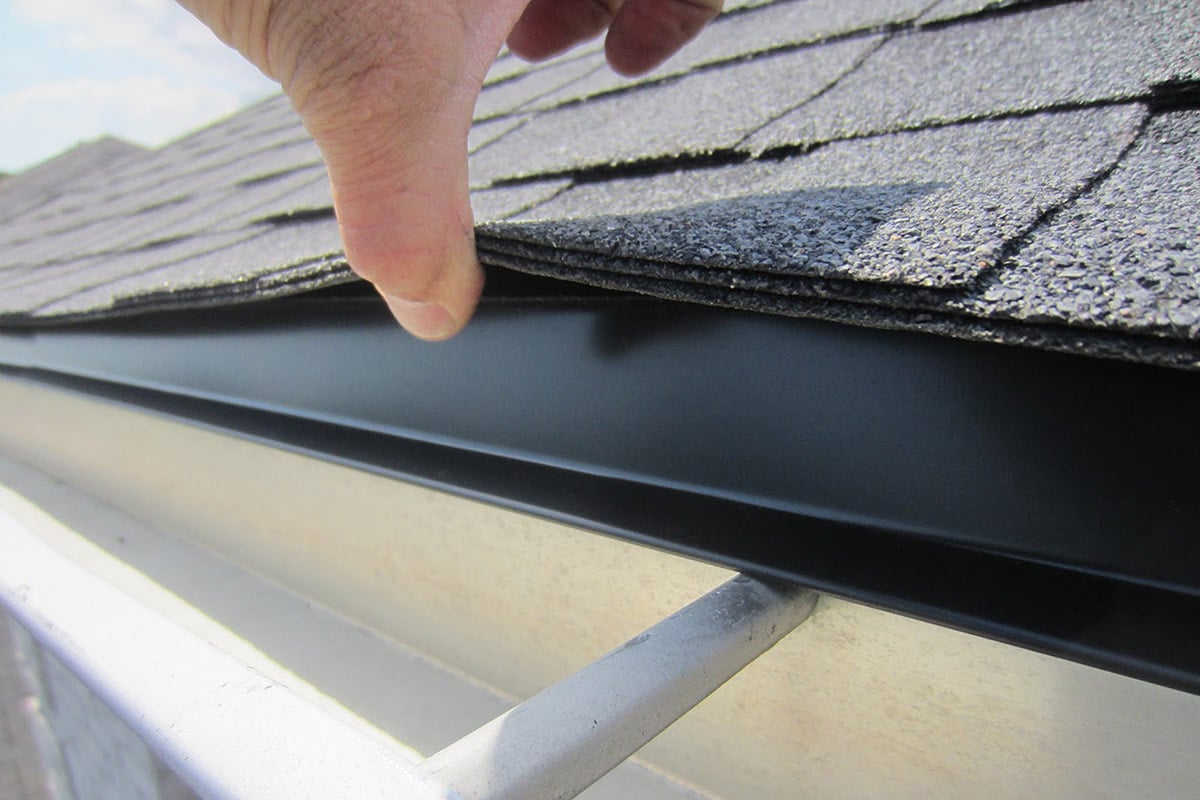
If you have ever asked what is drip edge for roofing, you are asking about one of the smallest roof details with one of the biggest long-term consequences. Drip edge is not a cosmetic strip of metal. It is a control point that helps direct water off the roof, protects roof decking edges, reduces fascia rot risk, and helps the roof system behave the way it was designed to behave. When it is missing or installed poorly, the water path at the edge of the roof gets sloppy fast.
This is one of those components homeowners rarely think about until something goes wrong. A roof replacement bid may mention drip edge in one line, or not mention it at all, and most people understandably focus on shingles, metal panels, or visible leak concerns instead. But the roof edge is where runoff actually leaves the system. If that transition into the gutter or away from the fascia is not handled well, water can wrap back under shingles, stain soffits, rot fascia, swell decking edges, and shorten the life of the whole roof edge assembly.
This guide explains what drip edge is, how it works, where it is installed, how it interacts with gutters and underlayment, and what homeowners should look for on estimates and inspections in 2026. If you want to understand why reputable roofers talk about this small strip of metal with so much seriousness, this is the right place to start.
What Drip Edge Actually Does on a Roof
The simplest way to understand drip edge is to think of it as a metal guide for water at the edge of the roof. It is usually an L-shaped or T-shaped metal flashing installed along the eaves and rakes. Its job is to help runoff break cleanly away from the roof edge instead of curling back toward the fascia, soffit, or roof deck. That may sound minor, but roof-edge water behavior is not minor. Surface tension can pull water back along the underside of shingles or the roof deck if the edge condition is weak.
Drip edge also protects the vulnerable edge of the roof sheathing. Decking edges are among the easiest places for repeated moisture exposure to cause swelling, delamination, and eventual rot. Once that starts, the problem often spreads into fascia boards, gutter attachment zones, and the first course of roofing material. On reroof projects, one of the common signs of missing or poorly installed drip edge is deteriorated wood exactly where the roof should have been shedding water cleanly for years.
Wind matters too. In storm conditions, drip edge helps support the roof edge assembly and improves how the first course of roofing handles uplift and runoff. It is not a substitute for starter strips or proper fastening, but it is part of the edge package that keeps water and wind from exploiting the first vulnerable transition. That is one reason building codes and manufacturer instructions treat it seriously.
So when people ask what drip edge is for, the real answer is this: it manages water at the exact place where poor water management does the most cumulative damage over time. It is a simple component doing an important systems job.
Professional Takeaways
- Drip edge helps water break away from the roof instead of curling back toward wood trim.
- It protects the edge of the roof deck, fascia, and soffit from repeated moisture exposure.
- It supports the roof edge assembly during wind-driven rain and runoff events.
- Missing drip edge often leads to hidden edge rot long before homeowners notice interior leaks.
- It is a system-detail component, not just a cosmetic metal strip.
Where Drip Edge Goes and Why Placement Matters
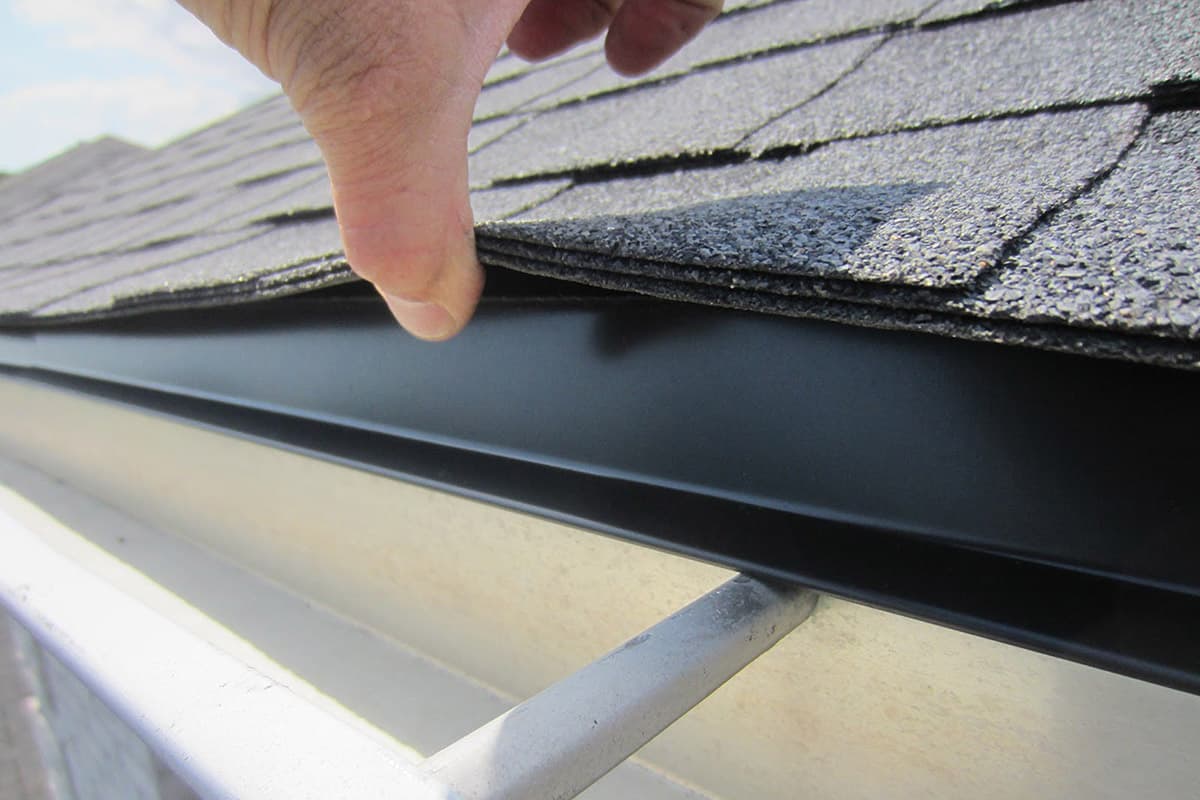
Drip edge belongs at the eaves and rakes, but placement is not identical in every location. At the eaves, it is typically installed beneath the underlayment so any water reaching the felt or synthetic layer can still shed over the drip edge and into the gutter line. At the rakes, it is often installed over the underlayment so wind-driven water is directed outward instead of getting under the edge detail. This sequence matters because the whole point is to maintain a controlled overlap path for water.
Homeowners do not need to memorize every manufacturer diagram, but they should know enough to ask the right questions. If a roofer cannot explain how the edge metal integrates with underlayment and starter material, that is a warning sign. The roof edge is not a place for improvisation. It is a place for lapping and sequencing details that have been worked out through code and manufacturer standards for a reason. Small mistakes there can create ongoing water problems without ever producing an obvious dramatic failure at first.
Placement also affects gutter performance. If the drip edge does not project correctly or if the gutter is mounted too low or too far from the roof plane, runoff can shoot behind the gutter instead of into it. Homeowners often assume this means the gutters are the problem alone, but sometimes the roof edge transition is the real culprit. That is why reroofs and gutter replacements should not be treated as unrelated scopes when the edge condition is already in question.
In short, drip edge does not just need to exist. It needs to be in the right place, with the right overlap relationship to underlayment, shingles, and gutter geometry. That is what makes the detail actually work.
Professional Takeaways
- Eave and rake placement usually differ because water and wind behave differently at those edges.
- The sequence between drip edge and underlayment is a critical waterproofing detail.
- Improper projection or gutter alignment can send runoff behind the gutter instead of into it.
- Reroof and gutter scopes often need to be evaluated together when the edge condition is failing.
- Drip edge effectiveness depends on placement and integration, not just material presence.
What Happens When Drip Edge Is Missing or Installed Wrong
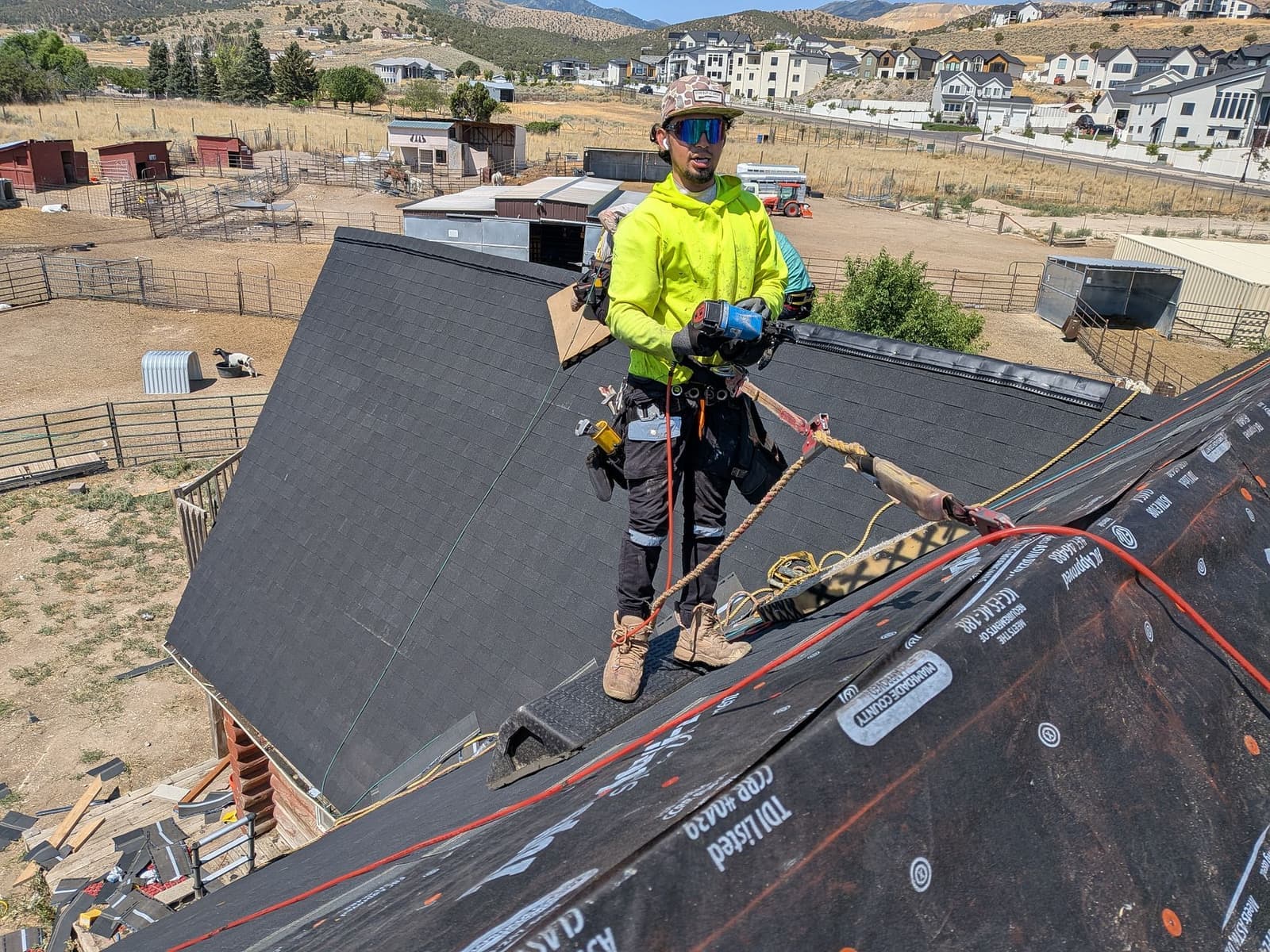
Missing or badly installed drip edge usually causes damage slowly, which is part of what makes it expensive. Water can run behind the gutter, wick into fascia, swell plywood edges, stain soffits, and weaken the first row of roof decking before a homeowner ever sees a major leak. By the time the roof is replaced, the contractor may find rotten edge wood and assume it is just age, when in reality the roof edge has been mismanaging water for years. This is one of the easiest ways cheap roof jobs create hidden future cost.
Improper installation also shows up in subtler ways. If the edge metal is too tight to the fascia with no proper kick, water may cling and wrap back. If it is poorly lapped, wind-driven rain can exploit the joints. If the shingles overhang too far or not far enough relative to the drip edge, runoff may behave unpredictably and damage the gutter or trim below. These issues can be hard to spot from the ground, which is why many homeowners assume everything is fine until paint peels, gutters pull away, or wood begins to soften.
On insurance and supplement work, drip edge matters because it is often code-required and frequently omitted from under-scoped estimates. A roof replacement that ignores missing or damaged drip edge is not really restoring the system correctly. That is one reason experienced contractors document it so carefully during inspections and claims discussions. It is a small line item with a disproportionate effect on whether the finished roof is actually complete.
The practical lesson is simple: drip edge failure may not look dramatic at first, but it can quietly undermine the roof edge for years. When homeowners understand that, they stop treating it like optional trim and start treating it like part of the waterproofing system.
Professional Takeaways
- Missing drip edge often causes slow fascia and decking damage before leaks are obvious inside.
- Poor overlap, projection, or gutter alignment can send water where it should never go.
- Edge wood rot is frequently tied to years of bad runoff management at the eaves.
- Drip edge is often a code or scope item that should not be skipped on reroof projects.
- Small roof-edge mistakes can produce large long-term repair bills.
How Drip Edge Relates to Gutters, Underlayment, and Insurance Scope
Drip edge should never be thought of as a standalone accessory. It sits right at the intersection of the roof covering, underlayment, fascia condition, and gutter performance. If a homeowner is replacing the roof but leaving a broken edge transition unresolved, they may still end up with runoff problems after the new shingles are installed. If gutters are being upgraded but the roof edge is rotten or the drip edge is missing, the drainage system still may not catch water the way it should. These components work together whether the estimate acknowledges that or not.
Underlayment is especially important because it provides a backup path when wind-driven rain or ice-related moisture gets beneath the visible roof covering. If the underlayment and drip edge are sequenced incorrectly, that backup path can fail at the exact place it needs to work most. The average homeowner may never see that detail after installation, but the roof will live with it every time it rains. This is why edge sequencing is worth asking about even on otherwise straightforward reroof jobs.
Insurance and supplement conversations often bring drip edge into focus because adjusters may miss it or lump it into broader edge work. A detailed contractor scope may identify that code or manufacturer requirements call for replacement even when the carrier estimate did not list it clearly. Homeowners benefit when their contractor can explain that in plain language rather than treating it like mysterious “extra” work. The better the documentation, the easier it becomes to align the final scope with a complete build.
When people understand drip edge in the context of gutters, underlayment, and code, they make better decisions about reroofs and better comparisons between bids. It stops being just a metal strip and starts being a key coordination point in the whole water-shedding system.
Professional Takeaways
- Drip edge works together with gutters, fascia, underlayment, and starter materials.
- Incorrect sequencing with underlayment can break the roof’s backup water path at the edge.
- Gutter upgrades may still underperform if the roof edge transition is weak or rotten.
- Insurance estimates sometimes miss drip edge even when replacement is required for a proper build.
- Homeowners make better bid comparisons when edge metal is discussed as part of the full roof system.
What Homeowners Should Look For on Estimates and Inspections
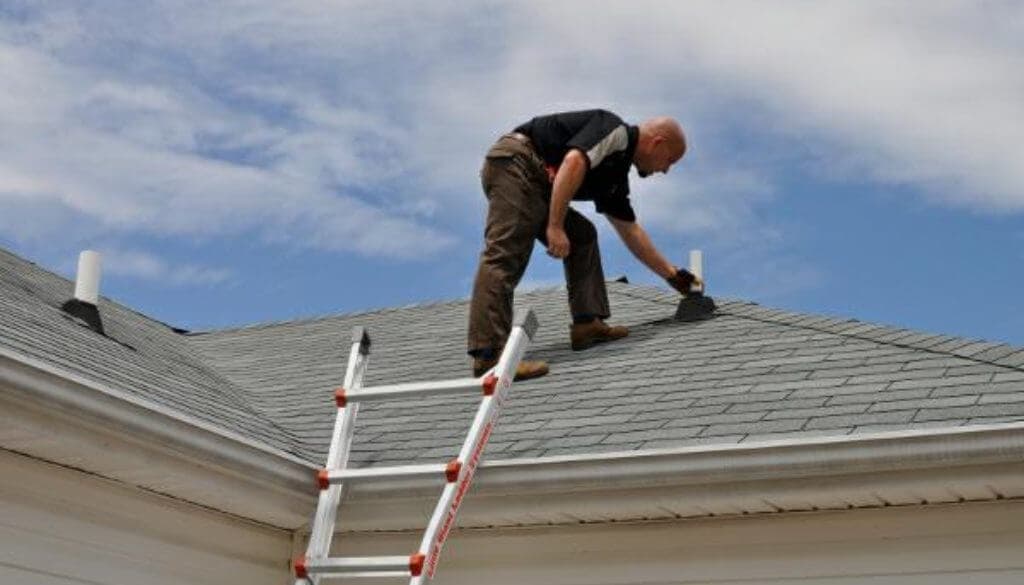
If you are reviewing a roof replacement or repair estimate, look for drip edge to be listed clearly rather than hidden in vague wording. Ask whether it is being replaced at both eaves and rakes, what type of metal is being used, and how it will be integrated with the underlayment. If gutters are staying, ask whether their position relative to the new drip edge has been checked. If fascia or decking edges are soft, ask whether the estimate includes wood replacement or whether that would be handled as hidden-condition work after tear-off.
On inspections, look for visible signs that the edge condition may be failing. Water staining behind gutters, peeling fascia paint, soft wood at eaves, swollen sheathing edges, and runoff that overshoots or slips behind the gutter are all clues worth documenting. None of them prove the problem is only drip edge, but they absolutely justify closer attention to the roof edge detail. Homeowners should also understand that exact visual confirmation may require tear-off if the roof covering is masking the edge condition.
The best contractors do not get defensive when asked about this detail. They usually appreciate the question because it shows the homeowner understands that quality lives in the small parts of the system, not just in the shingle brand or color. If the contractor cannot explain drip edge clearly, that is not just a drip-edge problem. It may be a sign they do not think about roofing systems in enough depth overall.
For homeowners, that is the real benefit of understanding drip edge. You become much better at reading estimates, asking sharper questions, and spotting whether a proposal is complete. That small metal strip becomes a quick test of whether the roof scope in front of you is thorough or superficial.
Professional Takeaways
- Estimates should list drip edge clearly instead of burying it in vague general material language.
- Ask whether both eaves and rakes are included and how the metal integrates with underlayment.
- Peeling fascia paint and water behind gutters are common clues that edge runoff is misbehaving.
- Soft roof-edge wood may require decking or fascia repair in addition to new drip edge.
- A contractor’s answer about drip edge often reveals how seriously they treat roofing details overall.

Why Drip Edge Shows Up in Good Roof Scopes and Bad Roof Complaints
One reason drip edge matters so much in homeowner education is that it appears in two places over and over again: in good roof proposals and in bad roof outcomes. Strong contractors list it clearly because they know it belongs in a complete roof-edge assembly. Weak contractors skip it, bury it in vague wording, or reuse questionable existing edge conditions to keep the price low. Years later, those same low-detail roof jobs often produce the exact kinds of complaints homeowners never thought would trace back to a strip of metal: rotted fascia, water behind gutters, peeling paint, swollen decking edges, and frustrating leaks at the eave line.
This makes drip edge a surprisingly useful quality test when comparing roofers. If a contractor is casual about the roof edge, they may be casual about other critical transitions too. Roofing quality tends to cluster. Crews that care about drip edge usually also care about starter alignment, underlayment sequencing, flashing details, and ventilation transitions. Crews that shrug off drip edge often shrug off a lot of the invisible parts of the system that determine whether the roof performs well after the truck leaves.
It also matters in claim and supplement conversations because line items that seem small are often where under-scoped estimates reveal themselves. Drip edge, ice-and-water, flashings, and ventilation accessories are easy for carriers or low-detail contractors to compress into broad language. Homeowners who understand what these items do are harder to steer toward incomplete scopes. That knowledge does not make you a roofer. It just makes you harder to under-educate during a major home project.
That is why drip edge deserves more attention than it gets. It is a small part that reveals a lot about whether a roof is being treated as a real system or just a visible surface with shingles on top.
Professional Takeaways
- Drip edge often separates thorough roof scopes from stripped-down low-detail proposals.
- Roofers who care about drip edge usually care about other hidden performance details too.
- Many homeowner complaints at the roof edge can be traced back to missing or weak edge metal.
- Understanding drip edge helps homeowners resist incomplete bids and under-scoped insurance estimates.
- A small line item can reveal a lot about overall roofing quality.
Wrapping it up
What is drip edge for roofing? It is the small edge-flashing detail that helps the entire roof shed water correctly at its most vulnerable exit point. It protects decking edges, fascia, gutter alignment, and the backup path created by the underlayment. When it is missing, skipped, or installed wrong, the roof may still look fine from the street while quietly starting to fail at the edge.
That is why good roofers never shrug it off as a minor accessory. Homeowners who understand drip edge ask better questions, compare bids more intelligently, and are much less likely to pay for a “new roof” that leaves a weak water-management detail hiding in plain sight. In practical terms, a little knowledge about drip edge often prevents a lot of expensive confusion later and helps you recognize whether a roof scope is actually complete before the crew ever starts tearing anything off.
On real projects, that awareness can be the difference between a roof that simply looks new and a roof that is actually built to move water correctly for years through storms, snowmelt, and everyday runoff.
Information Center
Questions this guide answers
Quick answers tied to what is drip edge for roofing.
