

Searching for roof leak repair Utah usually means the problem is already affecting real life. You have water on drywall, staining near a light fixture, damp insulation in the attic, or a drip that only appears during wind-driven storms and disappears before anyone arrives. Leak calls in Utah are different from leak calls in milder climates because the roof has to survive heavy UV, freeze-thaw cycles, canyon wind events, snow load, spring melt, and sudden summer downpours. Those conditions expose weak details fast.
One of the biggest mistakes homeowners make is assuming the stain marks the source. Water can enter high on the roof, follow framing, bypass insulation, and show itself several feet away from the original opening. That is why leak repair should start with tracking, not patching. The fastest visible fix is not always the correct one, especially on roofs that have already seen a few winters. A proper leak scope looks at exterior conditions, attic signs, flashing details, vent penetrations, valleys, gutter backup, and whether ice, wind, or age played the bigger role.
This guide is built for high-intent homeowners comparing real options in 2026. We will walk through common leak causes in Utah, what emergency stabilization should and should not do, how repair estimates are built, and how to tell when the leak is an isolated event versus a sign the roof system is wearing out. If you need clarity before you approve a repair, start here.
Why Roof Leaks in Utah Are Harder to Diagnose
Utah creates a more complicated leak environment than many homeowners realize. A roof here is not just handling rainfall. It is handling snow accumulation, rapid melt cycles, high-altitude sun exposure, sharp day-night temperature swings, and wind that can push water sideways into details that would stay dry in calmer weather. That combination makes roof leak repair Utah a diagnostic job before it becomes a repair job. If the original cause is misunderstood, the same leak often comes back after the next weather event.
Ice-dam-related leakage is one of the most common winter patterns. Warm attic air melts snow higher on the slope, runoff freezes at the colder eaves, and backing water works uphill beneath the shingles. The stain may appear near an exterior wall, but the real issue is usually attic heat loss, ventilation imbalance, or insufficient ice-and-water protection. Spring leaks bring a different pattern. Gutters overloaded with granules or debris can force water behind fascia and starter details. Summer storms expose seal-line failures, lifted tabs, and flashing weaknesses that were already close to failing but had not yet been tested by wind-driven rain.
Utah homes also have a wide mix of roof ages and installation quality. Some leak calls come from relatively new roofs where the material is fine but the flashing detail was handled poorly from day one. Others come from roofs that are simply worn out. The challenge is separating construction defects, storm damage, deferred maintenance, and normal end-of-life failure. Each one points to a different repair strategy and a different level of confidence in the outcome.
That is why real leak diagnosis uses more than a quick top-side glance. Moisture path, roof slope, exposure, attic condition, and prior repair history all matter. In Utah, the same visible symptom can come from very different causes depending on elevation, orientation, and recent weather. Good leak repair begins by narrowing that chain of cause and effect until the evidence lines up.
Professional Takeaways
- Utah leak paths are shaped by snow, melt cycles, UV, wind, and major temperature swings.
- Ice dams, gutter backup, flashing failure, and storm uplift often produce similar interior symptoms.
- The visible stain rarely identifies the exact point of water entry on its own.
- Attic heat loss and ventilation imbalance can be root causes behind recurring winter leaks.
- A durable repair depends on correctly identifying whether the leak is storm-driven, age-driven, or detail-driven.
The Most Common Leak Points on Utah Roofs
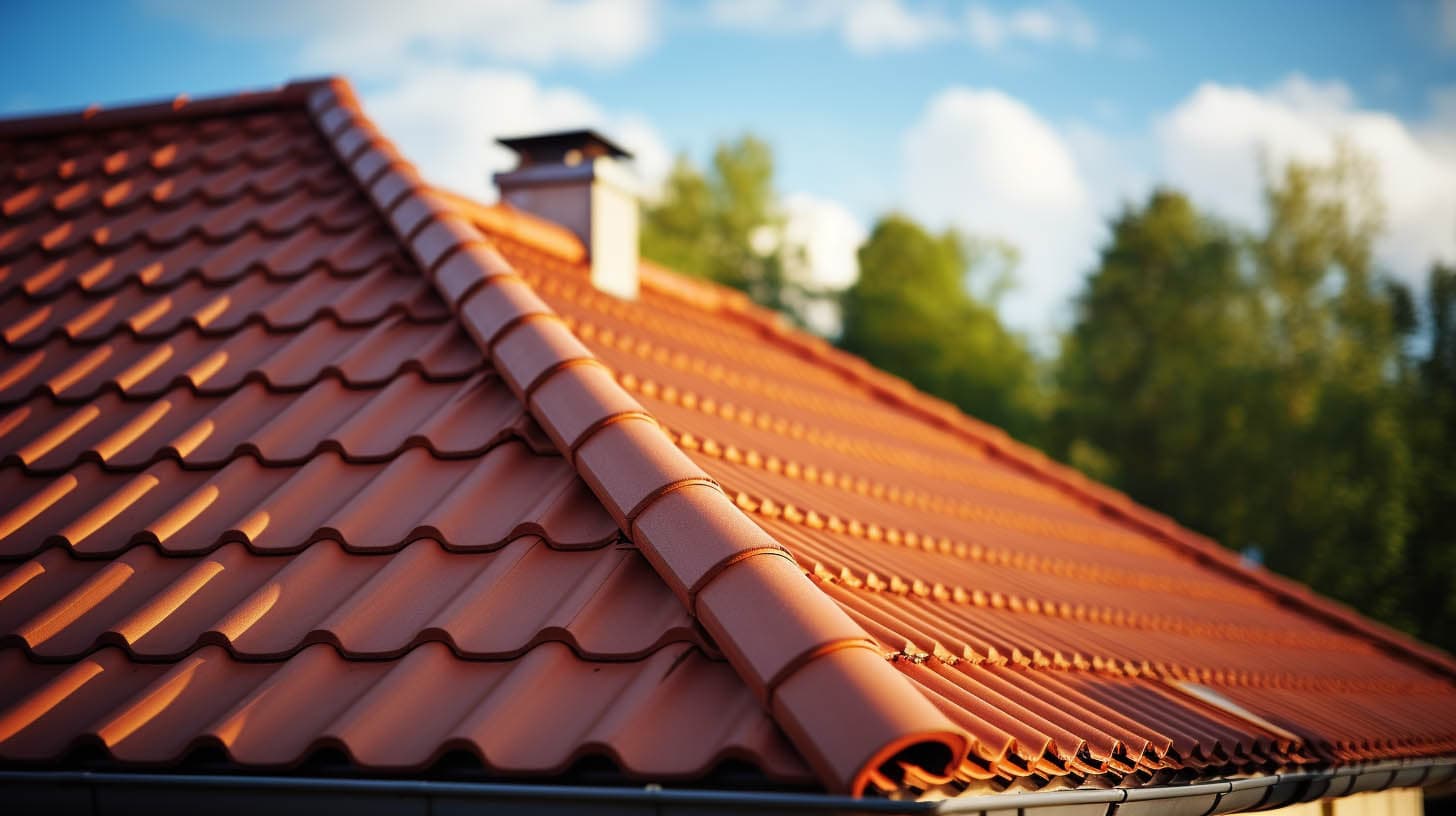
Most leak calls cluster around transition details rather than open shingle fields. Chimneys, skylights, plumbing vents, furnace flues, valleys, wall intersections, and ridge transitions all interrupt the basic water-shedding pattern of the roof. These locations handle concentrated runoff and movement, which means they are the first places to fail when flashing is undersized, improperly lapped, face-nailed, or overdependent on sealant. On asphalt systems, pipe boots are a frequent culprit because the rubber collar takes constant UV exposure and becomes brittle faster than many homeowners expect.
Valleys are another consistent problem area because they collect water from two roof planes. A valley that was woven poorly, under-nailed, or exposed to years of debris buildup can leak even when the rest of the roof looks acceptable. If the roof is older, the valley often acts like the canary in the coal mine. It is the first place where loss of granules, thermal wear, and runoff stress combine into an interior issue. On steeper homes with complex rooflines, sidewall and headwall flashing details around dormers can do the same thing.
Wind damage creates subtler leak points. Homeowners expect missing shingles, but just as often the storm breaks seal strips and creates lifted tabs that flex during later storms. Those tabs may not leave the roof immediately, yet they stop protecting the nails and underlayment the way they should. By the time the homeowner notices discoloration indoors, the actual event that weakened the roof may have happened weeks earlier. That is why inspection after major weather matters even when the roof still looks mostly intact from the ground.
Flat and low-slope sections on additions or porches introduce another layer of risk. Membranes, ponding water, edge metal, and drainage details behave differently than the main sloped roof, but water from those areas can migrate into the same ceiling cavities. If your home has mixed roof types, leak diagnosis has to account for both systems together. Otherwise the crew fixes the obvious shingle issue while missing the low-slope section feeding the same stain.
Professional Takeaways
- Chimneys, skylights, valleys, sidewalls, and vent penetrations are the highest-risk leak zones.
- Pipe boots often fail earlier than the surrounding roof because of heavy UV exposure.
- Wind can create lifted tabs and broken seal lines before any shingles visibly blow off.
- Valleys often reveal age-related wear before other areas of the roof show obvious failure.
- Mixed roof systems need whole-system diagnosis so low-slope and steep-slope leaks are not confused.

Emergency Roof Leak Repair: What Helps Right Away and What Does Not
When water is actively entering the house, the first priority is stabilization. That may mean interior containment, attic moisture control, temporary exterior waterproofing, or all three depending on conditions. Emergency repair is not supposed to be pretty. It is supposed to stop water from damaging insulation, drywall, framing, and electrical components while the permanent scope is prepared. The key is understanding that stabilization and full correction are not the same thing. Good companies explain that clearly.
Tarping has a real place in emergency response, especially after wind or storm damage, but it has to be installed correctly and only where it actually intercepts the leak path. A poorly placed tarp can miss the opening entirely or channel water into new areas. The same goes for temporary sealant. Applied selectively, it can buy time around a known puncture or exposed fastener pattern. Used as a blanket strategy, it can trap moisture, hide the origin, and make later permanent work harder. Homeowner-applied mastics are especially notorious for turning a straightforward flashing repair into a messy demolition job.
Inside the home, protecting the building matters as much as the roof. Water should be contained, wet insulation should be evaluated, and saturated drywall near fixtures or wiring should be treated carefully until the leak path is secure. If the leak followed framing into the attic, simply stopping the current drip may still leave trapped moisture that needs drying. A professional emergency response should look at both the active roof condition and the immediate risk of secondary damage.
The handoff from temporary to permanent repair is where many jobs go sideways. Homeowners are relieved the drip stopped, then assume the issue is solved. In reality, emergency measures buy breathing room. The actual repair still needs to address damaged shingles, flashing, deck conditions, ventilation contributors, or drainage problems that caused the leak in the first place. The best emergency roof leak repair contractors document what they stabilized and what still needs a proper rebuild.
Professional Takeaways
- Emergency stabilization is designed to stop immediate water entry, not replace full repair scope.
- Tarping only works when it is placed to intercept the real leak path and runoff pattern.
- Caulk and roof cement can buy time but should not replace flashing or structural detail work.
- Interior containment and drying are part of leak response when insulation or drywall is saturated.
- A complete follow-up scope is still required after the active drip has been stopped.

How Roof Leak Repair Pricing Is Usually Built
Leak repair pricing is usually built around diagnosis time, access difficulty, detail complexity, and what the crew finds once the area is opened. That means the final number is often tied to more than the visible stain or the size of the wet spot indoors. A leak near a chimney on a steep two-story roof can cost meaningfully more than a larger issue on a low, accessible slope because the labor conditions are completely different. Roof shape, pitch, material age, and whether the leak is tied to flashing or field shingles all influence the cost.
Emergency timing can add cost as well. Same-day storm response, tarping, after-hours dispatch, and temporary protection are different services from a scheduled repair on a dry day. If the leak has been active long enough to soften decking or cause multiple layers of moisture damage, the roofer may need to include sheathing replacement, underlayment restoration, and more extensive relay work. On low-slope sections, membrane patching or edge detail rebuilds may require specific materials and curing conditions that also affect price.
Utah homeowners should also watch how estimates describe hidden conditions. The strongest proposals explain what is included, what assumptions the price is based on, and what circumstances would trigger additional cost. That protects you from vague bids that sound cheap but exclude the likely causes of the problem. If a quote says “seal leak area” without mentioning flashing, deck condition, or materials, you probably are not seeing the whole scope.
The practical way to compare estimates is to ask each contractor what they believe the leak source is, how they will verify it, which components they intend to replace, and what they expect the repair to accomplish. Price matters, but clarity matters more. The cheapest leak repair is usually the one that does not need to be repeated after the next storm.
Professional Takeaways
- Leak repair pricing depends heavily on access, pitch, detail complexity, and hidden-condition risk.
- Emergency response, tarping, and after-hours dispatch are usually priced separately from permanent repair.
- Decking, underlayment, and flashing replacement are common cost drivers once the area is opened.
- The best estimates state assumptions and define what conditions would trigger additional work.
- Comparing diagnosis logic is often more useful than comparing bare totals.
When a Leak Means Repair and When It Means Replacement
One leak does not automatically mean you need a new roof. Plenty of Utah homes have isolated leak issues caused by one failed penetration, one storm-damaged slope, or one transition detail that was weak from the original installation. If the rest of the roof is in solid condition, repair is often the right move and can preserve years of remaining life. The problem is that homeowners often hear two extreme messages: either “it is just a minor patch” or “you need a whole roof.” Reality is usually more nuanced.
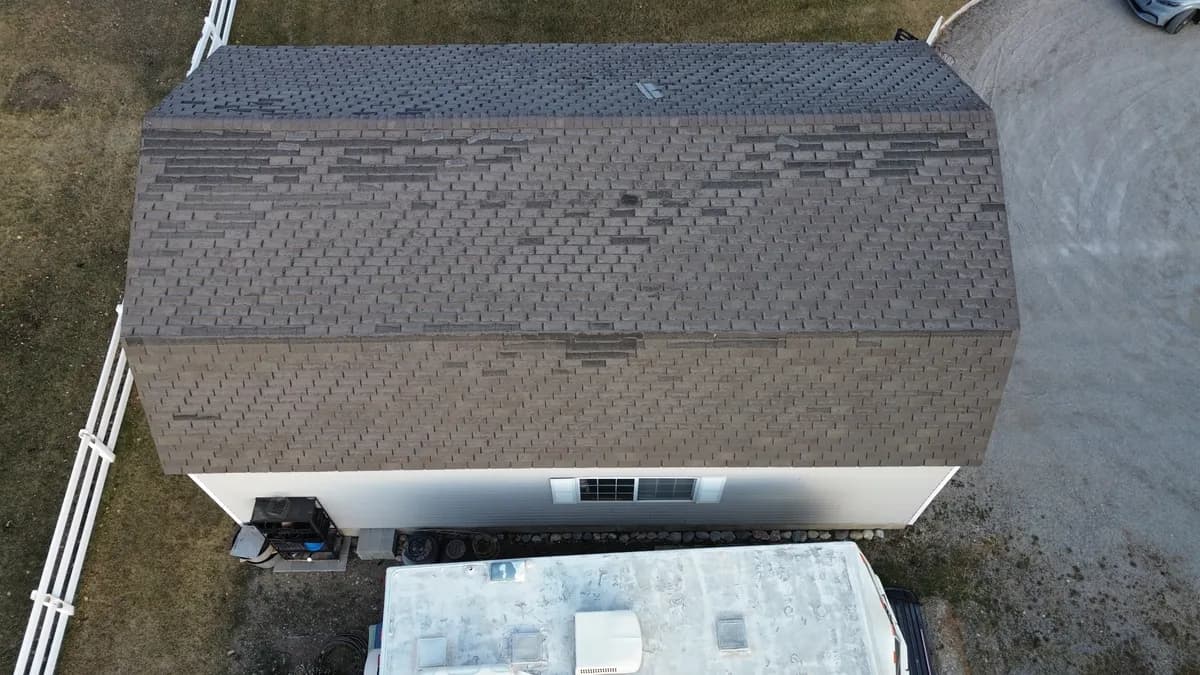
The better question is whether the leak is isolated or representative. If the roof is nearing the end of its service life, if multiple slopes show granule loss, if tabs crack during handling, if previous repairs are scattered around the roof, or if interior leaks have happened more than once, the current leak may simply be the first visible symptom of a larger failure pattern. In that case, repairing the newest problem may not restore confidence in the roof. It may only delay replacement while more moisture risk builds elsewhere.
Material compatibility also matters. On older roofs, new shingles may not integrate cleanly with weathered material. On roofs with repeated winter leakage, the real corrective work may involve ventilation, attic air sealing, or ice-and-water upgrades that are more practical during replacement than spot repair. If the roof has active insurance involvement from hail or storm damage, timing may matter too. Some homeowners decide to repair immediately to stop the leak, then schedule replacement once the claim or budget path is settled.
The right decision is the one that matches the roof condition, timeline, and risk tolerance. A good contractor should be able to explain what a repair can confidently solve, what it cannot promise on an aging roof, and how long replacement can reasonably be deferred if you choose the repair-first route. That is what honest leak guidance looks like.
Professional Takeaways
- A single isolated leak on a healthy roof often favors repair over replacement.
- Multiple leak events, widespread wear, and brittle shingles usually weaken the case for patching.
- Older roofs may have limited repair compatibility because surrounding material no longer handles well.
- Some leak causes are tied to ventilation and ice-dam problems that go beyond spot repair.
- A strong contractor should explain both the repair path and the replacement path clearly.

What Homeowners Should Do Before the Roofer Arrives
Homeowners can make the repair process faster and safer by documenting the leak before anyone starts moving materials or cutting ceilings. Take photos of the stain, active drip, attic moisture if accessible, and any recent exterior conditions like missing shingles or fallen debris. Note when the leak appears, whether it happens during snowmelt or only during certain storm directions, and whether it has happened before. Timing details are valuable because they help the roofer connect the leak to ice, wind-driven rain, overflow, or a penetration failure rather than guessing from the stain alone.
Inside the house, protect finishes and belongings without creating new hazards. Buckets, towels, and moving furniture out of the path make sense. Puncturing bulging drywall or working near electrical fixtures does not, unless a qualified professional is directing the response. If insulation is visibly soaked in an accessible attic, avoid compressing or disturbing it more than necessary before the leak path is stabilized. The goal is to limit damage while preserving evidence of where the water traveled.
Outside, resist the urge to improvise permanent fixes. Homeowner-applied tar, foam, and random sealants often create more cleanup and can make the eventual repair harder to diagnose. If emergency tarping is needed for active water intrusion and it can be done safely by professionals, that is different. But walking a wet, steep, or storm-damaged roof without the right equipment creates injury risk without giving you much useful information. A better use of time is gathering documents, prior repair records, and insurance information if recent weather may be part of the damage story.
When the roofer arrives, share what you observed instead of leading with what you think the cause is. The best repair outcomes come from combining homeowner timeline details with on-roof and attic evidence. That shared information often shortens diagnosis time and leads to a more precise repair scope.
Professional Takeaways
- Take photos of interior symptoms, timing, and any visible exterior clues before conditions change.
- Record whether the leak happens during snowmelt, wind-driven rain, or all precipitation events.
- Protect interior finishes, but avoid risky self-repair work on wet or steep roof surfaces.
- Gather prior repair records and insurance information if recent weather may be relevant.
- Share observations with the roofer, but let inspection evidence determine the final diagnosis.
Wrapping it up
Roof leak repair Utah is rarely about one visible drip. It is about tracing the weather pattern, building detail, and roof condition that allowed water to get inside. When the source is diagnosed correctly, many leaks can be repaired without rushing into a full reroof. When the leak is treated as random and patched blindly, the same home often pays for the same problem twice.
If you are deciding between bids right now, prioritize evidence, flashing detail, and whether the contractor can explain why the leak happened in the first place. The more clearly the diagnosis is tied to observed conditions, the more confidence you can have that the repair is solving the real entry point instead of just calming the symptom for one more season. That is the difference between temporary relief and a real fix.
Information Center
Questions this guide answers
Quick answers tied to roof leak repair utah.
Related Services & Repair Resources
Related Roof Repair Pages
This guide is part of the same repair cluster as the Utah repair hub, the homepage, the priority city pages, and the West Jordan commercial page that is also surfacing for repair-adjacent searches.
