
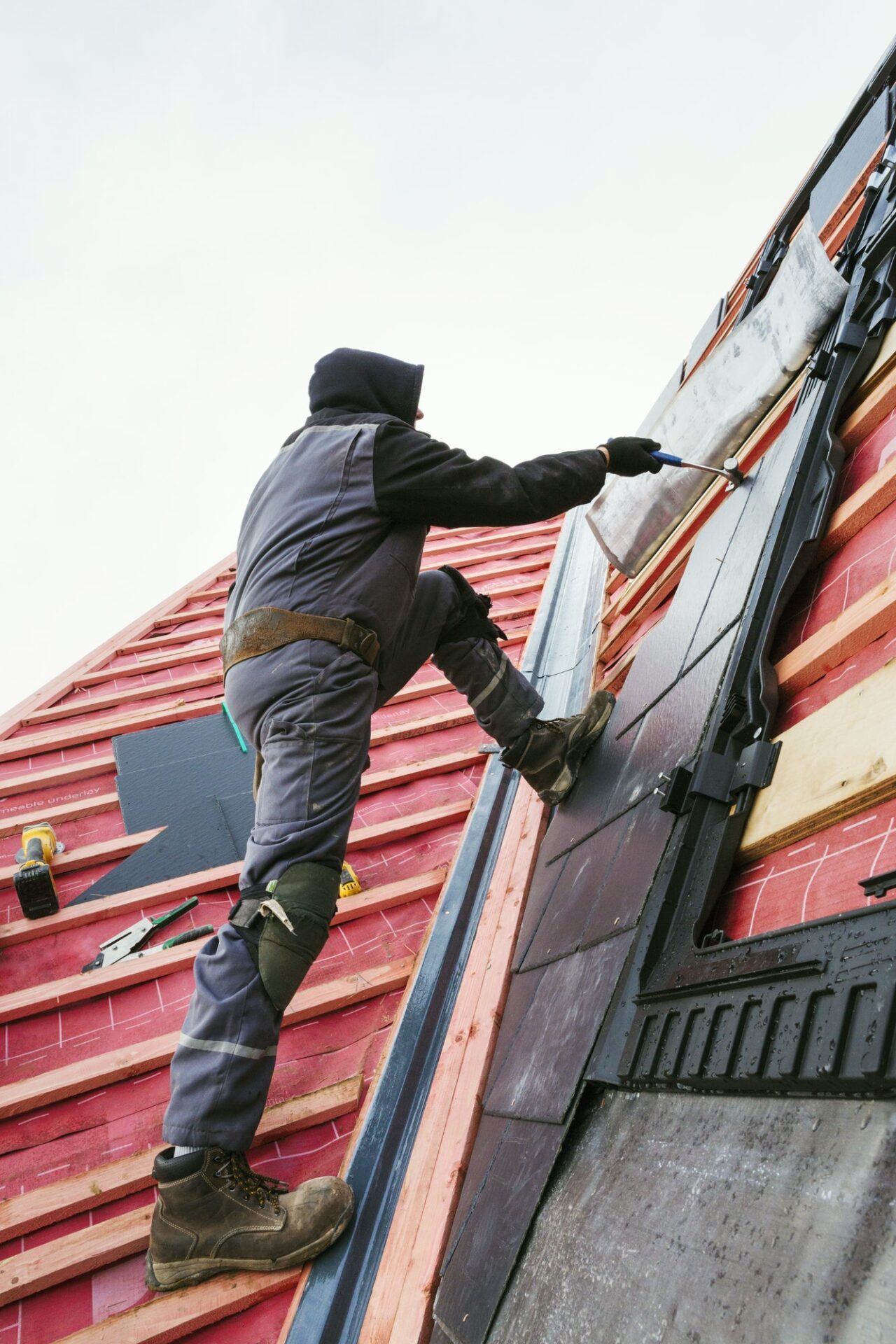
If you are searching for shingle roofing repair, you usually are not in research mode for fun. You have a stain on the ceiling, shingles in the yard, wind damage after a storm, or a roofer told you a “small repair” is all you need and now you are trying to separate a real scope from a fast sales pitch. That is exactly where most homeowners get stuck. Shingle roofs fail in predictable ways, but the symptoms rarely show up in the same place as the cause. A water spot in the hallway may start at a pipe boot, a valley, a lifted starter course, or flashing that was never integrated correctly in the first place.
The good news is that asphalt systems are repairable when the roof still has enough life left in it. The bad news is that weak repairs are everywhere. We see caulk-only patch jobs, mismatched shingles slapped over brittle tabs, and “storm fixes” that hide damage for ninety days and then open back up the next time wind pushes rain uphill. A real repair is not just replacing what looks broken from the ground. It is tracing the path of water, checking the seal lines, confirming underlayment condition, and rebuilding the weak detail so the roof behaves like a system again.
This guide follows the structure we use when we evaluate repair-first roof calls in 2026. We will cover where shingle roofs usually fail, what a professional repair should include, how pricing is usually built, and when it makes more sense to stop paying for patches and move toward replacement. If your goal is a high-intent, decision-ready answer instead of generic advice, this is the framework to use.
What Usually Causes a Shingle Roof to Start Leaking
Most homeowners assume a shingle roof leak means a few shingles blew off. Sometimes that is true, but it is not the most common failure pattern. In the field, shingle roofing repair usually starts with one of five issues: failed flashing, broken seal strips, exposed fasteners, aging pipe boots, or mechanical damage from wind and thermal cycling. The shingle itself is only one layer in the assembly. When the accessory parts fail, water gets under the shingles and starts moving laterally across the deck before it ever shows up inside.
Flashing details are the first place we look because they carry the highest leak risk per square foot. Chimneys, sidewalls, dead valleys, skylights, and roof-to-wall transitions all ask the material to do more than just shed vertical rainfall. They have to handle runoff concentration, debris, wind-driven moisture, and seasonal movement. If step flashing was face-nailed, reused, or buried under sealant during the original install, that detail can fail long before the surrounding shingles wear out. The same thing happens with plumbing penetrations. The shingle field may look acceptable from the street while the pipe boot above your bathroom is split open from UV exposure.
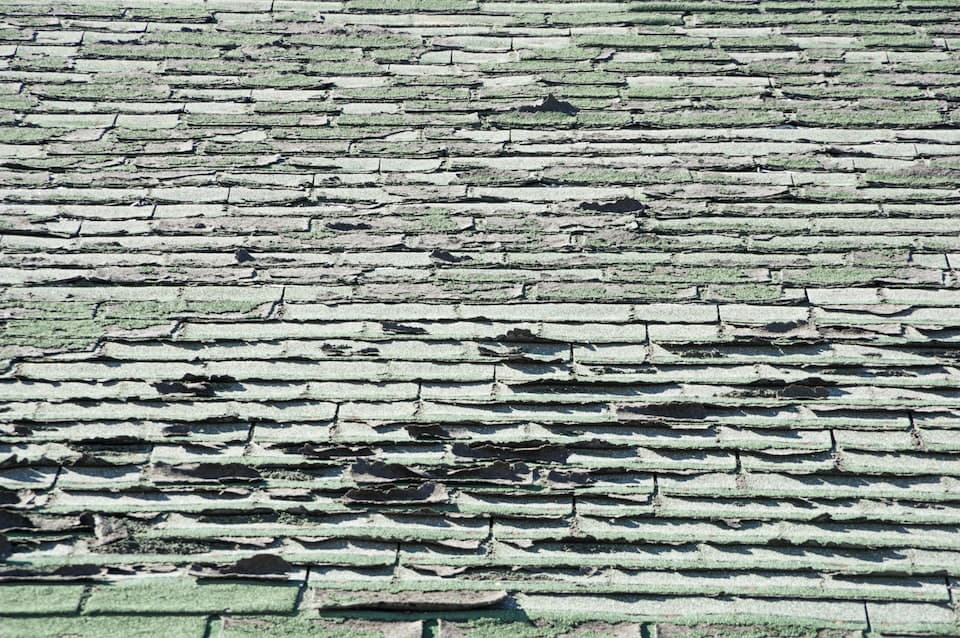
Wind creates a different category of failure. On a healthy shingle roof, the adhesive strip bonds courses together so uplift forces are shared across the slope. Once those seal lines break down, tabs begin fluttering, creasing, and eventually tearing away. That can happen after a single storm or after years of sun exposure that leave the asphalt dry and stiff. Homeowners often notice the damage only after they find granules in the gutter or a few tabs folded back near the ridge. By then the underlayment may already have taken repeated wetting. A proper repair includes checking the surrounding shingles for brittleness and confirming whether the damaged area is isolated or part of a wider pattern.
Age matters too. A ten-year-old architectural shingle with a localized valley issue is a very different repair candidate than a twenty-year-old three-tab roof losing granules on every slope. The older the roof, the harder it becomes to integrate new shingles without cracking adjacent material or creating visible patchwork. That does not automatically mean replacement, but it changes the repair strategy and the odds that one leak is really the first of several. The right first step is diagnosis, not guessing.
Professional Takeaways
- Most leak calls trace back to flashing, penetrations, valleys, or seal-line failure rather than a single obvious hole.
- Lifted or creased tabs usually indicate wind uplift and should trigger a wider slope inspection.
- Granules in gutters and downspouts are often an early warning that repairability is narrowing.
- A repairable roof still needs flexible surrounding shingles and structurally sound decking underneath.
- Water entry often starts uphill or sideways from the stain you see inside.
How a Professional Shingle Roofing Repair Should Be Scoped
A durable repair starts with documentation and isolation. Before a bundle is opened, a good roofer should identify the leak path, photograph the damage, and determine whether the issue is limited to a repair zone or tied to a broader system problem. That means attic review when accessible, top-side inspection, and attention to details like brittle tabs, exposed nail heads, step flashing integration, and deck softness. If a contractor is offering a quote from the driveway without touching the roof, that is not a scope. That is a guess with a price attached.
The actual repair sequence matters. Damaged shingles should be removed carefully so surrounding tabs are not cracked during extraction. Fasteners need to be lifted or cut cleanly. If water reached the decking, soft or delaminated sheathing should be replaced instead of covered back up. Underlayment should be restored where needed, especially around valleys, penetrations, and transition points. New shingles should be color-matched as closely as possible, but compatibility and waterproofing matter more than cosmetic perfection. On older roofs, exact color matching is rarely realistic because sun exposure changes the original material over time.
Flashing work separates real repair crews from shortcut patchers. If counterflashing, pipe boots, apron metal, or step flashing is the cause, the repair should address those components directly. Smearing sealant around the edges is not rebuilding the detail. At chimneys and sidewalls, properly lapped metal and correct shingle weaving are what stop recurring leaks. At penetrations, replacing the flashing boot and reintegrating the shingles is usually more durable than trying to preserve a failing part to save a few minutes of labor.
Sealants still have a place, but only in the right role. High-quality roofing sealant can reinforce exposed fasteners, seal hand-tabs where required by manufacturer guidance, and protect small transition details after the structural repair is complete. It should not be the whole repair. If most of the visible work is one tube of black mastic, you are buying time, not resolution. A professional repair scope should explain what is being removed, what is being replaced, and what conditions would trigger a larger recommendation once the crew opens the area.
Professional Takeaways
- Inspection should include exterior review and attic confirmation when possible.
- Soft decking must be replaced, not covered, if moisture compromised the substrate.
- Pipe boots, step flashing, apron metal, and valley details often need full component replacement.
- Sealant supports a repair; it should not be the repair plan by itself.
- A written scope should define the exact repair area and note any hidden-condition risk.

Shingle Roofing Repair Cost: What Drives the Price
The cost of shingle roofing repair is driven less by the number of shingles and more by access, detail complexity, and hidden-condition risk. Replacing six wind-damaged tabs in an open field is usually straightforward. Rebuilding a leaking chimney transition, replacing rotten decking around a plumbing penetration, or repairing a valley after repeated water intrusion is a different class of work. That is why homeowners get wildly different numbers for what seems like “the same leak.” One bid may be pricing a cosmetic patch. Another may be pricing the actual corrective repair.
Labor is usually the biggest variable. Steeper roofs take longer and require more safety setup. Multi-story access changes production speed. Fragile surrounding shingles slow removal because every tab has to be handled carefully. Matching discontinued materials may add time and procurement cost. If interior moisture suggests long-term leakage, the roofer may also need to budget for deck replacement or additional tear-back once the area is opened. Those are not upsells. They are common field conditions on older asphalt systems.
Small repairs also tend to have a minimum service cost. Crews, vehicles, insurance, setup, and skilled labor are still required whether the repair takes two hours or two days. That is why a professional leak repair often costs more than homeowners expect when the visible damage looks minor. The service call is paying for diagnosis, access, and the ability to make the roof watertight in one trip. When the job includes valley metal, multiple slopes, or flashing replacement, the cost can move up quickly because you are rebuilding the detail rather than simply swapping shingles.
The better way to evaluate pricing is to compare scope depth, not headline price. Ask what is included if decking is bad, whether flashing is being replaced or reused, whether surrounding shingles are brittle enough to limit warranty expectations, and how the repair will be documented. Cheap repair numbers often leave those questions unanswered. Higher-quality bids usually show you exactly where the money is going and why the repair is likely to last longer than one season.
Professional Takeaways
- Access, pitch, height, and flashing complexity usually affect price more than raw shingle count.
- Most repair calls carry a minimum service cost even for small visible damage areas.
- Deck replacement and flashing replacement are common price drivers once a leak area is opened.
- Color-match difficulty can affect labor time but should not outrank waterproofing quality.
- Comparing scope depth is more useful than comparing the lowest number on the page.
When Repair Makes Sense and When It Is Wasted Money
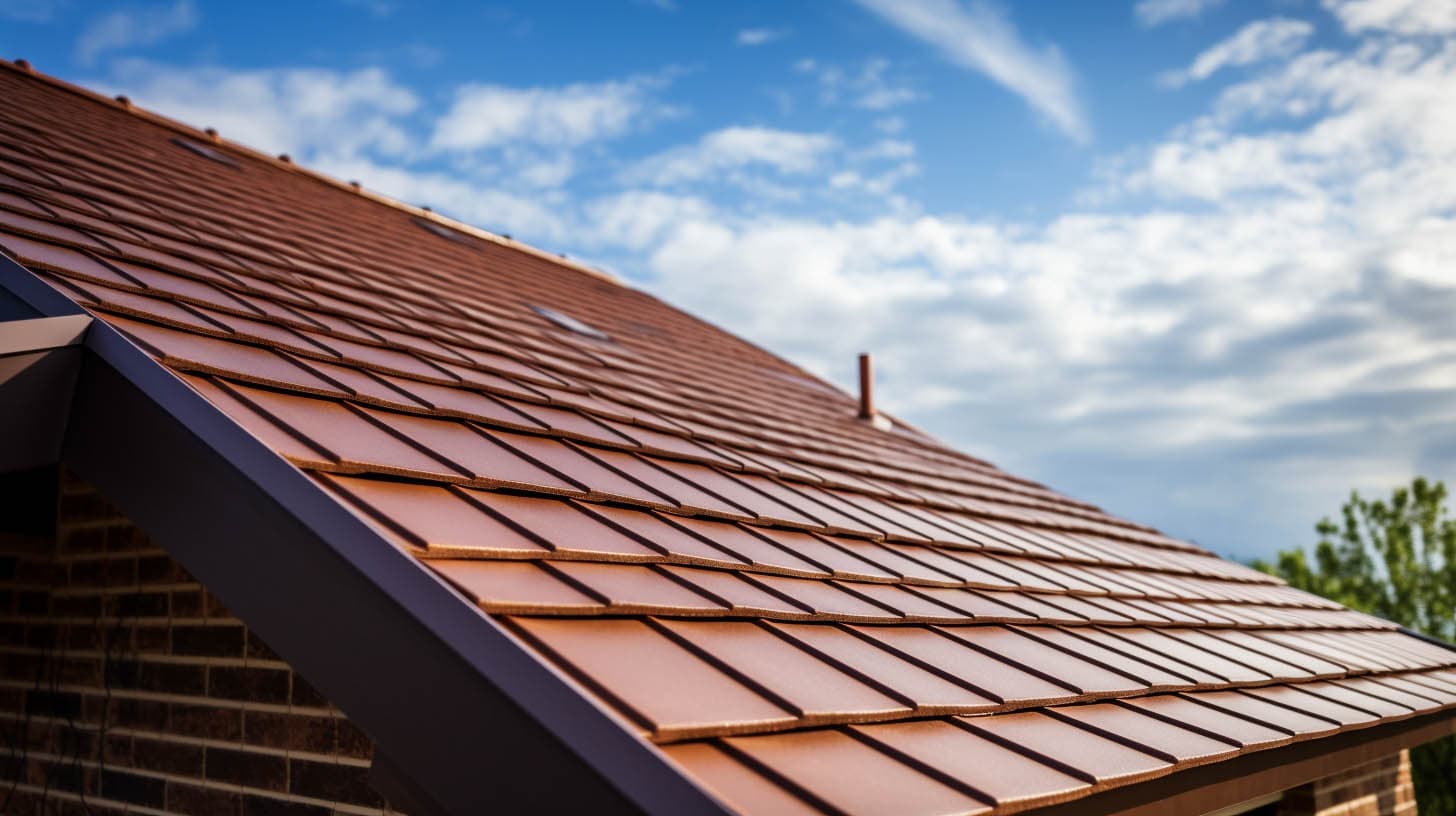
Repair makes sense when the roof still has service life, the issue is localized, and new material can be integrated without breaking down the surrounding field. That is the sweet spot. A twelve-year-old architectural roof with isolated wind loss, a failed pipe boot, or one leaking sidewall detail is often a strong repair candidate. You can restore the weak area, preserve the rest of the roof, and delay replacement for years if the overall assembly is still sound.
Repair becomes weak value when you are fighting the same roof over and over again. If multiple slopes are losing granules, tabs crack during handling, previous patches are scattered around the house, and interior leaks are showing up in more than one place, the roof is telling you it is at the end of economical maintenance. At that point the next repair may stop one leak while another opens six months later. Homeowners often spend enough on staggered emergency work to cover a meaningful chunk of a full replacement without ever regaining confidence in the roof.
One practical test is replacement compatibility. If a roofer cannot remove and relay the affected area without breaking adjacent shingles, the repair may still be technically possible but commercially weak. Another is deck condition. If hidden rot extends beyond a small zone, you are not dealing with a simple shingle issue anymore. Insurance status, planned home sale timeline, and whether the roof has already exceeded its realistic service life also matter. The goal is not to avoid replacement at all costs. The goal is to spend the next dollar in the place where it buys the most certainty.
That is why honest repair-first contractors sometimes recommend replacement. Not because repair is impossible, but because the odds of repeat failure are too high to call the patch a smart decision. Good guidance should show both paths clearly: what repair can realistically accomplish, how long it is expected to last, and what conditions would make a full reroof the more efficient option.
Professional Takeaways
- Localized damage on a roof with remaining life is usually a good repair candidate.
- Repeated leaks, widespread brittleness, and multiple patched areas often indicate poor repair ROI.
- If surrounding shingles crack during handling, repairability may be close to exhausted.
- Deck rot and multi-area moisture intrusion shift the problem beyond simple shingle replacement.
- The goal is not the cheapest fix today; it is the most durable next step for the roof as a whole.
How to Choose a Roofer for Shingle Roof Repairs
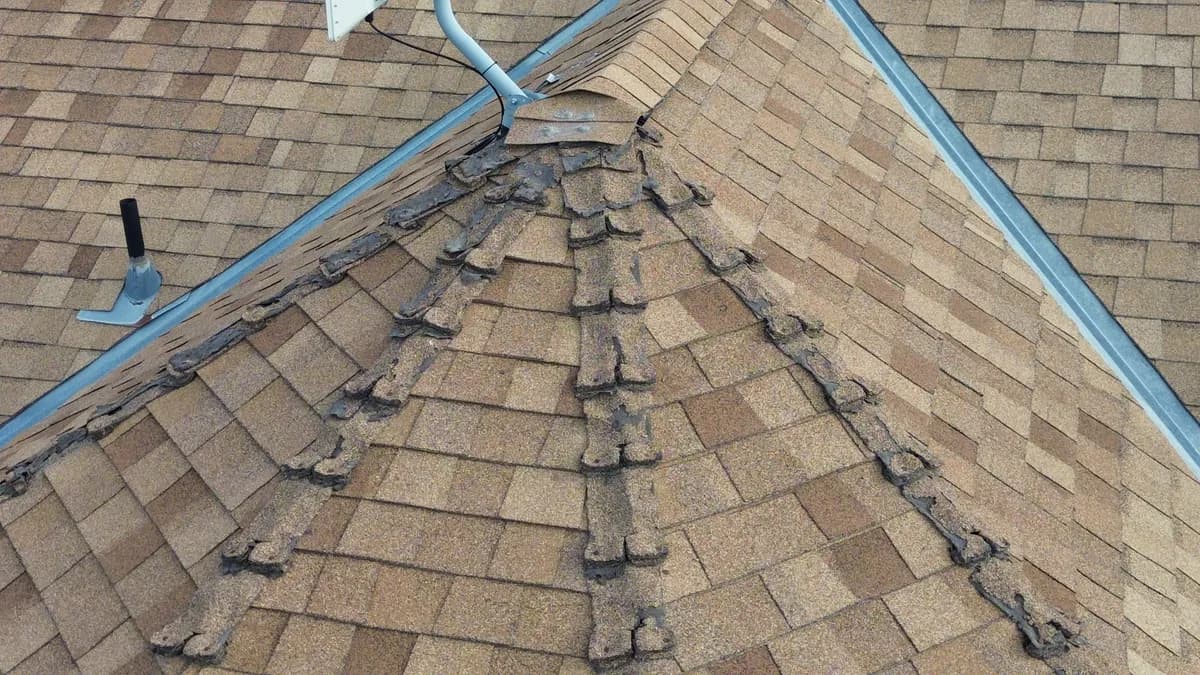
If you want a repair that lasts, hire for detail work, not just availability. The best repair contractors are usually the ones who can explain failure mechanisms clearly, show you photos, and tell you what would make the repair succeed or fail before work starts. Ask whether they replace flashing when needed, whether they document hidden conditions, and whether they expect the existing shingles to stay workable during removal. Good answers are specific. Bad answers sound like “we will just seal it up” or “we should be able to patch that no problem” with no mention of the surrounding roof condition.
Insurance, licensing, and local track record matter because repair work is easy to underscope. A contractor doing leak repairs should have no issue providing proof of coverage and examples of similar work. It also helps to ask what happens if the crew opens the area and finds bad decking or failed flashing beyond the original estimate. Reputable companies explain change-order conditions up front instead of surprising you mid-job. They also know when to stop and tell you the repair has crossed into replacement territory.
Photos are one of the simplest screening tools. Ask for before-and-after images of real repair jobs, especially chimneys, penetrations, and valleys. Clean relay work, proper flashing integration, and tidy fastener patterns tell you much more than a glossy sales brochure. Reviews help, but field evidence is better. You want a roofer who treats repair work as skilled restoration rather than leftover filler between reroof jobs.
Finally, look for straight language about expectations. Repairs on aging roofs can still be the right move, but they should come with realistic limits. A contractor who explains those limits is protecting you. A contractor who promises a miracle on a worn-out system is usually selling hope, not craft. High-intent homeowners make better decisions when the scope, risks, and likely lifespan of the repair are all put on the table.
Professional Takeaways
- Choose a roofer who can explain the cause of failure, not just point at the symptom.
- Ask for repair-specific photos, especially around penetrations, chimneys, and valleys.
- Written expectations around hidden conditions protect both sides of the job.
- A realistic repair warranty is stronger than vague promises about “making it good as new.”
- Clear communication about repair limits is usually a sign of a more trustworthy contractor.
Wrapping it up
Shingle roofing repair works best when it is treated like system correction instead of symptom patching. The right repair can buy years of service life, stop interior moisture, and keep you from replacing a roof early. The wrong repair can hide the problem just long enough to make the next leak more expensive. If you are comparing options right now, focus on diagnosis quality, flashing detail, and whether the surrounding roof still has enough life to justify the work.
Homeowners usually regret one of two mistakes: paying too little for a shortcut that fails fast, or paying for a full replacement before anyone proved the roof could not be repaired intelligently. Good repair guidance avoids both extremes. It shows what failed, what will be rebuilt, how long the repair is expected to hold, and what conditions would change that recommendation. That is how you turn a leak call into a durable result instead of another temporary fix for the home and everyone living under it through the next storm cycle and the maintenance decisions that follow.
Information Center
Questions this guide answers
Quick answers tied to shingle roofing repair.
Related Services & Repair Resources
Related Roof Repair Pages
This guide is part of the same repair cluster as the Utah repair hub, the homepage, the priority city pages, and the West Jordan commercial page that is also surfacing for repair-adjacent searches.
