Most homeowners start with a version of the same search: how much does it cost to get a roof replaced? Right behind that question are close variations like how much should a roof replacement cost, cost for roof replacement, new roof replacement cost, and roof replacement cost per sq ft. They all point to one real concern: what is a fair number before you let anyone tear into your house?
I have walked plenty of roofs where the homeowner had three estimates in hand and still felt more confused than when they started. One quote looked suspiciously cheap. One was wildly high. One was missing enough details that it might as well have been written on a napkin. That is why this guide exists. It is built to answer cost to replace a shingle roof, asphalt shingle roof replacement cost, average cost for roof replacement, average cost of roof replacement per square foot, roof gutter replacement cost, cost to replace tile roof, roof replacement cost near me, and the bigger question of what a realistic cost estimate roof replacement should include in 2026.
If you just want the short version, a basic residential shingle replacement is often priced by roof size, roof shape, tear-off work, and how much hidden repair work is waiting under the old shingles. The detailed version is below, and that is the version that helps you avoid a bad bid.
What Is the Average Roof Replacement Cost in 2026?
When people ask me for the average cost for roof replacement, I usually answer with a range first and a lecture second. The range matters because most homeowners need a starting point. The lecture matters because there is no honest single-number price for every roof. In 2026, a straightforward asphalt shingle replacement on an average-size home often lands somewhere between roughly $10,000 and $18,000, while larger or more complex homes can move well above that.
That broad range is why searches like replacement roofing cost, cost of total roof replacement, and typical cost for roof replacement can feel frustrating. They look simple, but they bundle together ranch homes, steep two-story houses, cut-up rooflines with lots of valleys, detached garages, premium shingle systems, and projects with hidden decking damage. I have seen two homes with similar square footage end up thousands apart just because one had easy access and the other had steep sections, tight staging, and several problem transitions around walls and chimneys.
For most residential jobs, the better way to think about price is this: you are not only buying shingles. You are buying tear-off labor, disposal, underlayment, leak-prone detail work, ventilation corrections, flashing replacement, starter rows, ridge components, and the skill of the crew installing everything. When a bid leaves those items vague, the price is usually vague too. That is where bad surprises show up later.
I tell homeowners to treat any “average” number as a planning benchmark, not a promise. A fair bid should explain what material system is being installed, how many layers are being removed, whether permit and dump costs are included, and what happens if rotten decking is found. If those answers are missing, the estimate is not finished even if the total looks attractive.
So yes, there is an average cost of roof replacement. But the real value is understanding why your house may sit below, inside, or above that average. Once you know the moving parts, a roof quote stops feeling random.
Professional Takeaways
- Typical residential shingle replacement often falls in a broad planning range of about $10,000 to $18,000.
- Large, steep, or highly cut-up roofs can move well beyond entry-level averages.
- A real roof replacement cost includes labor, tear-off, disposal, underlayment, flashing, and ventilation details.
- Cheap-looking estimates often leave out change-order items instead of truly costing less.
- Average price is useful for planning, but line-item scope is what makes a bid trustworthy.

Roof Replacement Cost Per Sq Ft: How Contractors Actually Estimate Price
The phrase roof replacement cost per sq ft is useful, but only if you know what is being measured. Homeowners usually mean house square footage. Roofers usually mean roof square footage. Those are not the same thing. A 2,000-square-foot home can easily have a roof surface area that is much larger once pitch, overhangs, dormers, attached garages, porches, and layout complexity are counted.
That is why I prefer to talk through both “per square foot” and “per square.” In roofing, one square equals 100 square feet of roof area. Many contractors still build estimates from that unit because it ties more directly to bundles, underlayment coverage, labor production, dump fees, and accessory materials. If you search average cost of roof replacement per square foot or roof replacement cost per sq ft, you are really asking how expensive each unit of roof area becomes once materials and labor are combined.
For asphalt shingles in 2026, a rough planning number might fall around $4.50 to $7.50 per square foot of roof area for many standard projects, but that is not a universal rule. Lower-complexity jobs with easy access and little repair work can sit near the bottom of the range. Steeper roofs, premium shingles, multiple tear-off layers, difficult access, and heavier accessory work can push the number up fast. I have had homeowners feel relieved when I convert a scary total into a per-square-foot number because it suddenly makes the estimate easier to compare. I have also had the opposite happen, especially when they realize a cheap competitor was pricing the house footprint instead of the actual roof system.
One mistake I see a lot is homeowners trying to reverse-engineer a quote using only online averages. That can be helpful for sanity checking, but it misses the detail work. Valleys, pipe boots, wall flashings, ridge vent, chimney flashing, step flashing, and starter rows do not disappear just because a website gave you a generic number. Those parts are built into real cost. And they should be, because those are the spots where roofs usually fail first.
If you want a more useful estimate, ask the contractor what roof area they measured, what waste factor they applied, and whether the price includes full accessory replacement. That conversation tells you more than the total alone.
Professional Takeaways
- Roof cost per sq ft should be based on roof area, not only interior or footprint square footage.
- One roofing square equals 100 square feet of roof surface.
- Asphalt projects often land in a broad planning range around $4.50 to $7.50 per roof square foot.
- Pitch, waste factor, access, and detail work can move the per-foot cost quickly.
- Ask every contractor for measured roof area and included accessory scope before comparing bids.

Cost to Replace a Shingle Roof: Asphalt Shingle Pricing Explained
Most people searching cost to replace a shingle roof, cost to replace asphalt shingle roof, or asphalt shingle roof replacement cost are looking for the most common residential scenario. That makes sense. Asphalt shingles still dominate the market because they are affordable, repairable, and available in a wide range of quality levels. But even inside the “shingle roof” category, pricing can jump more than homeowners expect.
The first price split is usually between builder-grade products and better architectural systems. A basic laminated shingle package may cost meaningfully less than a premium architectural or impact-resistant system, but the material line item is only part of the story. Some upgraded systems require matching starter, hip and ridge components, enhanced underlayment, or warranty-compliant installation details. That changes labor and accessory cost too. I have had more than one homeowner compare two shingle quotes side by side and assume the difference came down to “one company is just more expensive,” when really one contractor was pricing a complete system and the other was pricing the bare minimum needed to get off the roof.
There is also the question of what sits under the shingles today. If the roof already has one layer and the decking is mostly sound, the job usually moves faster. If there are two layers, brittle old felt, failing flashings, sagged sections, or bad ventilation, the cost estimate roof replacement changes. That is not upselling. That is the real condition of the house showing up in the estimate.
For many homes, a straightforward architectural shingle replacement remains the best value. It usually hits the sweet spot between upfront cost and long-term performance. But the cheapest shingle option is not always the cheapest roof over time. Thin scope, reused flashings, missing ice-and-water protection, or under-ventilated attics can turn a “deal” into a repair bill. I have been on roofs where homeowners saved a little at install and paid for it twice later through leak calls, blown tabs, or shortened material life.
If you are comparing shingle bids, ask what exact shingle line is included, whether ridge vent and starter are included, whether old flashings are being replaced, and how decking repairs are handled. Those answers tell you whether the quote is a real shingle roof replacement or just a superficial re-cover with a better sales pitch.
Professional Takeaways
- Architectural shingles are the most common basis for residential roof replacement pricing.
- Product tier affects both material price and the installation details required for warranty compliance.
- Multiple old layers, damaged decking, and poor ventilation increase shingle roof replacement cost.
- A complete shingle system includes starter, ridge components, underlayment, and flashing work.
- Comparing exact material lines helps you judge whether two roof bids are truly equal.

Roof Gutter Replacement Cost: When Gutters Should Be Priced With the Roof
One of the more overlooked searches in this topic cluster is roof gutter replacement cost. I am glad people search it, because gutters are often ignored in roof planning until the very end. Then the roofing crew is wrapping up, the old gutter apron detail looks rough, and suddenly the homeowner has to decide whether to keep an aging gutter system attached to a brand-new roof.
Sometimes gutters can stay. Sometimes they absolutely should not. If the gutters are pulling away, rusting, undersized, badly pitched, or showing years of overflow staining, it usually makes sense to at least price replacement at the same time as the roof. Bundling the work can save labor coordination, reduce repeat setup costs, and make it easier to correct drip-edge-to-gutter transitions in one shot. I have seen projects where the roof was done beautifully, but the old gutters dumped water behind fascia a month later. Technically the shingles were fine. Functionally the water management system still had a weak point.
The cost of new gutters depends on linear footage, profile size, downspout count, color, fascia condition, and whether gutter guards or heat cable are involved. A simple single-story run is obviously different from a complex two-story home with upper and lower sections, long downspout extensions, and difficult access. That is why homeowners looking for a quick number often feel like the answers online are all over the place. They are. Gutter pricing is highly layout-dependent.
What matters most is knowing when gutters affect the roofing job itself. New drip edge, fascia repairs, apron flashings, valley discharge, and ice-dam management can all tie back into the gutter system. If the roof edge is being rebuilt, it is smart to at least discuss whether the drainage setup matches the new roof you are paying for. In snowy or high-runoff areas, undersized or poorly placed gutters can shorten the life of fascia, soffit, siding, and even foundation areas. That is a much bigger issue than a line item on an estimate.
My advice is simple: if you are already budgeting for a roof, ask for an alternate price on gutters if yours are overworked or near the end of their life. Even if you postpone them, you will at least know what the complete water-shedding system would cost instead of getting surprised later.
Professional Takeaways
- Gutters are often best priced alongside roofing when edge metal and drainage details are being rebuilt.
- Roof gutter replacement cost depends on linear footage, stories, downspouts, profile size, and access.
- Bundled roof-and-gutter work can reduce coordination issues and prevent water-management weak points.
- Old gutters can undermine fascia, soffit, siding, and foundation areas even after a new roof is installed.
- Ask for a gutter alternate if the system is aging, undersized, loose, or overflowing.

Specialty and Component Costs: Tile Roofs, Ridge Caps, and Roof Turbines
Some of the most specific searches in this cluster are not about full asphalt replacements at all. They are about parts of the system or premium materials, like cost to replace tile roof, roof ridge cap replacement cost, and roof turbine replacement cost. Those searches deserve a direct answer because the pricing logic is different from a basic shingle tear-off.
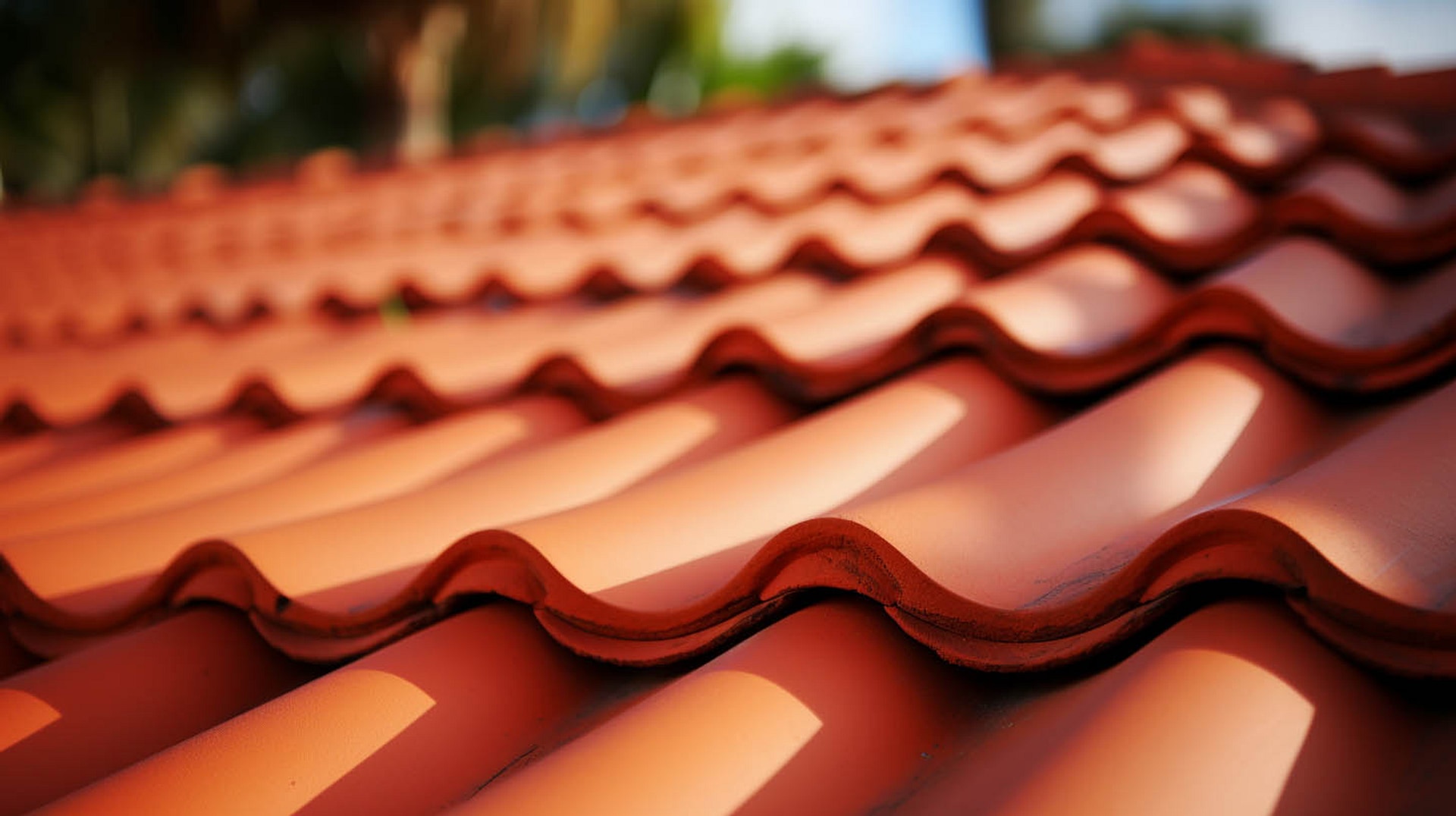
A tile roof usually costs more to replace than asphalt because the material is heavier, handling is slower, underlayment standards matter more, and breakage has to be planned for. Labor is higher too. The crew has to remove and relay tile carefully or install an entirely new tile system with the right battens, flashings, and loading considerations. That means homeowners comparing tile numbers to shingle numbers are often looking at two different worlds, not just two different price tags.
Ridge cap replacement is much smaller in scope, but it still matters. If the ridge line is failing, cracked, lifting, or poorly vented, a contractor may price roof ridge cap replacement cost separately from a full reroof. On asphalt systems, that can involve removing old caps, checking the ridge vent condition, replacing fasteners, and installing matching ridge products. On tile or other specialty systems, ridge work can become more detailed and more expensive because of mortar, dry-ridge components, and matching-profile issues.
The same goes for turbine vents. A search for roof turbine replacement cost is usually tied to a focused repair or ventilation update. The number depends on roof pitch, existing flashing condition, whether the opening size changes, and whether the replacement is a like-for-like turbine swap or part of a broader attic ventilation correction. I have seen homeowners think they only needed a cheap vent replacement, then find out the flashing around the penetration was the bigger issue.
The takeaway is simple: specialty and component costs should be judged in the context of the full roof system. Tile roofs are premium systems. Ridge caps and turbines are smaller line items, but they still affect weatherproofing and ventilation. If those pieces are failing, price them carefully instead of treating them like throwaway accessories.
Professional Takeaways
- Tile roof replacement usually costs more than asphalt because of material weight, labor, and underlayment requirements.
- Ridge cap replacement may be priced as a focused repair or as part of a full reroof scope.
- Roof turbine replacement cost depends on pitch, flashing condition, and whether ventilation strategy is changing.
- Small components can still create major leak or ventilation issues if handled poorly.
- Specialty roof costs should always be compared within the context of the full roof system.

What Changes the Price Fast: Tear-Off, Decking, Pitch, Flashing, and Access
When a homeowner asks me why one bid is $11,000 and another is $17,000, I usually start by walking through the details nobody notices in the summary line. The biggest price movers are often tear-off scope, wood repair, roof pitch, flashing complexity, and access. Those are not tiny extras. They are the difference between a clean install and a rough one.
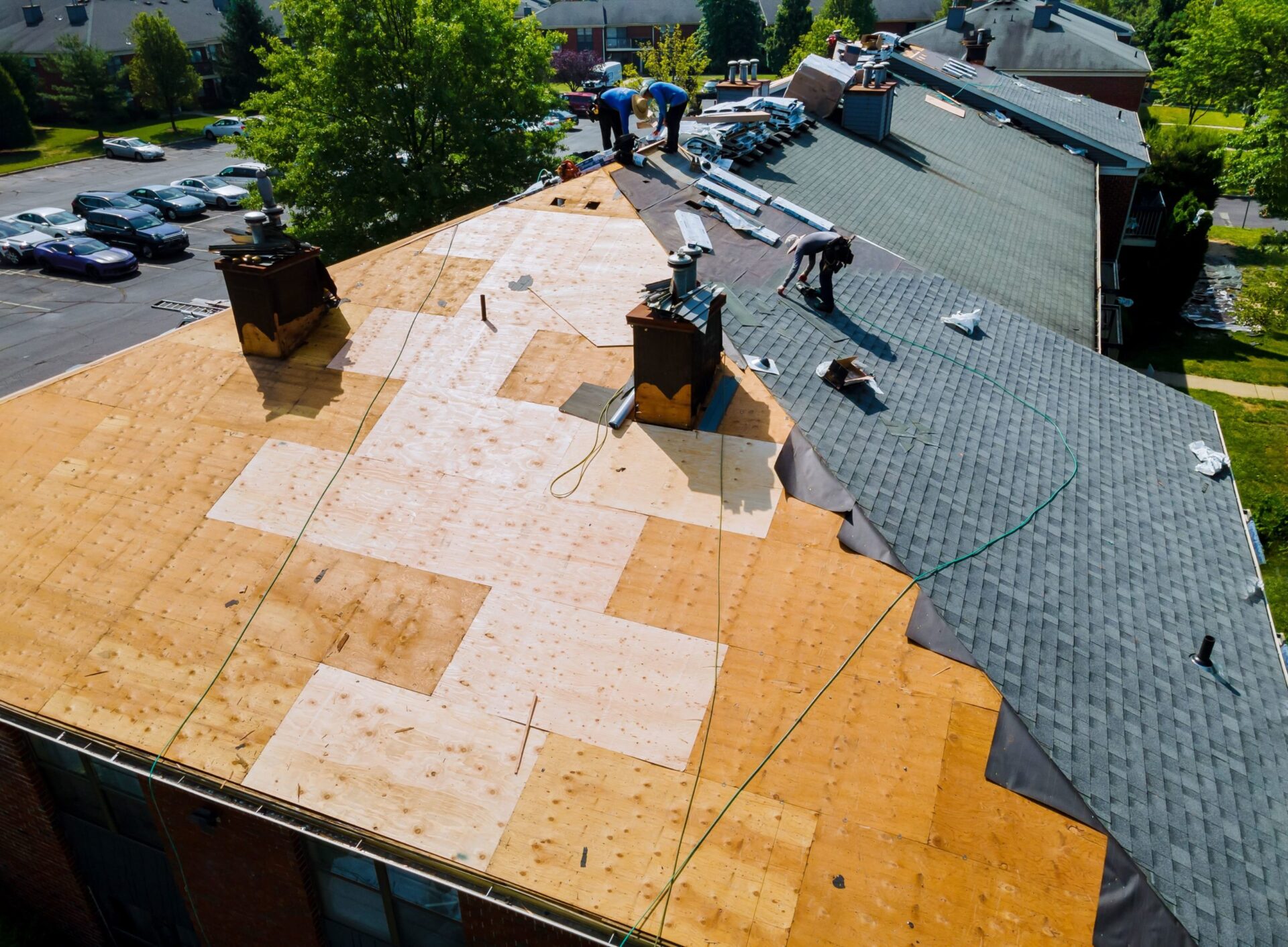
Tear-off is the first big variable. One old layer is easier than two. Brittle shingles that come off in bigger pieces are easier than old layers that crumble into thousands of fragments. Disposal costs also change based on volume. If a contractor is pricing a full tear-off and another is quietly assuming less labor or dump weight, those estimates are not comparable. Same goes for decking. A roof can look acceptable from the driveway and still have soft sheathing around valleys, chimneys, skylights, or long-term leak areas. Most responsible contractors price decking repairs as an allowance or a clearly stated unit cost because nobody knows the full story until the roof is opened.
Pitch matters because steep roofs are slower, riskier, and harder on labor. A simple walkable roof can be moved efficiently. A steep, cut-up roof with multiple levels and difficult staging takes more safety setup, more handling time, and often more waste. I have been on jobs where the material list looked normal but the labor side was clearly going to be tough because the crew had to manage almost every bundle by hand in tight sections. That work is real, and it shows up in price.
Flashing is another major separator between budget bids and durable bids. Step flashing, chimney flashing, apron flashing, pipe boots, valleys, wall transitions, and drip edge details are the places that usually leak first. If a bid says “replace roof” but does not clearly address these items, you are not looking at a complete estimate cost to replace roof. You are looking at a partial scope with a marketing-friendly total.
Then there is access. Long carry distances, limited driveway space, landscaping constraints, detached structures, and difficult dump trailer placement all change crew efficiency. Homeowners do not always love hearing that, but they usually understand it once they see the staging challenge. Good estimates account for how the roof will actually be built, not how easy it would be in an empty parking lot.
Professional Takeaways
- Tear-off labor, dump fees, and old-layer count can materially change total roof price.
- Decking repair is often discovered after removal, which is why change-order policies matter.
- Steep roofs and complex layouts increase labor cost and waste factor.
- Flashing and transition details are critical scope items, not optional upgrades.
- Jobsite access affects production speed and should be reflected honestly in the estimate.

How to Compare a Cost Estimate for Roof Replacement Without Getting Burned
If you are collecting estimates right now, here is the part that saves people money: compare scope before you compare totals. I have watched homeowners chase the lowest number only to find out later that the cheaper contractor did not include permit fees, upgraded underlayment, edge metal, ridge ventilation, or full flashing replacement. The total looked better. The scope was thinner. That is not savings.
A solid roof proposal should make it easy to answer a few basic questions. What material is being installed? Is it a full tear-off? Are drip edge, valley metal, pipe boots, and wall flashings being replaced? Is there ice-and-water protection where it needs to be? Is ridge ventilation included, or is the old ventilation situation just being left alone? If decking is bad, what is the repair price per sheet? If a proposal leaves those details murky, the contractor has too much room to change the story later.
I also recommend watching how the contractor explains the bid. Good estimators can usually tell you why the number is what it is without sounding defensive or evasive. They can show measurements, explain complexity, and identify weak points on the existing roof. Poor estimators tend to rely on vague lines like “premium system” or “best roof package” without defining anything. That kind of language can be polished, but it is not useful.
One of the simplest ways to compare is to build your own checklist. Put each bidder in a row and list the major scope items in columns: tear-off, permit, disposal, underlayment, ice-and-water, starter, ridge cap, ridge vent, flashing replacement, drip edge, warranty, cleanup, and deck-repair policy. It takes a little time, but it turns a messy sales process into something you can actually evaluate. I have had homeowners call back after doing that exercise and say the cheap bid suddenly was not cheap at all.
If you need a planning benchmark, use online averages as a first filter. If you need a decision, use written scope. That is how you tell whether a cost estimate roof replacement is honest, inflated, or missing the exact items that will matter after installation starts.
Professional Takeaways
- Compare written scope, not just the bottom-line total.
- Every roof bid should clarify tear-off, underlayment, flashing, ventilation, permits, and disposal.
- Decking repair pricing and warranty details should be written clearly before work starts.
- A good estimator can explain measurements and roof complexity without dodging questions.
- A side-by-side checklist helps expose missing scope in low bids.

How Much Should a Roof Replacement Cost for Your House Specifically?
This is the question behind almost every search in this cluster. Not the internet average. Not the national range. Your house. How much should a roof replacement cost for the exact roof over your family? The honest answer is that it should cost enough to cover the real scope of your roof and no more than that. Which sounds obvious, but plenty of estimates miss in both directions.
If the number is too low, the contractor may be skipping key accessories, counting on change orders, or underestimating labor to win the job. If the number is too high, the company may be carrying extra overhead, padding uncertainty, or simply pricing for a market segment that is not a fit for your project. That is why homeowners often feel stuck between underpriced risk and overpriced comfort. I have felt that tension standing in driveways with people who just wanted one straight answer.
To get closer to a realistic number, I tell homeowners to start with the basics: roof size, number of stories, steepness, material target, and current condition. Then add the variables most online calculators miss. Does the home need new decking in trouble spots? Are there chimney or sidewall flashings likely to be replaced? Is ventilation poor enough that the new roof should include ridge vent or intake improvements? Are the gutters old enough that pricing them together would save hassle later? When you ask those questions, the vague phrase estimate cost to replace roof becomes a specific project scope.
It also helps to separate “need now” from “nice to include.” A roof may truly require tear-off, shingles, underlayment, flashing, and ventilation corrections. Gutters, upgraded impact-resistant shingles, or premium aesthetic lines may be smart additions but not absolute requirements. Sorting that out lets you compare a base project against optional upgrades without confusing the two. That alone can make a big estimate feel much more manageable.
So if you are wondering how much does it cost to get a roof replaced on your house, the best path is not chasing a magical universal number. It is getting a detailed inspection, a measured proposal, and clear alternates for optional items. That is how a homeowner moves from “I have no idea what this should cost” to “I know exactly what I am paying for.”
Professional Takeaways
- Your house-specific roof cost should reflect measured area, actual condition, and installation complexity.
- Numbers that are too low or too high can both signal problems.
- Separate required scope from optional upgrades to make estimates easier to judge.
- Inspection-based pricing is more reliable than broad online averages alone.
- A detailed proposal turns vague cost questions into a defined project plan.

Wrapping it up
If you made it this far, you probably already noticed the main theme: roof replacement cost is not one number. It is a mix of size, slope, tear-off work, shingle choice, flashing detail, ventilation, access, and sometimes gutter coordination too. That is why searches like cost to replace a shingle roof, roof replacement cost per sq ft, average cost for roof replacement, and new roof replacement cost all lead to slightly different answers unless the scope is clearly defined.
The good news is that you do not need to be a roofer to judge whether a bid makes sense. You just need a detailed proposal, apples-to-apples scope, and a contractor willing to explain the numbers in plain English. That is the real shortcut. Not the cheapest estimate. Not the loudest sales pitch. Clarity.
If you want a faster way to sanity-check your next quote, use this guide with a measured inspection and compare the line items before you compare the totals. That is how homeowners avoid low-ball bids, overpriced guesswork, and expensive surprises halfway through the job. And if you need a custom estimate, get one built around your actual roof, not a generic internet average.
Related Services & Repair Resources
Related Roof Replacement Pages
This guide is part of the same internal-linking cluster as our replacement service pages, priority city pages, and West Jordan supporting pages shown in search for roof replacement queries.