
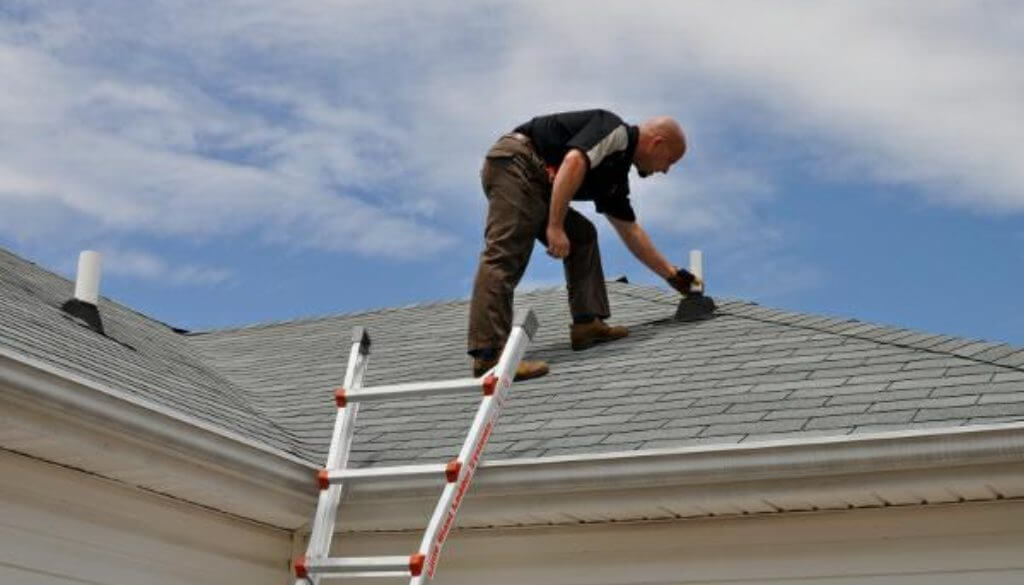
I've seen it a thousand times. A homeowner calls me in the middle of a January blizzard because water is dripping on their kitchen table. By then, it's an emergency. But if they had spent a few minutes with a roof inspection checklist back in October, we could have fixed the problem for a few hundred bucks.
In Utah, our weather is brutal. We have 100-degree summers and sub-zero winters. That constant expanding and contracting is like bending a paperclip back and forth—eventually, something is going to break. Here is what you need to check before the next big storm hits.
The "Ground-Level" Forensic Audit
You don't even need a ladder for the first part. Walk around your house and look at the "valleys" and the "aprons." Do you see granules piling up in the gutters? That's a sign your shingles are reaching the end of their life. Look for missing shingles or "shingle-tabs" on the lawn after a windstorm. If you see them, your sealant has failed and your home is exposed.
Common mistakes property owners make with roof inspection
roof inspection decisions usually go wrong when the visible symptom is treated as the whole problem. In Utah roofing, that often means focusing on the leak stain, the missing shingle, or the estimate total before anyone has explained the actual failure pattern, the roof age, the surrounding flashing condition, or whether the issue is isolated or systemic. A better scope starts by documenting the roof condition in plain language and tying the recommendation back to weather exposure, material performance, drainage, and remaining service life.
That is also why homeowners and property managers should compare the scope details, not just the headline service. A useful recommendation should explain what needs to be repaired or replaced, what can be preserved, what detail work matters most, and how the contractor is thinking about long-term performance in Utah conditions. When that explanation is clear, it becomes much easier to decide whether the roof needs a focused repair, a larger replacement, or another layer of inspection before money is committed.
Professional Takeaways
- Document the real failure pattern before approving any roof inspection scope
- Compare repair, replacement, and inspection paths against actual roof condition
- Check ventilation, flashing, drainage, and underlayment details instead of focusing only on the visible symptom
- Use photo-backed notes so the next step is easier to justify and easier to compare
When repair, replacement, or inspection makes more sense
roof inspection decisions usually go wrong when the visible symptom is treated as the whole problem. In Utah roofing, that often means focusing on the leak stain, the missing shingle, or the estimate total before anyone has explained the actual failure pattern, the roof age, the surrounding flashing condition, or whether the issue is isolated or systemic. A better scope starts by documenting the roof condition in plain language and tying the recommendation back to weather exposure, material performance, drainage, and remaining service life.
That is also why homeowners and property managers should compare the scope details, not just the headline service. A useful recommendation should explain what needs to be repaired or replaced, what can be preserved, what detail work matters most, and how the contractor is thinking about long-term performance in Utah conditions. When that explanation is clear, it becomes much easier to decide whether the roof needs a focused repair, a larger replacement, or another layer of inspection before money is committed.
Professional Takeaways
- Document the real failure pattern before approving any roof inspection scope
- Compare repair, replacement, and inspection paths against actual roof condition
- Check ventilation, flashing, drainage, and underlayment details instead of focusing only on the visible symptom
- Use photo-backed notes so the next step is easier to justify and easier to compare
What a stronger roof inspection scope should include
roof inspection decisions usually go wrong when the visible symptom is treated as the whole problem. In Utah roofing, that often means focusing on the leak stain, the missing shingle, or the estimate total before anyone has explained the actual failure pattern, the roof age, the surrounding flashing condition, or whether the issue is isolated or systemic. A better scope starts by documenting the roof condition in plain language and tying the recommendation back to weather exposure, material performance, drainage, and remaining service life.
That is also why homeowners and property managers should compare the scope details, not just the headline service. A useful recommendation should explain what needs to be repaired or replaced, what can be preserved, what detail work matters most, and how the contractor is thinking about long-term performance in Utah conditions. When that explanation is clear, it becomes much easier to decide whether the roof needs a focused repair, a larger replacement, or another layer of inspection before money is committed.
Professional Takeaways
- Document the real failure pattern before approving any roof inspection scope
- Compare repair, replacement, and inspection paths against actual roof condition
- Check ventilation, flashing, drainage, and underlayment details instead of focusing only on the visible symptom
- Use photo-backed notes so the next step is easier to justify and easier to compare
Wrapping it up
Don't wait for the drip. If your roof is over 15 years old, it needs a professional eye. Use this checklist twice a year and you'll never be surprised by a leaky ceiling. Stay proactive, Utah!
