
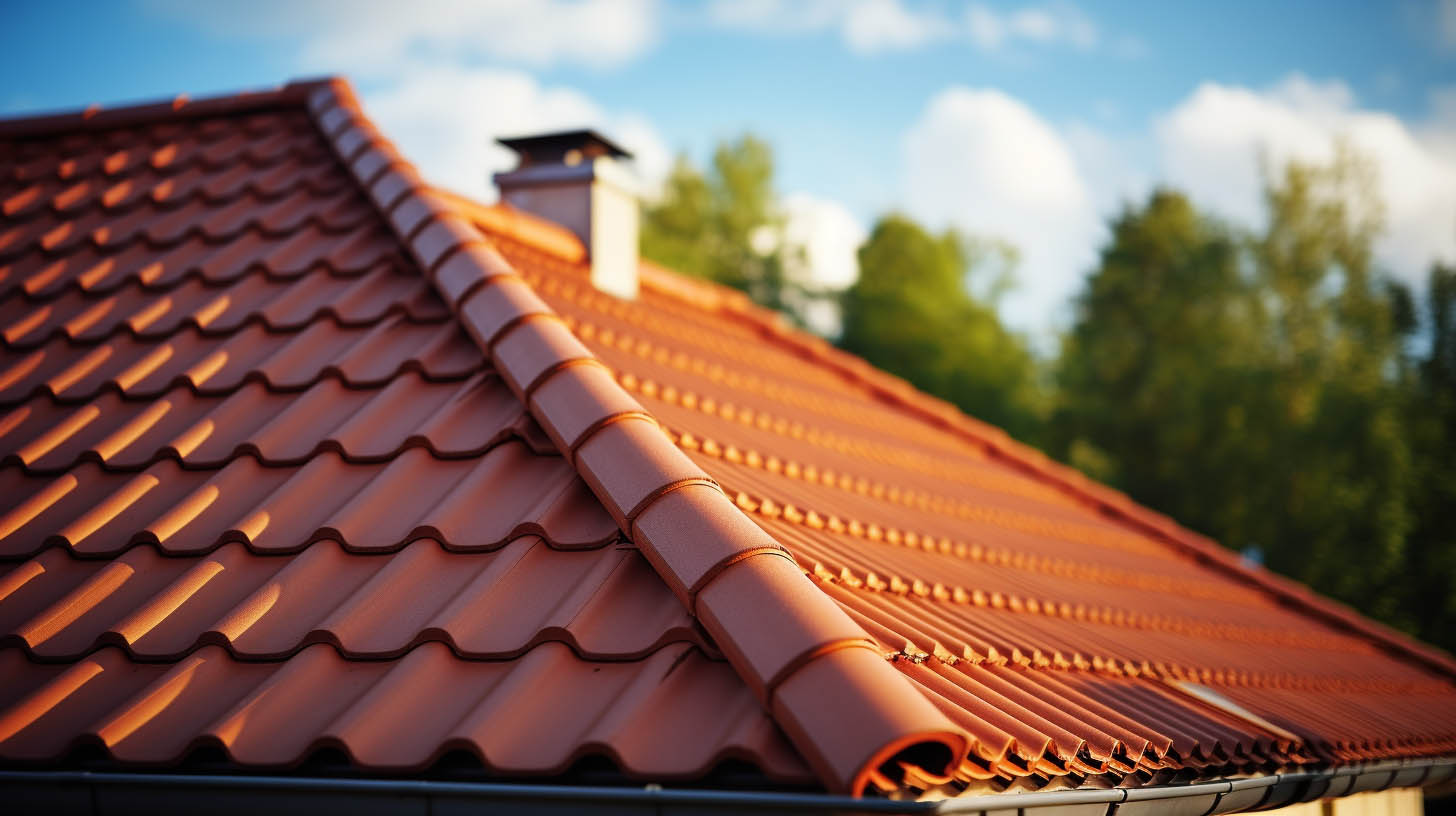
I saw a guy on a roof in Sandy yesterday who was just smearing buckets of "goop" over every shingle he could find. We call that 'shingle-hacking,' and it makes my blood boil. He was "fixing" the symptom, but he wasn't fixing the problem. If you want expert roof repair in Utah, you have to look deeper than just where the water is dripping. You have to think like a raindrop.
Forensic Detection: Finding the Entry Point
Water is sneaky. It can enter your roof at the chimney, run six feet down a rafter, and then drip onto your ceiling in the middle of your living room. A "shingle-hacker" just patches the spot above the drip. A professional performs a forensic leak audit. We look at the flashing, the "dead valleys," and the ventilation. Most "roof leaks" I find are actually failures in the metalwork or the sealant around pipes, not the shingles themselves.
Common mistakes property owners make with roof repair
roof repair decisions usually go wrong when the visible symptom is treated as the whole problem. In Utah roofing, that often means focusing on the leak stain, the missing shingle, or the estimate total before anyone has explained the actual failure pattern, the roof age, the surrounding flashing condition, or whether the issue is isolated or systemic. A better scope starts by documenting the roof condition in plain language and tying the recommendation back to weather exposure, material performance, drainage, and remaining service life.
That is also why homeowners and property managers should compare the scope details, not just the headline service. A useful recommendation should explain what needs to be repaired or replaced, what can be preserved, what detail work matters most, and how the contractor is thinking about long-term performance in Utah conditions. When that explanation is clear, it becomes much easier to decide whether the roof needs a focused repair, a larger replacement, or another layer of inspection before money is committed.
Professional Takeaways
- Document the real failure pattern before approving any roof repair scope
- Compare repair, replacement, and inspection paths against actual roof condition
- Check ventilation, flashing, drainage, and underlayment details instead of focusing only on the visible symptom
- Use photo-backed notes so the next step is easier to justify and easier to compare
When repair, replacement, or inspection makes more sense
roof repair decisions usually go wrong when the visible symptom is treated as the whole problem. In Utah roofing, that often means focusing on the leak stain, the missing shingle, or the estimate total before anyone has explained the actual failure pattern, the roof age, the surrounding flashing condition, or whether the issue is isolated or systemic. A better scope starts by documenting the roof condition in plain language and tying the recommendation back to weather exposure, material performance, drainage, and remaining service life.
That is also why homeowners and property managers should compare the scope details, not just the headline service. A useful recommendation should explain what needs to be repaired or replaced, what can be preserved, what detail work matters most, and how the contractor is thinking about long-term performance in Utah conditions. When that explanation is clear, it becomes much easier to decide whether the roof needs a focused repair, a larger replacement, or another layer of inspection before money is committed.
Professional Takeaways
- Document the real failure pattern before approving any roof repair scope
- Compare repair, replacement, and inspection paths against actual roof condition
- Check ventilation, flashing, drainage, and underlayment details instead of focusing only on the visible symptom
- Use photo-backed notes so the next step is easier to justify and easier to compare
What a stronger roof repair scope should include
roof repair decisions usually go wrong when the visible symptom is treated as the whole problem. In Utah roofing, that often means focusing on the leak stain, the missing shingle, or the estimate total before anyone has explained the actual failure pattern, the roof age, the surrounding flashing condition, or whether the issue is isolated or systemic. A better scope starts by documenting the roof condition in plain language and tying the recommendation back to weather exposure, material performance, drainage, and remaining service life.
That is also why homeowners and property managers should compare the scope details, not just the headline service. A useful recommendation should explain what needs to be repaired or replaced, what can be preserved, what detail work matters most, and how the contractor is thinking about long-term performance in Utah conditions. When that explanation is clear, it becomes much easier to decide whether the roof needs a focused repair, a larger replacement, or another layer of inspection before money is committed.
Professional Takeaways
- Document the real failure pattern before approving any roof repair scope
- Compare repair, replacement, and inspection paths against actual roof condition
- Check ventilation, flashing, drainage, and underlayment details instead of focusing only on the visible symptom
- Use photo-backed notes so the next step is easier to justify and easier to compare
Wrapping it up
Don't pay for a patch that won't last. Get a forensic repair that addresses the source of the problem. Your home is too valuable for "goop" and guesswork. Keep your home dry and your roof strong, Utah!
Related Services & Repair Resources
Related Roof Repair Pages
This guide is part of the same repair cluster as the Utah repair hub, the homepage, the priority city pages, and the West Jordan commercial page that is also surfacing for repair-adjacent searches.
