
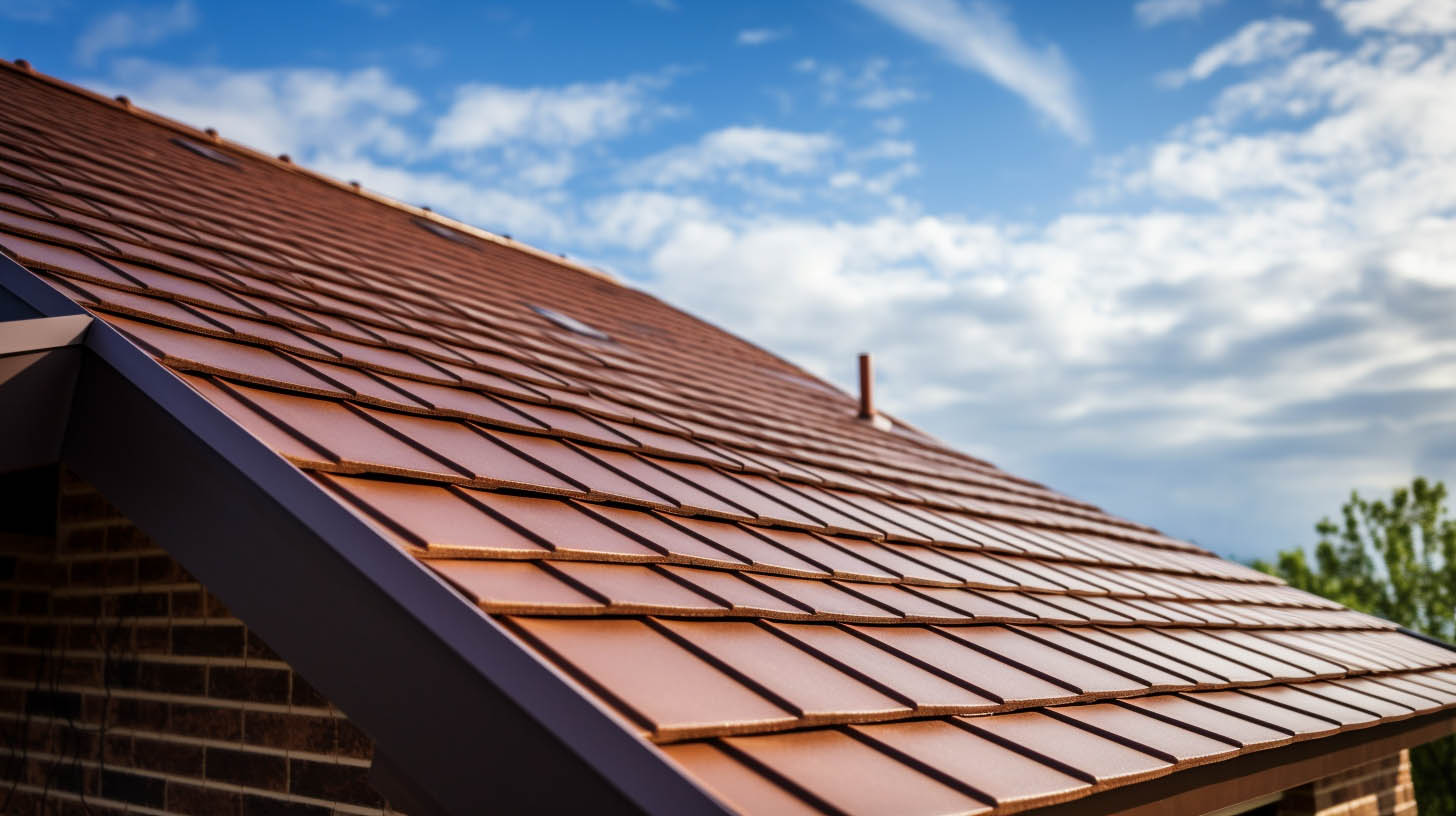
Ever walked out to your driveway, looked up at your roof, and wondered, "how many layers of materials does your roof currently have?" If you haven’t, you probably should—especially if you're planning a replacement in 2026. I’ve seen it a thousand times across the Wasatch Front: a homeowner thinks they’re in for a straightforward shingle swap, only for us to start the tear-off and find a "roofing lasagna" three layers deep. It’s a shock to the system and, more importantly, a shock to the wallet!
Did you know that nearly 15% of older homes in Salt Lake and Utah counties still have multiple layers of shingles hiding under that top surface? It’s true! Back in the day, "reroofing" meant just slapping a new layer of shingles over the old ones to save a few bucks on labor and disposal. But in 2026, we know better. Those extra layers aren't just a curiosity; they're a heavy, heat-trapping burden that can literally shorten the life of your home’s structure.
In this guide, I’m going to walk you through exactly how to play roof detective. We’ll talk about the "drip edge peek," the Utah building code limits that might make your third layer illegal, and why the extra weight of multiple shingle layers is a recipe for disaster in our heavy-snow winters. If you want to avoid surprises on your next roofing estimate, pull up a chair and let's get into the nitty-gritty of roof layers.
Why the Number of Roof Layers Matters for Your Utah Home
Let’s talk turkey—or rather, let's talk weight. When people ask how many layers of materials does your roof currently have, they usually aren't just curious about the history of their house. They're worried about the implications. And they should be! A single layer of standard architectural shingles weighs about 2.5 pounds per square foot. That doesn’t sound like much until you realize an average 3,000-square-foot roof is carrying 7,500 pounds of material. Now, imagine doubling or tripling that. You’re looking at over 20,000 pounds of asphalt sitting on your rafters!
In Utah, we have to deal with some of the heaviest snow loads in the country. When you add a foot of wet, heavy March snow on top of three layers of old shingles, you are testing the structural limits of your home. I’ve been in attics in Orem where you can actually see the ridge beam sagging under the weight of a triple-layer roof. It’s enough to make a mascot like me lose his feathers! The structural stress isn't just a "maybe"—it's a mathematical certainty that puts your family at risk during a big Wasatch winter storm.
Then there’s the heat. Asphalt shingles are designed to shed heat, but they need to be able to "breathe" against the roof deck. When you stack layers, you’re creating an insulation blanket that traps heat. In the middle of a 100-degree July day in Salt Lake City, those middle layers of shingles can reach temperatures that literally bake the oils out of the top layer. This leads to premature granule loss, curling, and "blistering." You might think you're saving money by skipping the tear-off, but you're actually cutting the lifespan of your new roof by 30% or more. It’s a classic case of being "penny wise and pound foolish," as my old foreman used to say.
Finally, there's the cost. When we give a quote, we have to account for the labor it takes to rip off those layers and the "tipping fees" at the landfill. Landfills charge by weight, and three layers of shingles mean three times the disposal cost. If you don't know how many layers you have, your initial estimate might be thousands of dollars off. Knowing your layer count is the only way to get a "no-surprises" quote that actually sticks.
Professional Takeaways
- Multiple layers add thousands of pounds of unnecessary stress to your roof rafters.
- Stacked shingles trap heat, causing the top layer to fail much faster than intended.
- Extra layers significantly increase landfill disposal fees and labor costs during replacement.
- Utah snow loads combined with multiple layers can lead to structural sagging or failure.
- Heat-trapped shingles lose granules and oil, leading to brittle, leak-prone surfaces.
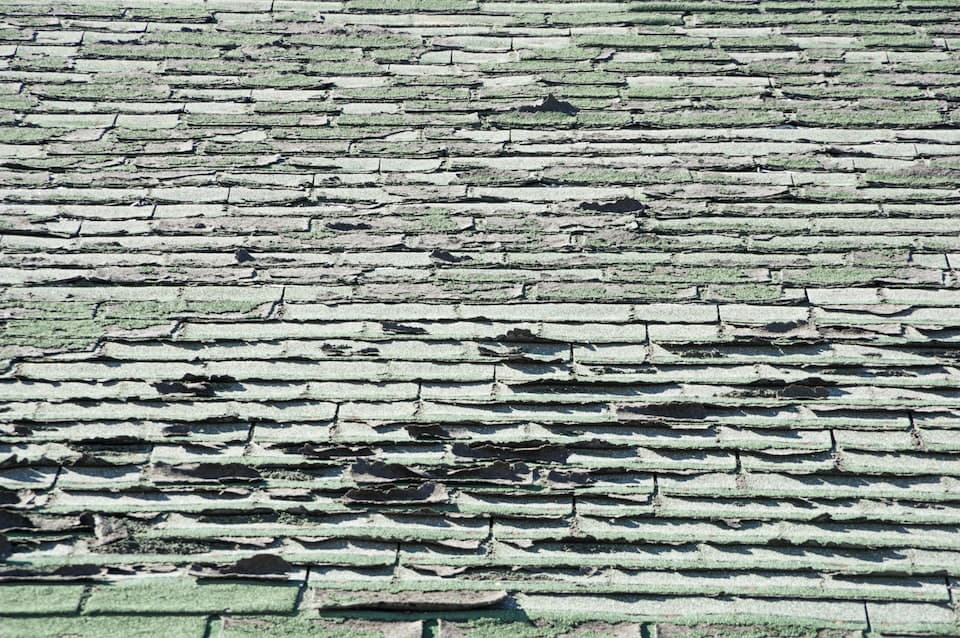
The Easiest Ways to Spot Multiple Shingle Layers from the Ground
You don't need to be a mountain goat like me to figure out how many layers of materials does your roof currently have. In fact, I usually recommend staying on the ground and using your eyes (or a good pair of binoculars) before you even think about pulling out a ladder. The first place I always tell homeowners to look is the "drip edge" or the "rakes" of the roof. This is the edge where the shingles meet the gutter or the side of the house. If you look closely at the profile of the roof edge, you can often see the distinct "steps" of different shingle layers.
Think of it like looking at the side of a sandwich. If you see one thick line of asphalt, you're probably in the clear. But if you see a jagged edge with two or three distinct thicknesses of material, you’ve got a multi-layer situation on your hands. Sometimes, contractors will try to hide this with a wider metal drip edge, but if you look at the very bottom of the rake (the slanted edge of the roof), you can almost always see the stacked layers. It's a dead giveaway every single time!
Another trick is to look for "telegraphing." This is a fancy roofing term that basically means the imperfections of the old roof are showing through the new one. If your roof looks "lumpy" or if the lines of the shingles aren't perfectly straight, there’s a high probability that someone shingled over an old, curled-up layer. A fresh roof on a clean deck should be as flat as a pancake. If it looks like a mountain range, you’ve got layers underneath. I remember a job in Bountiful where the roof was so lumpy it looked like a bag of walnuts! Sure enough, we found three layers of shingles and a layer of original cedar shakes at the bottom.
You can also check around roof penetrations like chimneys or plumbing vents. Often, when a second layer is added, the flashing isn't replaced correctly. You’ll see "globbed on" roof cement or shingles that seem to be "diving" under the flashing rather than being integrated with it. These areas are not only great for spotting layers, but they’re also the first places that are going to leak. If the transition from the shingle to the chimney looks extra thick or messy, you’re looking at multiple layers of history right there.
Professional Takeaways
- Examine the roof rakes and drip edges to see the "sandwich" profile of stacked shingles.
- Look for "telegraphing" where old, curled shingles make the new layer look lumpy.
- Inspect the thickness of the material around chimneys and plumbing vent flashings.
- Use binoculars to check the eaves without having to climb a dangerous ladder.
- Watch for shingles that seem to be "floating" or not sitting flush against the roof deck.
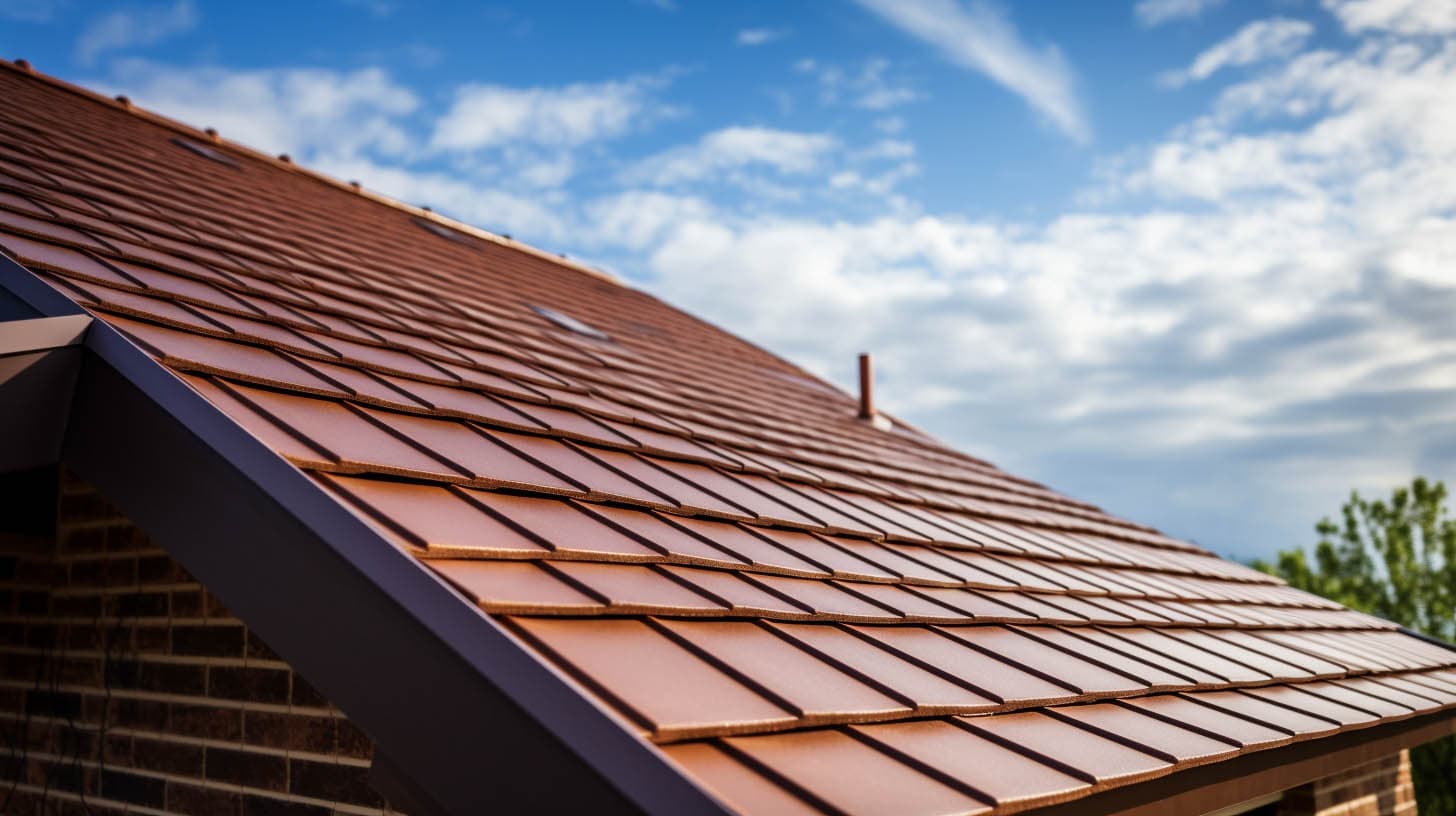
Utah Building Code Limits: How Many Layers Are Actually Legal in 2026?
Now, here is where things get serious. We aren't just talking about best practices; we're talking about the law. As of 2026, the International Residential Code (IRC), which Utah follows, has very specific rules about how many layers of materials does your roof currently have before you are legally required to do a full tear-off. In most jurisdictions across Utah—from St. George up to Logan—the limit is **two layers**. If you already have two layers of shingles on your house, you cannot legally add a third. Period. End of story.
I’ve had many conversations with homeowners who say, "Ricky, my buddy says we can just throw one more layer on there and it'll be fine." Well, your buddy isn't the one who has to pass a city inspection! When we pull a permit for a roofing job, the city inspector is going to check that layer count. If we try to "layer over" a roof that already has two layers, we’ll fail inspection, and the homeowner will be forced to pay for a full tear-off anyway—only now they're paying to tear off the *new* shingles too! It’s a nightmare scenario that I wouldn't wish on my worst enemy.
Why is the code so strict? It goes back to what we talked about earlier: weight and fire safety. Most roof trusses in Utah are engineered to hold the weight of the roof deck, one or two layers of shingles, and a specific "live load" of snow. Adding a third layer pushes the structure beyond its engineered safety margin. Furthermore, multiple layers of asphalt are essentially a giant fuel source. If a fire starts in your attic, having three layers of oil-soaked asphalt on top makes it much harder for firefighters to vent the roof and save the structure. The code isn't there to annoy you; it's there to keep your house from collapsing or burning down.
There are also rules about *what* can be layered. For example, you can never, ever layer shingles over wood shakes or slate. If your home was built in the 70s or earlier and still has the original wood shakes under a layer of shingles, that counts as your "limit." In fact, in 2026, almost every municipal inspector in Utah is going to require a full tear-off if they see wood shakes anywhere in the assembly. So, if you're asking "how many layers," make sure you aren't just counting asphalt—count everything that isn't the plywood deck!
Professional Takeaways
- Utah follows the IRC, which generally limits residential roofs to a maximum of two layers.
- Attempting a third layer will result in a failed city inspection and forced removal.
- Code limits are based on structural weight capacity and fire safety regulations.
- Layering over wood shakes is strictly prohibited and requires a full deck-level tear-off.
- City permits require a declaration of layer count to ensure compliance with 2026 standards.
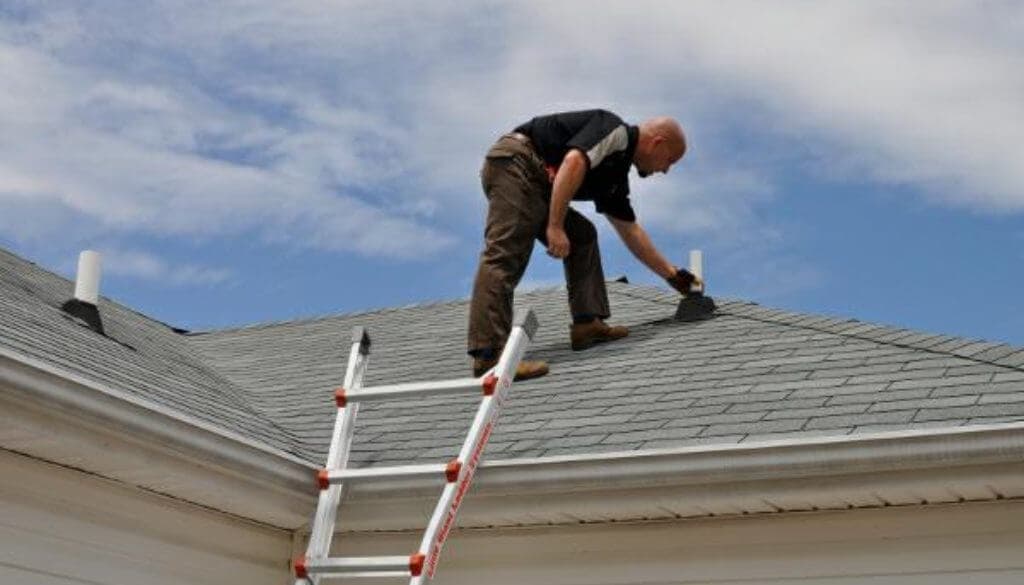
Calculating the Extra Cost of Multiple Layer Tear-Offs in 2026
Okay, let’s get down to the brass tacks: the money. When you’re trying to figure out how many layers of materials does your roof currently have, you’re really trying to figure out your budget. In 2026, the cost of labor and disposal has never been higher. A standard roofing quote usually includes the tear-off of *one* layer. If we find a second or third layer, the price goes up. Why? Because it takes twice as long to scrape it off, twice as many dumpsters to haul it away, and twice as much in landfill fees.
On average, you can expect to pay an additional **$40 to $60 per "square"** (a 10x10 area) for every extra layer of shingles. For a 30-square roof, that’s an extra $1,200 to $1,800 just for the labor. But wait, there's more! You also have to factor in the weight. A single layer of shingles for an average house might fill one 20-yard dumpster. Three layers will require three dumpsters. At $500 to $700 per dumpster pull in Utah, you're looking at another $1,400 in disposal costs. Suddenly, that "cheap" reroof from ten years ago is costing you an extra $3,000 today.
And don't forget the hidden "surprises" that multi-layer roofs love to hide. When a roof has had multiple layers for years, the decking underneath is often in worse shape. We frequently find rotted plywood or water-damaged fascia boards that were hidden by the extra bulk of the shingles. A single-layer roof is easy to inspect for deck damage; a triple-layer roof is a mystery box. We always tell our customers to keep a "contingency fund" of at least 10% of the project cost if they know they have multiple layers, just in case we find "the swamp" underneath.
I always tell folks: the cheapest roof is the one you only have to pay for once. If you try to save $2,000 now by skipping a tear-off, you're just kicking a $5,000 can down the road. In 2026, with inflation and rising material costs, that "can" is only getting heavier and more expensive. Be honest with your contractor about your layers—or better yet, have them do a "test cut" during the estimate. We’ll cut a small 2x2 inch square in an inconspicuous spot to see exactly what we’re dealing with. It’s the only way to get a real number.
Professional Takeaways
- Expect to pay $40-$60 per square for each additional layer of shingles removed.
- Disposal costs skyrocket as each extra layer requires more dumpster space and higher landfill fees.
- Multi-layer roofs often hide significant decking rot that isn't visible until tear-off.
- A "test cut" during the estimation phase is the best way to get an accurate layer count.
- Budget a 10% contingency fund for deck repairs when dealing with multiple roofing layers.
Why a Full Tear-Down to the Deck is Always Ricky’s Top Recommendation
If you ask me, Skyridge Ricky, for my professional opinion on how many layers of materials does your roof currently have, my answer is always the same: "I don't care how many you have, we should take them ALL off." I know, I know—it sounds like I’m just trying to sell more labor. But I’ve been doing this long enough to see what happens when you don't. A "clean deck" is the foundation of a 50-year roof. Without it, you’re just building on top of someone else's mistakes.
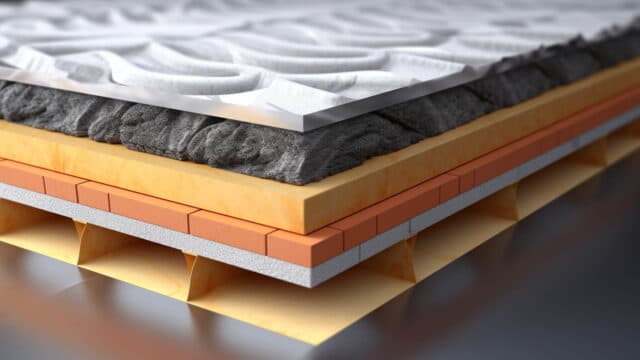
When we strip a roof down to the plywood, we can see every single nail, every crack in the wood, and every sign of a slow leak. We can replace rotted wood, re-secure loose decking, and—most importantly—install a modern **ice and water shield**. In Utah, this is non-negotiable. Code requires ice and water shield on the eaves to prevent ice dams from backing up into your house. If you just shingle over an old layer, you can't install that shield. You’re essentially leaving your eaves vulnerable to the #1 cause of roof leaks in Salt Lake City. That’s not a risk I’m willing to take with your home.
A fresh start also means better airflow. When we take everything off, we can inspect your intake and exhaust vents. Many older roofs have terrible ventilation that leads to attic mold and high energy bills. By starting from scratch, we can ensure your attic "breathes" perfectly, which keeps your house cooler in the summer and prevents ice dams in the winter. You can't fix a ventilation problem by adding a second layer of shingles; you only make it worse by blocking the existing airflow paths.
At the end of the day, a roof is a system, not just a covering. That system includes the deck, the underlayment, the flashing, the shingles, and the ventilation. The only way to ensure all those parts work together is to install them all at the same time on a clean surface. It gives you a valid manufacturer warranty (many shingle companies won't honor a full warranty on a second-layer install) and it gives you peace of mind. When the wind starts howling down the canyon at 70 miles per hour, you’ll be glad you have a roof that’s nailed directly into solid wood, not into another layer of 20-year-old asphalt.
Professional Takeaways
- A full tear-off allows for the installation of essential ice and water shields.
- Only a clean deck allows for a thorough inspection of structural plywood and rafters.
- Starting from scratch ensures your roof meets all 2026 manufacturer warranty requirements.
- Full removal allows for the correction of poor attic ventilation and intake airflow.
- Shingles nailed into a clean deck have significantly higher wind resistance than layered installs.
Wrapping it up
Determining how many layers of materials does your roof currently have is more than just a curiosity—it's a critical step in protecting your home and your budget in 2026. Whether you're dealing with the extra weight of a "roofing lasagna," navigating Utah's strict building codes, or uncovering the hidden dangers of wood shakes, knowing the truth about your roof layers is the only way to ensure a successful replacement.
Don't let multiple layers weigh you down! If you suspect your roof is hiding some history, give us a call at Sky Ridge Roofing. We’ll come out, take a look (we might even do a test cut!), and give you a straight-up, honest assessment of what it’s going to take to get your home back into top shape. Remember, a roof is only as good as the foundation it's built on—let's make sure yours is solid!
Information Center
Questions this guide answers
Quick answers tied to how many layers of materials does your roof currently have.
Related Services & Repair Resources
Related Roof Replacement Pages
This guide is part of the same internal-linking cluster as our replacement service pages, priority city pages, and West Jordan supporting pages shown in search for roof replacement queries.
