
Home Warranty Roof Coverage: What Utah Homeowners Need to Know in 2026
By Skyridge Ricky • April 26, 2026 • 9 min read
I get the call at least twice a week. A homeowner in Layton or Sandy has a drip coming through their living room ceiling, and they tell me, "Don't worry, Ricky, I have a home warranty."
My heart usually sinks a little when I hear that. Not because home warranties are inherently bad, but because there is a massive gap between what people think is covered and what the fine print actually says.
In 2026, home warranty companies have become even more specific about their roof leak coverage. If you're relying on a warranty to save you from a $15,000 reroof, you need to understand exactly where the "coverage" ends and your out-of-pocket costs begin. Let's look at the reality of home warranty roof coverage in Utah.
Repair And Maintenance Paths
Repair and maintenance articles should keep feeding service pages that solve the issue, not just answer the question.
Next steps from this article should include roof repair services, roof inspection services, emergency roof repair, preventative roof maintenance.
Book a roof repair inspection
Capture repair-intent readers directly.
Book a roof repair inspectionRoof Leak Coverage vs. Roof Replacement
The first thing to understand is that almost no standard home warranty covers a full roof replacement. When a warranty mentions "roof coverage," they are almost exclusively talking about limited roof leak repair.
Typically, this coverage is an add-on or a "premium" tier. If you have the basic plan, you likely have zero roof coverage. Even with the add-on, most companies limit their liability to a specific dollar amount per contract term—often between $500 and $1,500. In the world of Utah roofing, $1,500 might cover a simple flashing repair, but it won't touch a systemic failure or a major valley leak.
Furthermore, warranties usually only cover "normal wear and tear." If a canyon wind event in Davis County peels back your shingles, that is a job for your homeowners insurance, not your home warranty.
- Warranties cover repairs, rarely full replacements
- Dollar limits usually cap out at $500-$1,500 per year
- Coverage is often a paid add-on, not part of the base plan
- Normal wear and tear is the primary trigger for coverage
The Common Exclusions: Why Your Claim Might Be Denied
Home warranty companies are businesses built on risk assessment. They have a long list of reasons why they won't pay for a roof repair. In Utah, we see these three exclusions most often:
1. Improper Installation
If the previous roofer didn't follow manufacturer specs or local Utah building codes, the warranty company will likely deny the claim. They aren't there to fix someone else's mistake.
2. Lack of Maintenance
If your gutters are overflowing with granules and debris, causing water to back up under the shingles, the warranty company will call that "negligence." Proactive maintenance is a requirement for keeping most warranty coverage valid.
3. Specific Roof Types
Many warranties exclude metal roofs, tile roofs, or "built-up" flat roof systems. They often only want to deal with standard architectural asphalt shingles because the repair costs are predictable.
- Excludes damage caused by improper installation
- Denies claims if gutters/roof were not maintained
- Often excludes specialty materials like metal or tile
- Secondary damage (drywall, carpet) is rarely covered
Home Warranty vs. Homeowners Insurance
This is the most common point of confusion. Think of it this way: Insurance is for "sudden and accidental" events, while Warranties are for "service life" failures.
If a massive hail storm hits Salt Lake City and pockmarks your roof, your insurance company handles the replacement. If your 15-year-old flashing finally gives up and starts a slow drip because the sealant dried out, that's where a home warranty might step in.
However, you cannot use both for the same repair. If you file a claim with your insurance, the warranty company will step back immediately. Understanding which one to call first can save you hundreds in service fees.
- Insurance = Storm, Fire, Falling Trees (Accidents)
- Warranty = Aging flashing, dried sealants (Wear)
- Insurance often covers interior damage; Warranties rarely do
- Always check your insurance deductible vs. warranty service fee
How to Successfully File a Roof Warranty Claim
If you believe you have a valid claim, you need to follow their process exactly. Do not call a local roofer first and ask them to fix it, expecting the warranty company to reimburse you. They won't.
Most companies require you to use their "approved" vendors. However, many of these vendors are general handymen, not specialized roofing contractors. You have the right to request a licensed roofing expert, especially for complex Utah rooflines.
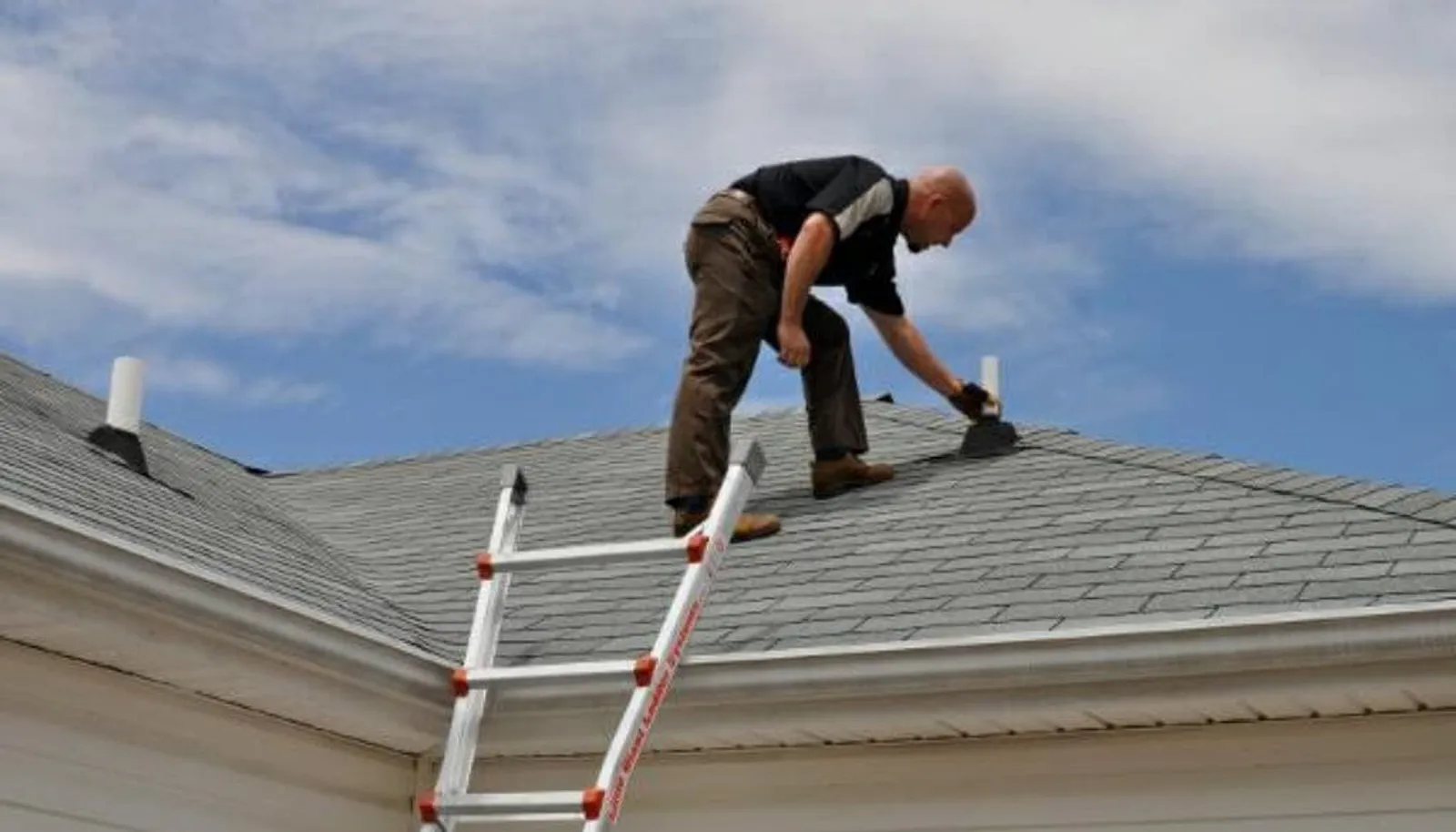
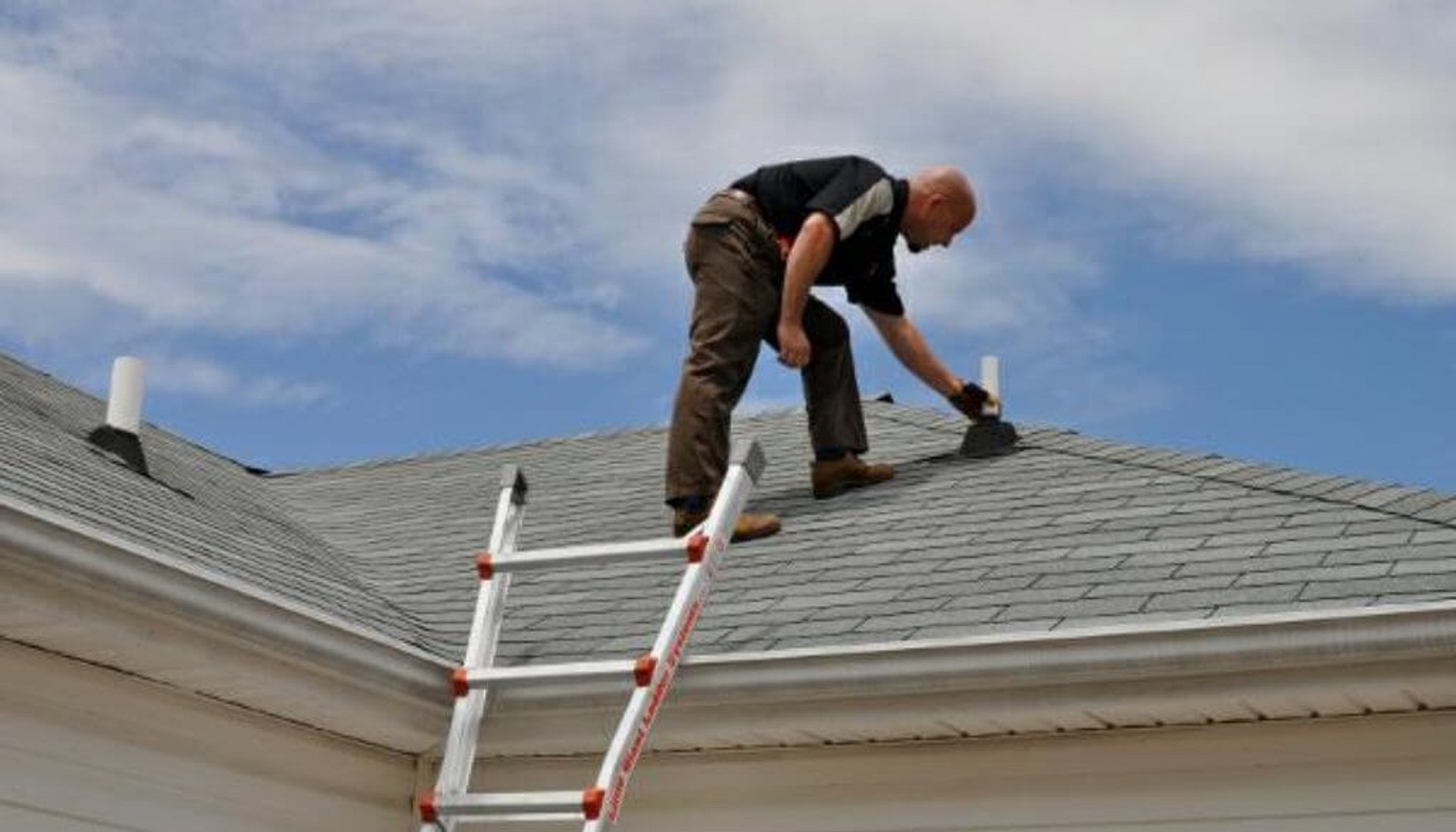
Before you call the warranty company, grab a ladder (safely) or use binoculars to document the leak area. If you can show that the failure is due to a covered component like a pipe boot or a shingle seal, you have a much higher chance of approval.
- Call the warranty company BEFORE hiring a contractor
- Document the leak with photos and dates
- Verify the vendor they send is a licensed UT roofer
- Be prepared to pay a "service call fee" (typically $75-$125)
Wrapping it up
Home warranty roof coverage is a tool, but it's not a safety net for a failing roof. In 2026, the best way to protect your Utah home is a combination of a solid insurance policy, a well-maintained roof, and a clear understanding of your warranty's limitations.
If you're unsure if your leak is a warranty issue or a major structural problem, give us a call. We can provide a professional photo-audit that you can use as evidence for your claim. We'll tell you the truth—even if the truth is that you're better off calling your insurance adjuster. Stay dry, Utah!