

The 2026 Insurance Claim Process in Utah: Forensic Proof & Xactimate Precision
Hey there, folks! Skyridge Ricky here. If you’ve been living in the Beehive State for any amount of time, you know that our weather doesn't just "happen"—it attacks. By 2026, the game of insurance claims has changed significantly. Gone are the days when an adjuster would just hop on a ladder, glance at a few shingles, and cut you a check. Today, insurance carriers are using everything from satellite AI to low-altitude drones to find any reason not to pay for your roof. That’s why you need a forensic approach before you even pick up the phone to call your 1-800-CLAIM number.
When we talk about the "2026 Process," we’re talking about building a legal-grade case of evidence. I always tell my neighbors: don't file a claim until we’ve done a full forensic audit. Why? Because a denied claim stays on your home’s "permanent record" (the CLUE report) just like a paid one does. If you file for a $20,000 roof and get denied because you didn't have the proof, you’ve just made your home harder to insure in the future for zero gain. That’s a total "shingle-hack" move.
At Sky Ridge, we use the same tools the big insurance companies use, but we use them for you. We’re talking about high-resolution 4K documentation and Xactimate-ready estimates. For those who don't know, Xactimate is the industry-standard software that almost every major carrier uses to determine "fair market value." If your roofer is giving you a "back-of-the-napkin" quote, they’ve already lost the battle. We speak the adjuster’s language. We provide line-itemed reports that break down every single component—from the high-temp ice and water shield to the specific "Wasatch-Proof" ventilation requirements for your specific municipality.
The real secret sauce in 2026 is the on-site adjuster meeting. I’ve sat on more Utah roofs than I can count, and I can tell you that when I’m up there with the adjuster, the "missed" damage suddenly gets found. We don't just point at a dent; we explain the physics of the impact and how it relates to the policy language. We ensure they aren't using outdated "ACV" (Actual Cash Value) logic on a "RCV" (Replacement Cost Value) policy. It’s about transparency and data. We provide a digital "Claims Roadmap" so you aren't guessing what happens next. From the initial forensic audit to the final walkthrough, we’re your professional advocate, making sure the "big guys" treat you like a neighbor, not a number.
Forensic Hail Damage Detection
Now, let’s get technical for a second. Most folks think hail damage looks like a golf ball went through their roof. I wish it were that obvious! In reality, hail damage in Utah is often "stealth damage." By the time you see a leak in your ceiling, the storm happened three years ago and your filing window is long gone. That’s why we focus on forensic detection.
When a hailstone hits a shingle, it’s not just about the "scuff" you see on the surface. We look for the "Star Pattern." This happens when the impact is so fast and heavy that it creates a circular fracture in the asphalt. Think of it like a bruise on an apple; it looks okay on the skin, but underneath, the structure is compromised. In 2026, we use macro-photography and tactile testing to find these "bruises." If you can feel a soft spot in the shingle’s core, that shingle is dead—it’s just a matter of time before the UV rays from our high-altitude sun cook the exposed mat and create a hole.
Then there’s "Granule Loss." Those little rocks on your shingles aren't just there for decoration; they are the UV armor for your roof. Hail "scours" these granules off, sending them down your "drainage highway" (your gutters). If you see a pile of "sand" in your downspouts after a storm, that’s your roof’s lifeblood washing away. Without those granules, the asphalt underneath becomes brittle and cracks.
But the real "silent killer" we look for in our forensic audits is the "Mat Fracture." This is a break in the fiberglass mesh that holds the shingle together. You often can't even see it from the top! We have to perform what we call a "Lift Test" (carefully, so we don't break the seal) to see if the fracture has telegraphed through to the underside. This is the difference between a "shingle-hack" looking at your roof and a Sky Ridge forensic pro. We don't just look at the shingle; we look into it. We treat every inspection like we’re investigating a crime scene, because that’s exactly what a storm is—it’s a crime against your home’s integrity. If we find ten of these hits in a 10x10 "test square," that’s usually a "no-brainer" for a full roof replacement under most Utah policies.

Why Most Adjusters "Miss" Damage: Denial Tactics vs. Forensic Proof
I’m going to be straight with you: Adjusters aren't necessarily "bad people," but they have a job to do, and that job is often called "Loss Mitigation." In plain English, that means their goal is to save the insurance company money. In 2026, they have more "denial tactics" in their toolkit than ever before. If you go into an adjustment without a professional advocate, you’re bringing a knife to a gunfight.
The #1 tactic I see is the "Wear and Tear" excuse. An adjuster will look at a hail hit and say, "Oh, that’s just blistering from old age," or "That’s just mechanical damage from a previous repair." They try to blame the mountain sun or poor ventilation for the damage that was clearly caused by a 1-inch hailstone. This is where our forensic evidence comes in. We compare the "hit" on your shingles to the "collateral damage" on your soft metals. If your metal turtle vents are dented like a beat-up truck and your AC fins are smashed, they can't claim the shingle damage is just "old age." The physics don't lie.
Another common tactic is the "Marginal Damage" denial. This is when they acknowledge there is damage, but claim it’s "not enough to warrant a replacement." They might offer you a "patch" or a "repair" on a 20-year-old roof. Now, listen to me: patching a 20-year-old shingle is a recipe for disaster. You can't get a new shingle to seal to an old, brittle one, and the color won't match, which often violates "Line of Sight" rules in many policies. We fight for "Total Restoration" because that’s what your premiums paid for.
Finally, there’s the "No Collateral" trap. Some adjusters will say if they don't see a dent in your gutter, there’s no way the hail was big enough to damage the roof. But here’s the Ricky Secret: different materials react differently to impact! A soft aluminum gutter might not show a dent from a "slushy" hailstone that was still hard enough to fracture a brittle asphalt shingle. We use 4K drone footage and high-intensity lighting to find the "shadows" of dents that the naked eye misses. We don't let them "mitigate" your home’s safety. We bring the forensic proof that forces a fair conversation.
The 2026 Storm Restoration Standards: "Wasatch-Proof" Upgrades
If we’ve won the battle and your claim is approved, the last thing I want to see you do is put back the same "builder-grade" junk that failed in the first place. At Sky Ridge, 2026 is the year of the "Wasatch-Proof" upgrade. We don't just "meet code"—meeting code is the bare minimum you need to not go to jail. We build for the actual conditions of the Wasatch Front.
The foundation of a 2026 storm-resistant roof is the Class 4 Impact Resistant Shingle. These aren't your grandpa’s shingles. They are typically SBS-modified, which is a fancy way of saying the asphalt is mixed with a rubberized polymer. They don't just "take" the hit; they bounce it. It’s like the difference between hitting a piece of glass with a hammer versus hitting a piece of rubber. Many Utah insurance companies will actually give you a permanent discount on your premiums if you install these. It’s a total "no-brainer" for long-term protection.
Next up is the 6-Nail Pattern. Most "shingle-hacks" use four nails per shingle because it’s faster and cheaper. But in our canyon winds, that’s just asking for a blow-off. We use a reinforced 6-nail pattern on every single shingle, combined with a high-velocity starter strip. This gives your roof a wind rating of up to 130 MPH. When the "canyon winds" start howling in Farmington or Draper, you won't be the one searching your yard for shingle scraps the next morning.
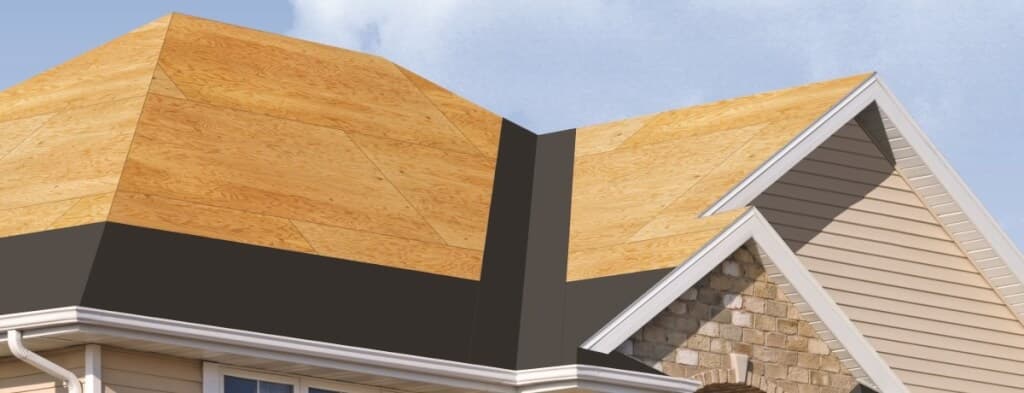
Finally, we address the "vitals." We use High-Temp Ice and Water Shield in all valleys and around all penetrations. In 2026, with our weirder, more intense winters, standard underlayment just doesn't cut it. We want a secondary waterproof seal that can handle the "freeze-thaw" cycle of a Utah spring. We also perform a "Forensic Ventilation Audit" to make sure your new roof can breathe. If you don't have enough "Intake" and "Exhaust," your brand-new shingles will cook from the inside out. We treat the roof as a complete system, not just a layer of shingles. That’s what it means to be Wasatch-Proof. We aren't just fixing a leak; we're building a fortress for your family. Stay dry, folks!
Storm damage roofing across Utah
Compare the Utah city pages where we document storm damage roofing, hail inspections, wind damage response, and local repair-versus-replacement planning.
24/7 Emergency Support
Suspect Storm Damage?
Damage isn't always visible from the ground. Get a professional, zero-obligation forensic audit before your filing window expires.