
Roofing Companies Highlands Ranch (2026)
By Skyridge Ricky • March 28, 2026 • 14 min read
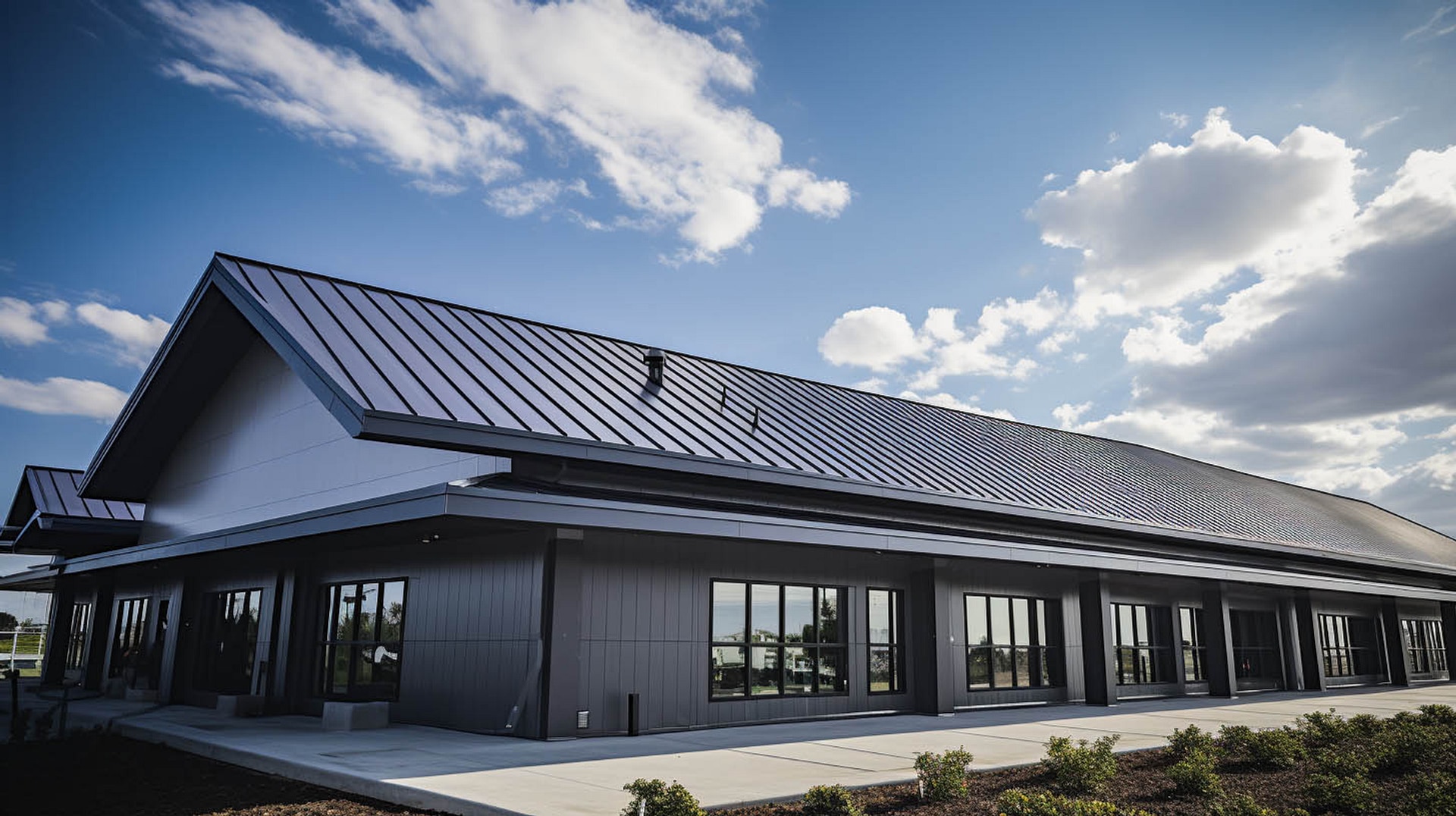
If you are comparing roofing companies Highlands Ranch homeowners actually trust, you are probably dealing with a real roof decision rather than casual browsing. Maybe there was recent wind or hail. Maybe the shingles are aging and you want to know if another repair is still rational. Maybe you already have two or three estimates and the problem is not getting a number. The problem is figuring out why the numbers and recommendations are so different.
That is a normal place to be. Roofing companies often sound similar online while behaving very differently during inspection, scope writing, and project execution. One contractor may look only at the most visible damage. Another may document flashing, ventilation, and material condition as part of a broader roof story. One may push immediate replacement. Another may explain why repair is still viable. Homeowners make better decisions when they know how to compare that difference directly instead of relying on branding, yard signs, or whichever quote arrived first.
This guide is built for high-intent homeowners in 2026 who want to compare Highlands Ranch roofing intelligently. We will cover what local homeowners usually need help solving, how to judge inspection quality, what separates a strong bid from a vague one, how warranties should be compared, and how to choose the company that is most likely to produce a durable roof outcome rather than just a signed contract.
Replacement And Buying Paths
Buying guides and replacement articles should route readers into the service pages, pricing tools, and quote path that convert research into projects.
Next steps from this article should include roof replacement services, roof inspection services, shingle roofing services, metal roofing systems.
Request a roofing estimate
Turn buying research into a real estimate.
Request a roofing estimateWhat Homeowners Usually Need Roofing Companies to Solve
Most homeowners do not start calling roofing because everything is fine. They are usually trying to solve one of four problems: active leaks, storm-related damage, age-related roof decline, or uncertainty before a sale, insurance conversation, or planned project. Those categories matter because they call for different contractor behavior. A leak may need emergency dry-in and targeted diagnosis. A storm-damaged roof may need documentation and claim support. An aging roof may need a repair-versus-replacement judgment call. A pre-sale inspection may require more reporting discipline than immediate construction.
Good roofing companies know how to sort those situations fast without pretending they are all the same. Homeowners should pay attention to whether the roofing asks about timing, weather, prior repairs, recurring leak history, attic symptoms, and how long the owner expects to stay in the home. Those questions reveal whether the company is trying to understand the roof or simply route every lead toward the same type of sale.
It also helps homeowners compare companies if they define the problem in their own terms first. Are you trying to stop active water? Are you trying to verify storm damage? Are you trying to avoid replacing the whole roof if one slope can still be repaired? The clearer that is, the easier it becomes to see which contractor is giving real guidance and which one is speaking in generalities.
The strongest companies are usually the ones that make the problem clearer before they make the project bigger. That is often the first sign the homeowner is talking to someone who can scope the roof thoughtfully instead of reactively.
- Most homeowners call roofing for leaks, storms, age-related decline, or inspection clarity.
- Different roofing problems require different contractor workflows and judgment.
- The best roofing companies ask detailed questions before they prescribe a scope.
- Homeowners compare companies better when they define the actual problem first.
- A contractor who clarifies the problem usually writes a better scope later.
How to Judge Inspection Quality Before You Compare Price
The best early filter for roofing companies Highlands Ranch is inspection quality. Did the contractor just point at the visible symptom, or did they evaluate the larger roof system? Did they look at flashing, penetrations, roof age, and surrounding material condition? Did they explain whether the issue looked isolated or whether the roof seemed to be drifting into broader replacement territory? Those details matter because a weak inspection creates a weak proposal no matter how polished the company website looks.
Photo documentation is a major sign of seriousness. Homeowners should expect pictures of damaged shingles, flashing issues, granule loss, soft spots, exposed fasteners, or any condition being used to support the recommendation. If moisture is involved, the contractor should also care about attic or interior evidence when appropriate. That helps show whether the roof issue is straightforward or whether the visible leak is only the end of a longer water path.
Inspection quality also shows up in how the contractor handles uncertainty. Strong roofing explain what they know, what they suspect, and what could change if hidden conditions appear after tear-off or repair access. Weak roofing either pretend nothing will change or hide all the uncertainty until it becomes a change order later. Homeowners are much better protected when the contractor treats uncertainty as part of the process instead of a surprise to be revealed only when the roof is already open.
In practical terms, the right inspection should leave you understanding the roof better than you did before. If the company only left you with a price and a pitch, you still do not know enough to compare bids intelligently.
- Inspection quality is one of the clearest predictors of proposal quality.
- Roofing should document visible issues with photos and explain what they mean.
- A good inspection separates isolated repairs from broader aging roof patterns.
- Strong contractors define uncertainty up front instead of revealing it only later.
- If you do not understand the roof better after the visit, the inspection likely was not strong enough.
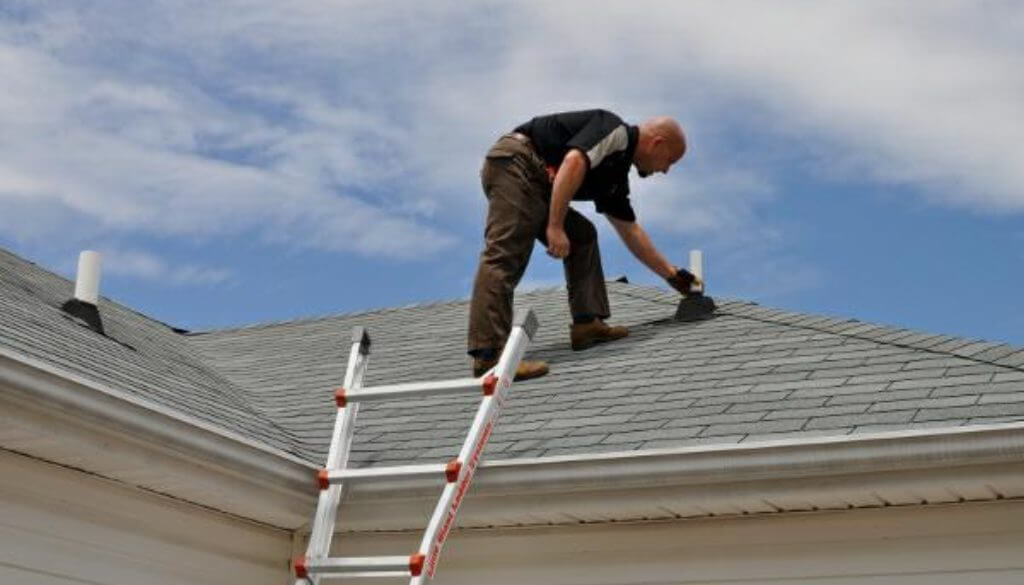
How to Compare Bids Without Letting the Lowest Number Control the Decision
Roofing estimates only become comparable once you know what each company is actually pricing. One contractor may include flashing replacement, decking allowance, upgraded underlayment, cleanup, and warranty support. Another may only replace visible shingles. One may be pricing a targeted repair. Another may be pricing a roof that they believe has already crossed into full replacement territory. Until those assumptions are visible, the total price by itself tells you very little.
Ask each contractor to define the core problem they believe the scope is solving. Ask what hidden conditions could expand the work. Ask whether the quote is meant to be a repair, a capital replacement, or a storm-response scope with documentation built into the process. The clearer those answers are, the easier it becomes to see whether one bid is truly more expensive or simply more complete.
Homeowners should also compare communication quality inside the bid. Are material names clear? Are deck and flashing assumptions stated? Does the proposal identify what is excluded? Does it explain what happens if hidden substrate damage is found? Good bids create fewer unpleasant surprises because they define the boundary between what is priced and what remains unknown.
The point is not to ignore price. It is to put price in the right position. The best contractor is not automatically the highest or lowest. It is the one whose scope, assumptions, and expected outcome are easiest to understand and defend before the work begins.
- Roofing bids should be compared by assumptions and scope before total price.
- A low bid may simply be solving less of the actual roof problem.
- Hidden-condition language matters because it predicts how surprises will be handled later.
- Well-written bids explain both what is included and what is still uncertain.
- The strongest estimate is usually the one that makes the roof outcome easiest to understand.
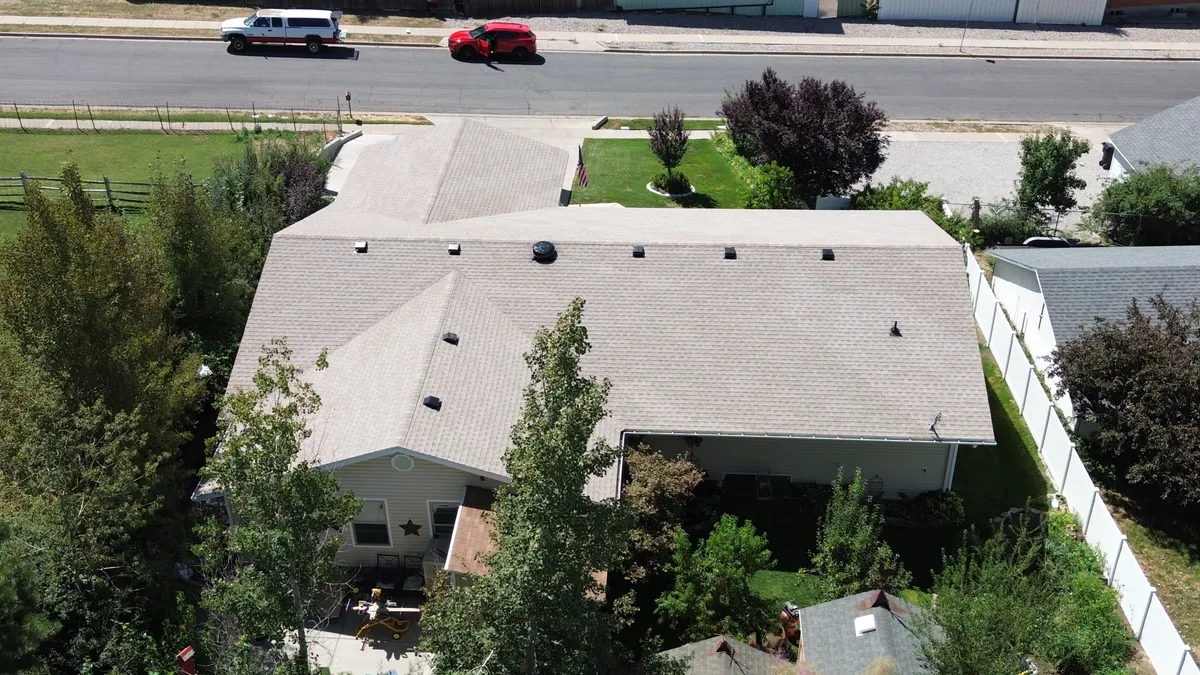
Why Storm Experience and Documentation Matter in Contractor Selection
Storm experience can be a major differentiator when homeowners are comparing roofing companies. A contractor who regularly handles hail, wind, and weather-driven repairs usually documents roofs differently than one who mainly sells routine reroofs. They tend to look for collateral clues, understand how uplift and impact patterns spread across slopes, and know how to separate visible damage from broader roof condition. That matters because storm-related roofing decisions often sit in the gray zone between repair, claim support, and replacement planning.
Documentation is part of that expertise. Homeowners benefit when roofing take clear photos, identify affected accessories, mark where damage clusters, and explain whether the event looks isolated or roof-wide.
This helps not just with insurance or resale.
It helps the homeowner compare recommendations intelligently.
If one roofing says repair and another says replacement, the documented damage pattern is often what reveals which interpretation is better supported.
Storm-aware companies also tend to communicate better about timing.
They understand temporary dry-in, permanent correction, and how weather delays affect the project. That reduces confusion for homeowners who are trying to protect the house now without signing a permanent scope too quickly. The best storm contractors move quickly without becoming vague.
Even if the homeowner ultimately pays out of pocket, that style of documentation is useful. It leaves a clear roof history and helps future maintenance or resale conversations make more sense later.
- Storm experience often changes how carefully a contractor documents the roof.
- Weather-related bids are easier to compare when damage patterns are photographed clearly.
- Storm contractors should distinguish temporary stabilization from final corrective work.
- Clear documentation helps with claims, resale, and future maintenance even outside insurance contexts.
- Companies that move quickly and explain clearly usually handle storm work better than those that only do one of the two.
What Good Warranties and Communication Look Like
Warranties should be compared just as carefully as material choices. Material coverage, workmanship coverage, and limited repair warranties are not interchangeable. Homeowners should know whether the company is warranting a repaired area, an entire slope, or the full roof system. On full replacements, they should know whether there is any manufacturer-backed coverage and what installation conditions are required to preserve it. A vague promise that the company stands behind the work is not the same thing as clear warranty language.
Communication matters just as much. Roofing projects involve scheduling, weather shifts, hidden conditions, and coordination once the work actually starts. Contractors who communicate well during the estimate stage usually communicate better during the project too. That includes explaining delays, documenting what was found after tear-off, and telling homeowners what changed and why. In practice, poor communication often creates as much stress as the roof problem itself.
Photo closeout is another strong sign. Homeowners should leave the project with evidence of what was repaired or replaced, especially if hidden wood replacement or flashing corrections were part of the scope. Those records help later with maintenance, resale, and peace of mind. Good communication creates clarity before, during, and after the roof work rather than disappearing once the deposit clears.
For homeowners comparing multiple companies, this often becomes the deciding factor. The company that explains the roof best before the project is usually the one that manages the project best once the roof is open.
- Warranties should be read in terms of material, workmanship, and scope boundaries.
- A repair warranty is not the same thing as full-system replacement coverage.
- Strong communication during the estimate stage often predicts better project management later.
- Photo documentation after completion is a sign of a disciplined roofing company.
- Clarity before, during, and after the job is part of the roofing value homeowners are buying.
How Homeowners Should Make the Final Choice
The final choice usually comes down to which company gave the homeowner the clearest understanding of the roof, the strongest documentation, and the most defensible scope. Price matters, but only after the homeowner trusts that the company is solving the right problem. A cheap quote tied to a weak diagnosis is not a bargain. A more complete quote tied to a well-documented recommendation may be the better financial decision because it reduces the chance of paying twice for the same roof issue in different forms.
It also helps to consider fit. Did the company answer your questions directly? Did they explain limits instead of pretending the job has no uncertainty? Did they show enough evidence that you understand why they recommend repair or replacement? Did they identify what would happen if hidden damage is discovered? Those questions reveal whether the contractor is prepared to manage a real project rather than simply generate a sale.
In most cases, homeowners do best with the roofing who makes the roof easier to understand. That usually reflects stronger inspection discipline, clearer thinking, and better communication. Those qualities matter long after the first estimate because they shape how the project is executed once the shingles come off or the repair area opens up.
That is what separates a roofing company from a strong roofing partner. One sells a job. The other helps the homeowner make the right next decision for the house.
- The best final choice is usually the company with the clearest diagnosis and scope logic.
- Price becomes meaningful only after the homeowner trusts the recommendation behind it.
- Contractor fit includes honesty about risk, hidden conditions, and project limits.
- Clearer understanding at estimate stage usually leads to fewer surprises during the project.
- The strongest roofing companies help homeowners make a better decision, not just a faster one.
Why Similar Project Examples and Local References Matter
One of the most practical ways to compare roofing companies is to ask for examples of similar work. A contractor may have great general reviews and still have limited experience with the exact kind of roof problem you are dealing with. If your house has multiple valleys, storm exposure, complicated flashing transitions, or a roof that sits in the gray zone between repair and replacement, you want to know whether the company has handled that kind of situation cleanly before. Similar project examples reveal how the roofing thinks when the roof stops being simple.
References help for the same reason. Homeowners do not need a huge list, but they should be able to get a sense of how the company communicates once the project begins, how change conditions are handled, whether cleanup is disciplined, and whether the finished work matched what was promised during the estimate stage. Roofing jobs often succeed or fail in the moments where the scope gets more complicated than the original sales conversation suggested. References are one of the best ways to see how a company behaves in those moments.
This becomes especially useful when two bids look close on paper. A contractor with similar-project proof and clear references is often a safer choice than a contractor with a slightly lower number and much thinner evidence. The question is not only can they roof a house. It is can they roof a house like yours under conditions like yours and manage the details without turning the project into a series of surprises.
For homeowners, this is an easy quality filter. Strong companies usually do not mind being asked for comparable examples because they know experience is one of the most useful forms of reassurance they can provide. The weaker the contractor’s evidence of similar work, the more carefully the homeowner should read everything else in the proposal.
- Similar project examples are more useful than generic company photos.
- References reveal how contractors communicate and manage complexity during the real job.
- Comparable-project experience often matters more than a small price difference.
- Homeowners should ask whether the company has handled roofs like theirs successfully before.
- Strong evidence of similar work is one of the simplest trust signals in contractor comparison.
Wrapping it up
Roofing companies Highlands Ranch is a high-intent search because homeowners usually need clarity, not just contact information. The strongest contractor is the one who can inspect carefully, document what they found, explain whether the roof needs repair or replacement, and define a scope that fits the actual house rather than a generic script.
For homeowners, that means comparing companies by inspection quality, documentation, communication, warranty clarity, and how well each bid explains the roof problem. Once those pieces line up, the final contractor choice gets much easier and the odds of a cleaner roofing outcome go up significantly.
That is what turns a crowded list of roofing companies into a much shorter list of companies actually worth trusting with the roof over your home.
Questions this guide answers
Quick answers tied to roofing companies Highlands Ranch.
Utah Roof Replacement Hub
Explore our comprehensive guides, local pricing, and service area details to help you plan your next roofing project with confidence.
Pricing & Vetting Guides
Priority Local Pages
Utah Roofing Services Directory
Access our full suite of residential and commercial roofing services, local service area pages, and specialized material guides.