Roofing Contractor Middleton (2026)
By Skyridge Ricky • March 28, 2026 • 14 min read
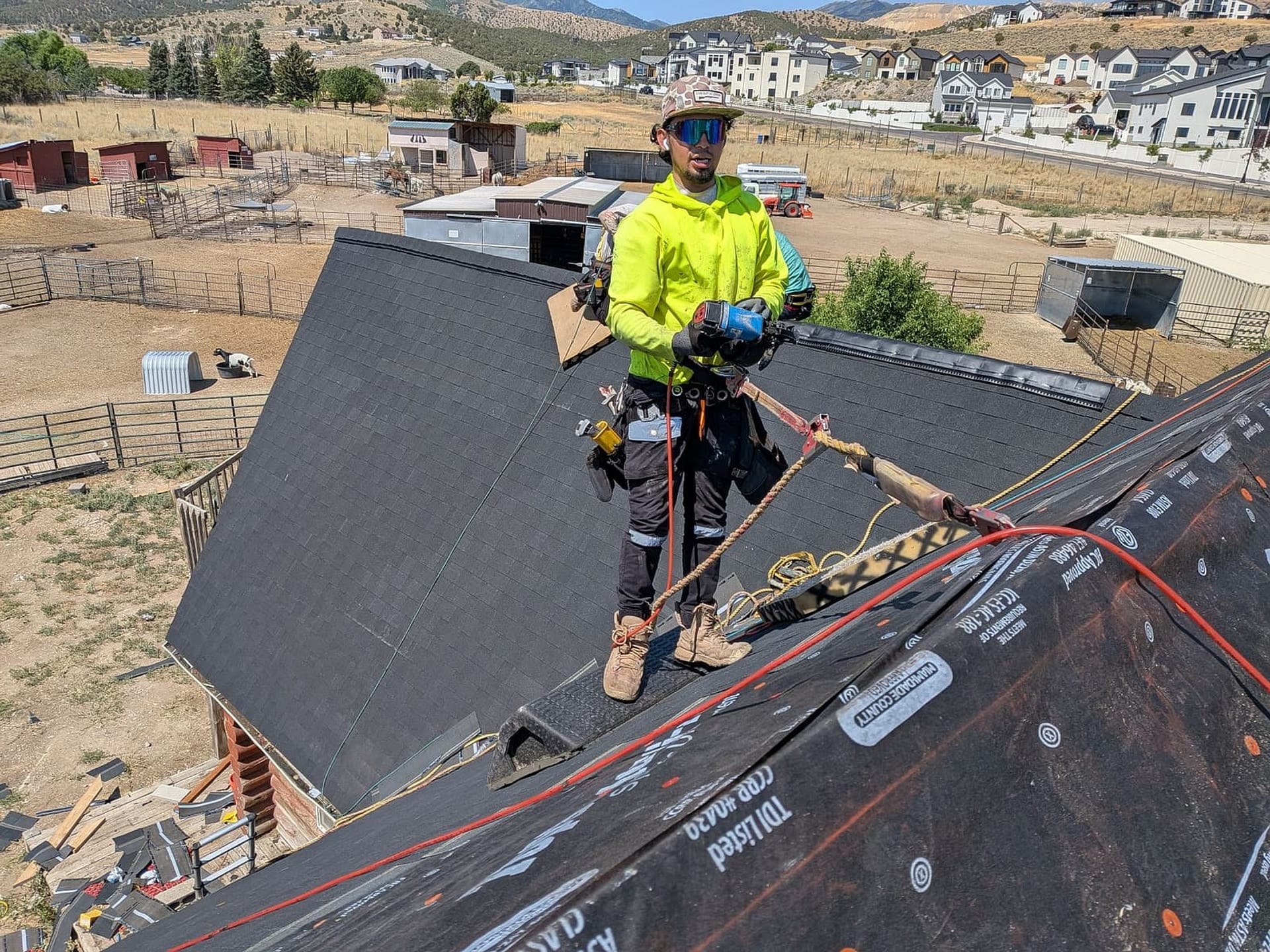
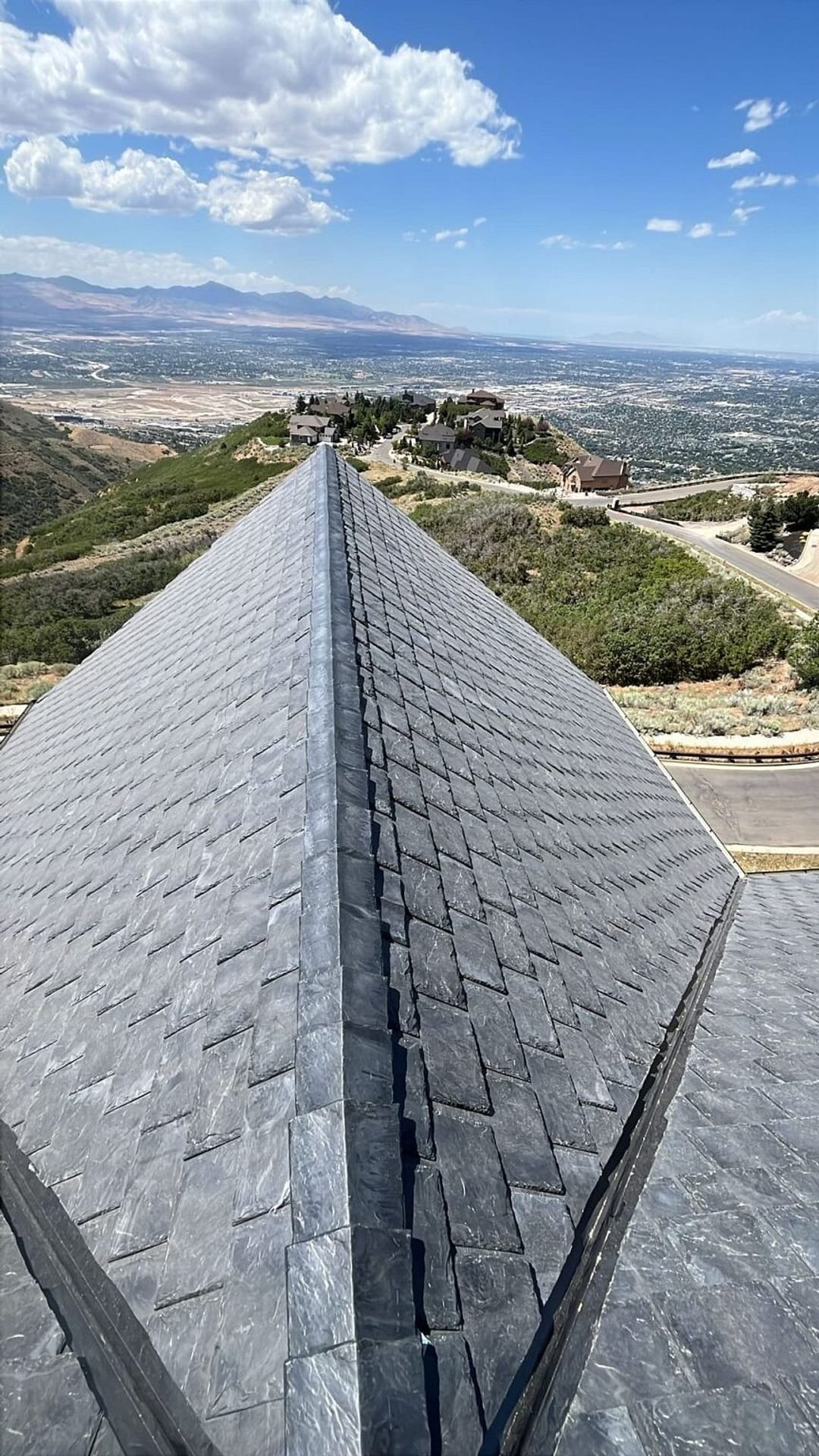
If you are searching for a roofing contractor Middleton homeowners can trust, you are probably not browsing casually. There is usually a roof problem, a roof decision, or a contractor-comparison deadline behind the search. Maybe a leak showed up after heavy weather. Maybe the shingles are aging and you want to know if repair is still realistic. Maybe you are comparing bids and trying to figure out why one roofing professional sees a simple repair while another sees a replacement. That kind of confusion is normal, because roofing decisions are rarely about one visible symptom alone.
What homeowners in Middleton really need is not just a contractor with a ladder and a sales script. They need a roofing contractor who can diagnose the roof honestly, explain whether the issue is localized or roof-wide, and define a scope that matches the actual condition of the home. That is the difference between buying a roof service and buying clarity. The first might get you a job on the calendar. The second usually gets you a better roofing outcome.
This guide walks through what to compare when evaluating a Middleton roofing contractor in 2026. We will cover the roof problems local homeowners most often run into, how to judge inspection quality, how to compare bids, and how to tell whether a contractor is helping you understand the roof or simply trying to move you to a contract fast.
Replacement And Buying Paths
Buying guides and replacement articles should route readers into the service pages, pricing tools, and quote path that convert research into projects.
Next steps from this article should include roof replacement services, roof inspection services, shingle roofing services, metal roofing systems.
Request a roofing estimate
Turn buying research into a real estimate.
Request a roofing estimateWhat Homeowners Usually Need a Roofing Contractor to Solve
Most homeowners do not hire a roofing contractor because they enjoy the process. They hire one because the roof created uncertainty. That uncertainty usually falls into one of four categories: an active leak, visible storm or wind damage, aging materials that may be nearing replacement, or a general need for inspection before a sale, insurance conversation, or planned project. The right contractor should be able to sort those situations quickly without pretending they are all the same problem.
A leak may be a single flashing issue, or it may be the point where an older roof finally shows its age. Missing shingles after wind may be a targeted repair, or they may be a sign that the surrounding shingle field is losing flexibility and seal strength too. Homeowners often assume the visible symptom is the whole scope, but roofing rarely works that way. A good contractor investigates cause, not just appearance.
That is why diagnosis matters more than speed. Fast response is useful, especially if the roof is leaking, but the contractor still needs to determine whether the issue is localized, storm-related, installation-related, or simply the result of a roof that has crossed into heavier maintenance territory. The better the diagnosis, the more likely the homeowner is to buy the right service instead of the first available service.
Before comparing companies, it helps to define the problem you think you have and then see which contractors ask the best questions back. The roofing professional who slows down just enough to explain the roof is usually giving you more value than the roofer who immediately jumps to a number.
- Most roofing calls start with leaks, storm concerns, aging materials, or pre-sale inspection needs.
- The visible symptom is often smaller than the full roof story.
- A good contractor diagnoses cause before prescribing a scope.
- Fast response is useful, but clear diagnosis is what creates a reliable roofing decision.
- Homeowners benefit from contractors who ask specific questions before quoting broad answers.
How to Tell Whether a Roofing Inspection Is Actually Good
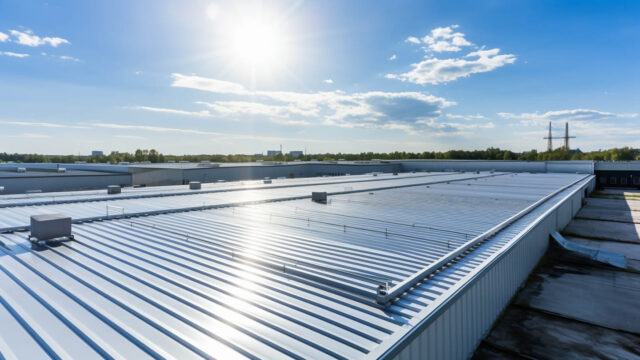
The easiest way to judge a roofing contractor is to judge the inspection. Did they look only at the most obvious problem area, or did they check the broader roof system? Did they take photos, explain what they saw, and distinguish between confirmed issues and hidden-condition possibilities? Or did they jump from a quick glance straight to a contract recommendation? Inspection quality is usually the clearest early sign of scope quality.
A good inspection should cover the roof covering, visible flashing details, penetrations, problem transitions, and any clues from the attic or interior if moisture is involved. If the contractor believes the roof is repairable, they should be able to explain why. If they think replacement is the better value, they should be able to show what patterns led them there. Homeowners should not have to decode that logic from vague phrases like old roof or storm damage.
Documentation matters here. Photos of damaged tabs, weak flashing, granule loss, soft decking signs, or recurring leak paths make the recommendation easier to understand and easier to compare against other bids. The contractor does not need to overwhelm you with jargon, but they should be able to connect what they observed to the work they are proposing in a way that holds together technically.
In practical terms, the best inspection is the one that reduces confusion. If you understand the roof better after the visit, the contractor is probably doing useful work. If you only understand that they want your signature, keep comparing.
- Inspection quality is one of the best early indicators of contractor quality.
- Good inspections document roof covering, flashing, penetrations, and moisture clues together.
- A contractor should explain why they believe the roof is repairable or replacement-worthy.
- Photos and clear observations make bids much easier to compare.
- The goal of a strong inspection is less confusion, not just a faster sale.
How to Compare Middleton Roofing Bids Beyond the Price
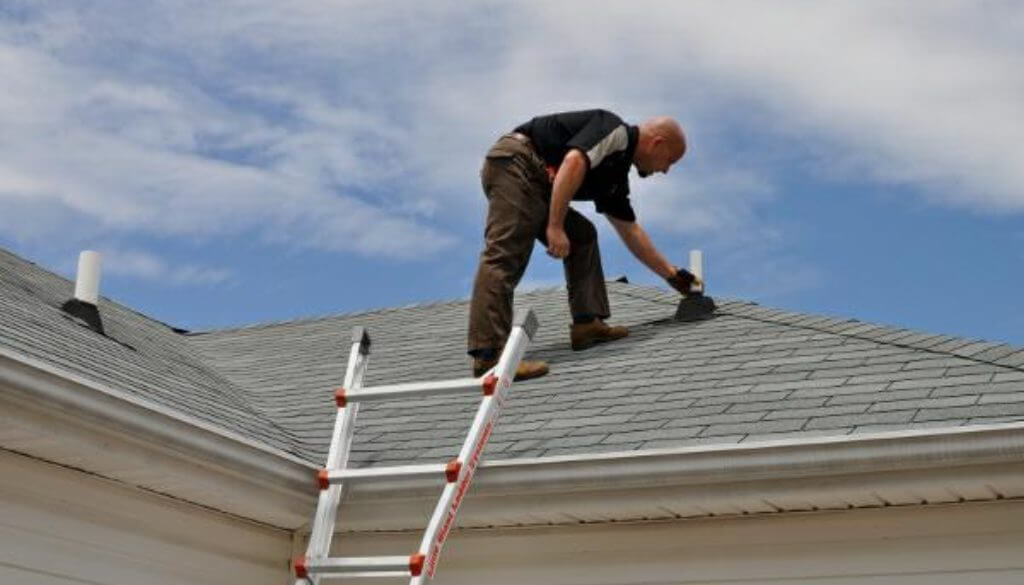
Roofing bids only become useful when you know what each one is actually pricing. One estimate may include flashing replacement, underlayment work, deck allowance, and cleanup. Another may only replace the visible roof covering. One may assume the problem is isolated. Another may assume the roof is nearing full replacement. Until those assumptions are understood, comparing totals is mostly guesswork.
Ask each contractor what problem they believe the scope is solving, what hidden conditions could change the work, and whether the bid reflects repair, replacement, or an inspection-first placeholder. If storm damage is involved, ask whether documentation and claim support are part of the process. If the roof is older, ask how material compatibility affects repair planning. Those questions quickly expose whether one contractor is truly more complete or simply more expensive.
Warranty language should be reviewed carefully as well. Material coverage, workmanship coverage, and limited repair warranties are not interchangeable. Homeowners should know whether the quoted warranty applies to a repaired area, a full slope, or an entire roof system. The clearer the contractor is about those boundaries, the easier it becomes to understand what you are actually buying.
The strongest bid is usually the one that makes the scope easiest to defend. If you can explain the problem, the assumptions, the limitations, and the expected outcome after reading it, that is usually a better sign than a proposal that only looks attractive because the total is lower.
- Roofing bids should be compared by scope and assumptions before price.
- Ask each contractor what problem they think the proposed work actually solves.
- Hidden-condition allowances and material compatibility matter on older roofs.
- Warranty language should be reviewed in detail, especially on repair bids.
- The clearest bid is often more valuable than the cheapest bid.
When a Middleton Homeowner Should Repair First and When Replacement Is Smarter
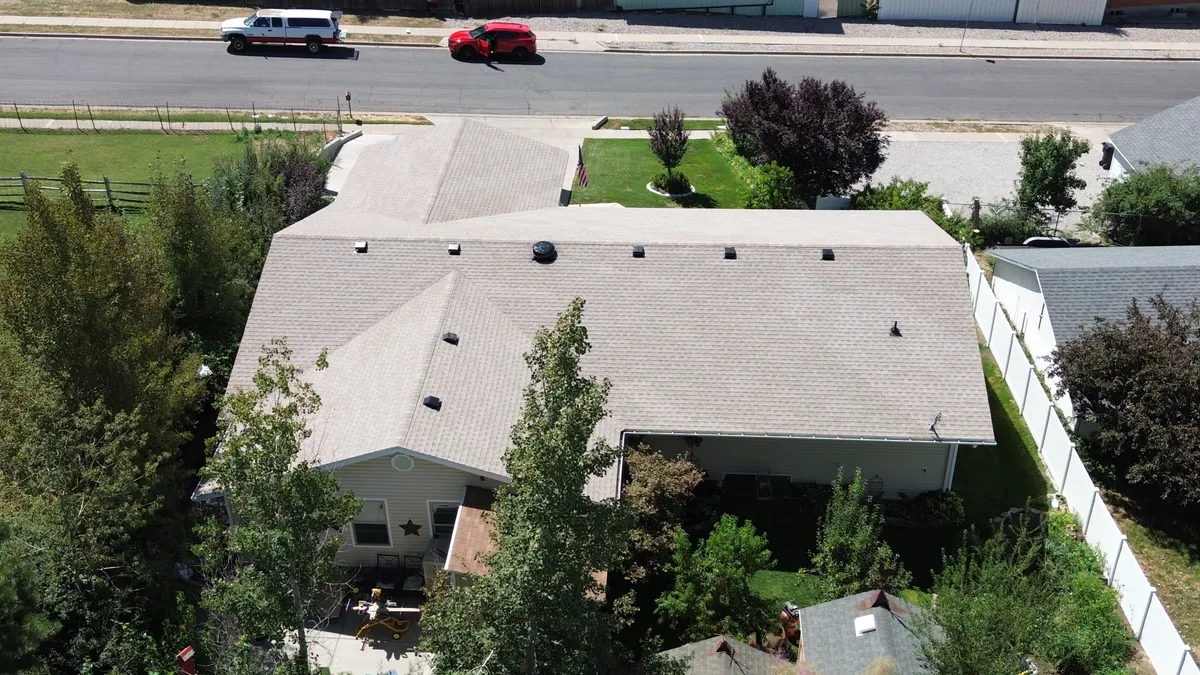
Repair-first planning usually makes sense when the roof problem is localized and the surrounding system still has enough life to justify a targeted fix. One leaking vent, one damaged valley section, one wind-affected slope, or one flashing failure on an otherwise stable roof can all be good repair candidates. In those cases, replacement may be premature if the contractor can restore the weak detail and the rest of the roof still supports long-term performance.
Replacement becomes the stronger option when repairs are no longer restoring confidence.
That often happens when the roof has repeated leak history, widespread granule loss, brittle shingles, patchwork across multiple slopes, or storm damage layered on top of general age-related decline.
At that point the homeowner is no longer paying for one repair.
They are funding a roof that keeps asking for more exceptions.
A good Middleton roofing contractor should be able to define that line with evidence.
They should explain what the next repair is likely to accomplish, how long they expect it to hold, and what unresolved risk remains. If replacement is the better financial decision, they should be able to say that without turning every problem into a sales pitch. If repair is still viable, they should be able to defend that too.
The real goal is not to spend less this week. It is to spend the next dollar where it buys the most useful confidence. That is the lens homeowners should bring into every repair-versus-replacement conversation.
- Localized failures on a healthy roof usually support repair-first planning.
- Repeated leaks and widespread aging often push the roof into replacement territory.
- A contractor should explain what a repair is expected to accomplish and what risk remains.
- Replacement becomes smarter when patching no longer restores confidence.
- The best decision is the one that buys the right amount of certainty for the house.

What Good Roofing Communication Looks Like
Communication quality affects roofing outcomes more than many homeowners expect. A contractor who explains scheduling, weather delays, hidden conditions, and scope changes clearly is usually easier to work with from start to finish. That matters because roofing projects rarely stay exactly as imagined once the roof is opened. Decking issues, flashing surprises, or material compatibility problems can appear, and the homeowner needs to know whether the contractor can explain those changes without turning them into chaos.
Good communication also includes photo documentation before, during, and after the work. Homeowners benefit from seeing what was found, what was corrected, and what the final condition looks like. Those records help with maintenance, resale, warranty conversations, and future inspections. A well-documented roof job is simply easier to understand later than a roof job that disappears into a vague invoice.
One practical test is this: after the conversation, can you explain the roof back to someone else? If you can describe the issue, the proposed solution, and the reasons behind it, the contractor is probably communicating well. If you only know the price and the date they want to start, that is not enough.
For homeowners comparing multiple companies, clear communication is often the tie-breaker that reveals who is thinking like a professional and who is mostly trying to close fast.
- Strong roofing communication reduces surprises once the work begins.
- Photo documentation helps homeowners understand both the problem and the finished scope.
- Good contractors explain hidden conditions and schedule changes clearly.
- A homeowner should be able to describe the roof problem after the contractor visit.
- Communication quality is often a practical tie-breaker when bids are otherwise close.
How to Make the Final Contractor Choice
The final roofing contractor choice should usually come down to explanation quality, scope clarity, documentation, and confidence in the company's judgment. Price still matters, but price only becomes meaningful after you trust that the contractor is solving the right problem. A low number tied to a weak diagnosis is not a bargain. A higher number tied to a complete, well-explained scope may actually be the safer financial decision.
Homeowners should also think about fit. Did the contractor answer your questions directly? Did they explain limits instead of promising magic? Did they show enough evidence that you understand why they recommend repair or replacement? Did they define what happens if hidden damage is discovered? These are the kinds of details that predict whether the project will feel organized once the roof work starts.
In many cases, the right Middleton roofing contractor is not the one who talked the most. It is the one who made the roof easiest to understand. That is because clarity usually reflects better inspection discipline, better planning, and better technical confidence. Those qualities matter long after the estimate stage is over.
When homeowners choose a roofing contractor that way, they are more likely to get a roof scope that fits the house, a timeline they can actually understand, and fewer unpleasant surprises once materials start moving across the property.
- The final contractor decision should be based on scope quality and explanation, not only price.
- A contractor who explains limits honestly is usually safer than one who promises certainty too quickly.
- Fit matters: homeowners should understand the scope and next steps before signing.
- Clarity at the estimate stage often predicts smoother project management later.
- The best roofing contractor usually makes the roof easier to understand, not just easier to buy.
Why Similar Project Examples and References Matter So Much
One of the most practical ways to evaluate a roofing contractor is to ask for examples of similar work, not just general company photos. If your house has multiple valleys, steep pitches, flashing complexity, storm history, or an aging shingle system that sits in the gray zone between repair and replacement, you want to know whether the roofer has solved that kind of problem before. Similar examples make the contractor’s judgment easier to trust because they show how the company thinks, not just how it markets itself.
References matter for the same reason. Homeowners do not need a dozen names, but they should be able to get a sense of how the company communicates, handles hidden conditions, cleans up, and responds when the project gets more complicated than expected. Roofing jobs rarely fail because of one neat technical mistake alone. They often fail because the contractor handled complexity poorly once the roof was open. References help reveal whether the company stays organized when the job stops being simple.
This is especially important when comparing Middleton contractors whose estimates appear close on paper. Similar project examples can show whether one company really understands the roof type in front of you or whether they are pricing it as if every residential roof behaves the same. That insight often matters more than a small difference in total price because it predicts which contractor is more likely to solve the actual roof problem well.
For homeowners, the practical takeaway is straightforward: ask for evidence that the contractor has handled roofs like yours and handled them cleanly. Strong companies usually welcome that request because it lets them demonstrate experience with real scope, not just polished branding.
- Similar project examples are more useful than generic portfolio photos.
- References help reveal how a contractor manages complexity, communication, and cleanup.
- Comparable project history can separate equally priced bids in a meaningful way.
- Roofers who understand your roof type usually describe prior work with specificity.
- Evidence of similar successful work often predicts better project confidence than marketing alone.
Wrapping it up
Roofing contractor Middleton is a high-intent search because homeowners usually need a decision, not just a name. The strongest contractor is the one who can inspect the roof carefully, explain the condition clearly, and define whether the next right step is repair, replacement, or more investigation. Once that happens, the bid comparison becomes much less confusing and the project becomes much easier to trust.
For homeowners, that means choosing the roofing contractor who gives the most useful understanding of the roof, not just the fastest estimate. Clear diagnosis, documented findings, honest scope limits, and good communication are what separate a reliable roofing relationship from a rushed transaction. Those are the qualities most likely to produce a roof outcome you will still feel good about after the truck pulls away.
Questions this guide answers
Quick answers tied to roofing contractor Middleton.
Utah Roof Replacement Hub
Explore our comprehensive guides, local pricing, and service area details to help you plan your next roofing project with confidence.
Pricing & Vetting Guides
Priority Local Pages
Utah Roofing Services Directory
Access our full suite of residential and commercial roofing services, local service area pages, and specialized material guides.