Roof Shingle Wind Rating Guide (2026)
By Skyridge Ricky • March 28, 2026 • 14 min read
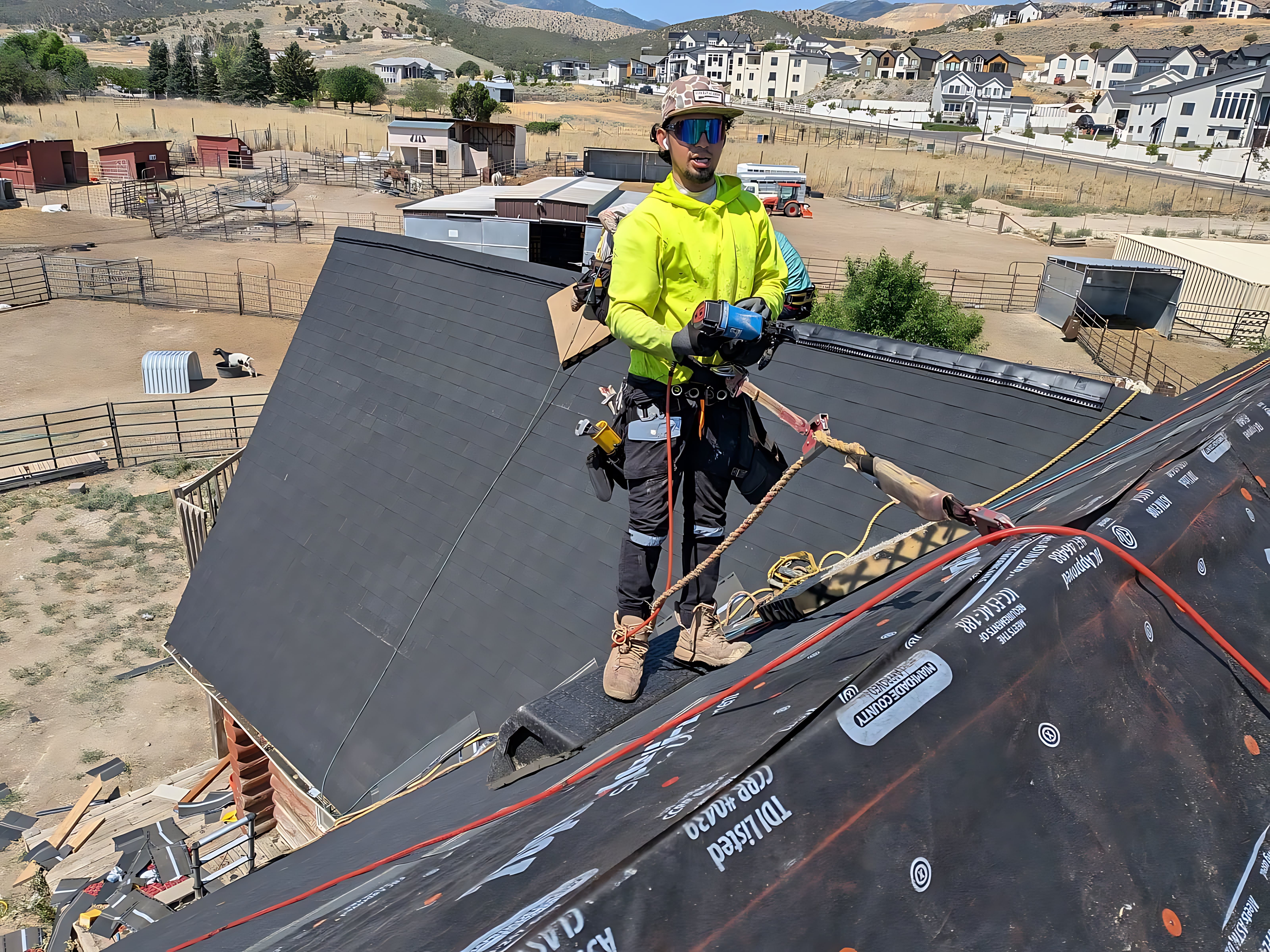
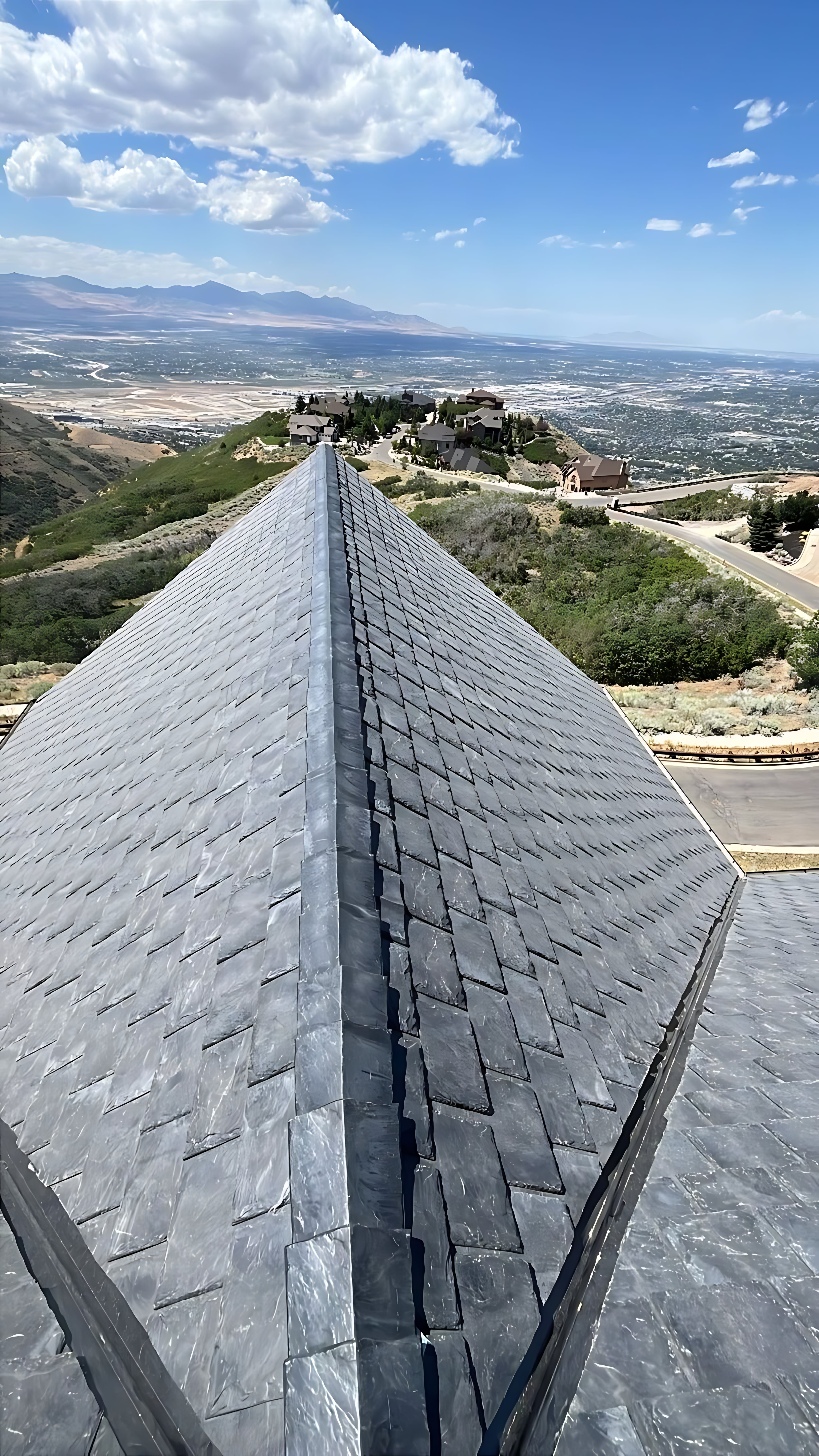
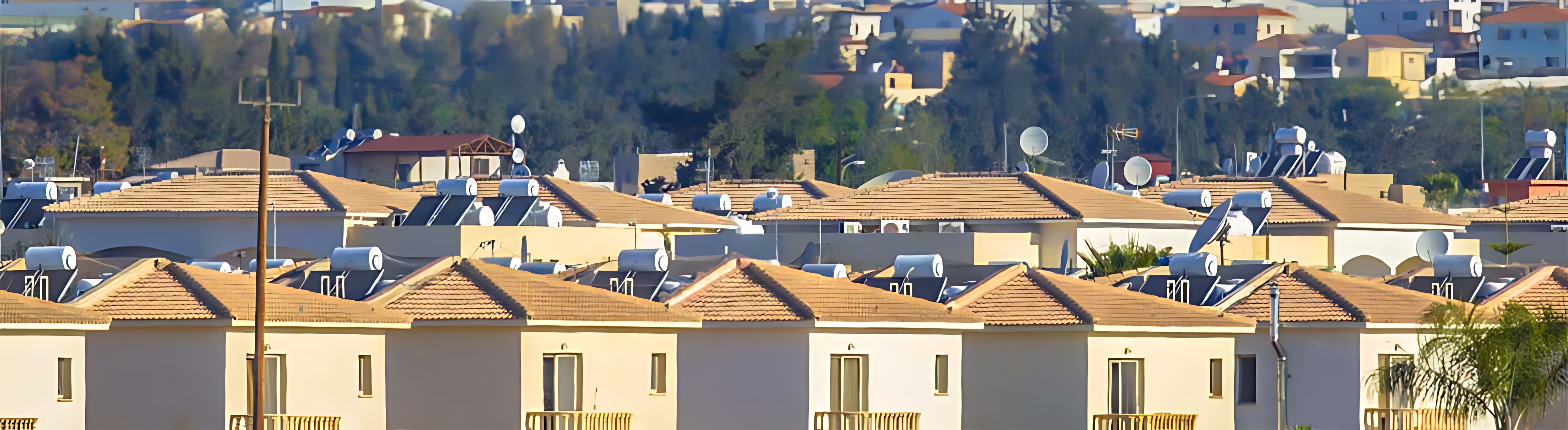
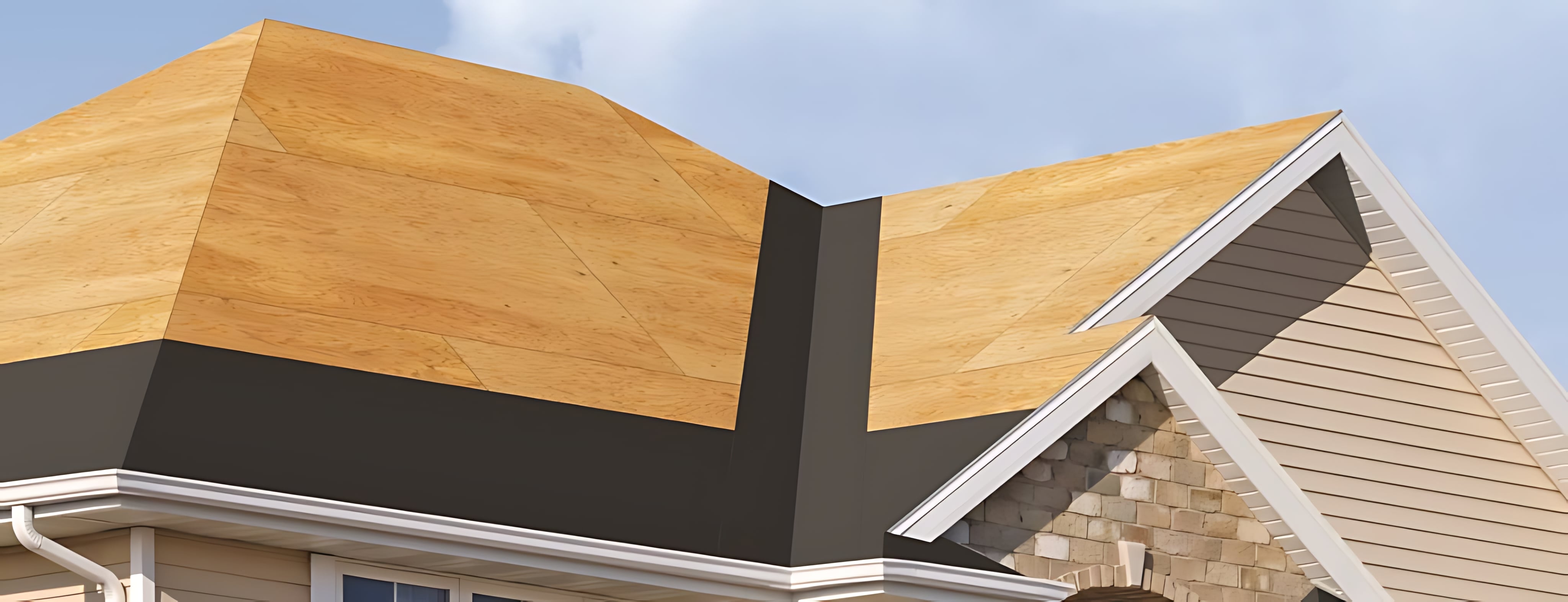
If you are searching for roof shingle wind rating, you are probably trying to answer a practical question: how much wind can this roof actually take before shingles start lifting, creasing, or blowing off. That is the right question, but the answer is not as simple as reading a number on a product brochure. Wind ratings matter, and they are useful, but they only describe performance under specific test conditions. What happens on an actual house depends on the entire roof system, the way the shingles were installed, and the exposure of the building itself.
This is where homeowners often get misled. A salesperson may say a shingle is rated to 130 miles per hour, which sounds decisive and reassuring. But that rating does not mean every roof built with that shingle will survive every 130 mph gust without damage. Wind is not just one uniform force pressing gently across a roof. It creates uplift at edges, turbulence at ridges, pressure changes around valleys and dormers, and violent stress at corners where weak installation details show up first. A high-rated shingle on a poorly installed roof can still fail quickly.
This guide explains how wind ratings are determined, what the common rating numbers really mean, what parts of the installation make the biggest difference, and how homeowners should compare shingles if wind resistance is one of their top priorities in 2026. If you want to understand whether a roof is actually built to stay put, this is the framework to use.
Replacement And Buying Paths
Buying guides and replacement articles should route readers into the service pages, pricing tools, and quote path that convert research into projects.
Next steps from this article should include roof replacement services, roof inspection services, shingle roofing services, metal roofing systems.
Request a roofing estimate
Turn buying research into a real estimate.
Request a roofing estimateWhat a Roof Shingle Wind Rating Actually Measures
A roof shingle wind rating is a tested performance classification that indicates how well a shingle system can resist uplift under controlled conditions. Manufacturers typically reference standards such as ASTM testing and then market the results through labels like 110 mph or 130 mph. Those labels are useful because they give homeowners a rough sense of relative product strength, but they do not describe every real-world variable that affects a roof during a wind event.
The test environment is controlled. The roof deck, fastening pattern, starter strips, and shingle orientation are all set up according to specified conditions. That means the rating reflects the shingle system as tested, not a random field installation with rushed nailing, poor ventilation, weak decking, or mixed accessories. In other words, the label is not meaningless, but it is conditional. It describes what the product can do when the full installation setup supports that result.
It is also important to understand that wind ratings are about uplift resistance, not a guarantee against every form of storm damage. A roof can keep its shingles attached and still suffer impact damage from hail, damage from flying debris, or leaks caused by flashing failures. Some homeowners assume a high wind rating means the roof is broadly storm-proof. That is not how roofing works. Wind rating addresses one important failure mode, but only one.
Used correctly, the rating is a screening tool. It helps narrow product choices, compare systems, and identify whether a given shingle line is designed for basic conditions or stronger wind exposure. Used incorrectly, it becomes a marketing number that homeowners mistake for a blanket guarantee. The difference matters because good roofing decisions depend on understanding what the number says and what it does not say.
- Wind rating measures uplift resistance under specific tested conditions.
- The rating applies to the system as tested, not to every possible field installation.
- A high wind rating does not protect against every kind of storm damage.
- Wind labels are useful for comparison but should not be treated like unconditional guarantees.
- Product rating and installation quality have to work together to deliver real roof performance.
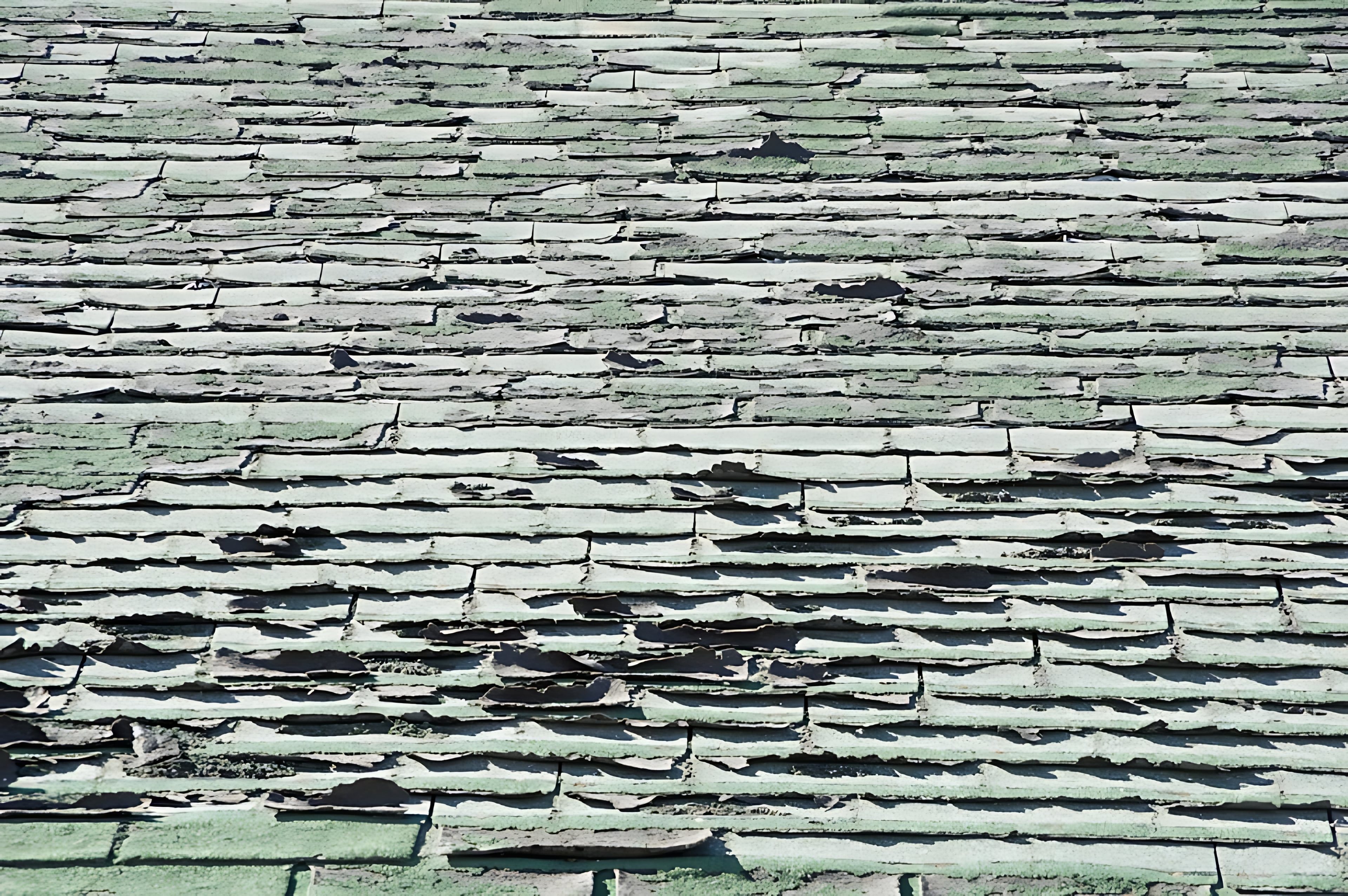
What 110 MPH and 130 MPH Ratings Usually Mean in Practice
Most homeowners comparing shingles will run into wind ratings around 110 mph and 130 mph. The practical difference is not just a bigger number. Higher-rated shingles are usually designed and tested as part of a more robust system with stronger sealant behavior, tighter nailing requirements, and more disciplined accessory coordination. In many product lines, the jump from a lower wind rating to a higher one also reflects added requirements such as six nails instead of four, or specific starter and hip-and-ridge accessories.
In practice, that means two things. First, a shingle marketed at 130 mph often needs the right installation pattern to achieve that number. If the roofer installs it with the wrong nail count or misses the nailing zone, the roof may no longer be performing at the level the brochure promised. Second, the higher rating is most meaningful on homes with stronger exposure, recurring gust events, or owners who want a larger performance margin because they expect to hold the home for a long time.
Homeowners should also resist the urge to treat the rating like a literal weather forecast threshold. A roof with a 130 mph rated shingle can still lose tabs in lower winds if the ridge details are weak or if uplift at the corners finds a poorly fastened section. Conversely, a well-installed 110 mph system on a protected site may outperform a poorly executed premium roof with a higher advertised number. The rating matters, but the field build still decides whether that rating becomes real roof behavior.
The better way to compare 110 mph and 130 mph systems is to ask what installation conditions are required to achieve each result and whether your roof exposure actually justifies the higher-spec assembly. That leads to a smarter decision than simply buying the biggest number on the sample board.
- Higher wind ratings often depend on stricter installation requirements such as six-nail patterns.
- A 130 mph label usually reflects a stronger full-system setup, not just a stronger shingle tab by itself.
- The rating should not be treated like a literal guarantee at that exact wind speed.
- Roof exposure and long-term ownership goals help determine whether the higher rating is worth it.
- As-installed quality can matter more than the difference between two marketing labels.
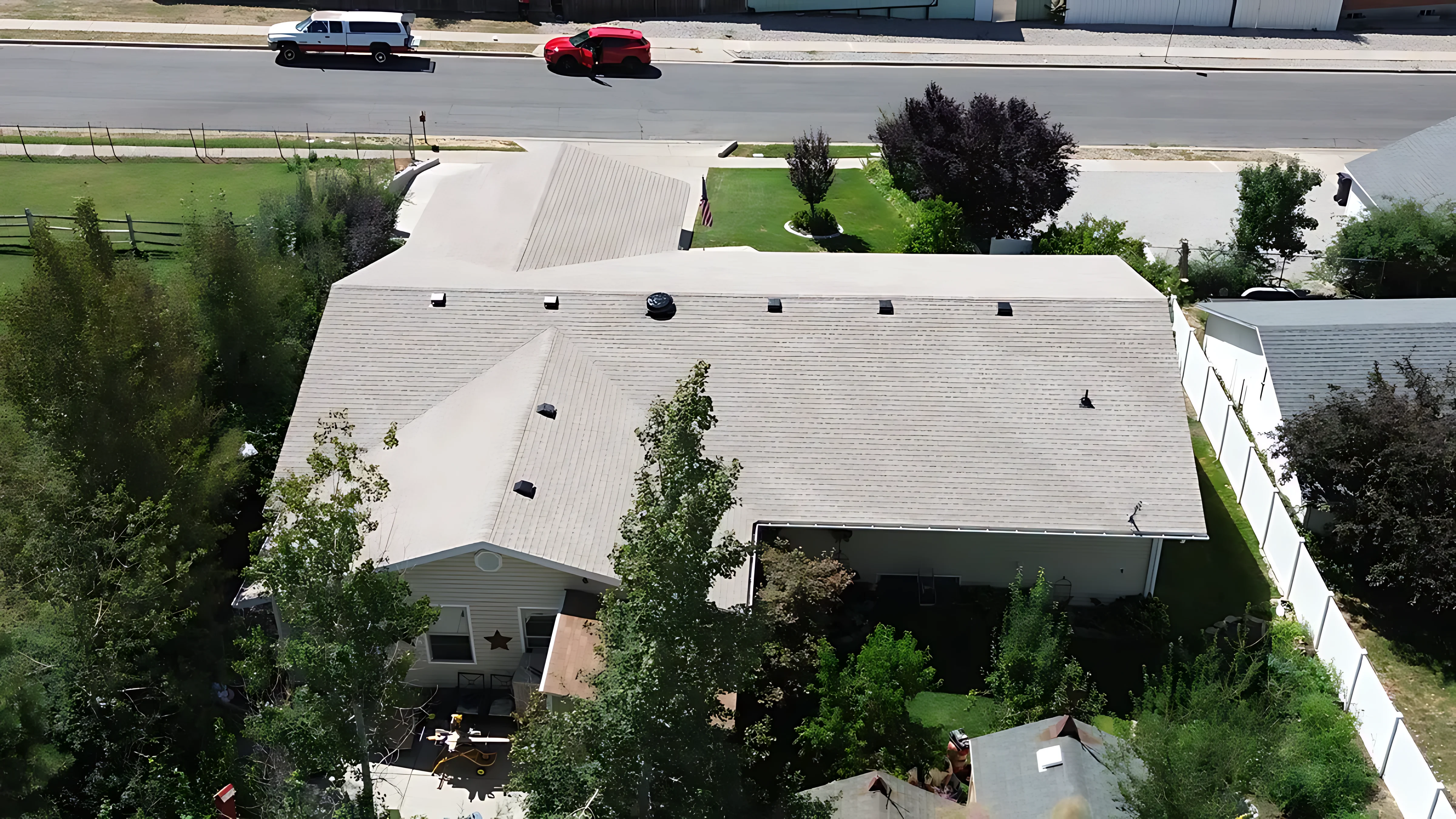
Why Starter Strips, Nail Placement, and Ridge Details Matter So Much
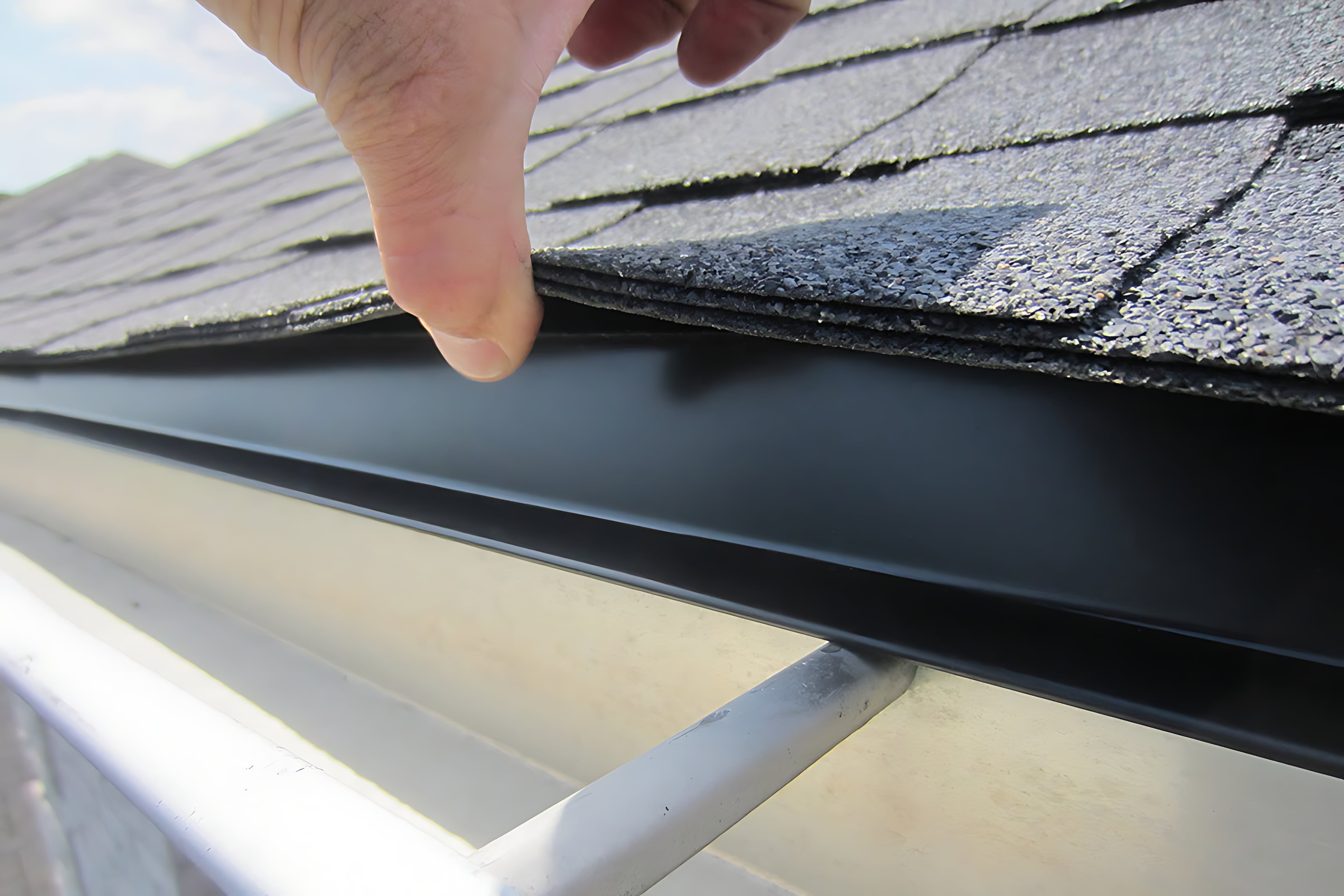
If wind resistance is the goal, the first place to pay attention is not the middle of the roof. It is the roof edge. Wind tends to attack eaves, rakes, ridges, and corners first because those are the points where uplift and turbulence concentrate. That is why starter strips, edge details, and ridge components matter so much. Even a very good shingle can fail early if the starter course is wrong, if the shingles are overhanging badly, or if ridge caps are fastened carelessly.
Nail placement is another major factor. Shingles are designed to be fastened in a specific zone that works with the laminated layers of the product. If nails are too high, too low, overdriven, angled, or underdriven, the shingle does not clamp and seal the way the manufacturer intended. This is one of the most common reasons wind-rated roofs underperform in the field. Homeowners usually never see it because the mistake is buried under the next course of shingles, but the roof lives with it every time a gust rolls through.
Ridge details deserve attention too. Hip and ridge accessories often take heavier wind stress than the field shingles because they sit at transitions where airflow accelerates. If those components are not matched properly, or if the roof uses generic accessories instead of the tested system, the roof may fail at the top even though the field shingles are technically high-rated. That can lead homeowners to believe the whole roof material was weak when the real problem was detail execution.
For homeowners, the key takeaway is simple: wind performance is built at the edges and transitions. Product choice matters, but the accessories and fastening details are what let the product perform as advertised under real pressure.
- Roof edges and ridges usually fail before the middle of the field during wind events.
- Starter strips and ridge accessories are essential parts of real wind performance.
- Misplaced or poorly driven nails are one of the biggest reasons wind-rated roofs fail early.
- Using mismatched accessories can weaken the roof even if the field shingles are premium products.
- Field performance depends heavily on invisible installation details.
How Roof Shape, Exposure, and House Location Change the Real Result
Wind does not hit every house the same way.
Two homes in the same city can have very different roof stress profiles based on lot exposure, elevation, surrounding trees, nearby open space, and the complexity of the roof design.
A simple gable roof in a protected neighborhood behaves differently than a cut-up roof with dormers and multiple elevations on an exposed lot.
That is why homeowners should think of wind rating as part of the answer, not the whole answer.
Roof geometry matters because complex intersections create more turbulence and more places for uplift pressure to find a weak point.
Corners, valleys, and roof-to-wall transitions all concentrate stress differently than open field areas. Exposure matters because open terrain can increase wind impact even when official weather reports for the wider region sound moderate. A home at the edge of a subdivision, near a ridge, or beside a large open corridor may need more wind-conscious roofing than a house surrounded by mature development.
Age of the roof system matters too. A shingle roof that was well-rated when installed can become more vulnerable over time as the seal strips age, granules wear, and thermal cycling reduces flexibility. Homeowners comparing replacement options should think not only about today’s wind resistance but about how well the system is likely to hold onto that performance over years of sun, seasonal movement, and maintenance conditions.
This is why a contractor who looks only at the brochure is not giving enough guidance. The roof should be evaluated as a building-specific wind problem. Once you understand the house, the roof shape, and the exposure, the shingle rating becomes much easier to apply intelligently.
- Roof complexity changes how wind pressure is distributed across the home.
- Open lots, ridge exposure, and nearby terrain can raise real wind stress significantly.
- Aging roofs often lose some practical wind resistance as seal strength and flexibility fade.
- Product ratings should be interpreted in the context of the specific building and site.
- House location and roof shape influence whether a higher wind-rated system is justified.
How to Compare Shingles for Wind Resistance Without Getting Lost in Marketing
When comparing shingles for wind resistance, start by asking four questions. What is the advertised wind rating? What installation requirements are needed to achieve it? What accessories are part of the tested system? And what does the contractor plan to install on your actual house? Those questions move the conversation away from generic claims and toward whether the roof on your estimate will truly match the roof in the product literature.
It also helps to look at warranty language carefully. Many manufacturers offer wind warranties, but those warranties often depend on meeting specific installation criteria. If the estimate is vague about nail count, starter material, ridge product, or ventilation, the homeowner may be assuming they are buying one standard of roof while the installer is planning another. The stronger contractors usually do not mind these questions because they know good system coordination is part of the sale, not an annoyance after the fact.
Homeowners should also compare repairability and long-term value. Some shingles hold wind ratings well but may be harder to match later if the line changes. Some premium products cost more up front but make sense because the house has known exposure or the owner wants to reduce repair risk over the next decade. The right choice is not always the most expensive product, but it is rarely the one chosen from the sample board alone.
A useful rule is this: if wind resistance is a major reason for the purchase, the estimate should describe the roof as a system, not just a shingle brand. Once that happens, the comparison gets much clearer and the marketing noise starts to matter less.
- Compare the rating, the required install pattern, and the accessory package together.
- Read wind warranty language carefully because it often depends on specific field conditions.
- Ask the contractor to confirm whether the quoted roof matches the tested system configuration.
- Consider exposure and long-term ownership goals when deciding how much wind performance to buy.
- System-level comparisons are more useful than sample-board comparisons alone.
What Homeowners Should Inspect After a Wind Event
Even when a roof has a strong roof shingle wind rating, it is smart to inspect after major gust events. Wind damage does not always appear as obvious missing shingles. Tabs can crease, seals can break, ridge caps can loosen, and accessories can shift without dramatic debris landing in the yard. Waiting until the next storm or the first interior leak means the repair decision is happening later, with less evidence and often more damage.
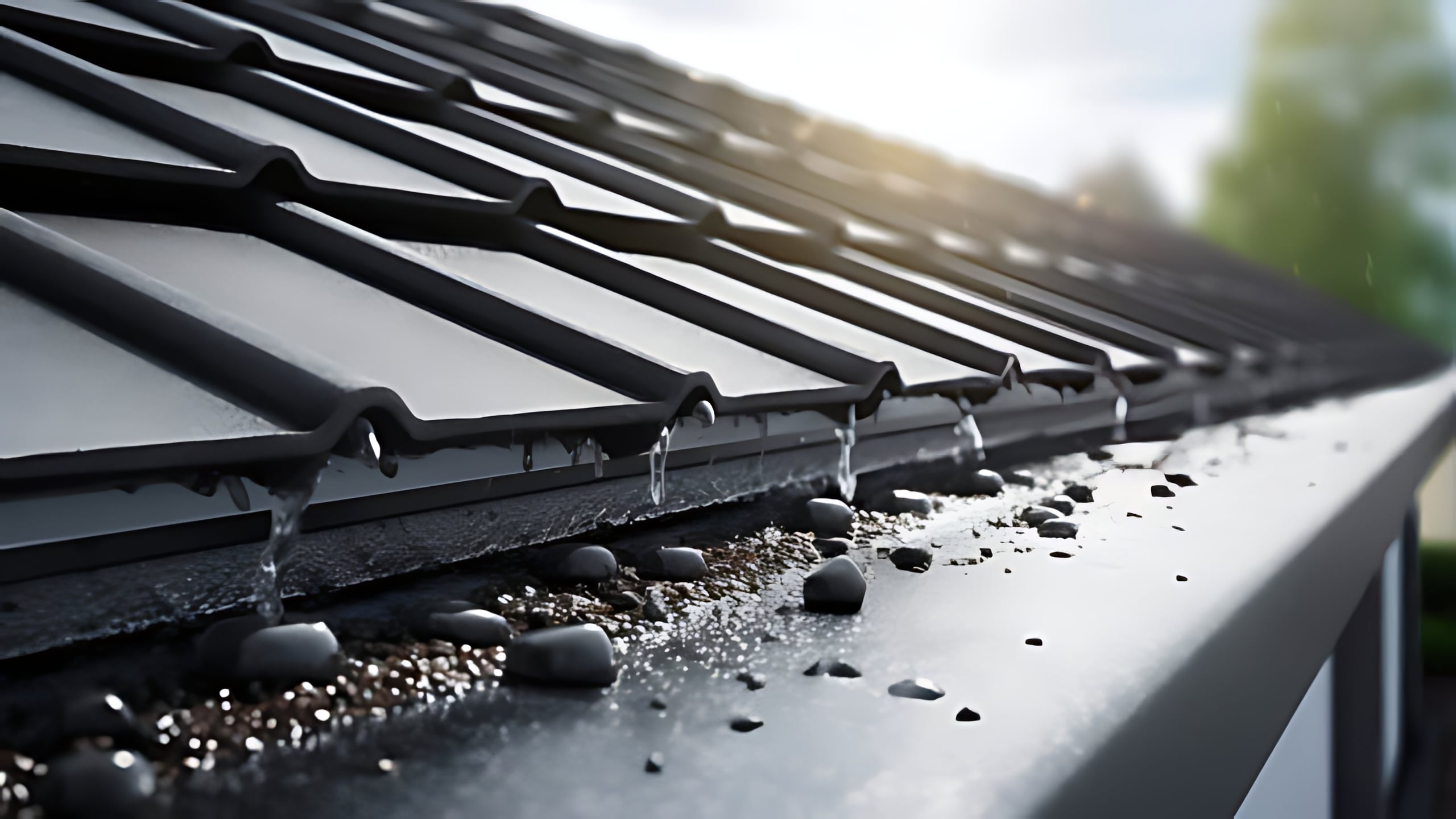
Homeowners should look for displaced shingles, lifted ridge pieces, granule accumulation in gutters after a wind event, exposed nail heads, bent flashing, and any new interior staining that appears after wind-driven rain. If the roof is older, subtle uplift can matter just as much as dramatic blow-off because older shingles often do not reseal once they have been broken loose. A fast inspection helps separate cosmetic alarm from real repair needs.
Photo documentation is useful here too. If a storm-related claim or contractor comparison becomes necessary, early images help show whether the roof suffered actual uplift or whether the issue was pre-existing wear. A strong roofing contractor should be able to explain whether the roof still looks structurally stable, whether repairs are realistic, and whether the event revealed broader replacement economics on an aging system.
The rating on the roof is still helpful after the storm because it gives context for what the roof was designed to resist. But post-storm decisions should be based on evidence from the actual roof in front of you, not confidence borrowed from a label installed years earlier.
- Wind damage may appear as creasing, broken seals, or shifted accessories, not just missing shingles.
- Older shingles often become less repairable after uplift because they do not reseal well.
- Early photo documentation helps with both claims and contractor comparison.
- Gutter granules and ridge movement can be important clues after high-wind events.
- Post-storm decisions should be based on the roof’s actual condition, not just its original rating.
Wrapping it up
Roof shingle wind rating matters, but the number on the brochure is only the beginning of the conversation. Real wind performance depends on the tested system, the nail pattern, the starter and ridge details, the shape and exposure of the house, and the quality of the installation that turns a product label into a real roof.
For homeowners, the smartest move is to compare wind-rated shingles as systems rather than as isolated materials. Ask what is required to achieve the advertised rating, whether your roof actually needs that level of resistance, and whether the estimate in front of you includes the full assembly needed to deliver it. That is how you avoid paying for a premium label without getting premium field performance back from the roof over time.
When the rating, the installation, and the roof exposure all line up, the result is a roof that is much more likely to stay put when the weather stops being theoretical and starts pushing on the house for real.
Questions this guide answers
Quick answers tied to roof shingle wind rating.
Utah Roof Repair Hub
Compare repair costs, local pros, and professional guidance to ensure your Utah roof is restored correctly and efficiently.
Core Repair Pages
Priority Local Pages
Utah Metal Roofing Hub
Explore premium metal roofing solutions for Utah homes and businesses, engineered for snow shedding and lifelong durability.
Storm Damage & Insurance Hub
Expert assistance with roofing insurance claims, hail damage audits, and storm restoration across the Wasatch Front.