Roofing Over Existing Shingles: Overlay vs Tear-Off (2026)
By Skyridge Ricky • March 28, 2026 • 11 min read
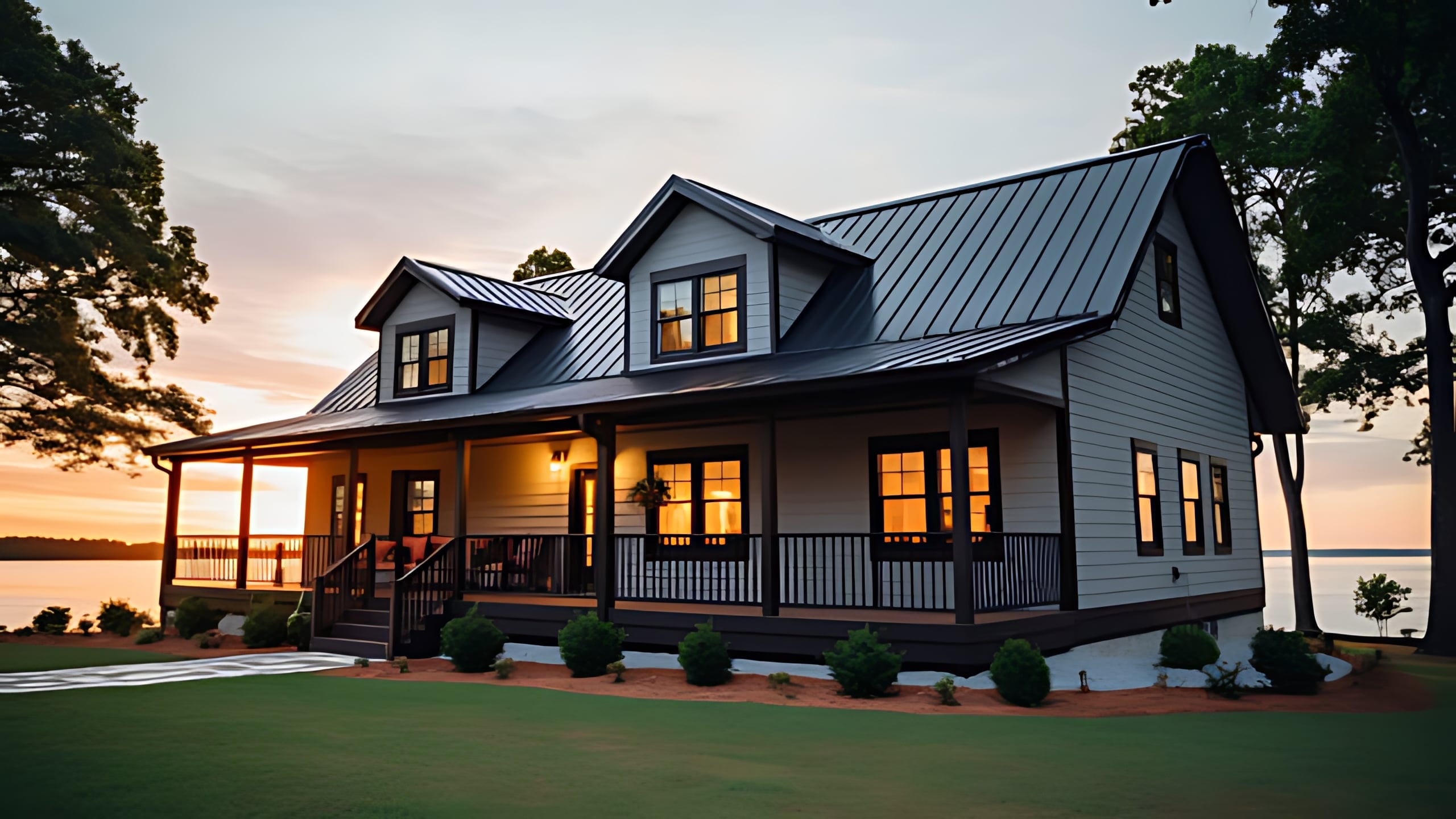
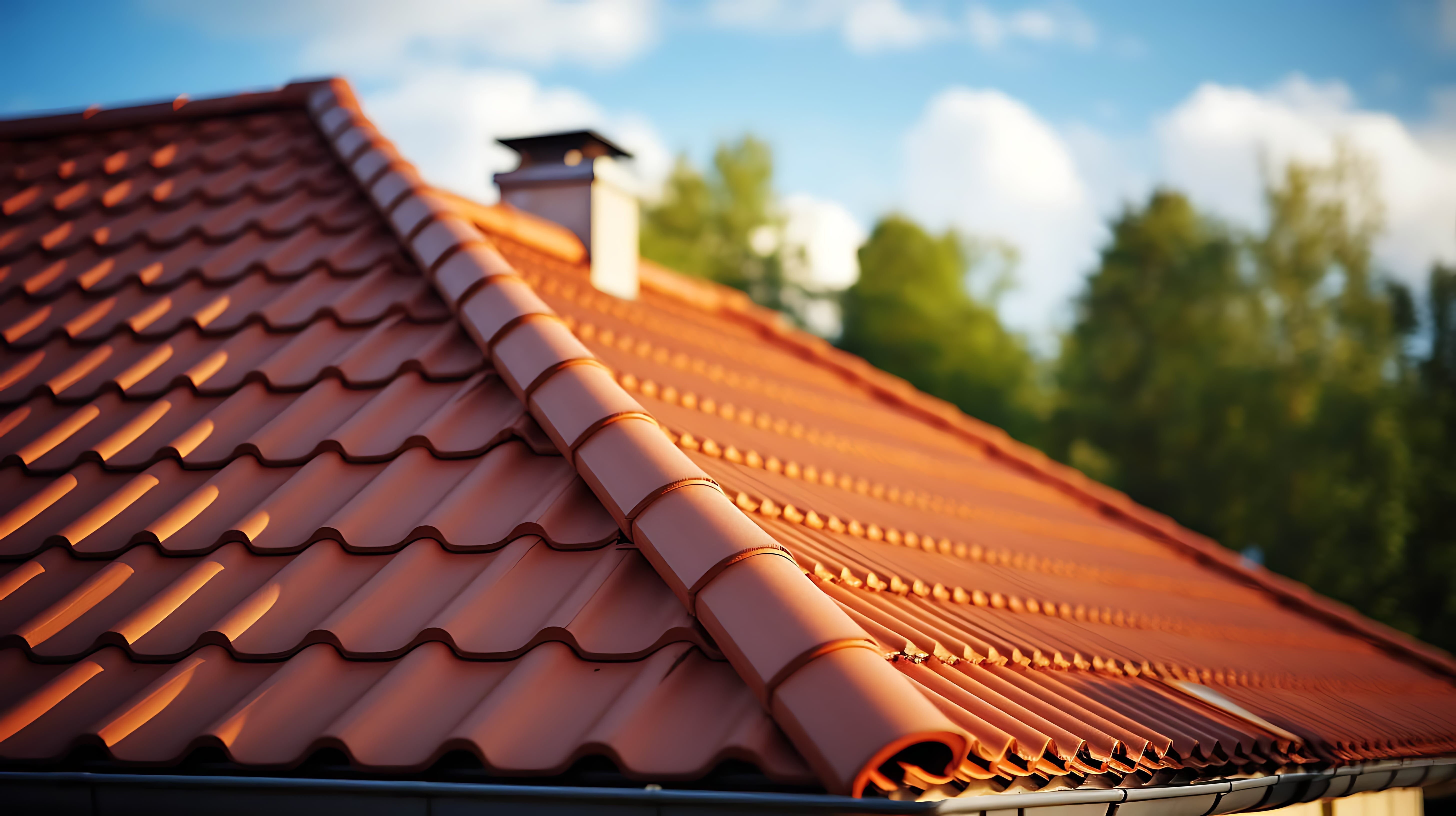
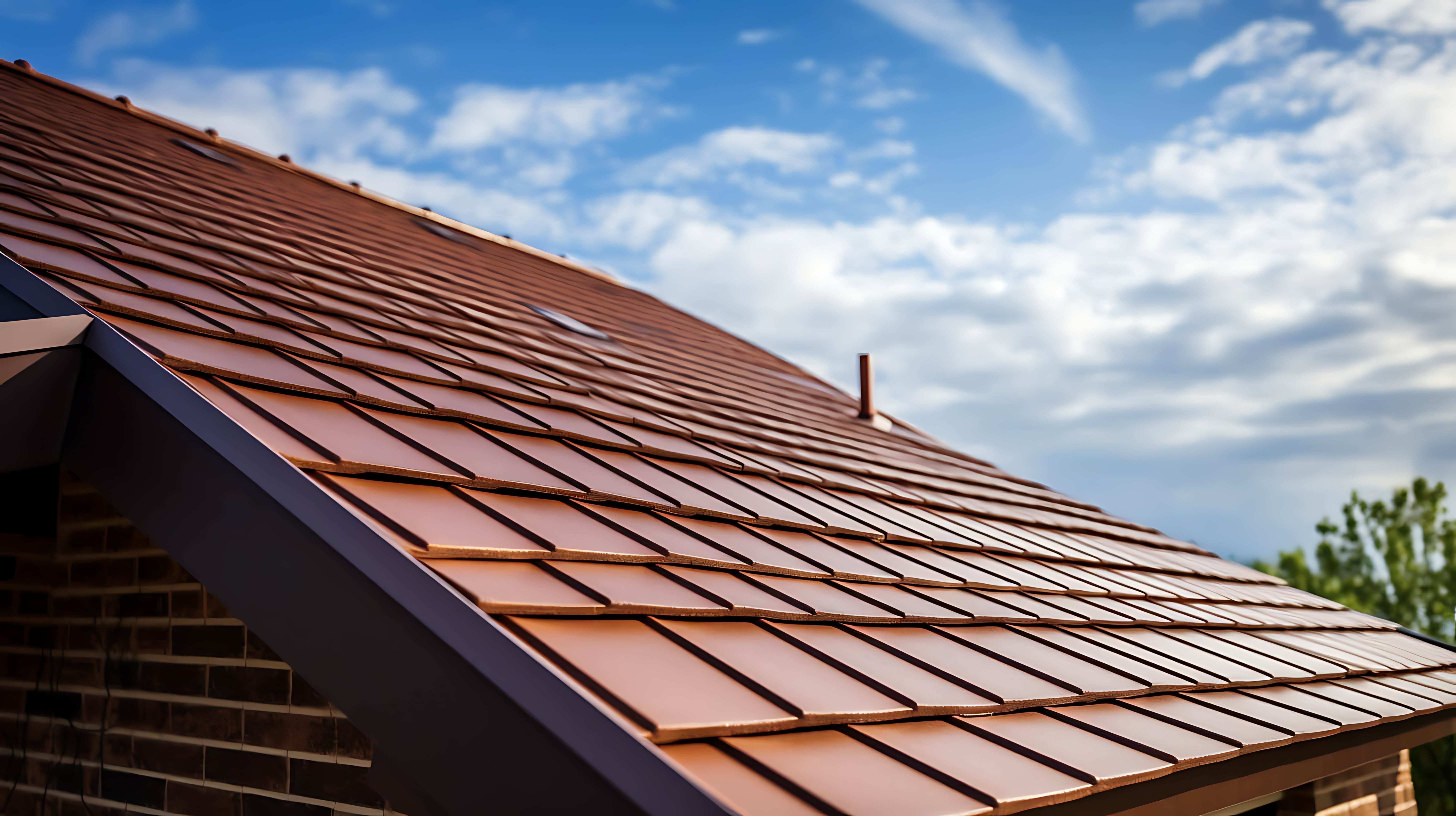
Searches for roofing over existing shingles usually come from homeowners trying to answer one practical question: can we avoid a full tear-off and still get a roof that performs well? That is a fair question, because an overlay can reduce labor, dump fees, and disruption. The problem is that the answer is not just about whether shingles can physically be installed over old shingles. The real question is whether the existing roof is flat enough, dry enough, and stable enough to serve as a sound base for the next system.
In Utah, this decision gets more technical fast. Snow load, heat, wind uplift, and freeze-thaw cycling make weak roof details show up sooner than they would in a gentler climate. A roof overlay that looks economical on paper can become expensive if the old roof is already telegraphing valleys, soft decking, drainage issues, or multiple layers of patching. Once the new shingles are installed, those buried conditions are harder to diagnose and more expensive to correct.
This guide explains when overlaying shingles is still a reasonable path in 2026, when tear-off is the smarter investment, and what questions should be answered before anyone approves a reroof proposal. If you are comparing bids and one contractor says “just go over it” while another wants to remove everything, this is the framework that helps you understand why.
Replacement And Buying Paths
Buying guides and replacement articles should route readers into the service pages, pricing tools, and quote path that convert research into projects.
Next steps from this article should include roof replacement services, roof inspection services, shingle roofing services, metal roofing systems.
Request a roofing estimate
Turn buying research into a real estimate.
Request a roofing estimateWhat Roofing Over Existing Shingles Actually Means
Roofing over existing shingles usually means installing a new asphalt shingle system directly on top of one existing layer instead of tearing the roof down to deck. In the residential market, people also call this an overlay, a layover, or a recover. The appeal is obvious. The crew avoids tear-off time, the homeowner avoids a second pile of labor and disposal charges, and the house is exposed for a shorter window. On the right roof, those are real advantages.
But an overlay is not the same thing as a brand-new roof system built from deck up. The old roof remains part of the assembly. Its thickness, flatness, moisture history, fastening condition, and prior repairs all affect how the new shingles sit and how long they are likely to last. If the existing roof has curled tabs, heavy ridging, brittle areas, or soft sheathing underneath, the new roof can inherit those problems even if the shingles themselves are fresh out of the bundle.
Code and manufacturer requirements matter too. Many jurisdictions allow only one existing layer beneath a new shingle roof, and some roof conditions disqualify overlays even when the local code technically allows them. Manufacturer instructions may also limit warranty coverage when the substrate is irregular or when ventilation and deck condition were not corrected before the second layer went on. Homeowners should never treat “it is allowed” as the same thing as “it is the best choice.”
The right way to think about an overlay is as a conditional shortcut. It can reduce cost when the first roof is still a stable base. It becomes false economy when it is used to cover age, trapped moisture, or structural irregularity that should have been addressed before the next roof was installed.
- An overlay installs one new shingle system over one sound existing layer.
- The old roof stays in the assembly and still affects performance.
- Code permission does not automatically mean the overlay is the smartest option.
- Manufacturer requirements and warranty rules can narrow when overlays are appropriate.
- The decision should be based on substrate quality, not just lower upfront cost.
When an Overlay Can Still Be a Reasonable Roofing Option
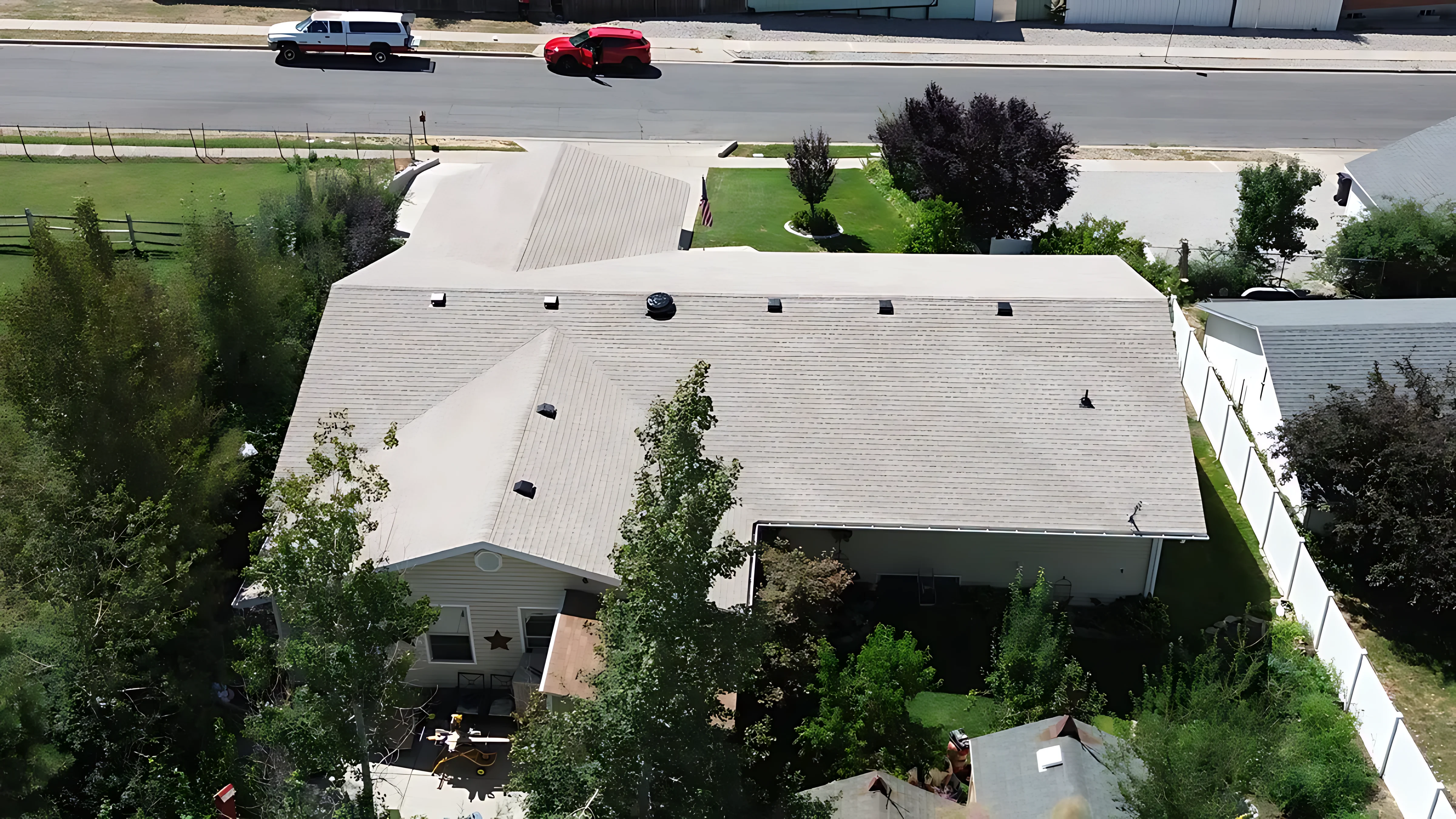
An overlay can still make sense when the roof has only one layer, the decking is dry and structurally sound, the existing shingles are relatively flat, and leak history is limited. That usually means a roof without widespread curling, major sagging, soft spots, or heavy patchwork. On a simple roofline with decent ventilation and no evidence of chronic water intrusion, an overlay can buy a homeowner a useful amount of service life while keeping the project cost lower than a full tear-off.
This tends to work best on roofs where the first system simply reached an age point where replacement is due, but the base assembly underneath is still disciplined and consistent. The roof sheathing is solid. Valleys are not telegraphing through. Flashing details can be rebuilt cleanly. Penetrations are limited. In those cases, the overlay can be a budget-conscious decision rather than a desperate one. It still requires careful inspection, but it is not automatically a bad practice.
Overlay decisions can also be shaped by ownership horizon. If the homeowner plans to hold the property for a shorter period, is controlling capital spend carefully, and the inspection supports an overlay technically, the path may be defensible. The key is honesty about tradeoffs. The homeowner should understand that an overlay does not create the same clean reset as a full removal and redeck review. It is a different class of project with a different risk profile.
A professional contractor should explain exactly why the roof qualifies. If the answer is just “it saves money,” that is not enough. A good overlay recommendation should include the condition of the deck, the state of the existing shingles, whether ventilation is acceptable, and what flashing or transition details will still be rebuilt even though the old field shingles remain in place.
- One-layer roofs with flat, stable shingles and no chronic leak history are the best overlay candidates.
- Simple rooflines are usually better overlay candidates than highly cut-up roofs with many transitions.
- A sound deck and acceptable ventilation matter just as much as shingle appearance.
- Overlay can be a reasonable budget path when the ownership horizon and roof condition support it.
- The contractor should document why the roof qualifies instead of only emphasizing savings.
Why Tear-Off Is Usually Better on Aging or Problem Roofs
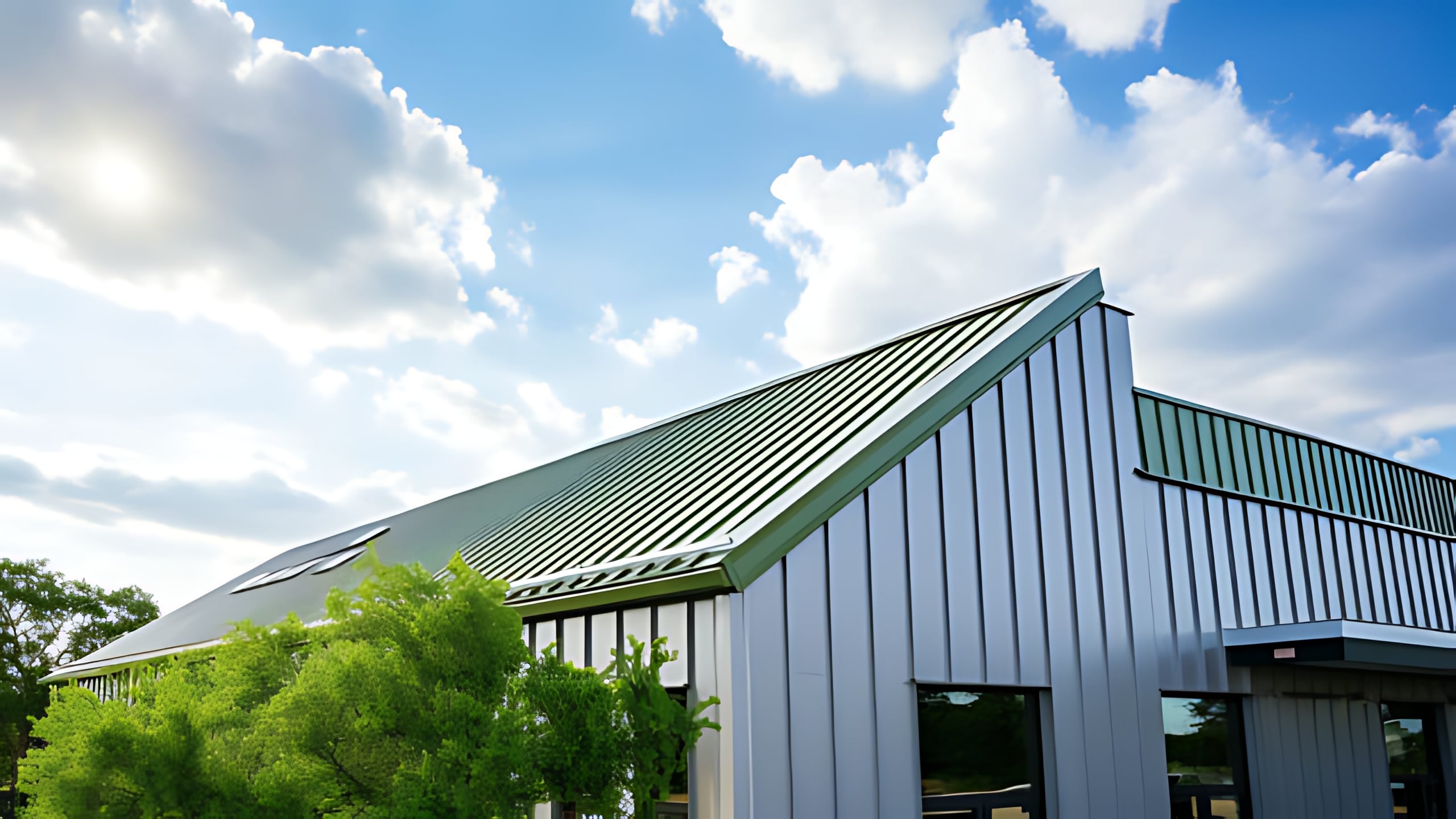
Tear-off is usually the better call when the roof already shows signs of trapped moisture, uneven surfaces, multiple repair zones, or questionable decking. Once those conditions are buried beneath a second layer, the next leak becomes harder to trace because the assembly now has more material, more fasteners, and more places for water to travel before it shows up inside. That extra complexity can erase the original savings quickly.
Weight matters too. Asphalt shingles are not the heaviest roofing material in the world, but a second layer still adds load to the structure. In a market like Utah where snow load is already a real design condition, piling new roofing over old roofing deserves more caution than it would in a warmer region with lighter winter stress. Even when the structure can carry the load, added thickness can complicate flashing heights, edge details, and drainage transitions.
Ventilation and deck inspection are another reason tear-off wins so often. A full removal lets the crew see whether sheathing is soft, delaminated, or stained from prior leaks. It allows rotten edge wood and weak valley decking to be corrected before the new system goes down. It also makes it easier to install proper underlayment and ice-and-water protection where required. An overlay skips most of that visibility, which means the new roof can look clean while old problems keep living underneath it.
For homeowners planning to stay in the house long term, tear-off usually buys more certainty. It costs more up front, but it creates a better baseline for warranty value, leak diagnosis, and future maintenance. That is why many contractors recommend tear-off on any roof that is already trying to tell you more than one story.
- Tear-off is usually safer when the roof has leak history, soft decking, or visible irregularity.
- A second shingle layer adds weight and can complicate flashing and edge transitions.
- Removing the old roof exposes hidden deck issues before the new system is installed.
- Full tear-off allows better underlayment, ice barrier, and flashing correction.
- Long-term homeowners usually gain more certainty from a clean rebuild than from an overlay.

Cost Savings vs. Lifecycle Value on a Roof Overlay
The financial case for an overlay is usually built around avoided tear-off labor and disposal fees. Those savings are real, but they should be measured against lifecycle value, not just the first invoice. If the new roof lasts meaningfully fewer years because the old roof underneath created heat retention, uneven wear, or hidden leak risk, the lower upfront price may not be the better total value.
Homeowners should also look at what an overlay does not include. If decking repairs are not possible without opening the roof, if old flashing geometry remains awkward, or if the existing roof pattern telegraphs through the new shingles, the project may save money today while reducing long-term performance and curb appeal. Some buyers and inspectors also view overlays more cautiously during resale because they know the roof history is less visible than it would be on a full tear-off project.
Another cost issue is future replacement. When the next roof eventually comes off, there are now two layers to remove instead of one. That means the tear-off bill was deferred, not eliminated. If the overlay also shortens the service life of the new shingles, the homeowner can end up paying that larger tear-off bill sooner than expected. Viewed that way, overlay is not automatically “cheap.” It is a strategic trade that only works when the roof condition supports it.
The smartest comparisons put overlay and tear-off side by side in terms of expected life, risk of hidden conditions, warranty posture, and future removal cost. When those numbers are made transparent, the decision usually becomes clearer than the headline price alone would suggest.
- Overlay saves tear-off and dump cost up front, but those costs often return later.
- First-cost savings should be compared against service life and future removal complexity.
- Roof overlays can affect resale perception because buried conditions remain less visible.
- A cheaper reroof is not necessarily lower-cost when lifecycle value is measured honestly.
- The best bid comparison weighs risk, expected life, and future maintenance, not just install price.
Questions to Ask Before You Approve Roofing Over Existing Shingles
If a contractor recommends an overlay, ask them to prove the roof qualifies. How many layers are there now? What evidence shows the deck is sound? Were any soft spots found? What does the leak history say? Will flashing at chimneys, sidewalls, and penetrations be rebuilt or simply worked around? These questions move the conversation from generic pricing into technical reasoning, which is where this decision belongs.
Ask about ventilation as well. Trapping more heat in an already under-vented attic can accelerate shingle aging. Ask how the project affects warranty coverage and whether the manufacturer has any restrictions on overlays for the proposed product. If the contractor cannot answer clearly, that is a warning sign. The homeowner should also ask what conditions would make the crew stop and recommend tear-off instead if new problems are discovered once work begins.
One of the simplest screening questions is this: if this were your own house, under what conditions would you still overlay it? A thoughtful roofer will answer with specifics about one layer, solid deck, flat substrate, and limited leak history. A weak roofer will answer with a price argument. That difference tells you a lot about whether the company is trying to fit the roof to the right system or fit the sale to the easiest close.
In most cases, the right decision comes from disciplined inspection, not marketing language. When the base roof is strong, overlay can still be a valid tool. When the base roof is already compromised, tear-off is the better investment even if the first number is harder to swallow.
- Ask for evidence that the roof has one layer, a sound deck, and limited leak history.
- Confirm whether flashing and penetration details will be rebuilt as part of the reroof.
- Review ventilation and warranty implications before approving an overlay scope.
- Use technical questions to separate a real recommendation from a price-driven shortcut.
- Inspection quality matters more than the sales label attached to the reroof option.
How to Read an Overlay Estimate Before You Sign It
An overlay estimate should tell you more than the square-foot price. It should explain why the contractor believes the existing roof qualifies, what assumptions they are making about the deck, and which details will still be rebuilt even though the original shingles remain in place. If the proposal only says install new shingles over existing roof, the homeowner still does not know enough to judge whether the savings are worth the tradeoffs.
Look for language about layer count, deck condition, flashing work, underlayment handling at vulnerable areas, ventilation review, and what happens if hidden soft spots are discovered before installation is complete. If the contractor is unwilling to define those conditions, the homeowner is taking on more uncertainty than the estimate suggests. Overlay projects work best when the contractor is disciplined about qualifying the roof and explicit about what is not being reset compared with a tear-off job.
It is also smart to ask whether the estimate includes any limitations tied to appearance. Because an overlay inherits the contour of the roof below it, some visual telegraphing can remain even when the installation is technically acceptable. A contractor should be willing to explain that upfront instead of pretending the finished roof will look exactly like a new system installed over fresh deck. Managing expectations is part of doing overlay work honestly.
Finally, compare the overlay bid against a full tear-off bid in lifecycle terms. Ask how many years of service the contractor expects from each path, what warranty differences apply, and what future removal cost is being deferred rather than eliminated. Once those comparisons are written down, the headline savings become much easier to evaluate. That is when homeowners can decide whether the overlay is a smart budget move or just a cheaper way to postpone work the roof really needs now.
- Overlay estimates should explain why the current roof qualifies, not just what the price is.
- Deck assumptions, flashing work, and hidden-condition rules should be defined clearly.
- Homeowners should understand that visual telegraphing can remain on some overlay projects.
- The comparison should include lifecycle value, not just lower first cost.
- A disciplined estimate makes overlay tradeoffs easier to judge before signing.
Wrapping it up
Roofing over existing shingles is not automatically wrong, but it is only a good idea when the existing roof is flat, dry, and structurally dependable enough to act as a proper base. On that kind of roof, overlay can save money and still perform acceptably. On a roof with leak history, deck concerns, uneven surfaces, or questionable flashing, the overlay usually buries problems that should have been corrected before the next roof goes on.
The better question is not “can shingles go over shingles.” It is “what condition is the current roof really in, and what kind of roof system do I want to own after this project is over.” Once the answer is framed that way, the difference between an overlay and a tear-off gets much easier to evaluate.
Questions this guide answers
Quick answers tied to roofing over existing shingles.
Utah Roof Replacement Hub
Explore our comprehensive guides, local pricing, and service area details to help you plan your next roofing project with confidence.
Pricing & Vetting Guides
Priority Local Pages
Utah Roof Repair Hub
Compare repair costs, local pros, and professional guidance to ensure your Utah roof is restored correctly and efficiently.