
What Is Roof Batten? 2026 Guide to Batten Systems
By Skyridge Ricky • March 28, 2026 • 11 min read
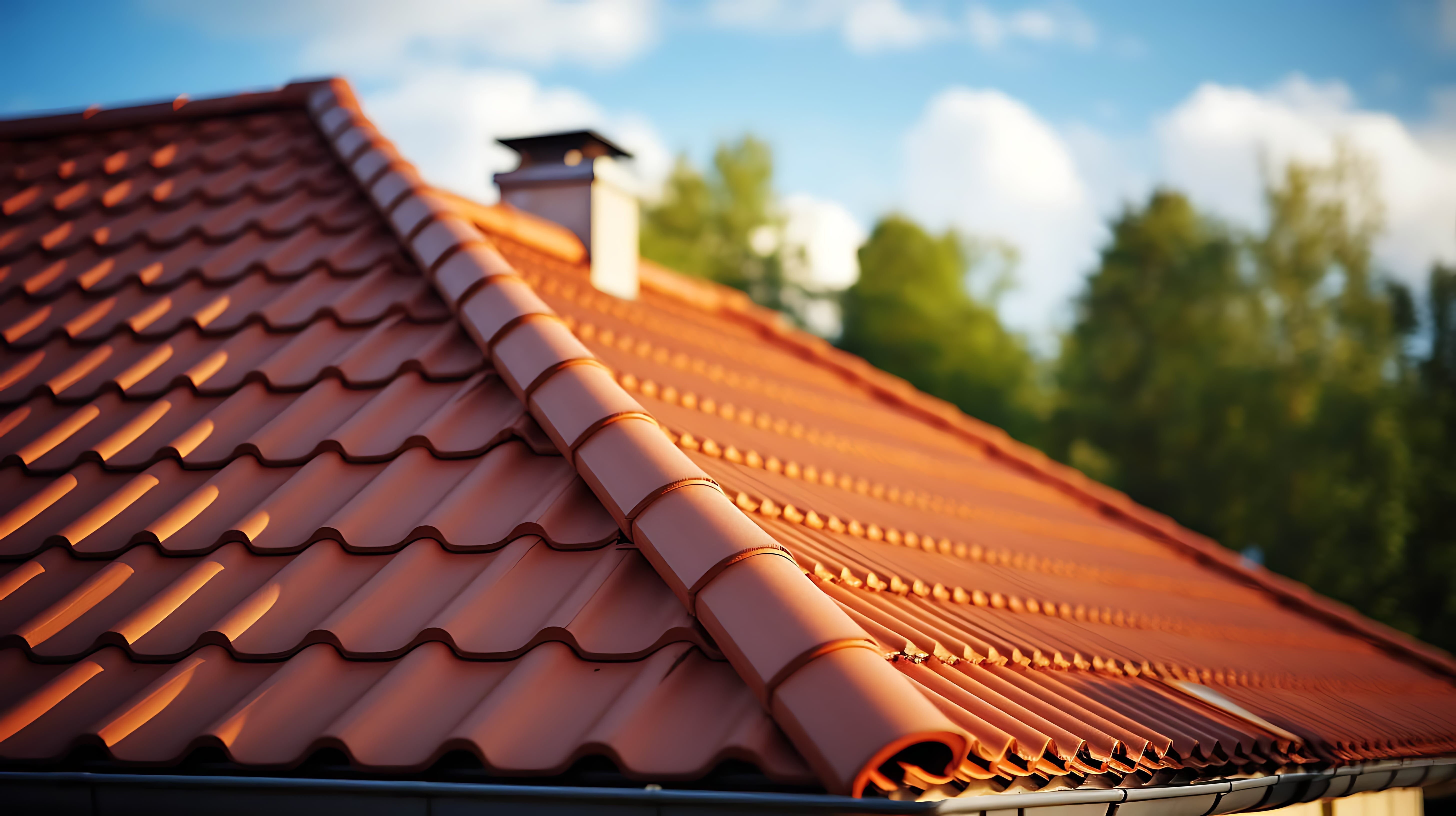
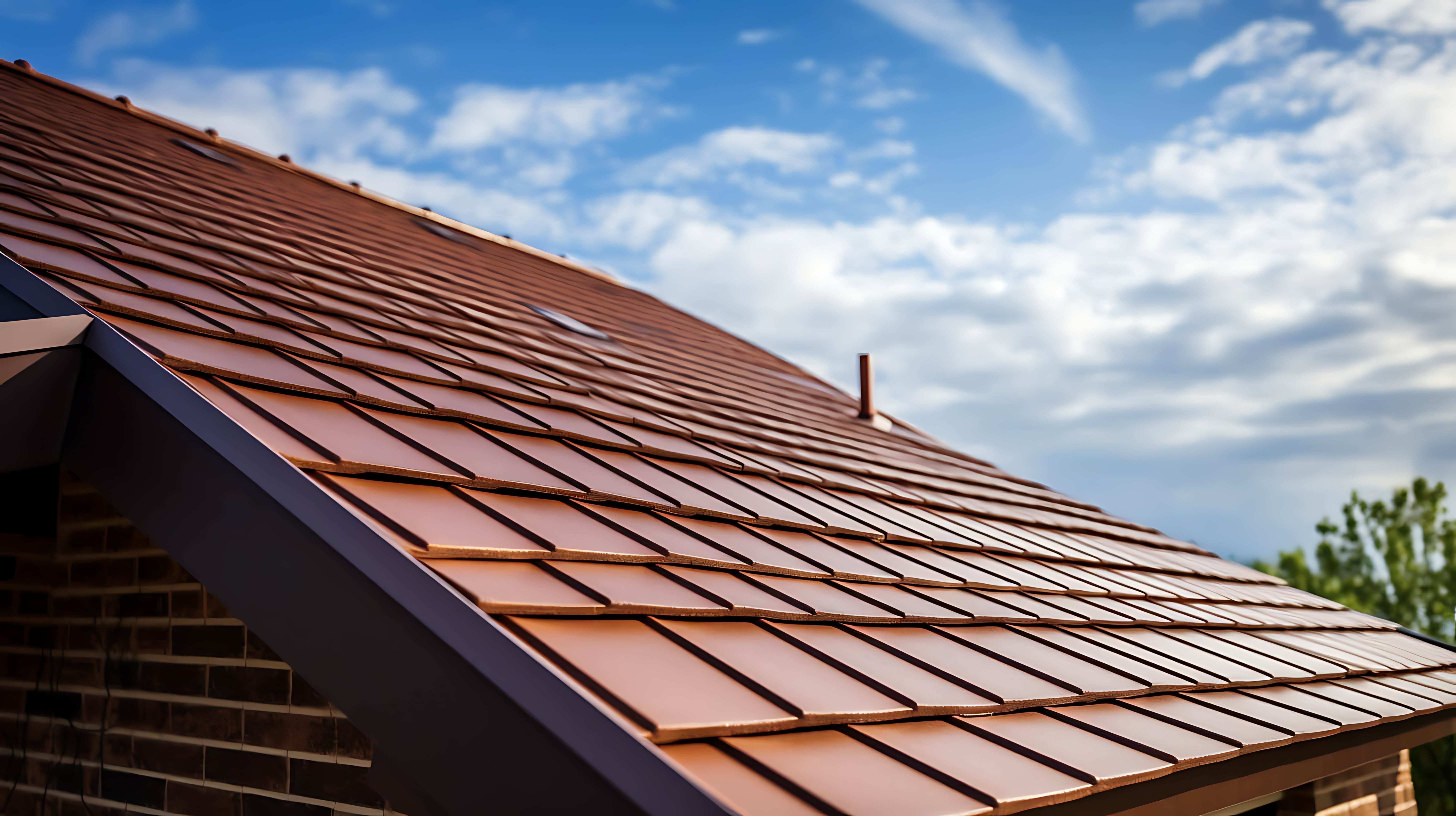
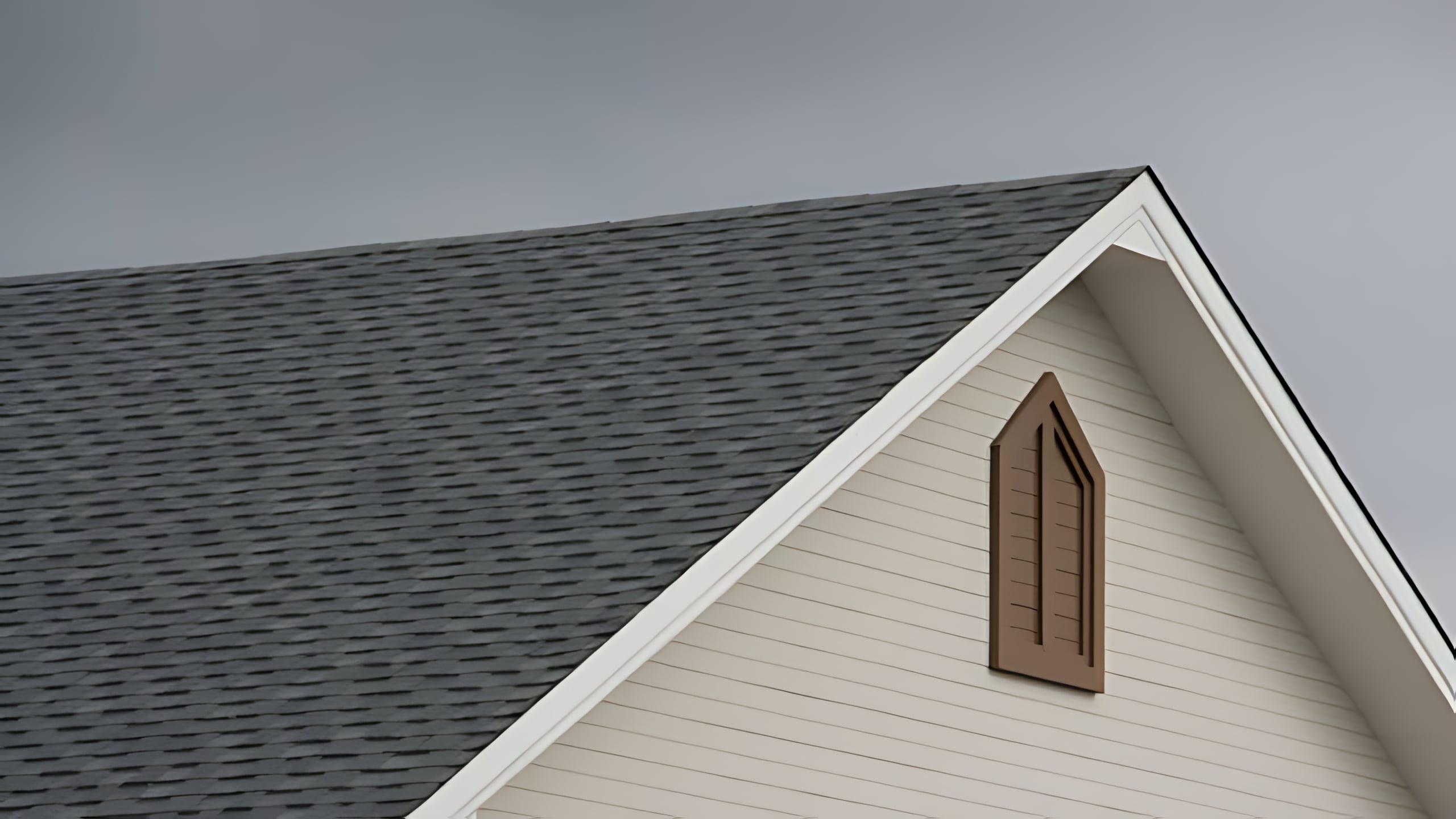
Searches for batten system roofing and what is roof batten usually come from homeowners, builders, or designers trying to understand a system that sounds simple but is actually assembly-dependent. Battens are narrow strips installed over the roof deck or over underlayment layers to create attachment points, spacing control, or an elevated drainage and ventilation plane for the finished roof material. They are common in some tile, stone-coated steel, and metal roof assemblies, but they are not a universal shortcut or a decorative detail dropped into any project.
The important thing to understand is that battens are not the roof by themselves. They are part of how the roof is organized and attached. That means the value of a batten system depends on the material above it, the weather conditions around it, and the fastening strategy beneath it. In a climate like Utah, snow retention, wind uplift, heat cycling, and ice exposure all influence whether a batten-based assembly is appropriate and how it should be detailed.
This guide explains what batten roofing is, where it is commonly used, how it changes airflow and water handling, and what design or installation mistakes create problems later. If you are evaluating metal or tile-style roofing and want to know whether battens belong in the assembly, this is the decision framework to use in 2026.
Replacement And Buying Paths
Buying guides and replacement articles should route readers into the service pages, pricing tools, and quote path that convert research into projects.
Next steps from this article should include roof replacement services, roof inspection services, shingle roofing services, metal roofing systems.
Request a roofing estimate
Turn buying research into a real estimate.
Request a roofing estimateWhat a Batten System Roofing Assembly Actually Does
Batten system roofing uses horizontal or sometimes counter-batten strips to create an organized attachment and spacing layer between the roof deck and the finished roofing material. Depending on the roof type, battens may support tile courses, stone-coated steel panels, or other roof components that are designed to clip, hook, or fasten in a repeatable layout. In some assemblies, counter-battens are also used to create a drainage and ventilation cavity beneath the finished roof covering.
The big advantage is control. Battens can help installers maintain consistent spacing, align courses, and create a more intentional substrate for systems that are not meant to be fastened directly to flat decking in the same way an asphalt shingle would be. On the right roof, they also help separate the visible roof covering from the water-control layer beneath it, which can improve drying and drainage when detailed correctly.
That said, battens do not replace the need for a proper underlayment or water-resistive roof layer. Water control still depends on what is installed below the battens, how penetrations are flashed, and whether the roof geometry sheds water correctly. Homeowners sometimes hear “batten system” and picture air movement alone solving every moisture question. It does not work that way. The battens help the assembly function, but the underlayment and flashing still do the heavy lifting when wind and water test the roof.
So the main role of battens is structural and organizational within the assembly. They can improve attachment layout, drainage plane design, and ventilation behavior, but only when the roof system was designed to use them in the first place.
- Battens create spacing and attachment points within certain tile and metal-style roof systems.
- Counter-battens can help create a drainage or ventilation cavity in some assemblies.
- Battens support the roofing system but do not replace underlayment or flashing.
- Their value depends on the roof material and assembly designed above and below them.
- A batten system is an assembly choice, not a standalone roofing material.
Where Battens Are Commonly Used in Roofing
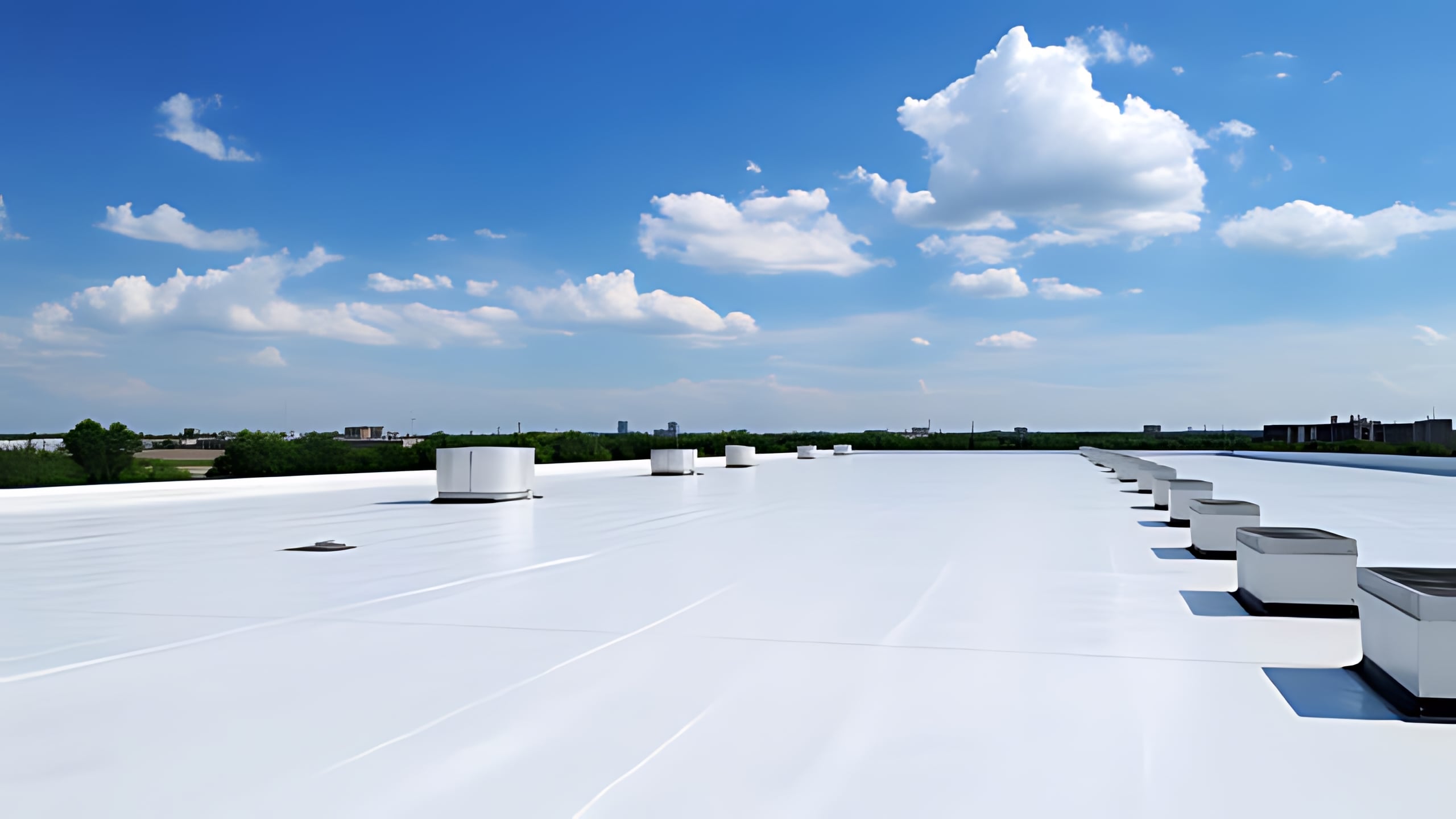
Battens are commonly used in tile roofing, stone-coated steel systems, and some metal roof assemblies where the manufacturer’s installation method calls for them. Tile systems often benefit from battens because they help control coursing and create a more predictable attachment plane. In certain stone-coated steel systems, battens help create the profile and support method the panels were engineered around. In other metal systems, battens or sub-framing may be used to create ventilation space or to address retrofit conditions, though that depends heavily on the exact product and the manufacturer’s details.
What matters is that battens are not automatically beneficial just because they sound premium. Some standing seam roofs are designed for direct-deck installation over the proper underlayment without battens. Some retrofits use battens because the project conditions call for a raised plane or alignment correction. Some systems use both battens and counter-battens. The roof material, deck condition, climate, and manufacturer all have a say in whether battens belong there.
This is where specification discipline matters more than buzzwords. A homeowner comparing roof proposals should ask what system is being installed, whether battens are part of the manufacturer-approved assembly, and what functional benefit they provide on that particular roof. If the answer is vague, there is a decent chance the battens are being used more as a sales term than as a genuine design requirement.
Used correctly, battens support the roof system. Used casually, they can add complexity without delivering the performance the homeowner thought they were buying.
- Battens are common in tile and some stone-coated steel or specialty metal assemblies.
- Not every premium metal roof needs battens; many systems are designed for direct-deck install.
- The manufacturer-approved assembly should determine whether battens belong in the roof.
- Battens should serve a specific functional purpose, not just a marketing purpose.
- System specification matters more than roofing jargon.
Ventilation, Drainage, and Moisture Management in Batten Roof Systems
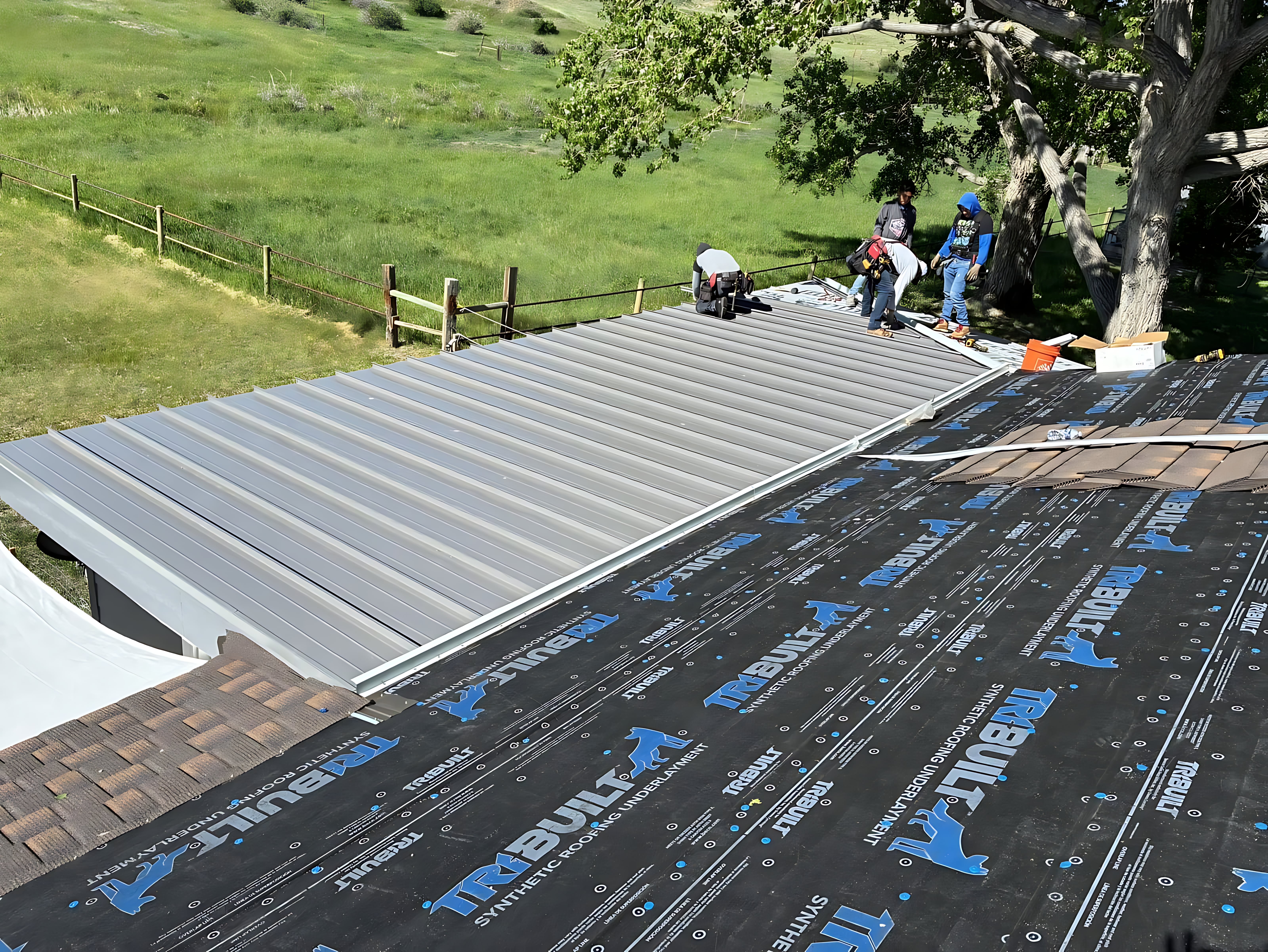
One of the strongest arguments for a well-designed batten system roofing assembly is that it can create an intentional space for drainage and airflow beneath the finished roof covering. That space can help moisture dry more effectively, especially in assemblies where the exterior roof covering is not expected to be the sole water-control layer. In some climates and roof types, that can improve durability by helping incidental moisture escape rather than stay trapped directly against the deck.
But that benefit only happens when the whole assembly is detailed to support it. Underlayment continuity, ventilation pathways, eave treatment, ridge treatment, and penetration flashing still matter. If battens are installed without a coherent drainage and airflow strategy, they do not automatically make the roof healthier. In fact, a poorly ventilated cavity can just as easily become a place where debris and moisture linger if the detailing is sloppy.
Utah adds another layer because roofs here deal with snow retention, spring melt, and dramatic temperature swings. An elevated assembly may improve drying in some cases, but it also has to handle freeze-thaw conditions and wind exposure properly. That makes termination details and fastening discipline especially important. The roof cannot just be ventilated. It has to stay attached and watertight through the full weather cycle.
The right takeaway is that battens can help moisture management, but only as part of a designed roof assembly. They are not a substitute for sound underlayment, sound flashing, or sound attic and roof ventilation principles overall.
- Battens can help create drainage and airflow space beneath some roof coverings.
- Those moisture benefits depend on underlayment continuity and proper eave-to-ridge detailing.
- A poorly detailed batten cavity can hold debris or moisture instead of improving drying.
- Utah weather makes freeze-thaw, wind, and melt management especially important.
- Moisture performance depends on the full assembly, not battens alone.
Fastening, Snow Load, and Wind Exposure: Where Batten Roofs Fail
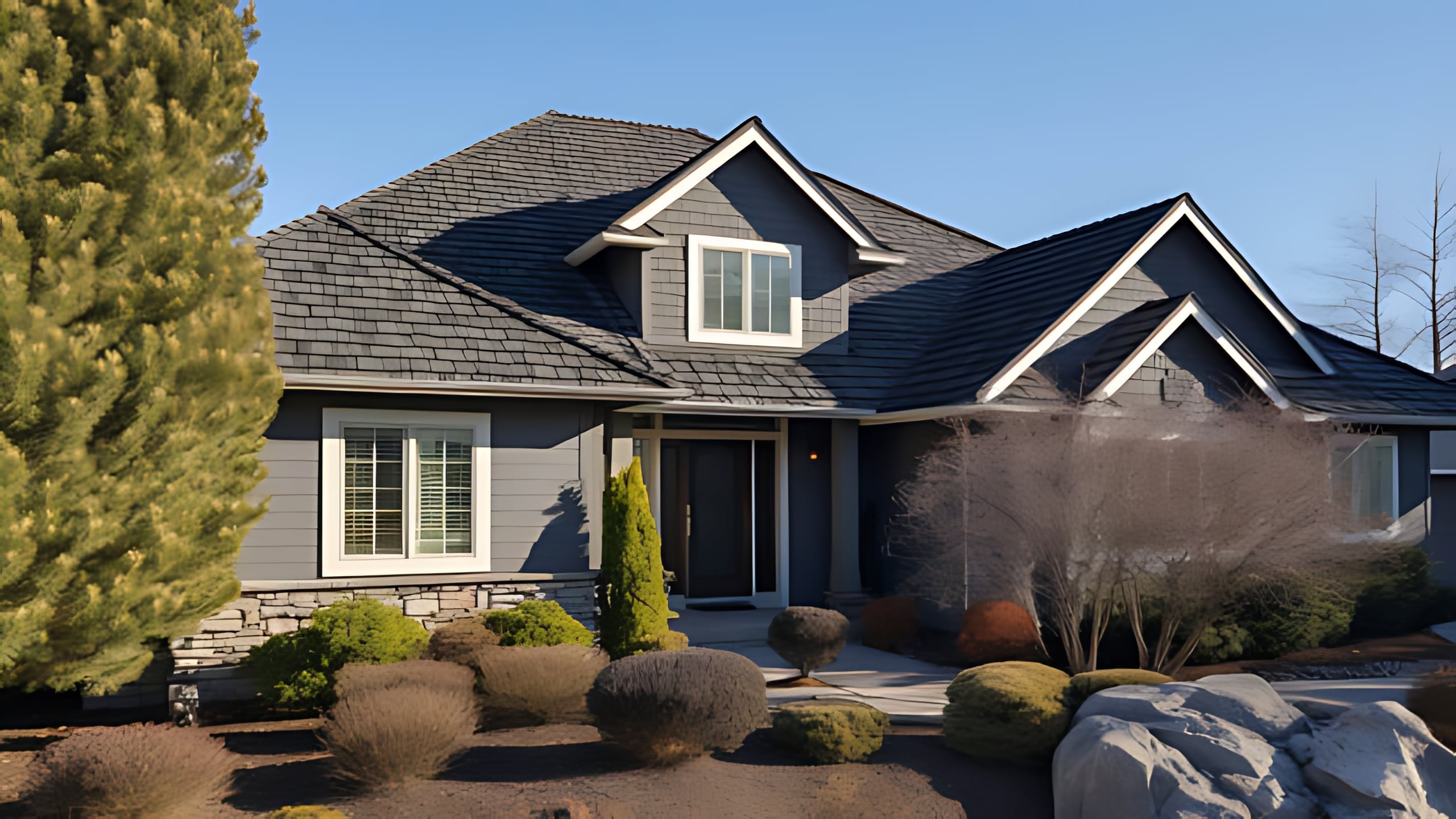
The most common failures in batten-supported roofs come from attachment mistakes, not from the idea of battens itself.
If battens are undersized, spaced incorrectly, inadequately fastened, or misaligned with the fastening requirements of the roof covering above, the whole system becomes more vulnerable.
In a high-wind or snow-prone climate, those mistakes show up fast.
Movement, noise, uplift, cracked components, and localized water entry often trace back to attachment details that were treated casually.
Snow load matters because batten-supported assemblies often distribute loads differently than direct-deck asphalt systems.
The battens and the fasteners below them need to be specified for the material above, the spacing pattern, and the roof’s actual exposure. The same is true for wind. Uplift pressure on raised-profile metal or tile-style roofing can be very different from uplift on a flat-laid shingle surface. If the fastening plan is generic instead of engineered around the roof system, the homeowner ends up with an expensive roof that feels loose under stress.
Penetrations and transitions also deserve special attention. Chimneys, skylights, sidewalls, and valleys interrupt the regular batten pattern and require clean custom detailing. That is one reason craftsmanship matters so much on these roofs. The assembly may be premium, but premium material does not rescue weak layout and transition work.
So when evaluating a batten roof bid, homeowners should not only ask what material is being installed. They should ask how battens are sized, how they are fastened, how the layout responds to snow and wind, and who designed the fastening schedule. Those answers are where a durable premium roof actually begins.
- Batten roof failures often start with wrong fastener spacing, wrong batten sizing, or weak transitions.
- Snow and wind loads should be reflected in the attachment schedule, not guessed at in the field.
- Raised-profile roof coverings can create different uplift forces than flat shingle systems.
- Valleys, chimneys, and penetrations require custom detailing where the regular batten pattern stops.
- Premium roof materials still depend on disciplined fastening and layout to perform well.
When Homeowners or Builders Should Consider a Batten Roof System
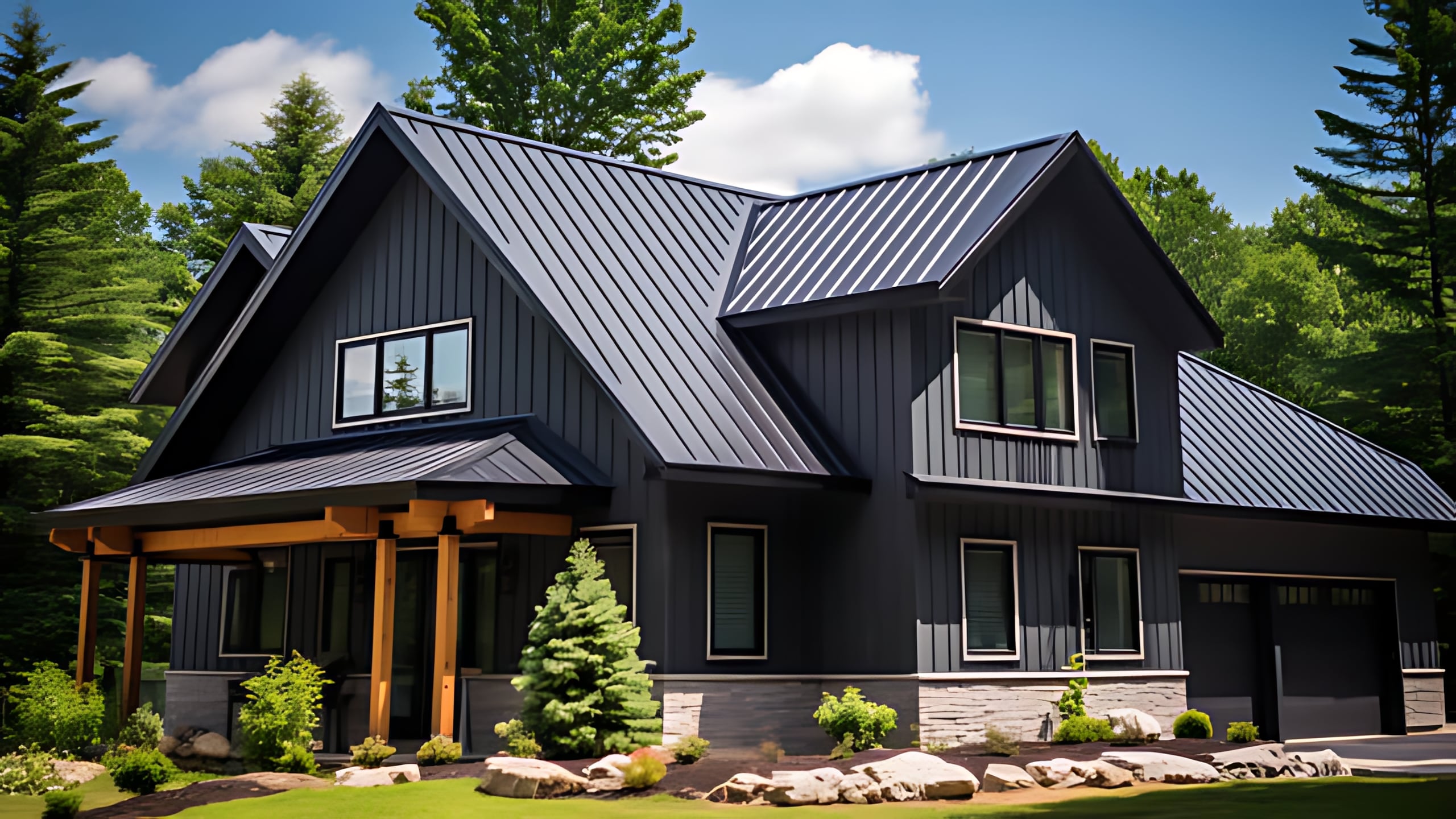
Batten systems make the most sense when the chosen roof material was designed to use them and the project goals justify the extra assembly planning. That often means higher-end residential roofs, custom builds, tile profiles, or specialized metal and stone-coated systems where appearance, drainage-plane design, and installation geometry all matter. They can also make sense in certain retrofit conditions where leveling, ventilation, or attachment strategy needs to be managed more intentionally than a direct-deck application would allow.
What they do not make sense for is every roof by default. If the selected roof system performs well without battens, adding them just because they sound premium can create unnecessary complexity. Homeowners should evaluate them based on material compatibility, climate response, installer experience, and the performance benefit they are actually expected to provide on the house in question.
Installer experience is especially important. A crew that is excellent with asphalt shingles is not automatically excellent with tile or batten-supported metal systems. The layout discipline, detail work, and attachment logic are different. That is why homeowners should ask for project examples, product familiarity, and manufacturer-backed training where possible. The more premium the assembly, the less forgiving the roof usually is of improvisation.
When chosen for the right reasons and installed by the right crew, a batten-supported roof can be a strong long-term system. The point is not to buy battens as a feature. The point is to buy a complete roof assembly that genuinely benefits from them.
- Batten systems are strongest when the selected material was designed around them.
- They often fit higher-end tile or specialty metal applications better than generic reroof projects.
- Not every roof benefits from battens; direct-deck systems may be the better fit for many homes.
- Installer experience with the exact assembly matters more than premium-sounding terminology.
- Homeowners should buy the full system benefit, not just the batten feature itself.
How to Read a Roof Proposal When Battens Are Mentioned
One of the easiest ways homeowners get confused by battens is through proposal language. A bid may mention battens as if the word itself proves the roof is more advanced, but that does not tell you whether the battens are necessary, what they are doing, or whether the system above them was actually designed around them. If a contractor lists battens, ask why they are present in this assembly specifically. Are they required by the manufacturer? Are they being used to support a tile or stone-coated system? Are they creating a vented cavity? Or are they just being included because the contractor thinks the term sounds premium?
A strong proposal should explain the roof covering, the underlayment below the battens, the fastening schedule, and how transitions and penetrations are handled where the regular batten spacing stops. Those details matter because battens are only one layer of a much larger water-management and attachment system. If the estimate says battens but says little about edge metal, valleys, penetrations, ventilation pathways, or snow and wind response, the homeowner still does not really know how the roof is being built.
It is also worth comparing the batten proposal against any direct-deck alternative. On some houses, battens may genuinely improve the roof assembly. On others, they may simply add complexity without improving long-term value. Contractors who understand these systems well should be able to explain that difference clearly instead of treating battens as automatically superior by definition. That is especially important on premium bids, where language can sometimes outrun the actual performance logic behind the roof.
For homeowners, the practical takeaway is simple: read battens as part of a system, not as a feature by themselves. Once you understand what the battens are doing, what they sit over, and what sits above them, the proposal becomes much easier to judge. That is how you tell whether the roof is using battens because it needs them or merely because the estimate wants to sound more sophisticated than it really is.
- Battens in a proposal should come with a clear explanation of why they are needed in that specific assembly.
- Homeowners should compare battens alongside underlayment, fastening, and transition detailing.
- A premium-sounding term is not enough unless the full system logic is also explained.
- Direct-deck and batten-supported options should be compared on real performance value, not language alone.
- Batten details only matter when they are tied to a coherent roof assembly.
Wrapping it up
Batten system roofing can improve attachment control, spacing, and moisture management in the right tile or metal-based roof assembly, but only when the system was designed to use battens and the installation is detailed correctly. Battens are not a universal premium upgrade. They are one part of a larger roof strategy.
If you are comparing batten-style roofing options, focus on manufacturer compatibility, fastening design, and the installer’s actual experience with the assembly. That is how you tell the difference between a roof system that genuinely benefits from battens and one that is just borrowing the language.
Questions this guide answers
Quick answers tied to batten system roofing.
Utah Roof Repair Hub
Compare repair costs, local pros, and professional guidance to ensure your Utah roof is restored correctly and efficiently.
Core Repair Pages
Priority Local Pages
Utah Metal Roofing Hub
Explore premium metal roofing solutions for Utah homes and businesses, engineered for snow shedding and lifelong durability.