

Industrial Roof Replacement Costs (2026)
By Skyridge Ricky • March 28, 2026 • 12 min read
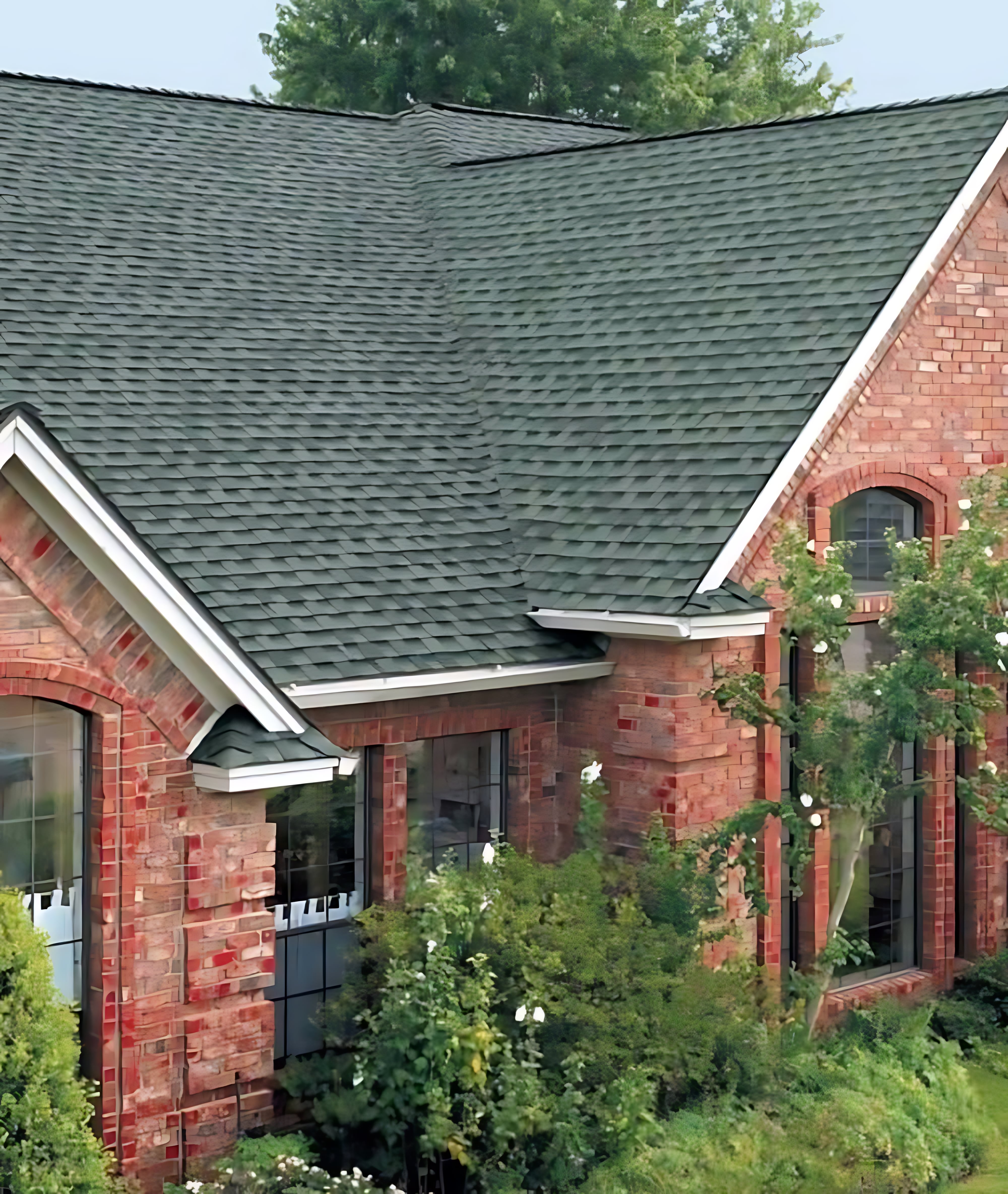
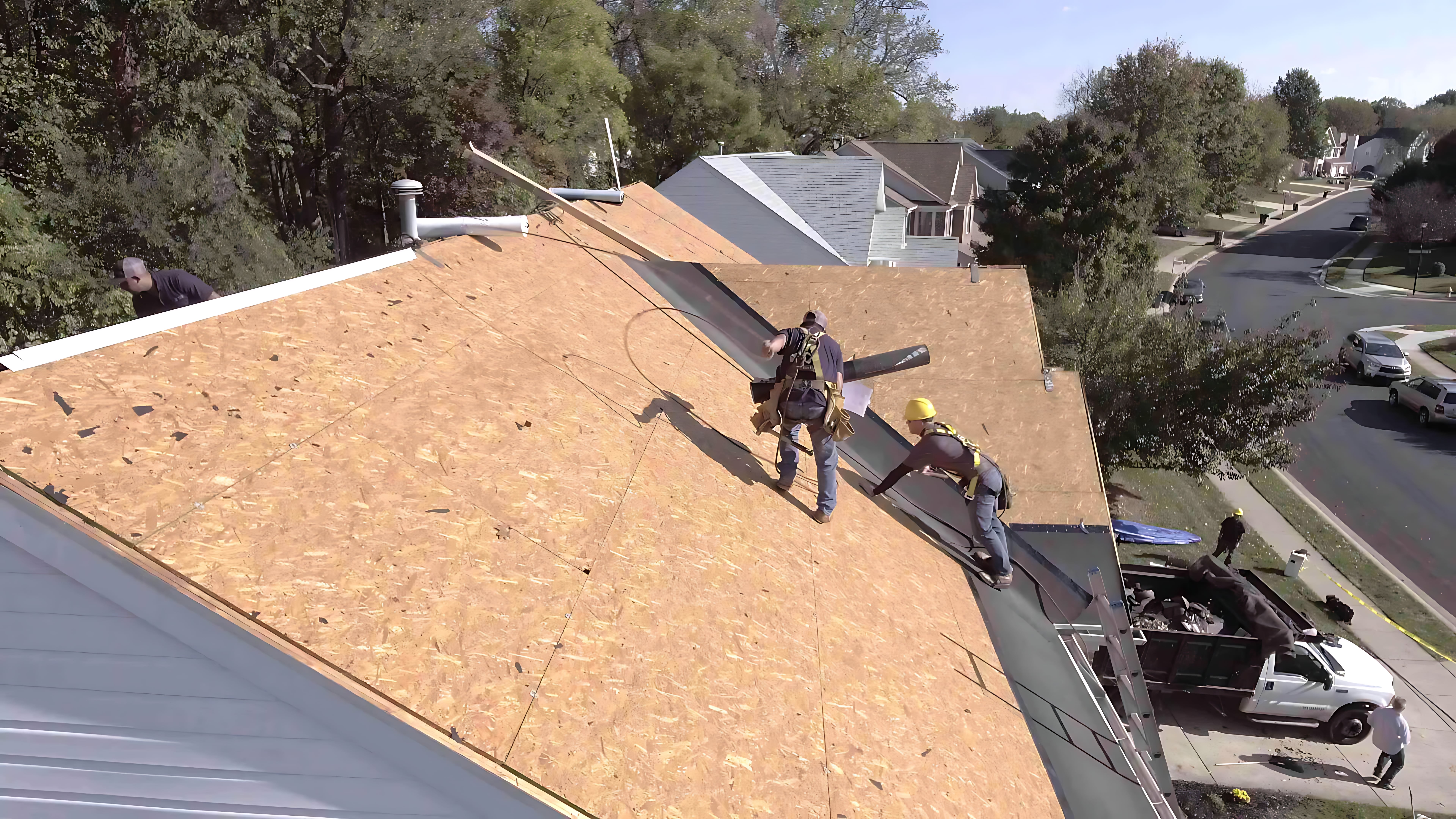
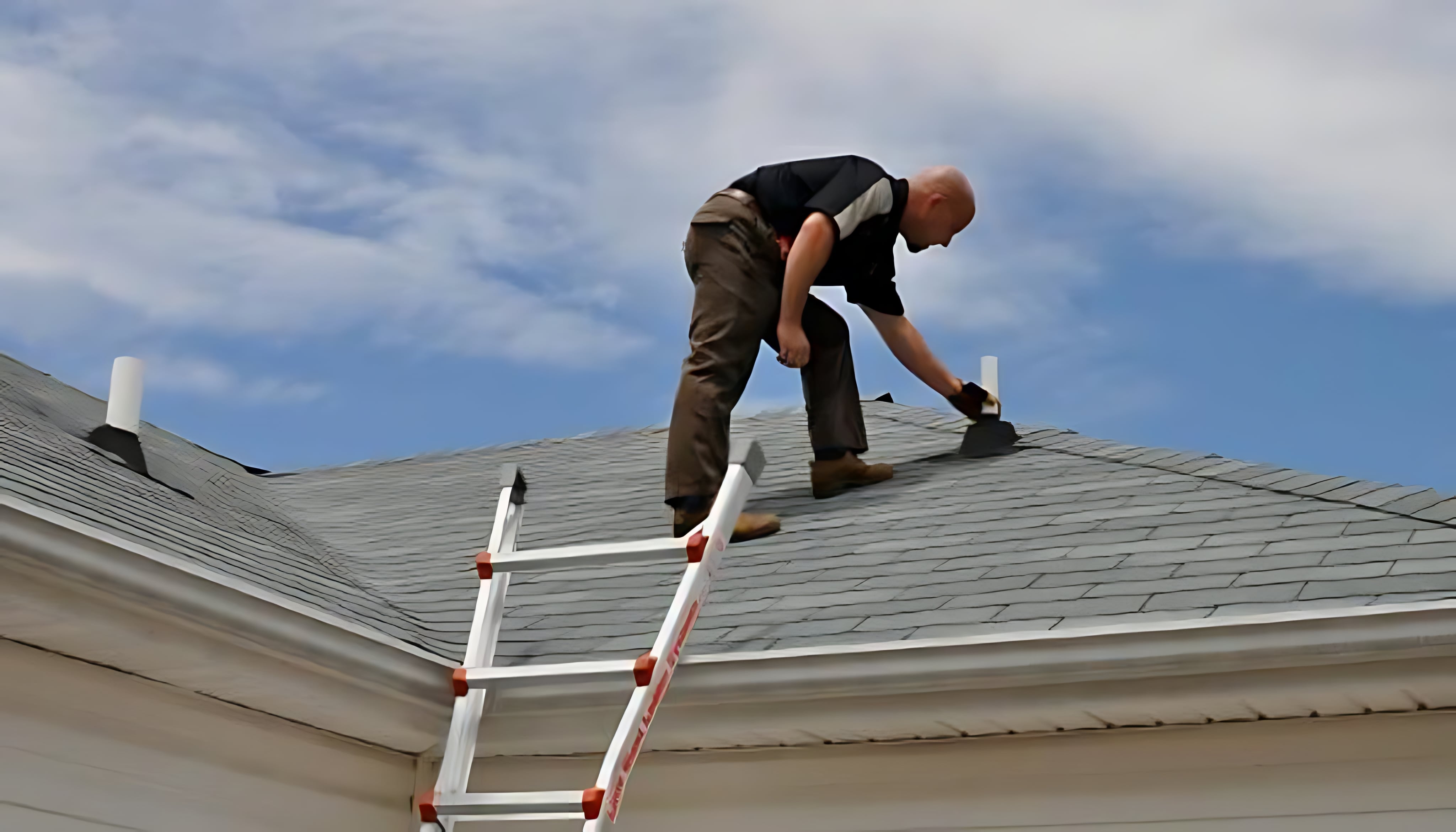
Searches for industrial roof replacement cost usually come from owners, facility teams, and capital planners trying to budget a project before operations force the issue. That timing matters. Industrial roofs tend to be large, highly penetrated, mechanically busy, and operationally sensitive. When they fail, the cost is rarely just roofing cost. It becomes downtime risk, equipment protection risk, tenant or production disruption, and sometimes major interior exposure if the building handles inventory, manufacturing, or sensitive process lines.
That is why industrial roof replacement should not be budgeted with generic commercial roof averages alone. Warehouses, plants, distribution facilities, food-related buildings, and fabrication spaces often have access restrictions, safety requirements, rooftop equipment density, exhaust conditions, or scheduling constraints that change production speed dramatically. Two buildings with the same square footage can price very differently if one is an open warehouse and the other is a tightly managed facility with heavy curb work, limited staging, and zero tolerance for unplanned interior moisture.
This article breaks down the big cost drivers in 2026, including system selection, tear-off complexity, insulation and deck conditions, plant logistics, and how owners can create a more realistic range before proposals go out. If you are trying to budget responsibly instead of chasing a misleading price-per-foot shortcut, start here.
Replacement And Buying Paths
Buying guides and replacement articles should route readers into the service pages, pricing tools, and quote path that convert research into projects.
Next steps from this article should include roof replacement services, roof inspection services, shingle roofing services, metal roofing systems.
Request a roofing estimate
Turn buying research into a real estimate.
Request a roofing estimateWhy Industrial Roof Replacement Cost Is Different from Basic Commercial Roofing
Industrial roof replacement cost often runs on a different logic than standard office or light commercial roofing because the building itself is doing more. Industrial facilities tend to have larger roof areas, more penetrations, more rooftop equipment, stricter access rules, and tighter requirements around weather exposure during construction. That changes how the roof is replaced, how fast crews can move, and how much temporary protection or phasing is needed to keep the building operational.
Building use matters in specification as well. Industrial exhaust, chemical exposure, grease, vibration, process heat, and frequent rooftop traffic can all influence membrane choice and accessory requirements. A system that is perfectly acceptable on a quiet office building may be the wrong fit on a plant or distribution facility. Owners should expect material selection to be driven by the building’s operating environment, not just first cost.
There is also a planning difference. Industrial buildings are more likely to tie roofing into broader capital decisions involving HVAC, curbs, rooftop units, safety rails, skylights, and future solar or equipment changes. When those items are coordinated, roof replacement gets more efficient. When they are not, the new roof can end up being cut into repeatedly after installation, which is a poor outcome for both cost and warranty confidence.
That is why industrial replacement budgets need more than area and membrane type. They need operational context. Without that, the first low number often looks attractive until field logistics and rooftop realities pull the project back toward its true scope.
- Industrial roofs often have more penetrations, more equipment, and more operating constraints than basic commercial roofs.
- Membrane and accessory selection is shaped by the building’s environment, not only by price.
- Roof replacement is often tied to broader capital planning around equipment and access improvements.
- Generic office-building roof averages rarely capture industrial replacement complexity accurately.
- Operations and rooftop reality influence cost as much as area and membrane do.

System Selection, Penetrations, and Rooftop Equipment
The roofing system itself is one of the biggest inputs in industrial roof replacement cost, but it should be selected around plant conditions rather than broad averages. TPO is common on many large low-slope buildings because it can balance cost and performance well. PVC may justify its premium where chemical resistance, grease exposure, or more aggressive contamination is a concern. In some settings, modified bitumen or specialized assemblies may be preferred because of traffic, abuse tolerance, or compatibility with the facility’s use.
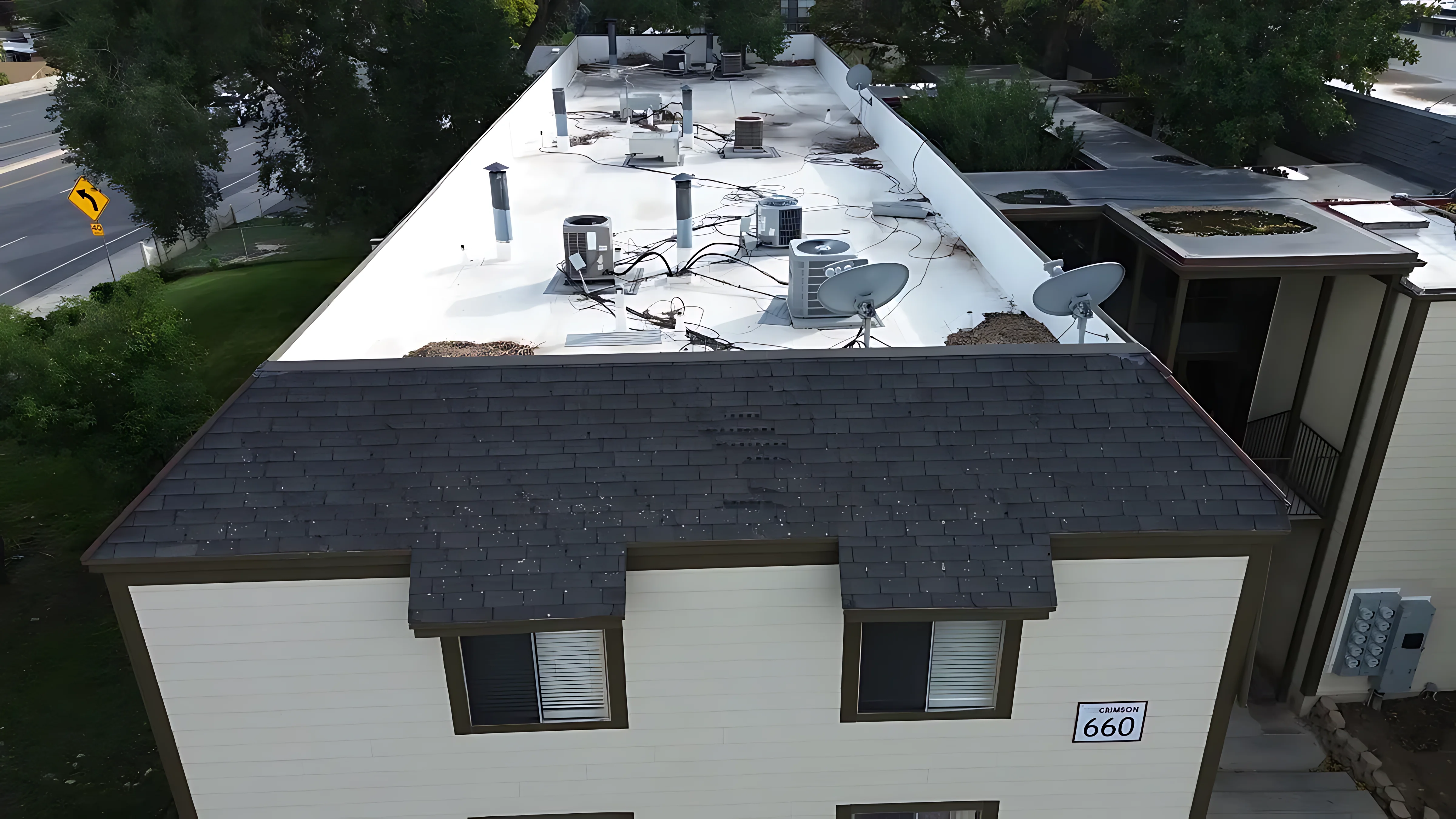
Industrial rooftops also tend to be crowded. Curbs, units, vents, stacks, drains, skylights, service platforms, conduit runs, and abandoned penetrations all increase labor. Roofing crews do not price only the open field. They price the time and detail work required to waterproof the interruptions to that field. A roof with long clean runs installs very differently than a roof that looks like a maze of mechanical obstacles.
Equipment coordination affects cost too. If rooftop units are near replacement age, owners should decide early whether to replace or reset them during the roof project. Installing a new membrane around soon-to-be-removed equipment is rarely efficient. The same applies to curbs, supports, or access components that are already undersized or corroded. Roofing budgets become stronger when those related scopes are acknowledged before procurement instead of after the membrane is already on the building.
In practice, the cheapest system on paper is often not the cheapest system for the facility. The right industrial roof has to survive the environment it serves. If system choice ignores that reality, the replacement budget may look disciplined at contract stage and look shortsighted a few seasons later.
- Industrial membrane selection should respond to contaminants, traffic, and rooftop use, not just price.
- Penetration density and mechanical congestion can move labor costs sharply upward.
- Curbs, units, stacks, and service platforms often drive cost more than open roof field area.
- Equipment replacement timing should be coordinated with roofing whenever possible.
- The most economical membrane is the one that fits the facility’s real operating conditions.
Tear-Off, Deck Conditions, and Insulation Replacement on Industrial Buildings
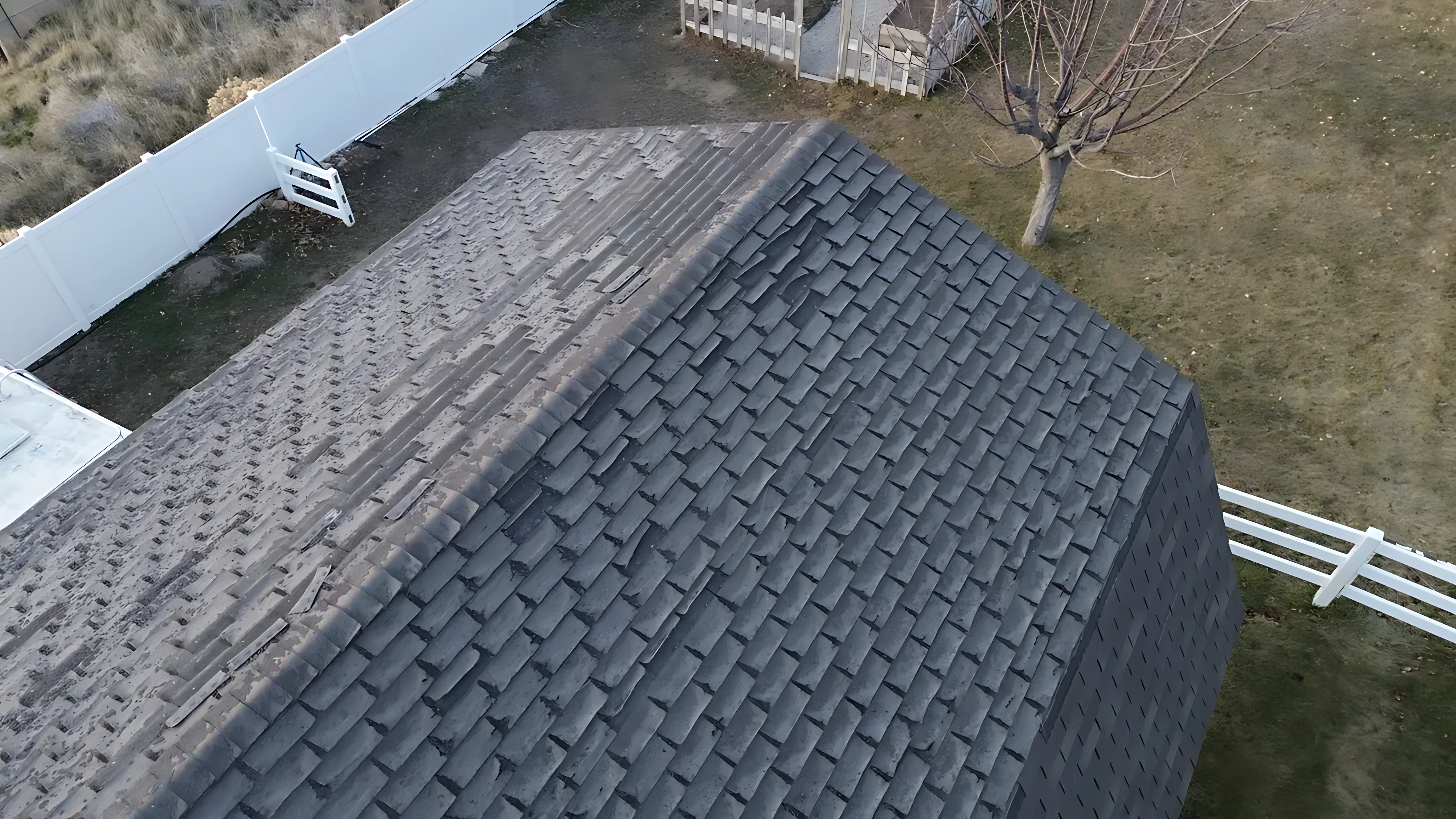
Tear-off scope is another major budget variable because industrial roofs can hide a lot beneath the surface. Wet insulation around drains, deteriorated cover boards, repeated patch zones, and deck corrosion or localized damage can expand replacement cost quickly once the roof opens. On some facilities, moisture is concentrated and manageable. On others, years of leak response have created wide areas of saturated insulation that only become obvious once demolition starts.
That is why preconstruction investigation matters.
Core cuts, moisture scans, and field review improve the budget before bids are finalized.
They do not eliminate every surprise, but they narrow the risk.
Owners should also read bids carefully to understand what tear-off assumptions are included and what happens if hidden conditions exceed those assumptions.
Good contractors do not pretend uncertainty is zero. They make the contingency structure visible so the owner can budget honestly.
Insulation and code-related thermal upgrades matter as well. Replacement may require more than membrane replacement if the assembly has to improve energy performance or if tapered insulation is needed to improve drainage. On industrial facilities, that can affect curb heights, edge details, door thresholds, and rooftop equipment transitions. Those are not add-ons in the casual sense. They are often part of making the roof function correctly after replacement.
The main lesson is that industrial roof budgets should include demolition reality, not just new-material pricing. Once the old assembly begins to come off, owners are paying for what the building actually is, not what the first rough estimate hoped it would be.
- Industrial tear-off often reveals wet insulation, repeated patch zones, or deck issues that affect cost materially.
- Moisture scans and core cuts improve budget confidence before the roof is opened.
- Bids should define tear-off assumptions and how hidden-condition changes are handled.
- Insulation upgrades and tapered drainage packages can be major industrial cost drivers.
- Replacement budgets should reflect demolition risk, not just new-material cost.
Access, Safety, and Operational Constraints That Change the Price
Industrial buildings often cost more to reroof because the crew is not working on an empty shell. Shipping lanes have to stay open. Tenant or plant schedules have to be respected. Sensitive equipment may sit below the work area. Loading zones may be limited. Fall protection may need to be expanded. Odor, noise, and daytime disruption may have to be controlled. All of that changes production speed, staging strategy, and the amount of temporary protection required.
Access can be its own budget category. Crane use, long carry distances, limited perimeter staging, high parapets, or internal site circulation rules can add labor and equipment cost before the first membrane sheet is installed. If the project has to be phased around active operations, the roof may be built in smaller, slower zones than a cleaner suburban site would allow. Owners who ignore those realities early usually end up surprised when proposals reflect them later.
Safety requirements can also become more involved on industrial sites. Roof hatches, edge protection, warning lines, tie-off planning, designated equipment zones, and plant-specific site rules may all affect how the contractor staffs and sequences the work. These requirements are not overhead fluff. They are part of replacing a roof responsibly over an active industrial facility.
That is why budget planning should include an operations conversation, not just a roof conversation. The building and the business underneath it shape the price every bit as much as the membrane does.
- Industrial roofing cost is heavily shaped by access, staging, and business-continuity requirements.
- Crane logistics, carry distance, and restricted loading can materially affect labor and equipment cost.
- Phasing around active operations usually slows production and should be budgeted honestly.
- Fall protection and site-specific safety planning are real scope, not incidental overhead.
- Operational constraints can be as important as material scope in industrial pricing.
How to Build a More Credible Industrial Roof Replacement Budget
The best industrial roof budget is built as a range rather than a single number. Start with area and the most likely membrane family, then layer in tear-off assumptions, equipment density, moisture risk, access constraints, insulation or drainage upgrades, and the building’s operating limitations. If the facility is deciding between restoration and full replacement, model both paths separately rather than forcing the replacement budget to act like a universal answer.
Owners should also be clear about the purpose of the number. A one-year capital placeholder can tolerate more range than an immediate procurement budget. If the project is near-term, invest in better diagnostics and better scope assumptions now. That usually saves money compared with pushing uncertainty downstream and absorbing it through change orders later. A good early budget should answer not only “what might this cost” but also “what do we still need to verify before this becomes a contract.”
When bids come in, compare scope logic, not just totals. Did one bidder assume recover while the others assumed tear-off? Did one include tapered insulation, protection boards, or more robust warranty requirements? Did the lower number ignore staging complexity the site clearly presents? Industrial roof pricing spreads often make sense once the owner compares assumptions honestly.
In other words, the right budget prepares the owner to read proposals intelligently. That is what turns roofing from a reactive expense into a managed capital project.
- Build industrial roof budgets as low, mid, and high-complexity ranges instead of one number.
- Include diagnostics, moisture risk, and operational constraints before bids go out.
- Separate restoration and replacement budgets when both are still technically possible.
- Compare bid assumptions carefully before assuming the lowest total is the best value.
- The strongest budget helps the owner understand scope, not just predict price.
Wrapping it up
Industrial roof replacement cost is driven by far more than square footage. System choice, equipment density, tear-off conditions, insulation, access, safety planning, and building operations all shape the real number. Owners who budget industrial roofs like simple commercial roofs usually end up underestimating what the job actually requires.
The better path is to build a range, verify key hidden-condition risks early, and compare bids against site reality instead of generic averages. That produces a roof budget that is much harder to surprise and much easier to defend once procurement begins.
Questions this guide answers
Quick answers tied to industrial roof replacement cost.
Utah Roof Replacement Hub
Explore our comprehensive guides, local pricing, and service area details to help you plan your next roofing project with confidence.
Pricing & Vetting Guides
Priority Local Pages
Utah Roof Repair Hub
Compare repair costs, local pros, and professional guidance to ensure your Utah roof is restored correctly and efficiently.