

Commercial Roof Replacement Cost Calculator (2026)
By Skyridge Ricky • March 28, 2026 • 13 min read

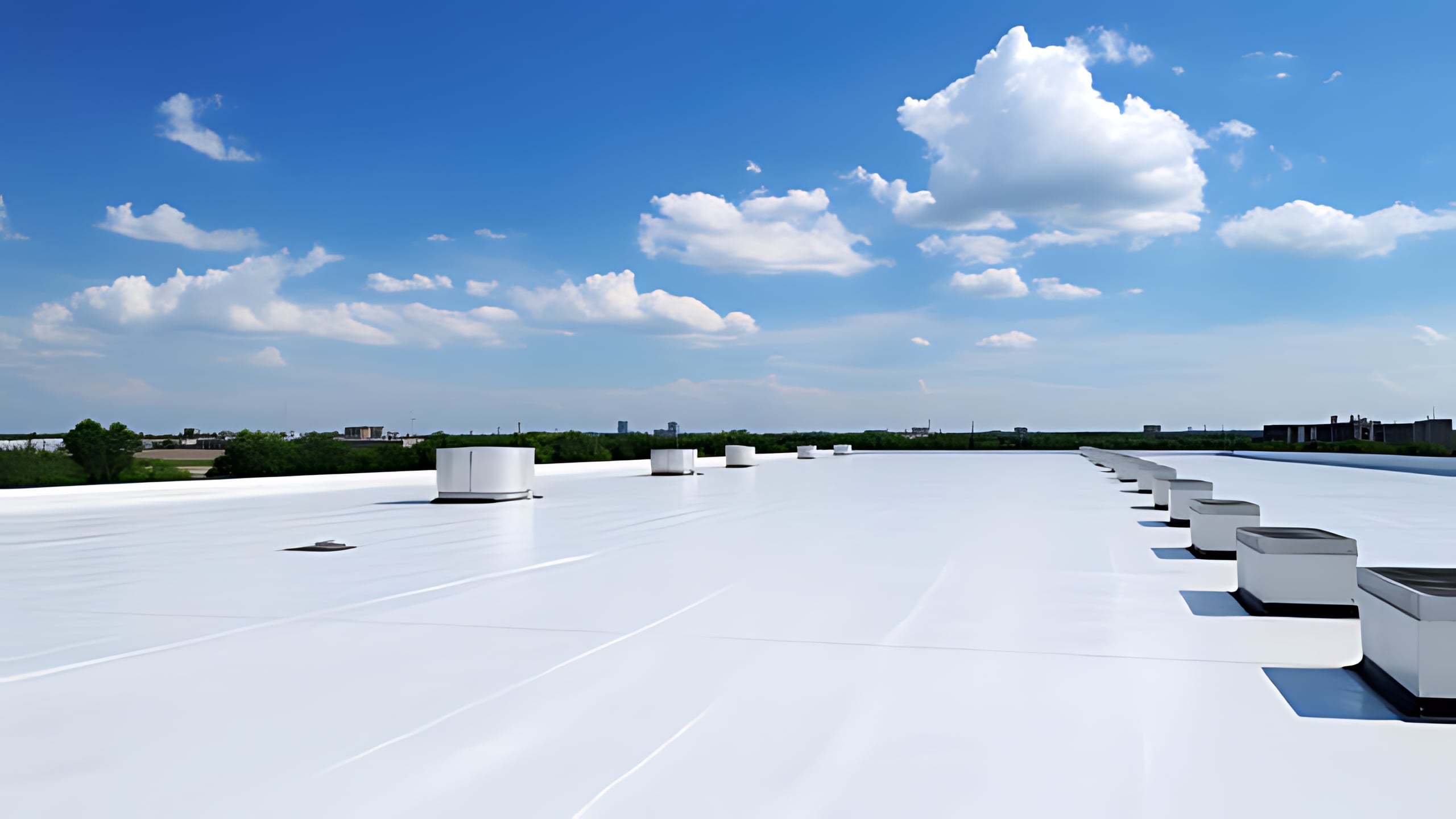
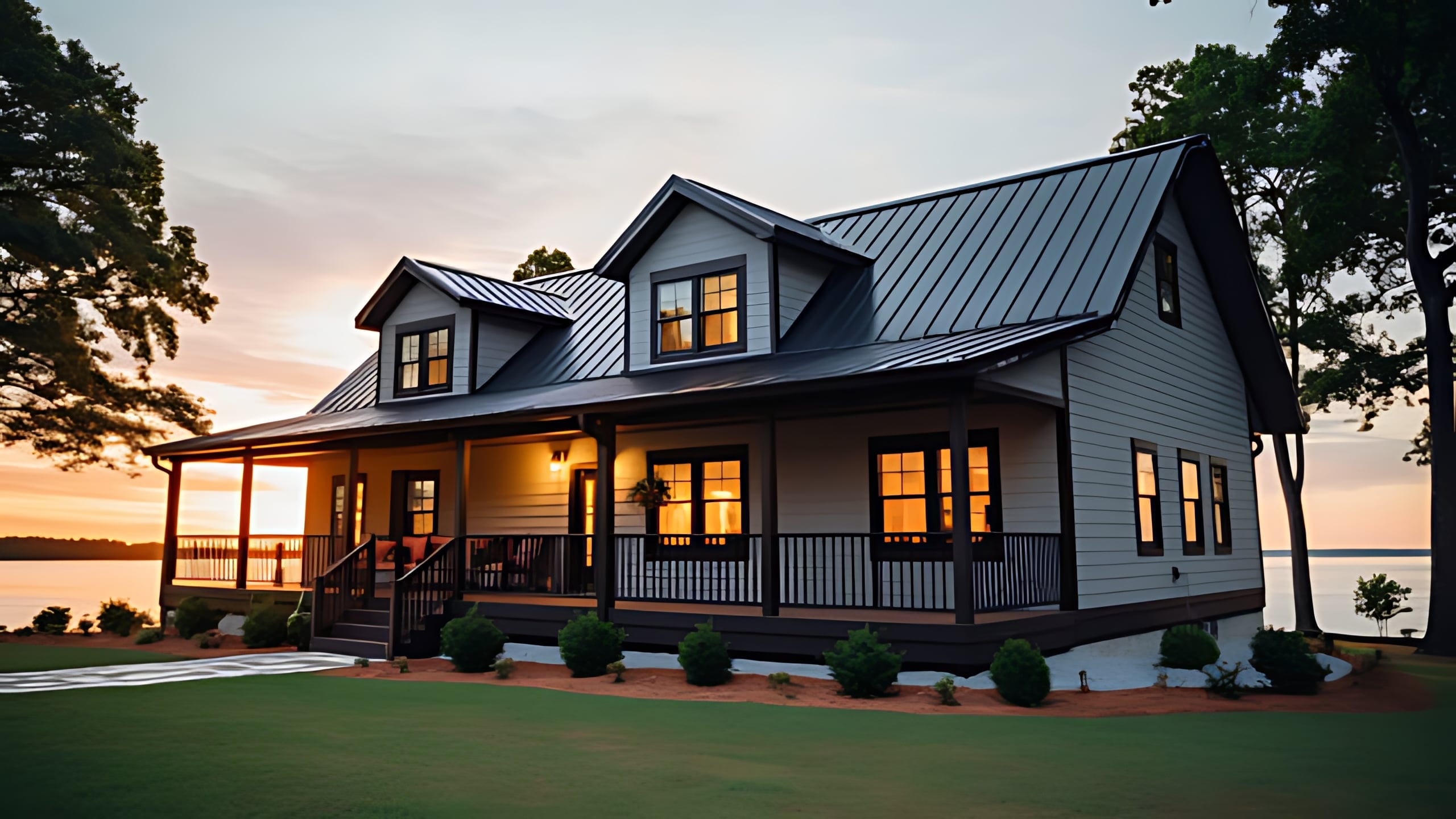

If you are searching for a commercial roof replacement cost calculator, you are probably trying to answer one of three questions. First, what should a realistic budget range look like before you ask for bids? Second, why do quotes for the same building come in so far apart? Third, which project variables actually change the number in a meaningful way? Those are the right questions. Commercial roofing estimates are rarely just square footage multiplied by a commodity rate. The assembly, tear-off conditions, access, insulation strategy, code upgrades, and warranty level can move a project from manageable to expensive very quickly.
That does not mean rough budgeting is impossible. It means the calculator has to be built around the right inputs. Too many online tools throw out one broad price-per-foot number with no distinction between TPO, PVC, modified bitumen, recover systems, full tear-off, saturated insulation, or occupied-building logistics. That creates false confidence and makes the first real contractor bid feel inflated, when in reality the calculator was missing most of the job. A useful cost calculator should not replace a site visit. It should help you understand where the money goes before that visit happens.
This article is designed to work like a decision-grade calculator guide for 2026. We will cover the variables that drive commercial replacement cost, show how owners can build a more accurate preliminary budget, explain why replacement sometimes beats restoration and sometimes does not, and outline the questions to ask so the final proposal lines up with the number you expected. If your goal is to estimate wisely before committing to a project, this is the framework.
Commercial Roofing Paths
This guide should keep sending readers back into the commercial service cluster so informational traffic supports bid-ready pages.
Next steps from this article should include commercial roofing services, flat roofing systems, commercial roof maintenance, property management roofing.
Request a commercial roofing bid
Turn research into a real scope review.
Request a commercial roofing bidThe Calculator Inputs That Actually Matter
The starting point for a useful commercial roof replacement cost calculator is gross roof area, but square footage alone is not enough. Two 20,000-square-foot roofs can price very differently if one is a clean single-ply recover and the other is a fully adhered tear-off with wet insulation, multiple rooftop units, parapet rebuilds, and strict staging requirements. A calculator that ignores system type, attachment method, deck condition, and edge detail complexity will almost always understate the real budget.
Material choice is usually the first major branch. TPO, PVC, EPDM, modified bitumen, coated metal, and standing seam all carry different material and labor profiles. Even within a single membrane family, thickness and attachment method change cost. Mechanically attached TPO does not price the same way as fully adhered TPO. PVC around grease exhausts costs more than a lighter-duty warehouse membrane because the chemistry and performance requirements are different. If a calculator uses one flat commercial roof price for every system, it is not calculating. It is averaging.
The next variable is tear-off scope. Are you overlaying a code-compliant recover system or removing an existing membrane down to deck? Tear-off adds labor, debris handling, dump fees, and a higher chance of discovering hidden conditions. If insulation is saturated, replacement cost climbs again because now you are disposing of wet material and rebuilding thermal value. Access also matters. A downtown building with limited crane windows or tenant-sensitive loading areas can cost more than a similar suburban footprint simply because production is slower and staging is harder.
Finally, warranty expectations influence the number. Shorter labor warranties and base-system coverage are not priced like 20-year NDL-style commercial packages with manufacturer inspections and specific detail requirements. Good calculators include those variables conceptually even if they cannot produce an exact number. Owners should budget for roof type, tear-off level, insulation condition, access, and warranty standard before treating any rough estimate as useful.
- Square footage starts the estimate, but system type and tear-off scope often change the budget more than area alone.
- TPO, PVC, EPDM, modified bitumen, and metal systems carry different labor and material cost profiles.
- Recover projects price differently from full tear-off projects because disposal and hidden conditions change the labor plan.
- Access, staging, and occupied-building logistics can materially affect production cost.
- Warranty level changes specification requirements and should be treated as a real budget input.

Building a Budget Range with Cost per Square Foot
Cost per square foot is still useful as long as you treat it as a range tied to a system, not a final answer. In 2026, owners typically use price-per-foot bands to create an early budget scenario before inviting detailed proposals. The key is to match the band to the actual replacement path. A straightforward mechanically attached membrane over stable substrate lands in a different range than a multi-layer tear-off with insulation replacement and extensive edge metal upgrades. The calculator becomes more accurate when you build low, mid, and high cases instead of pretending one average number will hold.
A practical way to do that is to separate the project into base replacement and risk allowances. Start with roof area and a likely system type, then add line-item assumptions for tear-off complexity, wet insulation allowance, sheet-metal or coping replacement, drain work, and penetrations. If you own the building and know your roof history, include whether the current system has chronic ponding, repeated repair zones, or tenant-sensitive work hours. Those conditions rarely disappear in the final bid, so they should not be omitted from the preliminary budget either.
Owners who only budget from a base rate often get surprised by code-driven upgrades. Tapered insulation, increased R-value requirements, edge securement, and drainage corrections can all add scope that was not visible in the first rough estimate. That does not mean the contractor is padding the number. It means the first number did not account for what the building now needs to meet code and performance expectations. Good budgeting leaves room for those changes instead of forcing the project into value-engineering later.
The point of the calculator is not to predict the job to the dollar. It is to keep you from being blindsided. If your working budget already includes a realistic square-foot band plus detail allowances, the contractor proposals will feel more like confirmation than shock. That is how a calculator becomes useful to owners, property managers, and finance teams.
- Use low, mid, and high price bands instead of a single price-per-foot number.
- Add separate allowances for insulation replacement, edge metal, drainage, and rooftop penetrations.
- Code upgrades should be anticipated in the budget rather than treated as rare surprises.
- Ponding water, access restrictions, and tenant-sensitive scheduling should be included early.
- A calculator should create a budget range, not promise a final contract price.
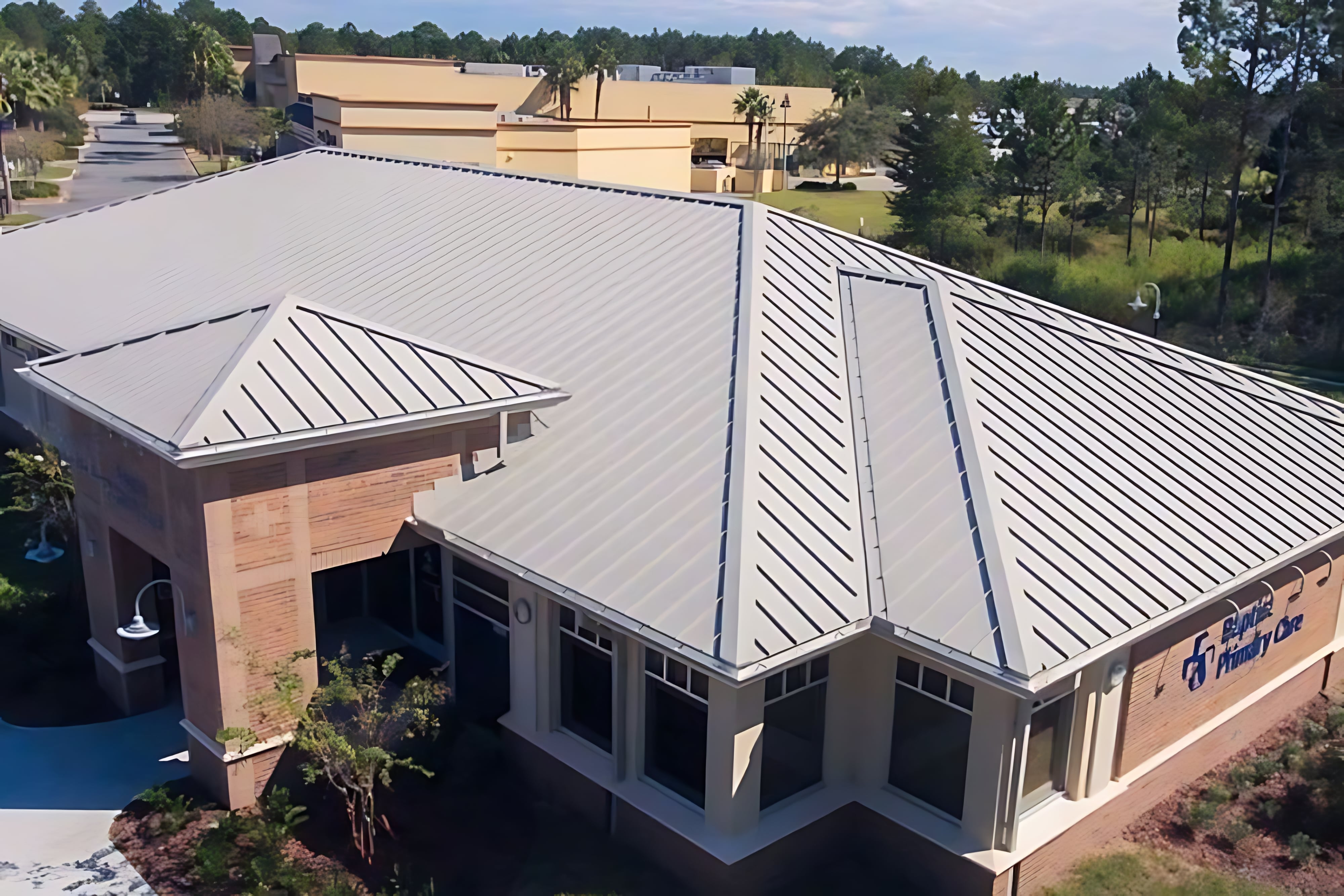
Replacement vs. Restoration: Which One Should the Calculator Assume
One of the biggest mistakes in commercial budgeting is assuming full replacement when the roof may qualify for restoration, or assuming a coating will save the project when the roof is already beyond restoration. A useful commercial roof replacement cost calculator should help owners test both paths. If the deck is sound, insulation is largely dry, the membrane is still attached well, and the roof suffers mainly from age, UV wear, or isolated seam issues, restoration may be the lower-cost path with acceptable long-term value. Silicone and elastomeric restoration systems can materially extend service life on the right roof.
On the other hand, if wet insulation is widespread, fastener back-out is systemic, the membrane is shrinking or embrittled, or drainage and substrate conditions are poor, replacement is usually the more honest budget assumption. Restoration does not fix saturated assemblies or defective substrates. It preserves roofs that are still structurally worth preserving. That distinction matters because coatings can look dramatically cheaper in a rough calculator until you account for the prep, repairs, reinforcement, and substrate suitability required to make them viable.
Owners evaluating both paths should compare lifecycle value, not just first cost. A cheaper restoration that buys seven to ten years may still be the right move if the building is being refinanced, sold, or held for a shorter ownership horizon. A full replacement may be the better investment if you need a long warranty, lower operational risk, and a clean platform for future rooftop work. The calculator should therefore include a branch for replacement and a branch for restoration, with different assumptions for service life and repair prep.
That comparison becomes especially important for warehouses, multi-tenant retail, and owner-occupied industrial buildings. Operational disruption, leak liability, and asset planning often matter as much as pure cost.
The best budgeting process measures those factors before locking onto the cheapest line item.
- Restoration can be the better budget path when the deck and insulation are still fundamentally sound.
- Replacement is usually the right assumption when wet insulation, membrane failure, or drainage defects are widespread.
- First cost should be compared against expected service life and operational risk.
- Coatings are not automatic savings if the roof requires extensive prep or substrate correction.
- Owners should budget both replacement and restoration paths when the roof condition is still uncertain.
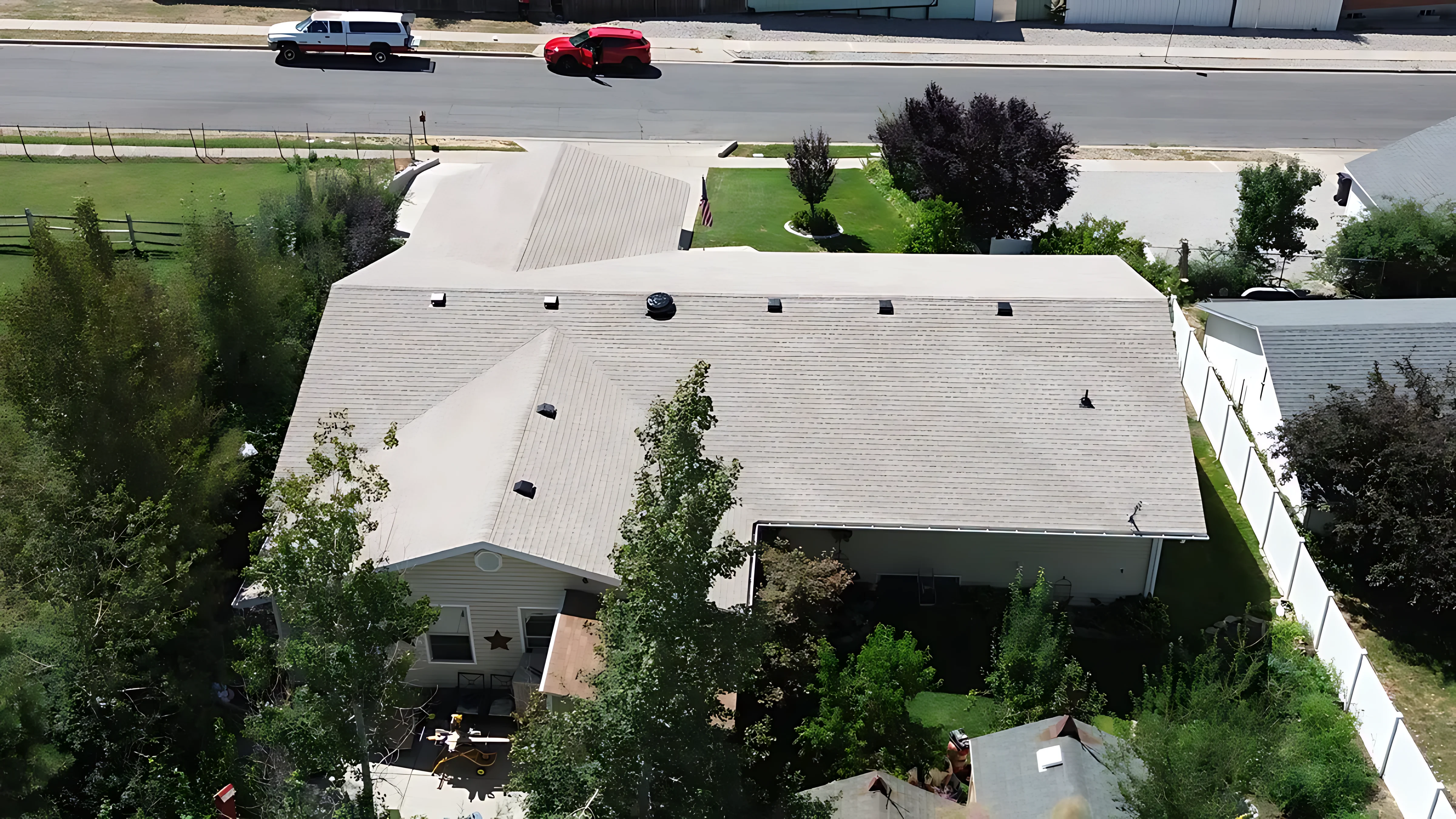
How to Use the Calculator Before You Request Bids
The smartest use of a commercial cost calculator is as a pre-bid planning tool.
Before you call contractors, gather roof area, age, prior repair history, any existing inspection reports, and notes on occupancy constraints.
Identify whether the building has sensitive operations, strict loading access, or rooftop mechanical density that could affect production.
If you have recent photos or maintenance logs, use them. The goal is to enter the bidding phase knowing enough about the asset that you can tell the difference between a thoughtfully scoped proposal and a number that looks low because it leaves out the hard parts.
When proposals arrive, line them up against your calculator assumptions. Did the low bid assume recover while the others assumed tear-off? Did one contractor include tapered insulation while another left ponding untouched? Did one specify a stronger warranty package with manufacturer oversight? These are not minor footnotes. They are usually the real reason quotes diverge. A calculator is most valuable when it helps you read those differences instead of reacting to price alone.
It also helps with timing. If the calculator tells you replacement is likely to exceed this year’s capital plan, you can decide whether to phase the work, explore restoration, or schedule deeper investigative testing before the roof gets worse. That is far better than waiting for emergency failure and paying crisis pricing. Commercial roof budgets behave best when they are planned, not forced by leaks.
In other words, the calculator should lead to smarter questions: what assumptions drove this proposal, what hidden conditions are likely, what code upgrades are expected, and what service life does this budget really buy? Once owners use the tool that way, the project gets easier to manage from the first inspection forward.
- Gather roof age, area, repair history, and occupancy constraints before you request proposals.
- Use your calculator assumptions to explain why contractor bids differ.
- Look for differences in tear-off scope, insulation upgrade, drainage work, and warranty level.
- A planned budget almost always performs better than an emergency replacement budget.
- The calculator is most powerful when it drives better questions, not just a target number.
The Most Common Calculator Mistakes Owners Make
The biggest mistake owners make with a commercial roof replacement cost calculator is assuming that the lowest plausible scenario is the most responsible budget number. In practice, that usually means using only square footage and a single online price-per-foot average, then treating the result as if it reflects a real project. It does not. That number often excludes tear-off, wet insulation, code upgrades, edge metal, rooftop unit detailing, staging constraints, and warranty requirements. The result is a budget that feels disciplined on paper but is disconnected from how the roof will actually be replaced.
A second mistake is ignoring the roof’s current condition. If the building has a history of active leaks, ponding water, multiple repair zones, or previous overlay work, the calculator should move toward the higher-risk range immediately. Owners sometimes wait for a contractor to “prove” those issues before adjusting the budget, but the building already knows the risk is there. If the roof has been telling you for three years that moisture or drainage is a problem, the calculator should not be built like a clean replacement on an ideal roof.
Another common error is forgetting the business side of the project. Commercial roof replacement cost is not only a materials-and-labor number. It is also shaped by when the work can happen, whether tenant protection is required, whether staging disrupts loading or parking, and how much schedule flexibility the site has. These costs may not dominate every building, but they matter often enough that they should be part of the budgeting conversation from the start. A calculator that assumes the crew can work with no operational constraints can understate cost even when the roof assembly itself is simple.
Owners also tend to compare bids against their calculator without asking whether the proposals are solving the same problem. If one contractor includes tapered recovery and another does not, those bids should not be judged as though they are interchangeable. The calculator is supposed to help you notice those scope differences, not flatten them out. Used well, it becomes a decision aid. Used poorly, it becomes a false benchmark that makes the most complete proposal look overpriced simply because it included the work the calculator forgot to anticipate.
- A single generic price-per-foot average is usually too thin to support real capital planning.
- Existing leak history and ponding should move the calculator toward a higher-risk range immediately.
- Operational constraints can change cost even when roof area and membrane type stay the same.
- Bids should be compared against scope assumptions, not against a simplified calculator total alone.
- The calculator should help identify scope differences, not hide them.
How Warranty, Equipment, and Future Plans Change the Budget
One area many owners forget to include in a commercial roof replacement cost calculator is the future use of the roof after replacement. A building that will carry more rooftop equipment, solar, regular service traffic, or future tenant changes may need a stronger assembly, more walk-path protection, or different detail planning than a building with minimal rooftop activity. Those choices affect both initial cost and how long the roof is likely to stay trouble-free once it is back in service.
Warranty level matters for the same reason. A shorter base warranty may keep the initial price lower, but a longer-term commercial warranty often requires stricter detail execution, approved contractors, and more complete system components. If your organization values long-term predictability and lower leak risk, that added specification discipline is often worth budgeting up front. A calculator that ignores warranty requirements may give owners a number that looks attractive but does not correspond to the level of protection they actually intend to buy.
Rooftop equipment condition should also influence the budget. If aging HVAC units, curbs, or accessory penetrations are likely to be replaced soon after the roof, owners should coordinate those plans before locking the roofing number. Replacing a roof and then cutting into it repeatedly for new equipment is rarely efficient. The calculator should therefore include coordination assumptions where mechanical, solar, or tenant-improvement work is likely in the same ownership window.
In practice, the best budgets treat the roof as part of the building’s capital plan, not as an isolated emergency line item. Once warranty goals, rooftop traffic, and future equipment plans are folded into the calculator, the resulting range becomes much more useful as a management tool.
- Future rooftop traffic and equipment changes can justify stronger assemblies or added protection.
- Warranty level changes specification requirements and should influence early budgeting.
- Roof replacement should be coordinated with major HVAC, solar, or tenant-improvement plans when possible.
- A capital-plan mindset usually produces a more accurate calculator than an emergency-only mindset.
- The calculator should reflect how the roof will be used after replacement, not just how it is replaced.
Wrapping it up
A commercial roof replacement cost calculator becomes useful when it reflects how commercial roofs are actually built and replaced. Area matters, but membrane type, tear-off level, insulation condition, code upgrades, access, and warranty standards are what turn a rough budget into a credible one. If you use the calculator to create a real range and compare assumptions instead of chasing one low number, you will make better decisions before the first contract is signed.
Questions this guide answers
Quick answers tied to commercial roof replacement cost calculator.
Utah Roof Replacement Hub
Explore our comprehensive guides, local pricing, and service area details to help you plan your next roofing project with confidence.
Pricing & Vetting Guides
Priority Local Pages
Utah Roof Repair Hub
Compare repair costs, local pros, and professional guidance to ensure your Utah roof is restored correctly and efficiently.
Core Repair Pages
Priority Local Pages
Commercial Roofing Hub
Access specialized asset protection for Utah commercial properties, flat roofing systems, and multi-family developments.