Do Roofing Shingles Burn? Fire Ratings Guide (2026)
By Skyridge Ricky • April 5, 2026 • 11 min read
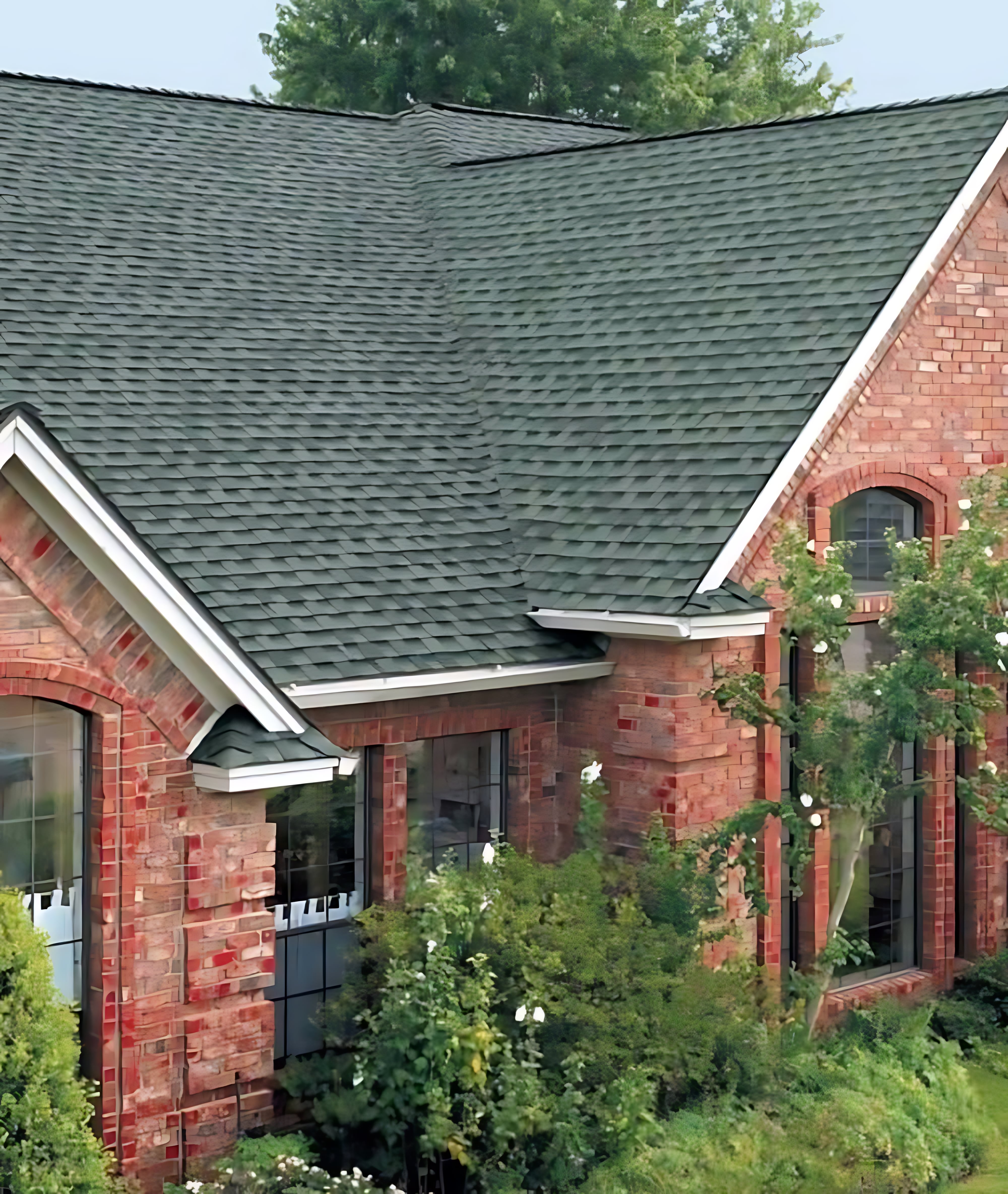
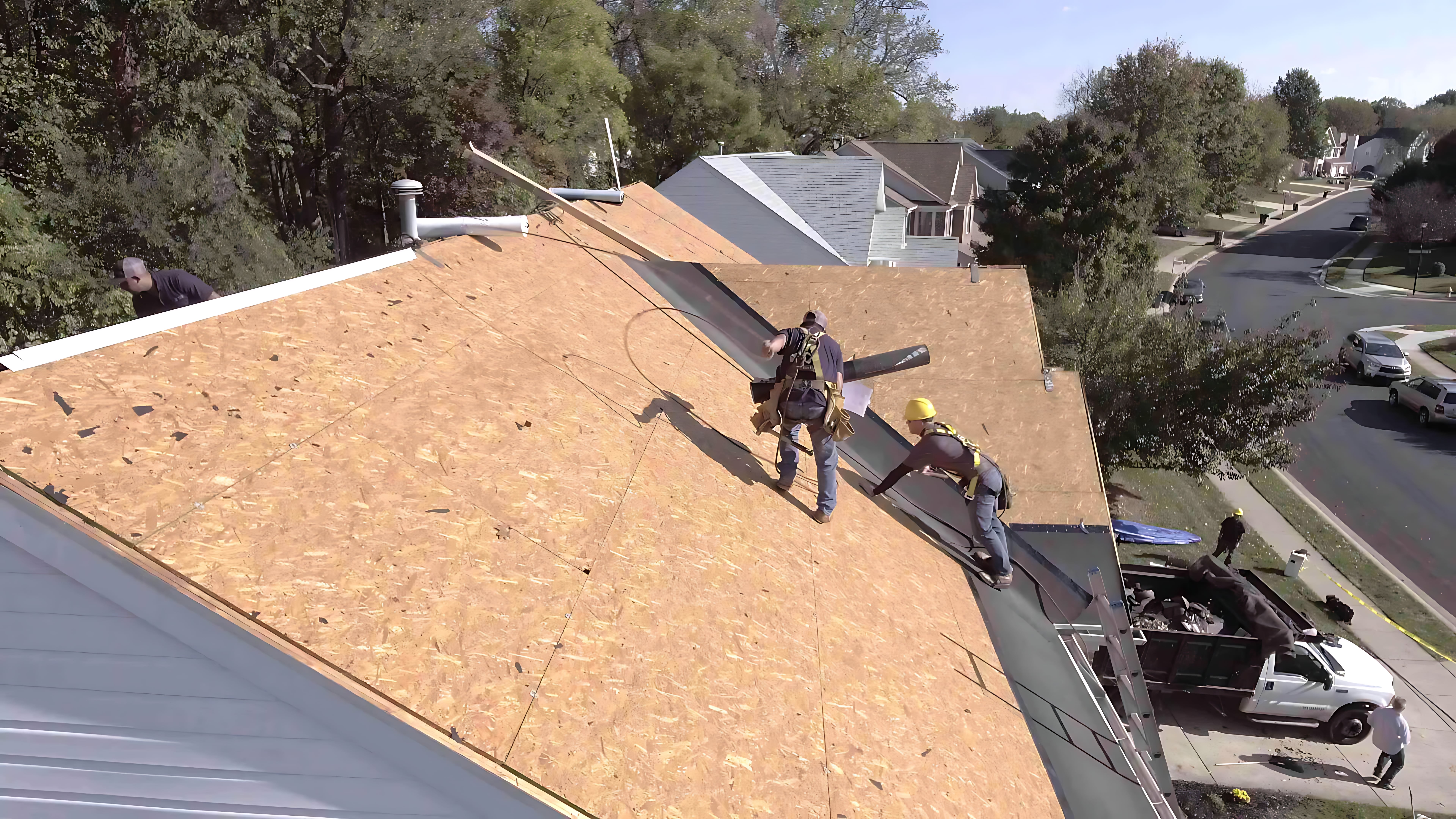
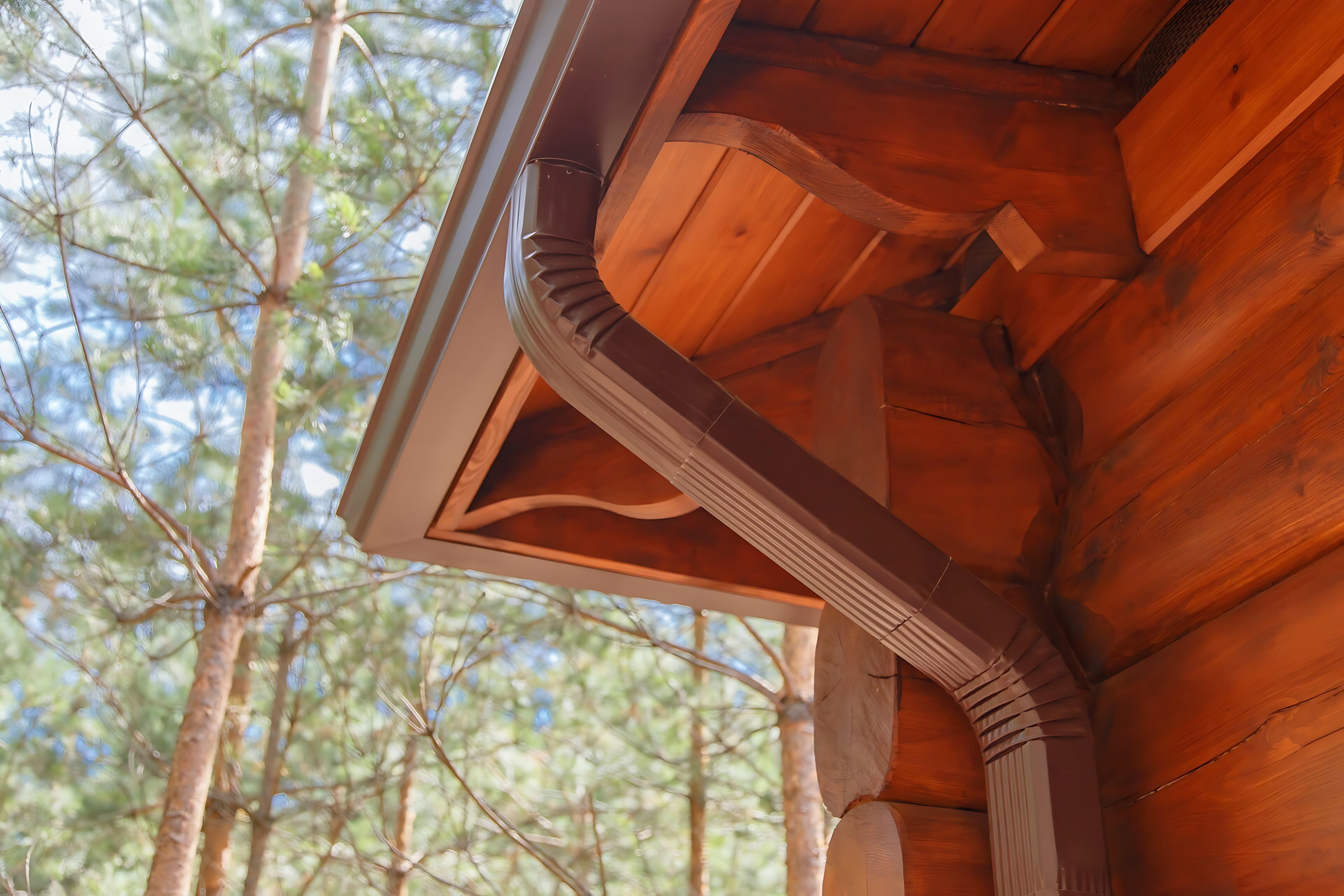
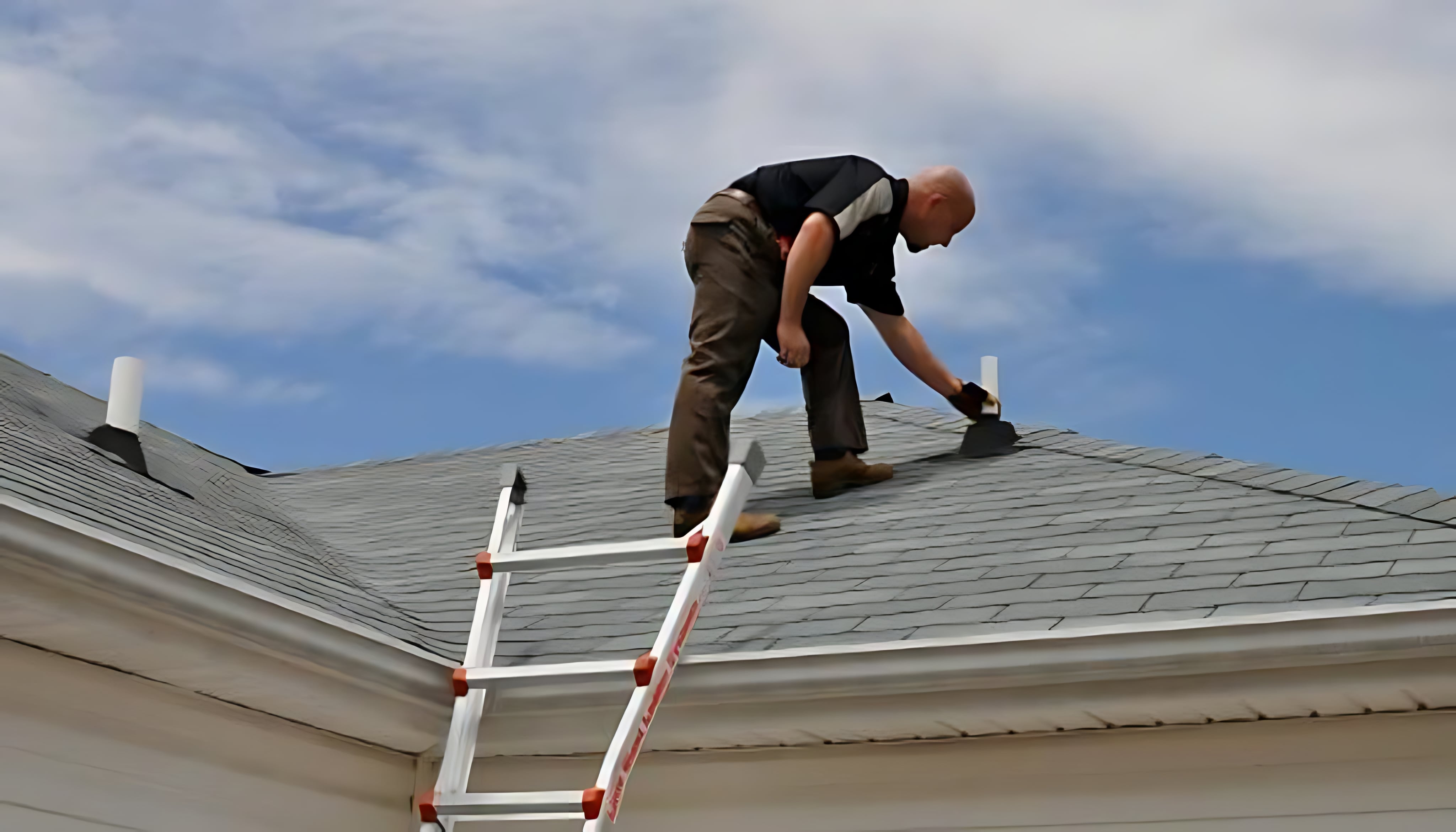
I get asked a lot of "what if" questions when I am out on a bid. "What if the wind hits 100 mph?" "What if the snow piles up six feet deep?" But lately, with the dry summers we have been having in the Wasatch Mountains, the big one is: "Do roofing shingles burn?" It’s a fair question. You’ve got a product made of asphalt—which is basically a heavy oil—sitting on top of a wooden deck. If you are searching for fire-resistant roofing, you want to know if your home is a giant tinderbox or a safe haven. In 2026, fire safety is top of mind for every homeowner in Utah, and for good reason.
Now, I’m not here to scare you. I’m here to give you the forensic data. The short answer is: yes, they can burn, but modern shingles are engineered to be much tougher than the old "felt" shingles your grandpa used. Today, we talk in terms of Class A Fire Ratings. That is the gold standard, and it is what we install on almost every roof we touch. It’s the difference between a roof that catches fire from a single stray spark and one that can withstand a direct blast of heat for hours without letting the fire into your attic.
We are going to break down exactly what makes a shingle fire-resistant, how the testing works, and what you can do to make your roof a "fire-hardened" shield for your family. If you live near the foothills or just want to make sure your home is as safe as possible, let’s get into the details of asphalt shingle fire safety.
Repair And Maintenance Paths
Repair and maintenance articles should keep feeding service pages that solve the issue, not just answer the question.
Next steps from this article should include roof repair services, roof inspection services, emergency roof repair, preventative roof maintenance.
Book a roof repair inspection
Capture repair-intent readers directly.
Book a roof repair inspectionThe Class A Fire Rating: What Does It Actually Mean?
In the roofing world, we live and die by the Class A Fire Rating. This isn't just a marketing label; it is a rigorous engineering standard. To get a Class A rating, a roof system has to pass three main tests: the Spread of Flame test, the Intermittent Flame test, and the Burning Brand test. The "Burning Brand" is my favorite to talk about because it’s the most extreme. They literally take a 12-inch by 12-inch block of burning wood (the "brand") and set it directly on the shingles. For a Class A rating, that brand has to burn out completely without the shingles catching fire or the heat igniting the wooden deck underneath.
I remember visiting a testing facility a few years back. Watching them torture these shingles was eye-opening. You’d see the asphalt start to bubble and smoke, but the fiberglass mat inside the shingle stayed intact. That fiberglass is the secret sauce. It acts as a fire barrier that keeps the heat from reaching the plywood. In 2026, almost all high-quality architectural shingles from brands like GAF or Owens Corning are Class A rated. If your roofer is trying to sell you something that isn't Class A, they are selling you a liability.
It’s important to remember that a "Class A Roof" is a system. It’s not just the shingles. It includes the underlayment and sometimes even the type of decking you use. If you put Class A shingles over a cheap, flammable underlayment, you might be compromising the whole system. That is why we use high-temp synthetic underlayments that are designed to complement the fire resistance of the shingles themselves.
- Class A is the highest fire rating available for residential roofing materials.
- The Burning Brand test proves the roof can withstand direct contact with large flaming embers.
- Fiberglass reinforcement is what prevents the fire from penetrating the roof deck.
- Class B and Class C ratings are lower and provide significantly less protection.
- A fire-rated roof is a system—shingles, underlayment, and details must all work together.
Embers and "Wildfire Hardening": The Real Threat to Utah Homes
When most people think of a house fire, they imagine a wall of flames rolling down the street. But in reality, most homes lost to wildfire are destroyed by flying embers (or "firebrands"). These embers can travel miles ahead of the actual fire, carried by the wind. They land on your roof, in your gutters, or under your eaves. If your roof isn't "hardened," one single ember the size of a marble can start a fire that burns your whole house down. This is a huge concern for our clients in Draper, Sandy, and Highlands Ranch who live near the Wildland-Urban Interface.
I once did a "Wasatch-Proof" audit for a homeowner in the foothills after a nearby brush fire. They were lucky—the fire didn't reach their yard. But when I got on the roof, I found dozens of small "burn marks" where hot embers had landed on their shingles. Because they had Class A architectural shingles, the embers had just self-extinguished. The asphalt had a tiny pit in it, but the fiberglass hadn't budged. If they’d had an old wood shake roof, that house would have been gone. Wood shakes are basically just giant piles of kindling once they get old and dry.
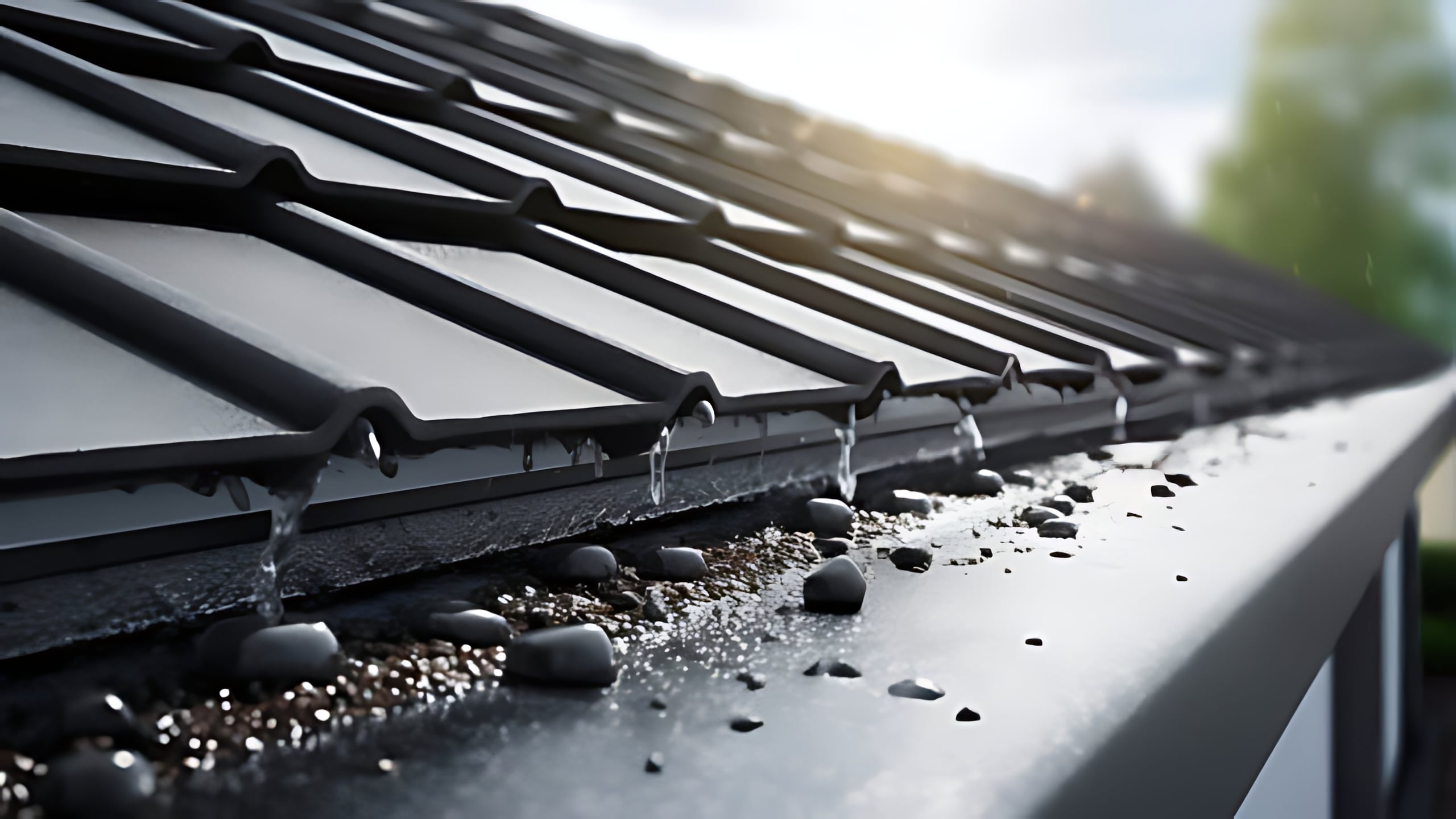
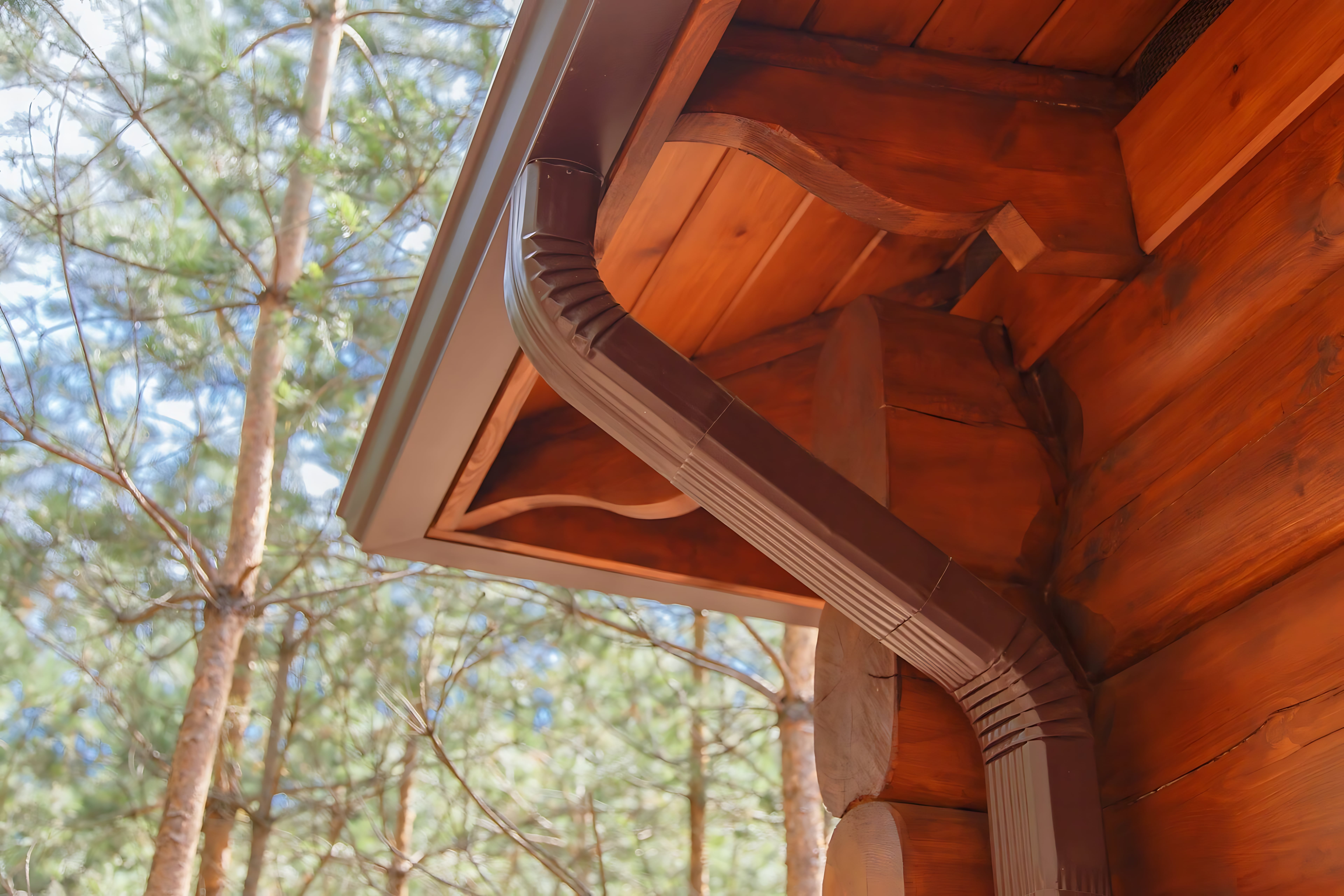
Hardening your roof isn't just about the shingles, though. You have to think about the valleys and gutters. If your gutters are full of dry pine needles and an ember lands in there, it doesn't matter how fire-resistant your shingles are—the gutter fire will eventually get under the roof edge. That is why we talk about "defensible space" even on the roof itself. Keep those gutters clean, folks! It’s the easiest fire insurance you can get.
- Flying embers are the #1 cause of home ignition during a wildfire event.
- Embers can land on a roof and smolder for hours before starting a structure fire.
- Class A shingles are designed to self-extinguish when an ember lands on them.
- Clean gutters are critical—debris in gutters provides a "fuel bed" for stray sparks.
- Valley flashings should be clear of leaves and needles to prevent localized hot spots.
Common Myths: Does the Asphalt Make Shingles Explosive?
Let's clear up some "internet wisdom" that I hear all the time. I’ve had people tell me, "Ricky, I don't want asphalt because it’s made of oil, and oil explodes!" Look, I get the logic, but it’s not how it works. The asphalt in your shingles is heavily oxidized and mixed with mineral granules. Those little rocks on top of your shingles aren't just for color—they are your primary fire defense.
They are made of crushed stone and ceramic, which are 100% non-combustible.
They act as a heat shield that protects the asphalt underneath from the sun and from fire.
Another myth is that metal roofs are "fireproof" while shingles are "flammable." While it’s true that metal doesn't burn, a metal roof can actually transfer heat faster to the wooden deck underneath if it isn't installed with the right thermal barriers.
A Class A shingle roof is often just as effective at stopping fire spread as a metal roof because of the way the fiberglass and granules work together to insulate the deck.
In 2026, the gap between high-end shingles and metal in terms of fire safety is much smaller than most people realize.
I also hear folks say that once a shingle roof gets old, it loses its fire rating. There is a tiny bit of truth there—if you lose all your granules and the asphalt is bare and cracked, your protection is definitely lower. But the fiberglass mat inside doesn't really go away. As long as the shingle is still in one piece and correctly fastened, that Class A rating is remarkably durable. That said, if your roof looks like a bald tire, you've got bigger problems than just fire safety!
- Mineral granules are a non-combustible ceramic shield that protects the asphalt.
- Modern shingles are engineered to resist ignition, not fuel a fire.
- Metal roofs require proper underlayment to match the fire-spread resistance of Class A shingles.
- Fiberglass mats provide a structural fire barrier that lasts the life of the shingle.
- The "oil" in shingles is a stable, heavy compound that does not ignite easily.
How to Choose the Safest Roof for Your Utah Home
So, how do you make sure you are getting the safest roof possible? First, always ask for the UL 790 certification. This is the official testing standard for fire resistance. Any reputable roofer in Utah should be able to show you the spec sheet for the shingles they are quoting. If they get defensive or tell you "all shingles are the same," that’s your cue to find a new contractor. In 2026, there is no excuse for not knowing your fire ratings.
Second, think about the ventilation. This is one that surprises people. In a wildfire, your attic vents can actually "inhale" embers into your house. We recommend using ember-resistant vents that have a fine mesh screen. This allows your attic to breathe during the summer but stops those tiny firebrands from getting into your insulation. It’s a small upgrade that makes a massive difference in your home's "survivability."
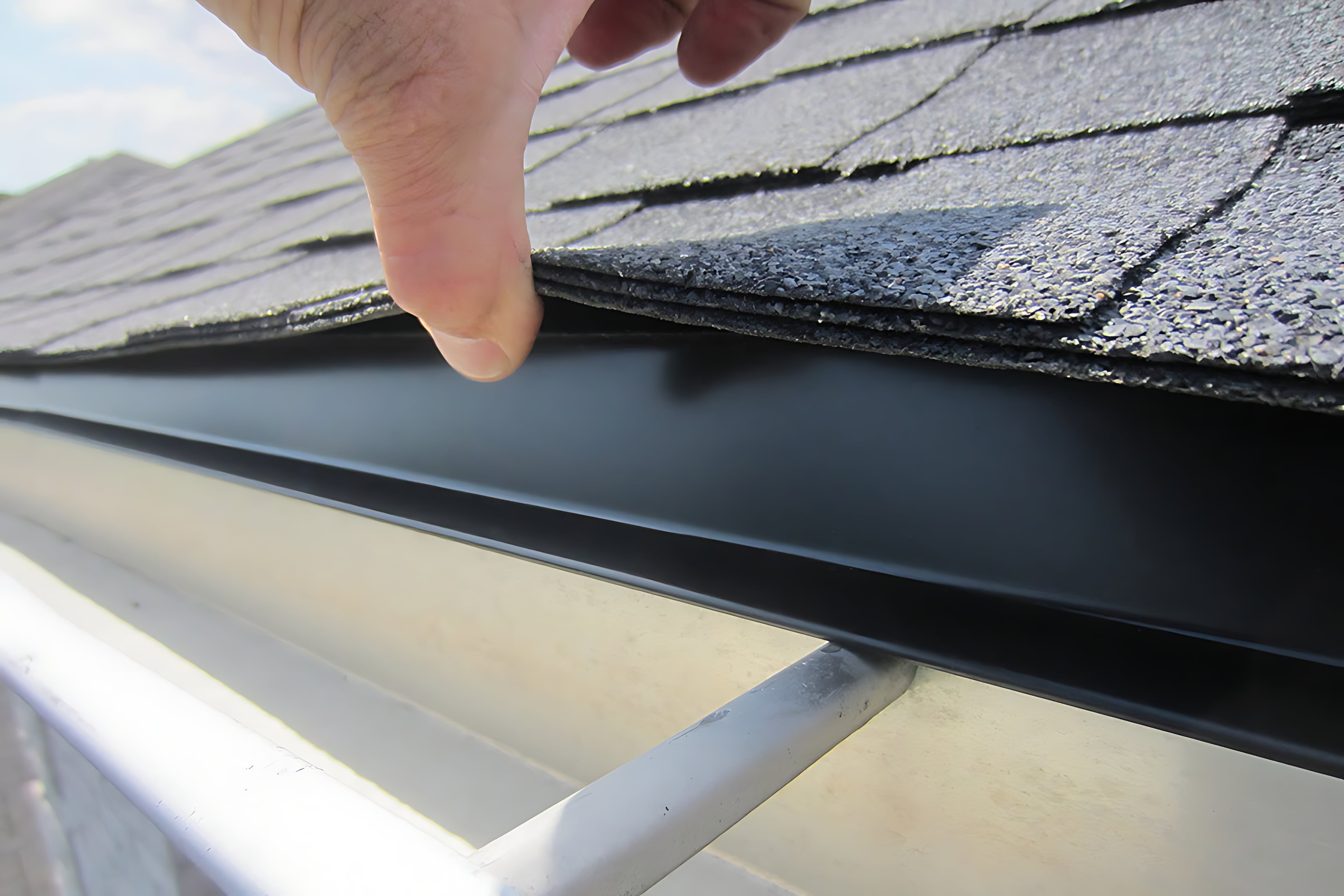
Finally, look at the drip edge and eave details. We install our drip edge so that it fully covers the gap between the roof deck and the fascia. This prevents fire from "licking" up under the shingles and getting into the wooden rafters. It’s these forensic details that separate a "builder grade" roof from a "Wasatch-Proof" shield. When we build a roof, we aren't just thinking about the next rainstorm—we are thinking about the worst-case scenario.
- Verify UL 790 certification for any material you consider.
- Upgrade to ember-resistant attic vents to prevent internal ignition.
- Ensure drip edge and eave flashings are tight to prevent fire "wraparound."
- High-temp synthetic underlayments offer superior fire-spread resistance.
- Consult with a "Wasatch-Proof" expert to identify specific vulnerabilities on your property.
Insurance and Fire Ratings: Saving Money While Staying Safe
Here is some good news for a change: building a fire-safe roof can actually save you money on your homeowners insurance. In 2026, many insurance companies are offering significant discounts (sometimes 10-15%) for homes that have a certified Class A roof and follow "defensible space" guidelines. They know that a fire-hardened home is much less likely to be a total loss, and they are willing to pass some of that savings on to you. It’s one of the few times where the right safety decision is also the right financial decision.
I always tell my clients to call their agent before we start the project. Ask them specifically, "What discounts do you offer for Class A fire-rated roofing?" Sometimes they’ll even give you a bigger break if you use impact-resistant shingles (Class 4), which often come with a Class A fire rating as well. You’re basically killing two birds with one stone—protecting against hail and fire at the same time. That’s what I call a "no-brainer" for any Utah homeowner.
Just make sure you keep your paperwork! We provide a full documentation package after every job, including the manufacturer’s fire rating certifications. You’ll need to send that to your insurance company to lock in those discounts. Don't leave money on the table just because you didn't have the right PDF in your inbox. We make it easy for you to prove that your home is one of the safest on the block.
- Class A fire ratings can qualify you for annual homeowners insurance discounts.
- Combining fire resistance with Class 4 impact resistance offers the best ROI.
- Keep all manufacturer certifications and project documentation for your agent.
- Fire-hardened homes have higher resale value and better "marketability" in 2026.
- Proactive safety measures reduce the risk of a "total loss" claim during wildfire season.
Wrapping it up
So, do roofing shingles burn? Technically, yes—anything will burn if you get it hot enough. But with a modern, Class A fire-rated roof system, your home is far from a tinderbox. You have a multi-layered shield of ceramic granules, fiberglass, and specialized underlayment working 24/7 to keep the heat out and your family safe. In 2026, that peace of mind is worth every penny.
Don't settle for a roof that just "looks good." Make sure it is built to handle the heat. Whether you are in the heart of Salt Lake City or up in the high country, your roof is your first line of defense. If you have questions about your current roof’s fire rating, or if you are ready to upgrade to a "Wasatch-Proof" system, give us a call. We’ll give you a straight-talk audit and help you build a roof that you can trust, no matter what the Utah summer throws at you.
Stay safe, stay dry, and keep those gutters clean! Until next time, I'll see you on the ridge! Cheers!
Utah Roof Repair Hub
Compare repair costs, local pros, and professional guidance to ensure your Utah roof is restored correctly and efficiently.