
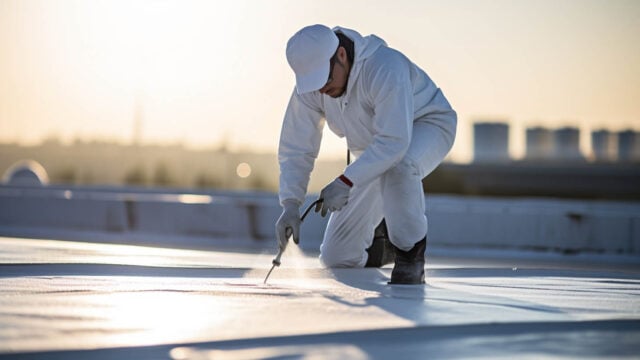
I was walking a massive flat roof on a warehouse in West Valley last month, and the facility manager, Mike, was showing me a spot where water was literally pouring onto a million-dollar CNC machine. He was devastated because he thought the whole roof was shot. I had to pull him aside and show him that the leak wasn't coming from the membrane—it was coming from a poorly sealed HVAC curb that another "commercial specialist" had installed just two years ago. That's the thing about commercial roofing in Utah; it's a game of inches where one tiny mistake can shut down your entire operation.
Why Asset Management Beats Crisis Repair Every Time
In 2026, managing a commercial building along the Wasatch Front means dealing with some of the most extreme temperature swings in the country. Your roof might be 160 degrees in the afternoon sun and then drop to 40 degrees during a sudden mountain rainstorm. That thermal shock makes TPO and EPDM systems expand and contract like they're trying to breathe. If you only call a roofer when you see a drip, you're already behind. A proactive commercial roof maintenance plan catches those seam failures and curb leaks before they reach your expensive equipment.
Common mistakes property owners make with commercial roofing
commercial roofing decisions usually go wrong when the visible symptom is treated as the whole problem. In Utah roofing, that often means focusing on the leak stain, the missing shingle, or the estimate total before anyone has explained the actual failure pattern, the roof age, the surrounding flashing condition, or whether the issue is isolated or systemic. A better scope starts by documenting the roof condition in plain language and tying the recommendation back to weather exposure, material performance, drainage, and remaining service life.
That is also why homeowners and property managers should compare the scope details, not just the headline service. A useful recommendation should explain what needs to be repaired or replaced, what can be preserved, what detail work matters most, and how the contractor is thinking about long-term performance in Utah conditions. When that explanation is clear, it becomes much easier to decide whether the roof needs a focused repair, a larger replacement, or another layer of inspection before money is committed.
Professional Takeaways
- Document the real failure pattern before approving any commercial roofing scope
- Compare repair, replacement, and inspection paths against actual roof condition
- Check ventilation, flashing, drainage, and underlayment details instead of focusing only on the visible symptom
- Use photo-backed notes so the next step is easier to justify and easier to compare
When repair, replacement, or inspection makes more sense
commercial roofing decisions usually go wrong when the visible symptom is treated as the whole problem. In Utah roofing, that often means focusing on the leak stain, the missing shingle, or the estimate total before anyone has explained the actual failure pattern, the roof age, the surrounding flashing condition, or whether the issue is isolated or systemic. A better scope starts by documenting the roof condition in plain language and tying the recommendation back to weather exposure, material performance, drainage, and remaining service life.
That is also why homeowners and property managers should compare the scope details, not just the headline service. A useful recommendation should explain what needs to be repaired or replaced, what can be preserved, what detail work matters most, and how the contractor is thinking about long-term performance in Utah conditions. When that explanation is clear, it becomes much easier to decide whether the roof needs a focused repair, a larger replacement, or another layer of inspection before money is committed.
Professional Takeaways
- Document the real failure pattern before approving any commercial roofing scope
- Compare repair, replacement, and inspection paths against actual roof condition
- Check ventilation, flashing, drainage, and underlayment details instead of focusing only on the visible symptom
- Use photo-backed notes so the next step is easier to justify and easier to compare
What a stronger commercial roofing scope should include
commercial roofing decisions usually go wrong when the visible symptom is treated as the whole problem. In Utah roofing, that often means focusing on the leak stain, the missing shingle, or the estimate total before anyone has explained the actual failure pattern, the roof age, the surrounding flashing condition, or whether the issue is isolated or systemic. A better scope starts by documenting the roof condition in plain language and tying the recommendation back to weather exposure, material performance, drainage, and remaining service life.
That is also why homeowners and property managers should compare the scope details, not just the headline service. A useful recommendation should explain what needs to be repaired or replaced, what can be preserved, what detail work matters most, and how the contractor is thinking about long-term performance in Utah conditions. When that explanation is clear, it becomes much easier to decide whether the roof needs a focused repair, a larger replacement, or another layer of inspection before money is committed.
Professional Takeaways
- Document the real failure pattern before approving any commercial roofing scope
- Compare repair, replacement, and inspection paths against actual roof condition
- Check ventilation, flashing, drainage, and underlayment details instead of focusing only on the visible symptom
- Use photo-backed notes so the next step is easier to justify and easier to compare
Wrapping it up
Think of your roof like a fleet of trucks—you wouldn't wait for the engine to blow up before you changed the oil. Treat your commercial roof like the asset it is, and it will take care of your business for 25 years. Keep your assets protected and your crew dry, Utah!
