RV Roof Replacement in Utah: A 2026 Guide for Homeowners
By Skyridge Ricky • April 4, 2026 • 6 min read
Quick Answer: How much is RV roof replacement?
A professional RV roof replacement typically costs between $3,500 and $7,500.
DIY kits range from $600 to $1,200, but they require precision adhesive work to survive Utah's high-speed canyon winds and desert heat.
I get a lot of calls that start with, "Hey Ricky, I know you do houses, but can you help me with my camper?" It makes sense—if you live in Utah, you probably have an RV or a trailer parked in the driveway or a storage lot in West Valley. While Sky Ridge specializes in residential and commercial roofing, I know a thing or two about keeping a mobile roof dry in the desert heat.
Whether you're searching for rv roof replacement, rv roof vent cover replacement, or an rv roof replacement kit, you're dealing with a different animal than asphalt shingles. Camper roofs are usually EPDM rubber, TPO, or fiberglass, and they face the same brutal Utah UV rays as your house, but with the added stress of highway-speed winds. Let's talk about how to protect your "home away from home" in 2026.
Replacement And Buying Paths
Buying guides and replacement articles should route readers into the service pages, pricing tools, and quote path that convert research into projects.
Next steps from this article should include roof replacement services, roof inspection services, shingle roofing services, metal roofing systems.
Request a roofing estimate
Turn buying research into a real estimate.
Request a roofing estimateCamper vs. Residential: Why Material Choice Matters
Most modern campers use a single-ply membrane. If you have an older trailer, it might be EPDM rubber (which looks like a chalkboard when it gets old). Newer high-end models often use TPO or even fiberglass. In Utah, the biggest killer of these roofs is the high-altitude sun. If you don't treat your rubber roof with UV protectant every year, it will start to "chalk" and eventually crack, leading to those nasty interior water stains on your ceiling panels.
When it comes to a full rv roof replacement, many DIY-ers look for a rv roof replacement kit. These kits usually include the membrane, the special adhesives, and the self-leveling sealant (often called Dicor). While it's possible to do it yourself, it's a messy, precise job. If you don't get the adhesive spread perfectly, you'll end up with air bubbles that will expand and contract in the Utah heat until they pop.
- EPDM (Rubber) is affordable but requires annual UV treatment to prevent chalking.
- TPO is more reflective and durable but requires specialized adhesives.
- Kits usually include the membrane, lap sealant, and termination tape.
- Utah's "Lake Effect" snow can crush a weakened RV roof if not cleared regularly.
- Highway winds can peel a poorly bonded RV roof right off the frame.
RV Roof Vent Cover Replacement and Camper Vents
The most common fail point on an RV isn't the membrane—it's the plastic. RV roof vent cover replacement and camper roof vent replacement are absolute "must-know" skills for Utah campers. Between the winter freeze and the summer bake, those plastic covers get brittle and crack. If you see a crack in your vent cover, don't wait for the next canyon rainstorm to fix it.
I always recommend upgrading to a high-impact polycarbonate cover.
They handle the Utah UV much better than the cheap factory ones.
And while you're at it, check your yakima roof rack key replacement needs.
I know it sounds small, but if you can't get your rack off to clean the roof properly, you're going to end up with a "swamp" of pine needles under your gear that will rot the membrane faster than you can say "Zion National Park."
- Polycarbonate vent covers resist UV damage better than standard plastic.
- Self-leveling sealant is required around all vent flanges to prevent leaks.
- Check your roof rack mounting points for signs of sealant cracking.
- Keep your Yakima or Thule rack keys handy for regular roof maintenance.
- Clean your vent screens regularly to ensure proper airflow and prevent mold.
Why Sky Ridge Focuses on the "Big" Roofs
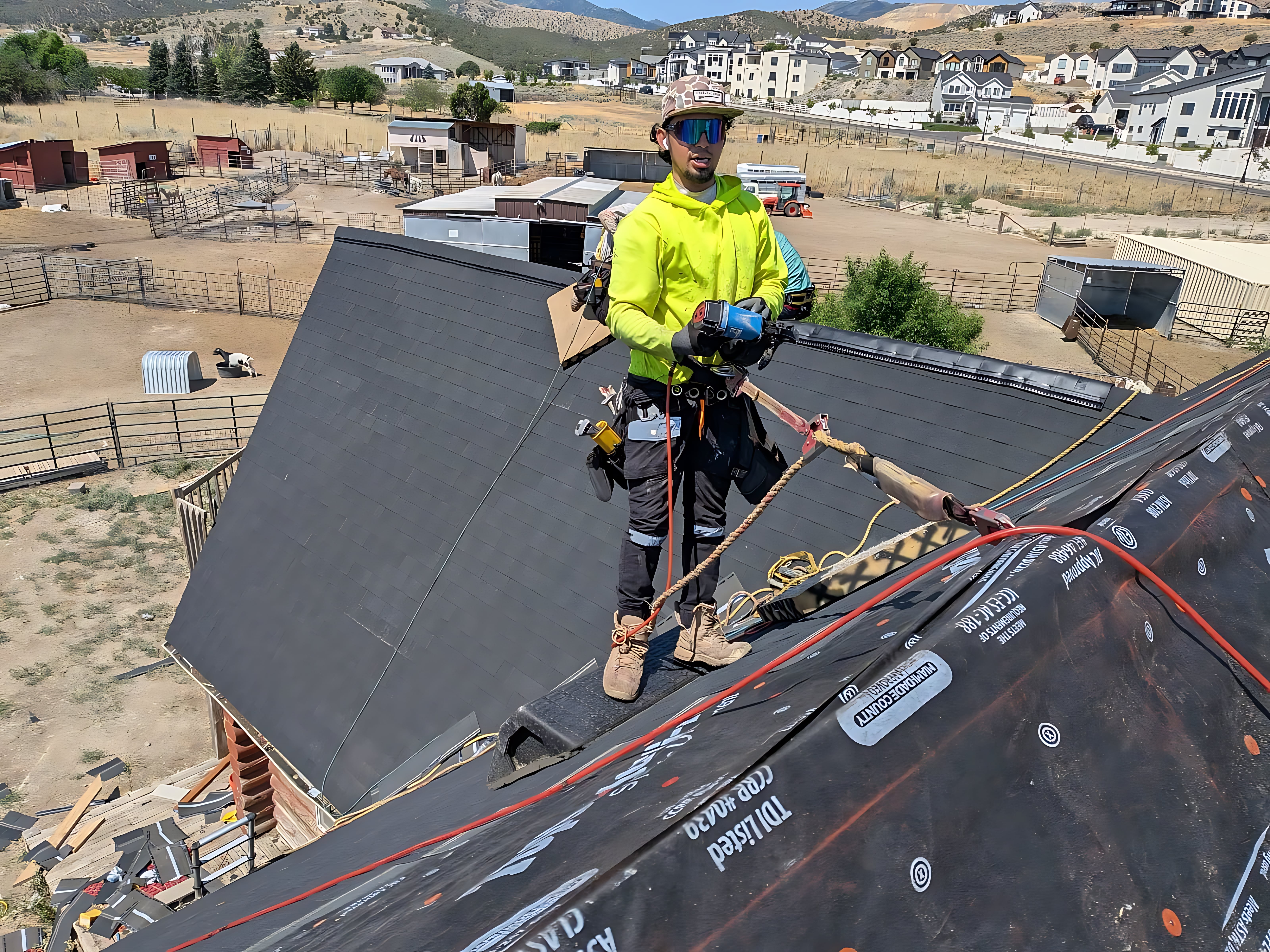
While I love a good camping trip as much as the next guy, there's a reason we focus our professional crews on residential and commercial roofing.
A house roof is a structural system designed to last 30-50 years; an RV roof is a lightweight membrane designed for mobility. The tools, safety protocols, and warranties are completely different.
If you have an RV issue, I always recommend going to a specialized RV service center in Salt Lake or Utah County. They have the indoor bays and the specialized jacks needed to handle a camper safely. But if your house or warehouse is leaking, that's where we come in with our "Wasatch-Proof" forensic audits and master-level installations. We protect the home that your RV is parked next to!
- Specialized RV shops have the indoor facilities to properly cure adhesives.
- Residential roofing crews use different tools and safety gear than RV techs.
- A house roof warranty is typically 50 years; an RV roof is often 10-12 years.
- Focus on your home's "envelope" first to protect all your assets, including the RV.
- Regular house roof inspections can prevent falling debris from damaging your camper.
Wrapping it up
So, there you have it! Whether you're dealing with a leaky camper or a 2,000 sq ft ranch house, the Utah weather is the boss. Keep your RV vents sealed, your rack keys found, and your house roof "Wasatch-Proof." If you're worried about the roof over your head (the one made of shingles or metal), give us a shout. We'll leave the camper work to the trailer pros, but we'll make sure your home is the driest on the block.
Stay safe on the road and stay dry at home, Utah! I'll see you at the trailhead.
Utah Roof Replacement Hub
Explore our comprehensive guides, local pricing, and service area details to help you plan your next roofing project with confidence.
Pricing & Vetting Guides
Priority Local Pages
Utah Roofing Services Directory
Access our full suite of residential and commercial roofing services, local service area pages, and specialized material guides.