Best Roofers in Salt Lake City: 2026 Guide
By Skyridge Ricky • October 15, 2026 • 15 min read
Quick Answer: Who are the best roofers in Salt Lake City?
The best roofers in SLC for 2026 are local, licensed pros who use high-wind (130 MPH) nail patterns and 24-inch ice barriers per local code.
Look for GAF or Owens Corning certified contractors with a physical office in the valley. Avoid "storm chasers" who don't have a Utah DOPL license and a permanent local crew.
Hey there, Salt Lake neighbors! Skyridge Ricky here, back on the ridge and ready to talk about the most important decision you'll make for your home this year. We're talking about finding the best roofers salt lake city ut has to offer. I've spent more time on SLC roofs than I have in my own living room, and let me tell you, I've seen some things that would make your hair stand on end.
I remember my first 'solo' job back in the day, helping a nice lady up in the Avenues. I thought I knew it all, but I didn't account for how that steep slope and the constant canyon wind would try to throw me—and my shingles—right off the hill. It was a humbling lesson: Salt Lake City roofing isn't a one-size-fits-all game. If you're not careful, you'll end up with a roof that looks good for a week and then starts shedding shingles like a dog in the summer.
In this guide, I'm going to show you how to spot a real 'wasatch-proof' pro and avoid the 'shingle-hacks' who just want to take your money and run. We'll talk about why your neighborhood matters, how to read a bid without losing your mind, and why local knowledge is worth its weight in gold. It's a total no-brainer once you see the red flags I'm about to show you. So, grab a coffee, pull up a chair, and let's make sure your home is ready for whatever the Wasatch throws at us in 2026!
Replacement And Buying Paths
Buying guides and replacement articles should route readers into the service pages, pricing tools, and quote path that convert research into projects.
Next steps from this article should include roof replacement services, roof inspection services, shingle roofing services, metal roofing systems.
Request a roofing estimate
Turn buying research into a real estimate.
Request a roofing estimateThe SLC "Hot Zones": Why Your Neighborhood Changes Your Roofing Needs
You might think a roof is just a roof, but in Salt Lake, that's just not true. Depending on which part of the valley you call home, your shingles are fighting a completely different battle. I've spent days in the Avenues where the wind feels like it’s trying to peel the house like a banana. If your roofers salt lake city ut aren't using a high-wind nail pattern up there, you're basically just throwing money into the wind. I once saw a roof near the Capitol where the contractor used standard four-nail patterns, and half the roof ended up in the neighbor's yard after one bad microburst.
Then you've got Sugar House and Yalecrest, where those beautiful, massive old trees are the absolute boss of your gutters. If you live there, your roof's biggest enemy isn't just the sun—it's the pine needles and leaves that turn your drainage system into a swamp. I remember a job on 15th East where the gutters were so heavy with wet gunk they were actually pulling the fascia boards away from the house. A real pro knows that in these neighborhoods, you need a different strategy for drip edges and gutter guards. It's not just about the shingles; it's about making sure the water has a clear exit strategy before it backs up under your roof deck.
Down in Rose Park or Glendale, the battle is all about the heat. Those areas can get a few degrees hotter than the foothills, and that extra 'bake' cooks the oils out of cheaper shingles way faster than you'd think. I’ve inspected ten-year-old roofs in the valley floor that looked like they were thirty because the ventilation was 'shingle-hack' quality. You need someone who understands thermodynamics, not just hammers. If your attic can't breathe in the middle of a July heatwave, your expensive new roof is basically a slow-cooker for your shingles.
Along the East Bench, you're dealing with what I call 'thermal shock' on a daily basis. The sun hits those east-facing slopes hard in the morning, and then as soon as it drops behind the Oquirrh Mountains, the temperature plummets. This constant expansion and contraction can make poor-quality shingles pull their nails and buckle. It takes a local expert to know which material has the flexibility to survive that bench-life.
- Avenues/Foothills: Focus on high-wind nail patterns (6-nail minimum).
- Sugar House/Yalecrest: Heavy-duty gutter systems and leaf protection are mandatory.
- Valley Floor (Rose Park/Glendale): High-reflectivity shingles and superior attic ventilation.
- Draper/Sandy: Reinforced starter strips to handle extreme canyon wind gusts.
- Ice and water shield needs vary based on your specific elevation and slope.
- Bountiful/North Salt Lake: Structurally reinforce decks for heavy lake-effect snow loads.
- East Bench: Use high-flex shingles to survive daily thermal shock cycles.
Vetting SLC Roofers: Red Flags and Green Lights in 2026
Finding roofers salt lake city ut in 2026 is easier than ever thanks to the internet, but man, it's also easier to get scammed. I always tell my friends to look for the 'Green Lights' before they ever sign a contract. The first one is a real, physical local office. I’m not talking about a P.O. Box or a shared desk in a fancy building downtown. You want a place with a yard full of trucks and shingles. If they don't have a local home base, where are they going to be in five years when your chimney starts leaking?
I had a guy call me last year who had hired a 'storm chaser' from out of state. The guy had a great website and a flashy truck, but as soon as the check cleared, his phone number was disconnected. Now, this poor homeowner has a leaking valley and no way to claim his 'lifetime' warranty. It makes my blood boil! A real SLC roofer has a reputation to protect in this town. We see each other at the supply houses and the grocery stores. If we do a bad job, we can't just move to the next state; we have to face our neighbors.
The biggest red flag is the 'Low-Ball Bid.' If one guy is $5,000 cheaper than everyone else, he’s not just being 'efficient.' He’s cutting corners on the stuff you can't see, like the underlayment or the insurance. In 2026, the cost of quality materials is pretty standard. If a price is too good to be true, he’s probably using 'shingle-hack' methods like reusing old flashing or skipping the ice and water shield. I’ve seen guys try to use 'leftover' shingles from different batches on the same roof. It looks like a checkerboard after a few months in the sun!
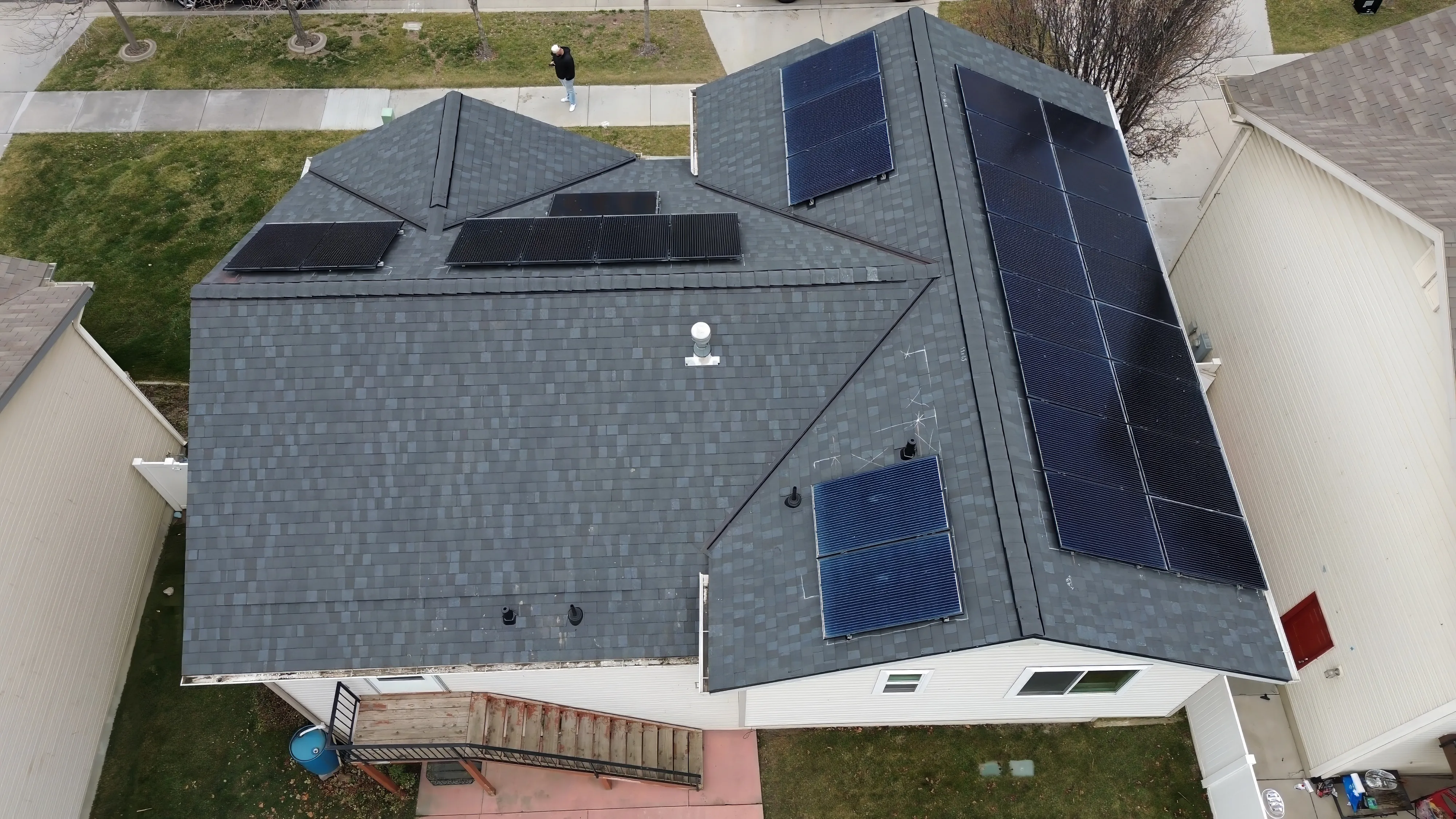
Another green light is the use of modern tech. In 2026, if your roofer isn't using drones for inspections or thermal cameras to find hidden leaks, they're living in the stone age. These tools let us see the 'ghost tracks' of water that a human eye would completely miss. I once found a massive leak in a Harvard-Yale home that three other roofers had missed, just by using a drone to see a tiny crack in a chimney cricket that wasn't visible from a ladder. Tech doesn't replace a hammer, but it sure makes it smarter.
- Red Flag: No permanent local business address or office in Utah.
- Green Light: Active license and clear insurance certificates for workers' comp.
- Red Flag: Demanding a massive cash deposit before materials arrive on site.
- Green Light: Use of drone technology and digital photo audits for transparency.
- Red Flag: Proposals that don't specify the brand and weight of shingles used.
- Green Light: Providing local addresses of completed projects in your zip code.
- Red Flag: High-pressure "sign today" sales tactics and mystery discounts.
Understanding Local Building Codes: Salt Lake City vs. The Valleys
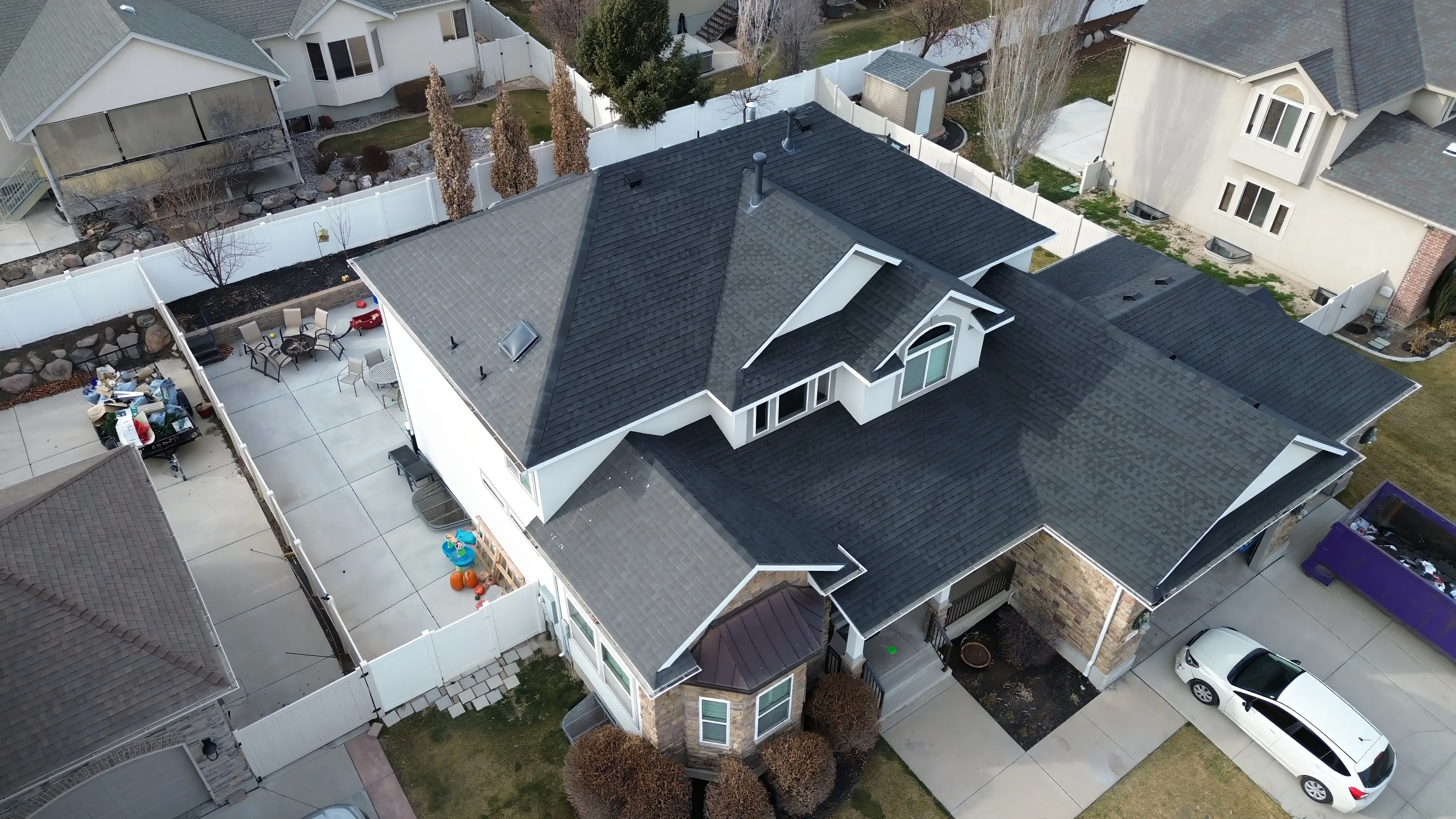
Alright, let's talk about the 'boring' stuff that actually keeps you from getting sued: building codes. Every city in the valley has its own little quirks. Salt Lake City proper is pretty strict, and for good reason! They want to make sure that 'wasatch-proof' isn't just a marketing slogan. One of the biggest things people miss is the ice barrier requirement (R905.1.2). In our climate, if you don't have that sticky ice and water shield extending at least 24 inches past the interior wall line, you're asking for a disaster during the first big melt.
I remember a project in West Valley where a 'shingle-hack' skipped the ice barrier to save a few bucks. That winter, we had a massive lake-effect snowstorm followed by a quick warm-up. The ice dams were huge! The water backed up under the shingles, bypassed the paper underlayment, and poured into the guy's kitchen. If he'd just followed the SLC code, that water would have stayed outside. It’s a classic case of 'saving' $300 to spend $5,000 on drywall and mold remediation later. It's just not worth it, folks.
Then you've got the wind load requirements. Some parts of the valley are designated as 'high wind zones,' especially near the canyon mouths. The code requires specific fastener patterns that are different from what you'd see in the middle of West Jordan. If your roofers salt lake city ut don't pull a permit, they might skip these steps because nobody is checking their work.
I always tell people: a permit is your best friend.
It’s a second set of eyes from the city inspector to make sure your roofer didn't 'forget' to nail something down properly.
Another thing to watch for is the number of layers allowed.
Some cities let you 'roof over' one old layer of shingles, but I’m going to be real with you: that’s a terrible idea.
It’s like putting a clean shirt over a dirty one. You can’t see the rotted wood underneath, and you’re trapping a lot of extra weight on your rafters. In Salt Lake, where we can get two feet of heavy snow overnight, that extra layer can be the difference between a standing roof and a collapsed one. Always do a full tear-off; your house will thank you.
- Ice Barrier: Must extend 24" inside the exterior wall line per local code.
- Wind Loads: Canyon mouths require 130 MPH rated installation techniques.
- Permits: Always demand a city permit; it protects you from "hidden" shortcuts.
- Tear-Offs: Avoid "layovers" even if code allows them—always inspect the deck.
- Ventilation: SLC code requires specific "Net Free Area" calculations for attics.
- Drip Edge: Mandatory on all eaves and rakes to prevent fascia rot.
- DOPL License: Verify that the contractor's license is active and in good standing.
The Cost of Quality: Comparing Salt Lake City Roofing Bids
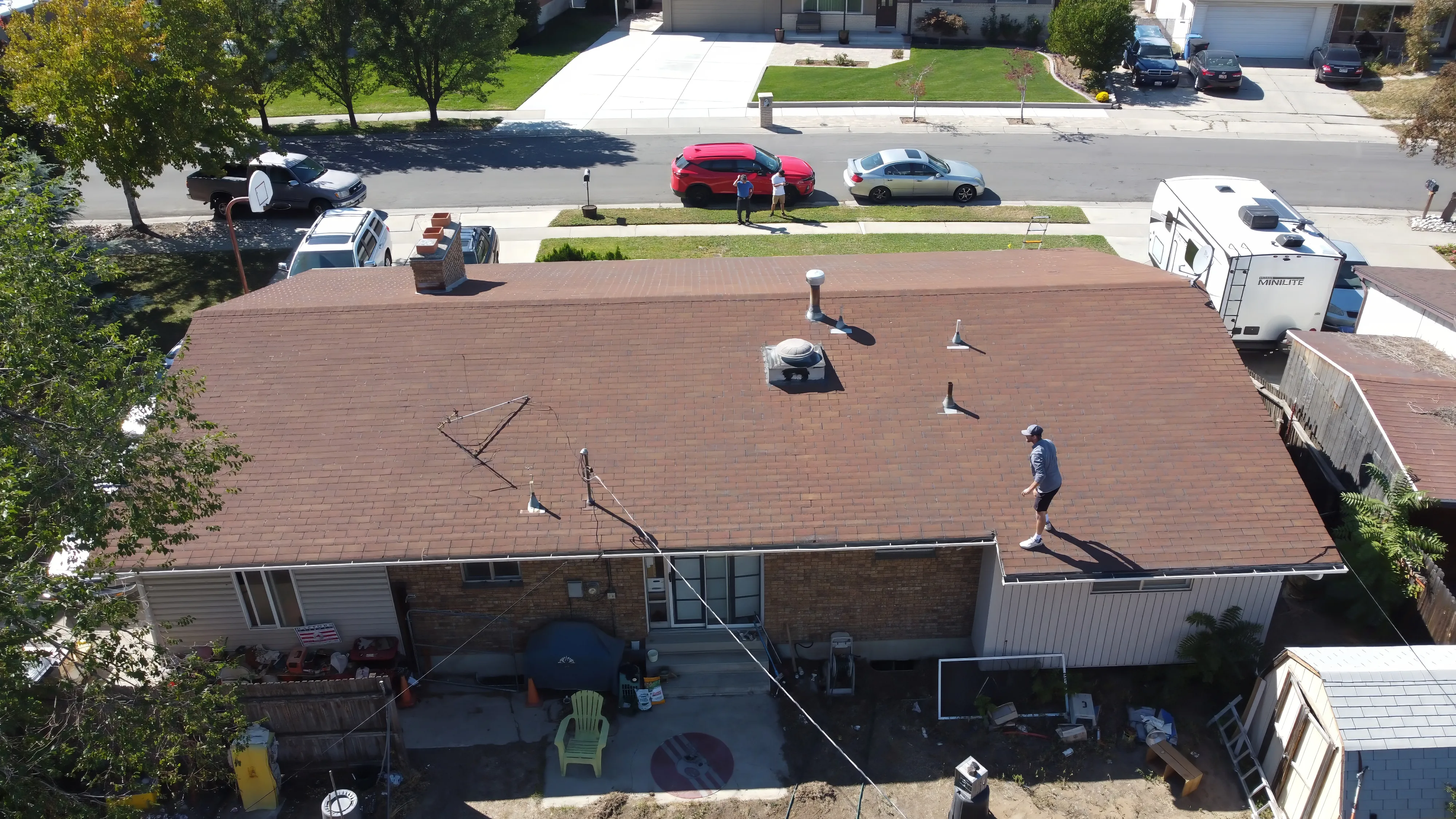
I know the first thing everyone looks at on a bid is the bottom number. I get it! Money doesn't grow on trees, especially not the ones in Sugar House. But comparing bids for roofers salt lake city ut is like comparing a steakhouse to a fast-food joint. They both serve 'beef,' but the experience and the result are going to be very different. In 2026, the average cost for a quality asphalt roof in SLC is ranging from $500 to $800 per 'square' (a 10x10 area). If you see a bid for $350, you need to start asking some very serious questions.
I once helped a buddy in Murray look over three bids. One was $12,000, one was $13,500, and the last one was $8,000. My buddy was leaning toward the $8,000 one, obviously. I looked at the fine print and realized the cheap guy wasn't including 'trash disposal' or 'permit fees.' By the time you added those back in, plus the fact that he was using a 'seconds' grade shingle with no manufacturer warranty, the 'cheap' bid was actually more expensive in the long run. It was a total shingle-hack trap! We went with the middle bid, and ten years later, that roof still looks brand new.
You also have to look at the 'labor' part of the bid. Roofers in SLC have to be tough. Working on a steep pitch in the Avenues in 100-degree heat is brutal work. If a company is paying their guys 'under the table' or doesn't have workers' comp, they can charge less. But if one of those guys falls off your roof, you're the one who might be on the hook for the medical bills. Is saving a few thousand bucks worth risking your entire home's equity? I don't think so. A 'wasatch-proof' pro is fully insured and treats their crew with respect. That’s a cost of quality that I’m always willing to pay for.
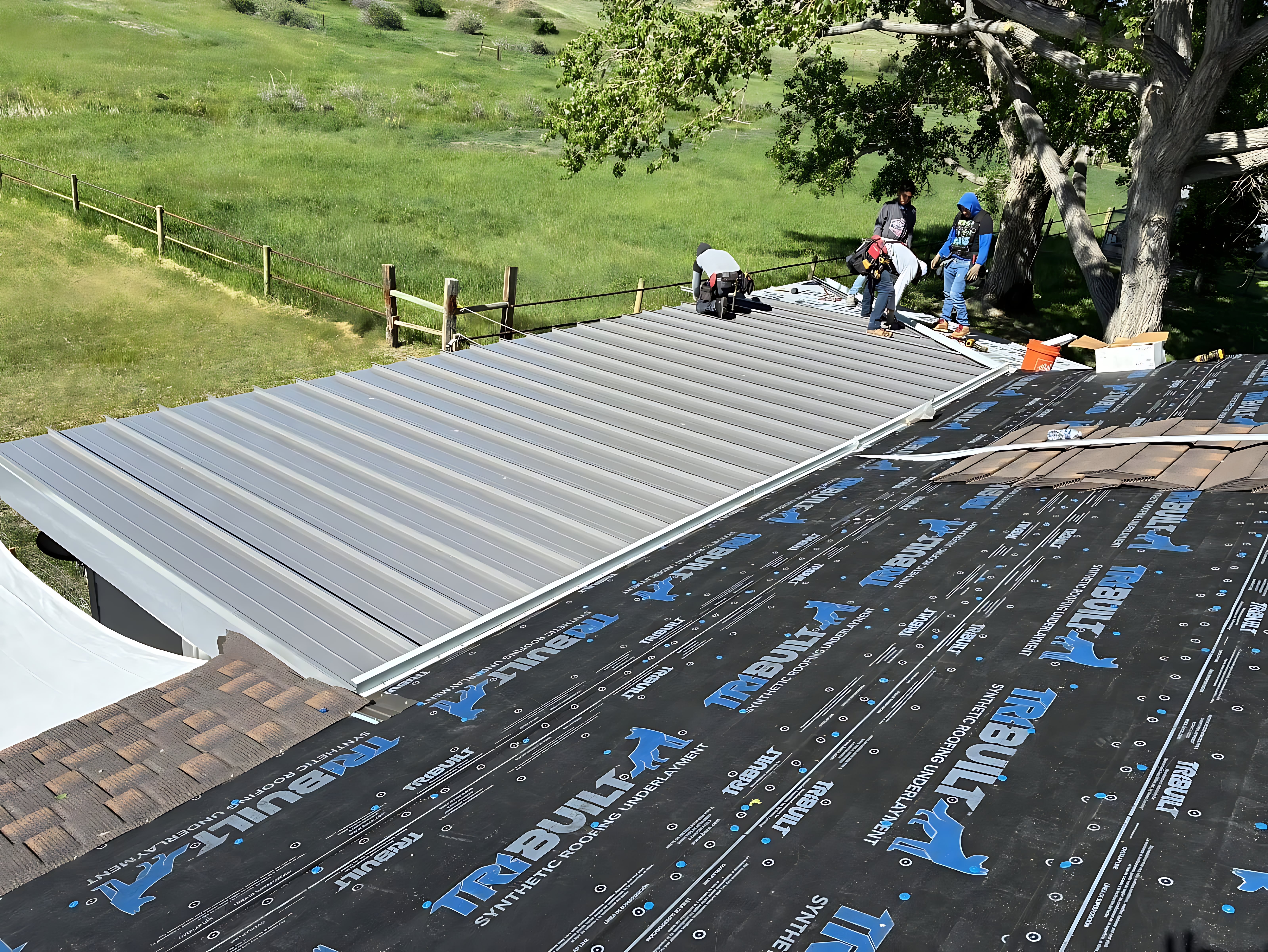
Finally, look at the 'guts' of the system. A good bid should specify exactly what kind of underlayment, drip edge, and ventilation they are using. If it just says 'roof replacement' without the details, they're probably using the cheapest stuff available. In 2026, synthetic underlayment is the standard—it’s lighter, stronger, and doesn't rot like the old felt paper. If your roofer is still using felt, they're living in 1995. You want a roof that's built for the future, not the past.
- Materials: Ensure the bid specifies "Synthetic Underlayment" over "Felt Paper".
- Labor: Verify that the price includes full workers' comp and liability insurance.
- Disposal: Check if dumpster fees and "tear-off" labor are included in the total.
- Warranty: Look for "Enhanced" warranties that cover both labor and materials.
- Hidden Costs: Ask about "decking replacement" costs per sheet up front.
- Flashing: Insist on new, custom-bent metal flashing for all roof penetrations.
- ROI: Consider how a high-quality roof impacts your home's resale value in SLC.
Why Local Expertise is Your Best Warranty in the Wasatch Front
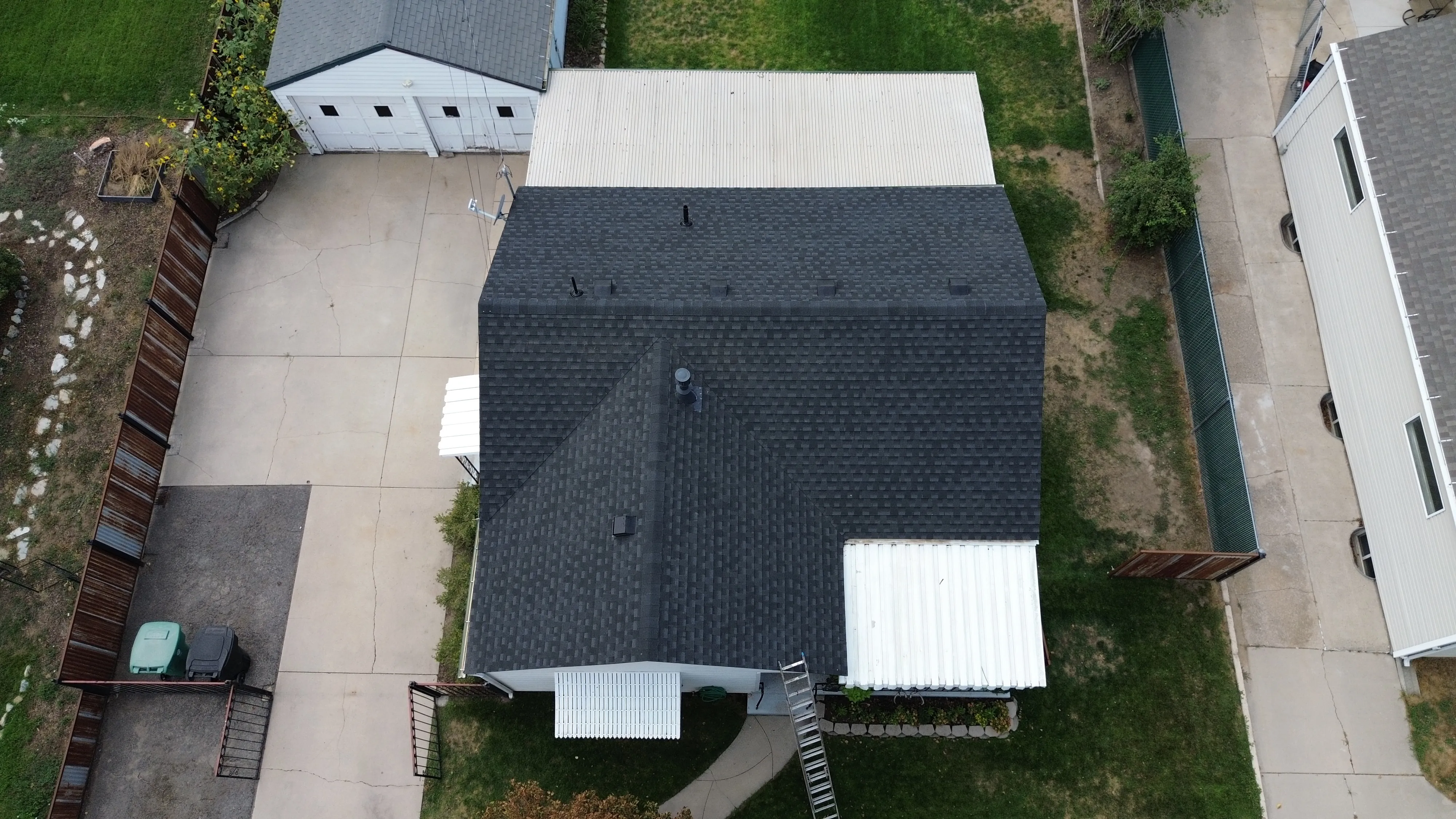
At the end of the day, a warranty is only as good as the company that stands behind it. In the roofers salt lake city ut market, we get a lot of 'storm chasers' who roll in after a hail storm, do a bunch of fast jobs, and then vanish. They might give you a 'lifetime' piece of paper, but that paper is useless if they're back in Oklahoma next week. Local expertise isn't just a buzzword; it's your insurance policy. A local guy knows exactly how the 'lake effect' snow is going to pile up on your specific roofline. He knows which way the wind blows on your street. That’s knowledge you just can’t get from a textbook.
I remember a lady in Millcreek who had a 'mystery leak' for three years. She'd hired two different big-name national companies to fix it, and they both failed. They kept replacing shingles, but the leak kept coming back every winter. I went out there, took one look at the way the snow was drifting off her neighbor's taller house onto her roof, and I knew exactly what was happening. It was an ice dam being caused by a 'snow shadow.' We added some targeted insulation and a specific heat cable system, and she hasn't had a drop since. That’s the power of knowing the local environment.
Local guys also have better relationships with the manufacturers. Since we do so much volume with the local supply houses like Bradco or ABC, we can often get 'extended' warranties that the average Joe can't offer. We're also here for the 'little things.' If a shingle blows off in a random Tuesday windstorm, a local roofer can have a guy out there to fix it in an hour. An out-of-state company isn't going to send a truck 500 miles for a one-shingle repair. They'll tell you they'll 'put you on the list,' and then they'll forget you ever called. It’s frustrating, and it’s why I always tell people to buy local.
Finally, there's the 'thermal shock' factor. Our Utah roofs go from 10-degree nights to 60-degree afternoons in the winter. This 'thermal shock' can make metal flashing buckle and pull its fasteners if it’s not installed with enough room to breathe. A local SLC roofer knows this and plans for it. We've seen what happens when you fight Mother Nature in the Wasatch—you lose every time. Local expertise isn't just about knowing the town; it's about knowing the elements.
- Response Time: Local crews can handle "emergency" repairs within hours, not days.
- Climate Knowledge: Understanding "Thermal Shock" prevents premature shingle buckling.
- Snow Shadows: Local experts identify unique icing patterns caused by SLC architecture.
- Manufacturer Perks: Local volume leads to better "GAF Certified" level warranties.
- Community Accountability: We live here, so we have to do right by our neighbors.
- Supply Chain: Local pros have "priority" access to materials during shortages.
- Inspector Relations: Seamless city approvals because we know and follow the rules.
Wrapping it up
Well, there you have it, folks! My 'Ricky-approved' guide to finding the best roofers salt lake city ut has to offer in 2026. I know it’s a lot to take in—roofing is more complicated than most people think! But if you remember the big things—check for a local office, don't fall for the low-ball bid, and make sure they're following the SLC building codes—you're going to be just fine. Your home is probably your biggest investment, so don't let a 'shingle-hack' treat it like a practice project.
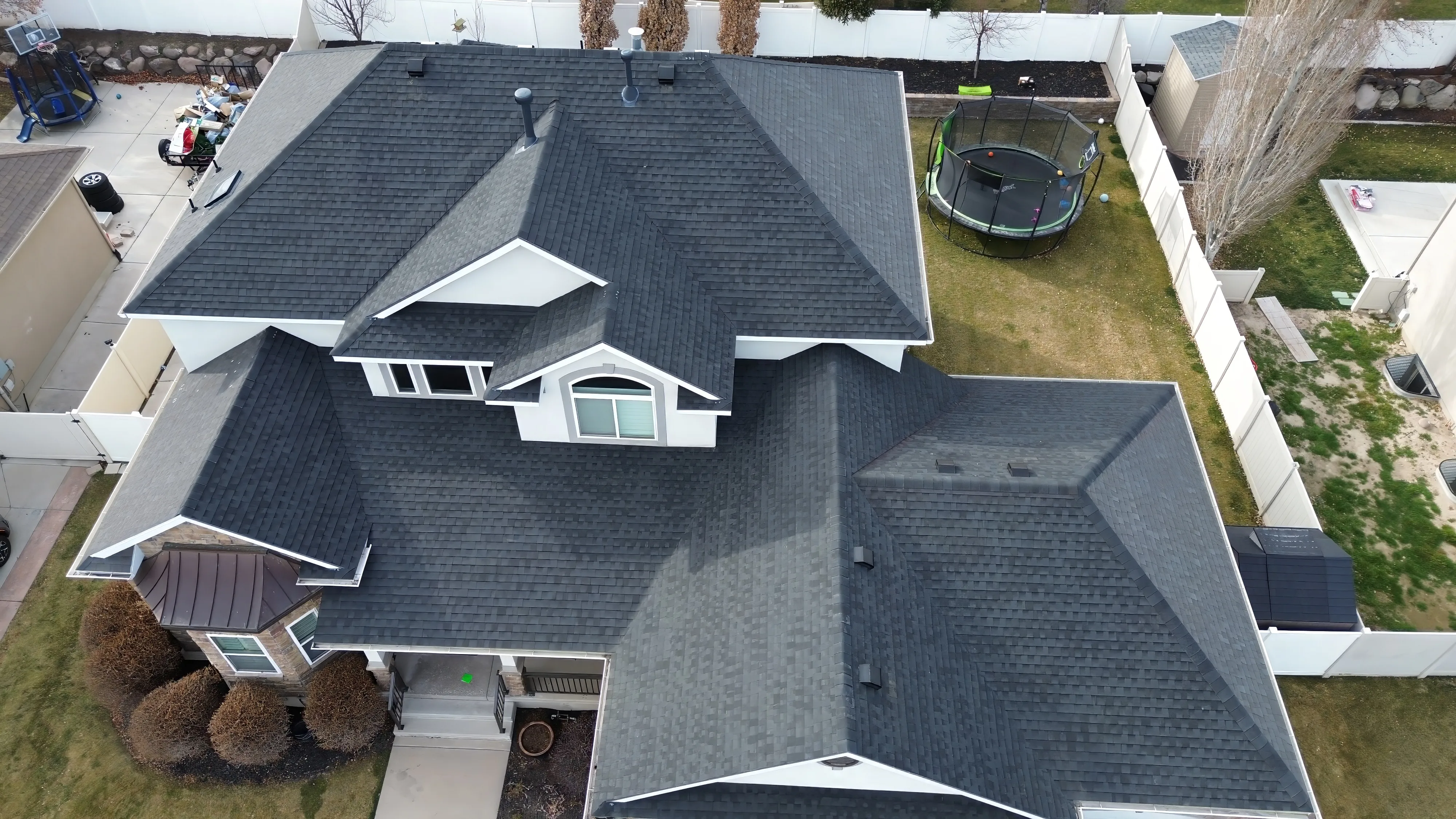
If you're feeling overwhelmed, don't sweat it. That's what we're here for! At Sky Ridge Roofing, we've been walking these SLC ridges for a long time, and we'd love to come take a look at your place. We'll give you a straight-talk assessment, show you some drone photos of what's actually happening up there, and help you make a plan that fits your budget and your neighborhood. No pressure, just honest advice from one neighbor to another. Give us a shout, stay safe on those ladders, and I'll see you on the next ridge! Cheers!
Utah Roof Replacement Hub
Explore our comprehensive guides, local pricing, and service area details to help you plan your next roofing project with confidence.
Pricing & Vetting Guides
Priority Local Pages
Utah Roofing Services Directory
Access our full suite of residential and commercial roofing services, local service area pages, and specialized material guides.