
Roofing a Low Pitch Roof: 2026 Guide
By Skyridge Ricky • March 28, 2026 • 12 min read
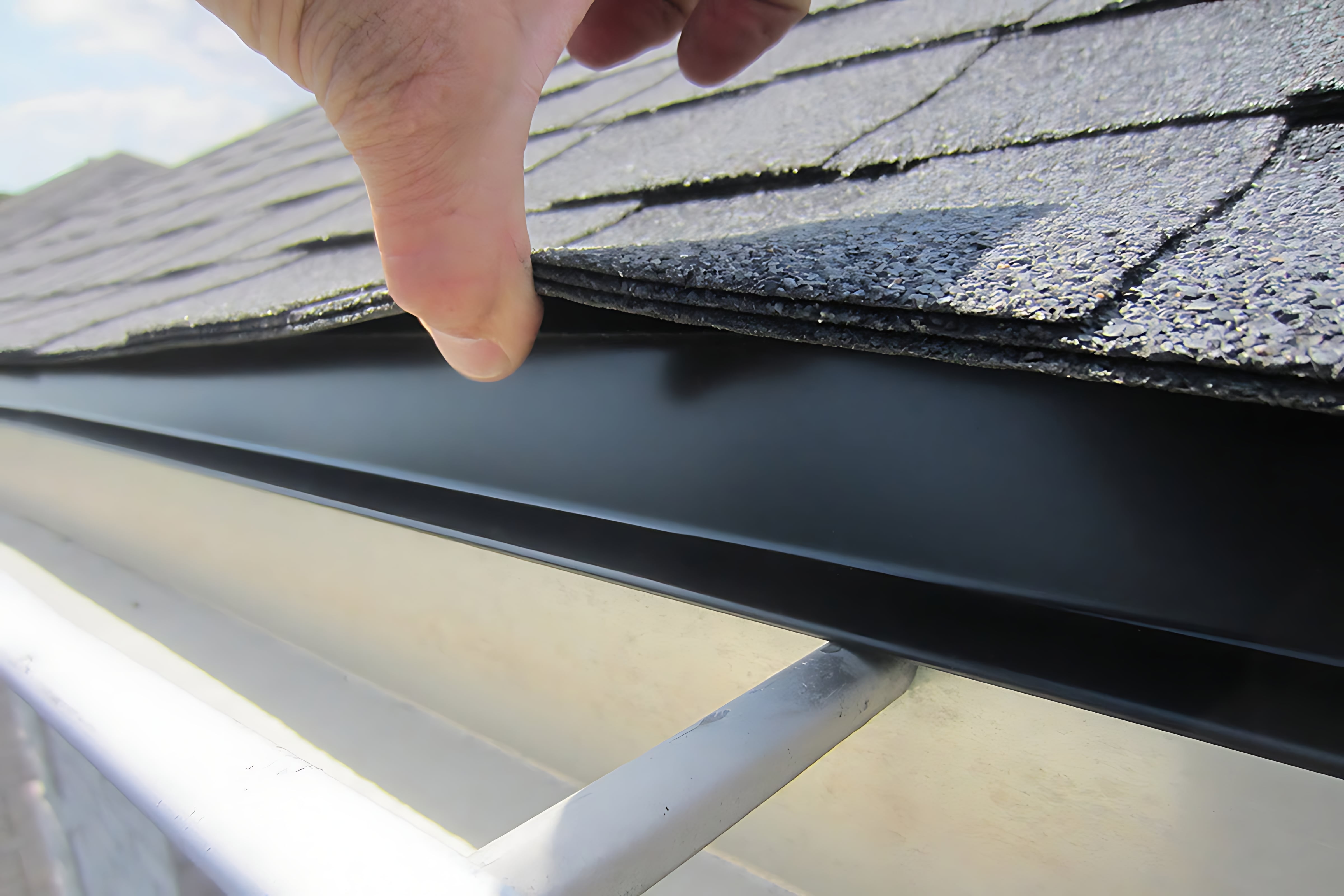
People searching for roofing a low pitch roof are usually dealing with one of two scenarios. Either they are designing or replacing a roof with a slope that looks almost shingle-friendly, or they already have a shallow roof that keeps developing moisture problems around edges, valleys, porches, or transitions. That is exactly where mistakes happen. Low pitch roofs live in the uncomfortable middle ground where the roof may look residential but behaves more like a low-slope water-management problem.
The reason this matters is simple: water drains slower on shallow roofs. That means materials, overlaps, underlayment, and flashing details are tested harder and for longer. A roof system that performs well at a steeper slope can become vulnerable when pitch drops toward the low end of its allowed range. In Utah, snow, ice, spring melt, and wind-driven rain put even more pressure on those details. So the decision is not just what looks good. It is what still sheds water reliably on the pitch the house actually has.
This guide explains what counts as low pitch, where asphalt shingles still work, when membrane or specialty systems become the smarter option, and what details make the difference between a clean-performing shallow roof and a roof that leaks because someone treated it like a standard steep slope. If you are evaluating materials or trying to understand why your low pitch section keeps failing, start here.
Replacement And Buying Paths
Buying guides and replacement articles should route readers into the service pages, pricing tools, and quote path that convert research into projects.
Next steps from this article should include roof replacement services, roof inspection services, shingle roofing services, metal roofing systems.
Request a roofing estimate
Turn buying research into a real estimate.
Request a roofing estimateWhat Counts as a Low Pitch Roof and Why It Changes the Rules
Roofing a low pitch roof starts with understanding the slope. In practical terms, low pitch usually refers to roofs that are shallow enough that water moves more slowly and lingers longer than it would on a conventional steep-slope roof. In residential work, the most common pressure point is around 2:12 to 4:12. That is the range where some materials are still allowed, but the assembly details become more sensitive and the margin for casual installation gets much smaller.
This matters because roofing materials are not interchangeable across slope ranges. Asphalt shingles are a water-shedding material, not a waterproof membrane. They are designed assuming runoff moves downhill with enough speed that laps and seal strips do their job. As slope decreases, the roof relies more heavily on underlayment, ice-and-water protection, flashing discipline, and clean drainage paths. If any one of those pieces is underspecified, the roof becomes much more vulnerable than it would on a steeper roof.
Homeowners often get confused because a 3:12 roof can still look like a normal shingle roof from the ground. But visually familiar is not the same as technically forgiving. Once pitch drops, the roof needs to be approached with more respect for weather behavior. Snow and melt move differently. Debris sits longer. Wind-driven rain has more time to find weak laps. Small layout mistakes that might survive on a steeper roof become leak points on a shallow one.
That is why slope should be measured, not guessed. Roofing a low pitch roof responsibly begins with the actual number, because that number determines which materials and detailing strategies are still safe to consider.
- Low pitch commonly refers to the shallow-slope range where drainage slows and detailing becomes more critical.
- The 2:12 to 4:12 range is often where material rules and installation caution increase sharply.
- A low pitch roof may look shingle-friendly while still behaving more like a drainage-sensitive assembly.
- Water, snow, and debris remain on shallow roofs longer than on steeper slopes.
- The roof should be measured accurately before material decisions are made.
When Asphalt Shingles Can Still Work and When They Should Not
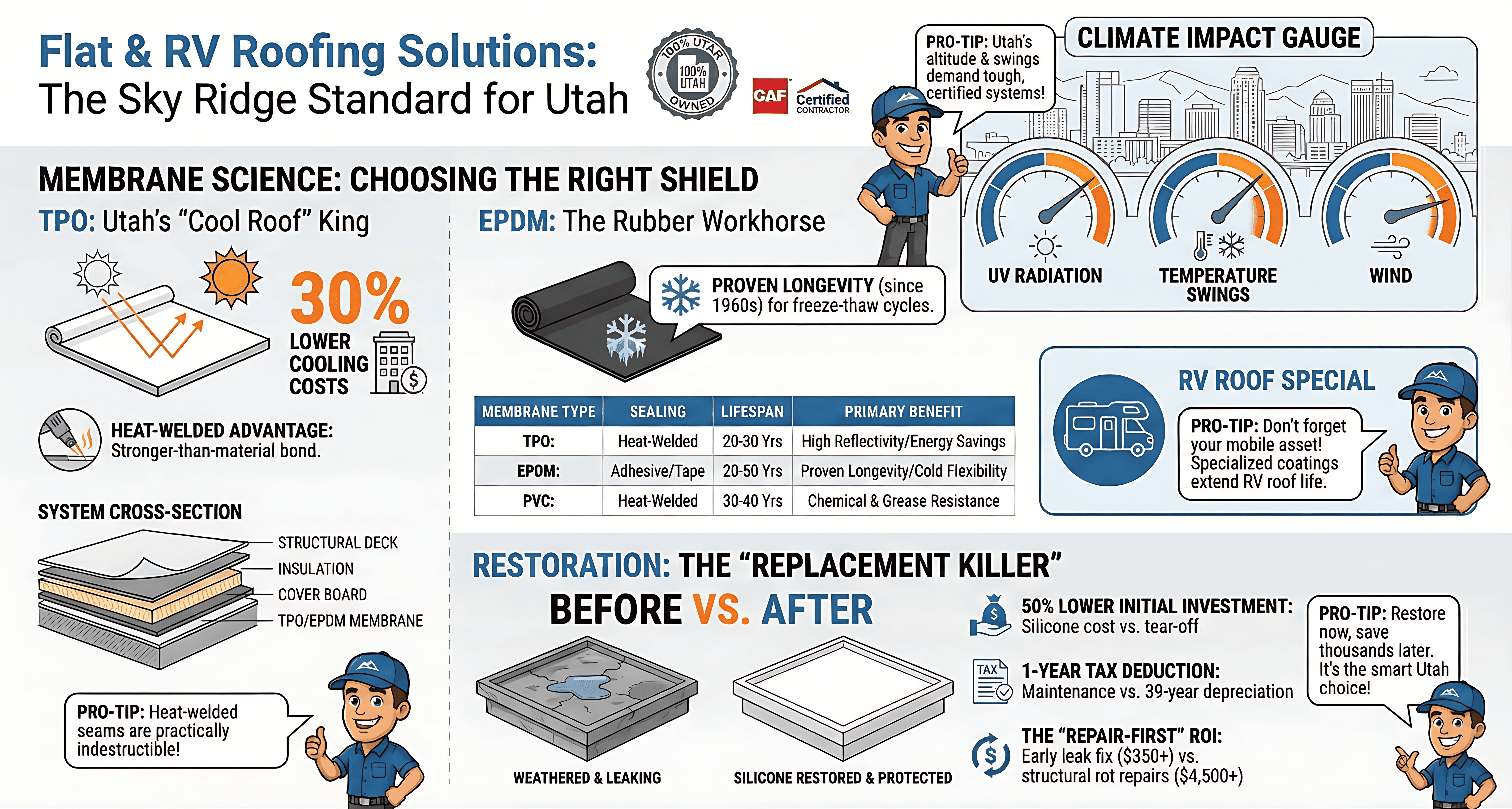
Asphalt shingles can still work on some low pitch roofs, but only within the pitch limits and underlayment requirements set by code and manufacturer instructions. Around the lower end of the allowed range, the roof often needs enhanced underlayment strategy rather than a standard steep-slope setup. That may include double coverage, full ice-and-water protection in vulnerable zones, and tighter attention to valley and transition details. The key point is that “allowed” does not mean “install it like a standard 6:12 roof and hope for the best.”
There is also a point where shingles stop being a wise choice even if someone is willing to install them. Very low slopes, areas with chronic ponding or drainage interruption, and roof sections that repeatedly hold snow and debris are often better served by membrane-style systems or specialty low-slope assemblies. If the roof section keeps behaving like a low-slope roof, it should usually be roofed like one. That is especially true on additions, porch roofs, dead valleys, or long shallow runs below steeper upper roofs that dump heavy runoff onto them.
In Utah, ice and melt behavior push many borderline roofs toward more conservative material decisions. A roof that might technically pass minimum slope rules still may not be the smartest shingle candidate if it sits in shade, handles snow accumulation, or sees concentrated runoff from upper sections. Homeowners should evaluate real exposure, not just minimum manufacturer charts.
The practical rule is simple: use shingles where the roof is still firmly in their performance zone and the detailing can support them. Use low-slope systems where the roof is trying to tell you that water will not leave fast enough for a water-shedding covering to be comfortable.
- Shingles can work on some low pitch roofs, but the lower the slope, the more critical underlayment becomes.
- Code minimums and manufacturer limits should be treated as technical boundaries, not suggestions.
- Very shallow roof sections often perform better with membrane or specialty low-slope systems.
- Concentrated runoff, shading, and snow retention can make a borderline shingle slope a bad real-world choice.
- Material selection should follow how the roof behaves, not just how it looks from the yard.
Underlayment, Ice Protection, and Drainage Details That Matter Most
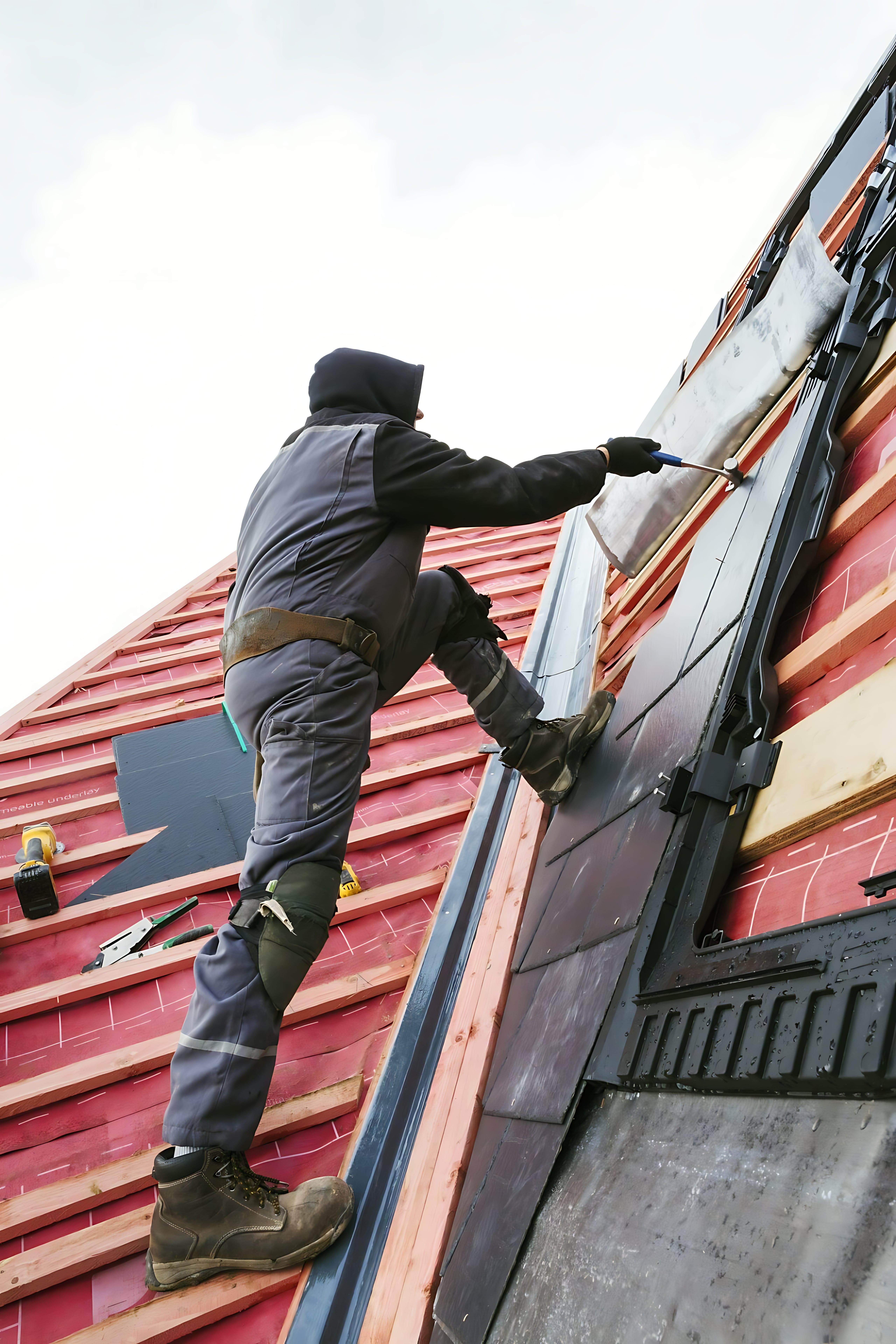
On low pitch roofs, the supporting layers matter almost as much as the visible roof covering. Underlayment is not just backup on these roofs. It is an active part of the moisture-control strategy. Enhanced underlayment coverage, self-adhered ice-and-water products in vulnerable zones, disciplined valley construction, and carefully integrated flashing are what keep a low pitch roof from becoming a recurring leak call.
Drainage details deserve just as much respect. Water does not need to fully pond to create trouble. It only needs to slow down enough that laps, penetrations, or debris-loaded edges stay wetter longer than the assembly was designed for.
That makes gutter function, edge metal, and transition points much more important than many homeowners realize.
A shallow roof with sloppy edge treatment may technically have the right material on it and still leak because the termination details were not built for how slowly water exits the roof.
Snow and ice elevate the stakes.
As snow melts and refreezes, low pitch roofs can see backup behavior similar to low-slope problem areas even when the main roof system is otherwise decent.
If attic heat is escaping unevenly, or if the low pitch section sits below a steeper upper roof dumping meltwater onto it, the detailing has to handle much more than ordinary rainfall. Underlayment decisions that seemed optional on paper suddenly become what saves the interior.
This is why shallow roofs punish shortcuts. If a contractor is light on underlayment explanation, flashing detail, or transition strategy, that is a sign the roof may be getting treated as a normal slope when it should not be.
- Underlayment plays a much bigger role on low pitch roofs than on conventional steep slopes.
- Ice-and-water protection and disciplined flashing are often decisive on shallow roofs in Utah.
- Edge metal, gutter behavior, and transition details matter because water exits more slowly.
- Upper roof runoff and uneven melt can overload low pitch roof sections quickly.
- Low pitch roofs are less tolerant of shortcuts in the hidden layers of the assembly.

Common Failure Patterns on Low Pitch Residential Roof Sections
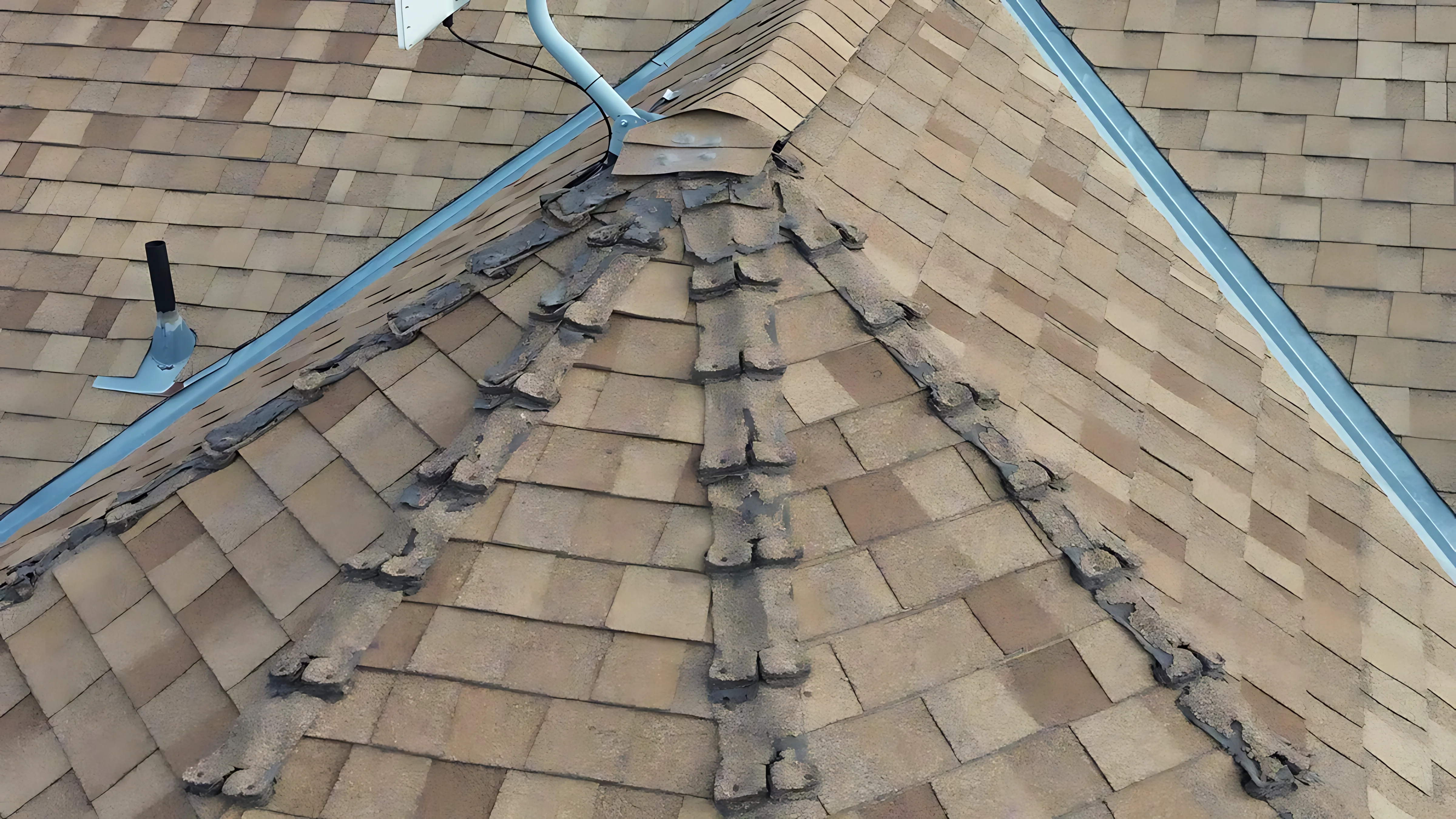
The most common failures on low pitch residential roofs are recurring leaks at transitions, backed-up water at edges, membrane or shingle fatigue in runoff-heavy zones, and hidden moisture beneath sections that looked fine from the ground. Valleys are frequent offenders, especially where steeper slopes feed concentrated water into a shallow lower roof. Porch roofs, dormer tie-ins, and dead valleys often tell the same story: the roof section was treated like a decorative extension of the main roof instead of a more demanding water-control problem.
Another common failure is material mismatch. A low pitch section may have been roofed with the same material as the main house for visual continuity, even though the slope really called for a different assembly. At first that can look clean. Over time the lower section starts staining, leaking, or weathering differently because the material is working closer to its limit than the rest of the roof is. Homeowners often end up repairing that one section repeatedly while the main roof stays relatively stable.
Drainage neglect also shows up fast. Debris accumulates more easily on shallow roofs. Gutters that overflow, leaves that sit at the edge, and snow that lingers create longer wetting cycles than the roof was designed to shrug off casually. If the slope is already borderline, those maintenance issues accelerate the failure pattern.
The theme behind most low pitch roof problems is not mystery. It is underestimating how different shallow roof behavior is from standard steep-slope behavior. Once the roof is treated according to how water actually moves on it, the failure patterns usually make a lot more sense.
- Low pitch leaks often appear at valleys, transitions, porches, and shallow lower roof sections.
- Material mismatch is a common reason one roof section fails while the main roof seems fine.
- Debris and overflow create longer wetting cycles on shallow roofs than on steeper ones.
- Repeat repairs on one shallow section usually indicate a system mismatch or detailing issue.
- Most low pitch roof failures come from treating the section like a normal slope when it is not.
How to Choose the Right Contractor for a Low Pitch Roof
If your roof has shallow sections, hire a contractor who talks first about slope, drainage, and assembly design, not just shingle color or square count. Low pitch roofs require more judgment because the correct answer may be a hybrid of materials or a different system entirely on one section of the house. A contractor who treats every roof as a shingle roof with minor tweaks is more likely to miss the detail that keeps causing problems.
Ask what material the contractor recommends for the exact pitch and why. Ask how underlayment changes at that slope. Ask what happens at transitions, valleys, and edges. If the low pitch section has leaked before, ask whether the recommendation changes because of the leak history. These are not picky questions. On shallow roofs, they are the questions that separate a durable scope from a repeat callback.
It also helps to ask whether the contractor has specific experience with low-slope residential sections, membrane tie-ins, or mixed-material assemblies. Some of the best answers come from roofers who are comfortable explaining when a membrane is smarter than a shingle and when a shingle can still work if the hidden layers are upgraded correctly. That level of honesty is a strong signal that the roofer is fitting the system to the roof rather than fitting the sale to the easiest material.
When in doubt, the safer choice on a low pitch roof is usually the one that gives water less opportunity to linger and less opportunity to find a weak lap. That is the mindset a good contractor should bring to the conversation.
- Choose a roofer who evaluates slope and drainage before discussing appearance alone.
- Ask how material choice and underlayment strategy change at the measured pitch.
- Transition and valley detailing should be part of the recommendation, not an afterthought.
- Experience with low-slope residential sections is a real advantage on shallow roofs.
- The best contractor matches the assembly to water behavior, not just to curb appeal.
Wrapping it up
Roofing a low pitch roof is really about respecting how slowly water leaves the roof and choosing a system that remains dependable under that condition. Some shallow roofs can still perform with shingles if the slope, underlayment, and detailing all support them. Others are better served by membrane or low-slope assemblies that match the way the roof actually behaves.
The mistake is not owning a low pitch roof. The mistake is pretending it follows the same rules as the steeper roof right next to it. Once the material and detailing follow the real slope, the roof usually becomes much easier to trust.
Questions this guide answers
Quick answers tied to roofing a low pitch roof.
Utah Roof Replacement Hub
Explore our comprehensive guides, local pricing, and service area details to help you plan your next roofing project with confidence.