Eagle Mountain Roof Replacement Guide (2026)
By Skyridge Ricky • March 29, 2026 • 12 min read
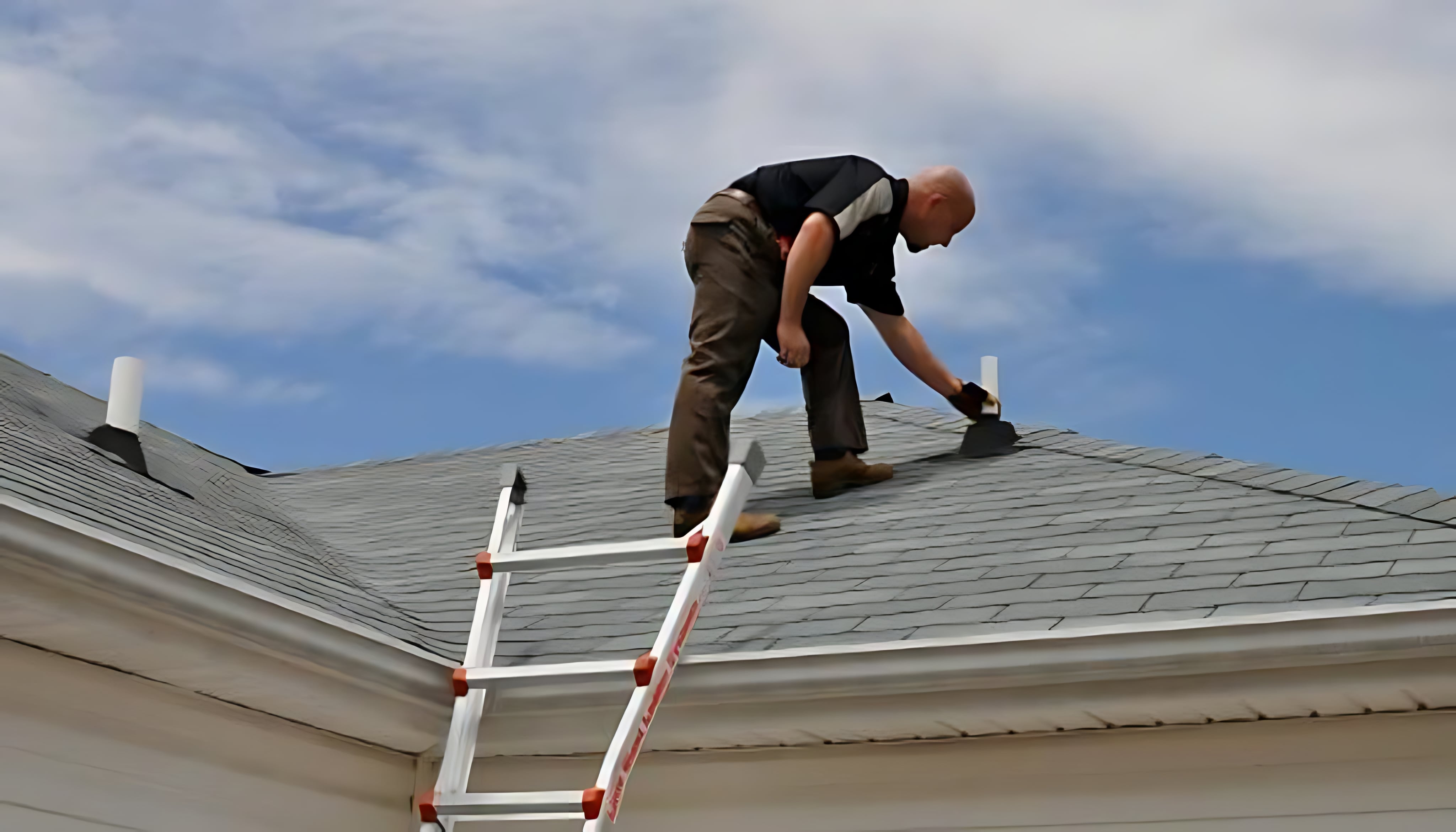
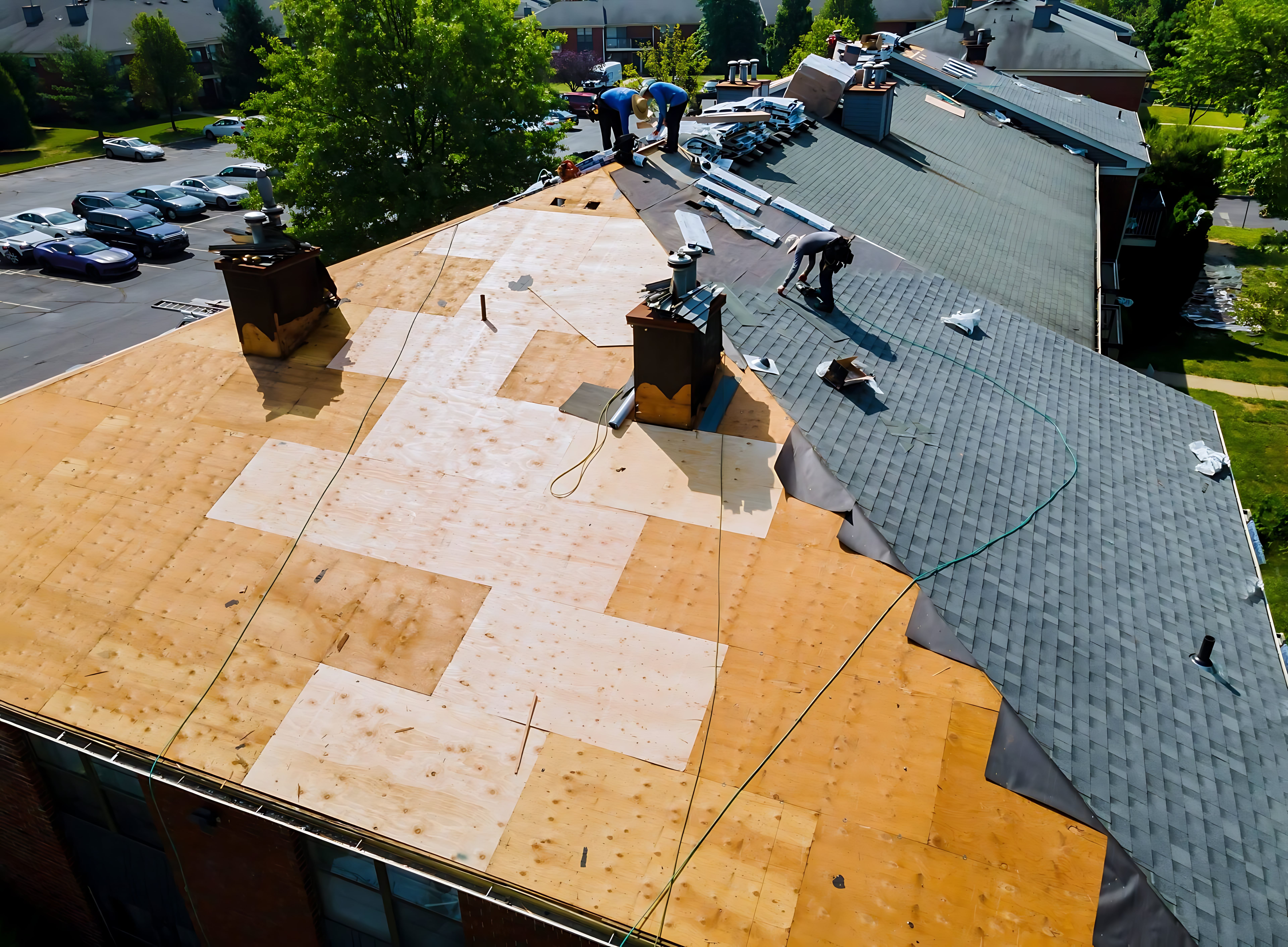
If you are shopping for Eagle Mountain roof replacement, you are probably dealing with one of the more exposure-driven roofing markets in Utah County. Large open-terrain neighborhoods can take harder wind and faster storm movement than denser cities nearby, which changes how roof damage shows up and how long repairs tend to hold.
That matters because Eagle Mountain homeowners are often comparing roofs that look newer than they actually perform. Builder-era systems can age unevenly under open sun, uplift pressure, and repeated storm movement. The right replacement decision should account for that broader pattern instead of assuming the roof is fine because the house itself is not old.
This guide is written for transactional Eagle Mountain homeowners comparing replacement in 2026. It covers when wind-driven wear usually pushes a roof into replacement, which systems fit best, what strong bids should include, and the buyer-resource questions that make quote comparison more honest.
Replacement And Buying Paths
Buying guides and replacement articles should route readers into the service pages, pricing tools, and quote path that convert research into projects.
Next steps from this article should include roof replacement services, roof inspection services, shingle roofing services, metal roofing systems.
Request a roofing estimate
Turn buying research into a real estimate.
Request a roofing estimateEagle Mountain timing table: when replacement usually beats another repair
Quick answer
In Eagle Mountain, replacement usually deserves serious comparison when uplift wear, repeated storm-related repairs, aging builder-era materials, or broader edge-detail failure show that the roof is no longer holding repair work reliably.
Eagle Mountain roofs often move into replacement because the same weather pressure keeps finding the same assembly weaknesses. One storm may lift tabs. The next may reopen flashing details or expose ridge wear. At a certain point, repairs are no longer improving the long-term outlook enough to justify more patching.
| Roof Condition | Usually Repair-First | Usually Replacement-First |
|---|---|---|
| One isolated storm event on otherwise healthy roof | Often yes | Not usually |
| Repeated uplift wear across multiple sections | Sometimes, but confidence usually drops quickly | Often yes |
| Builder-era roof with recurring detail failures | Rarely durable long term | Usually yes |
| Storm history plus ridge and edge weakness | Only if the broader assembly still has strong life left | Frequently yes |
The best Eagle Mountain replacement recommendation should explain why the roof is no longer a strong repair roof. That explanation should tie directly to local wind exposure and how the current assembly has already responded to it.
- Eagle Mountain roofs often age into replacement through repeated wind stress rather than one dramatic failure.
- A repairable roof is not always worth continuing to repair if the same exposure keeps reopening weak details.
- The strongest recommendation ties replacement timing to exposure and assembly quality.
Eagle Mountain system comparison table: standard shingles vs wind-ready shingles vs metal
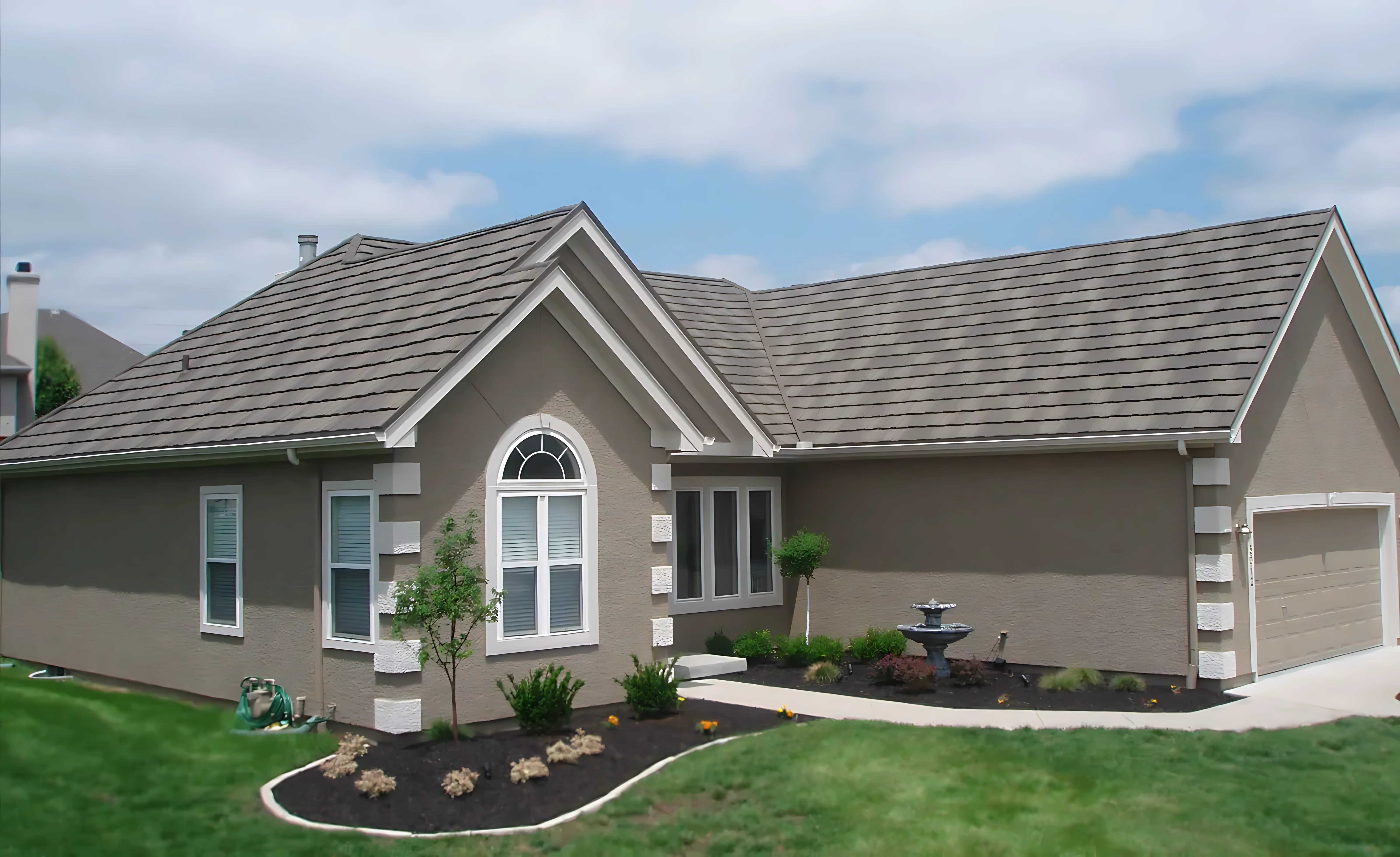
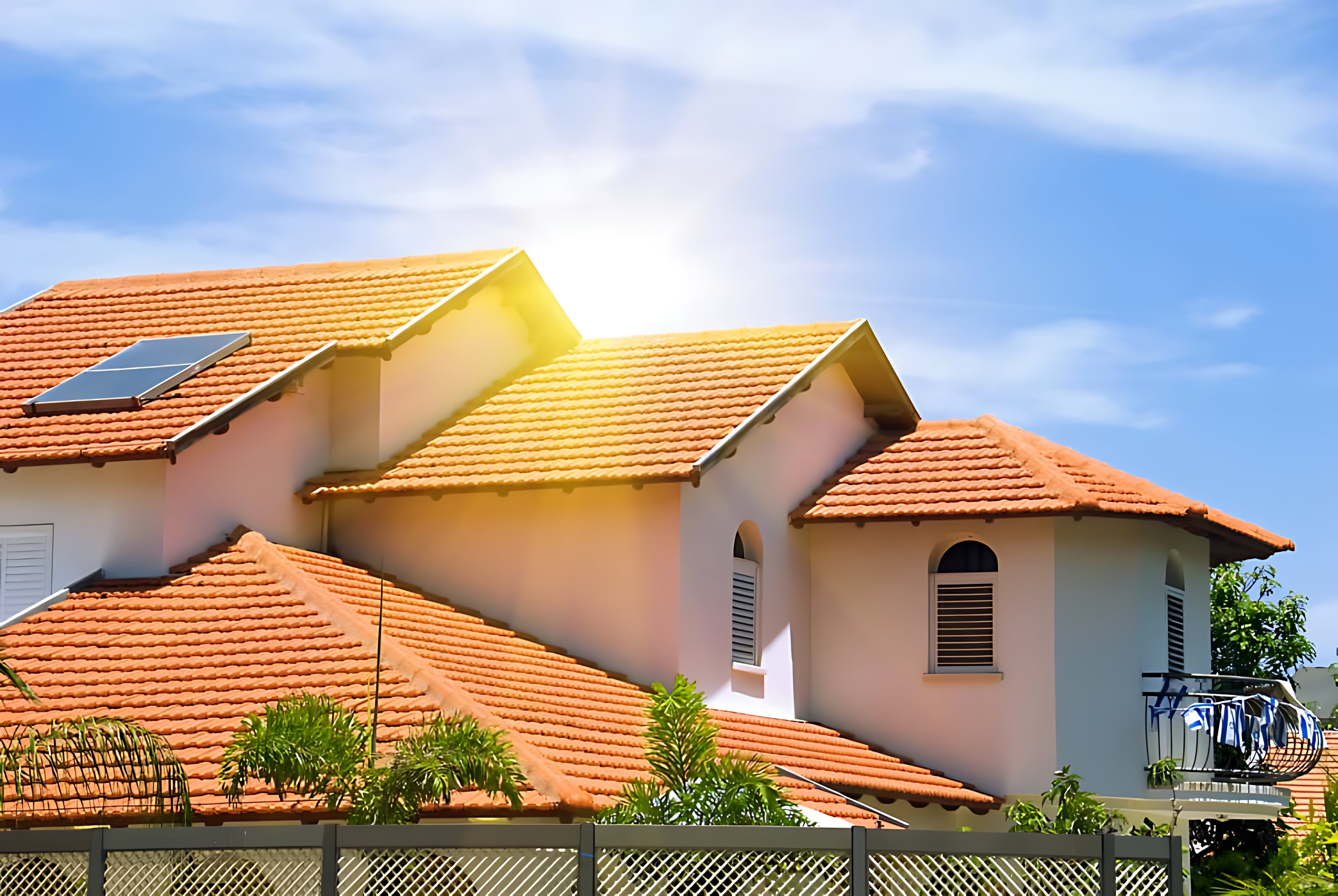
Most Eagle Mountain buyers are comparing practical value against stronger wind performance and longer lifecycle value. Standard architectural shingles can still fit many homes well. Wind-ready shingle systems make sense when exposure is higher. Standing seam metal becomes more attractive for long-hold owners or premium exposed properties where lifecycle value matters more than first cost.
| System | Best Fit in Eagle Mountain | Main Value | Buyer Caution |
|---|---|---|---|
| Architectural shingles | Most standard Eagle Mountain residential replacements | Balanced cost and broad neighborhood fit | Still depends heavily on fastening and edge-detail quality |
| Wind-ready shingle system | Homes with broader exposure or owners wanting more resilience | Stronger performance story without moving fully to metal | Costs more and only helps if installation details improve too |
| Standing seam metal | Long-hold owners and premium exposed properties | Strong lifecycle value and lower long-term maintenance | Higher first cost and not necessary for every Eagle Mountain roof |
The right Eagle Mountain system should match both the house and the budget horizon.
The smartest roof is the one that fits local exposure and ownership goals, not just the lowest or highest total on the page.
- Architectural shingles remain the common Eagle Mountain default.
- Wind-ready shingles are often the middle path for exposure-conscious buyers.
- Metal fits best when the owner is intentionally buying lifecycle value on a more exposed property.
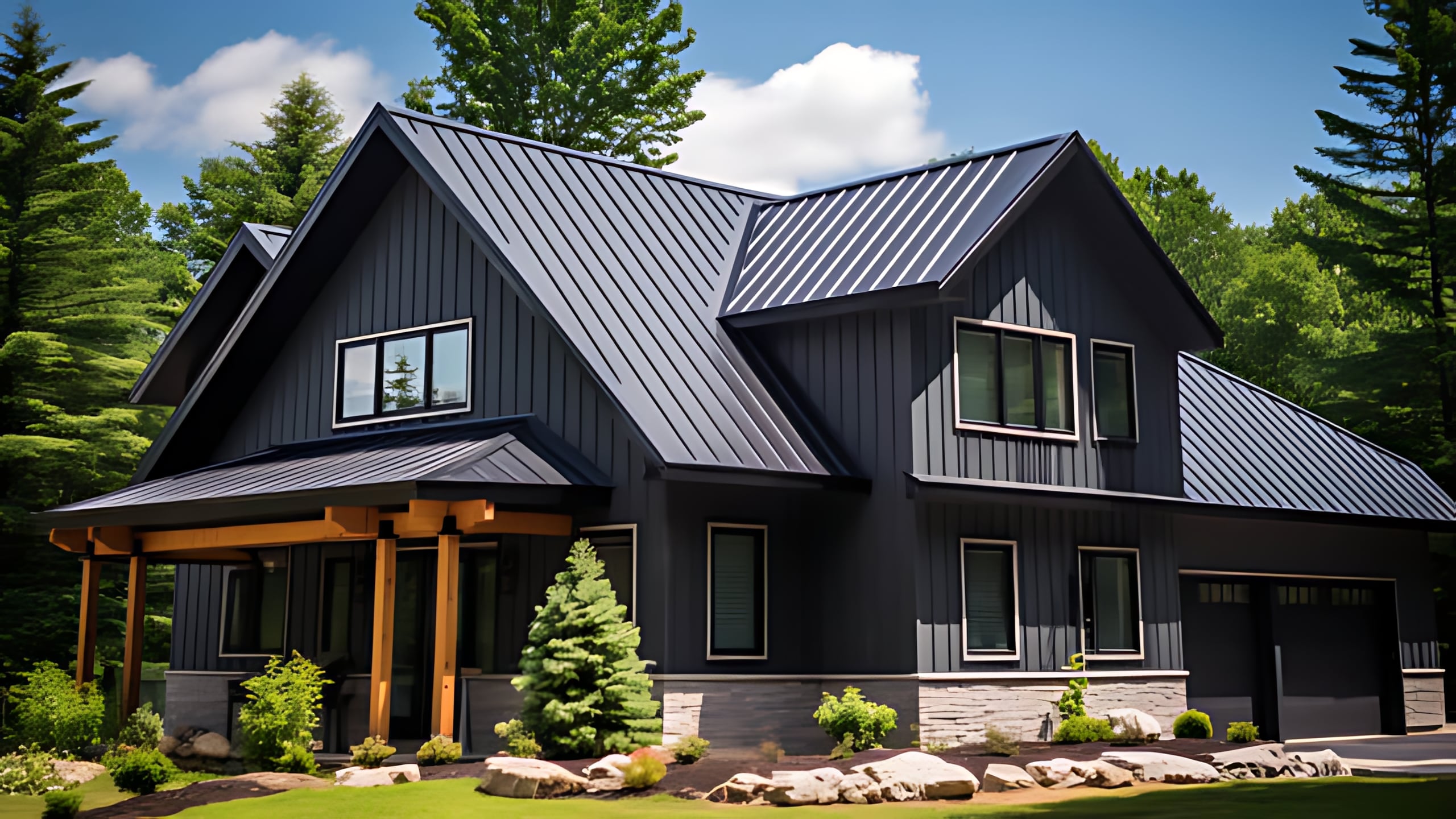
Buyer table: what an Eagle Mountain roof replacement proposal should explain
A strong Eagle Mountain proposal should read like a weather strategy, not just a product list.
If the bid does not explain fastening, edges, flashing, and hidden-condition handling clearly, the homeowner still does not really know what roof they are buying.
| Proposal Item | Why It Matters in Eagle Mountain | Red Flag If Missing |
|---|---|---|
| Fastening and edge-detail strategy | Open-terrain wind punishes weak installation details quickly | The quote may treat a high-exposure roof like a sheltered one |
| Flashing and transition scope | Many recurring leaks begin where materials change | The proposal may replace shingles while leaving weak details behind |
| Underlayment and ventilation review | Dry-in quality and attic performance affect roof life directly | The new roof may inherit old assembly weaknesses |
| Hidden-condition process | Builder-era systems may reveal more work after tear-off | Change-order surprises after the project starts |
Once Eagle Mountain buyers compare bids by scope instead of totals alone, the safest proposal usually becomes much easier to spot.
The strongest quote explains what roof is actually being built and why.
- Eagle Mountain buyers should compare bid detail before total price.
- Fastening, edge work, flashing, and underlayment language usually separate strong proposals from thin ones.
- A clear proposal gives the homeowner a better chance to buy the right roof the first time.
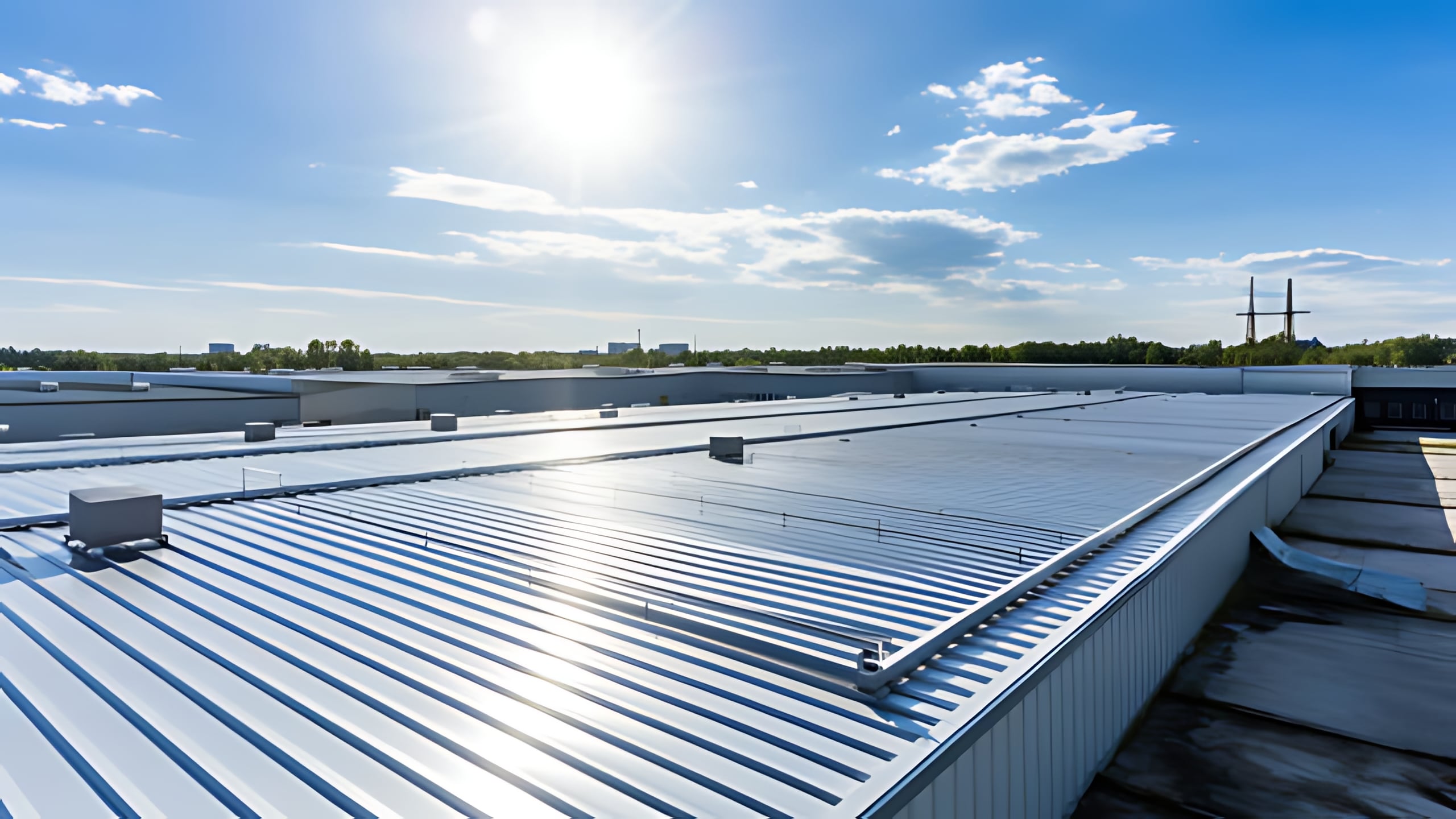
Best next step before choosing an Eagle Mountain replacement contractor
The best next step is a documented inspection that defines whether the roof needs straightforward replacement parity, a stronger wind-ready assembly, or a broader correction to underlayment and edge details.
That gives the homeowner a cleaner basis for comparing quotes honestly.
Homeowners should also decide whether they are optimizing for efficient durable replacement or longer lifecycle value. Both can work. They just lead to different systems and different budgets.
- A documented inspection gives Eagle Mountain buyers a stronger starting point for comparison.
- The buyer’s budget horizon should guide the system choice before price becomes the only metric.
Wrapping it up
Eagle Mountain roof replacement is easier to buy well when homeowners compare wind exposure, system fit, and proposal detail together. The best contractor is the one who explains clearly what roof is being built and why that assembly fits local conditions.
Once that is clear, buyers can make a replacement decision that feels durable, local, and financially defensible.
Questions this guide answers
Quick answers tied to Eagle Mountain roof replacement.
Utah Roof Replacement Hub
Explore our comprehensive guides, local pricing, and service area details to help you plan your next roofing project with confidence.
Pricing & Vetting Guides
Priority Local Pages
Utah Roof Repair Hub
Compare repair costs, local pros, and professional guidance to ensure your Utah roof is restored correctly and efficiently.