
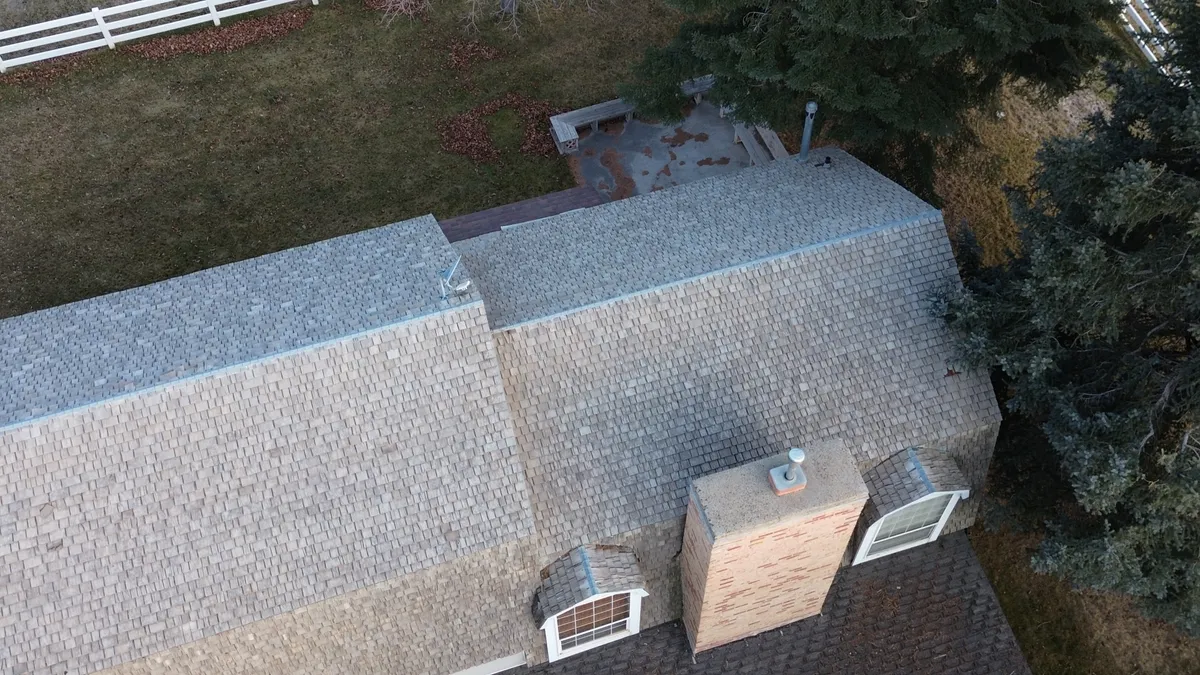
I was talking to a neighbor in Sandy last week who was heartbroken. He had a five-year-old roof that was leaking around the chimney, and when he called the original roofer, the guy had disappeared! He thought his "Lifetime Material Warranty" would cover it, but he found out the hard way that materials aren't the same as labor.
Understanding your roof warranty in Utah is like knowing how to read a map—if you don't know the symbols, you're going to get lost. In our state, where the sun bakes shingles and the wind tries to peel them off, your warranty is your only safety net. Let me break down what those fancy certificates actually mean for your wallet.
Material vs. Labor: The Great Warranty Divide
Most folks see "50 Year Warranty" on a shingle bundle and think they are set for life. But that's a manufacturer warranty. It only covers the shingles themselves if they are defective. It does NOT cover the guy who didn't use enough nails or messed up the flashing. If the installation was wrong, the shingle company will just say, "Sorry, not our fault!"
That's why the labor warranty (or workmanship warranty) from your contractor is actually more important. In Utah, I recommend looking for a minimum of 10 years on labor. At Sky Ridge, we provide Master Elite-level warranties that bridge the gap, covering both the materials and the work for decades. If you don't have both, you're only half-protected.
Professional Takeaways
- Material Warranties: Only cover defects in the shingles/metal
- Workmanship Warranties: Cover the actual installation quality
- Utah Code: Requires specific underlayments to keep warranties valid
- Enhanced Warranties: Can cover both labor and materials for 25+ years
Wrapping it up
A warranty is only as good as the company standing behind it. Before you sign that contract, ask for the warranty details in writing. If they can't explain the difference between a standard and an enhanced warranty, keep looking! Stay protected and keep those shingles tight!