
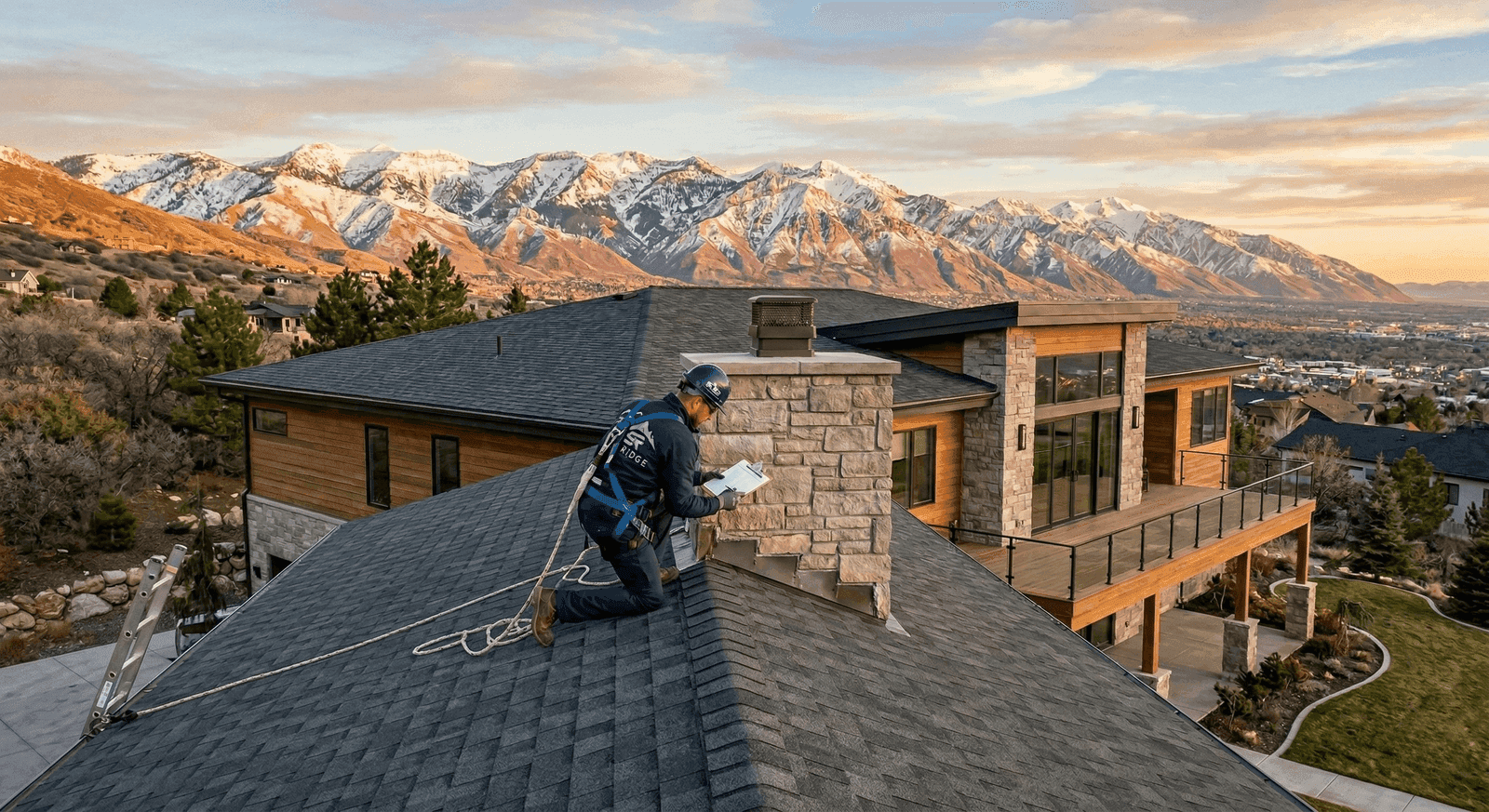
I was sitting in my truck outside a house in Sandy last Tuesday, watching the rain hammer down on the windshield. The homeowner, a nice lady named Susan, was practically shaking when she showed me the brown circle forming above her dining room table. Her first question wasn't "Can you fix it?"—it was "Ricky, how much does it cost to repair a roof like this?" She was terrified she was looking at a $10,000 bill just because of one tiny drip. It's a scary spot to be in!
Did you know that most homeowners wait an average of three weeks after seeing a stain before they call a pro? That's three weeks of water soaking into your insulation and rot eating your rafters! In Utah, we've got some of the most extreme weather in the country, and that means our roof repair costs can be a bit of a roller coaster. I've spent forty years on these ridges, and I'm going to give you the straight talk on what you're actually going to pay in 2026. No sales fluff, just the real numbers from a guy who has climbed ten thousand ladders.
Average Roof Repair Costs: What to Expect for Your Wallet in 2026
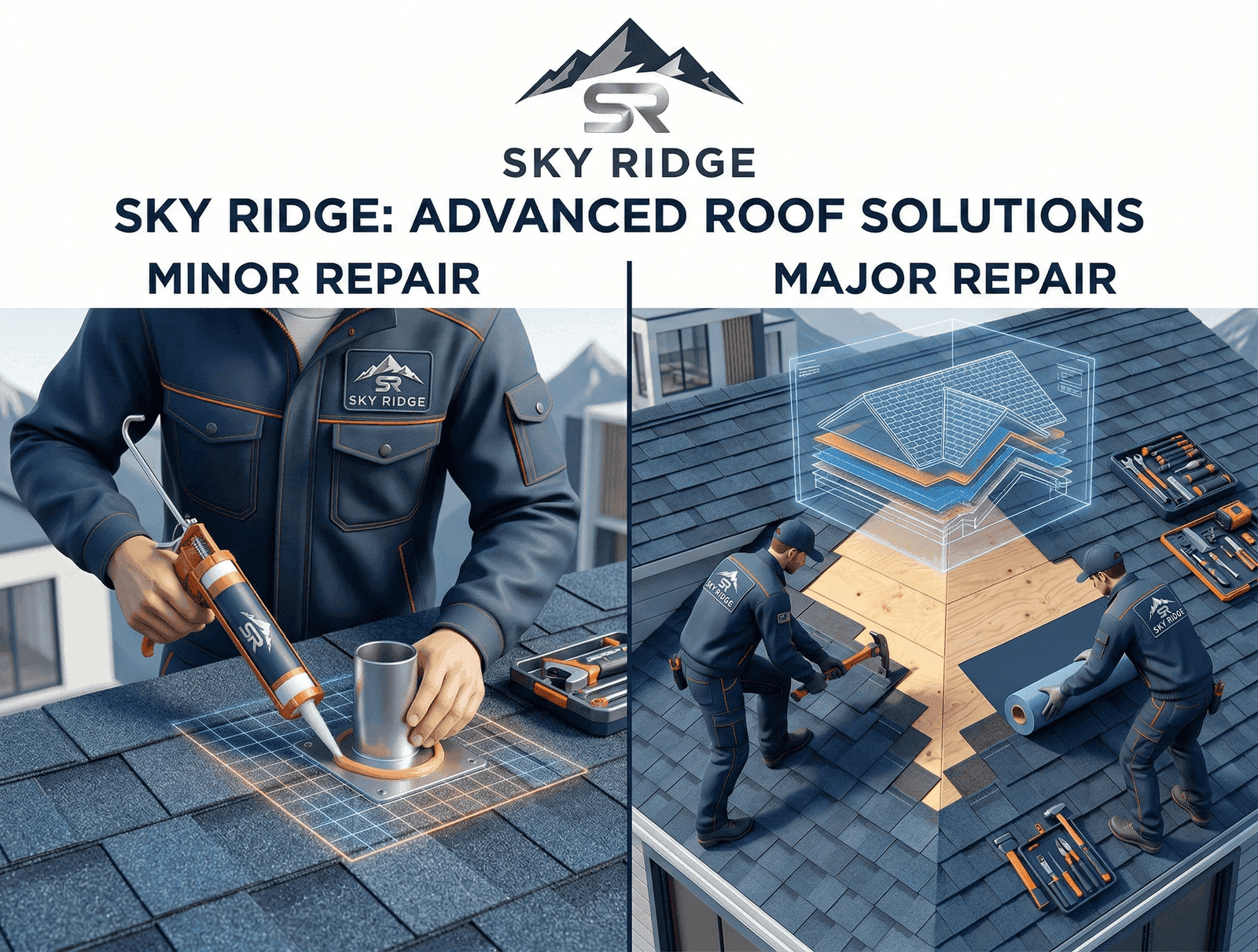
So, let's get down to the brass tacks. When people ask me "how much does roof repair cost," I have to tell them that it's like asking how much a bag of groceries costs—it depends on what's in the bag! But in 2026, we are seeing some pretty clear trends here along the Wasatch Front. For a small "search and destroy" mission—where I'm just replacing a few shingles or resealing a pipe boot—you're looking at a starting range of about $350 to $650. That covers the drive time, the ladder setup, and the basic materials. It's the "I caught it early" price, and it's the one I love giving people!
Now, if the leak has been sitting there for a while and we're talking about a "moderate" repair, the numbers start to climb. This is usually when a whole valley is failing or a chimney needs new flashing. In those cases, you're looking at $800 to $1,500. I remember a job in Draper where the wind had peeled back a whole section of ridge cap. We had to match the old shingle color, pull the old nails, and reset the whole peak. It wasn't a full roof replacement, but it took two of my guys a full day to make it look right. That's where that "how much does it cost to repair a roof" question gets tricky, because labor is 80% of the bill!
The "Major League" repairs are the ones that make people sweat. If you've got structural rot or multiple leaks across a steep, two-story roof, you might be looking at $2,000 to $4,500. I once had a client in Park City who ignored a leak for two whole winters. By the time I got up there, the plywood was so soft my boot almost went through it! We had to tear off three squares of shingles, replace four sheets of decking, and redo the ice and water shield. It was a massive headache that could have been fixed for $400 two years earlier. That's why I'm always preaching about catching things fast—the price doesn't just go up linearly; it explodes when rot gets involved!
Professional Takeaways
- Minor Repairs (Pipe boots, shingles): $350 - $650
- Moderate Repairs (Flashing, valleys): $800 - $1,500
- Major Repairs (Decking rot, multiple leaks): $2,000 - $4,500
- Skyridge Ricky's Tip: Steep roofs and high-altitude locations (Park City) add 20% to labor costs
Common Culprits: How Do You Repair a Leaking Roof?
I hear it all the time: "Ricky, how do you repair a leaking roof when I can't even see the hole?" That's the secret! Water is like a sneaky teenager; it never hangs out where it's supposed to. If you see a drip in your bathroom, the actual entry point on the roof might be ten feet away near the chimney. I've spent half my life being a "water detective," and I've learned that 90% of leaks come from just three or four spots. It's almost never the middle of a shingle; it's always where the roof stops and something else starts.
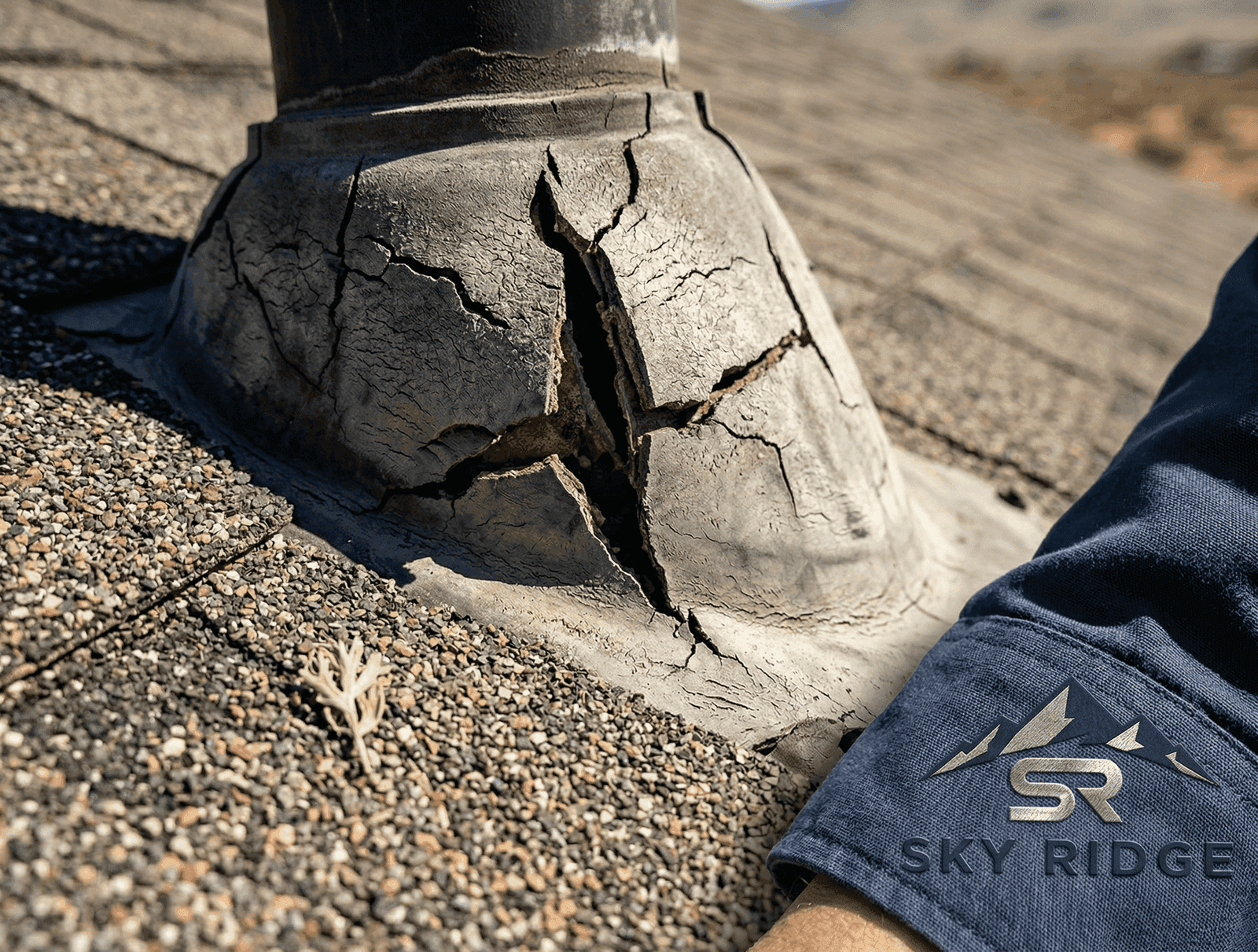
Take pipe boots, for example. Those are the rubber collars around the pipes sticking out of your roof. In the Utah sun, those rubber rings dry out and crack in about seven to ten years. Once they crack, water just slides right down the pipe like a straw. When people ask me "how to repair roof leak" issues like that, I tell them: don't just slather it in caulk! That's a temporary band-aid that will fail in six months. You have to pull the shingles around it, pop the old boot off, and slide a new one on with proper flashing. It's a $15 part, but the labor to do it right is what you're paying for.
Valleys and chimneys are the other big ones. A valley is where two roof slopes meet, and it's basically a river during a Utah downpour. If that river isn't lined with a heavy-duty ice and water shield, it's going to find a way in. I remember a house in Salt Lake where the original roofer just "weaved" the shingles in the valley instead of using a metal liner. Over time, the grit from the shingles wore down and the water started eating through the asphalt. Fixing that means cutting back the shingles and installing a proper metal valley. It's a big job, but it's the only way to stop the "how to repair leaking roof" cycle for good!
Professional Takeaways
- Pipe Boots: The #1 cause of "mystery" bathroom leaks
- Chimney Flashing: Metal that expands and contracts, eventually cracking the seal
- Valleys: High-volume water areas that require heavy-duty liners
- Skyridge Ricky's Rule: If a roofer uses more than one tube of caulk, they aren't "repairing"—they're hiding!
The Step-by-Step Guide: How to Repair Roof Leak Issues Fast
Alright, let's talk about the "oh crap" moment. You see water dripping, and you need to know "how to repair roof leak" problems right this second. First off—stay off the roof if it's raining! I've seen too many people slip on wet shingles trying to be a hero. It isn't worth a trip to the ER. If you have to do something, do it from the inside. Get a bucket, move the furniture, and if the drywall is bulging, poke a small hole in it with a screwdriver to let the water drain. It sounds crazy to poke a hole in your ceiling, but it prevents the whole sheet of drywall from getting too heavy and collapsing on your head!
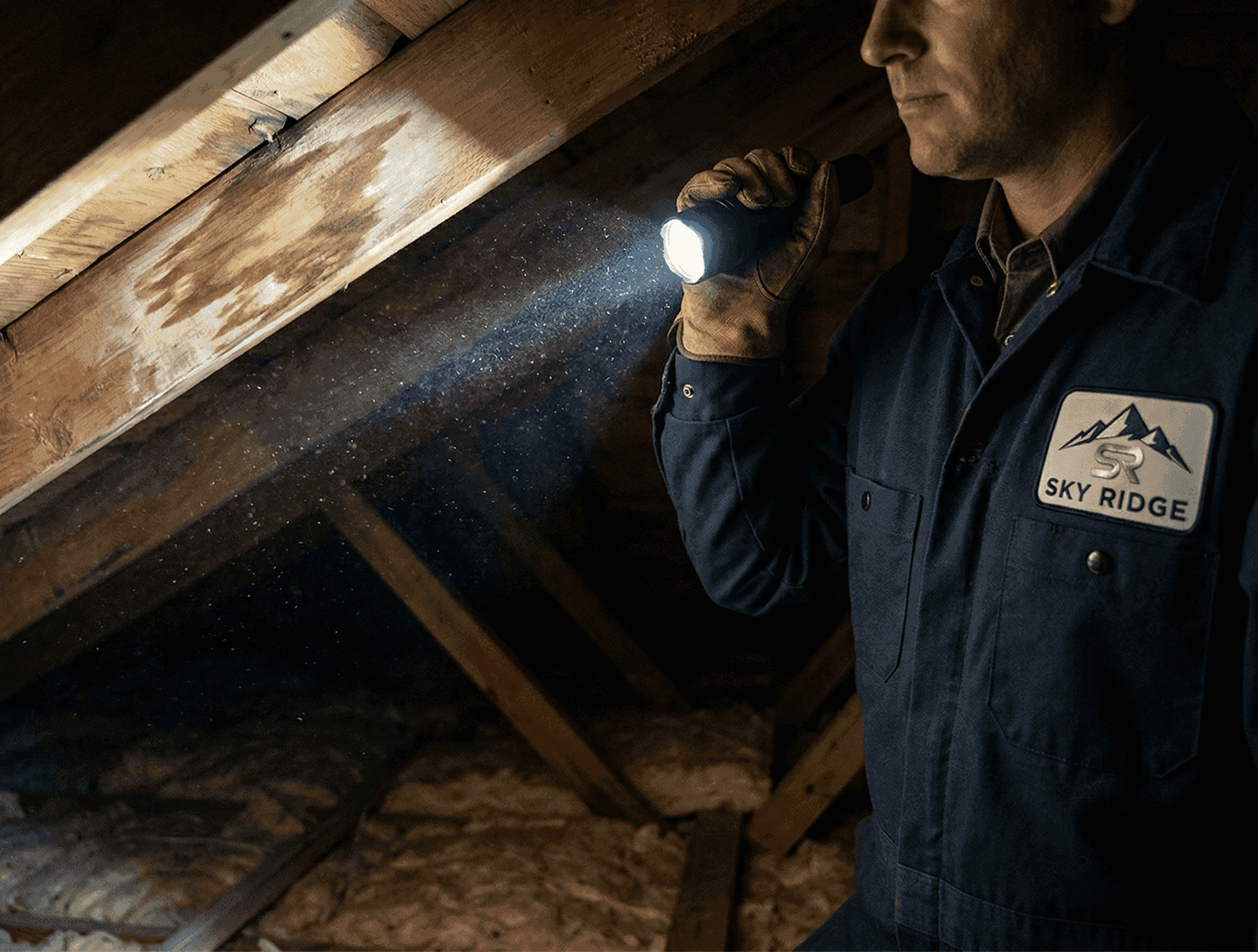
Once things dry out, you can go hunting. If you're wondering "how to repair leaking roof" issues yourself, start in the attic with a flashlight. Look for the "shiny" spots or the dark wood. Follow that moisture trail up to the highest point. Sometimes it's a popped nail—literally a nail that has backed itself out of the wood over the years. You'll see a little rust ring around it. If that's the case, you can sometimes slide a piece of "flashing tin" under the shingle above it to divert the water. It's a classic Skyridge Ricky "get-me-through-the-week" fix.
But here's a mistake I made early on: I thought I could just "seal" everything with that black tar you buy in a bucket. I was wrong! That stuff is great for five minutes, but it's brittle and it doesn't move with the roof. If you're serious about "how do you repair a leaking roof," you have to understand that shingles are like scales on a fish. They have to overlap. If you try to glue them together, you're trapping water, not stopping it. Real repairs mean lifting shingles, replacing the underlayment, and using the right fasteners. It's tedious work, but it's the difference between a dry house and a "re-leak" next month.
Professional Takeaways
- Internal First Aid: Poke a "drain hole" in bulging drywall to prevent collapse
- Attic Detective: Follow the rafters up to the highest point of moisture
- Nail Pops: A common $0.50 problem that causes $500 in damage
- Avoid the "Tar Trap": Don't use black roof cement as a permanent fix
When DIY Isn't Enough: Finding the Right Roof Repair Professional
I get it—everybody wants to save a buck. I do too! But roofing is one of those things where a "cheap" fix can become the most expensive thing you ever buy. I've seen a lot of "handymen" in Utah who say they know "how to repair roof leak" issues, but then they get up there and just dump a gallon of silicone on your shingles. Two months later, the leak is back, and now the shingles are a sticky mess that a real roofer has to spend hours scraping off. You end up paying twice! It makes me so frustrated for the homeowners who just wanted an honest fix.
When you're looking for a pro, ask them how they found the leak. If they just "guestimate," run away! A real pro will show you photos of the entry point. I always take my phone up there and snap a dozen pictures of the cracked boot or the rusted flashing to show the owner exactly what I'm seeing. You should also check if they're "certified" by the material manufacturers. Here at Sky Ridge, we are GAF Master Elite, which basically means we have to play by the strictest rules in the industry. It's a badge of honor that means we won't cut corners on your home.
And finally, ask about a warranty on the *repair*. A lot of guys will fix a leak but won't guarantee it won't come back. That's a red flag! If I'm confident in my work, I'm going to stand behind it. In 2026, you should expect at least a 1-year "No-Leak Guarantee" on any professional repair. It gives you the peace of mind that when the next mountain snowmelt hits, your kitchen is going to stay bone dry. Don't settle for the guy with a ladder and a bucket of tar; find someone who treats your roof like the architectural system it is!
Professional Takeaways
- Photo Evidence: Demand to see pictures of the damage before and after
- Manufacturer Certification: Look for GAF or CertainTeed credentials
- Repair Warranties: Always get a "No-Leak" guarantee in writing
- The "Tar Check": If they don't bring extra shingles to the job, they aren't doing a real repair

Wrapping it up
Dealing with a roof leak is never fun, but it doesn't have to be a disaster for your wallet. Whether you're trying to figure out "how much does it cost to repair a roof" for your budget or you're deep in the "how to repair leaking roof" research, the most important thing is to take action today. Water is the #1 enemy of your home's value, and a $400 fix this week is a lot better than a $4,000 rot repair next year!
If you're seeing a stain or hearing that dreaded "plink," don't wait. Give the crew at Sky Ridge a call. We'll send someone out to do a real inspection, show you exactly what's going on, and give you a fair price to make it right. We've been protecting Utah homes for decades, and we'd love to make sure yours is ready for the next big Wasatch storm. Stay dry out there!
