Standing Seam Metal Roof Costs (2026)
By Skyridge Ricky • March 28, 2026 • 13 min read
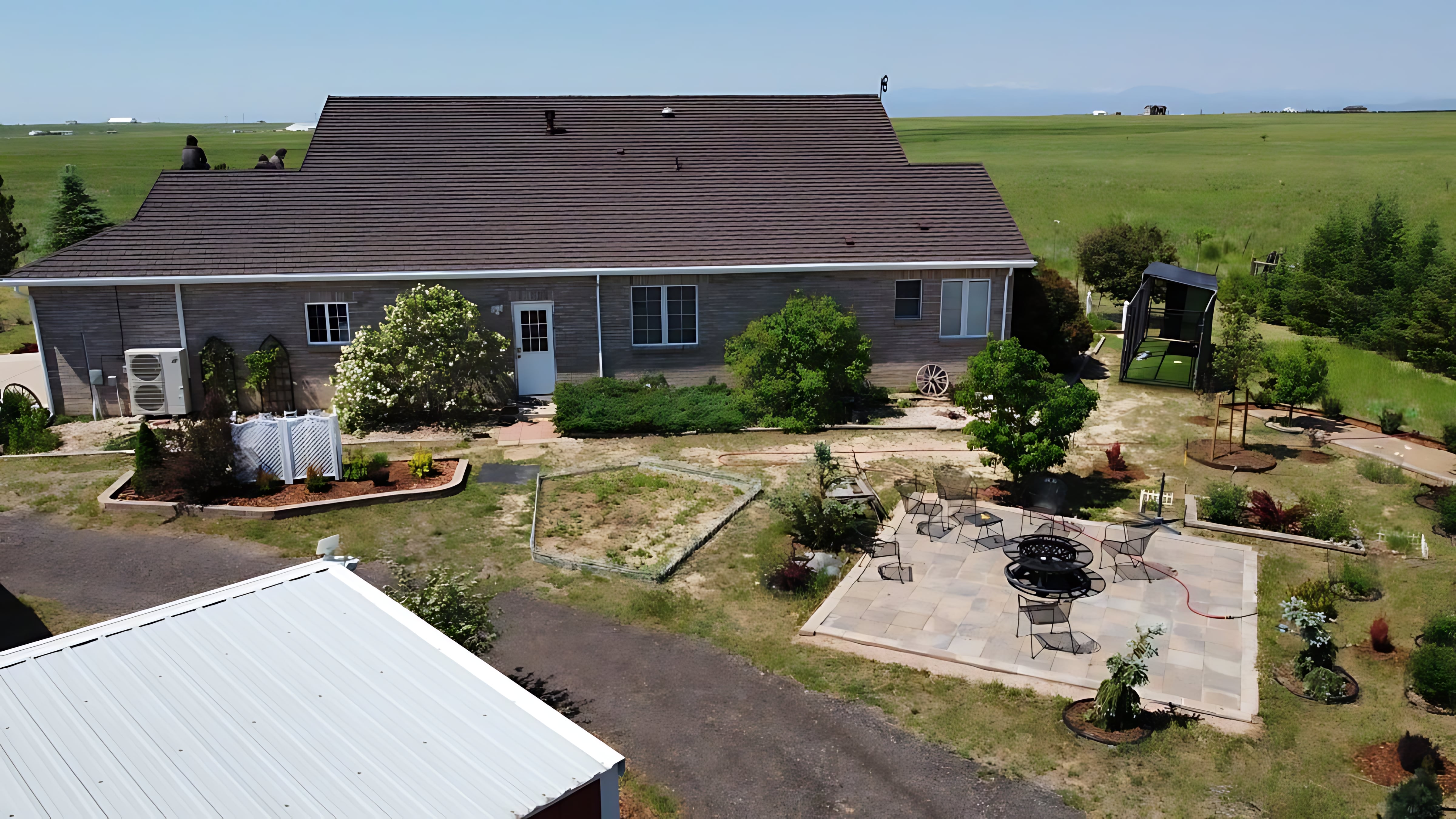
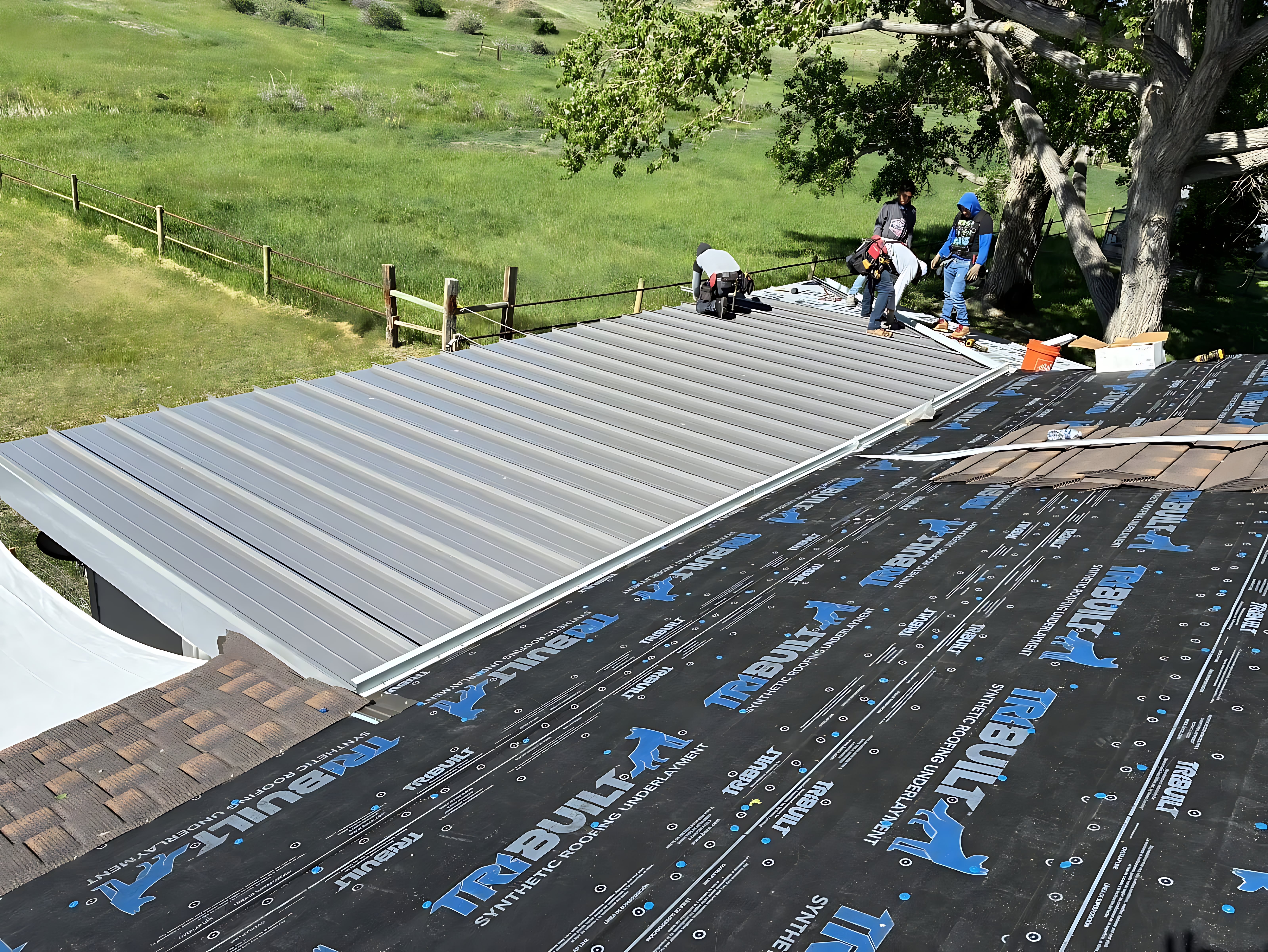
If you are researching a standing seam metal roof, you are probably already past the basic question of whether metal roofing is durable. You want to know why standing seam costs more, whether it is worth the premium, and what separates a long-life installation from a metal roof that looks good for two years and then starts leaking around details. That is the right level of question. Standing seam is not just a style. It is a different roof system with different fastening, movement, and waterproofing behavior than lower-cost exposed-fastener panels.
For homeowners in high-sun, high-wind, or snow-prone climates, the appeal is obvious. Hidden fasteners reduce one of the biggest long-term leak risks in metal roofing. Continuous vertical panels shed water efficiently, tolerate movement better, and produce a cleaner architectural finish. But the performance advantage only shows up when the roof is designed and installed correctly. Underlayment choice, clip spacing, panel gauge, trim details, snow retention, and roof geometry all matter. A premium material can still be undermined by weak fabrication or field detailing.
This guide breaks down how standing seam roofs work, why they cost more than exposed-fastener alternatives, what makes them perform so well over time, and how to evaluate an installer before you commit. If you want a high-intent, decision-grade answer instead of metal-roofing hype, start here.
Replacement And Buying Paths
Buying guides and replacement articles should route readers into the service pages, pricing tools, and quote path that convert research into projects.
Next steps from this article should include roof replacement services, roof inspection services, shingle roofing services, metal roofing systems.
Request a roofing estimate
Turn buying research into a real estimate.
Request a roofing estimateWhat Makes Standing Seam Different from Other Metal Roofs
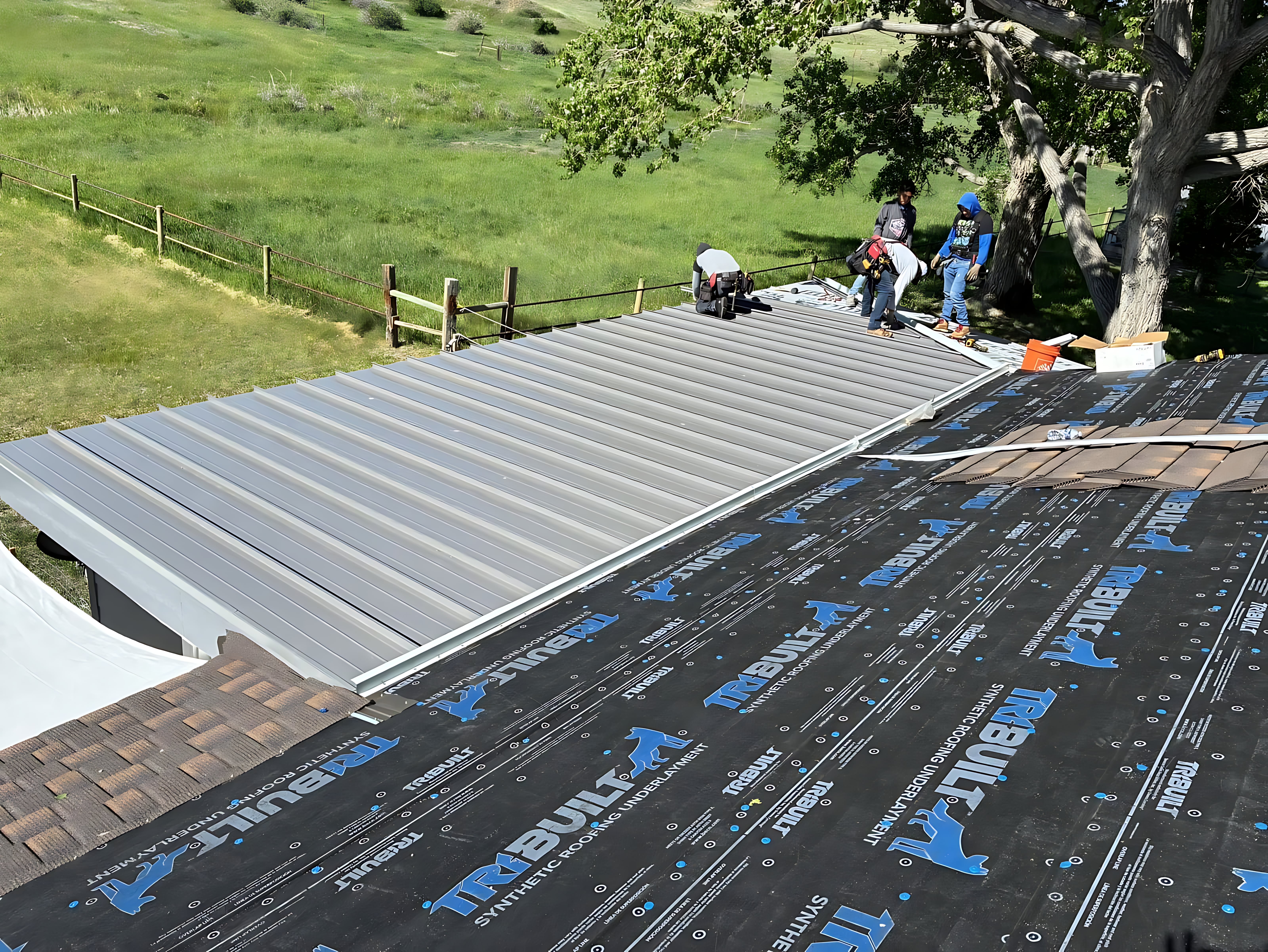
The defining feature of a standing seam metal roof is the raised interlocking seam that conceals the fasteners. Unlike corrugated or other exposed-fastener systems, the screws are not driven directly through the weather surface in a repeating field pattern. Instead, panels are clipped or fastened in a way that allows the metal to move while keeping the primary water-shedding layer intact. That is the core reason standing seam is treated as a premium roof system rather than just another metal panel product.
This hidden-fastener design matters because metal expands and contracts every day. Sun, shade, seasonal swings, and elevation all make the panels move. Exposed-fastener systems handle that movement by asking a lot of the screw penetrations and washers. Over time, those penetrations become maintenance points. Standing seam handles movement more gracefully because the panels are allowed to shift within the system rather than fight against thousands of exposed fastener locations. Fewer weather-exposed penetrations usually means fewer long-term leak opportunities.
Profile and panel fabrication also affect performance. Mechanical seam, snap-lock, narrow rib, and structural panel designs each have different applications and wind capabilities. Residential projects often use architectural standing seam for appearance and weather resistance, while structural standing seam can serve larger spans and more demanding commercial conditions. Panel gauge, substrate, finish system, and whether panels are field-formed or shop-fabricated all influence the final roof quality.
The takeaway is that “metal roof” is too broad a label when you are comparing long-term value. Standing seam is a different class of product because of how it handles water, movement, and detailing over decades instead of just seasons.
- Standing seam conceals fasteners and protects the weather surface from thousands of exposed penetrations.
- Panel movement is built into the system, which improves long-term durability.
- Profile type, seam style, gauge, and finish all affect how the roof performs.
- Architectural standing seam is not the same product category as corrugated or barn-style metal panels.
- The system advantage comes from design and detailing, not just from using metal as a material.
Why Standing Seam Costs More and Why Many Owners Still Choose It
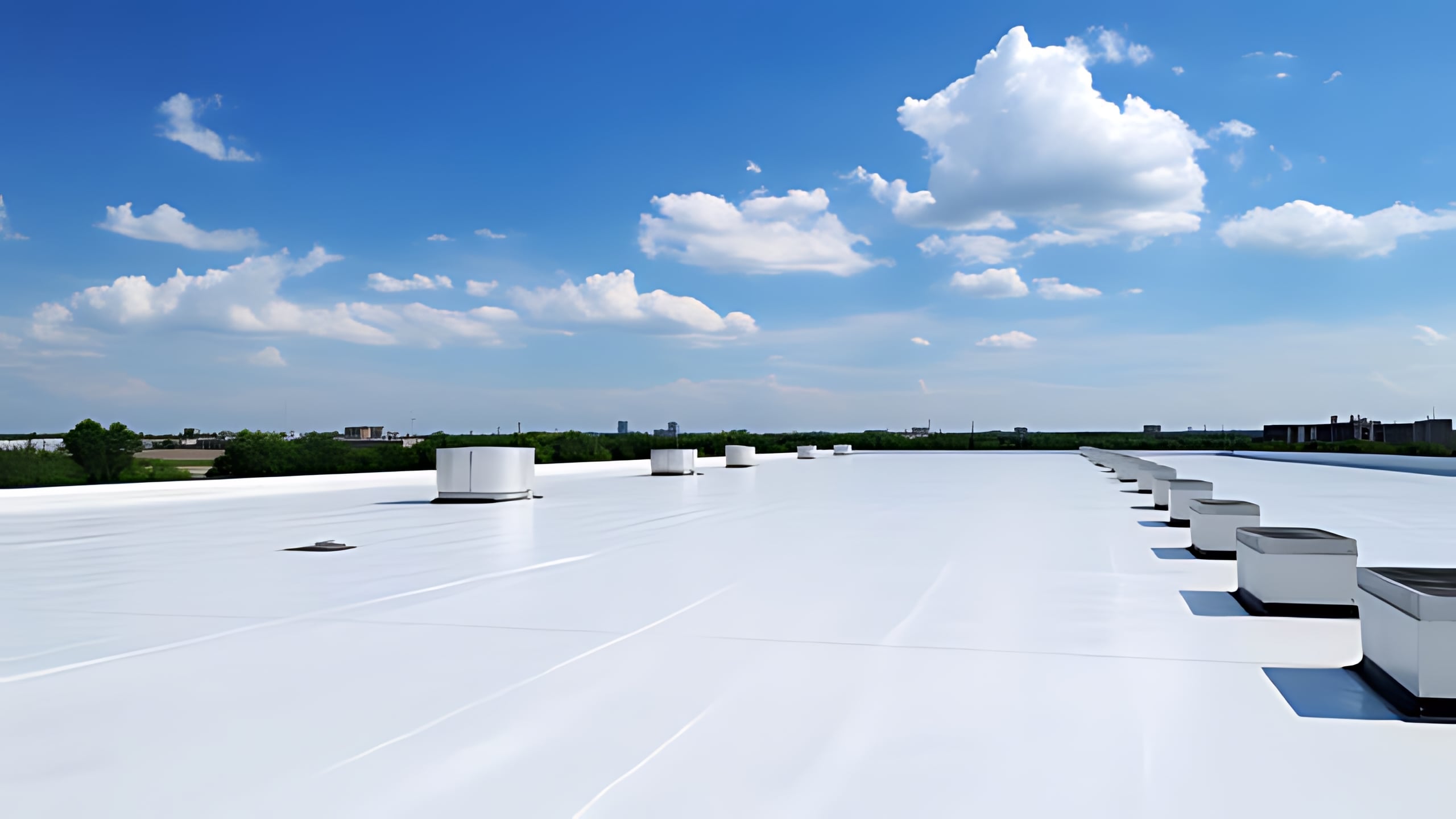
Standing seam almost always costs more upfront than asphalt shingles and more than lower-end metal profiles. The higher price reflects better materials, more specialized labor, and more detail-sensitive installation. Panel fabrication, clips, trims, underlayment, and installer skill all cost more because the system expects higher precision. That is especially true on roofs with valleys, dormers, wall transitions, skylights, and complex geometry. A roof that looks simple from the street can still require careful layout and custom trim work once standing seam enters the picture.
Homeowners still choose it because the lifetime math often changes the conversation. A well-installed standing seam roof can outlast multiple asphalt roof cycles, reduce maintenance, and improve resilience in wind and snow conditions. It can also raise curb appeal on modern, custom, and higher-end homes where buyers understand that the roof is a premium feature rather than just a replacement item. In climates with strong UV exposure, the long service life becomes even more attractive because asphalt aging accelerates while metal often keeps performing with less degradation.
Energy performance plays a role too. Reflective finishes and vented assemblies can reduce heat gain and keep attic temperatures more manageable. That does not mean every metal roof slashes utility bills dramatically, but it can improve summer performance compared with dark, heat-absorbing roofing systems. Add in fire resistance, hail performance on the right gauge and profile, and low maintenance expectations, and many owners decide the higher initial price is justified.
The right way to judge the cost premium is not by comparing invoice totals alone. It is by comparing lifecycle value, maintenance burden, replacement frequency, and the confidence that the roof will still be there and performing well decades from now.
- Standing seam costs more because both material quality and installer precision are higher.
- Long service life often offsets part of the premium when compared over multiple asphalt cycles.
- Complex roof geometry can increase standing seam labor faster than homeowners expect.
- Energy performance, fire resistance, and lower maintenance contribute to lifetime value.
- Standing seam should be judged as a long-term asset, not just a first-cost line item.
Snow, Wind, and Thermal Performance in Real Weather
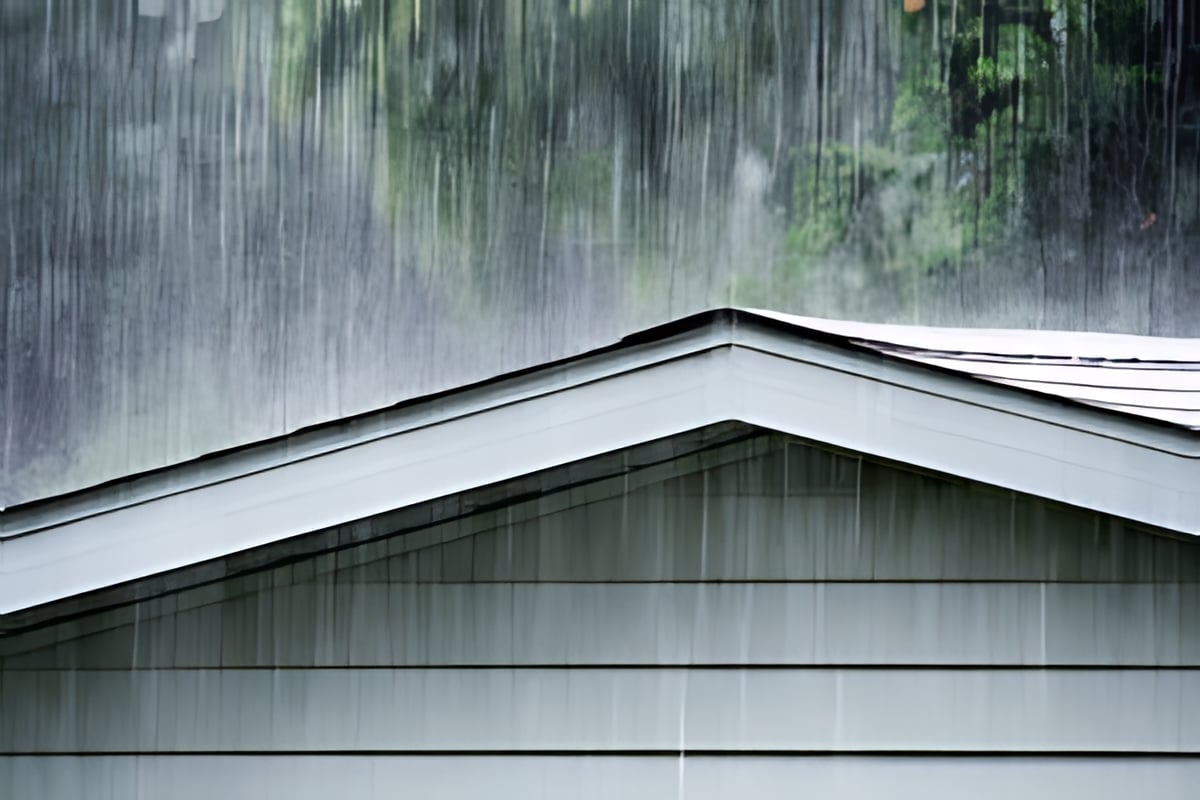
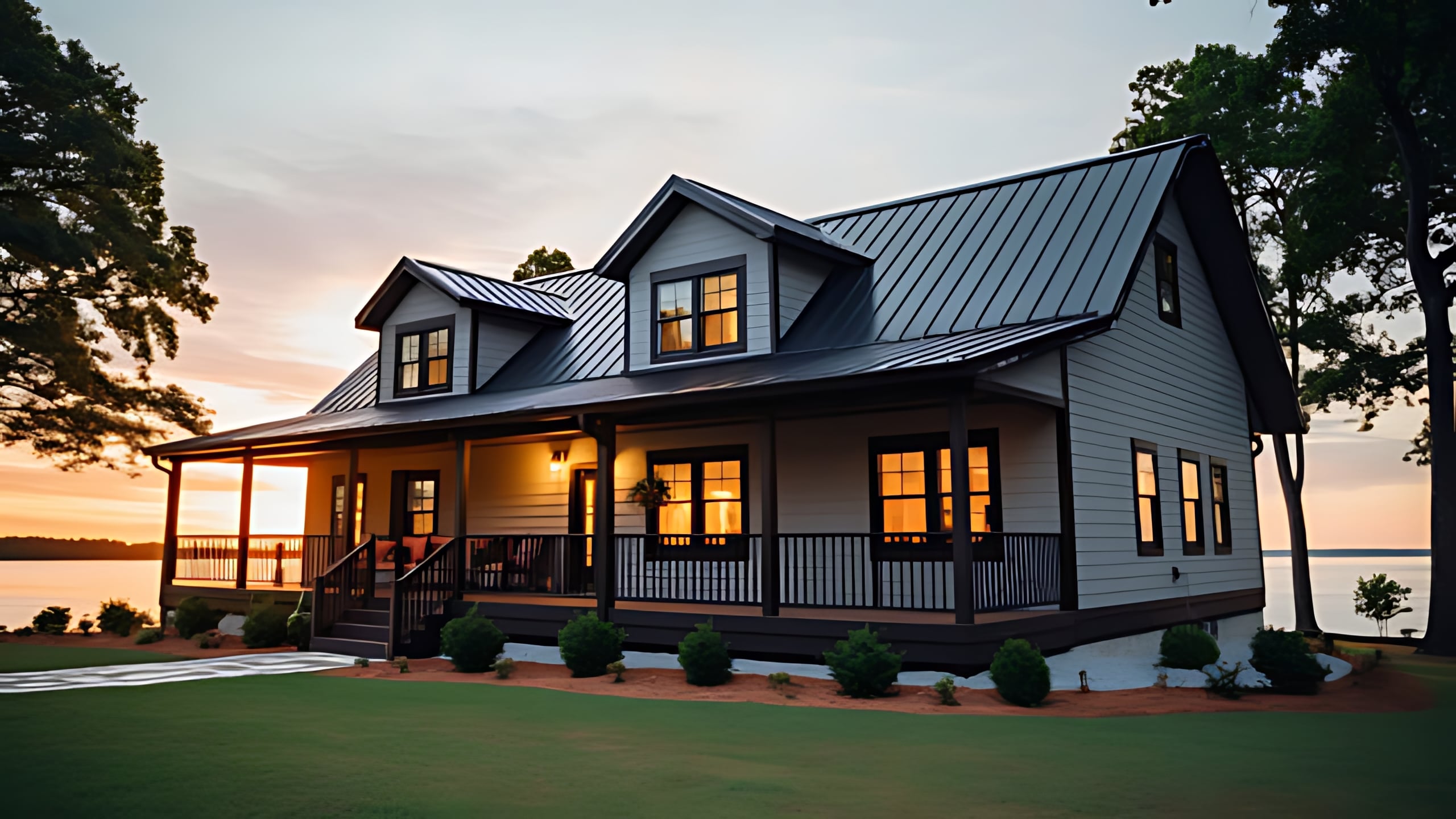
A standing seam metal roof performs especially well in places where weather exposure is part of the buying decision. The interlocking seam profile helps the roof resist uplift, and the concealed-fastener design removes a large category of exposure points. That does not mean the roof is automatically invincible. Wind rating depends on panel design, clip spacing, substrate, and edge detailing. The best-performing standing seam roofs are engineered as assemblies, not just sold as pretty panels.
Snow behavior is another major advantage, but it needs to be managed correctly. Metal sheds snow faster than asphalt, which reduces prolonged moisture loading and helps prevent some ice-related problems. The tradeoff is that sliding snow can become a hazard over entries, walkways, driveways, and landscaping. Snow guards and retention systems are not optional design fluff on many homes. They are part of the roof strategy. Good installers plan where snow should release and where it should be retained for controlled melt instead of treating snow as an afterthought.
Thermal performance also depends on the whole assembly. Reflective coatings help, but underlayment, ventilation, and any air gap below the panel system influence summer comfort and condensation control. On poorly detailed jobs, condensation and trim issues can create headaches even when the roof surface itself is excellent. That is why standing seam is best viewed as an engineered exterior system rather than a decorative upgrade.
When designed properly, the result is a roof that handles harsh weather with a level of confidence many homeowners never get from standard roofing. That performance is one of the biggest reasons standing seam remains a premium category year after year.
- Wind performance depends on panel profile, clip spacing, substrate, and edge detailing.
- Snow-shedding benefits often require snow guards or retention planning for safety.
- Reflective finishes help, but underlayment and ventilation still matter to thermal performance.
- Condensation control is part of the system design, not a separate issue.
- Standing seam delivers its best value where weather resilience is a serious buying priority.
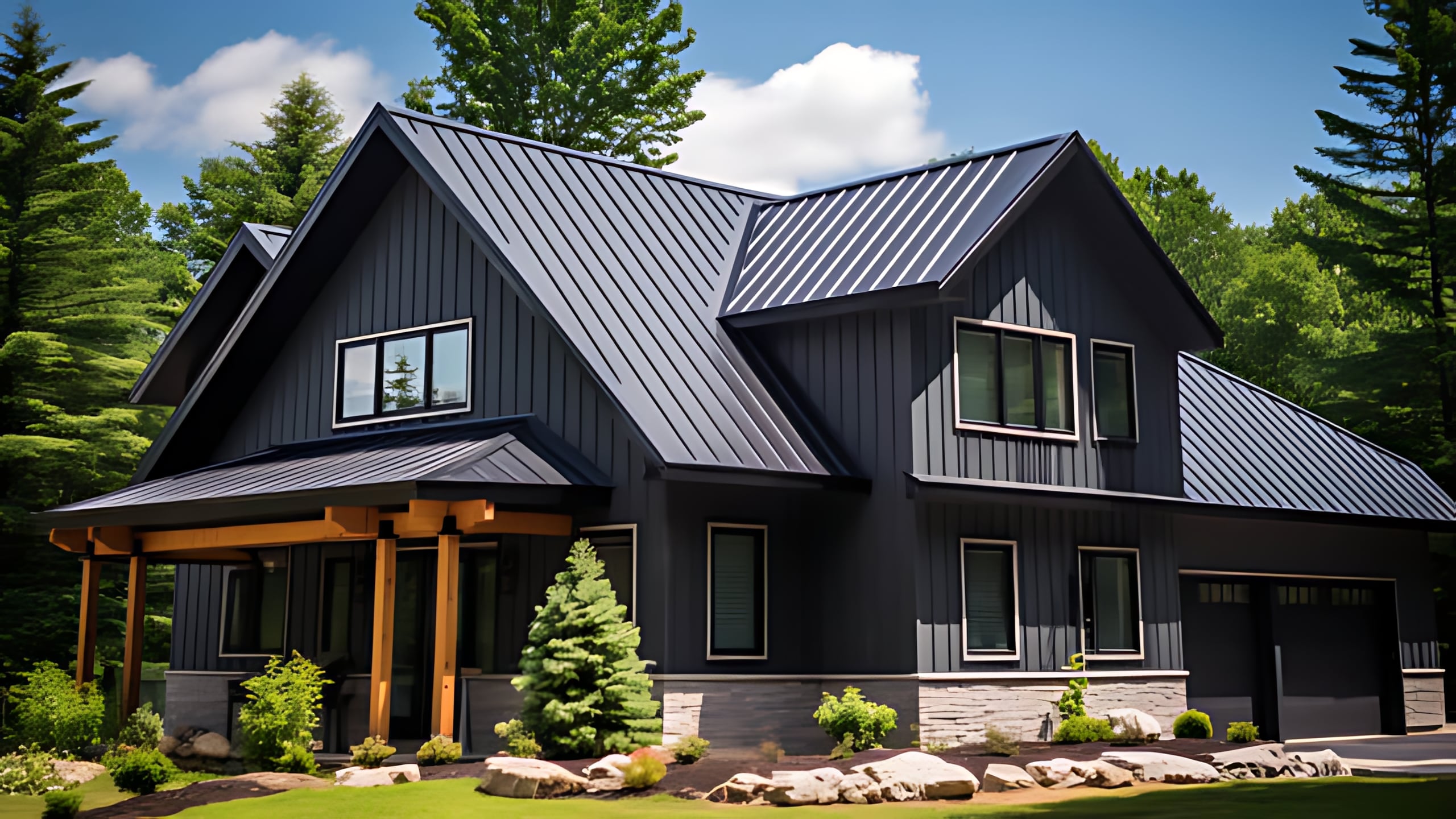
How to Vet a Standing Seam Installer
Installer selection is where many standing seam projects succeed or fail.
Roofing crews that do excellent shingle work are not automatically qualified to fabricate and install premium metal systems.
Ask specifically about standing seam experience, panel source, trim fabrication, clip system, underlayment, and how penetrations are detailed.
Look for project photos that show clean valleys, neat transitions, consistent panel layout, and minimal reliance on field sealant where formed metal details should be doing the work.
It also helps to ask what roof geometries they handle most often.
Straight gable roofs are one thing. Valleys, dormers, skylights, and wall transitions are where craftsmanship shows. A good installer should be able to explain how they manage panel movement, what seam profile they recommend for your roof type, and how snow retention or accessory mounting will be handled. If solar, satellite, or future mechanical attachments are possible, ask how the roof will accommodate them without compromising the panel system.
Warranties should be separated into material finish, substrate corrosion, and workmanship. Premium coatings and metal substrates can carry strong manufacturer coverage, but workmanship quality is still what determines whether the details stay watertight. That is why references, project photos, and technical clarity matter more than a polished sales pitch.
The best standing seam installer is not the one who talks most confidently about metal roofing in general. It is the one who can explain your roof specifically and show evidence that they know how to build it right.
- Standing seam installation requires skills beyond standard residential shingle work.
- Ask about panel fabrication, seam type, clip system, underlayment, and movement control.
- Complex details like valleys and wall transitions reveal installer quality quickly.
- Warranties should distinguish between finish, substrate, and workmanship coverage.
- Project photos and reference roofs are stronger proof than generic sales claims.
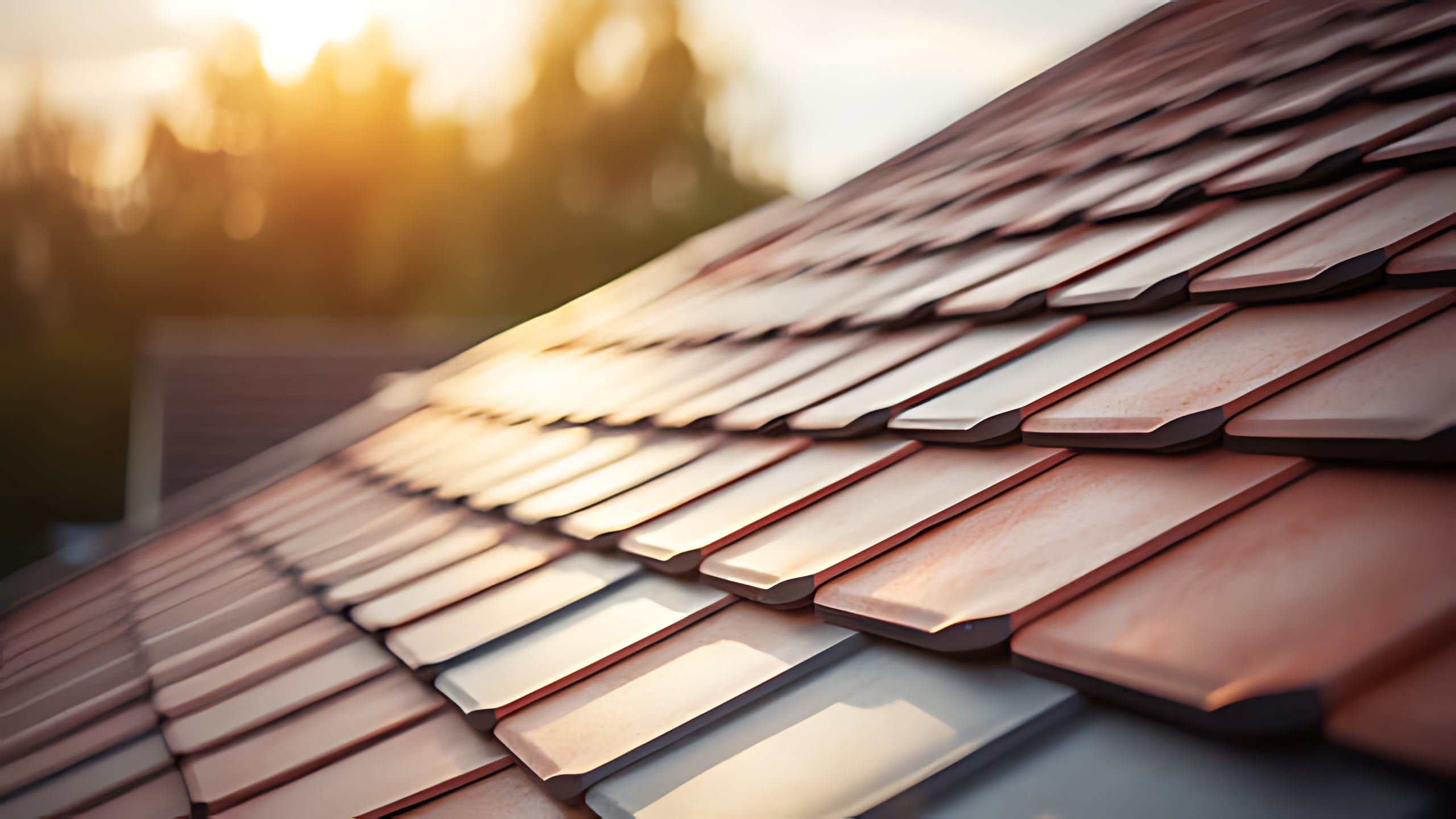
Common Design and Installation Mistakes That Undercut Standing Seam Performance
Standing seam roofs do not fail because the concept is weak. They usually fail because important design and installation details were treated casually. One common mistake is using the wrong seam profile or clip strategy for the roof geometry and exposure. A profile that works fine on a simpler project may not be the right choice for a roof with longer panel runs, heavier wind demand, or more thermal movement. If panel expansion is not respected, the roof can telegraph stress into trim details, penetrations, or fastener points that were supposed to stay protected.
Another common problem is trim work that relies too heavily on sealant instead of formed metal detailing. Sealant has a supporting role in metal roofing, but it should not be the main waterproofing strategy at every transition. Valleys, sidewalls, chimneys, skylights, and end-wall details should be designed so water is being directed and lapped correctly even before sealant enters the conversation. When installers lean on sealant to compensate for weak metal work, the roof may still look sharp on day one while quietly building in future maintenance points.
Underlayment and substrate choices matter too. A premium metal roof installed over the wrong underlayment can suffer from temperature-related issues or poor long-term support beneath the panels. In some assemblies, added ventilation or a batten strategy may improve performance. In others, direct-deck installation with the correct high-temp underlayment is the better path. The right answer depends on climate, deck type, panel design, and the rest of the building assembly. Good installers can explain that logic clearly instead of defaulting to whatever they always use.
Accessory planning is another area where performance can be won or lost. Solar attachments, snow guards, pipe penetrations, satellite mounts, and future mechanical additions all need a plan that respects the panel system. Too many otherwise good metal roofs get compromised later by random penetrations and aftermarket hardware that ignores how the seams are supposed to work. A strong standing seam project looks ahead and protects the roof from future conflict, not just current appearance.
- Incorrect seam profile or clip strategy can reduce how well the roof handles movement and wind.
- Sealant should support formed metal detailing, not replace it at every transition.
- Underlayment and substrate choices are part of performance, not just hidden accessories.
- Future solar or accessory attachments should be planned before installation, not improvised later.
- The best standing seam roofs are built as complete systems, not premium-looking shortcuts.
Who Should Seriously Consider Standing Seam and Who May Not Need It
Standing seam is not the right answer for every homeowner, and understanding that actually makes it easier to value when it is the right answer. Owners who plan to stay in their homes for a long time, want lower maintenance, live in weather-exposed areas, or care deeply about architectural appearance are often the strongest candidates. Custom homes, modern designs, mountain or foothill properties, and houses where roof replacement disruption is especially unwelcome tend to benefit most from the long life and system integrity standing seam can provide.
It also makes sense for owners who are tired of repeating the same roof conversation every fifteen to twenty years. The premium can be easier to justify when the buyer is thinking in decades instead of just the next insurance cycle or listing window. If the home’s design supports the look, and the owner values durability enough to invest in a specialist installer, standing seam often becomes one of the cleanest long-term roofing decisions available.
That said, not every project needs this level of system. If the homeowner expects to move soon, has a simpler cost priority, or owns a roof geometry that would make premium metal detailing disproportionately expensive compared with the house value, a different roofing material may be more practical. The wrong way to buy standing seam is to chase the aesthetic while underfunding the installer, trims, or weather-management accessories that make it perform. A cheaper roof installed well is often a better value than a premium roof bought with half the required system thinking.
What matters most is fit. Standing seam is strongest when the owner is intentionally buying resilience, appearance, and long-term confidence. When those goals line up, the roof tends to justify its premium very well. When they do not, another system may be the better financial choice without being an inferior decision.
- Standing seam is often best for long-term owners, weather-exposed homes, and architecture-forward projects.
- The premium is easier to justify when the owner thinks in decades rather than short resale windows.
- Some homes are better served by a lower-cost system installed very well than by an underfunded premium metal project.
- Fit matters more than hype when comparing standing seam against other roof types.
- The right buyer is intentionally choosing resilience, maintenance reduction, and appearance together.
Wrapping it up
A standing seam metal roof earns its premium when the owner values long service life, lower maintenance, cleaner detailing, and better weather resilience than typical exposed-fastener systems can offer. The key is understanding that the system is only as strong as its design and installation. If the profile, trims, snow strategy, and workmanship are handled correctly, standing seam becomes one of the most durable and architecturally strong roofing choices available in 2026.
That is why the best standing seam projects are bought deliberately, not impulsively. Homeowners who match the system to the house, the climate, and the right installer tend to get exactly what they were paying for: a roof that looks sharper, ages slower, and asks for far less attention over time than many conventional alternatives. That long-view discipline is what makes the premium make sense for the property as well as the budget.
When performance, appearance, and durability all matter at once, few roofing systems compete as well over the long haul.
The deciding factor is rarely the panel alone. It is whether the owner funds the full system, respects the detailing, and chooses an installer who understands metal movement and weather management at a professional level. When that happens, standing seam tends to outperform not just on paper, but in the day-to-day experience of owning the roof.
That owner experience is part of the value proposition too, because a roof that stays quieter, tighter, and lower-maintenance changes how often the home demands attention over the years.
For many buyers, that reduction in future roofing drama is every bit as valuable as the longer lifespan itself over time, especially when the home is intended to stay in the family for years.
Questions this guide answers
Quick answers tied to standing seam metal roof.
Utah Roof Repair Hub
Compare repair costs, local pros, and professional guidance to ensure your Utah roof is restored correctly and efficiently.
Core Repair Pages
Priority Local Pages
Utah Metal Roofing Hub
Explore premium metal roofing solutions for Utah homes and businesses, engineered for snow shedding and lifelong durability.