
Slope of Roof for Snow: What Utah Homeowners Should Know (2026)
By Skyridge Ricky • May 5, 2026 • 6 min read
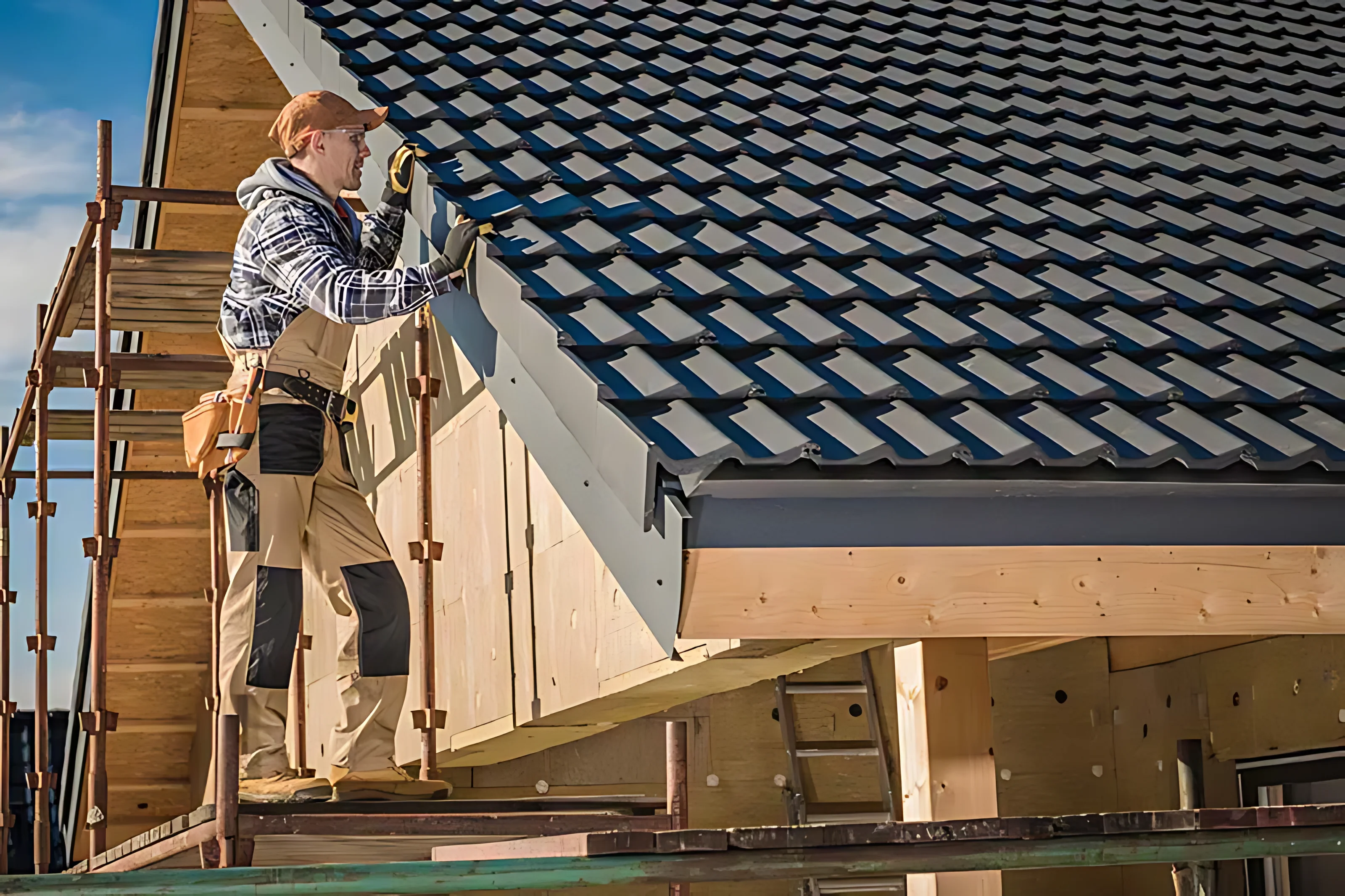
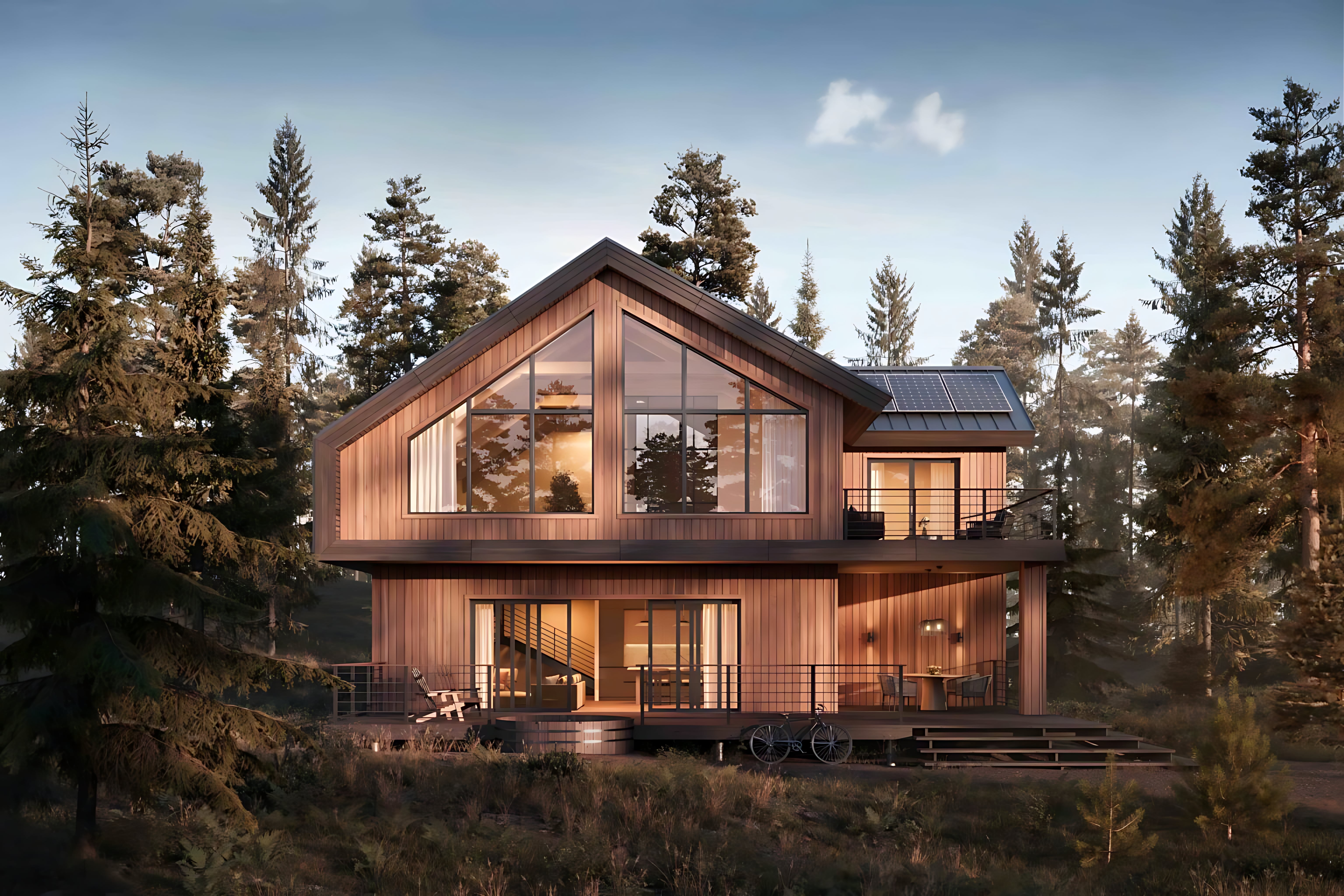

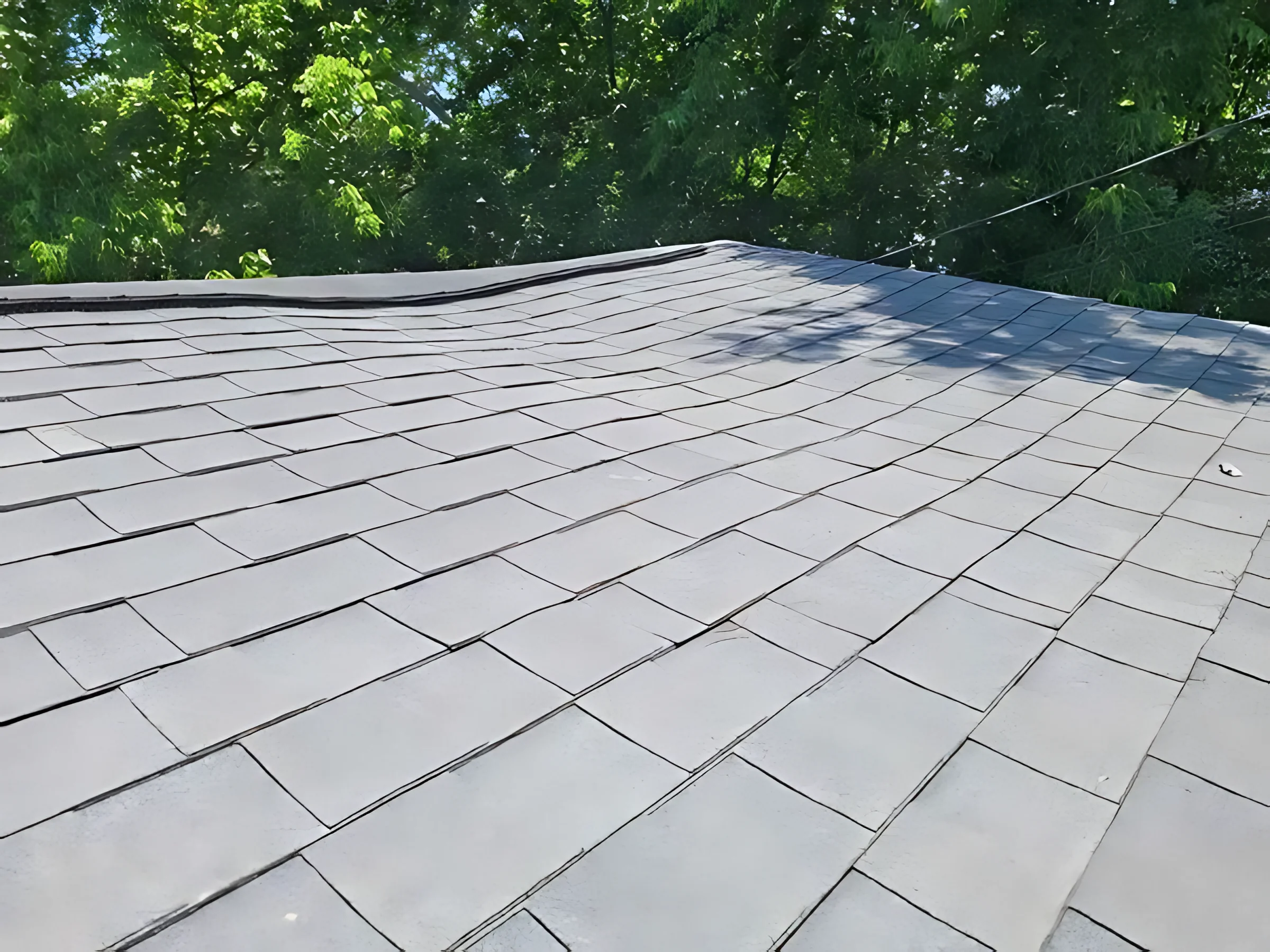
Slope of roof for snow is a practical question in Utah because roof pitch affects snow retention, drainage, ice dams, and material choice. A steep roof may shed snow more readily but can create slide hazards. A low-slope roof may hold snow longer and demand stronger drainage and waterproofing details.
This guide explains how snow load and roof pitch work together so homeowners can ask better questions during replacement, repair, or metal-roof planning.
Repair And Maintenance Paths
Repair and maintenance articles should keep feeding service pages that solve the issue, not just answer the question.
Next steps from this article should include roof repair services, roof inspection services, emergency roof repair, preventative roof maintenance.
Book a roof repair inspection
Capture repair-intent readers directly.
Book a roof repair inspectionSteep Roofs Shed Differently
Steeper roofs tend to shed snow faster, especially with slick materials like metal. That can reduce long-term snow retention on the roof, but it can also dump snow over entries, driveways, landscaping, or lower roof sections. Snow guards may be needed to manage release.
With asphalt shingles, snow may stay longer than homeowners expect because granules create friction. Pitch helps, but material still matters.
Low-Slope Roofs Hold Snow Longer
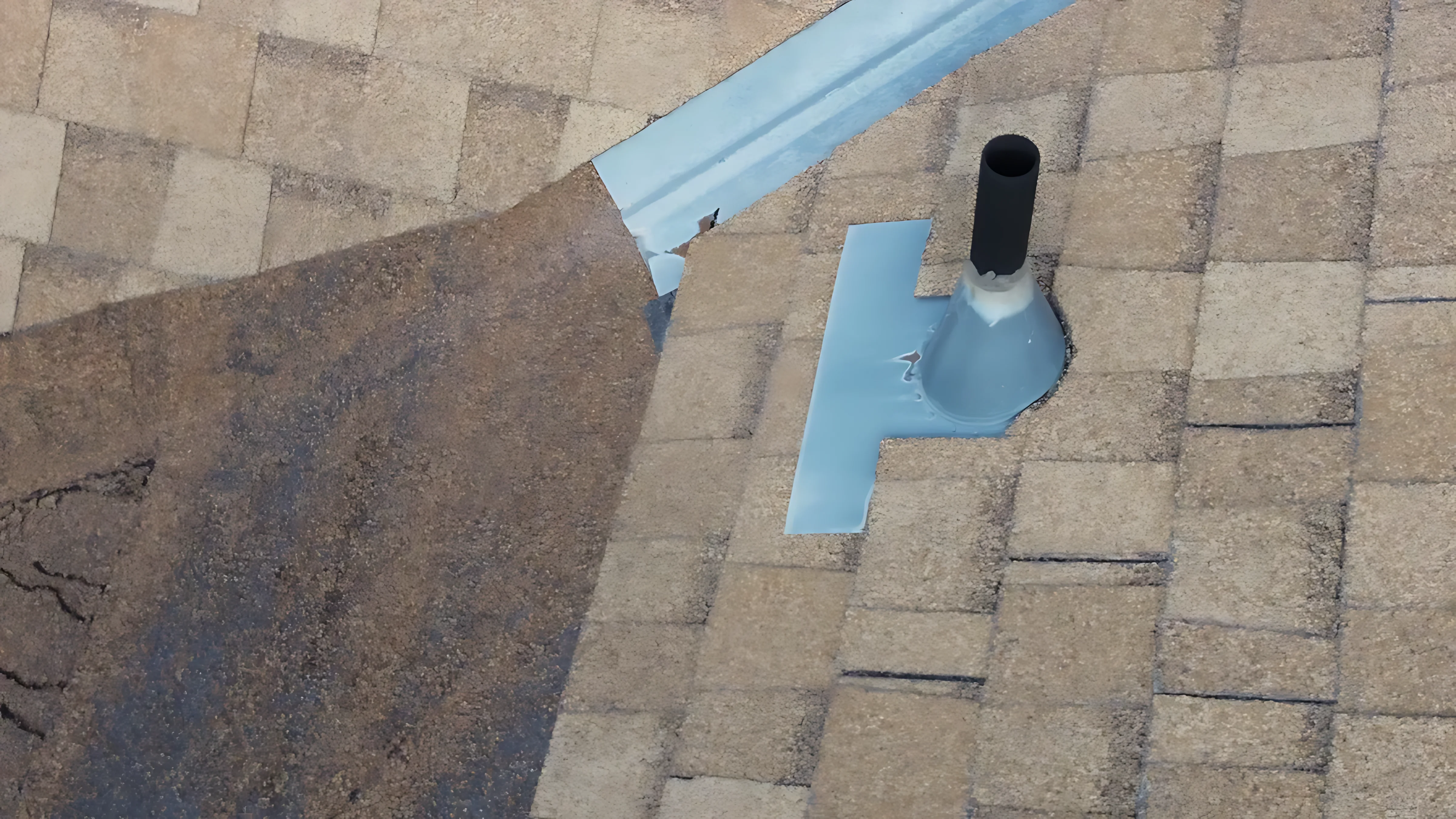
Low-slope sections need more attention to drainage, underlayment, ponding risk, and transitions. Snow that sits longer can create meltwater cycles, especially near drains, scuppers, valleys, or roof edges. If the roof is near the low-slope threshold for shingles, material choice becomes critical.
Many leak problems happen where a steep roof dumps water or snow onto a lower-slope roof that was not detailed for that load.
Snow Load Is Not Just Pitch
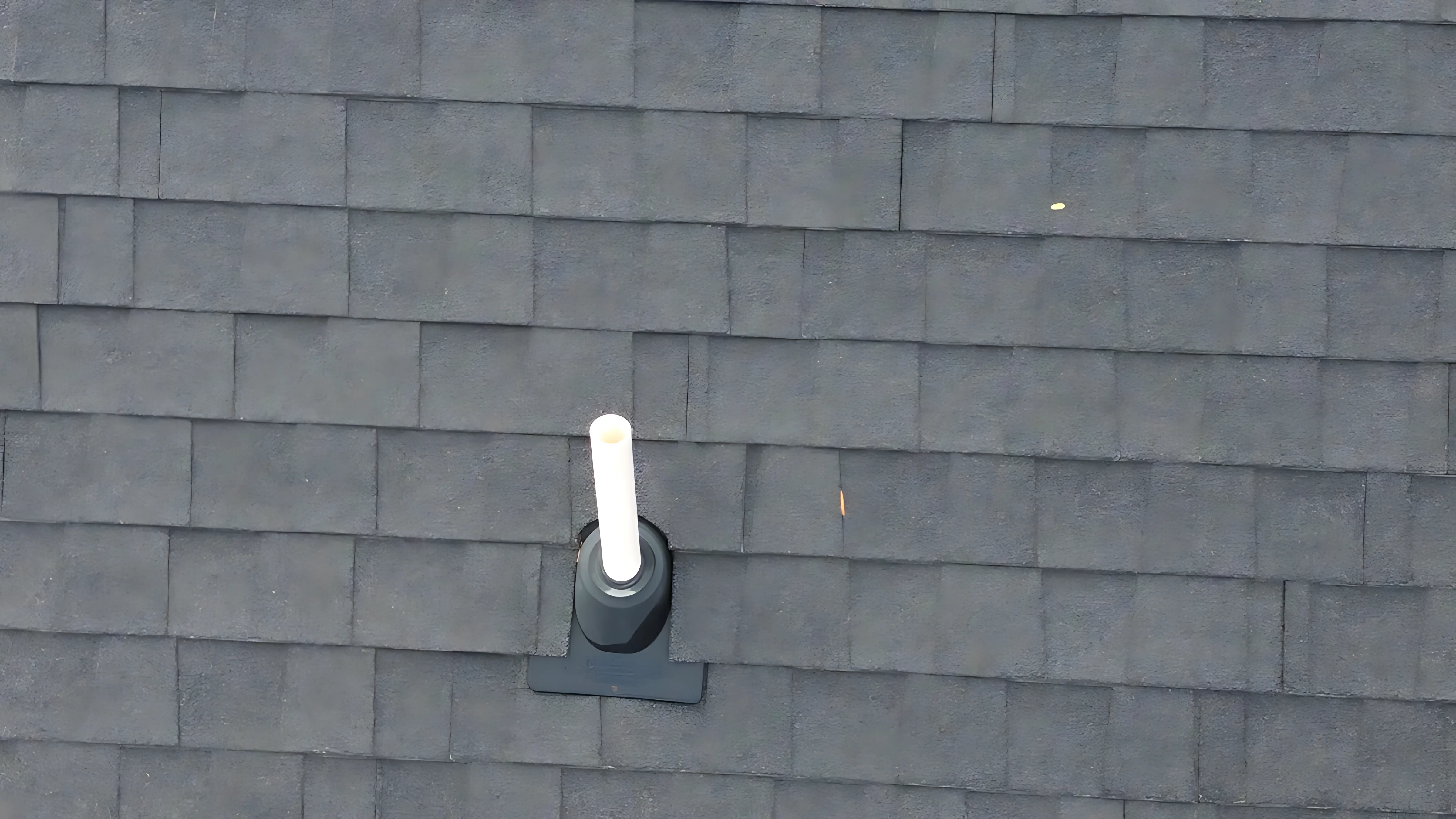
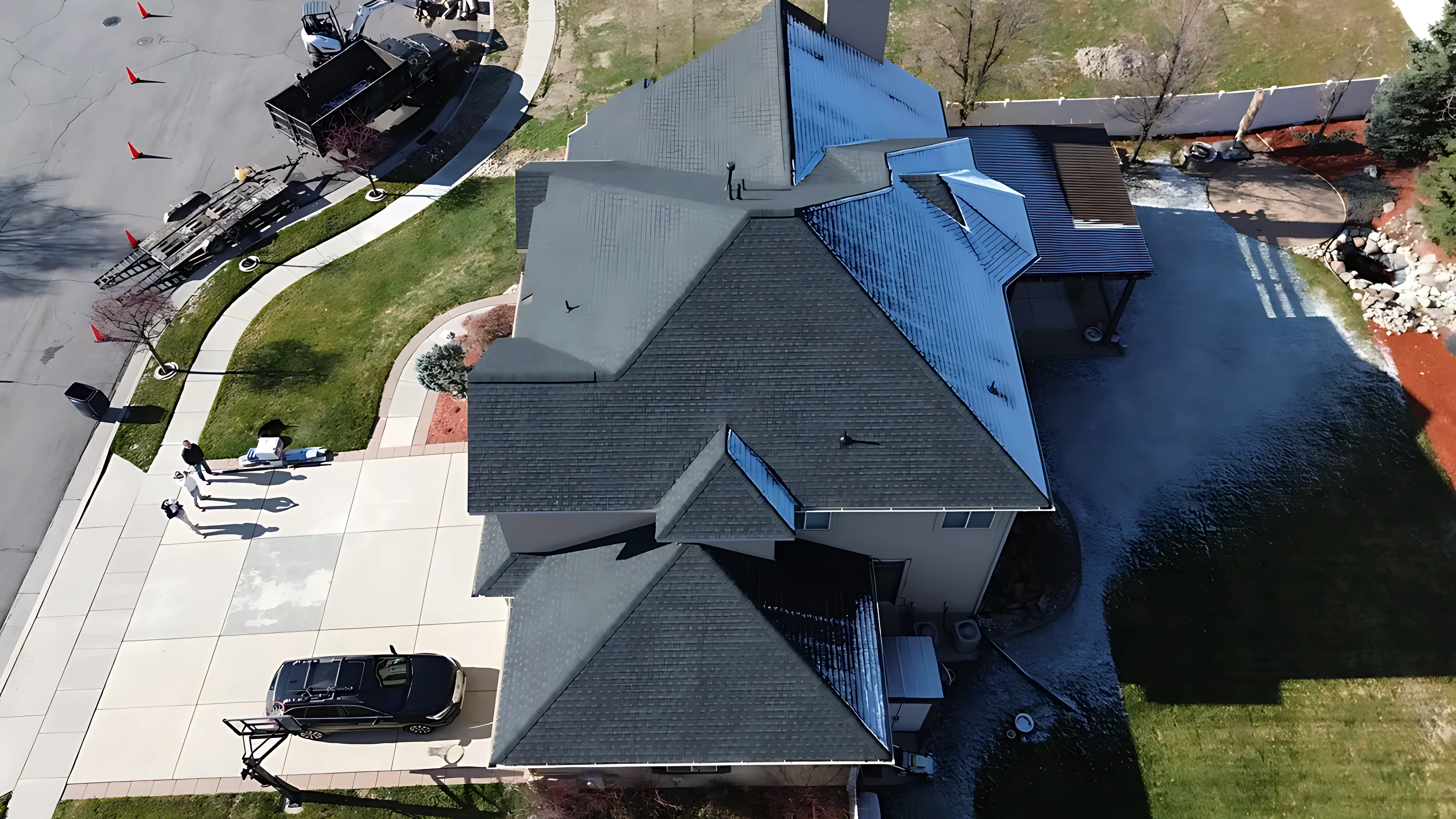
Structural snow load depends on location, elevation, exposure, drifting, roof shape, and code assumptions. Pitch affects how snow behaves, but it does not replace structural evaluation. A roof with dormers, valleys, parapets, or solar panels can hold drifted snow in specific areas.
For replacement planning, contractors should notice these accumulation zones and detail the roof accordingly.
What to Ask Before Choosing Materials
Ask how the material handles snow retention, whether snow guards are needed, how valleys and eaves are protected, and whether ventilation or insulation issues could create ice dams. For metal roofs, ask where sliding snow will go. For shingles, ask whether the slope is appropriate for the product and underlayment package.
The right roof is not just steep enough. It is detailed for how winter water actually moves.
Wrapping it up
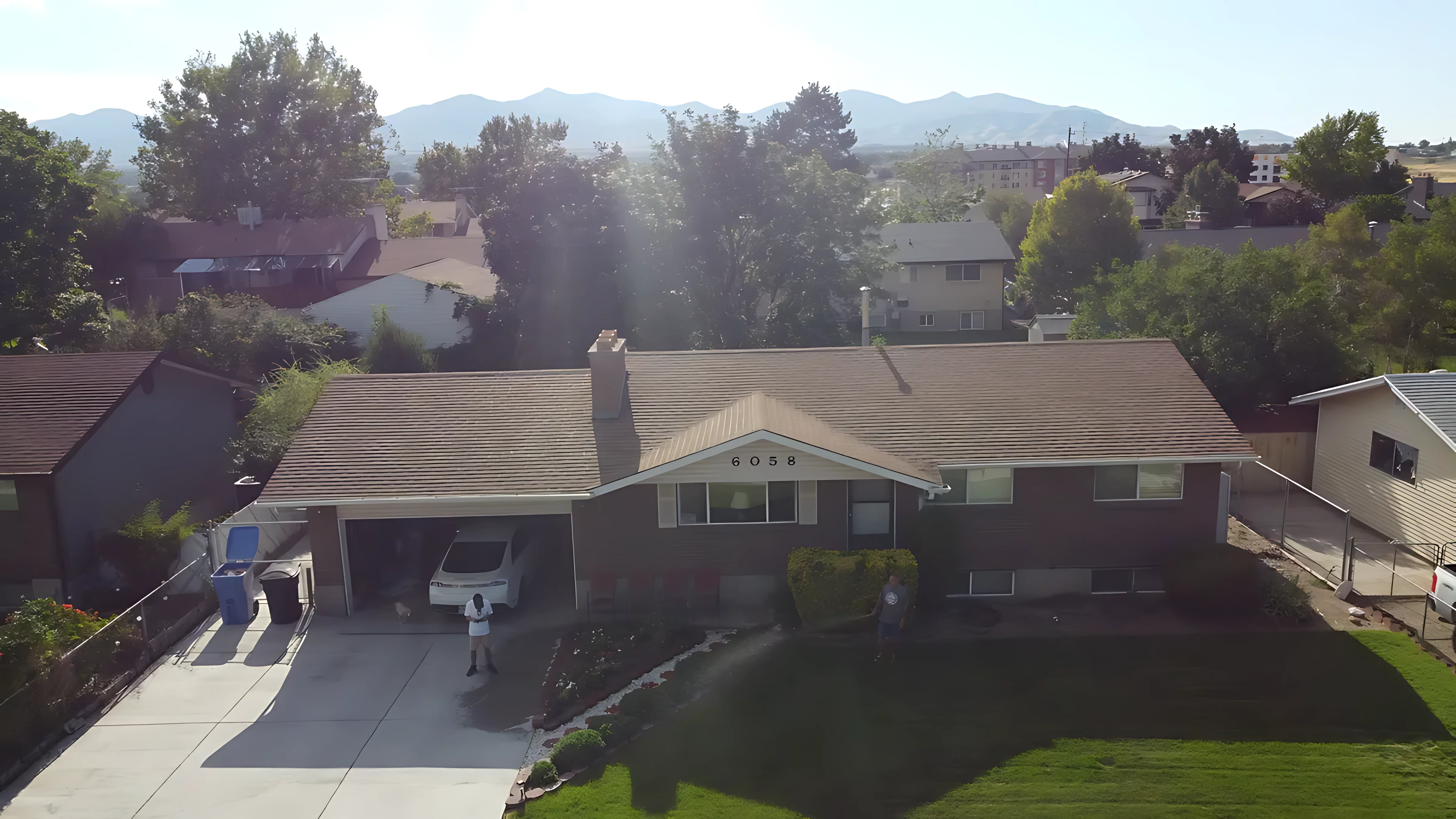
Roof slope shapes winter performance, but it does not work alone. Snow behavior depends on pitch, material, geometry, ventilation, and drainage. Utah roof planning should account for all of them.
Questions this guide answers
Quick answers tied to slope of roof for snow.
Utah Roof Repair Hub
Compare repair costs, local pros, and professional guidance to ensure your Utah roof is restored correctly and efficiently.