
What is a Roofing Cricket? Preventing Chimney Leaks in Utah (2026)
By Skyridge Ricky • May 5, 2026 • 5 min read

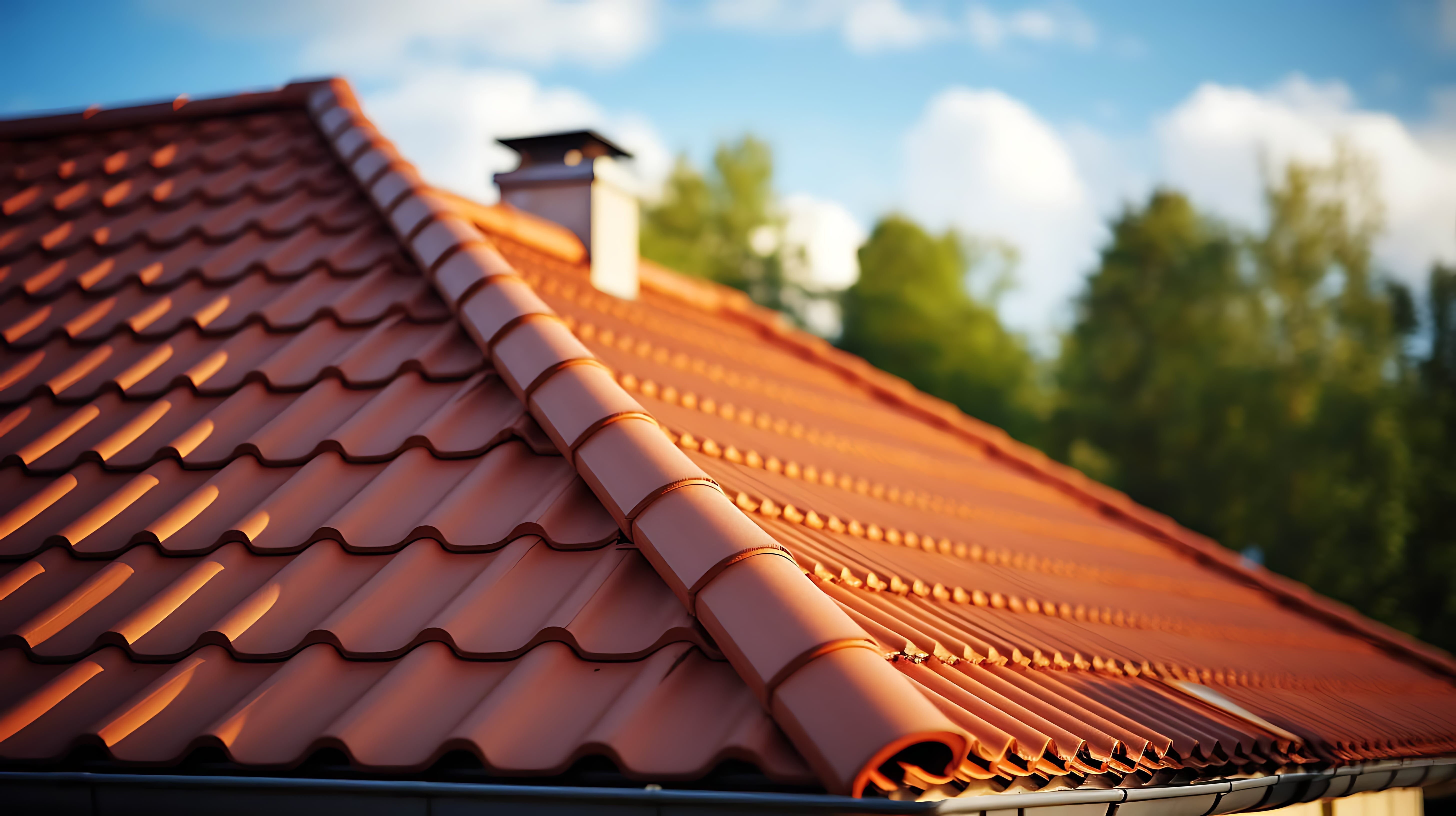
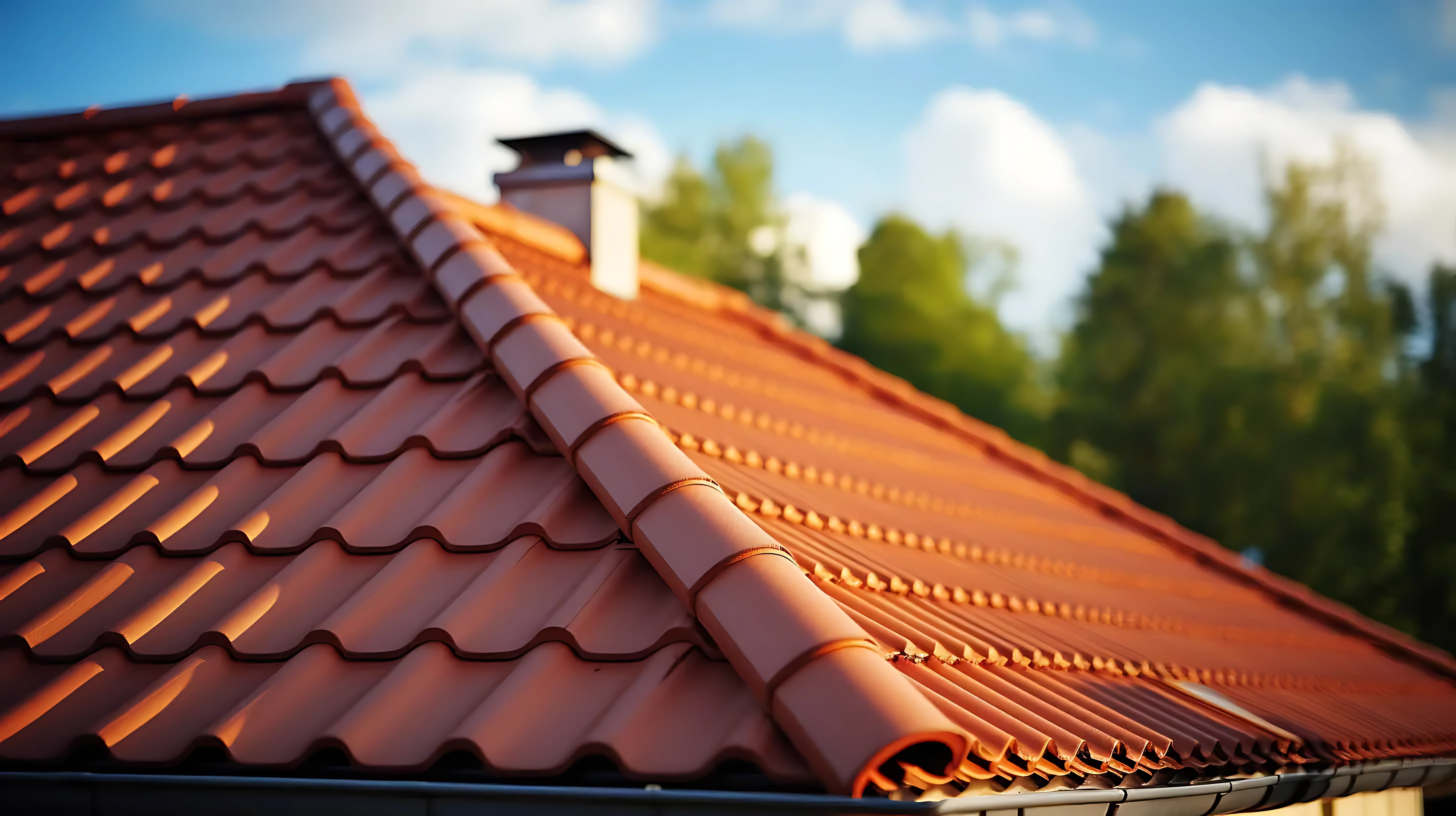
Ever wonder why some chimneys have a little "mini-roof" built behind them? That is a roofing cricket (also called a saddle). In the high-desert climate of Utah, where we deal with heavy snow loads and fast summer downpours, a cricket is not just a nice-to-have feature—it is a critical part of your roofing system.
As a roofing contractor, I see more chimney leaks caused by missing or poorly built crickets than almost any other flashing failure. This guide explains why they matter, how they work, and what a professional roofer looks for during a roof inspection.
Repair And Maintenance Paths
Repair and maintenance articles should keep feeding service pages that solve the issue, not just answer the question.
Next steps from this article should include roof repair services, roof inspection services, emergency roof repair, preventative roof maintenance.
Book a roof repair inspection
Capture repair-intent readers directly.
Book a roof repair inspectionWhy You Need Roof Crickets Installed
Without a peaked structure to split the flow, water and melting snow hit the back of your chimney and stop. This creates a "dead zone" where water sits against the masonry and flashing. Over time, this constant moisture leads to water damage and compromises the structural integrity of your roof deck.
When we have roof crickets installed correctly, the water is split into two channels and directed down the main slopes of the roof. This simple geometric fix protects the most vulnerable areas of your roofing system and is required by modern building codes for any chimney wider than 30 inches.
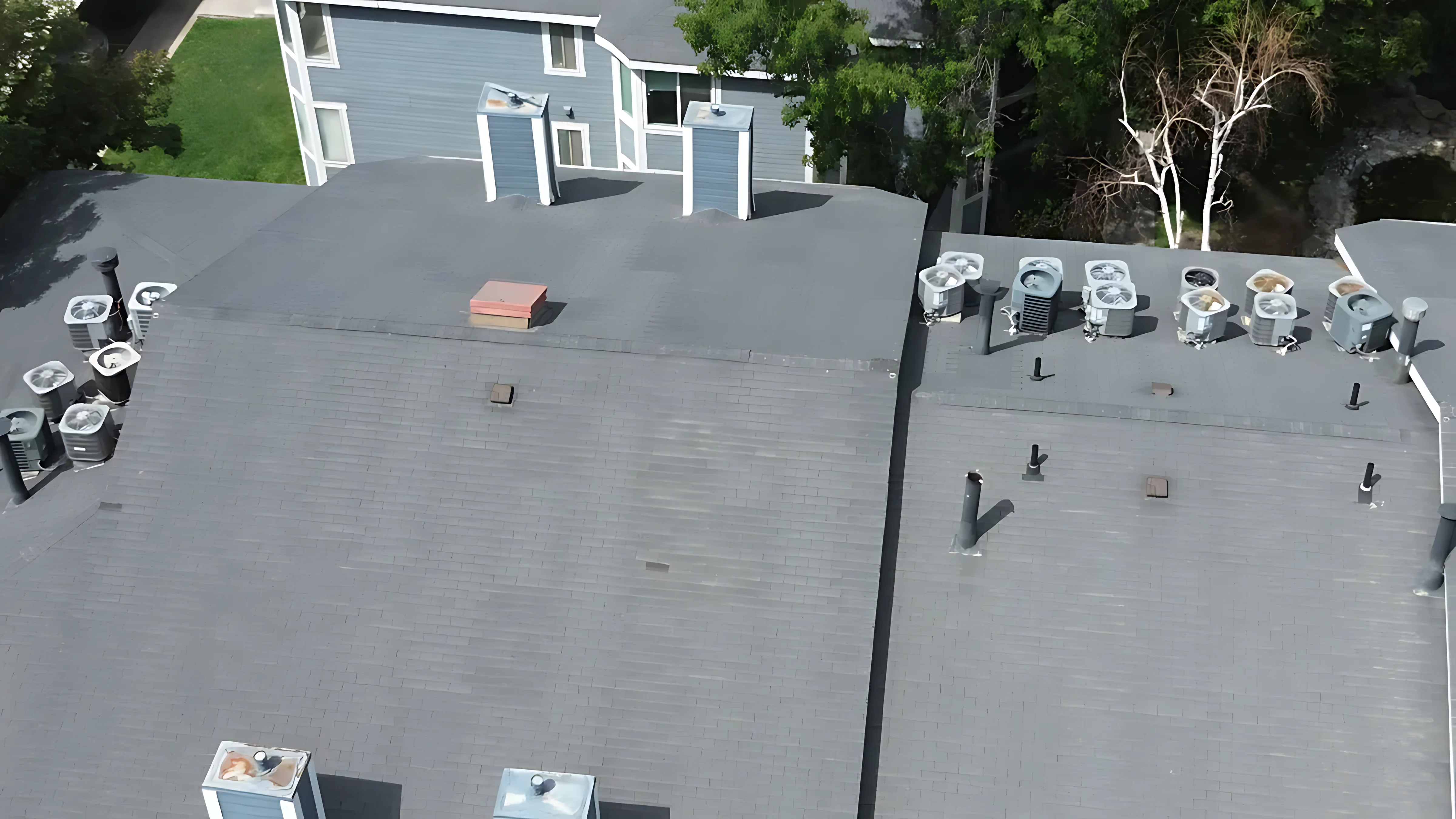
Anatomy of a Well-Built Cricket
A professional roofer will build the cricket framework out of plywood directly on the roof deck. It is then covered with underlayment (ideally ice and water shield) and shingled to match the rest of the house. The goal is a seamless transition that ensures water never has a chance to sit still.
- Slope: The cricket should ideally have the same pitch as the main roof.
- Flashing: Integrated step flashing and counter-flashing are critical where the cricket meets the masonry.
- Waterproofing: Because these are vulnerable areas, we always use premium self-adhering membranes under the shingles of the cricket.
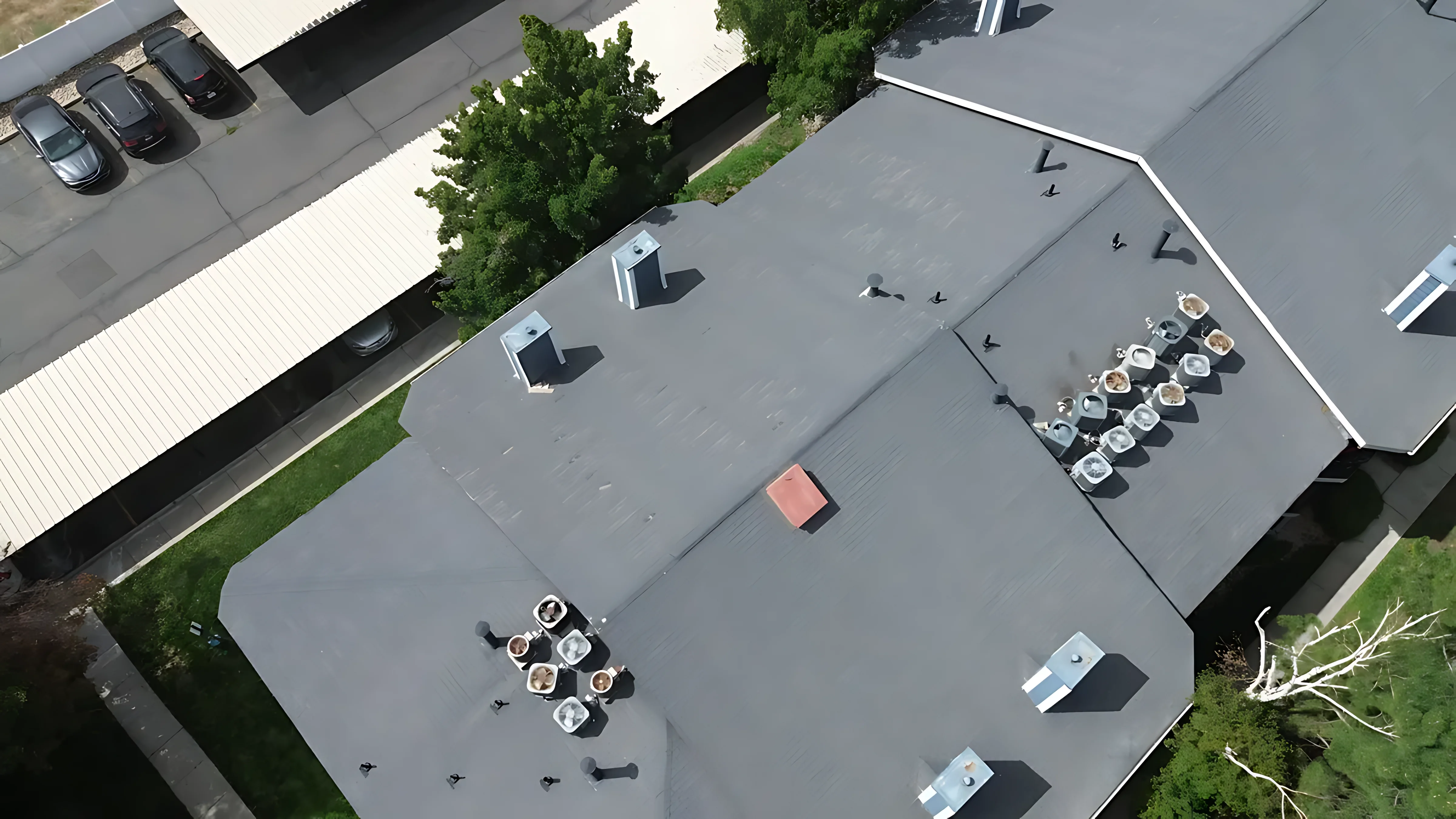
Common Cricket Installation Mistakes
The most common mistake is building a cricket that is too small or has an inadequate slope. If the cricket doesn't match the primary roof's pitch, snow can still accumulate and create a mini-ice dam. Another failure point is improper flashing at the chimney-to-cricket transition. This is why forensic leak audits often focus on these specific geometric handoffs.
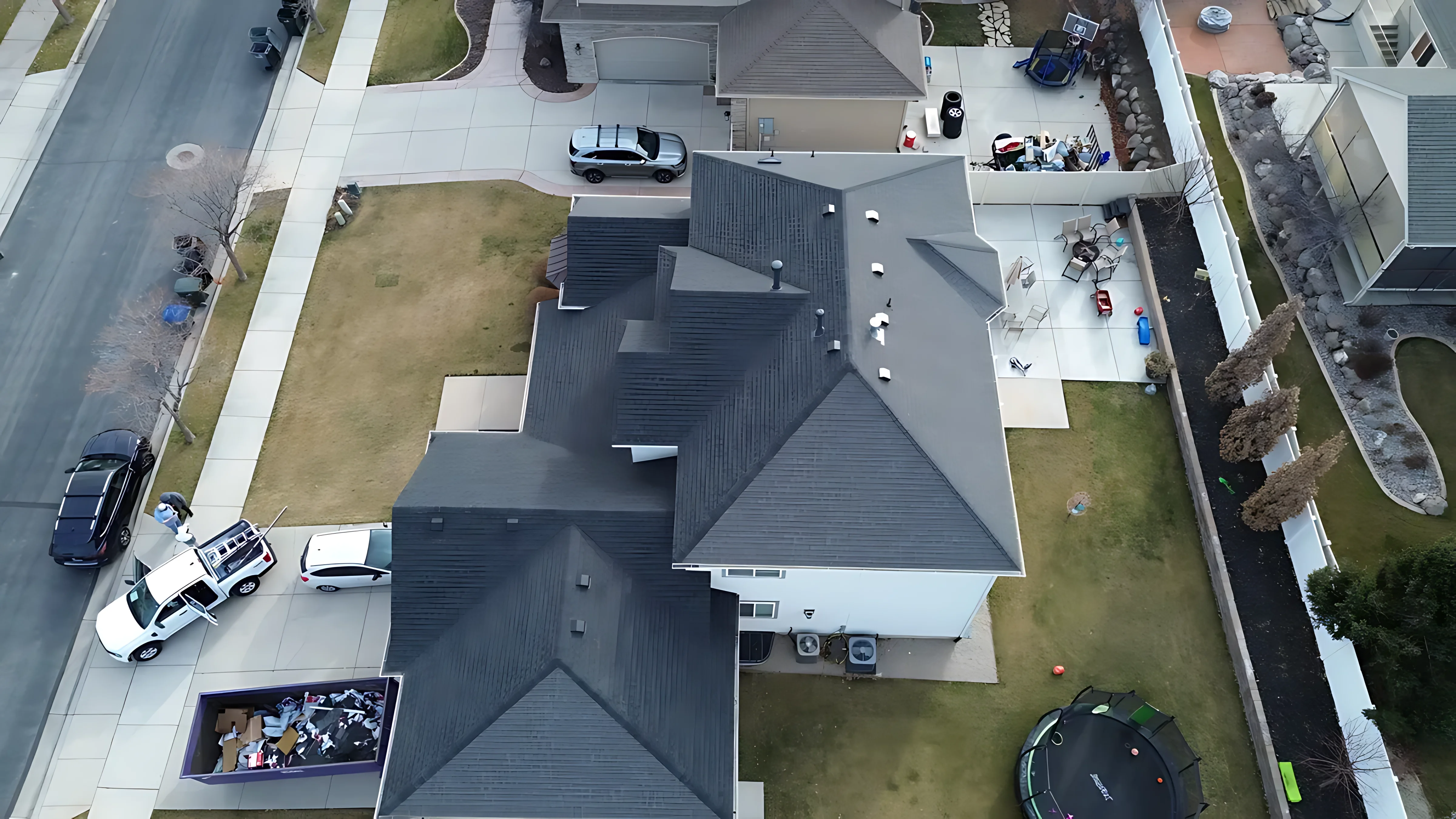
Maintenance and Inspection
Crickets should be inspected annually as part of a standard roof maintenance program. Look for cracked shingles, lifted flashing, or debris buildup in the "valley" formed by the cricket. Keeping these areas clear ensures the water diversion remains effective throughout the life of the roof.
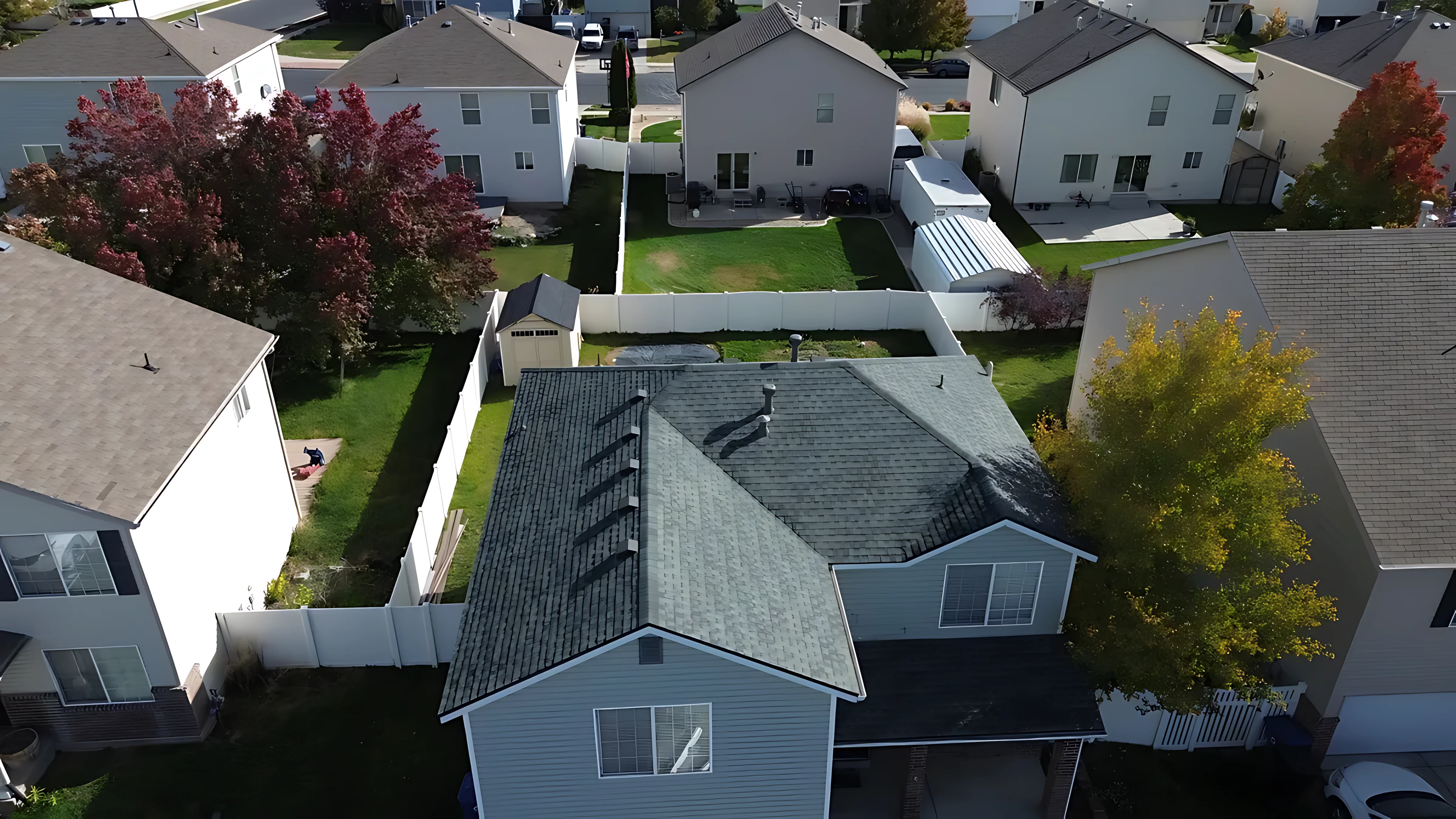
Wrapping it up
Roof crickets are a vital investment for any Utah homeowner with a large chimney. By diverting water and snow, they eliminate one of the most common roofing failure points. If you are planning a roof replacement or have a mystery leak near your chimney, check your cricket first.
Questions this guide answers
Quick answers tied to roofing cricket.
Utah Roof Repair Hub
Compare repair costs, local pros, and professional guidance to ensure your Utah roof is restored correctly and efficiently.