
Sandy Roof Replacement Guide (2026)
By Skyridge Ricky • March 29, 2026 • 12 min read
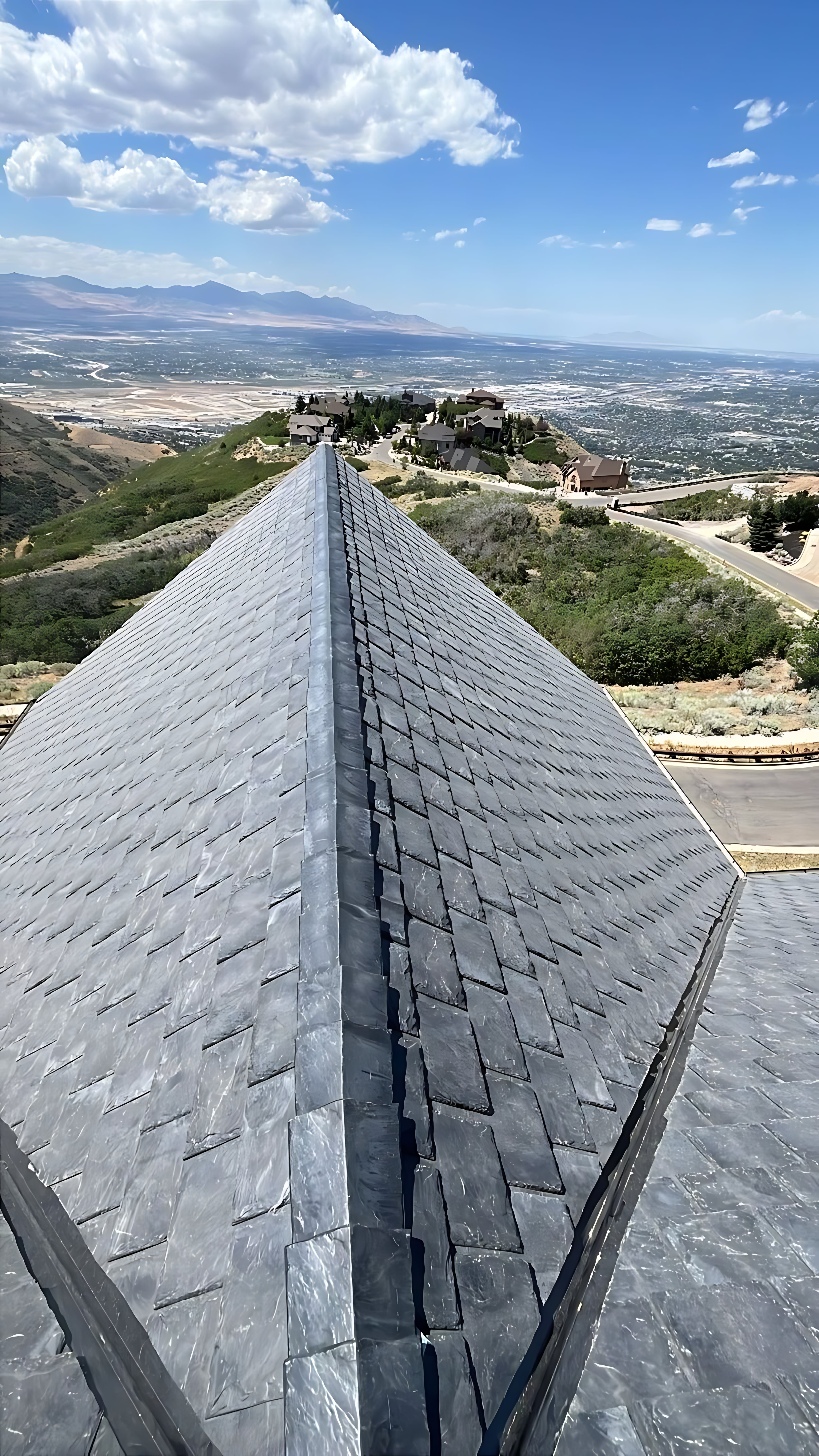
Sandy roof replacement searches usually come from homeowners who already know the roof is under pressure. Sometimes it is age. Sometimes it is storm damage. Sometimes it is the combination of high-altitude UV, canyon wind, and rapid temperature swings finally showing up as brittle shingles, lifted tabs, or repeated leak paths. In Sandy, the decision is not just whether to replace the roof. It is whether the next roof will actually be built for the conditions that caused the old one to fail.
That matters because Sandy homes experience some of the most aggressive thermal shock and wind behavior in the metro. A roof can be sun-baked in the afternoon and then hit by fast evening temperature drops and strong canyon-driven gusts. Those cycles are hard on seal lines, flashings, exposed edges, and any contractor who installs the replacement like it belongs in a milder market.
This guide is written for buyers who want the transactional details before signing a contract in 2026. We will compare when replacement is usually smarter than repair in Sandy, what material systems tend to fit best, which bid items matter most in a wind-exposed market, and what short-answer questions homeowners should use to compare replacement quotes confidently.
Replacement And Buying Paths
Buying guides and replacement articles should route readers into the service pages, pricing tools, and quote path that convert research into projects.
Next steps from this article should include roof replacement services, roof inspection services, shingle roofing services, metal roofing systems.
Request a roofing estimate
Turn buying research into a real estimate.
Request a roofing estimateSandy replacement timing: when repairs usually stop being enough
Quick answer
In Sandy, replacement usually becomes the stronger move once wind movement, brittle shingles, or repeated leaks show that the roof is no longer holding repair work reliably between storms or seasonal swings.
Some Sandy roofs reach the replacement stage because of age alone, but many get there because local exposure makes aging roofs unreliable faster. Repairs on a wind-stressed roof can look reasonable on paper and still underperform because the surrounding shingles no longer integrate cleanly, the seal lines are tired, or the edge details are already too compromised to keep handling another season of canyon gusts.
| Roof Signal | What It Usually Means in Sandy | Typical Buying Direction |
|---|---|---|
| One isolated leak on otherwise healthy roof | Still often repairable | Repair-first |
| Wind-lifted tabs across multiple slopes | System-wide exposure problem, not only a patch point | Often replacement-first |
| Brittle shingles plus recurring leak history | Repairs may stop bonding or matching well | Usually replacement-first |
| Storm damage on top of aging materials | Condition can shift from repairable to not worth repairing quickly | Compare both paths, but replacement often wins |
The best contractors explain why the roof crossed that line. The weakest ones only say that it did. In Sandy, homeowners should expect the recommendation to tie directly to wind wear, temperature cycling, and whether the old roof still supports durable repair work.
- Sandy roofs often age into replacement through wind movement and thermal cycling, not age alone.
- A repairable roof is not always a roof worth continuing to repair.
- Brittle shingles and repeated leak history usually reduce the value of continued patching quickly.
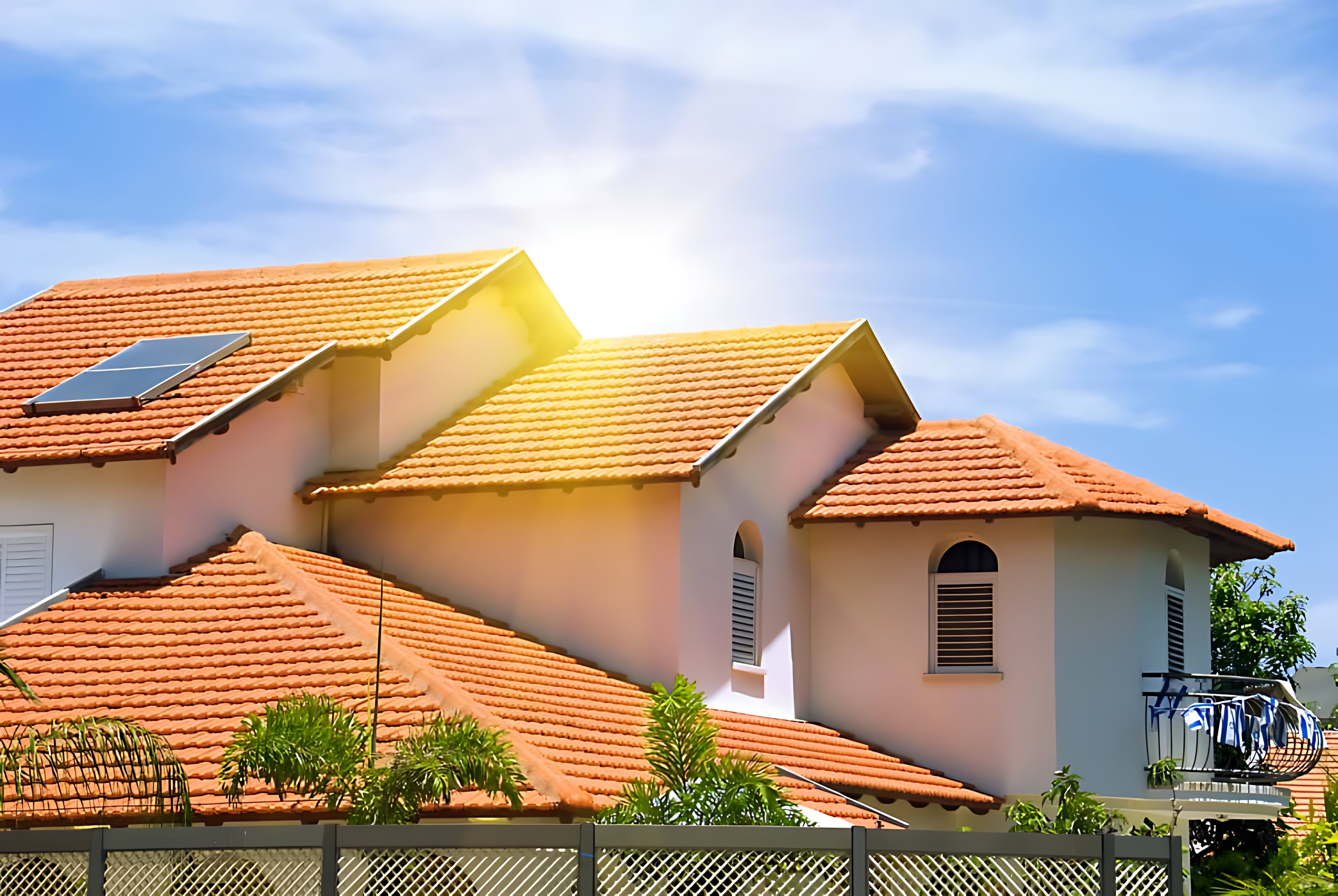
Material comparison table for Sandy: standard shingles vs wind-rated shingles vs standing seam metal
Material selection in Sandy is usually a conversation about exposure. Homeowners want to know whether a basic architectural system is enough, whether a stronger wind-rated shingle package is worth the premium, or whether a metal roof makes more sense for the house and ownership horizon. The answer depends on budget, slope, neighborhood exposure, and how much the owner values stronger long-term resistance to wind and snow behavior.
| System | Best Use in Sandy | Main Strength | Buyer Caution |
|---|---|---|---|
| Standard architectural shingles | Budget-sensitive replacements on moderate exposure homes | Balanced upfront cost and neighborhood familiarity | Needs strong installation discipline to hold up in wind-exposed areas |
| Enhanced wind-rated shingles | Homes exposed to canyon gusts or owners prioritizing stronger fastener and seal performance | Better wind strategy without a full jump to metal | Still depends on proper edge detail, starter, and nailing pattern |
| Standing seam metal | Premium homes, long-hold owners, owners prioritizing longevity and snow shedding | Strong lifecycle value and premium weather performance | Higher upfront cost and not necessary for every replacement budget |
The most important point is that system selection does not end at product choice.
In Sandy, the replacement package has to include the right fastening pattern, edge securement, starter details, and ventilation logic.
A better shingle installed generically can still underperform when the next wind event arrives.
- In Sandy, better material decisions start with exposure, not only with brand or price.
- Enhanced wind-rated shingles are often the middle ground between basic architectural systems and metal.
- Metal is strongest when the owner is optimizing for lifecycle value, not only initial budget.
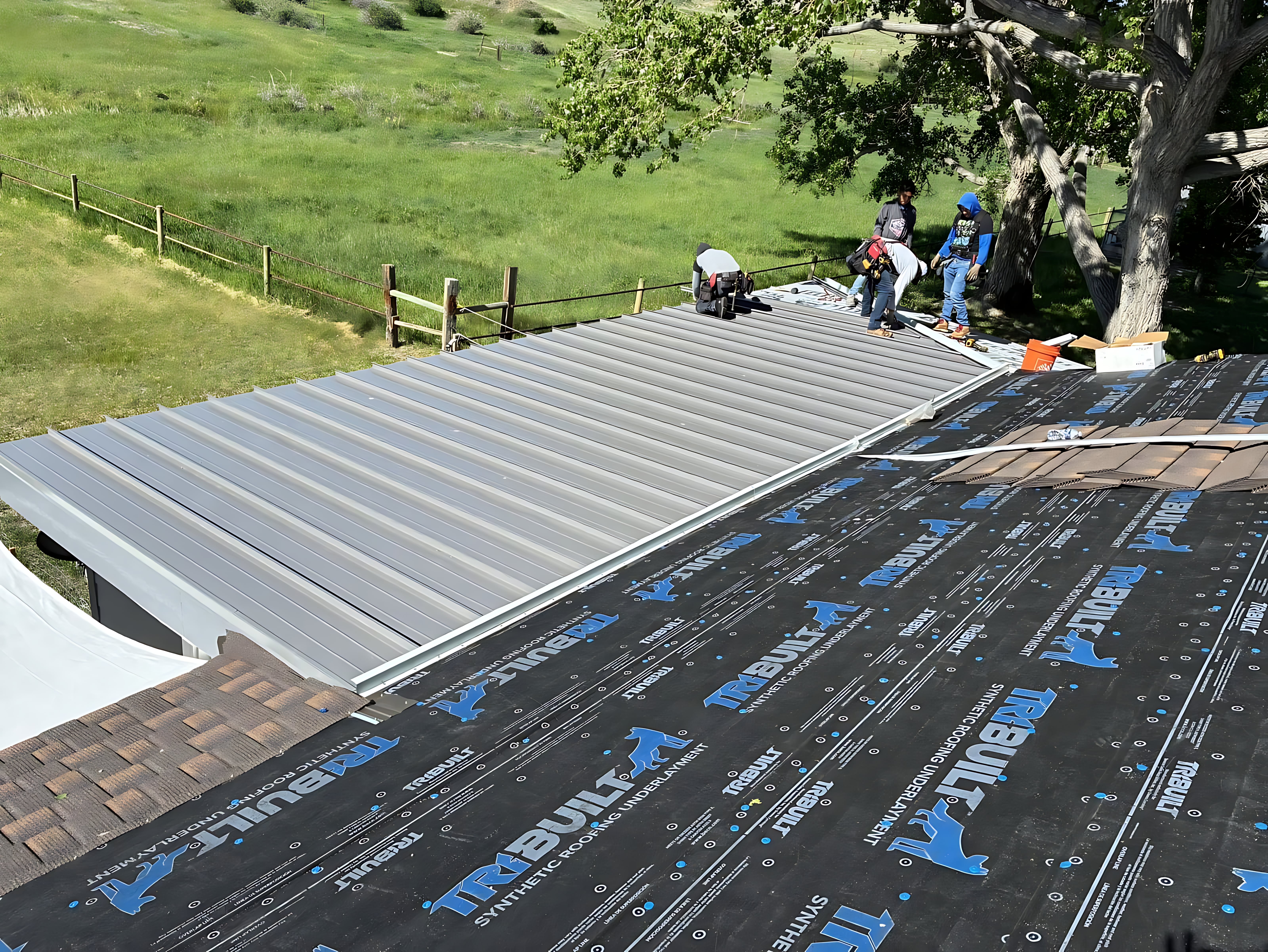
Bid-comparison table: what Sandy homeowners should demand in a roof replacement proposal
A strong Sandy roof replacement bid should read like a weather strategy, not just a material order.
If the proposal does not explain how the contractor is handling wind, edge securement, ventilation, and hidden conditions, the homeowner still does not really know what roof they are buying.
| Proposal Item | Why It Matters in Sandy | Buyer Question |
|---|---|---|
| Wind fastening and starter strategy | Canyon wind exposes weak installation details quickly | What wind-specific installation details are included? |
| Ventilation review | Thermal shock and attic stress shorten roof life when ignored | Did you evaluate intake and exhaust or just quote shingles? |
| Hidden-condition process | Older roofs often reveal deck or flashing issues after tear-off | How are hidden deck issues documented and priced? |
| Warranty clarity | Labor and system coverage matter in a weather-stressed market | What is material coverage and what is workmanship coverage? |
Once homeowners compare proposals this way, the conversation changes.
The cheapest bid often looks cheap because it avoids the most weather-sensitive parts of the assembly. That may reduce the number on day one, but it usually does not reduce the long-term roof risk for the house.
- The best Sandy replacement bids explain wind strategy, ventilation, and warranty details clearly.
- Proposal quality matters because generic reroof scopes are often not enough for canyon-exposed homes.
- A low bid often reflects a smaller scope, not a smarter system.
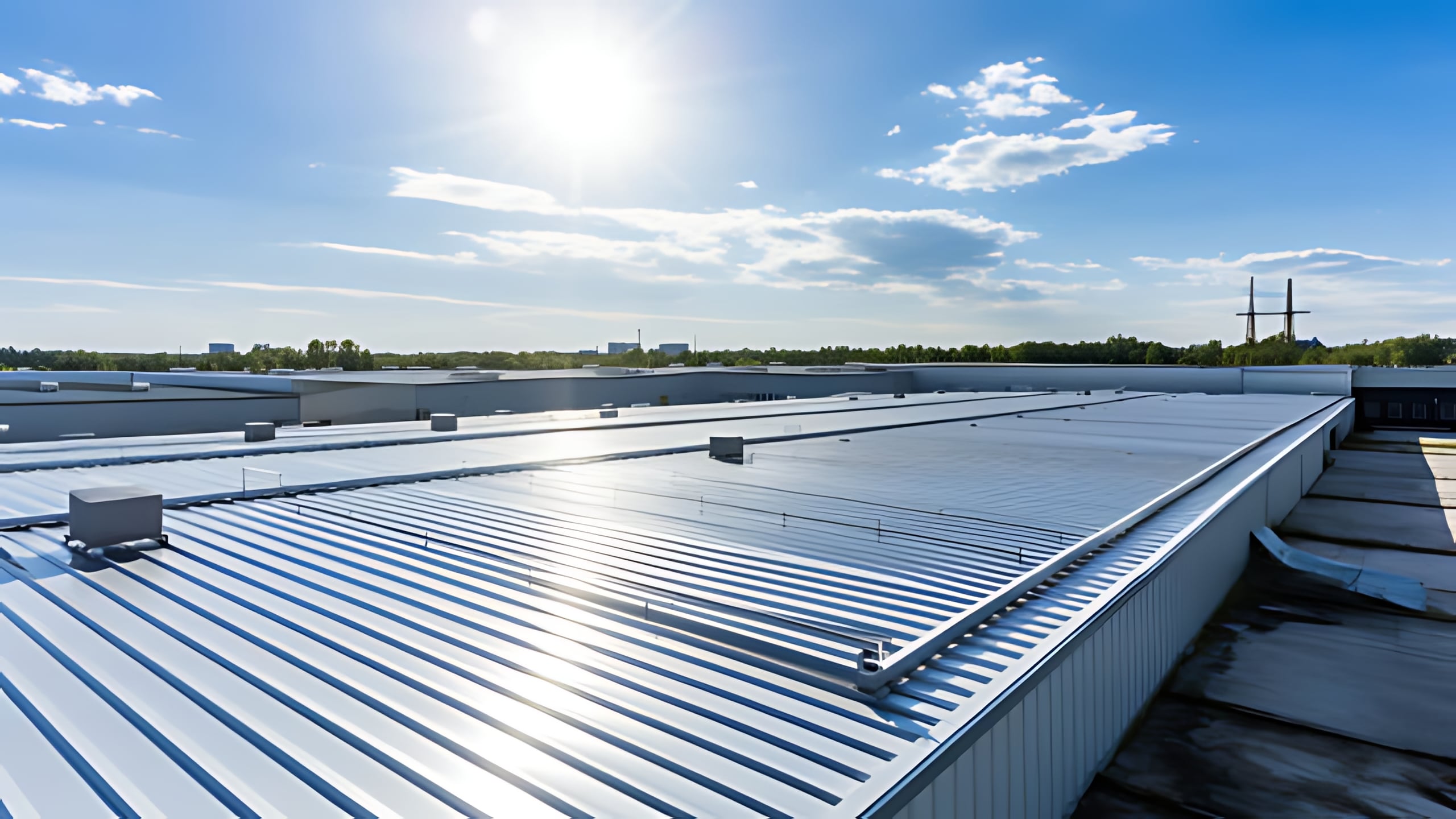
Best next step for a Sandy homeowner comparing replacement quotes
The best next step is a documented roof assessment that turns the replacement conversation into a scope conversation. That means identifying the current wear pattern, clarifying whether the new roof should simply restore the system or upgrade it for stronger wind performance, and comparing whether the proposal matches the house and the block.
Homeowners should also compare timing realistically. If the roof is already on the edge of failure, waiting until the next major weather event usually does not improve the decision. It only reduces the amount of time available to make a good one. Planned replacement gives the owner more control over contractor selection, material comparison, and scheduling.
- Documented roof condition is the best foundation for serious replacement comparison.
- Planned replacement almost always gives homeowners more control than emergency replacement.
Wrapping it up
Sandy roof replacement should be treated as a local weather decision as much as a construction decision. The right system is the one that matches the house’s exposure, the owner’s budget horizon, and the level of confidence they want after the next season of wind and temperature swings.
Once homeowners compare timing, materials, and proposal detail together, the project gets much easier to judge. That is what turns a new roof quote into a smart replacement decision for the specific property in front of you.
Questions this guide answers
Quick answers tied to Sandy roof replacement.
Utah Roof Replacement Hub
Explore our comprehensive guides, local pricing, and service area details to help you plan your next roofing project with confidence.
Pricing & Vetting Guides
Priority Local Pages
Utah Roof Repair Hub
Compare repair costs, local pros, and professional guidance to ensure your Utah roof is restored correctly and efficiently.