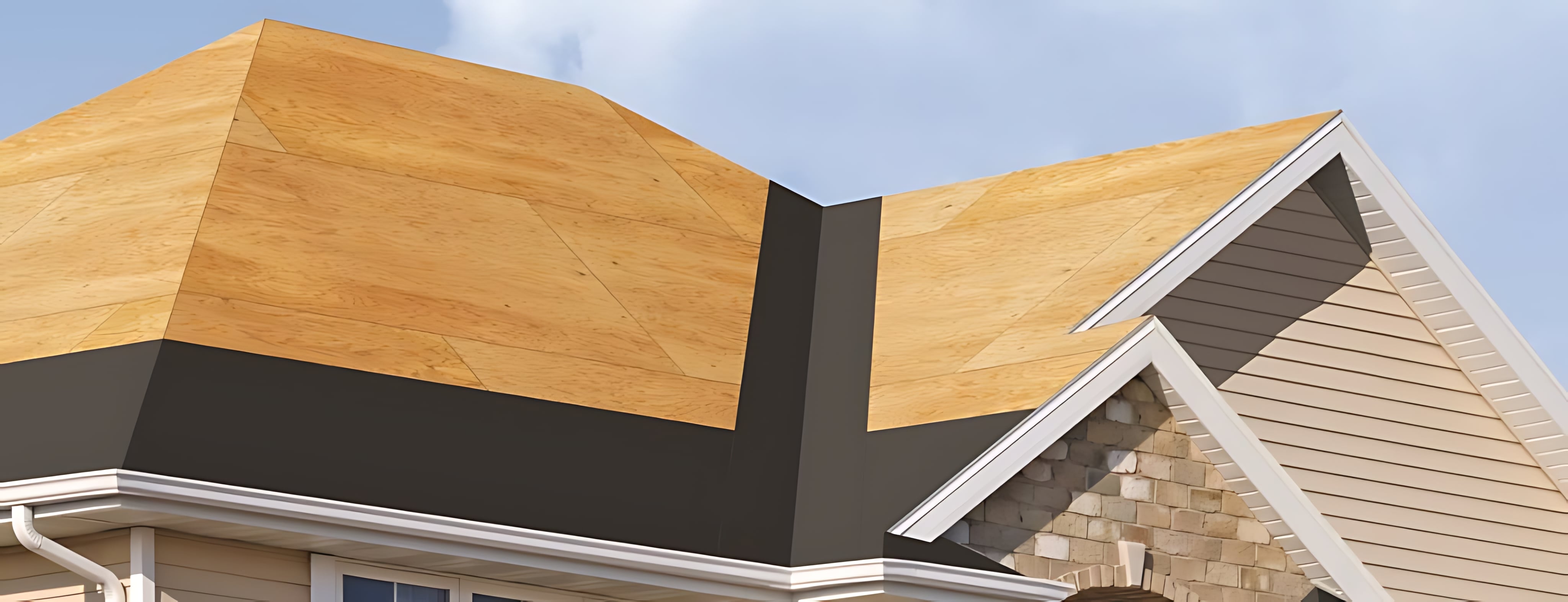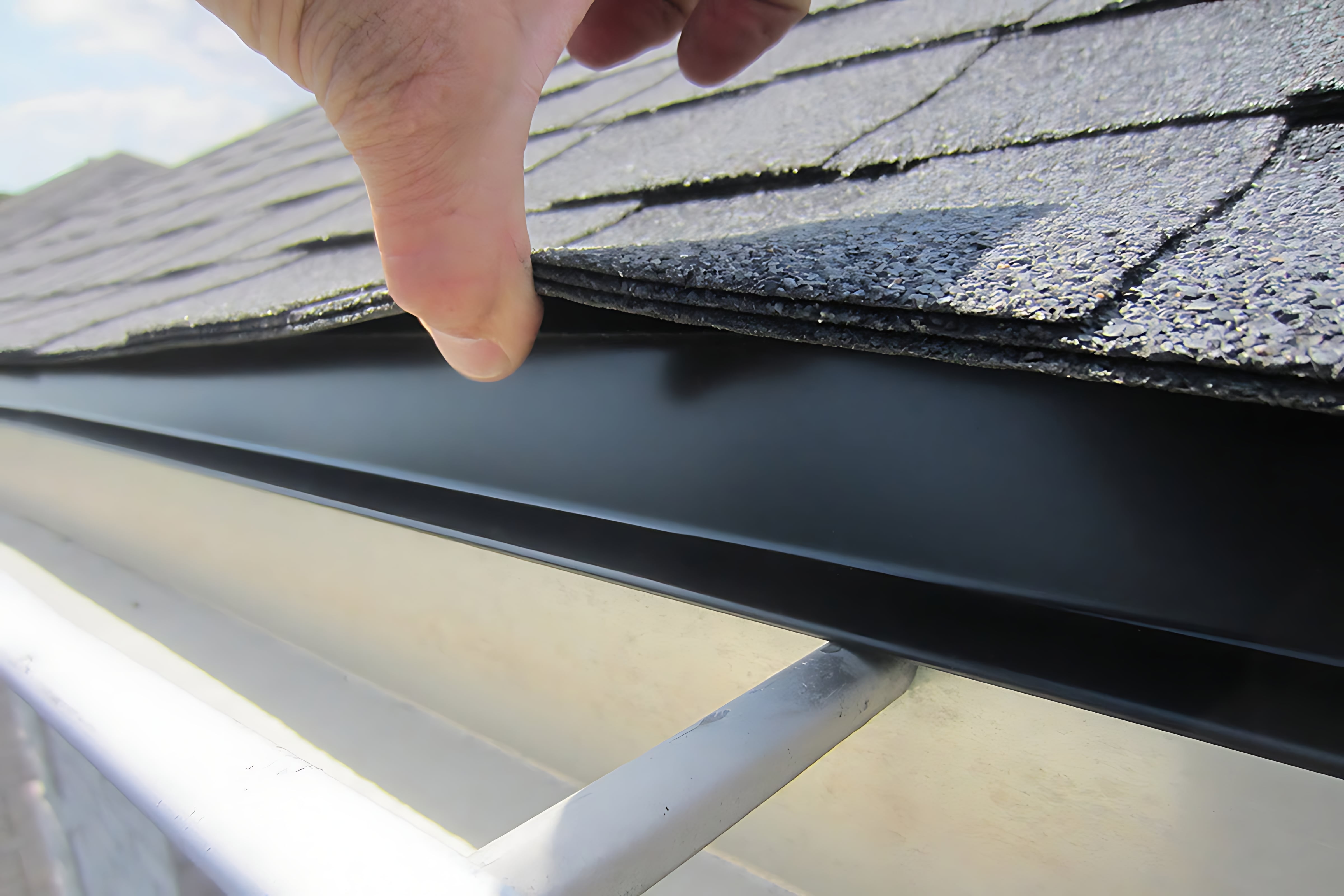
The scariest part of any roof replacement is what you can't see. Once we tear off the old shingles, we often find rotted roof decking (plywood or OSB) that has been slowly decaying for years due to tiny leaks. If we don't fix this, your new roof won't have a solid surface to nail into.
Repair And Maintenance Paths
Repair and maintenance articles should keep feeding service pages that solve the issue, not just answer the question.
Next steps from this article should include roof repair services, roof inspection services, emergency roof repair, preventative roof maintenance.
Book a roof repair inspection
Capture repair-intent readers directly.
Book a roof repair inspectionSigns of Decking Failure
If your roof feels 'spongy' when you walk on it, or if you see visible sagging between the rafters from inside your attic, your decking is likely compromised. In Utah, snow weight can actually cause rotted decking to collapse, which is why we include a 'decking inspection' in every Wasatch-Proof audit.
Replacing Rotted Roof Decking: When is it Time?: Local Conditions to Verify
Before a recommendation from this tips & advice guide turns into a signed scope of work, the roof still needs to be checked against local site conditions. In the Wasatch Front, two homes with the same square footage can need very different details because canyon wind exposure, attic ventilation, snow drift patterns, tree cover, and previous repair history all change the risk profile. A useful inspection documents the surface condition, looks for soft decking or uneven sheathing, checks penetrations and valleys, and confirms whether the existing ventilation can support the next roof system.
For homeowners comparing options around rotted roof decking repair, this step prevents generic advice from becoming an expensive shortcut. The goal is to connect the visible symptom to the correct roof assembly, not just replace the most obvious damaged shingle or flashing piece.
- Confirm roof pitch, drainage paths, and high-wind exposure before choosing materials.
- Inspect attic ventilation and decking condition before pricing a final scope.
- Document penetrations, valleys, and wall transitions because these are common leak sources.
What Should Be Included in the Scope
A strong roofing scope should explain the work in enough detail that another qualified contractor could understand the same standard. For the Wasatch Front projects, that usually means naming the shingle or membrane system, underlayment, ice and water protection, flashing approach, ventilation changes, disposal, decking allowance, warranty level, and cleanup expectations. Vague line items like "repair roof" or "install shingles" leave too much room for missed components and change orders.
This matters because many roof failures are not caused by the main field material. They start where water is forced to change direction: step flashing, pipe boots, skylights, chimneys, dead valleys, parapet transitions, and low-slope tie-ins. When those details are included up front, the homeowner can compare bids on actual performance instead of only comparing the bottom-line number.
- Require written details for flashing, ventilation, tear-off, disposal, and warranty coverage.
- Ask how hidden decking damage will be documented and approved if it is discovered.
- Compare bids by system completeness, not only by the lowest total price.
When to Repair, Replace, or Monitor
The right answer is not always a full replacement. Some roofs need a focused repair, some need seasonal monitoring, and some have reached the point where repeated patching wastes money. Age, leak history, granule loss, fastening quality, attic moisture, storm exposure, and the condition of surrounding roof planes all influence that decision. A reliable recommendation should explain why the proposed option fits the current roof instead of using fear or urgency as the main sales tool.
For the Wasatch Front homeowners, timing also matters. Freeze-thaw cycles, spring runoff, and summer UV exposure can turn a small defect into interior damage. If a roof is actively leaking, the first priority is stopping water entry and documenting the cause. If the roof is dry but aging, planning ahead usually gives better material choices, better crew availability, and less pressure during storm season.
- Repair isolated failures when the surrounding roof system still has usable service life.
- Replace when damage is widespread, decking is compromised, or warranty coverage is no longer meaningful.
- Monitor borderline roofs with photos, attic checks, and pre-winter inspections.
Wrapping it up
Solid decking is the foundation of a 50-year roof. If it's rotten, replace it!
Still deciding? We make it easy.
Free estimates · No pressure · Utah-licensed crew
Utah Roof Repair Hub
Compare repair costs, local pros, and professional guidance to ensure your Utah roof is restored correctly and efficiently.