
How Many Layers of Roofing Materials Are on Your Roof? Why It Matters (2026)
By Skyridge Ricky • May 5, 2026 • 6 min read
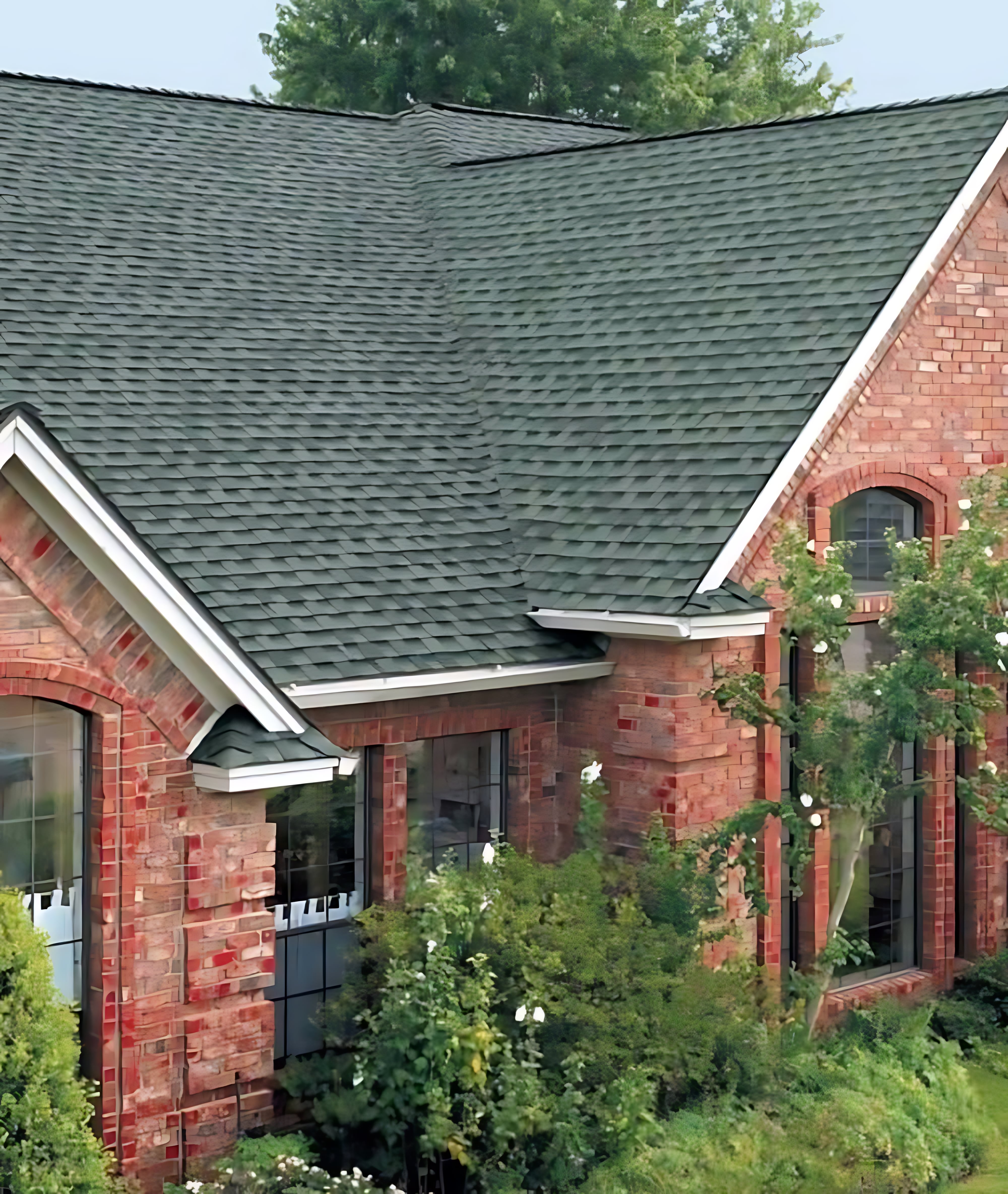
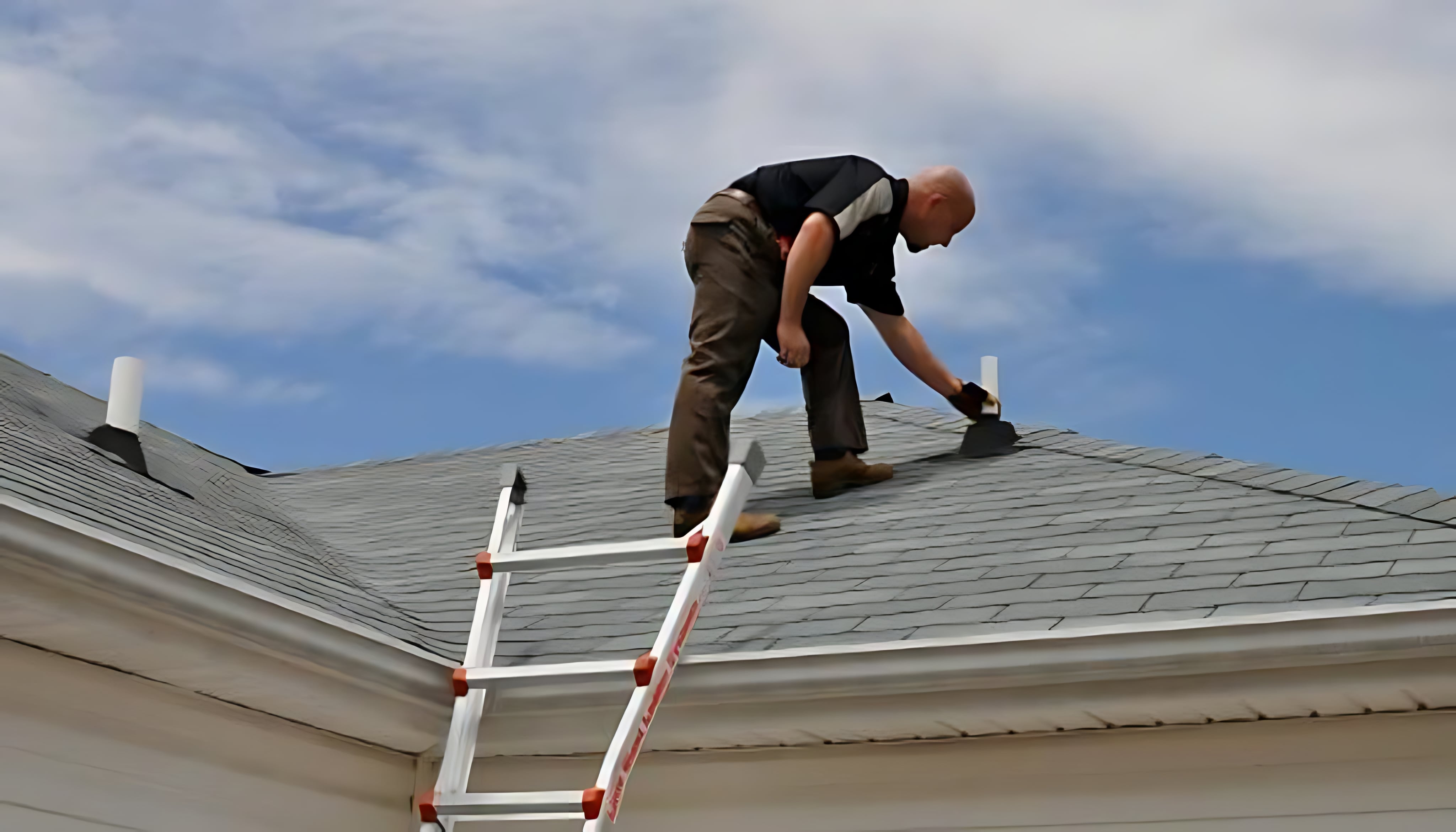
How many layers of materials does your roof currently have is not just a form question. It affects price, code, weight, ventilation, warranty, and whether a contractor can inspect the deck before installing a new system. Many older Utah homes have one layer of architectural shingles. Some have a second layer installed over the first. A few still hide older materials below newer shingles.
This guide explains how roof layers are checked, why they matter, and why tear-off is often the cleaner long-term choice.
Replacement And Buying Paths
Buying guides and replacement articles should route readers into the service pages, pricing tools, and quote path that convert research into projects.
Next steps from this article should include roof replacement services, roof inspection services, shingle roofing services, metal roofing systems.
Request a roofing estimate
Turn buying research into a real estimate.
Request a roofing estimateHow Contractors Check Roof Layers
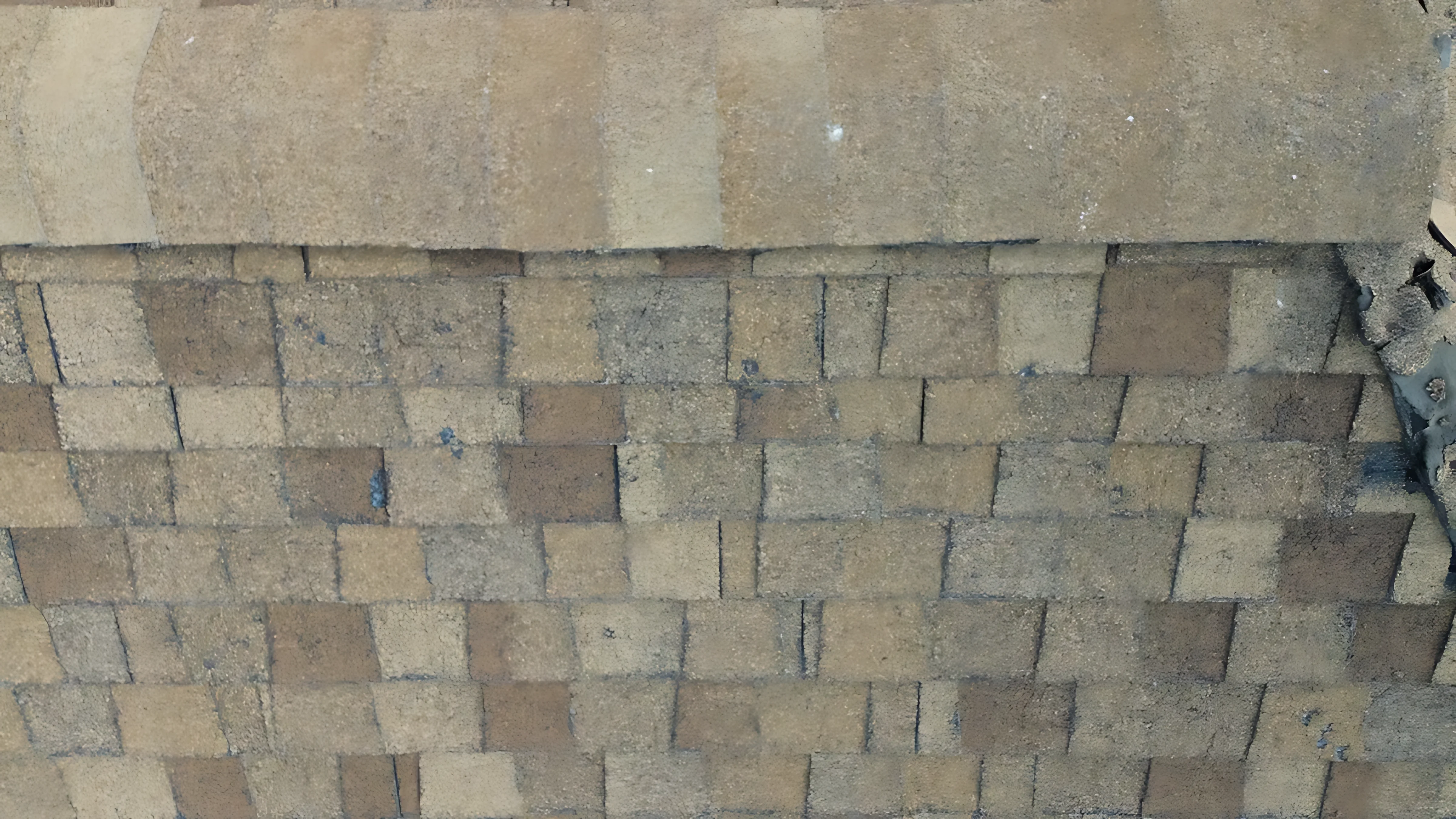
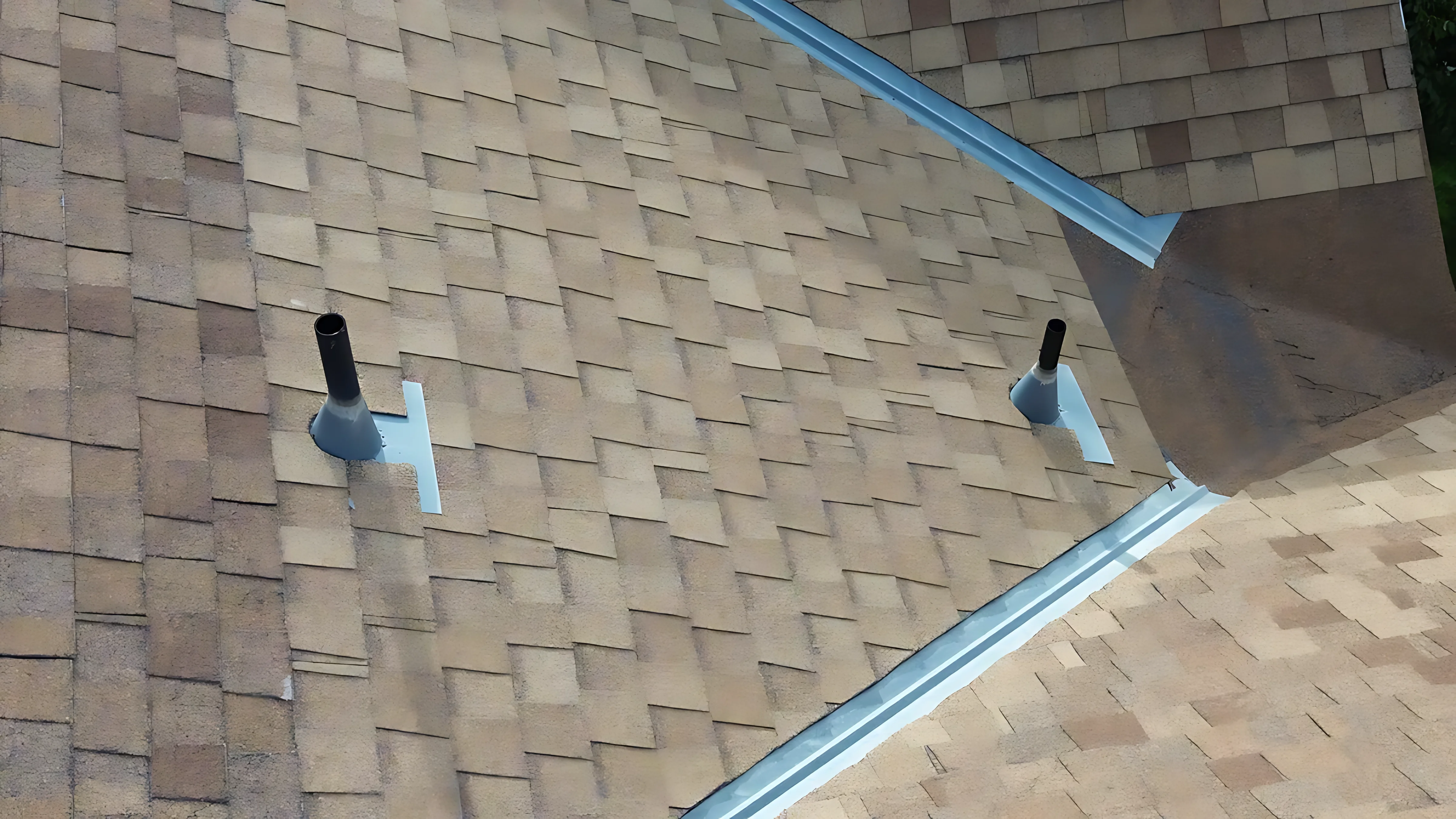
Layer count is usually checked at roof edges, rake edges, vents, or small lifted areas where the shingle stack is visible. The contractor looks for separate courses of shingles, old underlayment, starter layers, and signs that the roof was recovered instead of torn off.
Interior clues can also help. Sagging deck areas, uneven roof planes, or heavy buildup at edges may suggest multiple layers, but direct verification is better than guessing.
Why Multiple Layers Increase Risk
Extra layers add weight and can hide bad decking, old leaks, poor fastening, and ventilation problems. New shingles installed over old shingles may not lay as flat, and manufacturers may limit warranty coverage when the substrate is not clean and solid.
In snow areas, weight deserves serious attention. The roof structure was designed for loads, and unnecessary roofing layers reduce margin.
How Layers Affect Cost
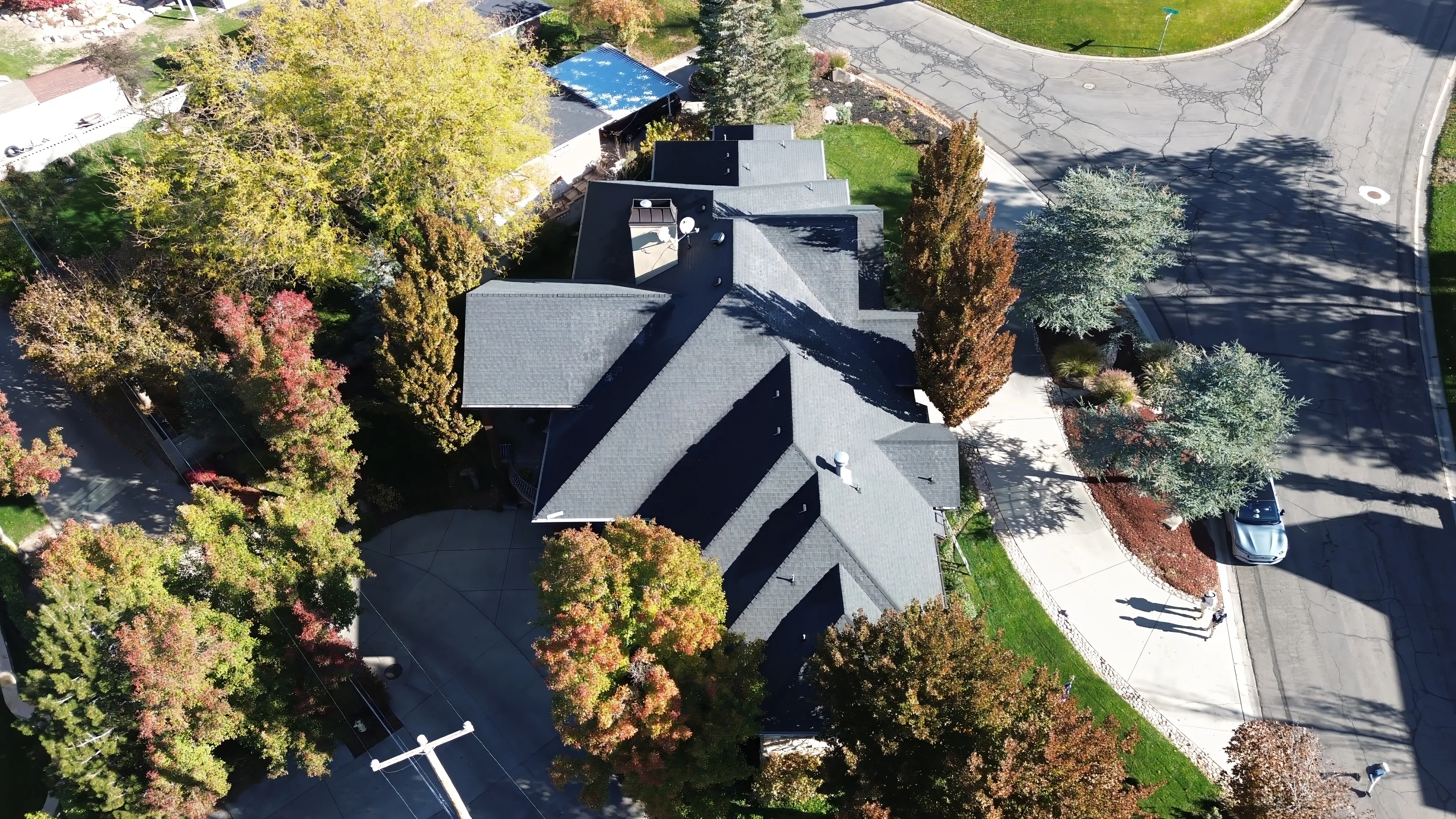
Multiple layers usually increase labor, disposal, and staging cost. Tear-off takes longer, dump fees rise, and crews may discover deck repairs after the old material is finally removed. A bid that does not account for extra layers may change once work begins.
That does not mean the higher bid is unfair. It means the scope is more honest about what is on the roof.
Recover vs Tear-Off
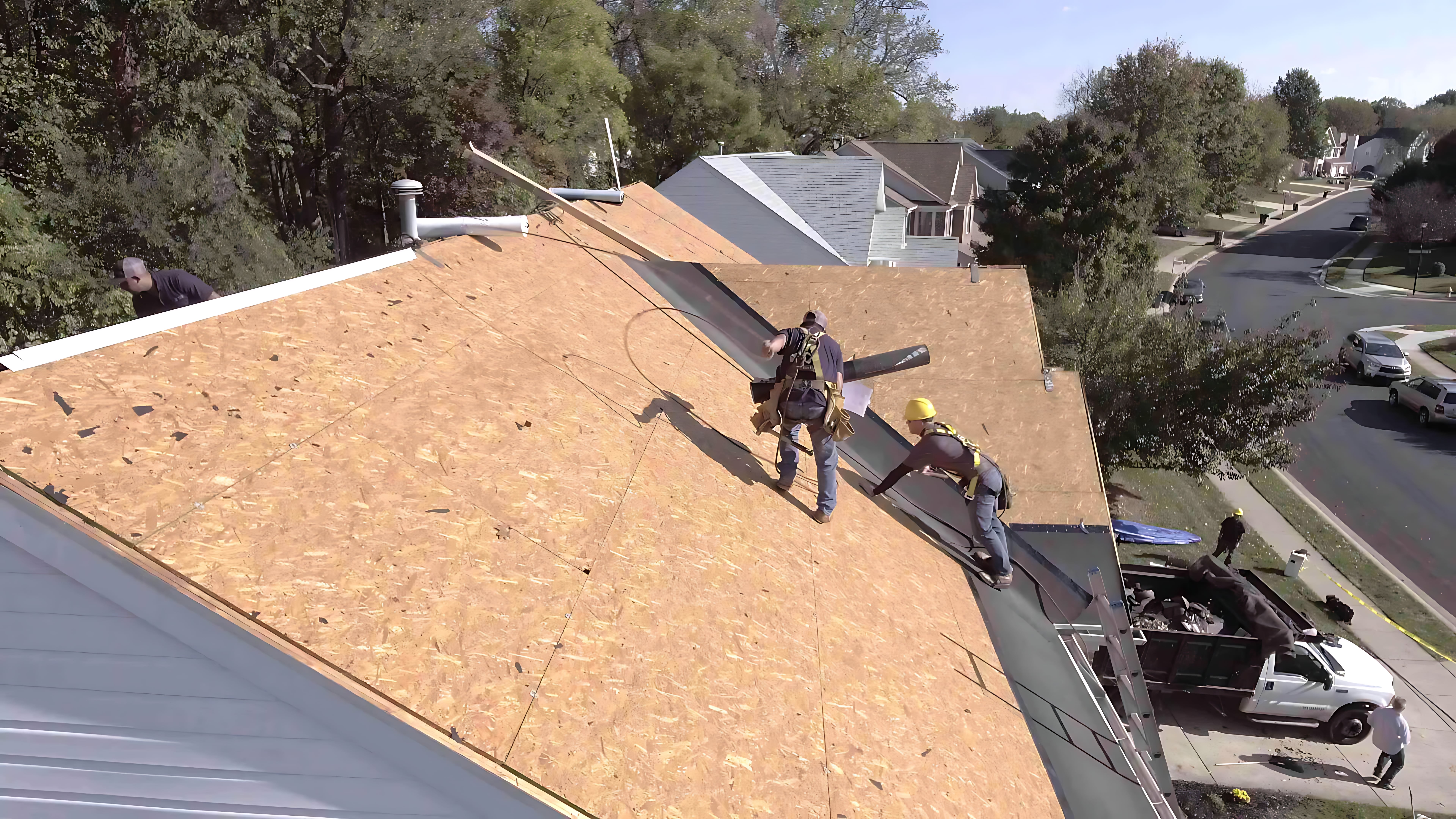
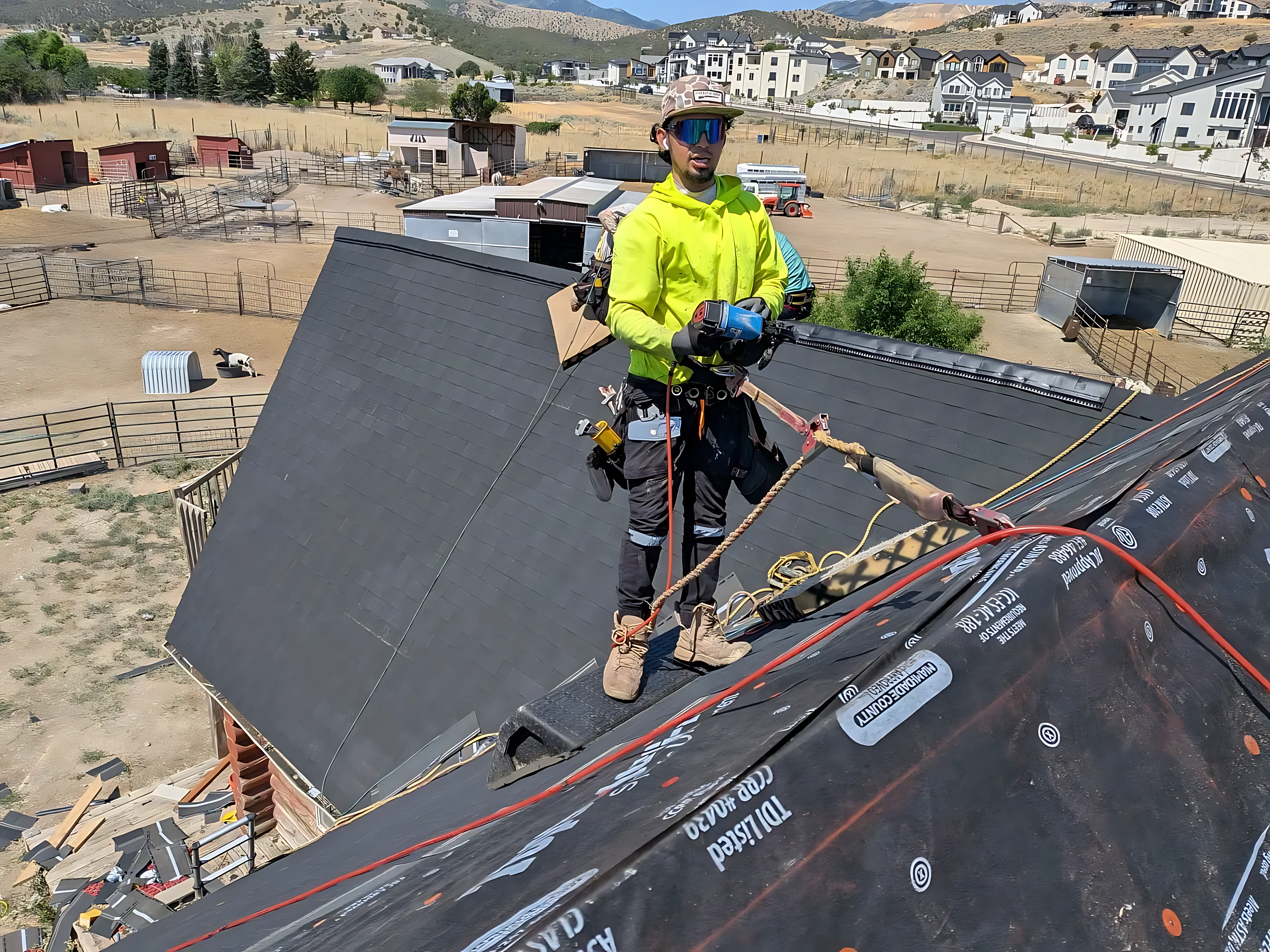
A recover can look cheaper, but it prevents full deck inspection and can preserve old problems under a new surface. Tear-off exposes the roof deck, allows proper underlayment, resets flashing details, and creates a cleaner fastening surface.
For most Utah homes where long-term performance matters, tear-off is the more defensible recommendation.
Wrapping it up
Tearing off old roof layers is a standard part of a high-quality Utah reroof. It ensures a stable deck, balanced ventilation, and a system that is not carrying unnecessary weight into the next winter storm.
Questions this guide answers
Quick answers tied to how many layers of materials does your roof currently have.
Utah Roof Replacement Hub
Explore our comprehensive guides, local pricing, and service area details to help you plan your next roofing project with confidence.
Pricing & Vetting Guides
Priority Local Pages
Utah Roof Repair Hub
Compare repair costs, local pros, and professional guidance to ensure your Utah roof is restored correctly and efficiently.