
What is a 6/12 Roof Pitch? (2026 Guide)
By Skyridge Ricky • April 28, 2026 • 6 min read
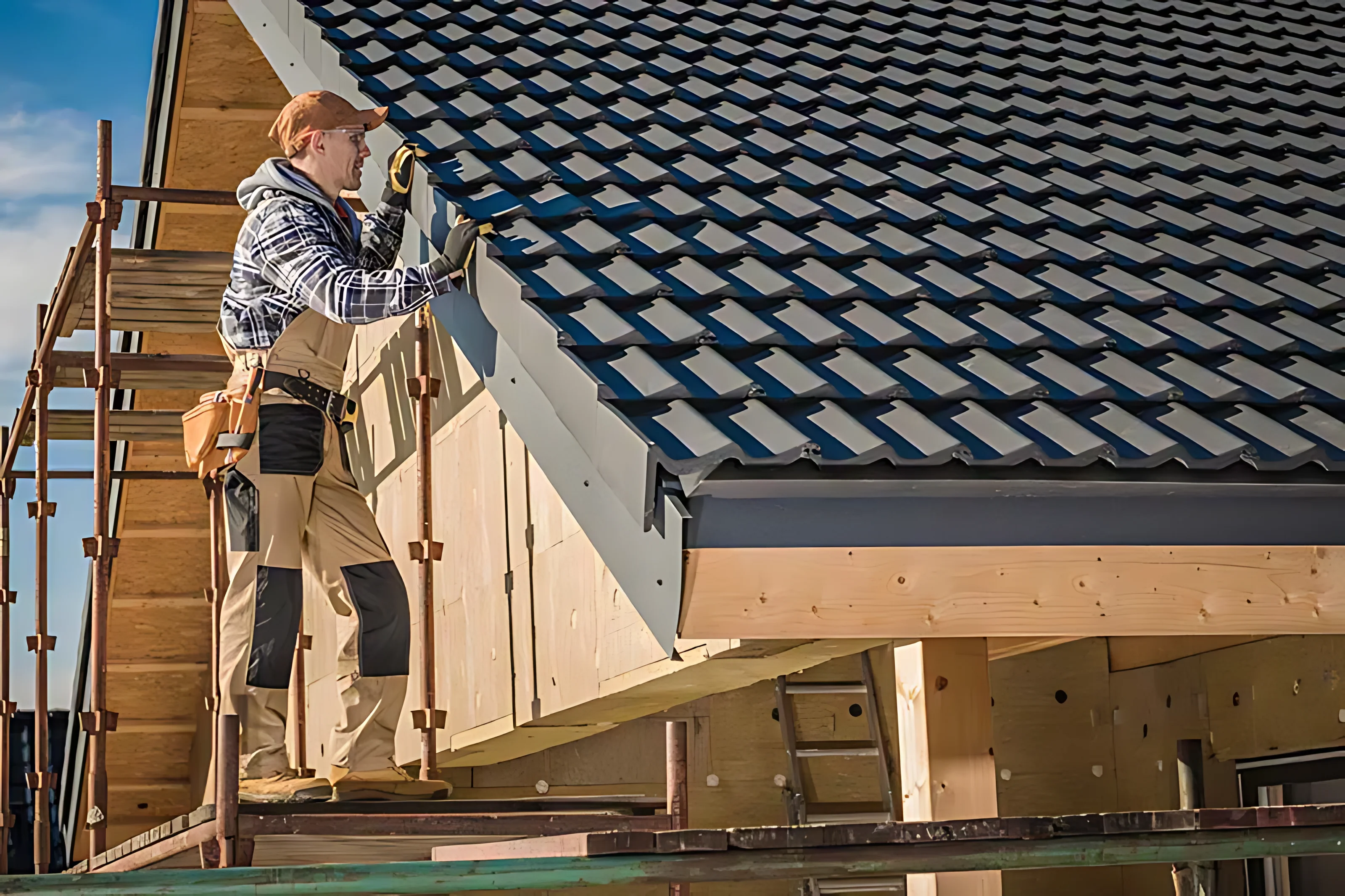
In the world of Utah roofing, the term 6/12 roof pitch is one you will hear constantly. But what does it actually mean for your home? Simply put, a 6/12 roof rises 6 inches for every 12 inches of horizontal run. This is expressed as a ratio of 6:12 and is considered a medium-slope roof that is ideal for the heavy snow loads we see along the Wasatch Front.
Understanding your roof pitch is critical before choosing roofing materials. Whether you are considering asphalt shingles or a metal roofing system, the slope dictates the installation method and the type of roofing membranes required for a long term, leak-free performance.
Replacement And Buying Paths
Buying guides and replacement articles should route readers into the service pages, pricing tools, and quote path that convert research into projects.
Next steps from this article should include roof replacement services, roof inspection services, shingle roofing services, metal roofing systems.
Request a roofing estimate
Turn buying research into a real estimate.
Request a roofing estimateThe Geometry of a 6/12 Roof Slope
When we talk about a 6/12 roof slope, we are describing the vertical rise over the horizontal run. At a 6/12 pitch, the roof sits at a 26.57-degree angle. This angle is steep enough to shed water and snow efficiently, which is the primary goal of any water drainage strategy in a climate like Salt Lake City's.
For most residential slope roofs, the 6:12 ratio provides the perfect balance. It is steep enough to prevent ponding but safe enough for a professional crew to walk on using standard safety gear. In 2026, we still find this to be the most cost-effective pitch for a full roofing system replacement.
How to Measure Your Pitch with a Tape Measure
You don't need a degree in geometry to find your pitch. You can calculate it yourself using a simple tape measure and a 12-inch level. From inside your attic, hold the level perfectly horizontal against a rafter. Measure from the 12-inch mark on the level straight up to the rafter. That vertical rise in inches determines your 12 pitch designation. If it measures 6 inches, you have a 6/12 roof.
This understanding roof pitch process is one of the first things we do during a forensic roof audit. It tells us if your current ventilation is sufficient and if your asphalt shingles were installed correctly for the actual slope of the deck.
Best Materials for 6/12 and Medium Slopes
One of the biggest advantages of a 6/12 pitch is material versatility. Because it is well above the "low slope" threshold (which is anything below 4/12), you are not limited to flat-roof roofing membranes like TPO or EPDM.
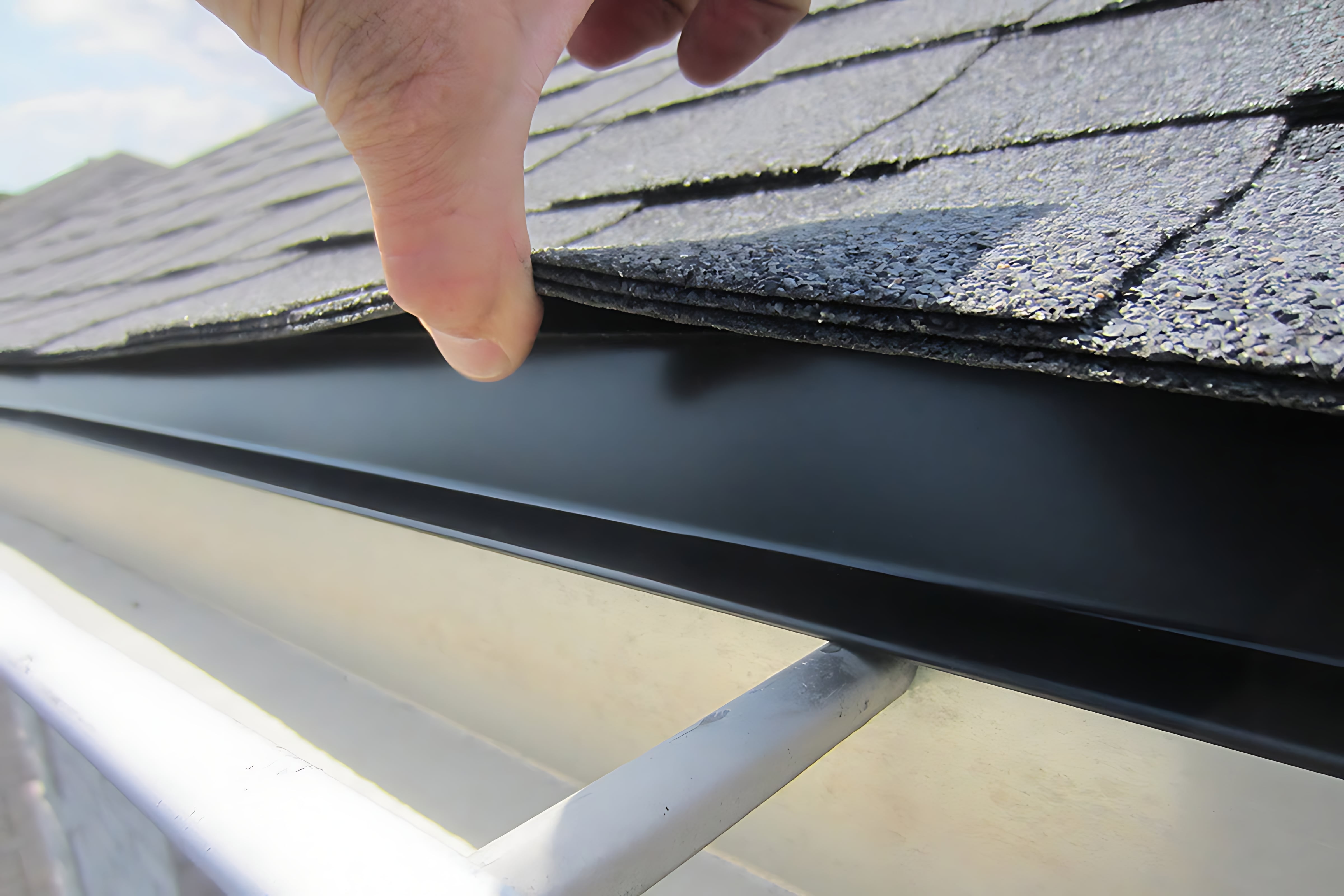
- Asphalt Shingles: The most common choice. A 6/12 pitch ensures maximum longevity for architectural shingles.
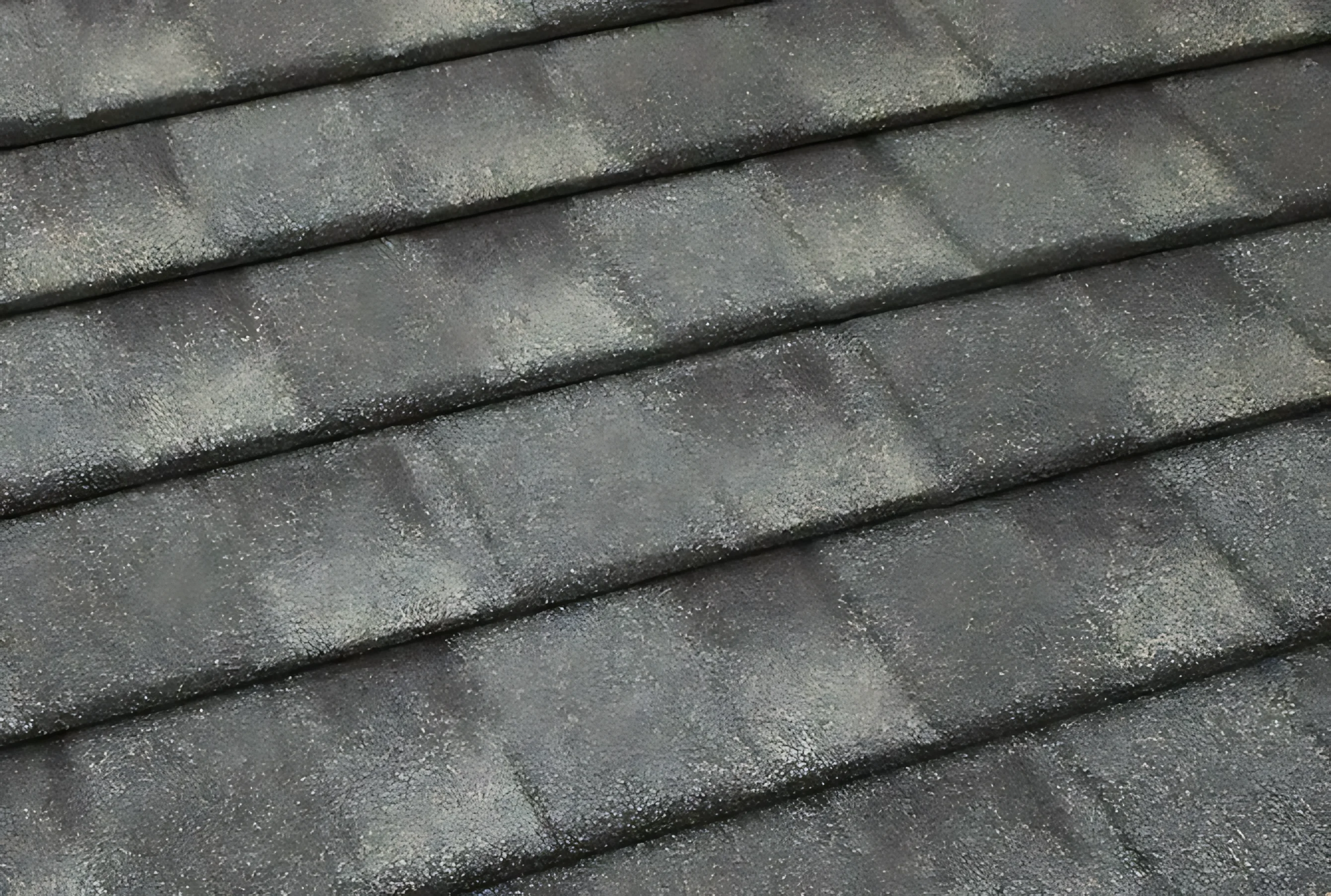
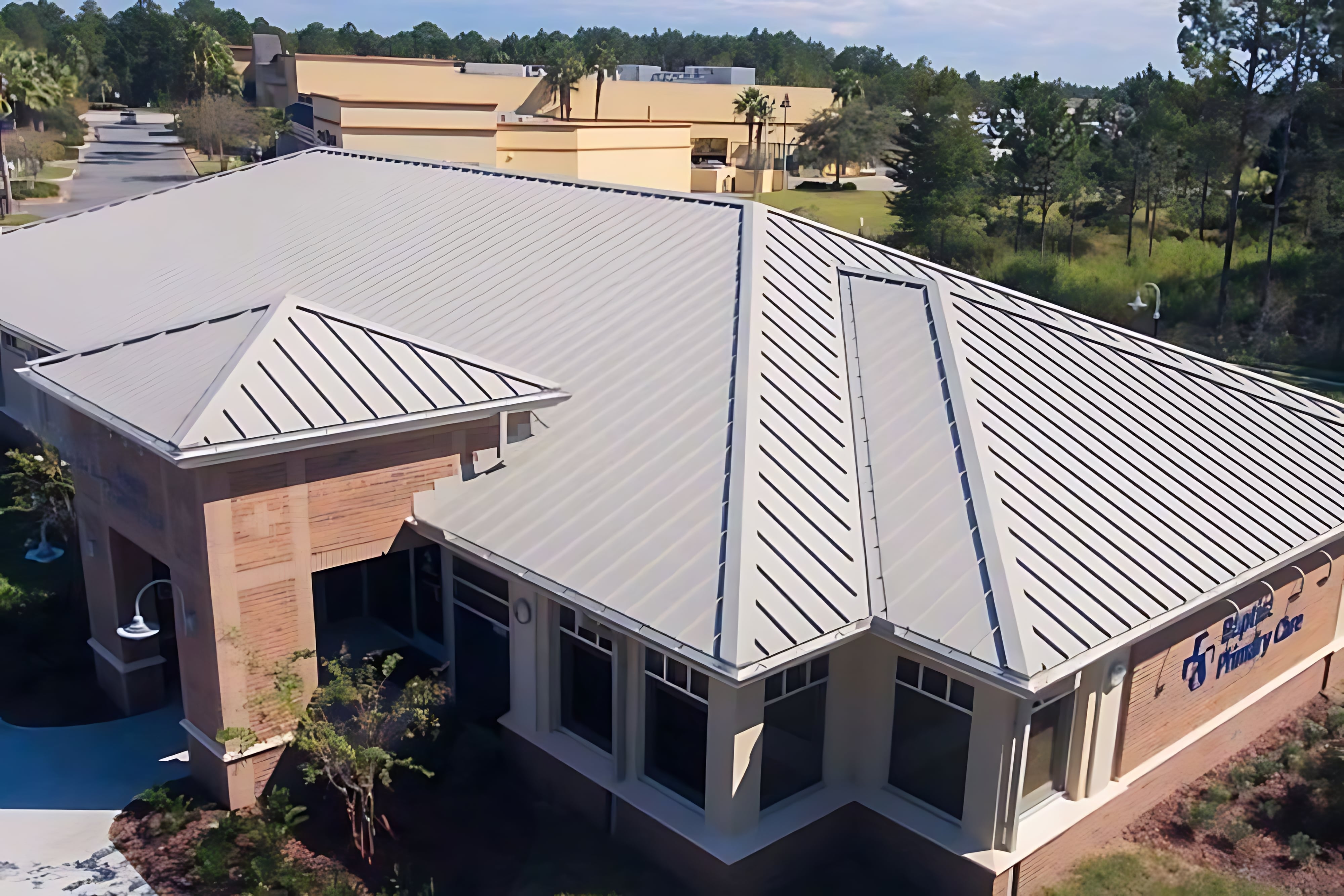
- Metal Roofing: Both standing seam and stone-coated steel look incredible and perform flawlessly at this 6/12 roof angle.
- Underlayment: Even on a 6/12 pitch, we recommend high-quality synthetic underlayment to provide a secondary water drainage layer.
Wrapping it up
Whether your roof rises 2 inches or 12 inches for every 12 inches of run, the key is matching the material to the geometry. A 6/12 roof pitch offers excellent performance, safety, and aesthetic appeal for Utah homeowners. If you are still understanding roof pitch or need a professional measurement, Sky Ridge Roofing is here to help.
Contact us today for a free inspection, or use our online roof pitch calculator to get your numbers instantly!
Utah Roof Repair Hub
Compare repair costs, local pros, and professional guidance to ensure your Utah roof is restored correctly and efficiently.